Major Video Game Franchises That Nearly Failed
The gaming industry looks solid and unstoppable when you see billion-dollar releases and huge fan communities.
But behind many of today’s biggest titles are stories full of close calls, wrong turns, and moments when everything almost fell apart.
These franchises didn’t just stumble—they came dangerously close to disappearing.
Let’s dig into some of the biggest names in gaming that nearly never made it past their darkest chapters.
Halo
Bungie first designed Halo as a real-time strategy game for Mac computers, which is hard to imagine now.
When Microsoft bought Bungie in 2000, they turned it into a first-person shooter to help launch the original Xbox.
It was a risky move since Xbox was new and untested in a market ruled by Sony and Nintendo.
If the console had failed, Halo would’ve gone down with it.
Instead, it became the reason to own an Xbox and build a franchise worth billions.
Tomb Raider
After early success in the 1990s, Eidos rushed out new Tomb Raider games every single year.
The quality sank fast, and by 2003’s The Angel of Darkness, critics slammed it while fans walked away.
Crystal Dynamics took the reins from Core Design and spent years rebuilding everything from the ground up.
The 2013 reboot finally brought Lara Croft back to the top and gave the series new life.
Final Fantasy

Square was on the brink of bankruptcy in 1987 when Hironobu Sakaguchi made what he thought would be his last game.
He called it Final Fantasy because he didn’t think he’d make another.
The game turned into a surprise hit in Japan and saved the company from collapse.
Without that stroke of luck, there might never have been a modern JRPG genre or a Square Enix today.
Resident Evil
By the mid-2000s, Capcom’s survival horror series had lost its way.
The focus on action over fear left longtime fans cold, and Resident Evil 6 in 2012 was a low point.
Critics tore it apart for abandoning the franchise’s roots.
Capcom went back to the drawing board and launched Resident Evil 7 in 2017 with a first-person view and true horror again.
That move revived the series and paved the way for the remakes that followed.
Fallout
When Interplay went bankrupt in the early 2000s, the Fallout franchise almost died with it.
Bethesda bought the rights in 2004, but fans worried they’d ruin what made it special.
Turning the old isometric RPG into a first-person world seemed risky.
Then Fallout 3 arrived in 2008 and blew everyone away, transforming a forgotten series into one of gaming’s biggest success stories.
Assassin’s Creed
Unity nearly wrecked Ubisoft’s flagship franchise in 2014.
The game launched in terrible shape, filled with bugs, crashes, and glitches that became online jokes.
Players lost trust fast, and sales of the next release dropped sharply.
Ubisoft hit pause on yearly releases and came back strong with Origins in 2017, reinventing the gameplay and restoring faith in the brand.
Devil May Cry
The 2013 reboot DmC: Devil May Cry changed Dante so much that fans revolted.
His new look and personality didn’t sit right with longtime supporters, and sales fell short of expectations.
Capcom shelved the series for years, unsure what to do next.
When Devil May Cry 5 arrived in 2019, the return of the classic style and old Dante proved the series still had plenty of fight left.
The Legend of Zelda
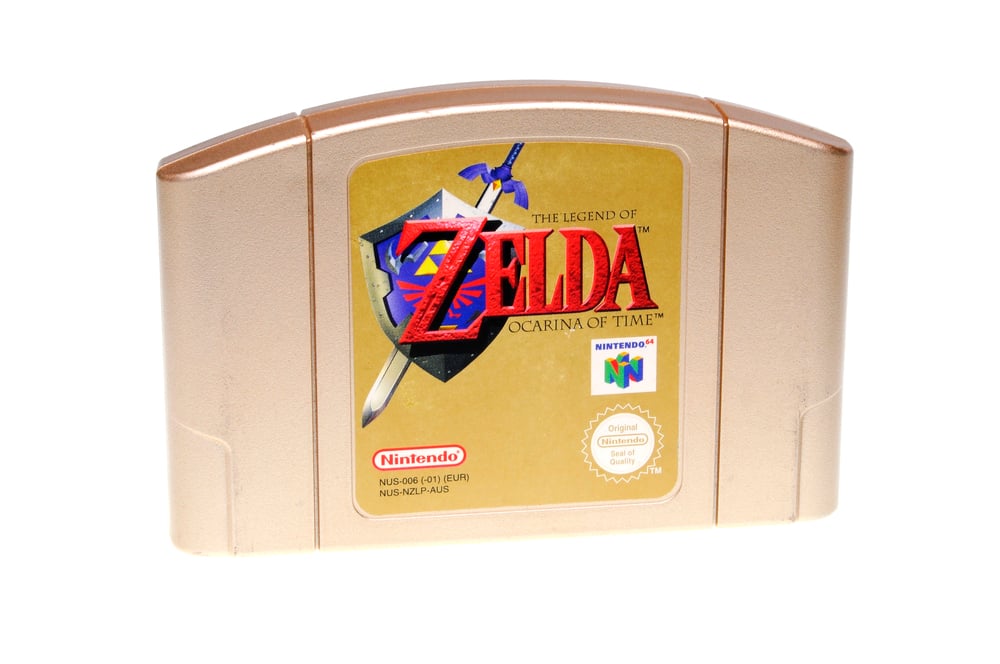
After Skyward Sword received mixed reviews in 2011, Nintendo took a huge gamble with Breath of the Wild.
Delays piled up, and the game even shifted from Wii U to the new Switch console.
Analysts warned that if the Switch failed, Nintendo might have to rethink making consoles at all.
Instead, Breath of the Wild became a global hit and one of the most celebrated games ever made.
Metroid
Metroid: Other M in 2010 nearly killed the series.
Fans hated its direction, and then Nintendo went quiet about the franchise for years.
When Federation Force was announced, the backlash was fierce.
The company scrapped Metroid Prime 4 mid-development and started over.
Finally, Metroid Dread in 2021 gave players the true sequel they’d been waiting for and proved the series still had power.
Mortal Kombat
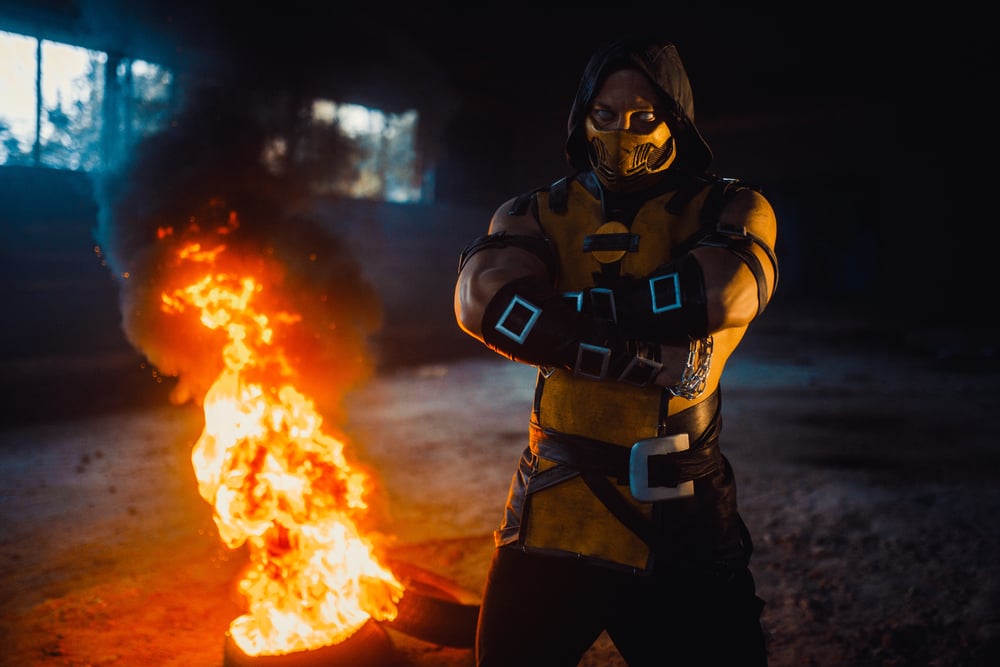
Midway’s bankruptcy in 2009 took Mortal Kombat down with it.
Warner Bros. bought the rights and formed NetherRealm Studios, but few believed the series could recover.
Mortal Kombat 9 in 2011 returned to its classic 2D roots and reminded everyone why the franchise mattered.
The comeback was so strong it pushed the series back to the top of the fighting game world.
Sonic the Hedgehog
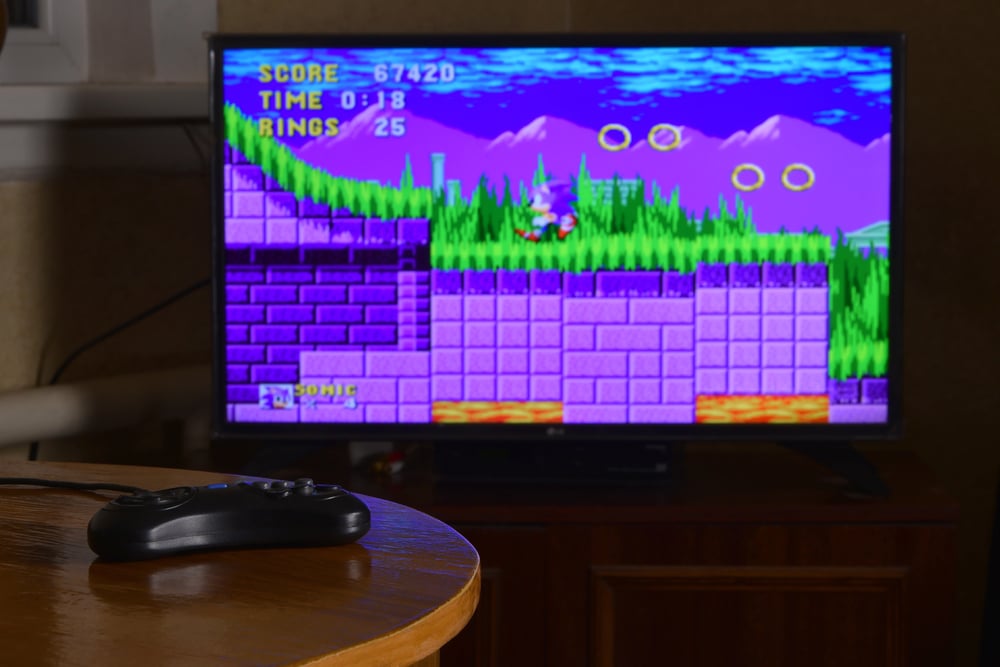
Sega spent years trying to figure out what to do with Sonic, and most attempts went badly.
Sonic ‘06 became infamous for bugs and terrible gameplay, and Sonic Boom in 2014 was another disaster.
Fans started wondering if the blue hedgehog’s best days were gone.
The 2020 movie reignited interest, and Sonic Frontiers in 2022 finally gave the character a proper comeback.
Grand Theft Auto
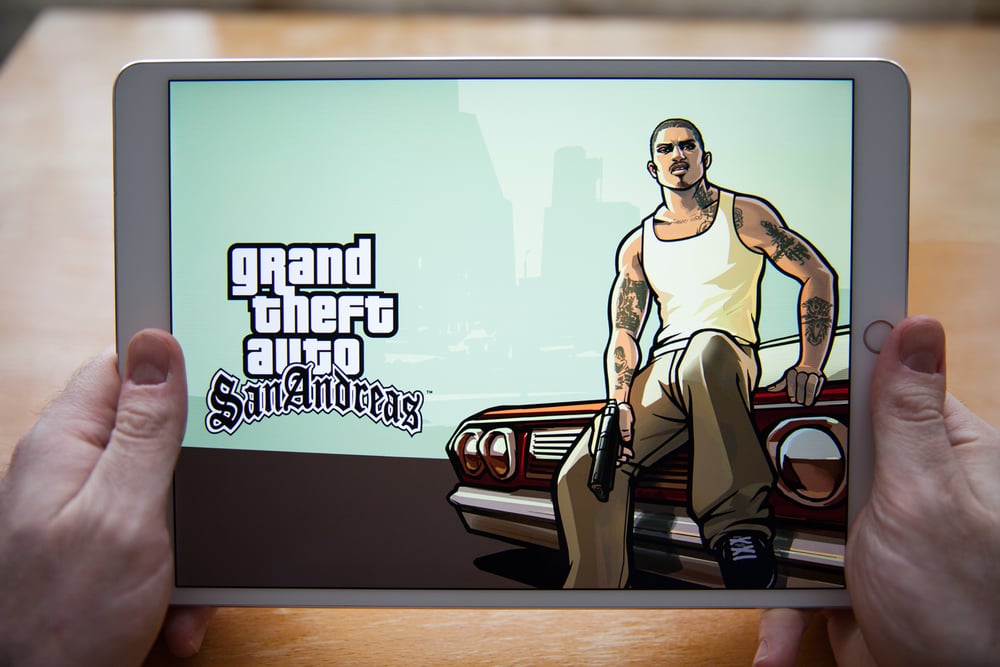
The San Andreas controversy over the hidden ‘hot coffee’ content nearly destroyed Rockstar’s reputation.
Lawsuits piled up, stores pulled the game, and the ESRB re-rated it Adults Only, which could have killed sales entirely.
Rockstar moved fast to release a clean version, but the damage was serious.
GTA IV proved the brand was still strong, and the company learned to handle risk a little more carefully.
Tony Hawk’s Pro Skater

Activision ran the Tony Hawk series into the ground with rushed, buggy releases.
Pro Skater 5 in 2015 was so broken it became a meme among players.
Even Tony Hawk admitted the franchise had lost its edge.
Then in 2020, Vicarious Visions released a polished remake of the first two games, reminding everyone why skating games mattered in the first place.
Street Fighter
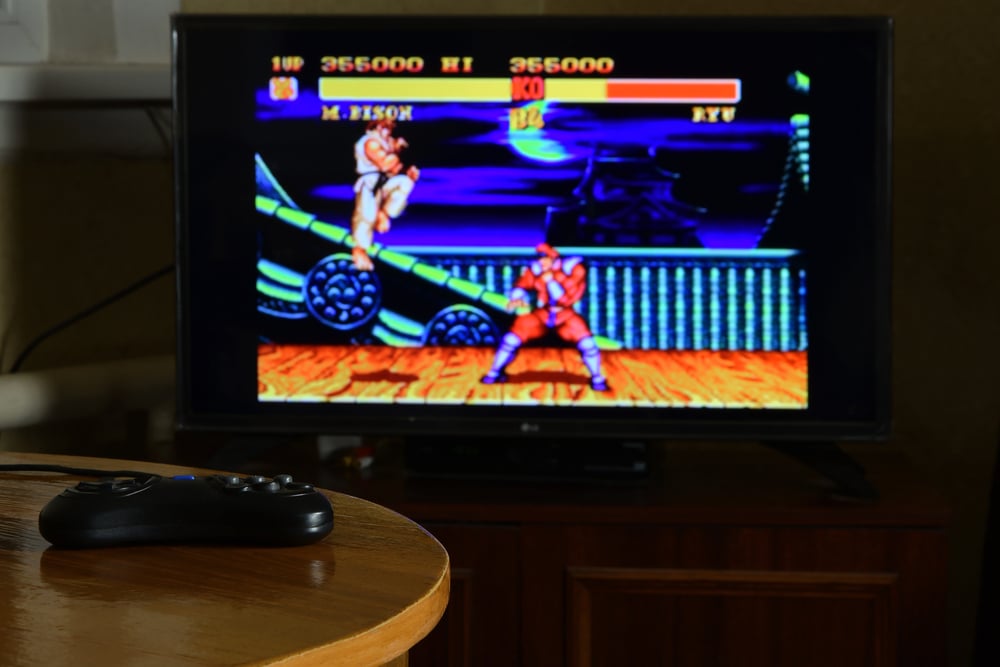
When Street Fighter III launched in the late ’90s, fans weren’t impressed, and sales fell flat.
For years, Capcom left the series quiet as fighting games lost popularity.
Then Street Fighter IV arrived in 2008 with a bold return to 2D gameplay at a time when 3D fighters ruled.
The risk paid off and kicked off a new golden era for the genre.
Call of Duty
By 2016, Call of Duty fatigue had set in hard.
The Infinite Warfare trailer became one of the most disliked videos on YouTube, as fans rejected the futuristic setting.
Many thought the series had finally burned out.
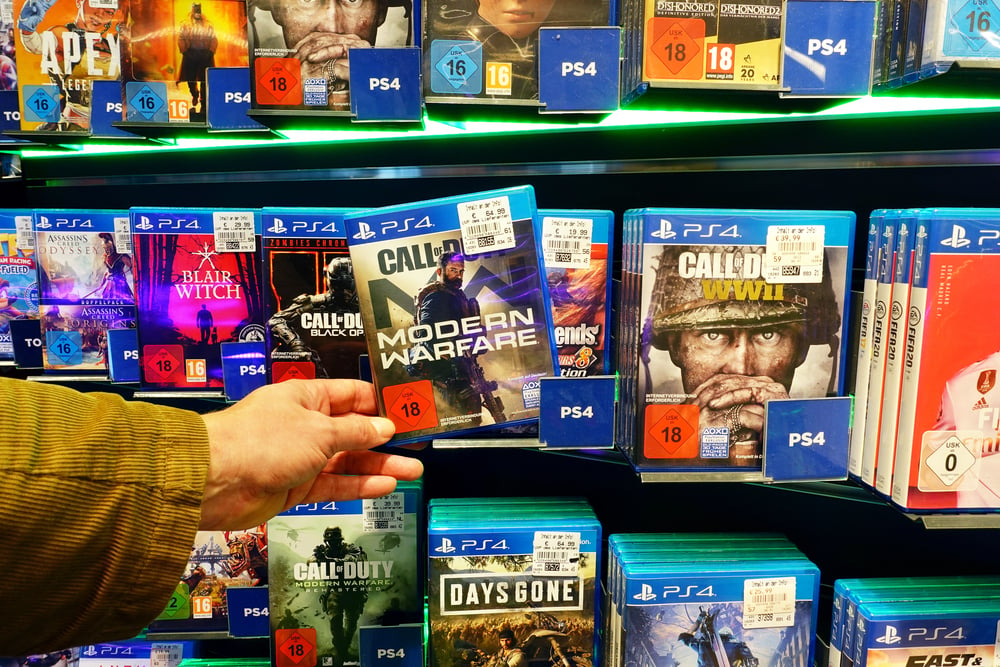
Activision listened and returned to classic ground combat with WWII in 2017 and Modern Warfare in 2019, keeping the franchise at the top of the charts.
Doom
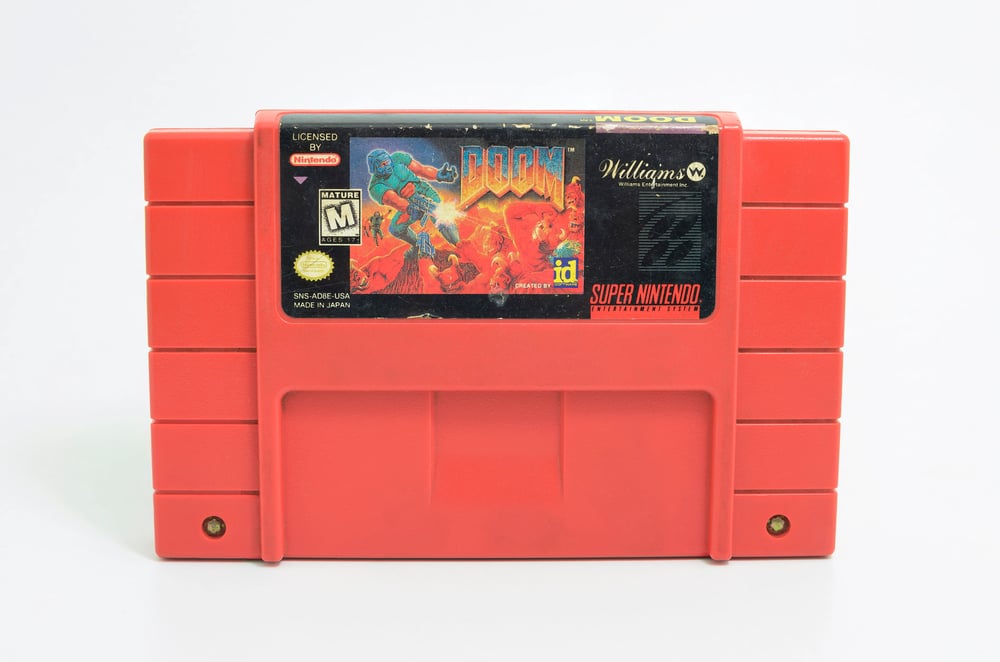
After Doom 3 failed to capture the original’s energy, the legendary shooter seemed finished.
Development on Doom 4 dragged for years before id Software scrapped it and started over.
Industry insiders assumed the series was done for good.
Then Doom (2016) hit with fast, furious gameplay that honored its roots and made the franchise feel new again.
Where They Stand Now
These franchises survived because someone took a risk when it would’ve been easier to quit.
Developers either listened to fans or doubled down on their own vision.
If any of these close calls had gone the other way, the gaming world today would look completely different.
It’s a reminder that even the biggest names in gaming are always one bad move away from the edge.
More from Go2Tutors!

- The Romanov Crown Jewels and Their Tragic Fate
- 17 Halloween Costumes Once Considered Taboo
- Famous Hoaxes That Fooled the World for Years
- 15 Child Stars with Tragic Adult Lives
- 16 Famous Jewelry Pieces in History
Like Go2Tutors’s content? Follow us on MSN.