16 Longest Running Television Shows in Broadcast History
Television has become the steady heartbeat of modern entertainment, offering comfort through familiar faces and storylines that span decades. While streaming platforms capture headlines with flashy new content, some shows have quietly carved out their own corner of broadcast history, running for so long that multiple generations have grown up watching them.
These marathon programs represent more than just entertainment — they’re cultural institutions that have witnessed and reflected decades of social change, technological evolution, and shifting viewer preferences.
Meet the Press

Meet the Press launched in 1947 and never looked back. Politicians dread it, journalists respect it, and viewers have relied on it for over seven decades. The format remains unchanged: serious questions, no softball pitches, and answers that matter.
The show survived the transition from radio to television, watched presidents come and go, and maintained its reputation as the place where political careers can be made or destroyed in a single interview.
Guiding Light
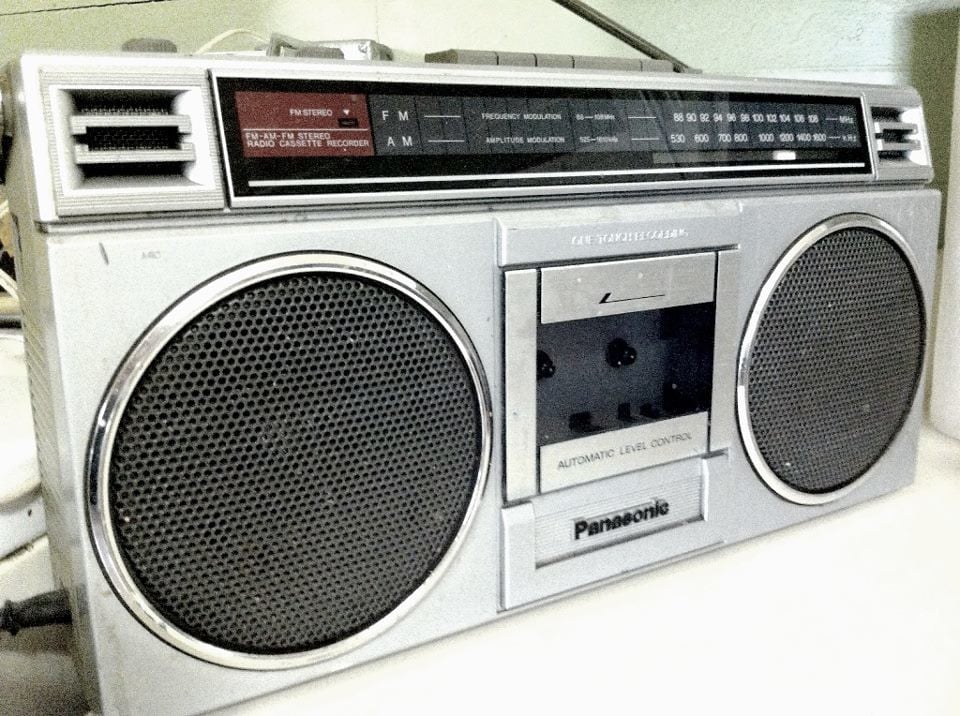
The migration from radio to television didn’t faze Guiding Light one bit — though it did manage to outlast several wars, dozens of presidents, and the invention of the internet before finally ending its 72-year run in 2009 (which technically makes it no longer running, but the record it set may never be broken, so it deserves recognition here). Starting as a radio drama in 1937, it seamlessly transitioned to television in 1952, and what happened next was something that nobody in the broadcasting industry had quite planned for: a soap opera that became a genuine American institution, watched by multiple generations of the same families, with storylines so intricate that missing a few episodes could leave viewers genuinely confused about who was married to whom, who had returned from the dead (again), and which character had developed amnesia this season.
The show’s longevity wasn’t just about dramatic plot twists — though there were plenty of those. It was about creating a fictional world so detailed and lived-in that viewers felt like Springfield was a real place they could visit.
And the remarkable thing about soap operas, which people tend to forget, is how they function almost like novels that never end: characters age in real time, actors grow old alongside their audiences, and storylines can develop over literal decades. So when Guiding Light finally ended, it wasn’t just a show that got canceled — it was like an entire town had been erased from the map.
General Hospital
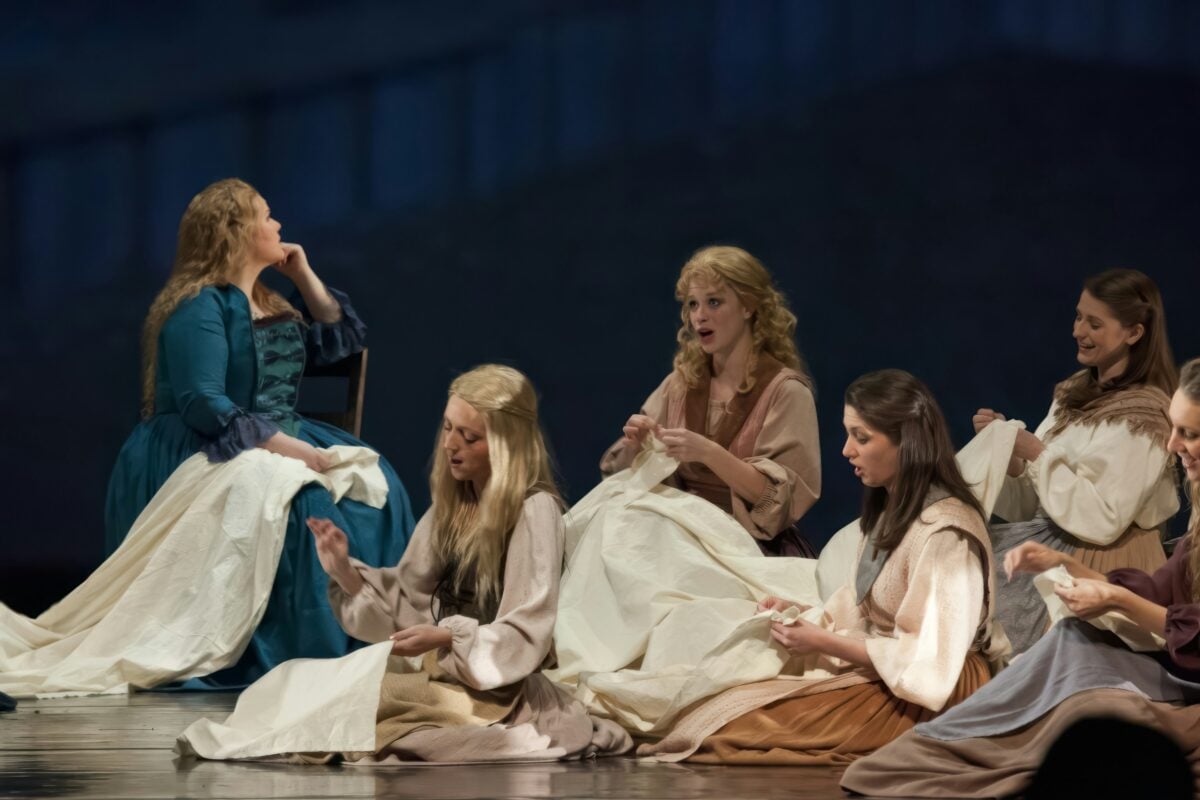
Soap operas occupy a strange cultural space, dismissed as melodrama while secretly commanding fierce loyalty from viewers who have invested decades in fictional characters’ lives. General Hospital understands this contradiction better than most, delivering outlandish storylines with enough emotional sincerity that audiences stay invested despite themselves.
The show has survived network shake-ups, budget cuts, and the general decline of daytime television by embracing its own absurdity while never forgetting that viewers genuinely care about these characters. When a soap opera gets it right, it becomes a daily ritual that viewers organize their lives around.
Days of Our Lives

Days of Our Lives is appointment television masquerading as background noise. The opening line “Like sands through the hourglass, so are the days of our lives” has become cultural shorthand for the passage of time itself.
That’s not accidental. The show has been killing off characters and bringing them back from the dead since 1965, and somehow viewers never seem surprised when someone returns from their own funeral.
At this point, death is more of a temporary inconvenience than a permanent plot resolution.
The Tonight Show

The Tonight Show represents something television rarely achieves anymore: true staying power without reinvention. Carson perfected it, Leno sustained it, and each new host inherits not just a time slot but a cultural institution that has shaped American humor for decades.
Late-night television has fractured into a dozen different approaches, but The Tonight Show remains the gold standard — the place where careers are launched, presidents are mocked, and the country processes whatever happened that day through carefully timed jokes and celebrity interviews.
The Price Is Right
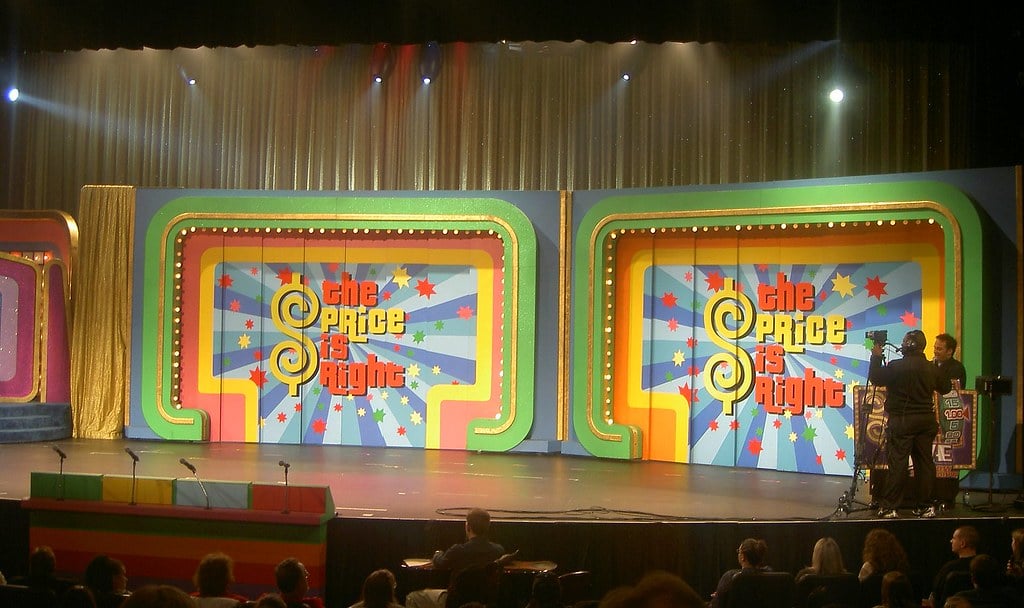
Game shows live or die by their ability to make ordinary people feel extraordinary, and The Price Is Right has been turning grocery shopping into televised drama since 1972 (in its current format — the original version dates back even further to 1956). Contestants don’t just guess prices; they perform small acts of theater, celebrating victories with an enthusiasm that feels both genuine and slightly surreal, as if winning a dinette set might actually change their lives (and sometimes, given the contestants’ reactions, maybe it does).
The show’s genius lies in its fundamental premise: everyone thinks they know what things cost, right up until they’re standing on stage trying to guess the price of a jar of pickles while an audience of strangers shouts conflicting advice.Bob Barker hosted for 35 years, becoming less of a game show host and more of a national uncle who happened to give away cars and reminded everyone to spay and neuter their pets.
Drew Carey stepped into those shoes and somehow managed to maintain the show’s essential character while making it his own. But the real star has always been the format itself — a celebration of American consumer culture that manages to be both completely sincere and unintentionally absurd at the same time.
Wheel of Fortune

Wheel of Fortune operates on a brilliant psychological principle: people believe they’re smarter than they actually are, right up until they’re standing in front of a puzzle board with three letters showing and absolutely no idea what the answer might be. The show has been exploiting this gap between confidence and competence since 1975, and audiences never tire of watching contestants struggle with what seem like obvious solutions.
Pat Sajak and Vanna White have achieved something rare in television: they’ve become furniture in the best possible way. Viewers don’t tune in to see what they’ll say or do — they tune in because their presence signals that everything is exactly as it should be.
60 Minutes

Sunday evenings belong to 60 Minutes the way Saturday mornings once belonged to cartoons. The show has been the country’s most trusted source of investigative journalism since 1968, which means it has outlasted most of the politicians it has covered and several of the scandals it helped expose.
The format is deceptively simple: three stories, each told with the kind of thoroughness that daily news cannot afford. But the real achievement is consistency — maintaining journalistic standards while adapting to changing media landscapes and shrinking attention spans. 60 Minutes proves that audiences will still sit still for serious reporting, as long as the reporting is serious enough to deserve their attention.
Sesame Street
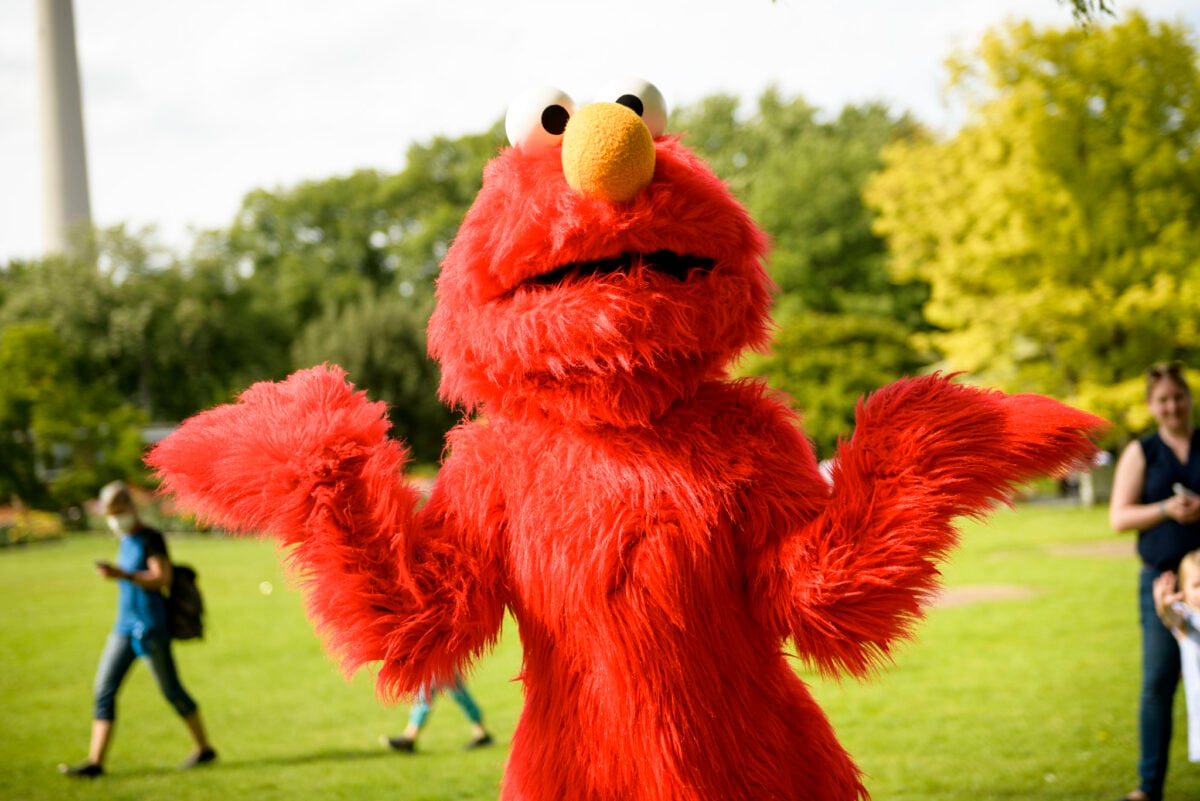
Children’s television tends to treat its audience like miniature adults who need everything explained twice and delivered in primary colors, but Sesame Street recognized from the beginning that children are actually quite sophisticated — they just happen to be small and inexperienced (which is not the same thing as stupid). The show has been operating on this principle since 1969, creating content that works for three-year-olds without insulting the intelligence of the parents watching alongside them, and somehow managing to teach letters and numbers through puppet-driven comedy that adults genuinely find entertaining.
Big Bird, Elmo, and the Count have become more recognizable to American children than most historical figures, which says something either deeply encouraging or mildly disturbing about our cultural priorities. The show’s approach to social issues has always been matter-of-fact rather than preachy: divorce happens, people die, families come in different configurations, and these are simply facts that children need help processing rather than problems that television needs to solve.
And the remarkable thing is how Sesame Street has managed to evolve with changing social norms while maintaining its essential character — the show that today’s parents grew up watching is recognizably the same show their children watch now, just updated for contemporary realities.
Saturday Night Live

Saturday Night Live is television’s most successful experiment in controlled chaos. The show has been attempting the impossible since 1975: producing 90 minutes of live comedy every week during the television season, which means writing, rehearsing, and performing material that was probably conceived just days earlier.
Most shows would collapse under that pressure. SNL turned it into a feature rather than a bug, creating a format where the occasional failure becomes part of the entertainment.
When sketches don’t work, the audience watches them not work in real time, and somehow that feels more authentic than polished comedy that has been focus-grouped and edited to perfection.
The Simpsons
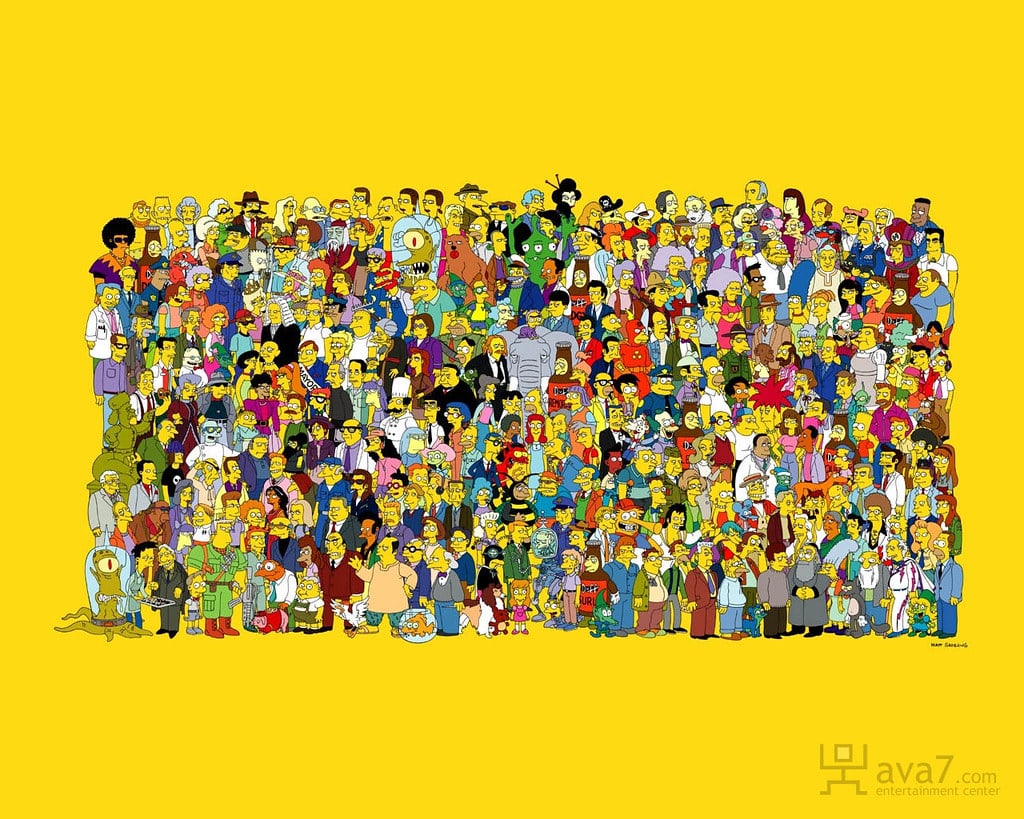
The Simpsons started as crude sketches on The Tracey Ullman Show and somehow evolved into the longest-running American sitcom, American animated series, and primetime scripted series simultaneously. That’s not just longevity — that’s cultural dominance disguised as a cartoon about a dysfunctional family.
The show succeeded by treating animation as a medium rather than a genre, telling stories that live-action television couldn’t tell and creating characters complex enough to sustain decades of storytelling. Homer Simpson is simultaneously an idiot and a philosopher, which turns out to be a pretty accurate representation of humanity in general.
Doctor Who
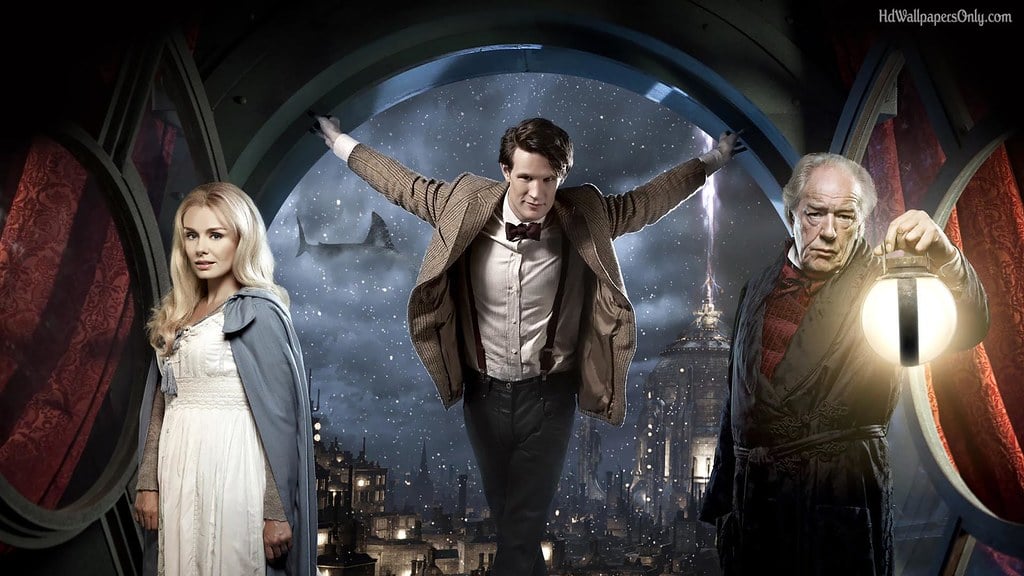
Science fiction television usually burns bright and disappears quickly, but Doctor Who has been regenerating itself since 1963, literally writing reinvention into its premise. When an actor leaves, the character doesn’t die — he transforms into someone completely different, allowing the show to refresh itself without losing continuity.
The concept should be absurd: a time-traveling alien who solves problems with cleverness rather than violence, traveling through space and time in a police box that’s bigger on the inside. Instead, it became a cultural institution that has influenced decades of science fiction and created one of the most devoted fan bases in television history.
Coronation Street

British television approaches longevity differently than American programming — less flash, more endurance, and a willingness to let characters age naturally rather than writing them off when actors get older (which is probably why Coronation Street has been running since 1960 without feeling the need to constantly reinvent itself through dramatic cast overhauls or format changes). The show simply presents life in a working-class Manchester neighborhood, year after year, allowing viewers to watch characters grow up, grow old, and sometimes die, all at the pace that real life actually unfolds rather than the accelerated timeline that most television prefers.
What’s remarkable about the British approach to long-running series is the patience involved: storylines can develop over months or years, characters can disappear for stretches and return when it makes sense, and the writers seem content to let the show exist without constantly justifying its own existence through increasingly dramatic plot twists. So Coronation Street has become less of a television show and more of a parallel universe that viewers can visit several times a week — a place where life unfolds with all the mundane complexity that real life actually contains.
Dancing with the Stars
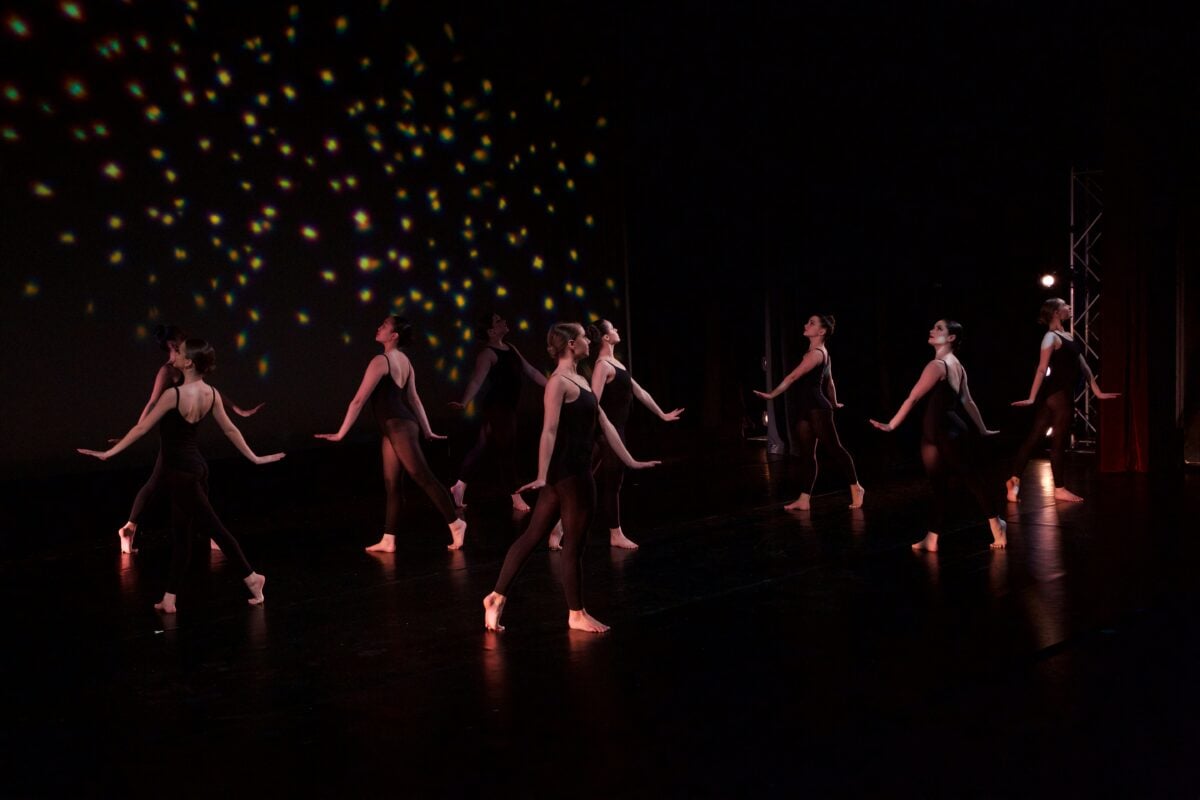
Reality competition shows typically have short shelf lives, burning through formats and contestants until audiences lose interest. Dancing with the Stars figured out how to avoid that trap by embracing a simple truth: people never get tired of watching celebrities humiliate themselves in public, especially when the humiliation is wrapped in sequins and presented as entertainment.
The show works because it combines genuine skill development with manufactured drama, allowing viewers to feel both superior to the contestants and genuinely impressed by their improvement. That’s a difficult balance to maintain, but the show has been pulling it off since 2005.
America’s Funniest Home Videos

America’s Funniest Home Videos represents television at its most democratic: anyone with a camera can potentially create content that millions of people will watch, judge, and probably forget within a week. The show has been operating on this principle since 1989, long before user-generated content became the foundation of the internet.
Bob Saget hosted for eight years, making family-friendly jokes about videos that were often mildly sadistic. The current format maintains that tradition, celebrating human clumsiness and poor decision-making with enough good humor that the victims become participants rather than targets. It’s voyeurism disguised as wholesome entertainment, and somehow that combination has proven remarkably durable.
Jeopardy!

Jeopardy! is a trivia contest disguised as a game show, and it has been making ordinary people feel simultaneously smart and ignorant since 1984 (in its current syndicated format). Alex Trebek hosted for 36 years (1984-2020), becoming less of a game show host and more of a national teacher who happened to phrase everything as a question, and his replacement, Ken Jennings, represents continuity rather than change — the show’s format is too refined to require reinvention.
The brilliance of Jeopardy! lies in its reverse format: contestants provide questions to given answers, which sounds gimmicky but actually creates a more sophisticated viewing experience. Audiences can play along without feeling like they’re being talked down to, and the range of categories ensures that everyone knows something while no one knows everything.
When Time Becomes Legacy

These sixteen shows represent more than just successful programming — they’re evidence of television’s unique ability to become part of the cultural fabric, woven into daily routines and family traditions across multiple generations. Each found its own formula for longevity, whether through reinvention, consistency, or simply refusing to disappear when trends suggested they should.
In an era of endless content options and shortened attention spans, their persistence feels almost defiant, proof that some forms of entertainment transcend the conditions that created them and become something larger than their original intentions.
More from Go2Tutors!

- The Romanov Crown Jewels and Their Tragic Fate
- 13 Historical Mysteries That Science Still Can’t Solve
- Famous Hoaxes That Fooled the World for Years
- 15 Child Stars with Tragic Adult Lives
- 16 Famous Jewelry Pieces in History
Like Go2Tutors’s content? Follow us on MSN.