16 Educational Theories That Completely Backfired
Education experts have spent decades crafting theories designed to revolutionize how we learn and teach. These well-intentioned ideas promised to unlock human potential, make learning more engaging, and prepare students for the future.
Unfortunately, the road to educational hell is paved with good intentions, and many of these seemingly brilliant concepts crashed and burned when they met the harsh reality of actual classrooms. From fuzzy math that left students confused about basic arithmetic to self-esteem movements that inadvertently created entitled underachievers, the history of education is littered with theories that sounded great on paper but failed spectacularly in practice.
Here is a list of 16 educational theories that backfired so dramatically they became cautionary tales for future reformers.
Open Classroom Movement

The open classroom concept emerged in the 1960s with the noble goal of breaking down rigid classroom walls—both literally and figuratively. Educators believed that removing physical barriers and allowing students to move freely between learning spaces would foster creativity, collaboration, and natural learning.
Schools spent millions converting traditional classrooms into vast, open spaces where multiple classes operated simultaneously without walls or clear boundaries. The reality was chaos incarnate.
Teachers struggled to maintain focus as noise from neighboring classes created constant distractions. Students found it nearly impossible to concentrate when three different lessons were happening within earshot.
The lack of defined spaces led to confusion about expectations and routines, turning what should have been collaborative learning environments into academic free-for-alls that benefited no one.
Whole Language Reading

Whole language reading instruction dominated elementary education in the 1980s and 1990s, promising to make reading more natural and enjoyable by focusing on meaning rather than mechanics. Proponents argued that children would learn to read the same way they learned to speak—through exposure and context rather than systematic phonics instruction.
This approach encouraged students to guess at words based on pictures and context clues while de-emphasizing the explicit teaching of letter-sound relationships. The results were devastating, particularly for struggling readers who needed systematic instruction the most.
Reading scores plummeted as students developed ineffective guessing strategies instead of solid decoding skills. Children who might have thrived with systematic phonics instruction were left behind.
This created a generation of students who struggled with basic reading fluency and comprehension.
Like Go2Tutors’s content? Follow us on MSN.
New Math

The New Math movement of the 1960s attempted to modernize mathematics education by emphasizing abstract mathematical concepts and set theory rather than computational skills. Educators believed that understanding the underlying structure of mathematics would create deeper, more flexible thinking.
Students learned to work in different number bases, manipulate sets, and explore mathematical relationships that traditional arithmetic instruction had ignored. Parents found themselves unable to help their children with homework that bore no resemblance to the math they had learned.
Students became confused by abstract concepts before mastering basic computational skills, leading to widespread mathematical anxiety and poor performance. The movement created a generation of students who could discuss mathematical theory but struggled with practical calculations.
Ultimately, it undermined both conceptual understanding and computational fluency.
Learning Styles Theory

Learning styles theory suggested that students learn best when instruction matches their preferred learning style—visual, auditory, or kinesthetic. Teachers spent countless hours identifying each student’s learning style and adapting their instruction accordingly, believing this personalized approach would unlock every child’s potential.
Professional development focused on creating varied activities to accommodate different learning preferences, and classroom instruction became increasingly complex as teachers tried to address multiple learning styles simultaneously. Research consistently failed to support the effectiveness of learning styles instruction, yet the theory persisted for decades.
Students who were labeled as having specific learning styles often became limited by these labels, believing they couldn’t learn certain types of content. The approach diverted attention from proven instructional strategies while creating unnecessary complexity in lesson planning and delivery.
Invented Spelling

Invented spelling encouraged young children to write words as they sounded rather than learning correct spelling patterns. Proponents argued that this approach would foster creativity and confidence in writing while allowing children to express their ideas without being constrained by spelling rules.
Teachers were instructed not to correct spelling errors, believing that children would naturally develop correct spelling through exposure to print. Many students never transitioned from invented spelling to conventional spelling, developing deeply ingrained incorrect patterns that proved difficult to remediate later.
The approach particularly disadvantaged students from homes with limited print exposure, who needed explicit instruction in spelling patterns and conventions. What was intended to encourage writing actually created barriers to effective written communication.
Like Go2Tutors’s content? Follow us on MSN.
Constructivist Math

Constructivist mathematics instruction emphasized student discovery and exploration over direct teaching of mathematical procedures. Students were expected to construct their own understanding of mathematical concepts through hands-on activities and group discussions.
Traditional algorithms were often discouraged in favor of student-invented methods, with the belief that self-discovered knowledge would be more meaningful and lasting. Students struggled to develop efficient computational strategies, often relying on time-consuming and error-prone methods they had invented themselves.
Without explicit instruction in proven algorithms, many students never developed fluency with basic mathematical operations. The approach created significant equity issues, as students from mathematically rich home environments thrived while others floundered without adequate instructional support.
Peer Tutoring as Primary Instruction

Some educational programs positioned peer tutoring as a primary instructional method rather than a supplement to teacher-led instruction. The theory suggested that students could learn effectively from each other, with more advanced students helping struggling peers.
This approach promised to individualize instruction while building collaborative skills and reducing the teacher’s direct instructional burden. Peer tutors often lacked the content knowledge and pedagogical skills necessary to provide effective instruction.
Struggling students received inadequate explanations and sometimes learned incorrect information from well-meaning but unprepared classmates. The approach created additional burdens for high-achieving students while failing to provide struggling learners with the expert instruction they needed.
Discovery Learning Without Guidance

Pure discovery learning positioned students as independent researchers who would naturally uncover important concepts and principles through exploration and experimentation. Teachers were discouraged from providing direct instruction, instead serving as facilitators who guided students toward their own discoveries.
This approach promised to develop critical thinking skills and deep understanding through authentic inquiry experiences. Students often discovered misconceptions rather than accurate concepts, and many never reached intended learning goals without explicit guidance.
The approach was particularly ineffective for students with limited background knowledge, who lacked the foundation necessary for productive exploration. Time that could have been spent practicing and applying concepts was instead wasted on unproductive exploration that led nowhere.
Like Go2Tutors’s content? Follow us on MSN.
Eliminating Grades and Competition

Some schools eliminated traditional grades and competitive elements, believing these practices damaged student motivation and self-esteem. Students received narrative evaluations instead of letter grades, and competitive activities were replaced with collaborative alternatives.
The theory suggested that removing external motivators would foster intrinsic motivation and create more supportive learning environments. Without clear performance feedback, students struggled to understand their progress and identify areas needing improvement.
Many students became complacent without the motivational structure that grades and healthy competition provided. Parents and colleges found it difficult to evaluate student achievement, creating challenges for educational transitions and decision-making.
Multiple Intelligences as Instructional Strategy
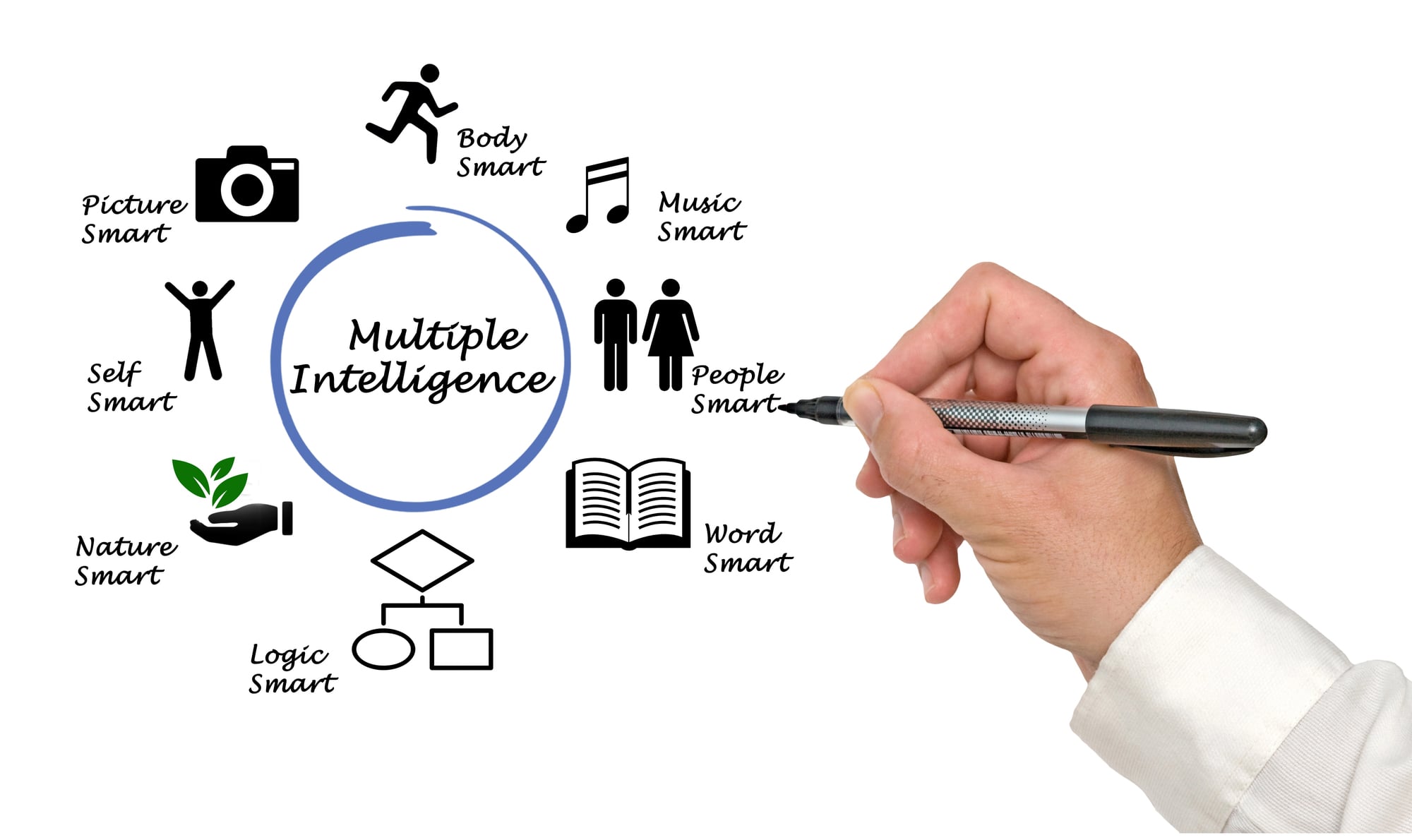
Howard Gardner’s theory of multiple intelligences was transformed from a descriptive framework into a prescriptive instructional approach. Schools created curricula that attempted to teach every concept through all eight intelligences, believing this would ensure every student could access the content through their strongest intelligence.
Lessons became elaborate productions featuring music, movement, art, and dramatic activities for every topic. The approach consumed enormous amounts of instructional time without improving learning outcomes.
Students didn’t necessarily learn better when content was presented through their supposed strongest intelligence, and the complex lesson formats often obscured rather than clarified important concepts. Resources were diverted from proven instructional strategies to support this labor-intensive but ineffective approach.
Brain-Based Learning Fads
Various brain-based learning theories emerged claiming that specific instructional practices aligned with how the brain naturally learns. These included theories about left-brain versus right-brain learning, the need for specific types of background music, and particular physical environments that supposedly optimized brain function.
Schools invested heavily in implementing these brain-based practices, believing they were applying cutting-edge neuroscience to education. Most of these theories were based on oversimplified or misinterpreted neuroscience research that didn’t actually support the educational applications being promoted.
Students didn’t learn better with background music or specific lighting conditions, and the left-brain/right-brain distinctions proved largely irrelevant to learning. The focus on these pseudoscientific approaches diverted attention from evidence-based instructional practices.
Like Go2Tutors’s content? Follow us on MSN.
Self-Esteem Movement in Education

The self-esteem movement positioned student self-esteem as the primary predictor of academic success, leading to practices designed to make students feel good about themselves regardless of their actual performance. Students received praise for minimal effort, participation trophies became standard, and criticism was avoided to protect fragile self-concepts.
The theory suggested that high self-esteem would naturally lead to improved achievement and behavior. Students developed unrealistic self-assessments and became unable to handle constructive feedback or failure.
The constant praise lost its meaning, and students struggled to develop resilience when faced with genuine challenges. Rather than improving achievement, the focus on self-esteem often led to decreased motivation and performance as students became dependent on external validation rather than developing internal standards.
Ability Grouping Elimination

Some schools eliminated all forms of ability grouping, including tracking and within-class grouping, believing these practices were inherently discriminatory and limiting. Students of all ability levels were placed in identical instructional settings, with the expectation that heterogeneous grouping would benefit all learners.
The theory suggested that high-achieving students would help struggling peers while low-achieving students would be inspired to higher performance. Teachers struggled to meet the dramatically different instructional needs within single classrooms, often teaching to the middle and leaving both high and low achievers inadequately served.
Advanced students became bored and disengaged while struggling students fell further behind without appropriate support. The elimination of flexible grouping options reduced rather than expanded educational opportunities for all students.
Technology as Teaching Replacement
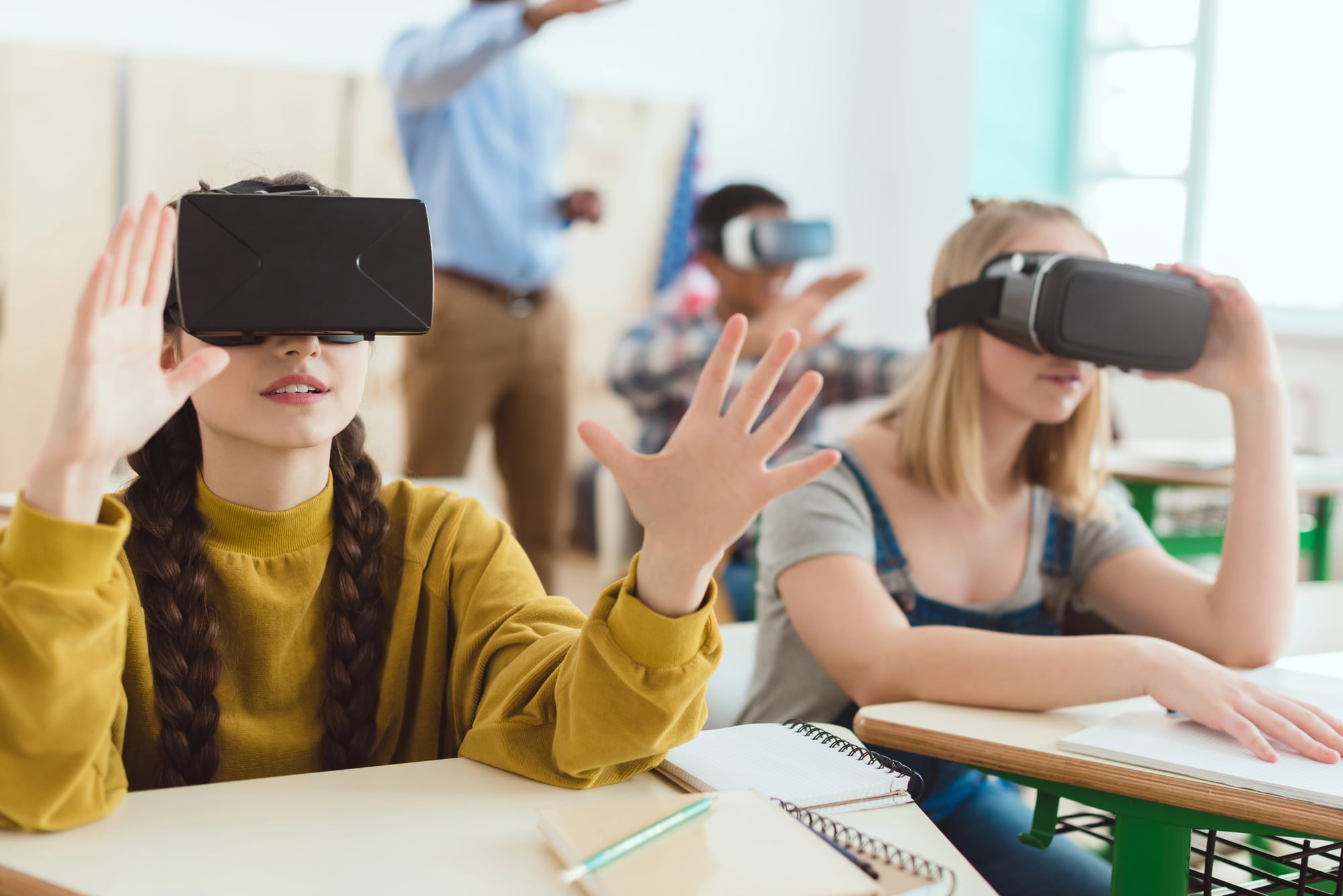
Some educational programs positioned technology as a replacement for rather than a tool to support human instruction. Students spent significant portions of their day working independently on computers, with software programs providing instruction and assessment.
The theory suggested that technology could individualize instruction more effectively than human teachers while reducing educational costs. Students missed crucial social interaction, feedback, and motivation that human teachers provide.
Educational software often focused on low-level skills and failed to develop higher-order thinking abilities. The lack of human connection and guidance left many students disengaged and struggling, particularly those who needed additional support or encouragement to stay on track.
Like Go2Tutors’s content? Follow us on MSN.
Process Writing Without Mechanics

Process writing instruction emphasized brainstorming, drafting, and revision while de-emphasizing grammar, spelling, and mechanics. Students spent extensive time on pre-writing activities and peer editing, with the belief that focusing on the writing process would naturally lead to improved writing quality.
Explicit instruction in grammar and mechanics was often eliminated or minimized to avoid stifling creativity. Students developed poor writing habits and failed to master basic conventions that made their writing difficult to read and understand.
Without explicit instruction in sentence structure, grammar, and mechanics, many students never developed the skills necessary for clear written communication. The approach created a false dichotomy between creativity and correctness that ultimately hindered rather than helped student writers.
Cooperative Learning as Exclusive Method

Some schools implemented cooperative learning as their primary or exclusive instructional method, believing that collaborative group work was inherently superior to other forms of instruction. Students spent most of their time working in groups, with individual work and direct instruction minimized or eliminated.
The theory suggested that cooperative learning would develop both academic and social skills while accommodating different learning preferences. Group work became inefficient and often unproductive, with some students doing most of the work while others coasted on their teammates’ efforts.
Students missed opportunities to develop independent thinking and problem-solving skills, becoming overly dependent on group consensus. The constant social interaction exhausted some students and prevented the focused individual practice necessary for skill development.
The Pendulum Swings Back

These educational disasters share common threads that offer valuable lessons for future reform efforts. Most failed because they ignored the complexity of human learning, oversimplified research findings, or attempted to replace rather than enhance proven instructional practices.
The most destructive theories often emerged from ideological positions rather than empirical evidence, prioritizing theoretical purity over practical effectiveness. Modern education has learned to be more skeptical of revolutionary theories that promise to transform learning overnight.
Today’s most effective schools combine the best insights from educational research with practical wisdom gained from classroom experience. The key lesson from these failures is that sustainable educational improvement comes from carefully implementing evidence-based practices rather than chasing the latest theoretical fad that promises to revolutionize everything we thought we knew about learning.
More from Go2Tutors!

- 16 Historical Figures Who Were Nothing Like You Think
- 12 Things Sold in the 80s That Are Now Illegal
- 15 VHS Tapes That Could Be Worth Thousands
- 17 Historical “What Ifs” That Would Have Changed Everything
- 18 TV Shows That Vanished Without a Finale
Like Go2Tutors’s content? Follow us on MSN.