Famous Inventors and Their Very First Breakthroughs
Every groundbreaking invention starts with that one moment when everything clicks. Before the patents and the fame, before the history books and the museums, there was always a first breakthrough — that initial spark of genius that would change everything.
These moments rarely happened in gleaming laboratories or corporate boardrooms. They happened in kitchens, garages, and cluttered workshops where brilliant minds wrestled with problems that seemed impossible to solve.
Thomas Edison
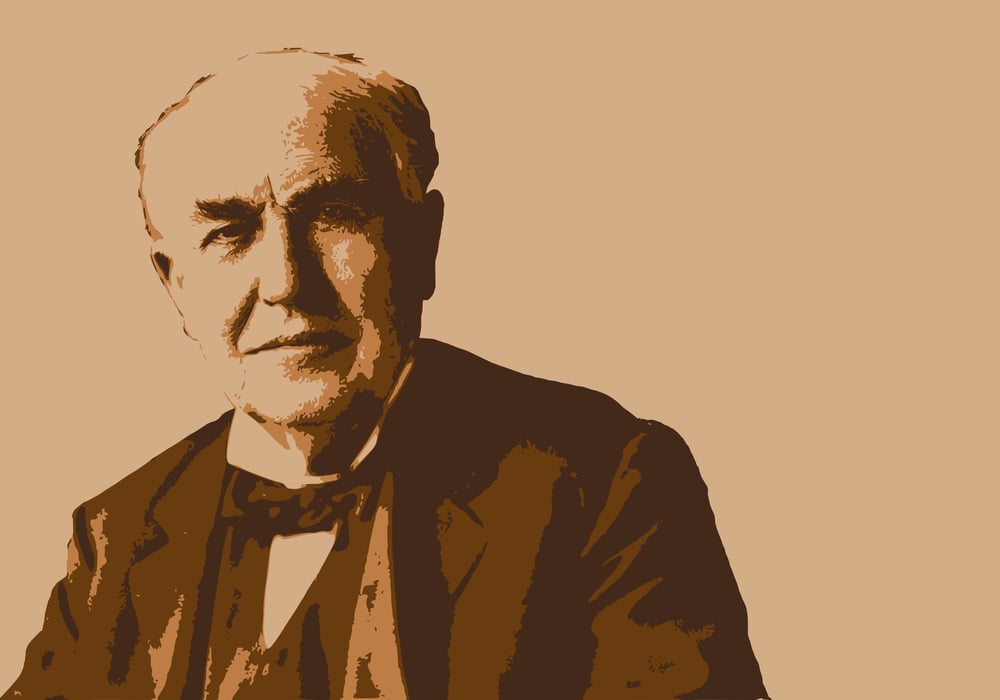
The phonograph came first. Not the light bulb that made him famous, not the motion picture camera that changed entertainment forever.
Edison’s first real breakthrough was a machine that could capture sound and play it back — something so impossible that people called it magic when they first heard it work.
He stumbled onto it while trying to improve the telegraph. The needle kept making rhythmic sounds as it moved across the tape, and Edison noticed something everyone else had missed.
Those sounds had a pattern.
Alexander Graham Bell
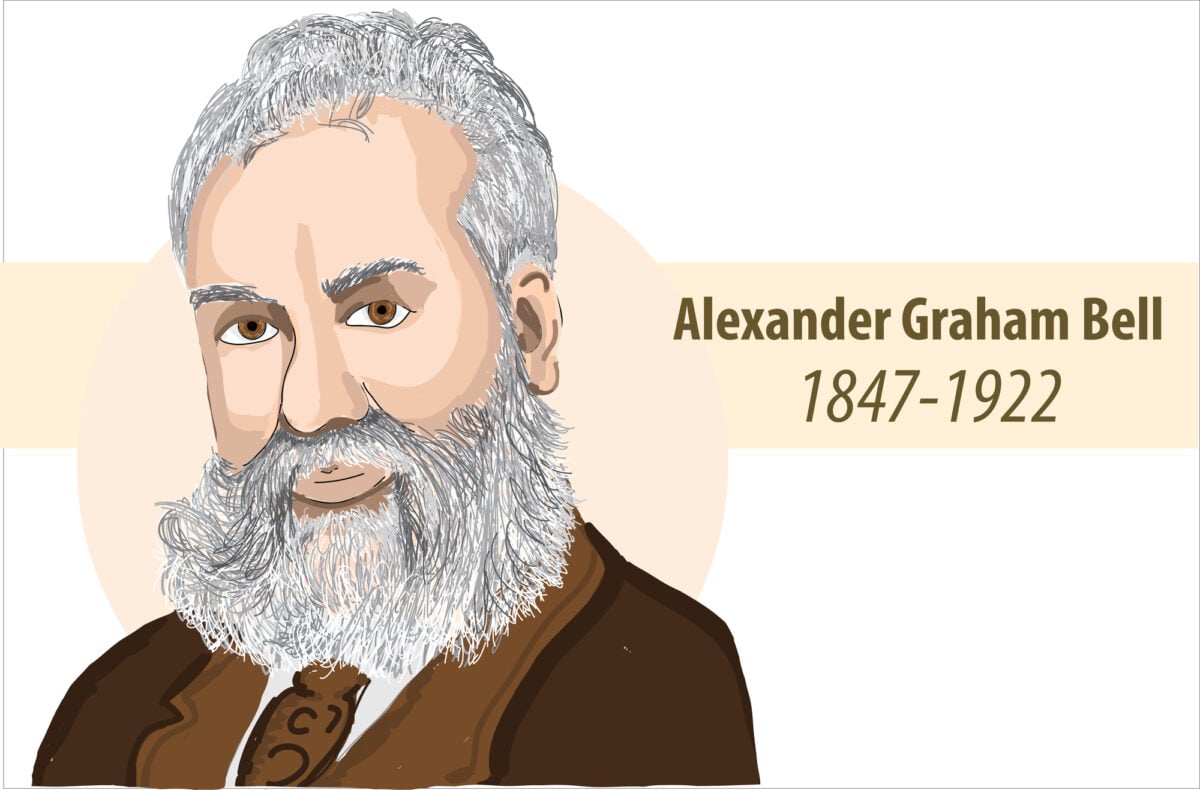
Bell was trying to help deaf people hear. His mother and wife were both deaf, and that personal connection drove him to understand how sound waves worked.
He spent years developing a “harmonic telegraph” that could send multiple messages over a single wire.
The breakthrough came by accident (as they often do). On June 2, 1875, Bell and his assistant Thomas Watson were testing their telegraph when a spring got stuck on Watson’s end.
Watson plucked it to free it up.
Bell heard the sound come through on his end — not as a signal, but as actual sound transmitted through wire. That pluck became the first step toward the telephone, though it would take another year before Watson heard Bell’s voice saying those famous words: “Mr. Watson, come here, I want to see you.”
Nikola Tesla

Tesla’s mind worked differently than other inventors — he could see entire machines operating in his head, complete with all their moving parts, before he ever built them. But his first breakthrough came from something much more personal: he was walking through a Budapest park in 1882, reciting poetry from Goethe’s Faust, when the solution to a problem that had been plaguing him for years suddenly appeared.
He had been trying to design an alternating current motor for months (something experts said was impossible), and as he walked and recited those verses about the setting sun, the complete design materialized in his imagination. He grabbed a stick and drew the plans in the dirt right there in the park.
The rotating magnetic field principle he envisioned that day would eventually power the entire modern world, but in that moment, he was just a young engineer drawing in the dirt with a stick, trying to capture an idea before it disappeared.
Marie Curie
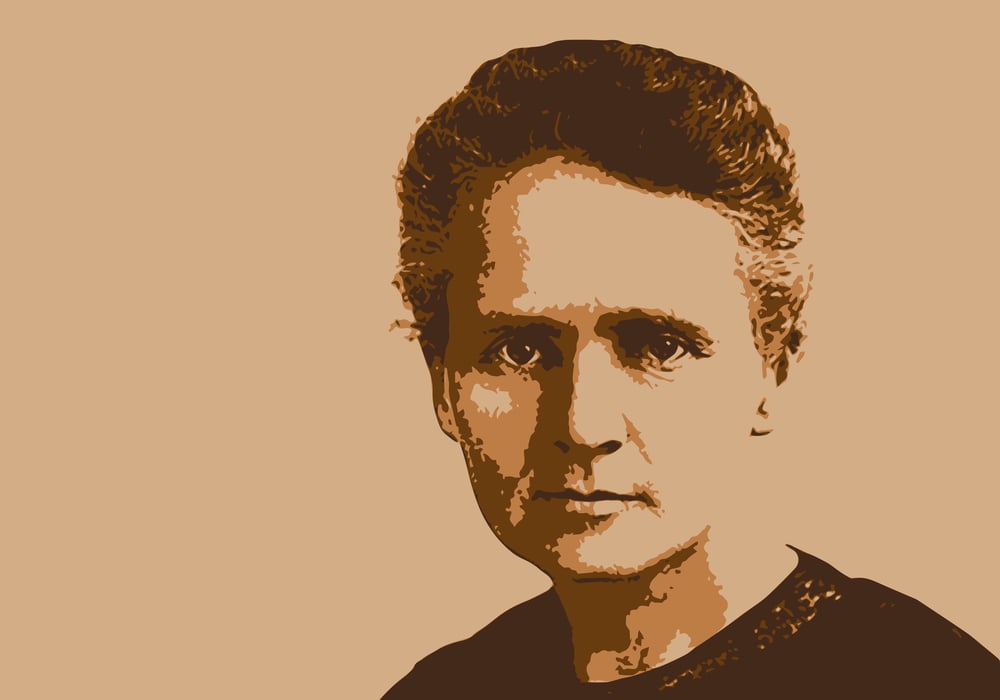
Curie’s first breakthrough wasn’t discovering radium — that came later. Her initial breakthrough was methodical and stubborn in the way that only truly great science can be.
She was studying uranium rays and noticed something peculiar: the intensity of the rays was proportional only to the amount of uranium present, not to its chemical form.
This observation led her to a radical conclusion: the radiation was an atomic property, not a molecular one. She coined the term “radioactivity” and realized that atoms themselves could be the source of energy.
She was essentially discovering that atoms weren’t indivisible, which overturned fundamental assumptions about the nature of matter.
Wright Brothers
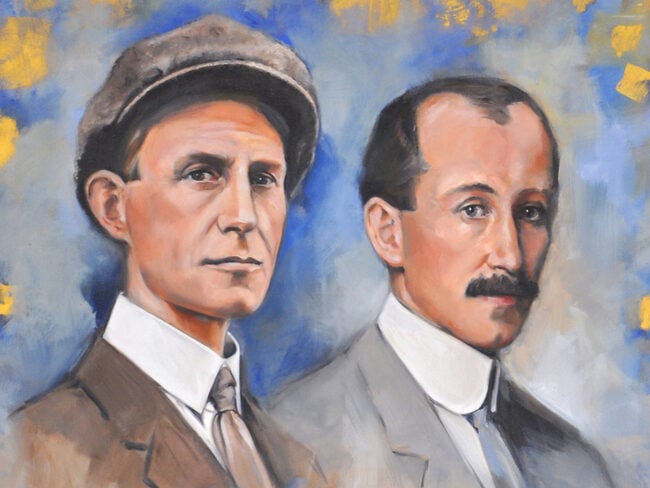
Everyone focuses on Kitty Hawk, but the Wright brothers’ real breakthrough happened years earlier in their bicycle shop in Dayton. They realized that the problem with powered flight wasn’t the engine — it was control.
While other inventors were building more powerful engines and bigger wings, Wilbur and Orville were studying birds and asking a different question: how do you steer something that’s flying through the air?
Their solution was wing warping — twisting the wings to control the aircraft’s movement, the same way birds twist their wings in flight. They tested this concept with kites and gliders for years before they ever attached an engine to anything.
When they finally did achieve powered flight, the engine was actually less powerful than what their competitors were using. But their aircraft could be controlled, and that made all the difference.
Steve Jobs

Jobs didn’t invent the personal computer — that honor goes to engineers like Steve Wozniak and others who understood circuits and programming better than he ever would. But Jobs had a different kind of breakthrough, one that was arguably just as important: he realized that technology was useless if people couldn’t figure out how to use it.
His first breakthrough was understanding that computers needed to be approachable. When he saw Wozniak’s Apple I circuit board, Jobs saw something Wozniak didn’t — he saw a product that could sit on someone’s kitchen table instead of requiring an engineering degree to operate.
That insight about the relationship between technology and design became the foundation for everything Apple would eventually create.
Benjamin Franklin
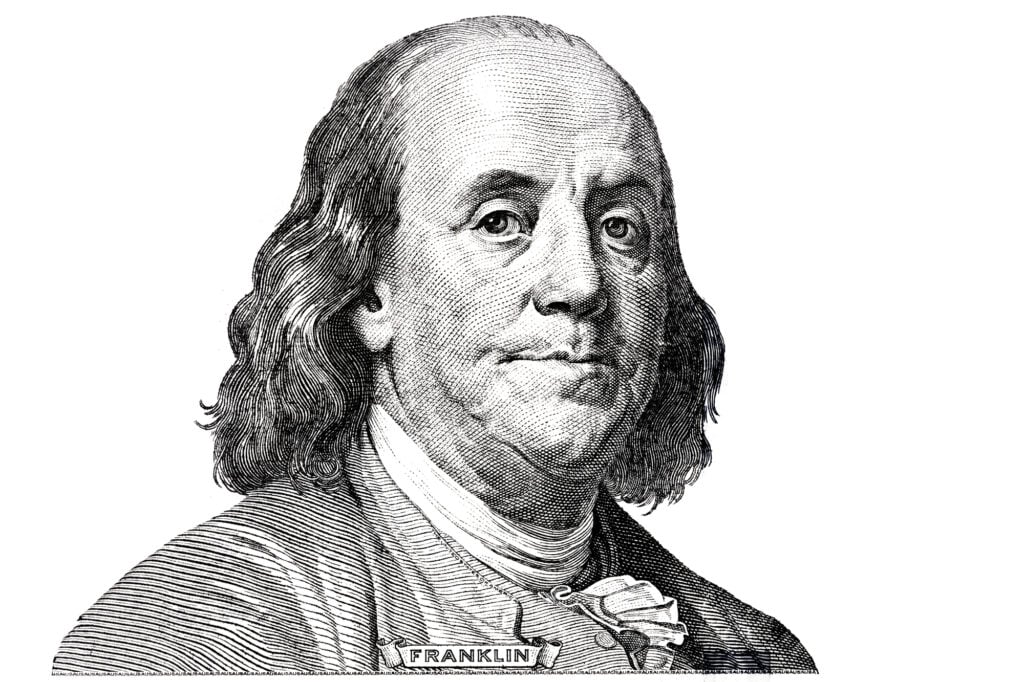
Franklin’s electrical experiments are legendary, but his first breakthrough was recognizing that lightning and laboratory sparks were the same phenomenon (which sounds obvious now but was revolutionary at the time). The famous kite experiment was designed to test this theory — though the popular story gets the details wrong.
Franklin didn’t actually get struck by lightning, which would have killed him. Instead, he flew a kite with a metal key attached during a thunderstorm and observed that the key became electrically charged.
This proved that lightning was electrical in nature and led to his invention of the lightning rod, which probably saved more lives than any of his other inventions.
And yet his approach to the experiment reveals something essential about his character: he was willing to risk his life to test an idea. That combination of curiosity and courage would define his approach to invention for the rest of his career.
Galileo Galilei
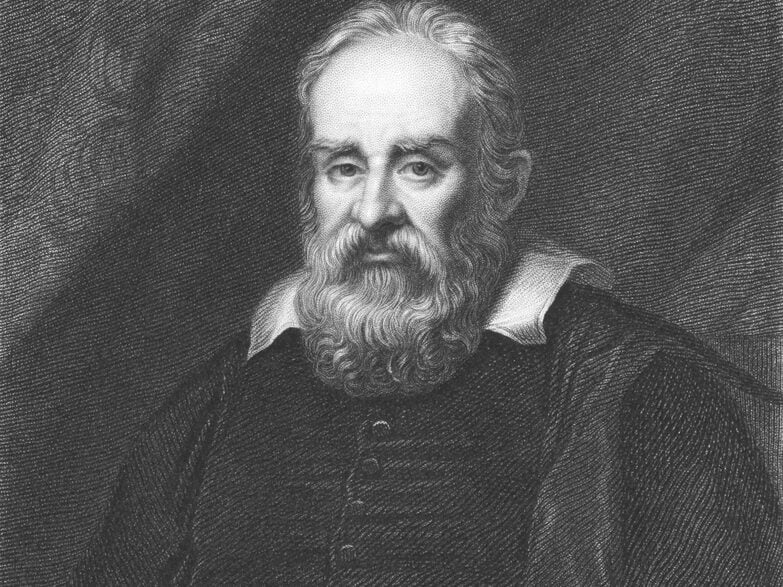
Galileo heard about a Dutch invention called a “spyglass” that could make distant objects appear closer. Without ever seeing one, he figured out how it worked and built his own version in a single day.
Then he did something no one else had thought to do: he pointed it at the sky.
What he saw through that first telescope changed everything. The moon had mountains and craters — it wasn’t a perfect sphere as everyone believed.
Jupiter had moons of its own. The Milky Way wasn’t a cloud but countless individual stars.
Venus showed phases like the moon, which proved it orbited the sun, not the earth.
Leonardo da Vinci
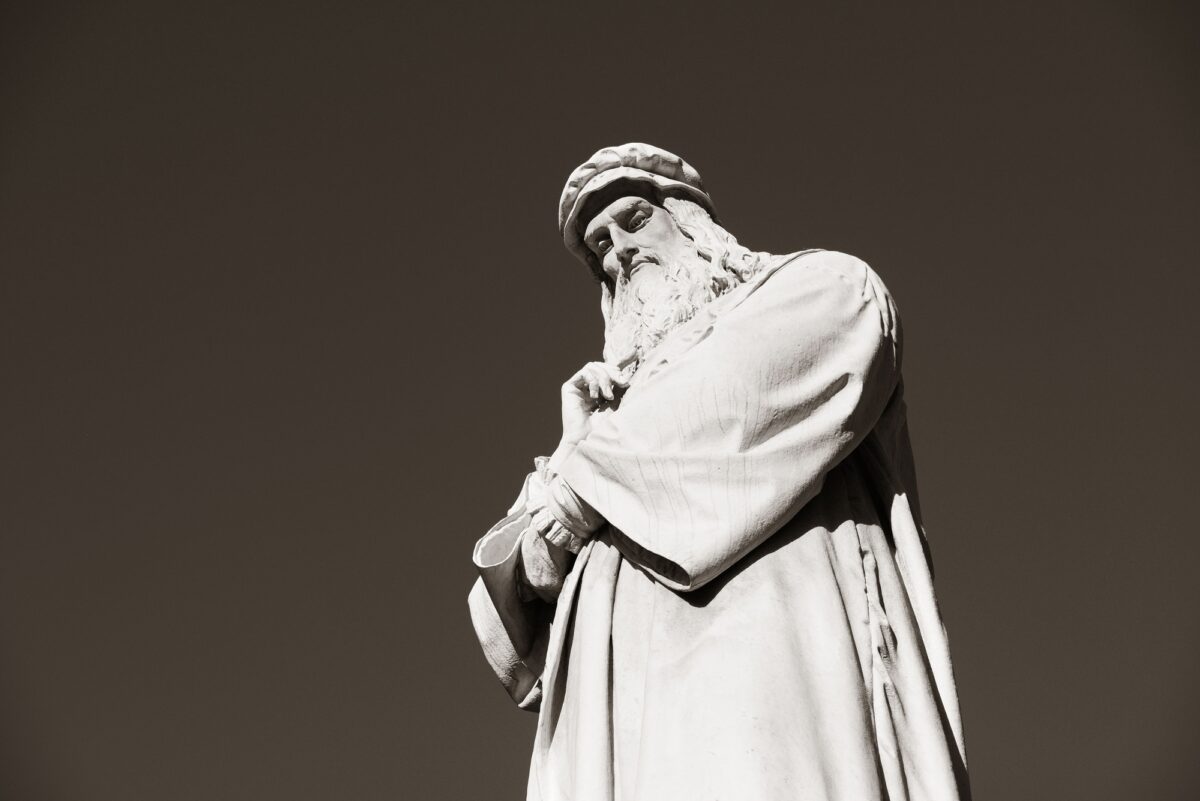
Leonardo’s notebooks reveal a mind that saw connections everywhere — between the flow of water and the growth of hair, between the flight of birds and the mechanics of human muscles. His first breakthrough wasn’t any single invention but rather a way of seeing: he realized that nature was the ultimate engineering textbook.
He dissected human bodies to understand how muscles worked, then applied those principles to design machines. He studied the way water flowed around obstacles, then used those observations to design more efficient waterwheels.
His flying machine designs came from hours spent watching birds in flight, noting how they adjusted their wings for different maneuvers. Leonardo didn’t just invent things — he learned nature’s secrets and then tried to recreate them with human technology.
James Watt
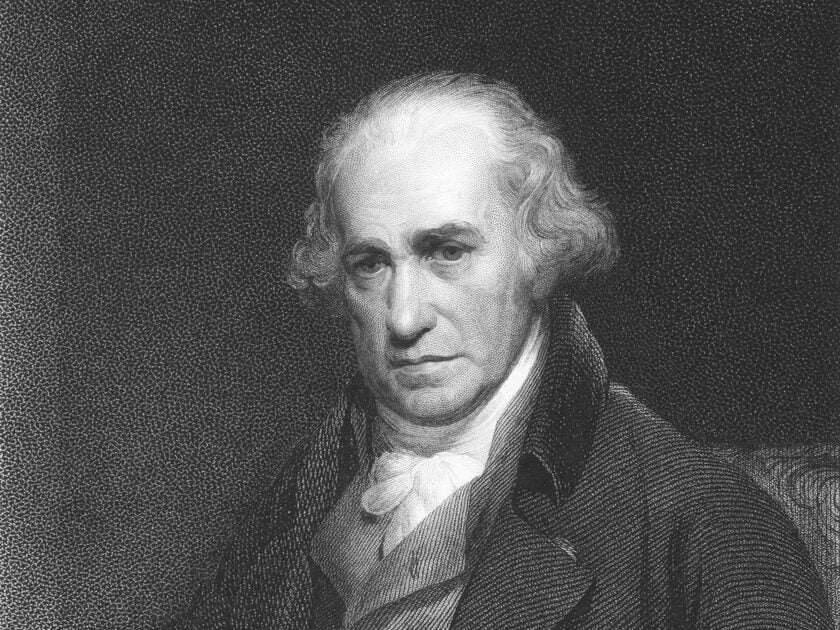
Watt was repairing a model of a Newcomen steam engine when he realized why it was so inefficient: every time the piston moved, the entire cylinder had to be heated and cooled. So he added a separate condenser that stayed cool while the main cylinder stayed hot.
This breakthrough — keeping the hot parts hot and the cold parts cold — improved the engine’s efficiency by about 75%. That improvement made steam engines practical for more than just pumping water out of mines.
Watt’s efficient steam engine could power factories, ships, and eventually locomotives.
Eli Whitney
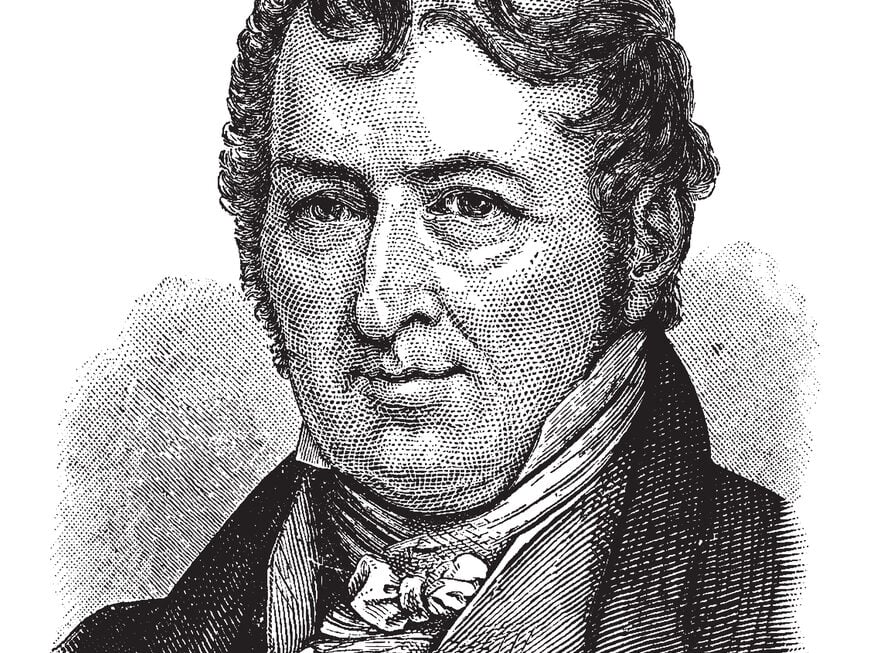
Whitney invented the cotton gin not because he was particularly interested in cotton but because he needed money. He was visiting a plantation in Georgia, working as a tutor, when he heard the planters complaining about how long it took to separate cotton fibers from their seeds by hand.
The solution came to him while watching a cat try to catch a chicken through a fence. The cat could only get its claws through the gaps, not its whole paw.
Whitney realized he could use the same principle: combs with teeth just wide enough to pull cotton fibers through but too narrow for the seeds to follow.
Samuel Morse
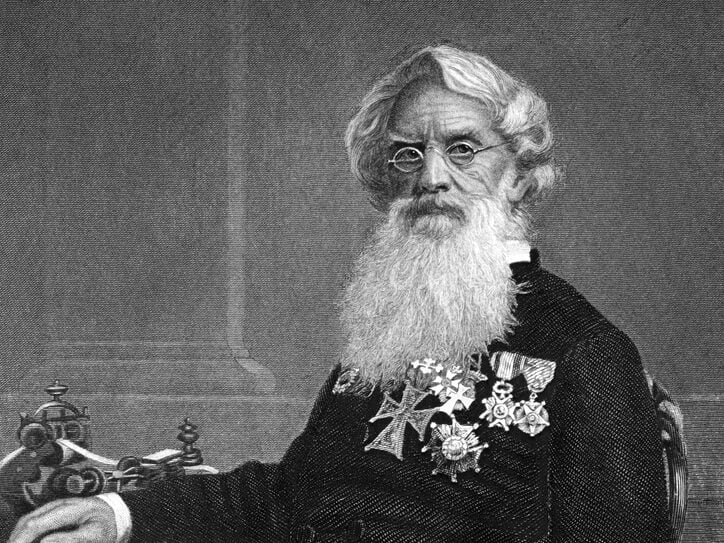
Morse was a painter, not an inventor. He was returning from Europe on a ship in 1832 when he overheard a conversation about electromagnets.
Another passenger mentioned that electrical impulses traveled instantly along any length of wire.
Morse spent the rest of that voyage sketching ideas for an electric telegraph in his notebook. His breakthrough wasn’t technical — he barely understood electricity — but conceptual.
He realized that you could represent letters and words as patterns of electrical pulses. The Morse code he developed was simple enough that almost anyone could learn it, which made his telegraph system practical for widespread use.
Robert Fulton
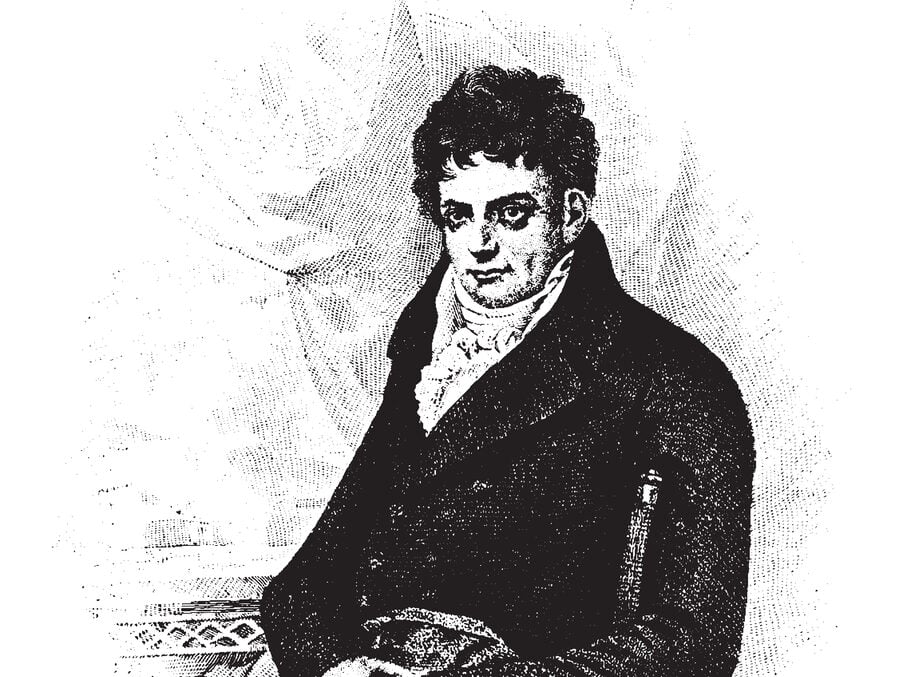
Fulton’s first steamboat wasn’t the first steamboat ever built — several inventors had created steam-powered vessels before him. But previous attempts were too slow, too unreliable, or too expensive to operate commercially.
Fulton’s breakthrough was engineering a steamboat that could actually make money.
His Clermont could travel upstream against the current of the Hudson River at a steady five miles per hour while carrying passengers and cargo. That doesn’t sound impressive now, but it meant that river travel no longer depended entirely on wind and current.
For the first time, boats could keep reliable schedules.
George Washington Carver

Carver’s breakthrough came from understanding soil chemistry in a way that most farmers and agricultural scientists of his time didn’t. He realized that cotton depleted the soil of nitrogen, which is why Southern farmland was becoming less productive each year.
His solution was crop rotation using peanuts and sweet potatoes, which actually added nitrogen back to the soil. But then he had a different problem: convincing farmers to grow crops they couldn’t sell.
So he invented hundreds of uses for peanuts and sweet potatoes — everything from soap to synthetic rubber — creating markets for the crops that would restore the soil.
When Lightning Strikes Twice

These first breakthroughs share something beyond just historical significance — they reveal how innovation actually works. It’s rarely about having the most resources or the most advanced equipment.
It’s about noticing something everyone else has overlooked, asking a different question, or approaching an old problem from an unexpected angle.
The inventors who changed the world weren’t necessarily smarter than their contemporaries. They were just paying attention in moments when others looked away.
More from Go2Tutors!

- The Romanov Crown Jewels and Their Tragic Fate
- 13 Historical Mysteries That Science Still Can’t Solve
- Famous Hoaxes That Fooled the World for Years
- 15 Child Stars with Tragic Adult Lives
- 16 Famous Jewelry Pieces in History
Like Go2Tutors’s content? Follow us on MSN.