15 Scientists Who Became Famous for Their Mistakes
Science isn’t just about brilliant discoveries and perfect experiments—sometimes the biggest breakthroughs come from spectacular failures. The history of science is packed with researchers who stumbled onto fame not because they got everything right, but because they made mistakes that turned out to be more interesting than their original plans.
These scientific blunders range from accidental discoveries that revolutionized medicine to theoretical errors that opened entirely new fields of study. What makes these mistakes so valuable isn’t just their unexpected outcomes, but how they remind us that curiosity and persistence often matter more than being right the first time.
Here is a list of 15 scientists who became famous for their mistakes.
Alexander Fleming
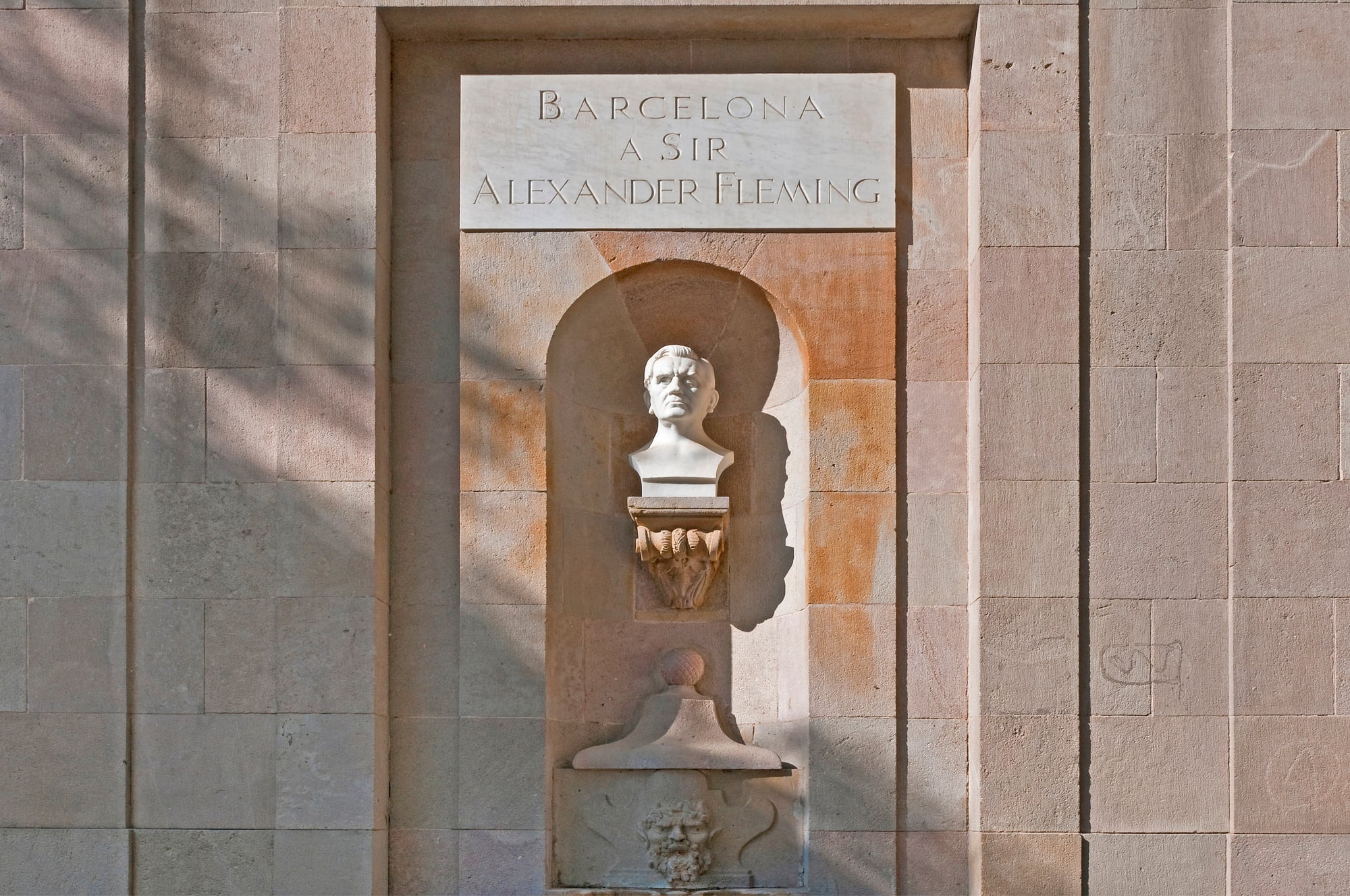
Fleming’s messy laboratory habits led to one of medicine’s greatest discoveries when he forgot to cover a bacterial culture before going on vacation. When he returned, he found that a mold had contaminated his petri dish and killed the surrounding bacteria.
Instead of throwing away the ruined experiment, Fleming investigated further and discovered penicillin, the antibiotic that would save millions of lives.
Percy Spencer
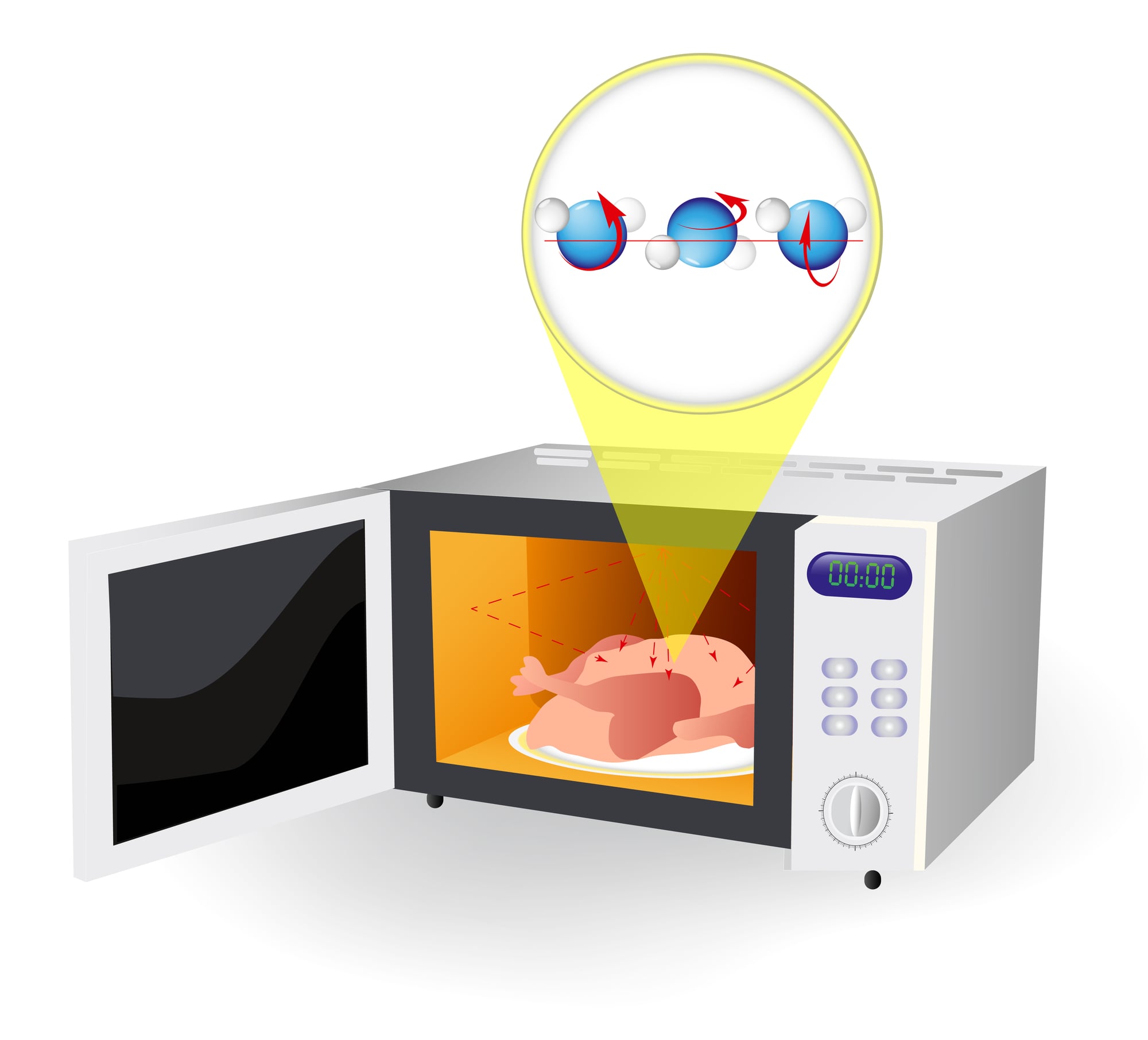
This engineer was working on radar technology when he noticed that a chocolate bar in his pocket had melted while standing near a magnetron. Spencer realized that microwave radiation could cook food quickly and efficiently.
His accidental discovery led to the development of microwave ovens, though it took years before anyone believed people would want to cook with radar waves.
Roy Plunkett
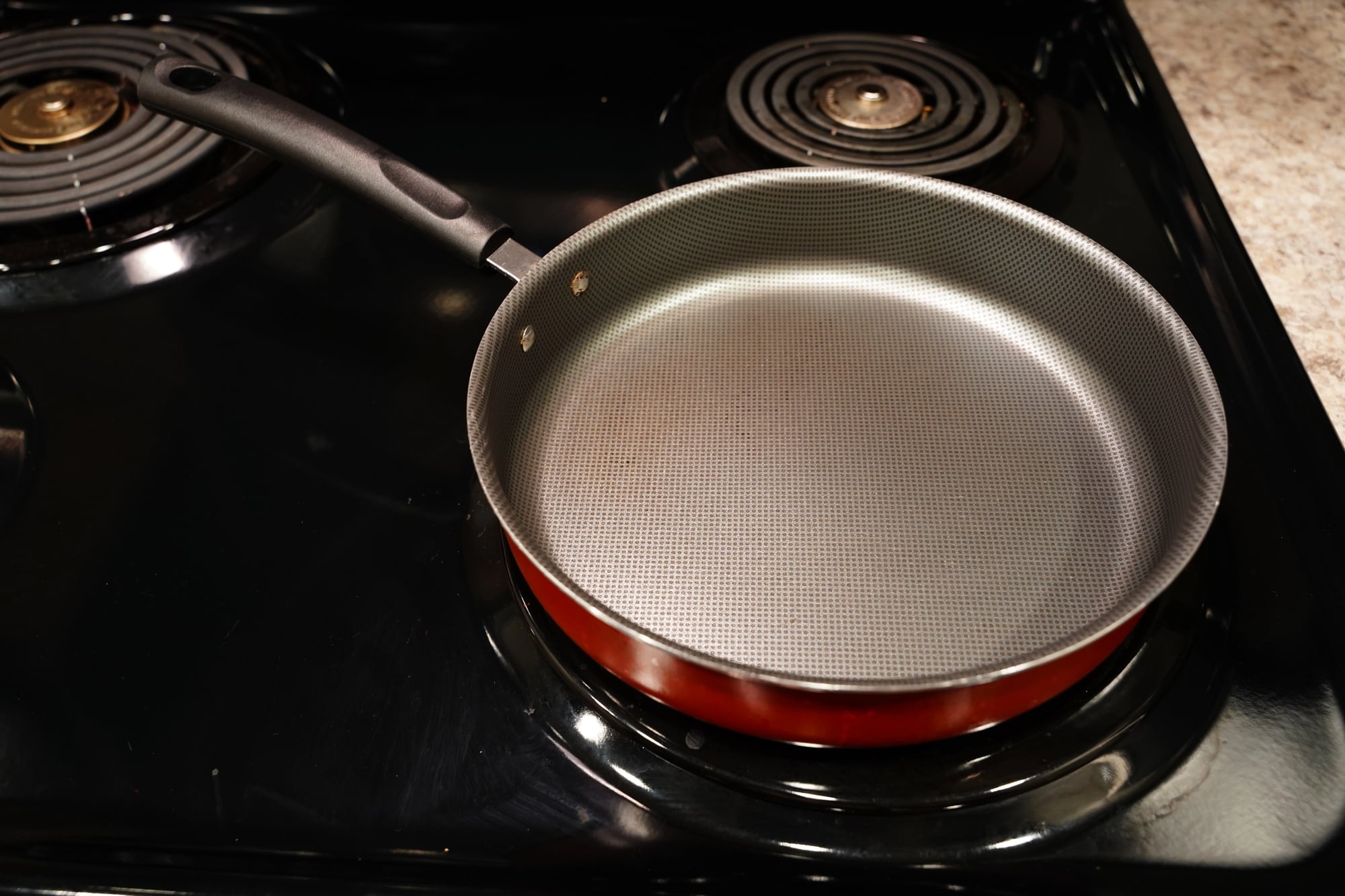
While trying to create a new refrigerant gas, Plunkett accidentally produced a slippery white powder that seemed useless for cooling anything. The substance turned out to be polytetrafluoroethylene, better known as Teflon.
His mistake became one of the most versatile materials ever invented, coating everything from cookware to spacecraft.
Wilhelm Roentgen
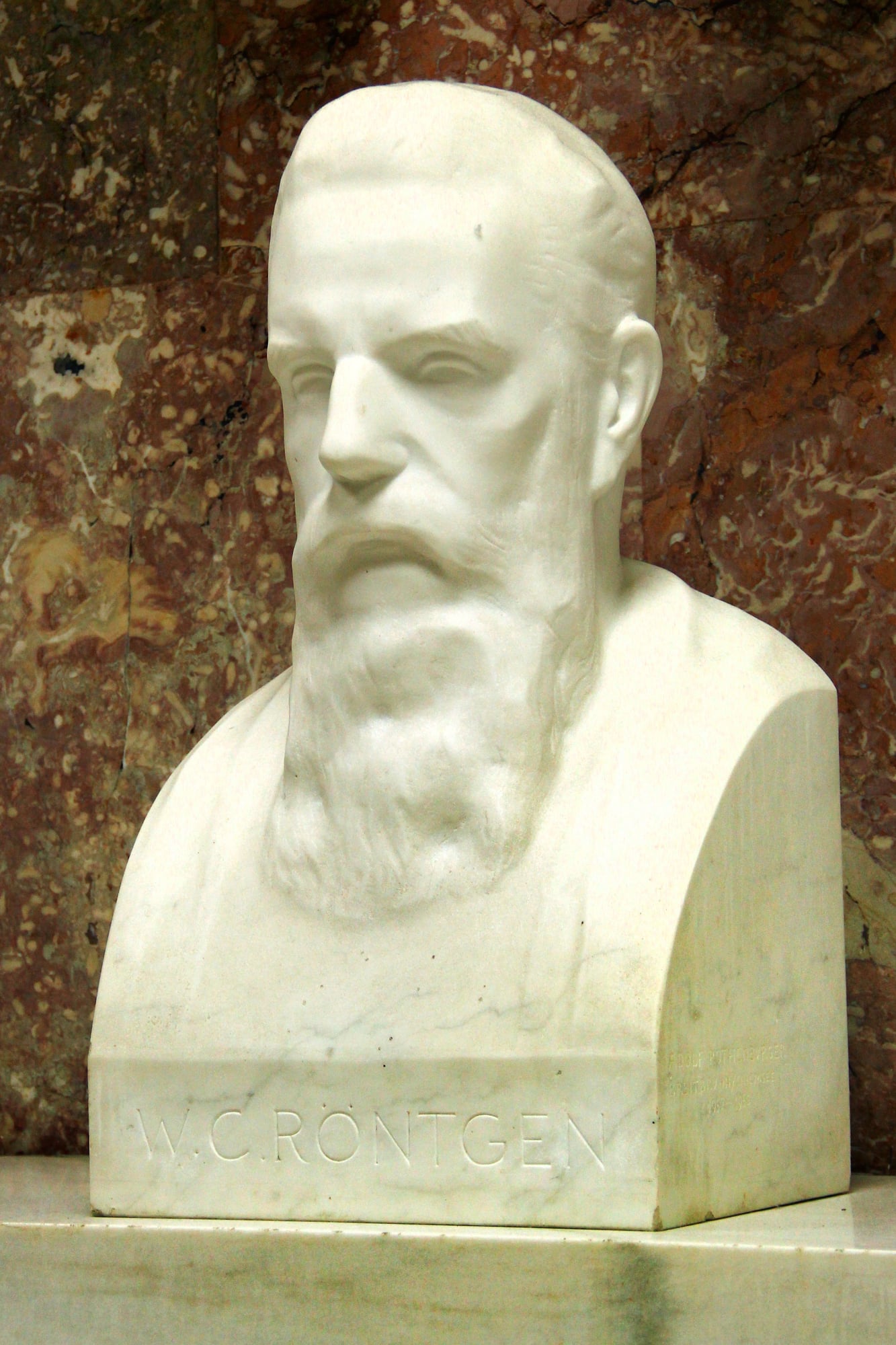
Roentgen was experimenting with cathode rays when he noticed that a fluorescent screen across the room started glowing even though it was blocked by cardboard. His investigation of these mysterious rays led to the discovery of X-rays, earning him the first Nobel Prize in Physics.
The accidental discovery revolutionized medicine and gave doctors their first look inside the human body without surgery.
Henri Becquerel

This French physicist accidentally left uranium salts on top of photographic plates in a drawer and later found that the plates had been exposed to radiation. Becquerel had discovered radioactivity by mistake, launching the field of nuclear physics.
His accidental finding would later inspire Marie Curie’s groundbreaking research and change our understanding of atomic structure.
John Pemberton
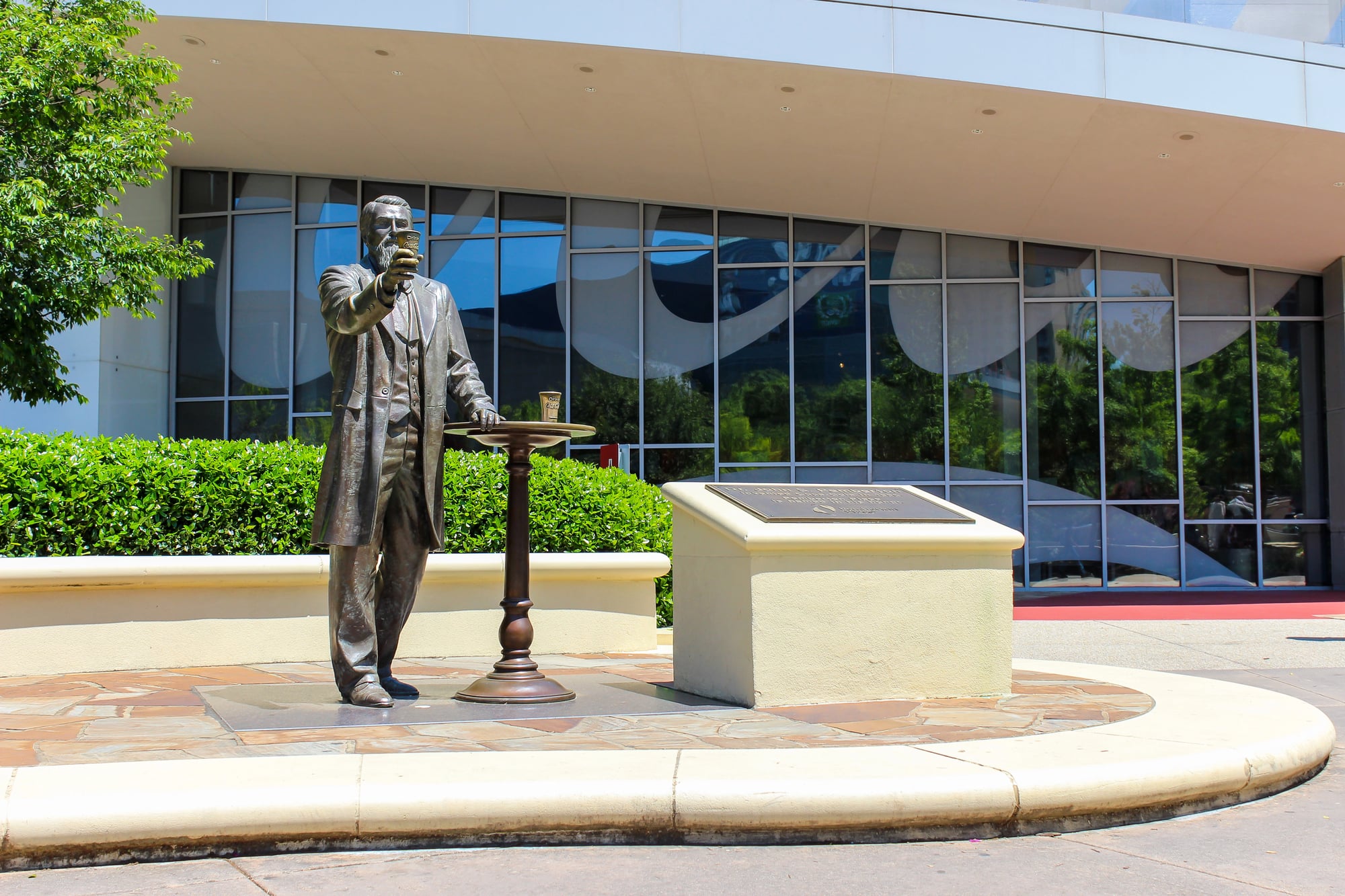
Pemberton was trying to create a cure for headaches when he accidentally mixed his medicinal syrup with carbonated water instead of plain water. The resulting drink tasted better than any medicine, and Pemberton realized he had created something more valuable than a headache remedy.
His mistake became Coca-Cola, one of the world’s most recognizable brands.
Spencer Silver
While working at 3M, Silver was trying to develop a super-strong adhesive but instead created a weak, pressure-sensitive glue that could be easily removed. His colleagues thought the adhesive was useless until Art Fry used it to create removable bookmarks for his church hymnal.
Silver’s failed glue became the foundation for Post-it Notes, generating billions in revenue for 3M.
Alfred Nobel
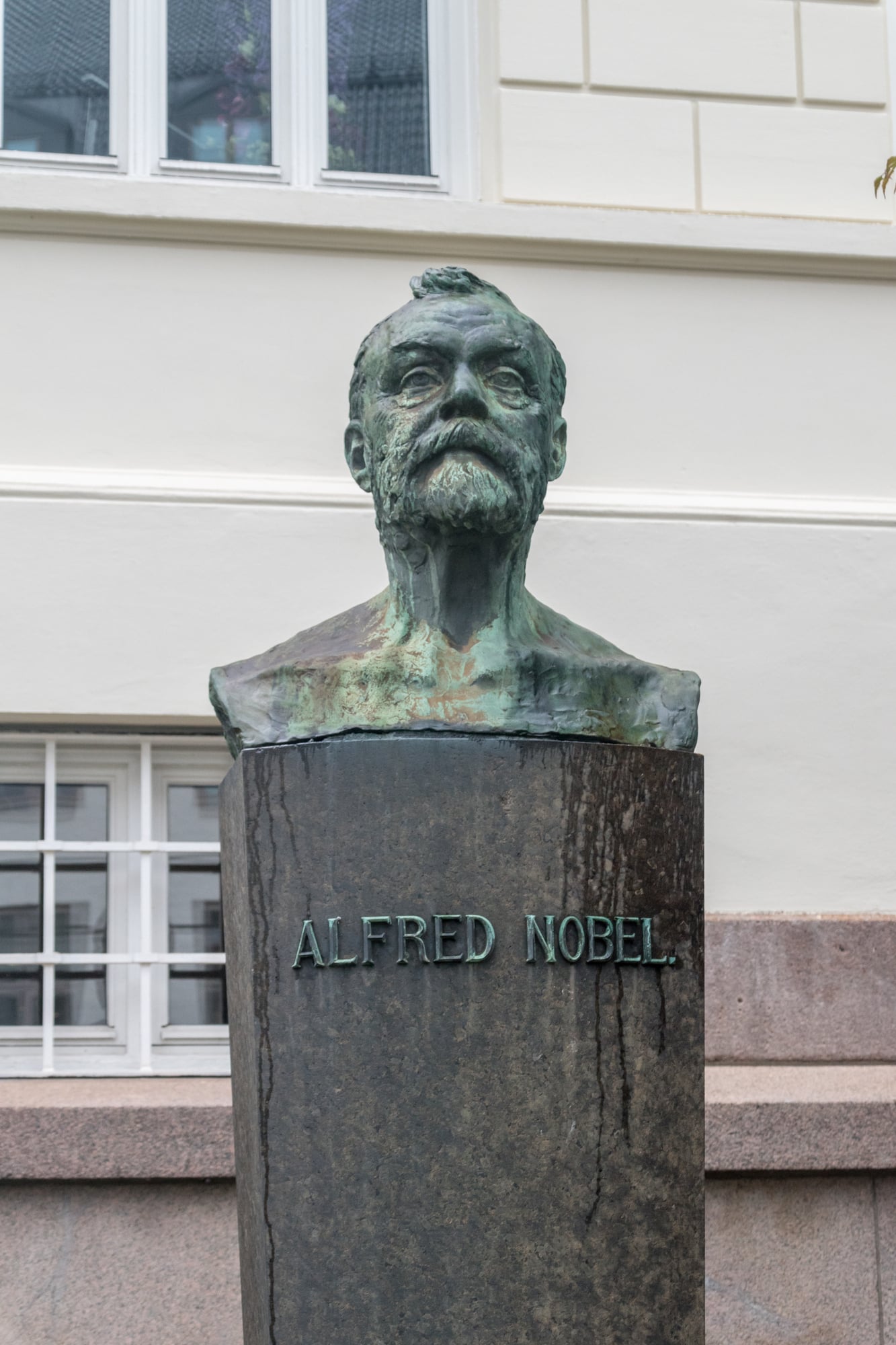
Nobel accidentally discovered dynamite when he was looking for a safer way to handle nitroglycerin, which had killed his younger brother in a factory explosion. His mistake created one of the most powerful explosives ever made, making him incredibly wealthy but also deeply troubled by its destructive potential.
Nobel’s guilt over his accidental creation led him to establish the Nobel Prizes to honor achievements in peace and human progress.
Constantin Fahlberg

This chemist forgot to wash his hands after working with coal tar derivatives and noticed that his dinner tasted unusually sweet. Fahlberg traced the sweetness back to a compound he had accidentally created in his laboratory.
His mistake led to the discovery of saccharin, the first artificial sweetener, though it took decades before people accepted the idea of synthetic sugar.
Charles Goodyear
Goodyear spent years trying to make rubber useful in different temperatures, but his experiments kept failing because rubber became sticky in heat and brittle in cold. During one frustrated moment, he accidentally dropped a mixture of rubber and sulfur onto a hot stove.
The heat transformed the rubber into a flexible, durable material that worked in any weather, launching the modern rubber industry.
Harry Coover

While working on clear plastic gun sights during World War II, Coover accidentally created a substance that stuck to everything it touched. He initially rejected the material as useless because it was impossible to separate once it bonded.
Years later, Coover realized that this permanent adhesive quality was actually valuable, and his mistake became Super Glue.
Stephanie Kwolek

This chemist was working on lightweight materials for tire reinforcement when she accidentally created a cloudy, thin solution that most researchers would have thrown away. Kwolek decided to test the unusual mixture and discovered that it was five times stronger than steel by weight.
Her mistake led to the invention of Kevlar, which now protects police officers and soldiers around the world.
Wilson Greatbatch

Greatbatch was building a device to record heartbeats when he accidentally installed the wrong resistor in his circuit. Instead of recording heart rhythms, his device began producing regular electrical pulses that mimicked a healthy heartbeat.
His mistake became the first implantable pacemaker, extending the lives of millions of people with heart conditions.
Patsy Sherman

While working on fluorochemical compounds, Sherman accidentally spilled some experimental material on her assistant’s tennis shoe. The spill created a permanent stain that repelled water, oil, and other liquids.
Sherman realized that her mistake had created a powerful protective coating, which became Scotchgard fabric protector.
William Perkin
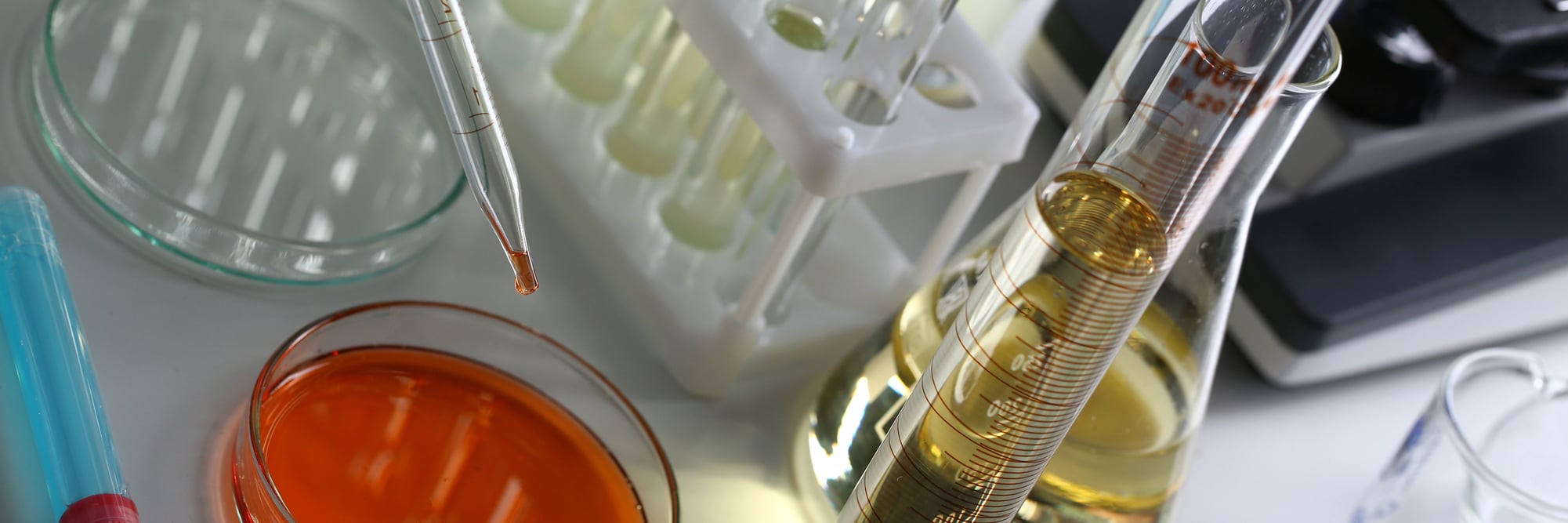
This 18-year-old chemistry student was trying to synthesize quinine to treat malaria when his experiment produced a useless black sludge. While cleaning his equipment, Perkin noticed that alcohol turned the sludge into a brilliant purple color.
His failed malaria cure became the first synthetic dye, launching the modern chemical industry and making purple clothing affordable for ordinary people.
When Wrong Turns Right

These scientific mistakes remind us that progress rarely follows a straight line from hypothesis to discovery. The researchers who became famous for their errors shared one crucial trait: they paid attention to unexpected results instead of simply discarding them as failures.
Their willingness to explore the unknown, even when it wasn’t what they were looking for, transformed accidental discoveries into innovations that changed the world. In a field where being wrong is often seen as failure, these scientists proved that the most valuable discoveries sometimes come from embracing our mistakes rather than hiding from them.
More from Go2Tutors!

- The Romanov Crown Jewels and Their Tragic Fate
- 13 Historical Mysteries That Science Still Can’t Solve
- Famous Hoaxes That Fooled the World for Years
- 15 Child Stars with Tragic Adult Lives
- 16 Famous Jewelry Pieces in History
Like Go2Tutors’s content? Follow us on MSN.



