26 Secret Societies Throughout History That Actually Influenced World Events
Secret societies have always captured our imagination. There’s something irresistible about the idea that a small group of people, meeting behind closed doors, could shape the course of history.
While many supposed secret organizations turn out to be nothing more than elaborate conspiracies, others have genuinely wielded real power and influence over world events. From ancient mystery cults to modern fraternal orders, these groups have operated in the shadows, pulling strings and making decisions that affected millions of lives.
The Illuminati
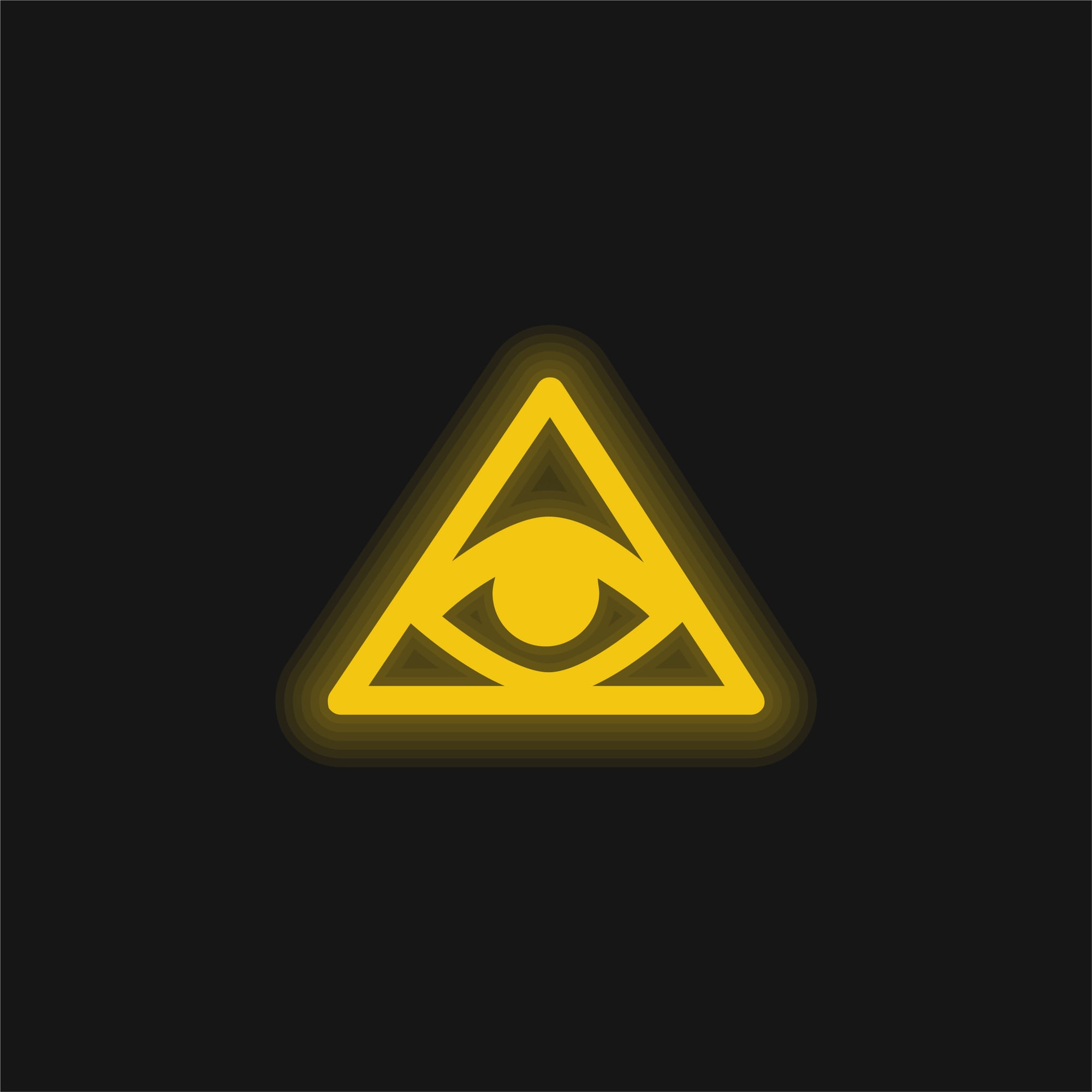
The Illuminati was founded in 1776 by Adam Weishaupt, a law professor in Bavaria. Their goal was simple: oppose religious influence over public life and state power.
The group recruited intellectuals, writers, and progressive politicians across Europe. The society developed an elaborate system of degrees and secret rituals, but what made them dangerous to the established order was their commitment to Enlightenment ideals.
They promoted reason over superstition, democracy over monarchy, and separation of church and state. Within a decade, they had infiltrated Masonic lodges across Germany and beyond.
Their influence ended abruptly in 1785 when the Bavarian government banned all secret societies. By then, though, their ideas had spread throughout European intellectual circles.
The modern myth of the Illuminati as a deathless cabal secretly steering world governments has no basis in the historical record — the actual society was crushed within a decade — but the real group’s brief existence was remarkable enough on its own terms.
The Knights Templar
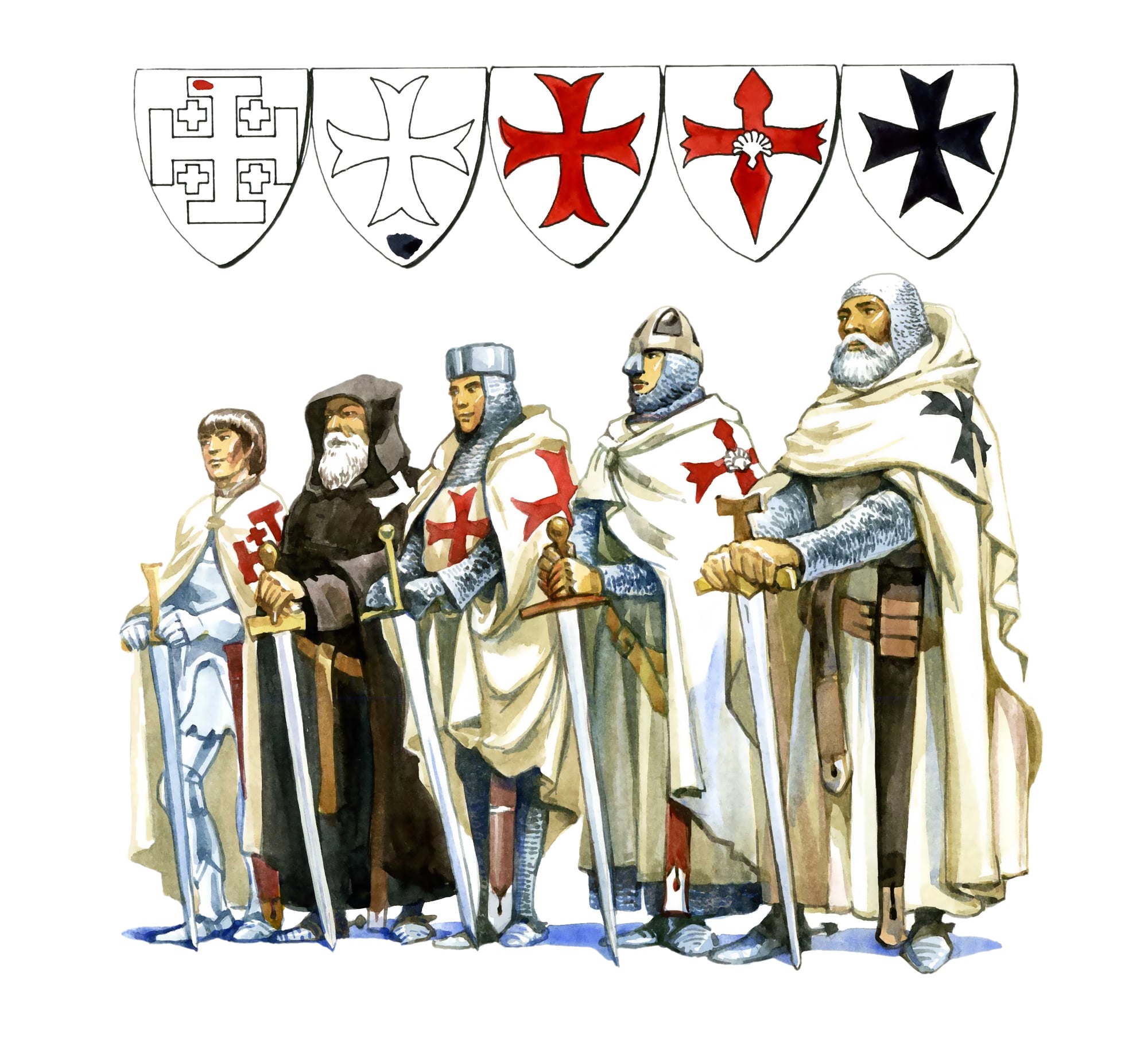
These warrior-monks controlled much of medieval Europe’s banking system for nearly two centuries. Founded around 1119 to protect Christian pilgrims traveling to the Holy Land, the Templars quickly evolved into something far more powerful than a military order.
They established one of the era’s most sophisticated international financial networks, allowing pilgrims to deposit money in Europe and withdraw it in the Holy Land. This system made them incredibly wealthy and gave them influence over kings and popes who needed their financial services.
The Templars owned vast estates across Europe and maintained a fleet of ships. But their power made them enemies, particularly King Philip IV of France, who owed them enormous sums.
On Friday the 13th, 1307, Philip ordered the arrest of all Templars in France on charges of heresy and blasphemy. The order was officially dissolved in 1312, and its last grand master, Jacques de Molay, was burned at the stake in 1314.
Their sudden fall demonstrates how even the most powerful secret societies remain vulnerable to political manipulation — and it seeded centuries of legends, most of them invented long after the fact.
Opus Dei
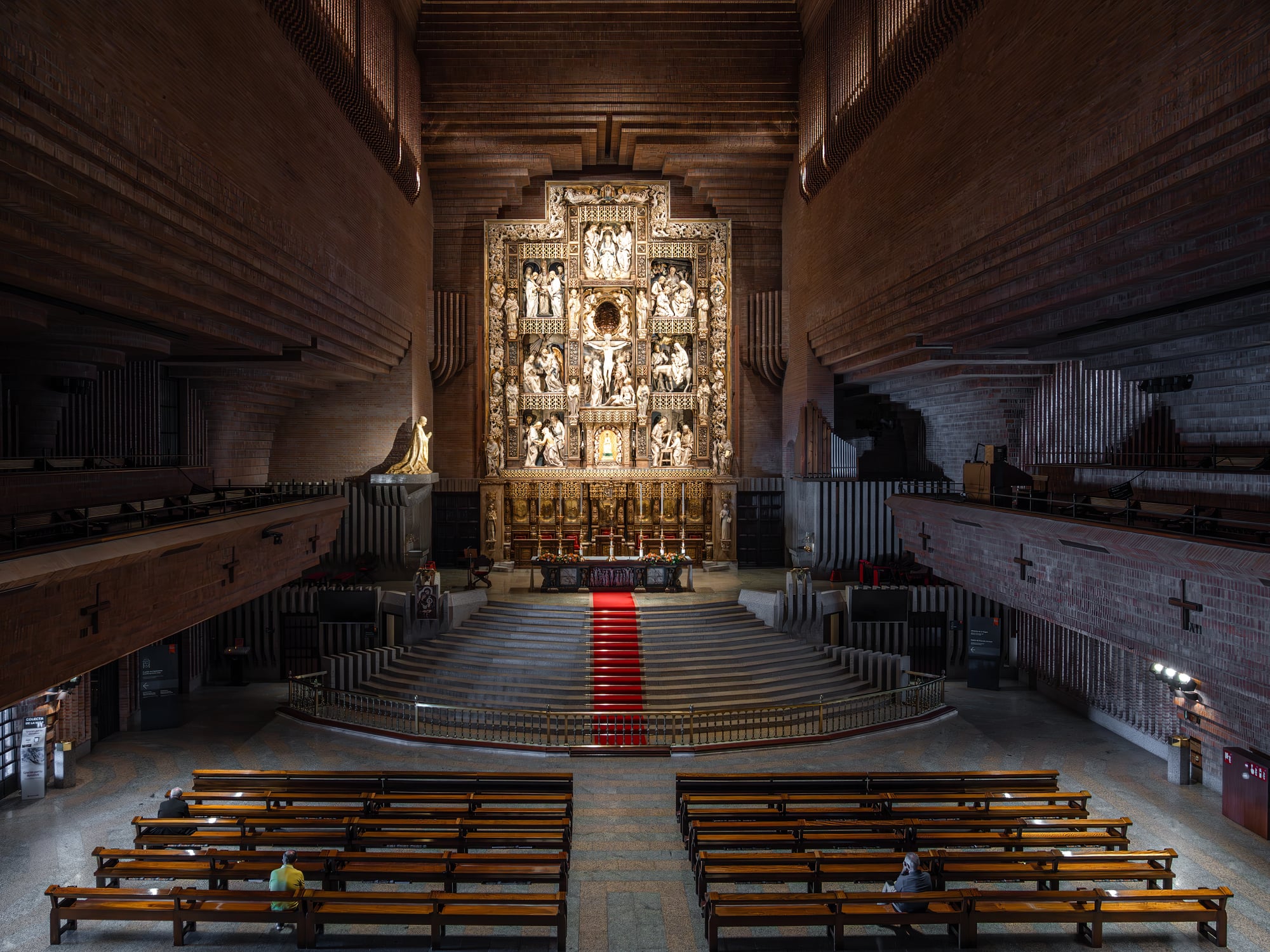
The Catholic organization Opus Dei operates with a level of discretion that has fueled decades of speculation, particularly given that its membership has included politicians, judges, and business leaders across multiple continents. Founded in Spain in 1928 by the priest Josemaría Escrivá, Opus Dei—which means “Work of God”—promotes the idea that ordinary work can be a path to holiness.
So far, so unremarkable. But here’s where it gets contentious: some of its members occupy positions of significant influence in governments and corporations, and the organization is known for its reticence about its membership and internal affairs.
It has been accused of wielding disproportionate influence within the Catholic Church, especially after John Paul II granted it the unusual status of a personal prelature in 1982. And then there are its recruitment and discipline practices—some former members describe an organization that demands intense loyalty and discourages questioning.
Defenders counter that much of the “shadowy cabal” reputation is exaggeration fed by fiction, and that Opus Dei is simply a conservative lay movement that values privacy. The truth sits somewhere between the two portraits, which is exactly why the argument never quite ends.
The Freemasons
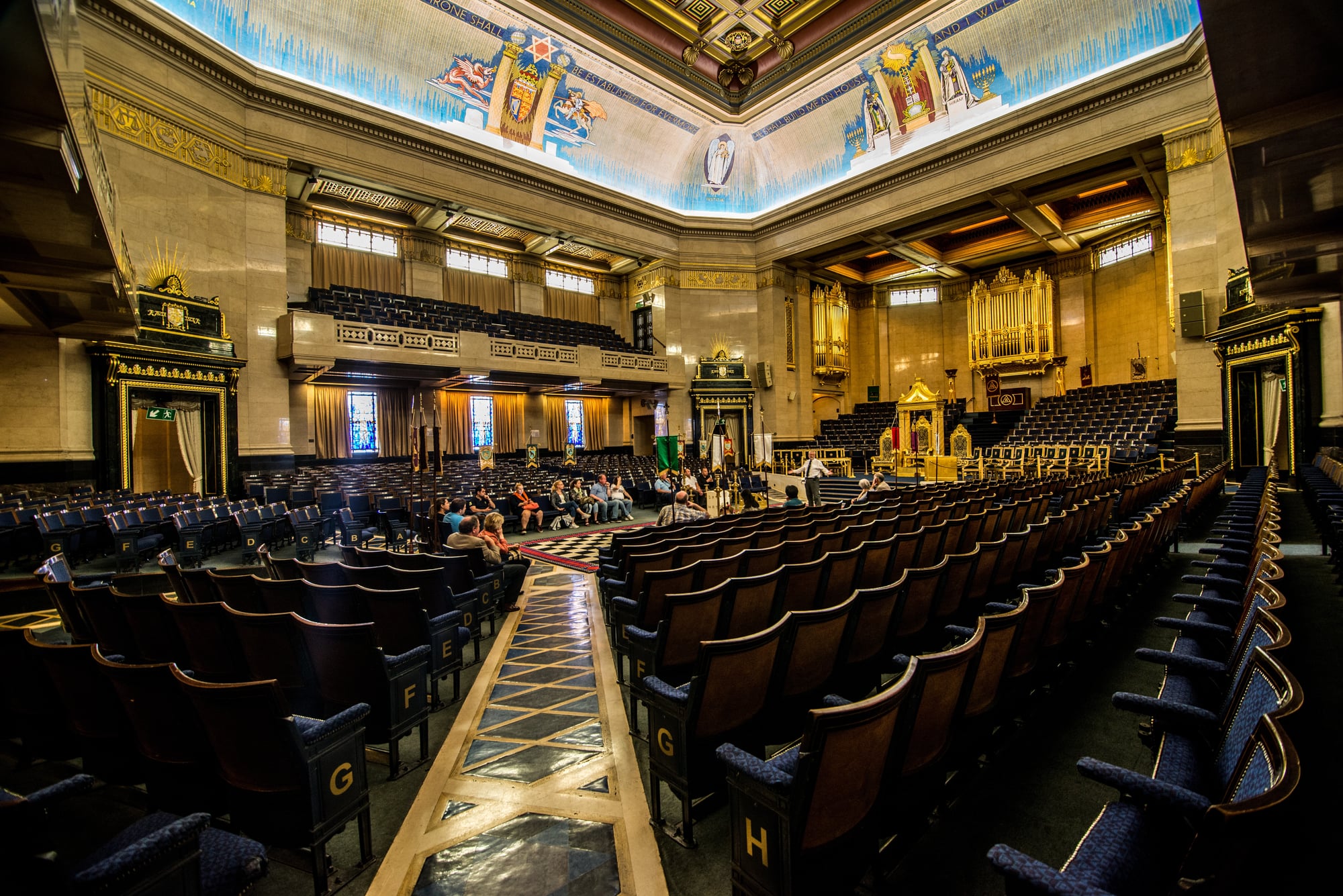
Freemasonry emerged from medieval stonemason guilds, but by the 18th century it had transformed into something entirely different. The brotherhood attracted merchants, intellectuals, and aristocrats who gathered in lodges to discuss philosophy, science, and politics away from the prying eyes of church and state authorities.
The timing couldn’t have been better. As Enlightenment ideas spread across Europe and America, Masonic lodges became gathering places for men steeped in new ways of thinking.
The emphasis on reason, individual liberty, and brotherhood aligned with the emerging democratic ideals that would reshape the Western world. Consider the American Revolution: George Washington, Benjamin Franklin, Paul Revere, and John Hancock were all Masons, and roughly a third of the men who signed the Declaration of Independence are thought to have had Masonic connections.
In France, prominent figures like the Marquis de Lafayette belonged to lodges where concepts of natural rights and popular sovereignty were common currency. Freemasonry didn’t cause these revolutions—plenty of revolutionaries were not Masons, and plenty of Masons were loyalists—but it provided social networks and a shared vocabulary of liberty that helped the era’s ideas circulate.
Skull And Bones
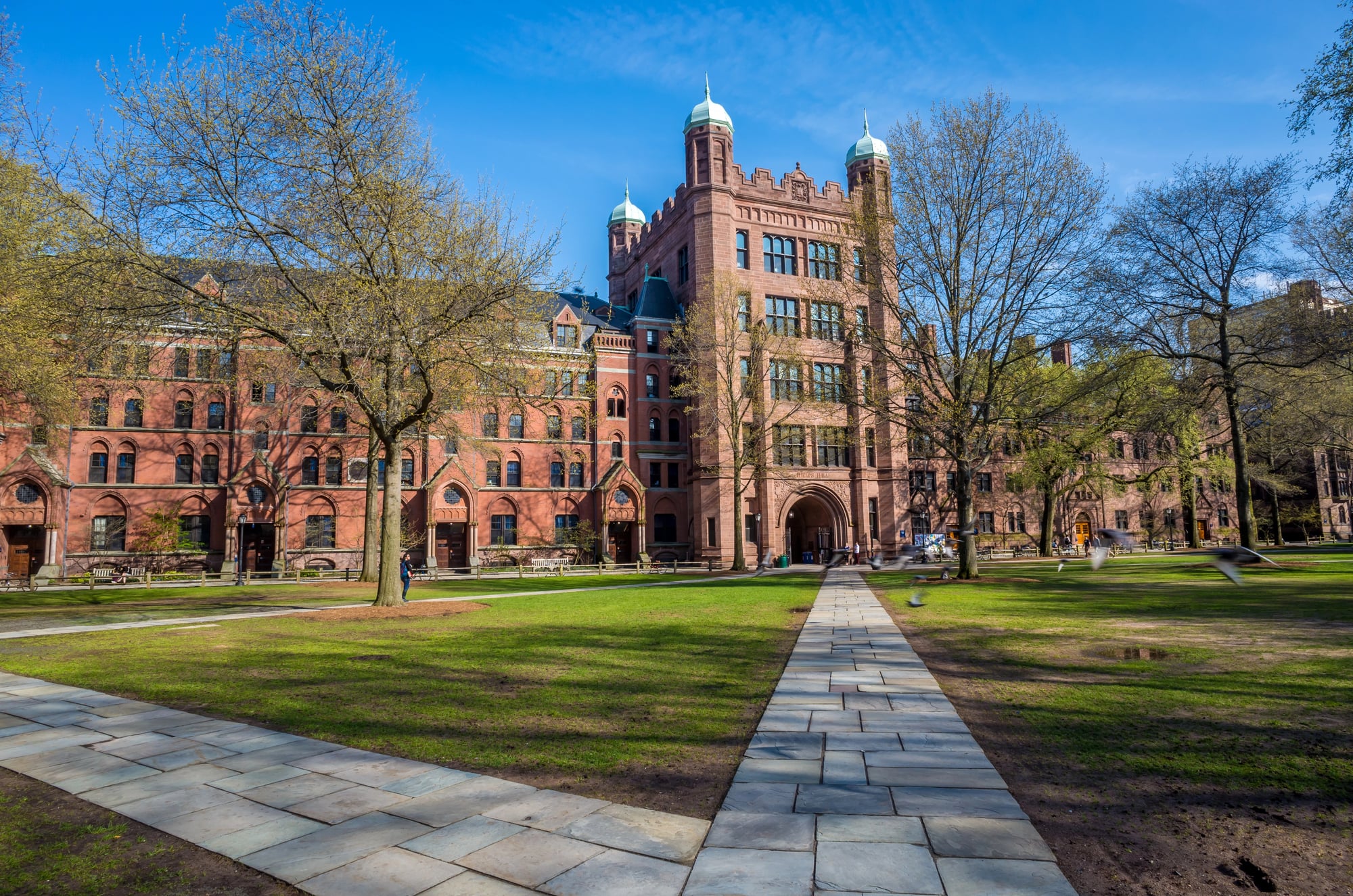
Yale University’s Skull and Bones produces an unusually high number of American power brokers. The society, founded in 1832, taps fifteen junior students each year for membership.
What happens inside their windowless tomb on campus remains largely unknown, but the alumni list reads like a who’s who of American influence. Three U.S. presidents have been members: William Howard Taft, George H.W. Bush, and George W. Bush.
The 2004 presidential election was particularly surreal—both candidates, Bush and John Kerry, belonged to the same secret society. When questioned about it during the campaign, both men declined to reveal anything, citing the organization’s oath of secrecy.
The society’s influence extends beyond politics into Wall Street, the law, and intelligence circles. Critics argue that Skull and Bones represents everything wrong with American elitism—a self-perpetuating network that ensures power remains concentrated among a select few families and institutions.
Defenders note it is, in the end, a college club, however well-connected its graduates turn out to be.
The Thule Society
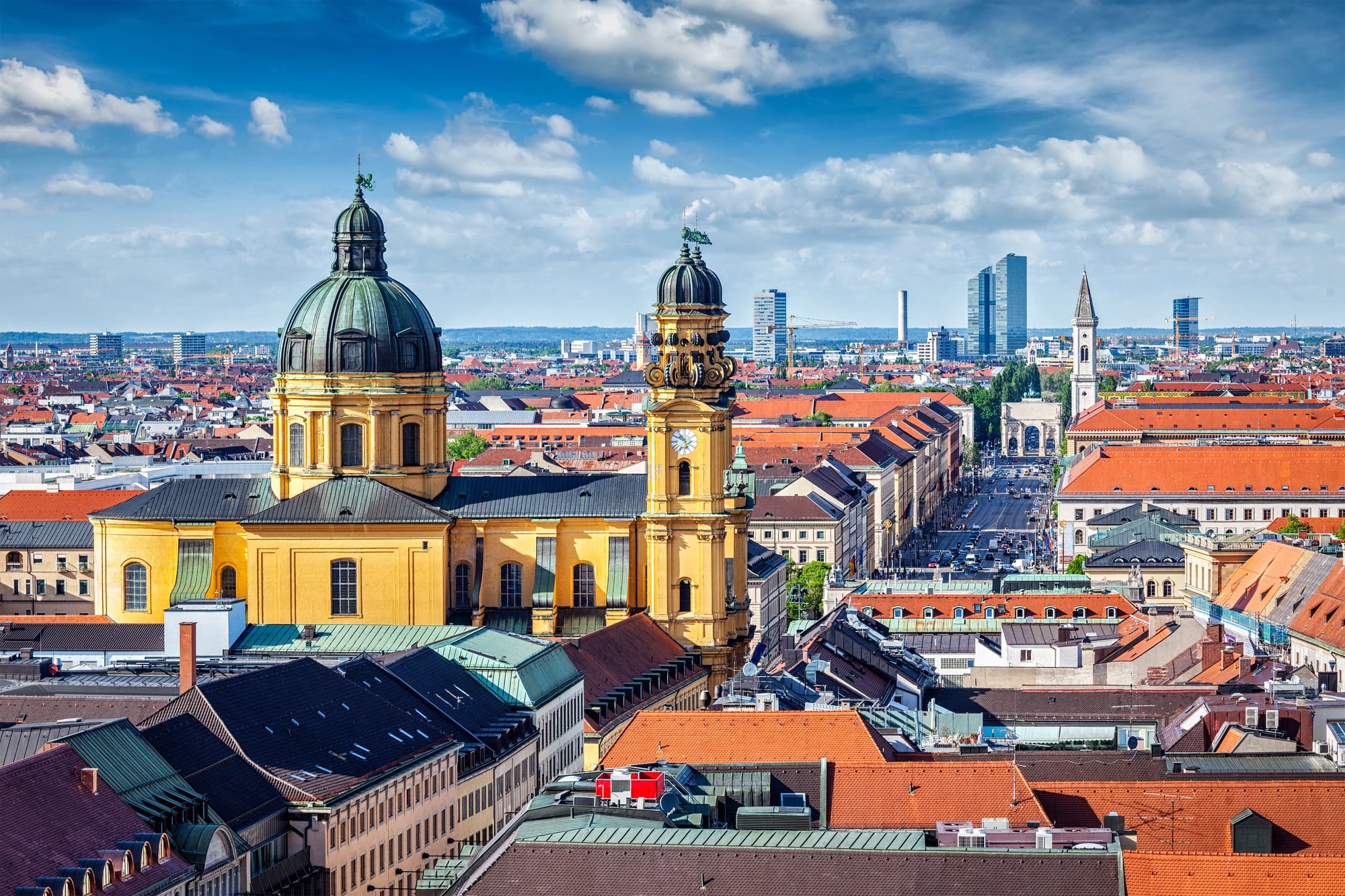
The Thule Society demonstrates how esoteric beliefs can metastasize into political horror. Founded in Munich in 1918, this occult group combined German nationalism with mystical theories about Aryan racial superiority.
The society attracted intellectuals, artists, and political activists who believed that Germanic peoples descended from a superior race that once inhabited the mythical land of Thule. They studied ancient Nordic symbols and developed elaborate theories about racial purity.
These ideas might have remained confined to occult circles, except the society also functioned as a political organization that opposed the Communist uprisings sweeping Germany after World War I, and it helped fund the German Workers’ Party — the group that Hitler would later transform into the Nazi Party.
Several figures connected to the early Nazi movement had ties to the Thule Society or its circle, including Rudolf Hess and Dietrich Eckart, an early Hitler mentor. Historians caution against overstating the link — Hitler himself ridiculed occultism, and the party’s later leadership distanced itself from mystical groups — but the Thule milieu undeniably incubated some of the people and symbols that would shape the catastrophe to come.
The transformation of fringe theories into the orbit of state power shows how dangerous ideas can spread when they find fertile political ground.
The Carbonari
Italy’s Carbonari operated like revolutionary franchises across 19th-century Europe. Each cell remained largely independent, but they shared common goals: overthrowing absolute monarchies and establishing constitutional governments.
The name means “charcoal burners,” and they used elaborate rituals borrowed from both Freemasonry and actual charcoal-making traditions to maintain secrecy. The society’s influence peaked during the 1820s uprisings across Italy and Spain.
Carbonari cells coordinated rebellions that briefly forced several rulers to accept constitutional limits on their power, though most of these gains were later reversed by conservative forces. Their organizational structure—small, secretive cells linked by shared ideology rather than central command—became a model for later revolutionary movements.
Giuseppe Mazzini, one of the key figures in Italian unification, began his political career in the Carbonari before founding his own movement, Young Italy. The Carbonari’s emphasis on nationalism and constitutional government helped shape the political consciousness that would eventually unite Italy and influence liberation movements across Europe and Latin America.
The Order Of The Golden Dawn
The Hermetic Order of the Golden Dawn attracted some of the most creative minds of the late Victorian era, then promptly fell apart due to ego conflicts and personal scandals (which, to be fair, seems about right for an organization dedicated to ceremonial magic and esoteric philosophy). Founded in London in 1888, the Golden Dawn promised to teach its members the secrets of Western occultism, from astrology and tarot to ritual magic and alchemical symbolism.
What made this more than just another Victorian parlor game was the caliber of people it attracted. The poet William Butler Yeats was a committed member for years, and the influence shows up throughout his work—all those mystical symbols and occult references weren’t just poetic decoration.
Aleister Crowley, before becoming the self-proclaimed “wickedest man in the world,” learned his basic magical techniques from Golden Dawn instructors before falling out spectacularly with the order. Other members included the actress Florence Farr and the writers Arthur Machen and Algernon Blackwood.
(Bram Stoker and Arthur Conan Doyle are often listed as members, but there’s no real evidence either man ever joined—a reminder that secret societies attract invented membership lists the way honey attracts flies.) The organization lasted only about fifteen years in its original form, but its influence on modern occultism, literature, and popular culture has been enormous.
The Golden Dawn essentially created the template for how magic is portrayed in books, movies, and television—robes, ritual circles, elaborate ceremonies, and mystical symbols arranged just so.
The Rosicrucians
Nobody knows who actually founded the Rosicrucian movement, which is fitting for a secret society that may never have existed in the first place. The whole thing began in the early 1600s with the publication of a mysterious document called the Fama Fraternitatis, which told the story of a legendary figure named Christian Rosenkreuz who had supposedly founded a secret brotherhood of mystics.
The document promised that this brotherhood possessed advanced knowledge of medicine, science, and spiritual matters, and that they worked secretly to improve the human condition. It was either an elaborate hoax, an allegory, or a real organization’s recruitment tool—scholars still debate which.
What isn’t debatable is the impact. The Rosicrucian manifestos sparked an intellectual ferment across Protestant Europe.
Thinkers like the physician Robert Fludd defended the movement publicly, while others scrambled either to join the invisible brotherhood or to denounce it. The movement helped popularize the idea that spiritual and material knowledge could be integrated through careful study, feeding the currents that would eventually flow into the scientific revolution and even, some historians argue, the founding culture of later groups like Freemasonry.
The Society Of Jesus
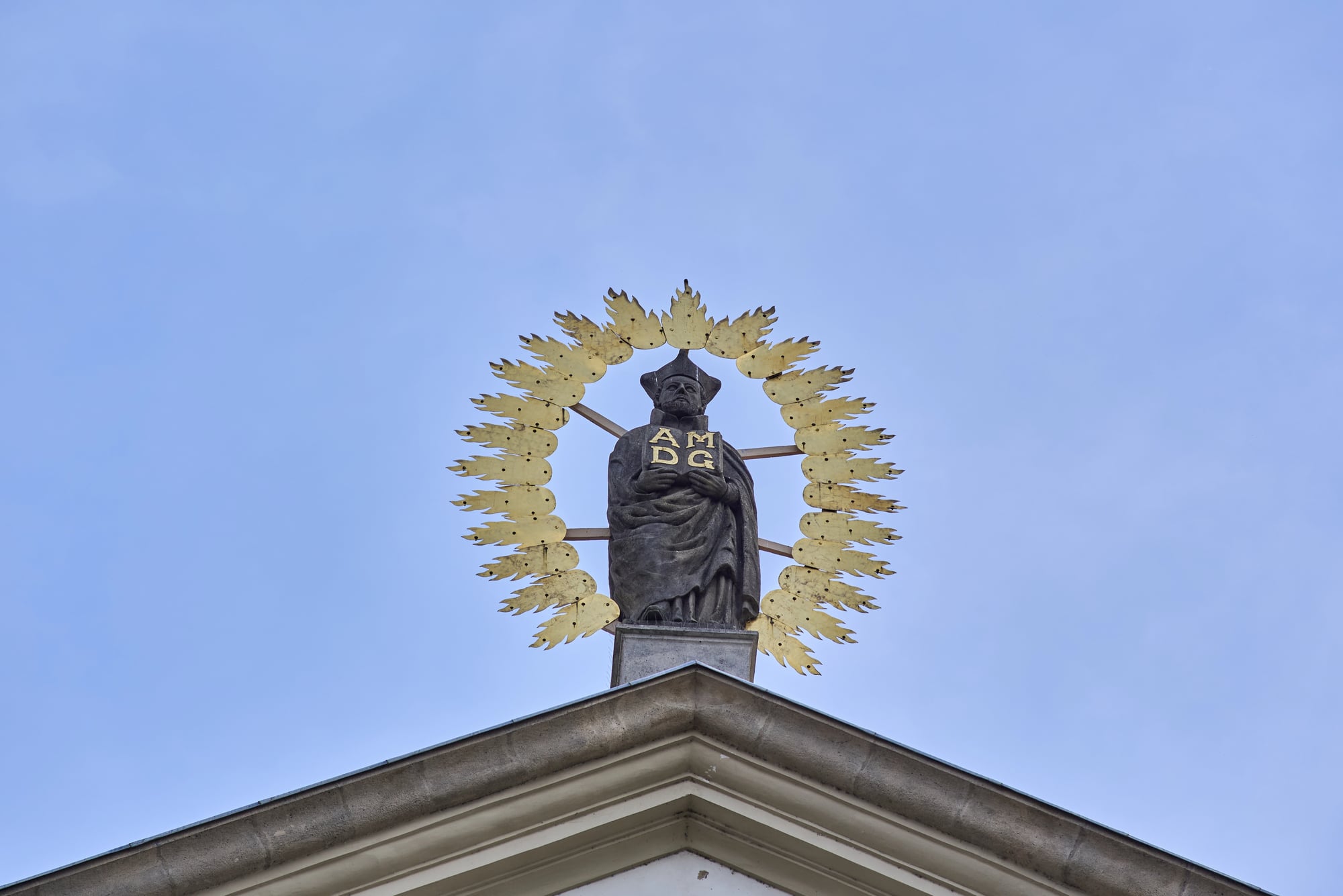
The Jesuits mastered the art of influence through education and intellectual rigor. Founded by Ignatius of Loyola in 1540, the Society of Jesus became the Catholic Church’s most effective tool for countering the Protestant Reformation and expanding Catholic influence worldwide.
Their strategy was brilliantly simple: educate the children of the powerful, and you shape the next generation of leaders. Jesuit schools and universities became renowned for academic excellence, attracting students from aristocratic and merchant families across Europe and the Americas.
These students learned not just mathematics and rhetoric, but also developed personal relationships with their Jesuit instructors that often lasted decades. The results speak for themselves.
For centuries, Jesuit-educated individuals occupied key positions in European courts, colonial administrations, and trade networks. The society’s emphasis on adapting to local cultures while maintaining core principles allowed them to establish missions from China to South America.
Their influence became so extensive that they were suppressed by the Pope in 1773, largely due to pressure from European monarchs who viewed them as a state within a state, before being restored in 1814. Even today, Jesuit institutions continue to shape leaders worldwide—and in 2013, the order produced the first Jesuit pope, Francis.
The Black Hand
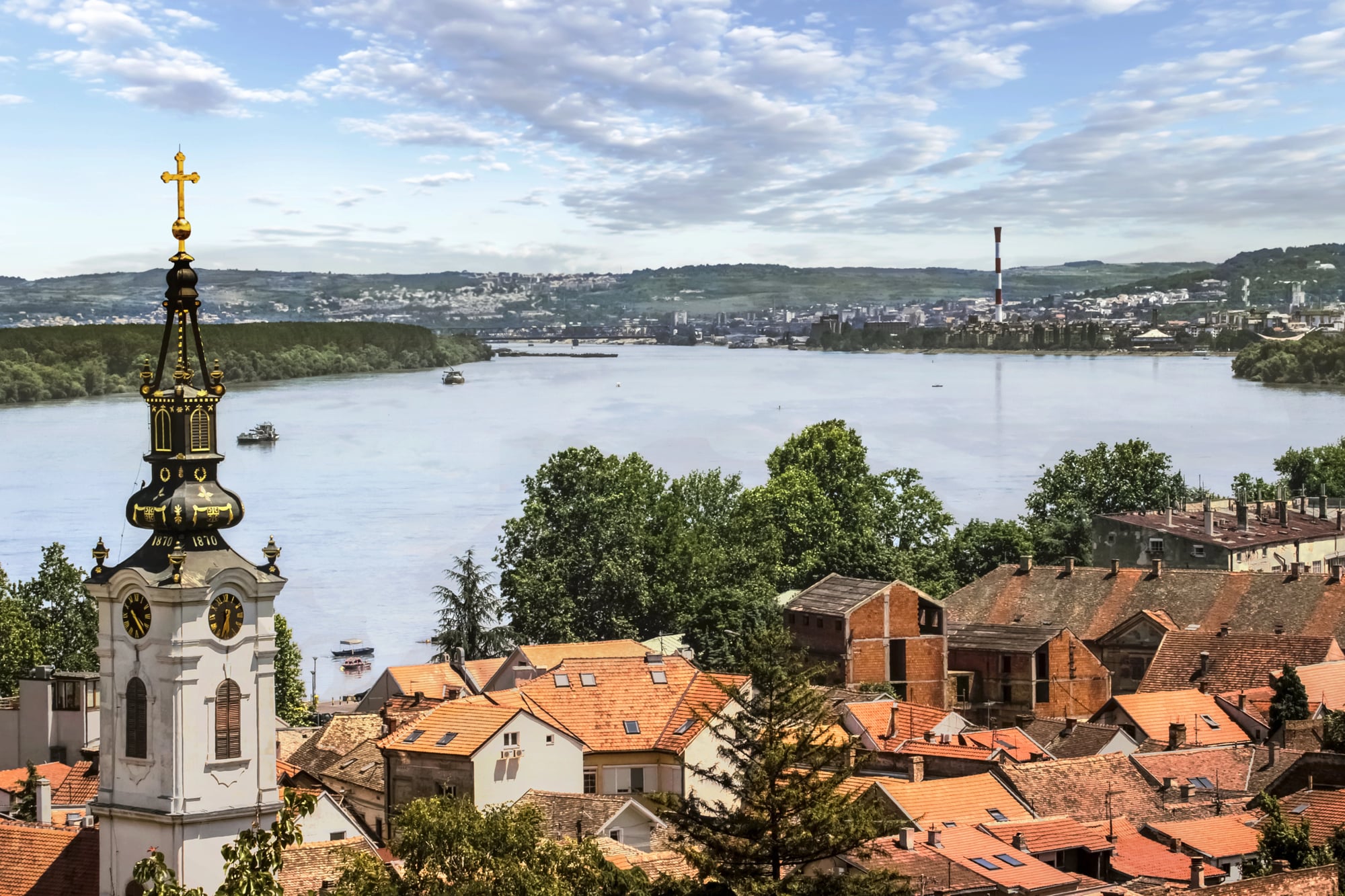
Serbia’s Black Hand specialized in political conspiracy, and they were disturbingly effective at it. Officially known as Unification or Death, the organization formed in 1911 with the goal of creating a Greater Serbia that would unite all South Slavic peoples under Serbian leadership.
The society recruited military officers, government officials, and intellectuals who were willing to use violence to achieve their nationalist goals. They trained operatives and operated cells across the region, gathering intelligence and supporting paramilitary action against officials who supported Habsburg rule.
The group was led in part by the Serbian intelligence chief known as Apis, which gave it disturbing reach inside the Serbian state itself. Their most consequential operation helped trigger World War I.
On June 28, 1914, Gavrilo Princip—a young nationalist linked to the Black Hand’s network, which had supplied weapons and training to the conspirators—assassinated Archduke Franz Ferdinand in Sarajevo. Within weeks, the assassination had set off a chain reaction that plunged Europe into four years of unprecedented warfare.
The Black Hand demonstrates how a small, dedicated group of extremists can alter the course of history through a single, carefully planned act of violence.
The Cambridge Five
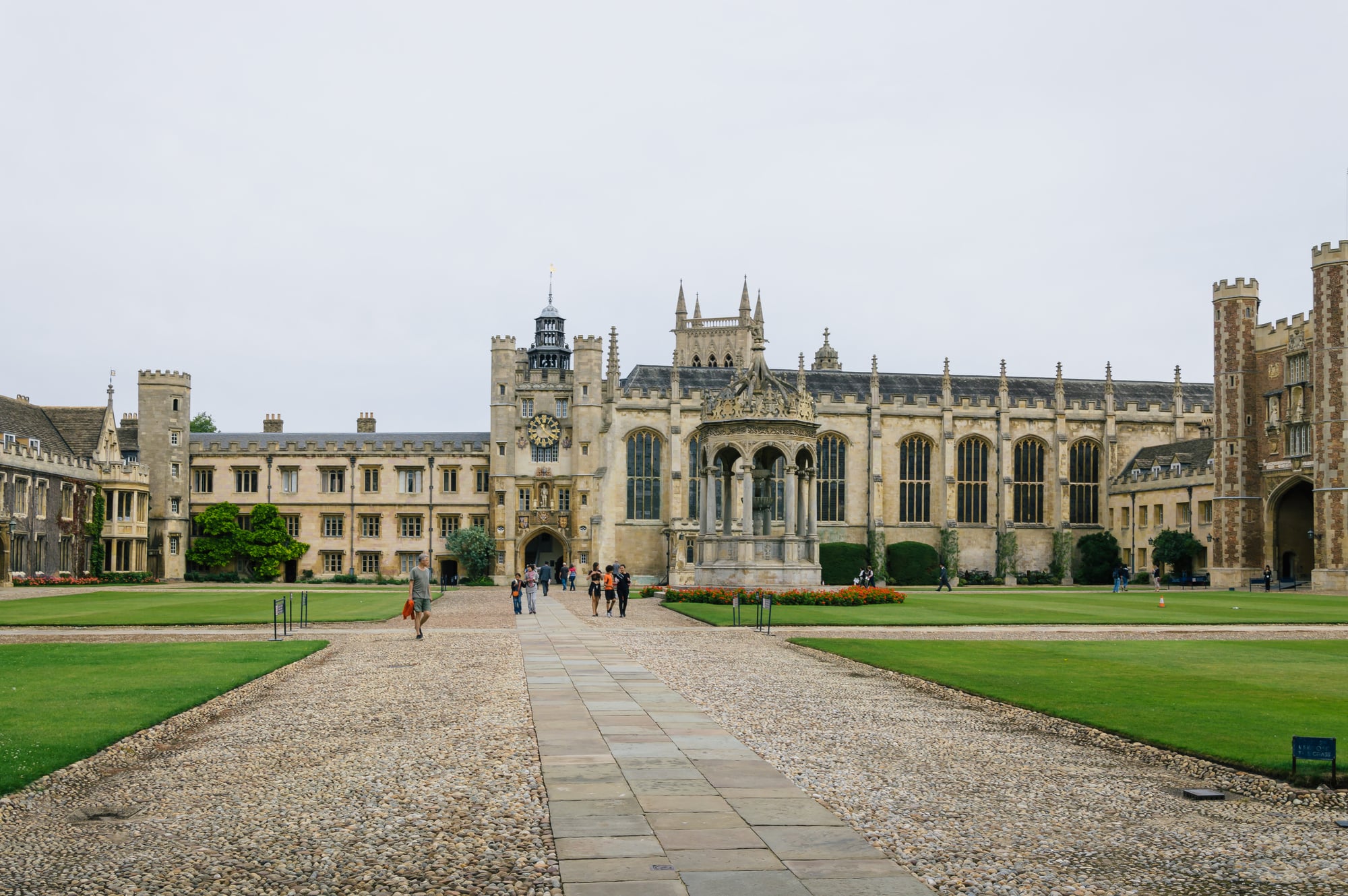
The Cambridge Five operated one of history’s most successful espionage networks by hiding in plain sight among Britain’s establishment. Kim Philby, Guy Burgess, Donald Maclean, Anthony Blunt, and John Cairncross were all recruited by Soviet intelligence while studying at Cambridge University in the 1930s.
What made them so effective wasn’t just their access to classified information—it was their social positions that placed them above suspicion. Philby rose to become a senior figure in British intelligence, a position that allowed him to protect other Soviet agents and feed disinformation to Western intelligence services for years.
Blunt became Surveyor of the King’s, later Queen’s, Pictures, moving in royal and government circles. Burgess and Maclean worked in the Foreign Office, providing the Soviets with detailed intelligence about British and American policy.
The network operated successfully for years, passing thousands of classified documents to Moscow and compromising numerous Western intelligence operations. The defection of Burgess and Maclean in 1951 began the unraveling, and the slow exposure of the others over the following decades devastated British intelligence and badly strained relations with Washington.
The Cambridge Five proved that the most dangerous spies aren’t always foreign infiltrators—sometimes they’re homegrown true believers who betray their countries from within.
The Order Of Assassins
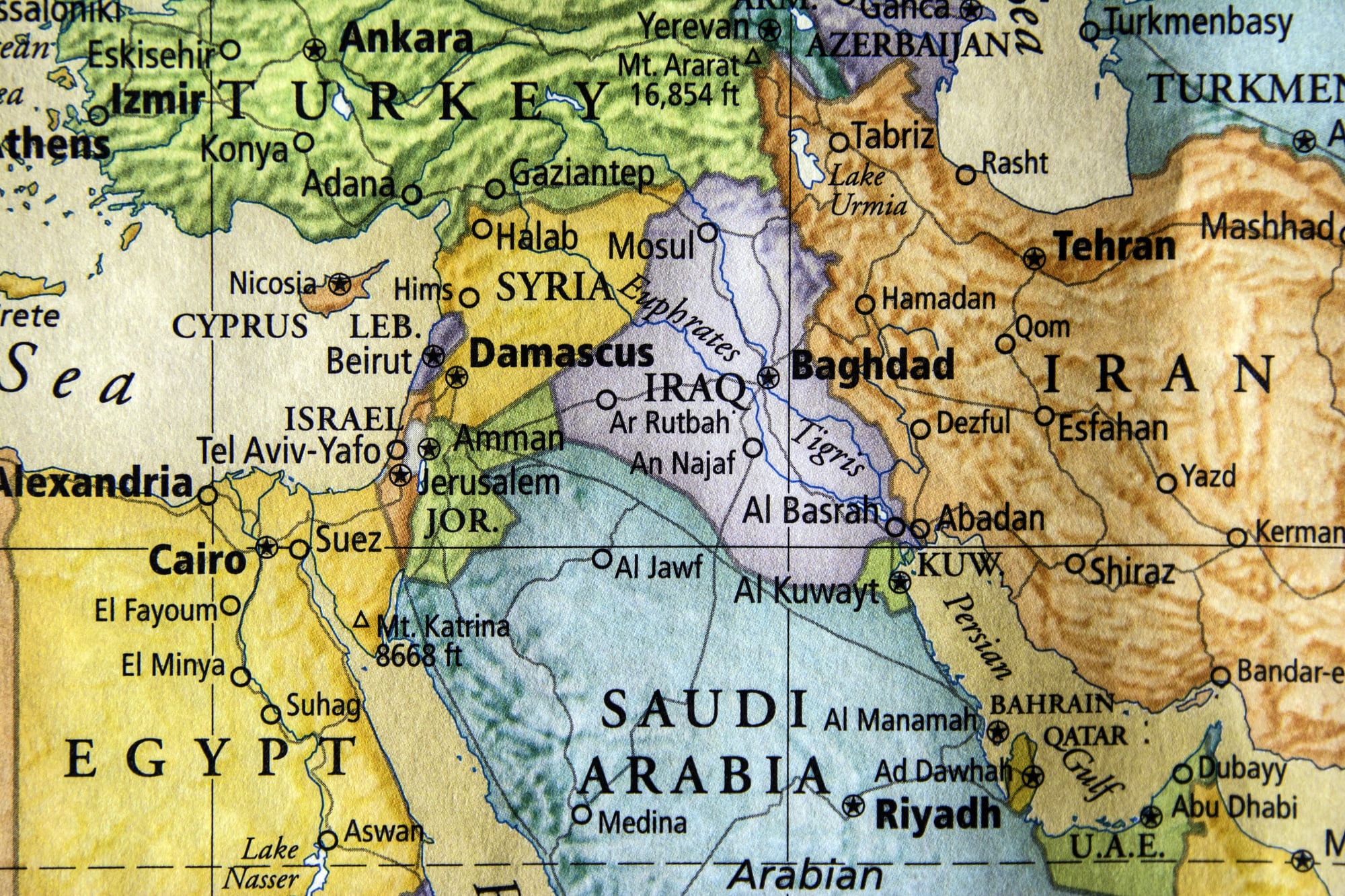
The Order of Assassins turned political murder into a strategic instrument across the medieval Middle East. Founded by Hassan-i Sabbah around 1090, the Nizari Ismailis—as they were properly known—were a persecuted religious minority who used targeted killings to punch far above their military weight in the violent politics of the era.
Operating from mountain fortresses such as Alamut in Persia and others in Syria, the Nizaris developed a reputation for infiltrating enemy courts and eliminating key political and military leaders with precision. Because they were vastly outnumbered by the Sunni empires around them, a single well-placed assassination could deter an army that open battle never could.
The psychological impact was enormous—a powerful ruler knowing that a devoted operative might be waiting among his own guards thought twice about moving against them. The order influenced the balance of power between rival Muslim rulers, Crusader states, and other regional powers for nearly two centuries.
They allied with different factions as it suited their survival. Their fortresses finally fell to the Mongols in 1256, who destroyed Alamut and its famous library.
Much of the lurid later legend—hashish-fueled killers, secret gardens of paradise—comes from hostile and unreliable sources, including Marco Polo, written long after the fact. But the order’s real influence was undeniable, and its name entered European languages as a synonym for political murder.
The P2 Lodge
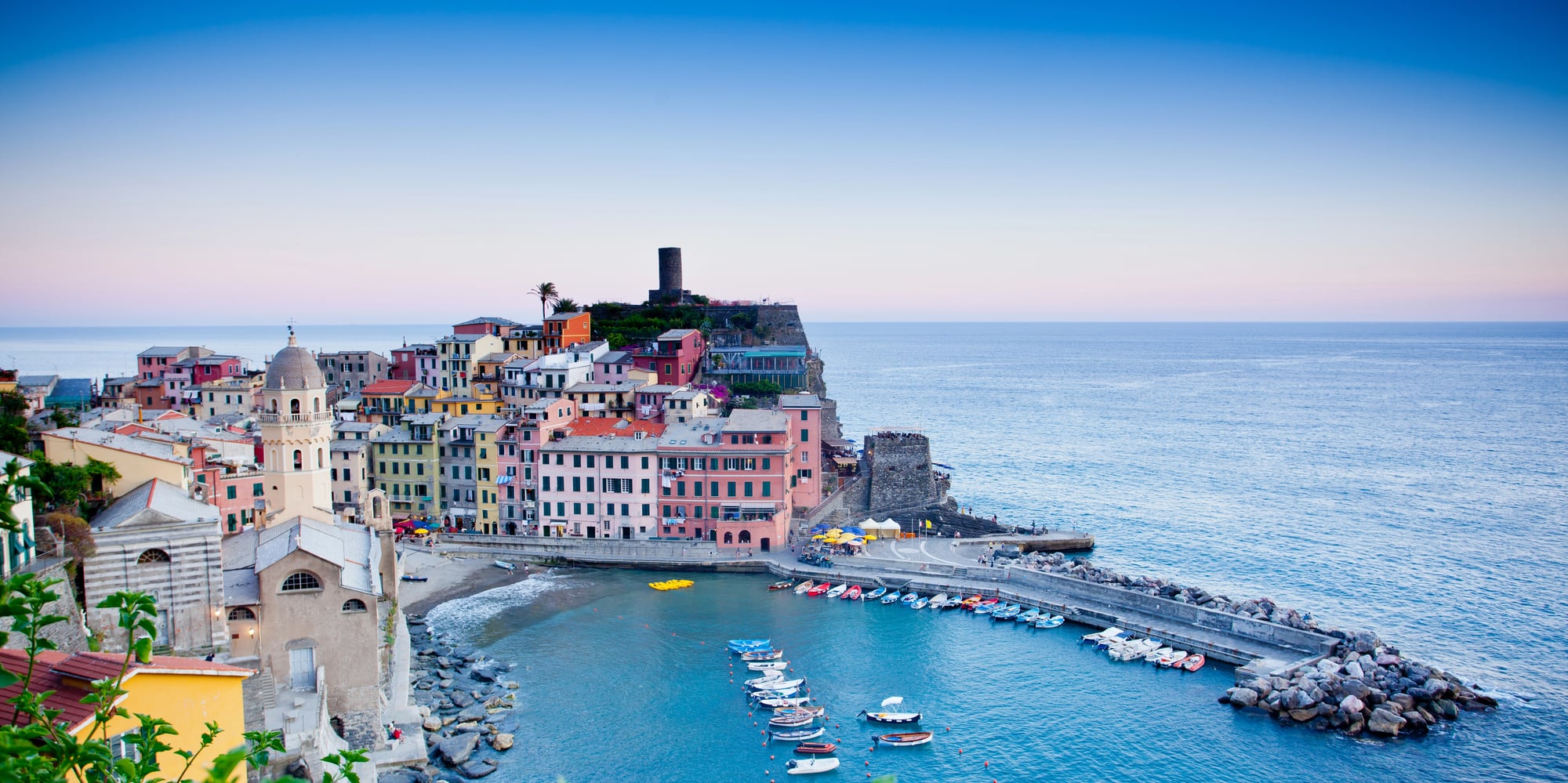
Italy’s Propaganda Due lodge represents everything sinister that secret societies are accused of being—a shadow organization that infiltrated government, business, and media to serve the interests of its members. Officially a Masonic lodge, P2 operated, by the time of its exposure, more like a conspiracy that happened to use Masonic trappings for cover, and Italian Freemasonry itself disowned it.
Under the leadership of Licio Gelli, P2 recruited hundreds of members from Italy’s elite, including cabinet ministers, military officers, judges, police officials, and media executives. When investigators seized Gelli’s membership list in 1981, it read like a directory of Italian power—government ministers, dozens of members of parliament, generals, admirals, and the heads of the intelligence services all appeared on it.
P2’s activities became entangled with some of the darkest episodes of postwar Italy, including financial scandals and the mysterious collapse of Banco Ambrosiano. The exposure of the lodge in 1981 helped bring down the Italian government and revealed the extent to which a secret network had burrowed into the machinery of the state.
P2 demonstrates how fraternal organizations can be corrupted into vehicles for hidden power.
The Weather Underground
The Weather Underground emerged from the wreckage of 1960s student activism, transforming from antiwar protesters into a group that bombed government buildings and corporate headquarters across America. Founded in 1969 as a splinter group from Students for a Democratic Society, the Weathermen—as they were originally known—believed that only militant action could stop the Vietnam War and what they saw as American imperialism.
The organization operated in small, secretive cells that moved frequently to avoid law enforcement. Through the 1970s, they claimed responsibility for a string of bombings, including attacks on the U.S. Capitol, the Pentagon, and the State Department.
They generally targeted property rather than people, usually phoning in warnings to clear buildings beforehand—though an early bombmaking accident in a Greenwich Village townhouse killed three of their own members in 1970. What made the Weather Underground significant wasn’t the damage they inflicted—their bombs caused property destruction but few outside casualties—but their demonstration that middle-class American students could be radicalized into armed clandestine action.
The group recruited heavily from elite universities, and several former members later resurfaced in mainstream careers after charges against them collapsed, partly due to illegal government surveillance. Their existence pushed law enforcement to develop new counterterrorism capabilities.
The Priory Of Sion
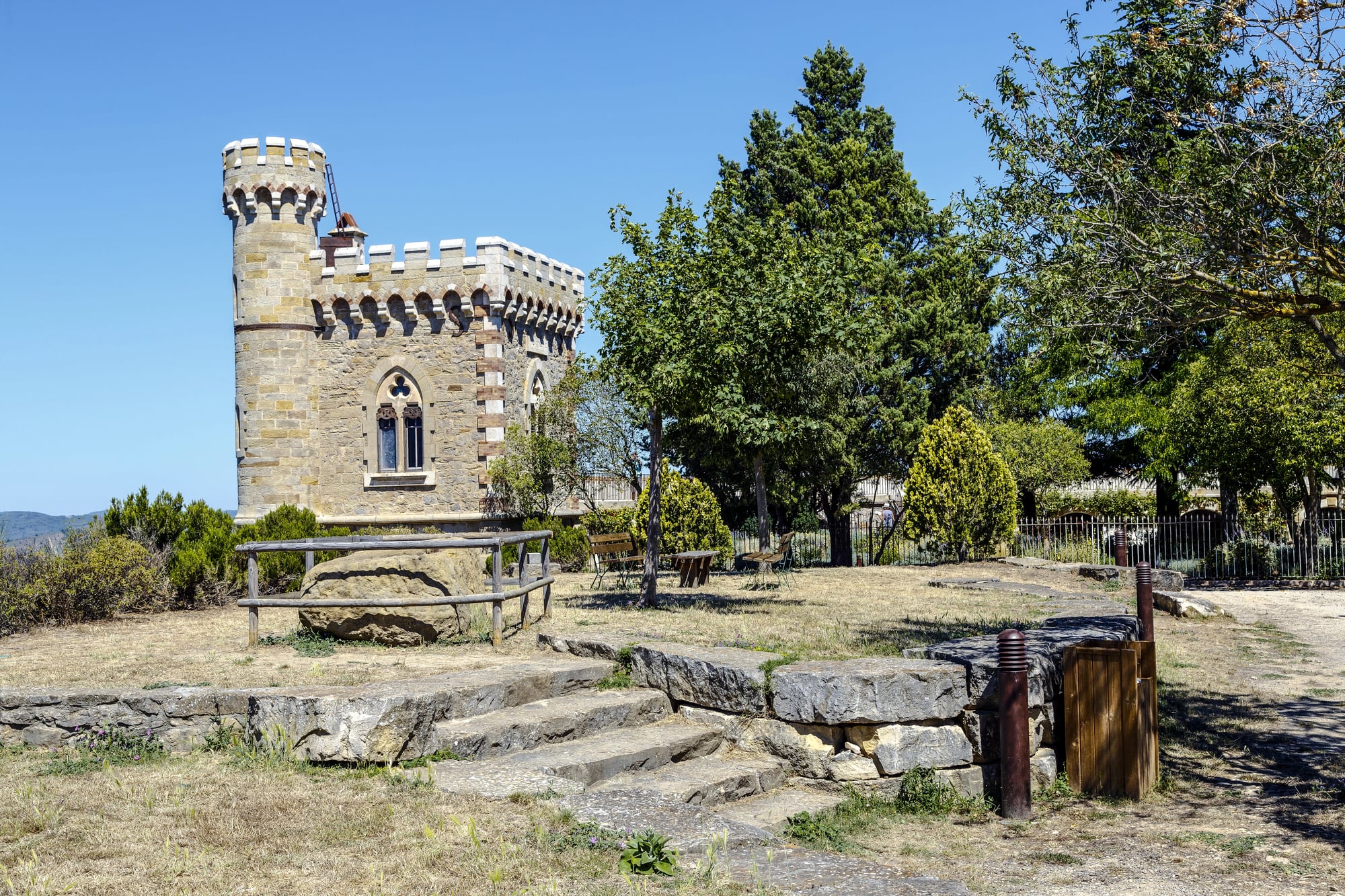
The Priory of Sion stands as perhaps history’s most successful literary hoax that people insist on treating as historical fact (despite overwhelming evidence that the whole thing was invented by a French con artist named Pierre Plantard who had delusions of royal grandeur and way too much time on his hands). According to the elaborate mythology Plantard created in the 1960s, the Priory was an ancient secret society founded in 1099 to protect the bloodline of Jesus Christ and Mary Magdalene.
Plantard forged medieval documents, created fake genealogies, and fabricated a grand master list that included Leonardo da Vinci, Isaac Newton, and Victor Hugo. He planted these forgeries in France’s national library so researchers would “discover” them, claimed descent from the Merovingian kings, and presented himself as the rightful heir to the French throne.
The whole elaborate fantasy might have remained obscure except for a series of books that treated Plantard’s fabrications as genuine history, culminating in Dan Brown’s “The Da Vinci Code.” And here’s the thing: even after French researchers thoroughly debunked the entire Priory—and even after Plantard himself admitted under oath in the 1990s that he had made it all up—the myth refused to die.
Millions of readers still half-believe it. The Priory of Sion earns its place on this list not because it influenced world events through power, but because it proves how powerfully an entirely fictional secret society can shape what people believe.
The shadow doesn’t even have to be real to fall across history.
The Bavarian Carbonari’s Cousins: The Decembrists
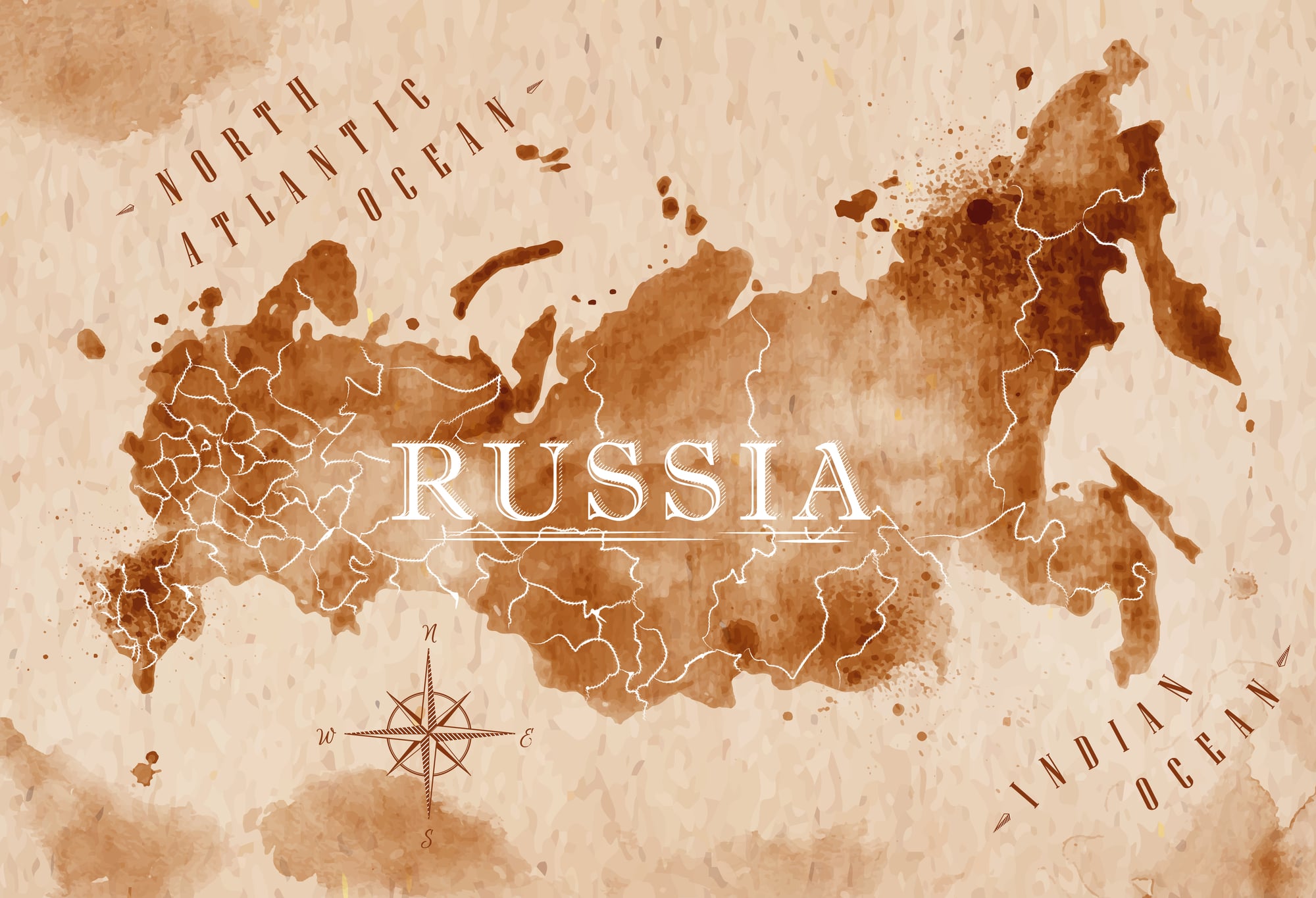
Russia’s Decembrists were aristocratic army officers who turned a secret conspiracy into the first modern Russian revolution. Many had marched across Europe pursuing Napoleon’s retreating army, and what they saw along the way—constitutions, parliaments, societies without serfdom—made the autocracy back home unbearable by comparison.
They returned and formed secret societies dedicated to reforming or overthrowing the tsarist system. In December 1825, exploiting the confusion of a succession crisis, they led roughly three thousand soldiers into a square in St. Petersburg and refused to swear allegiance to the new tsar, Nicholas I.
The uprising was crushed within a day. Five leaders were executed and over a hundred were exiled to Siberia, where some of their wives famously followed them into permanent banishment.
The revolt failed completely, and yet it haunted the Russian imagination for the rest of the century. The Decembrists became martyrs and a template, the first link in a chain of conspiratorial revolutionary movements that ran straight through to 1917.
Lenin’s generation studied them deliberately. Sometimes a secret society’s defeat is more influential than a victory would have been.
The Sons Of Liberty
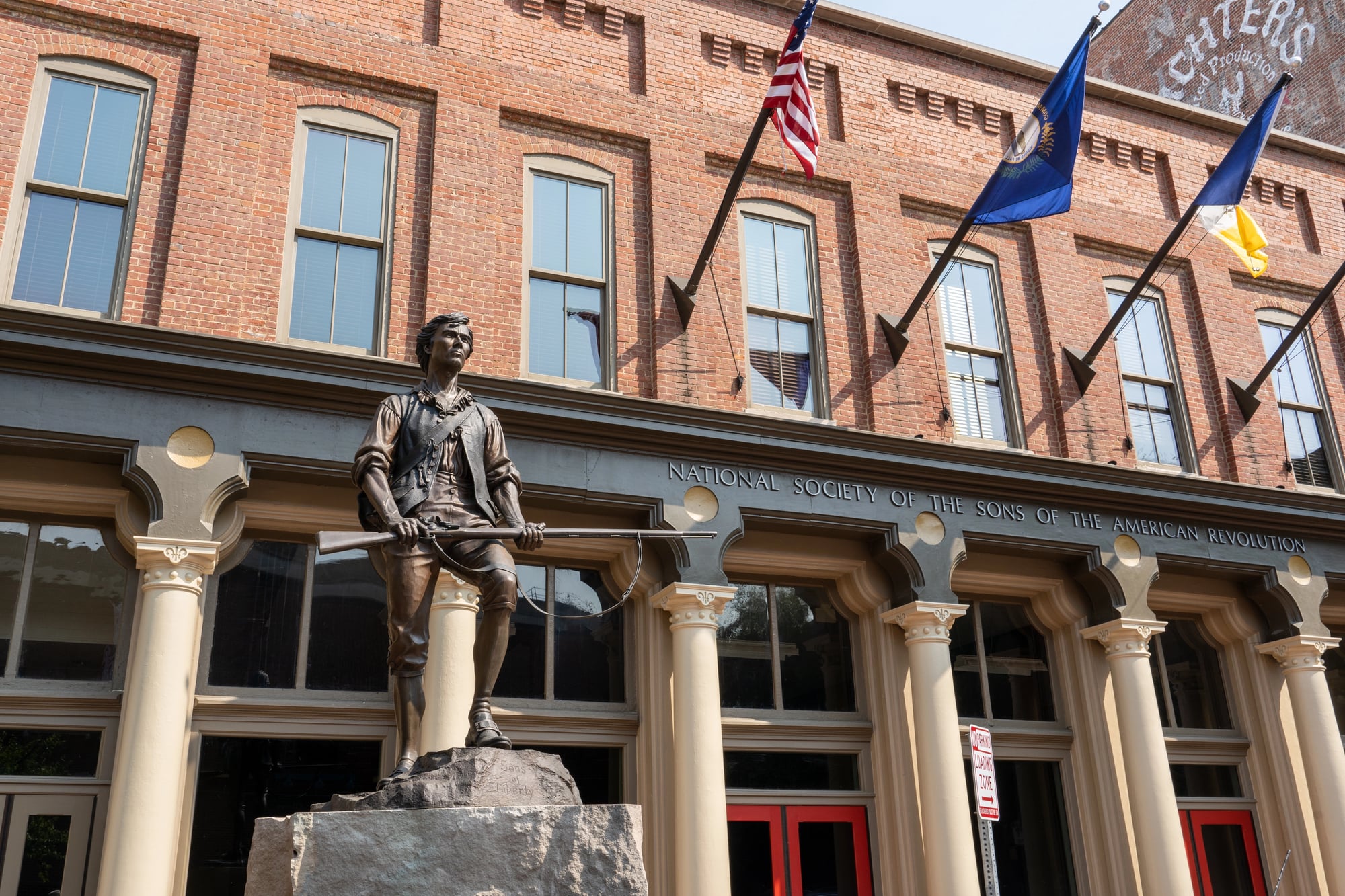
Before the United States existed, a network of colonial agitators operating under the name Sons of Liberty did much of the underground work that made revolution possible. Emerging in 1765 in response to the Stamp Act, the group coordinated resistance to British taxation across the colonies, communicating through committees of correspondence that functioned as a kind of revolutionary nervous system.
They were not gentle. The Sons of Liberty organized boycotts and protests, but they also intimidated British tax officials, tarred and feathered loyalists, and destroyed property.
Their most famous operation was the Boston Tea Party of 1773, when members thinly disguised as Mohawk warriors dumped a fortune in British tea into Boston Harbor—an act of calculated political theater that provoked exactly the harsh British response the radicals wanted. Samuel Adams, Paul Revere, and John Hancock moved through this world, where public protest and clandestine coordination blurred together.
The Sons of Liberty show how a secret network can manufacture a confrontation, then ride the backlash toward a goal that open politics could never have reached on its own.
The Fenian Brotherhood
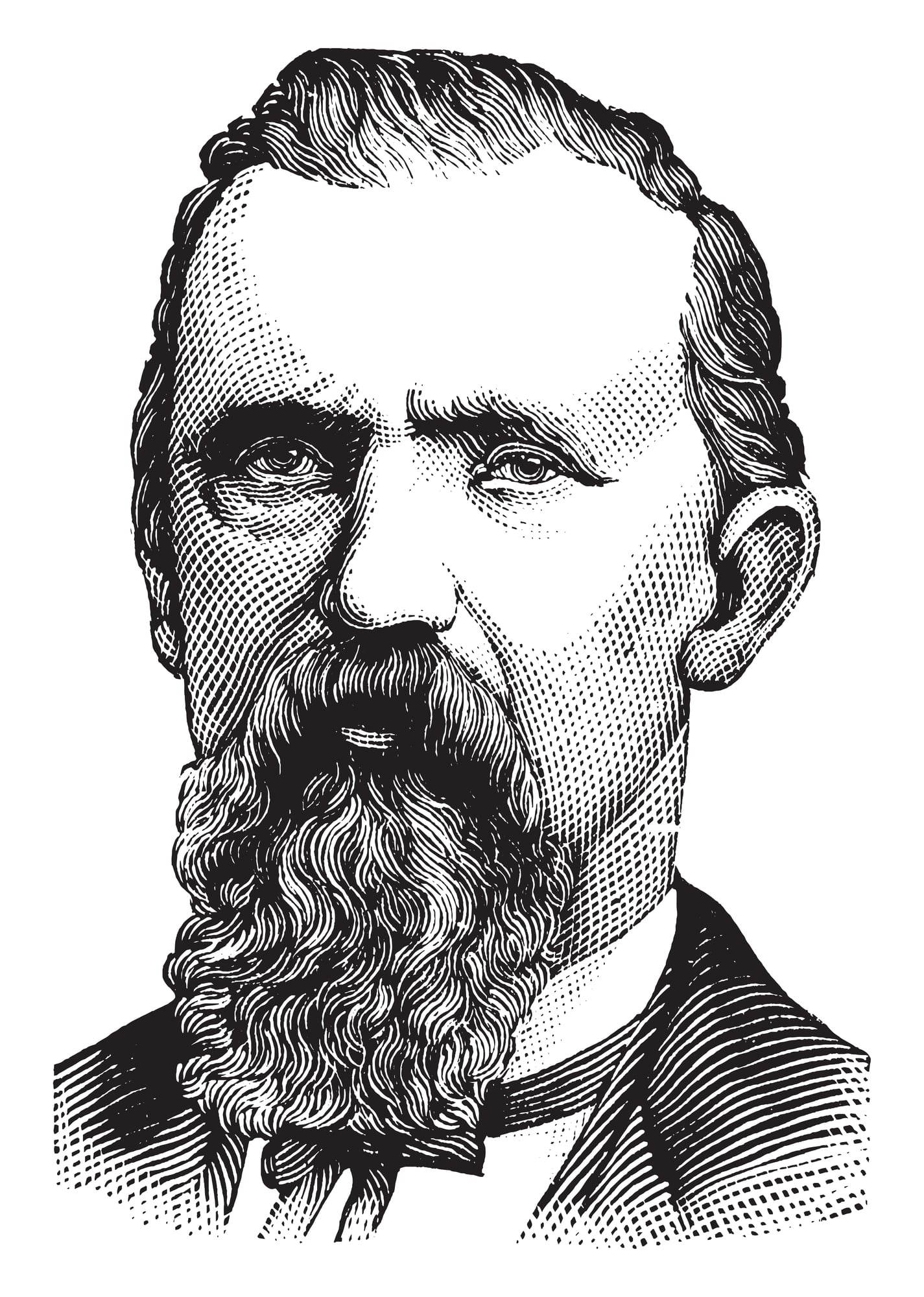
The Fenian Brotherhood pursued Irish independence through one of the more audacious strategies in the history of secret societies: building an underground army on American soil to strike at the British Empire. Founded in 1858 with branches in Ireland and the United States, the Fenians drew on the enormous Irish diaspora created by the famine, recruiting Irish-American Civil War veterans who already knew how to fight.
In the years after the American Civil War, the Fenians launched a genuinely surreal campaign: a series of armed raids across the border into British-controlled Canada between 1866 and 1871, hoping to hold the territory hostage in exchange for Irish freedom. The raids failed militarily, but they rattled the British and inadvertently helped push the Canadian provinces toward confederation as a defensive measure.
The brotherhood eventually fractured and faded, but it seeded the organizations that came after it, most directly the Irish Republican Brotherhood, whose members would help plan the 1916 Easter Rising. The Fenians proved that a stateless cause with a committed diaspora could project real force across oceans and borders.
The Hashashin’s Heirs: The Molly Maguires
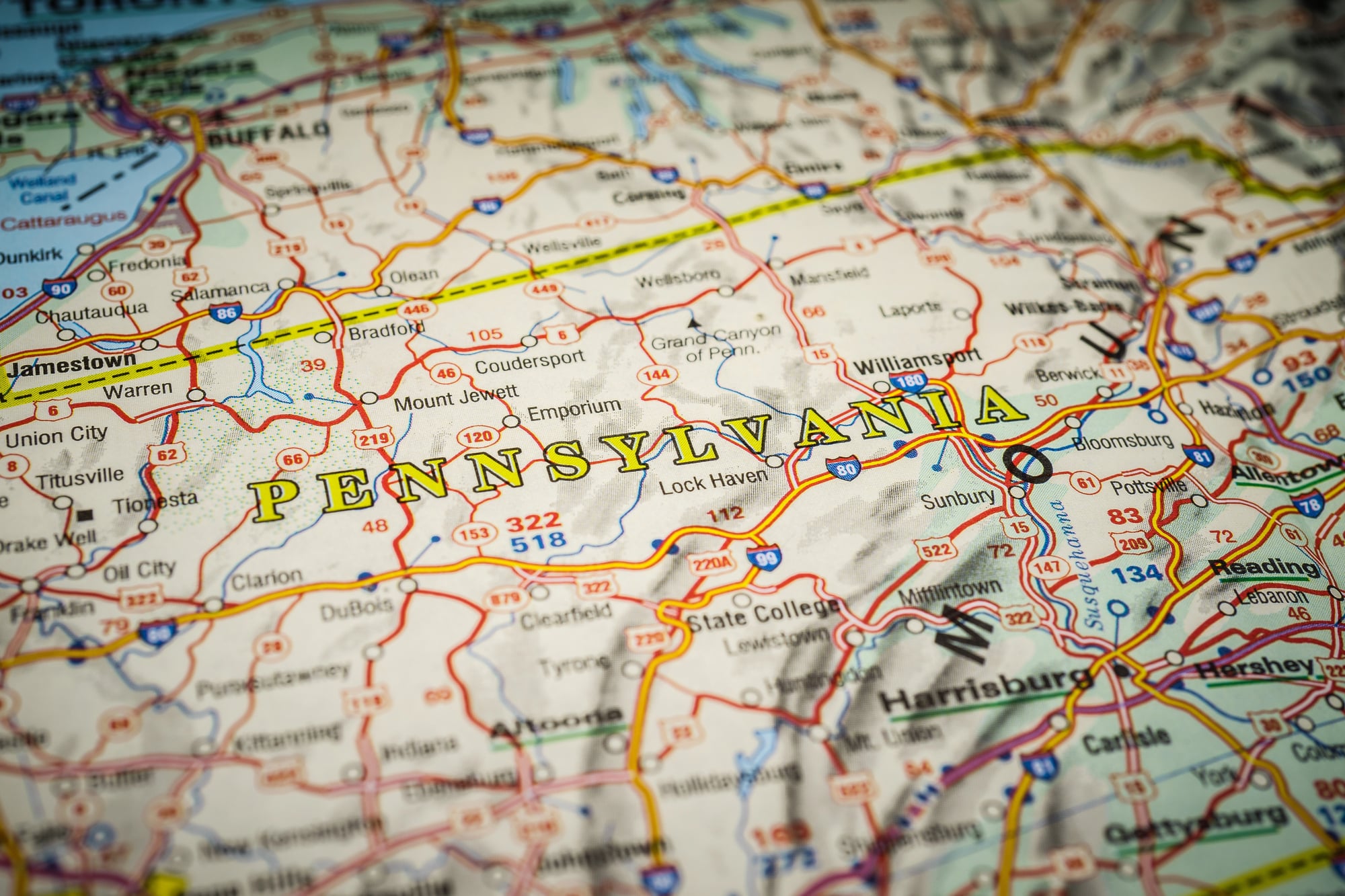
The Molly Maguires were a secret society of Irish-American coal miners who waged a clandestine war against mine owners in the anthracite fields of Pennsylvania in the 1860s and 1870s. Borrowing their name and methods from an agrarian secret society back in Ireland, they responded to brutal working conditions, wage cuts, and ethnic discrimination with intimidation, sabotage, and, allegedly, the assassination of mine bosses and police.
What makes their story murky is that almost everything known about them came from their enemies. The mining companies hired the Pinkerton Detective Agency to infiltrate the group, and an undercover operative named James McParland produced the testimony that sent twenty men to the gallows in the late 1870s.
Whether the Molly Maguires were a coordinated terrorist conspiracy, a loose label slapped on labor militancy, or something in between is still debated by historians. Either way, the episode marked a violent chapter in the birth of the American labor movement, and a chilling example of private corporate power using a secret society—real or exaggerated—as the pretext to crush organized labor through the machinery of the courts.
The Mau Mau
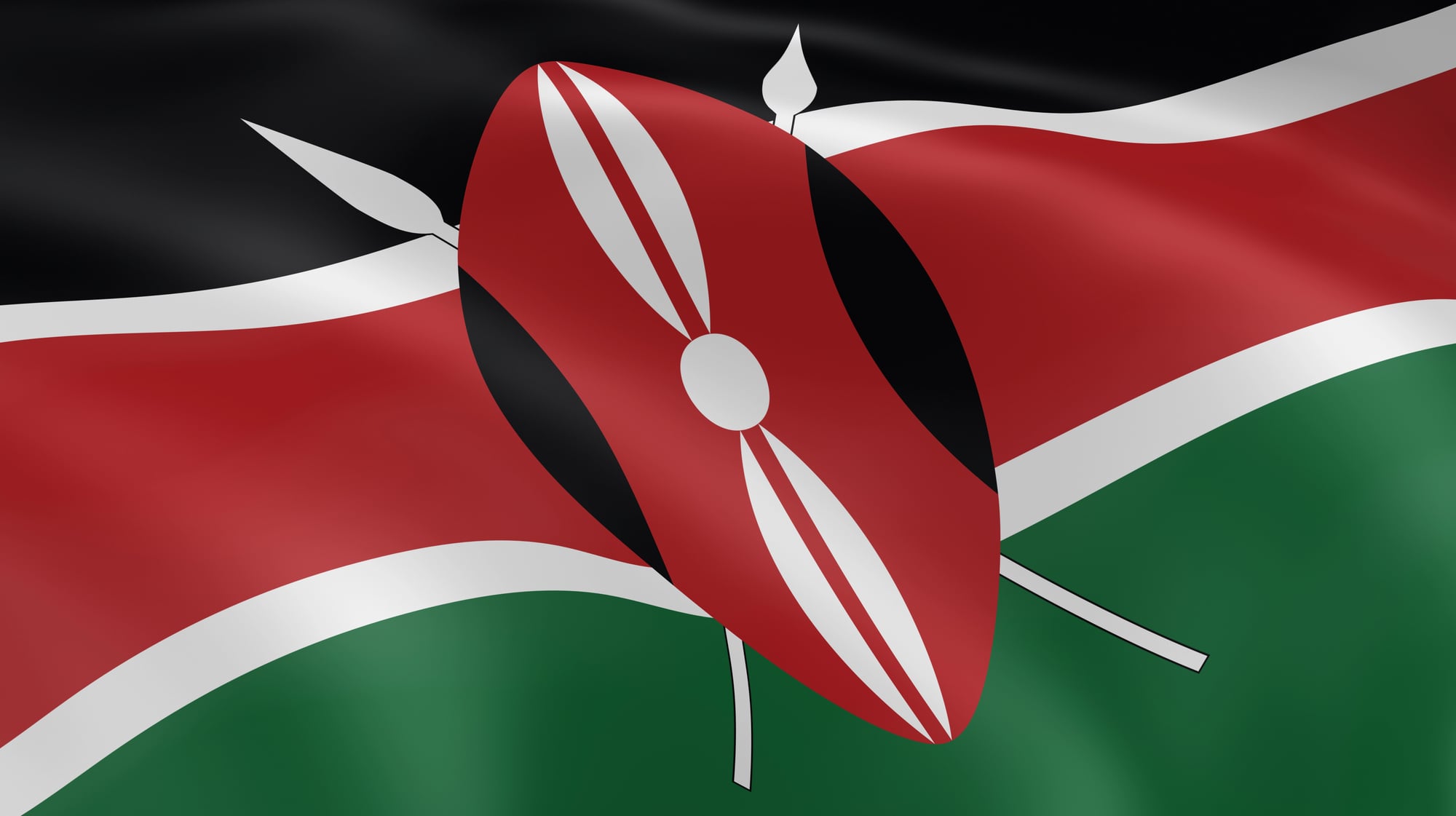
The Mau Mau were a secret oath-bound movement that helped end British colonial rule in Kenya, though at a staggering cost. Emerging in the 1950s primarily among the Kikuyu people, the movement bound its members through secret initiation oaths and organized armed resistance against British settlers who had seized the most fertile highlands and reduced much of the local population to landless laborers.
The British response was ferocious. Colonial authorities declared a state of emergency in 1952, and over the following years they detained huge numbers of Kenyans in a network of camps, where torture and abuse were widespread.
The official death tolls were long disputed, but the campaign devastated the Kikuyu population while the actual settler casualties remained small. Militarily, the British defeated the uprising.
Politically, they lost. The brutality required to suppress the Mau Mau shattered the moral case for empire and accelerated Kenya’s path to independence in 1963.
Decades later, the British government formally apologized and compensated survivors—a rare official admission of how the secret movement had been fought.
The Order Of The Solar Temple
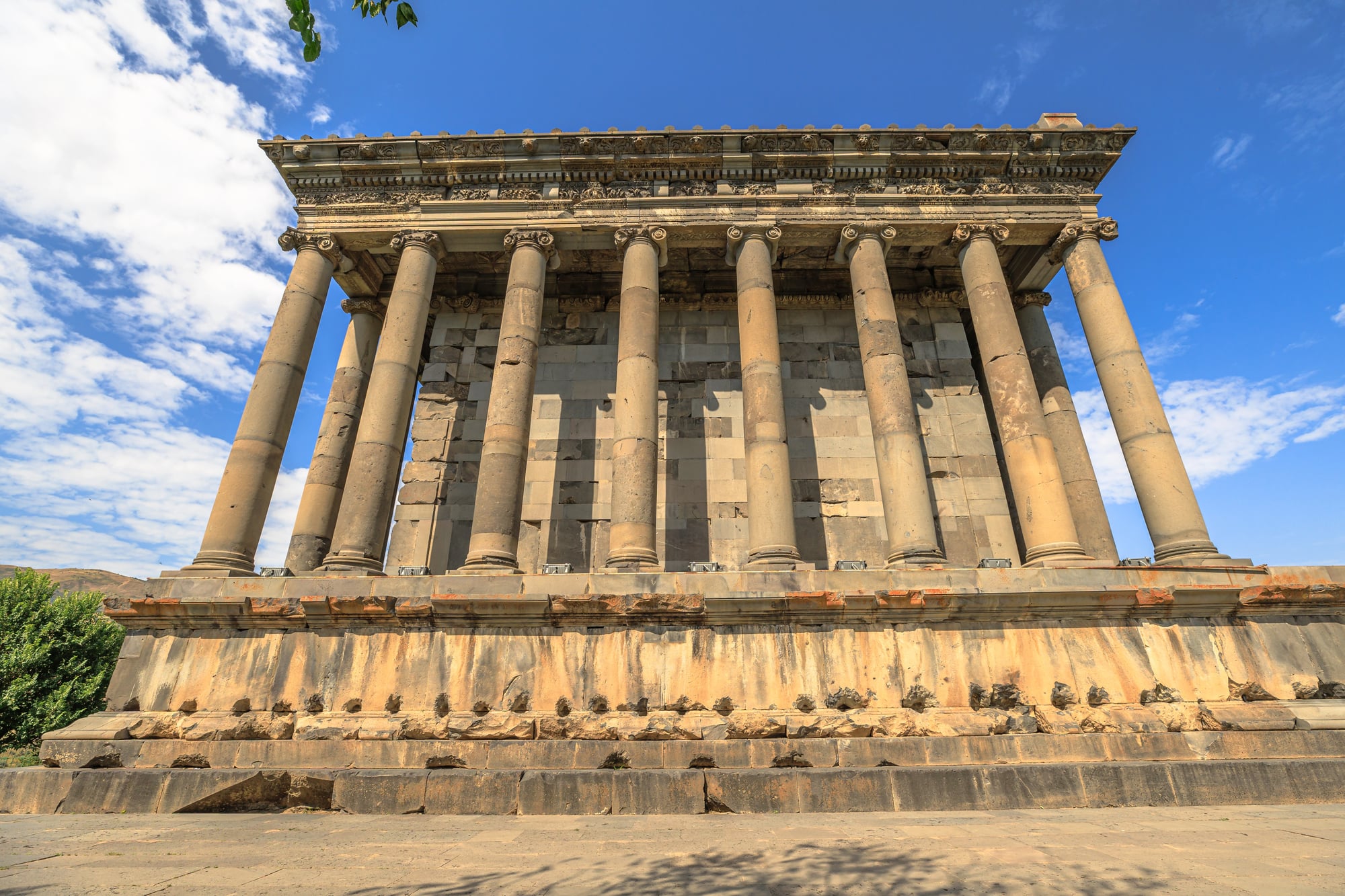
Not every influential secret society shaped politics; some simply demonstrated the deadly power of belief. The Order of the Solar Temple was a doomsday cult founded in 1984, drawing on Templar mythology, New Age mysticism, and apocalyptic prophecy.
Its members were not drifters—they included professionals, civil servants, and wealthy donors across France, Switzerland, and Quebec, which is part of what made its end so shocking. Between 1994 and 1997, dozens of members died in a series of coordinated murder-suicides across three countries, their bodies sometimes arranged in ritual patterns and the scenes set ablaze.
The group’s leaders had convinced followers that death was a “transit” to a better existence on another world, and that the apocalypse was at hand. The Solar Temple, alongside other cult tragedies of the era, forced governments to take the danger of small, secretive belief-based groups seriously.
France passed anti-cult legislation partly in response, and the case remains a grim benchmark in how isolation, charismatic authority, and apocalyptic ideology can turn a secret society lethal.
The Bilderberg Group
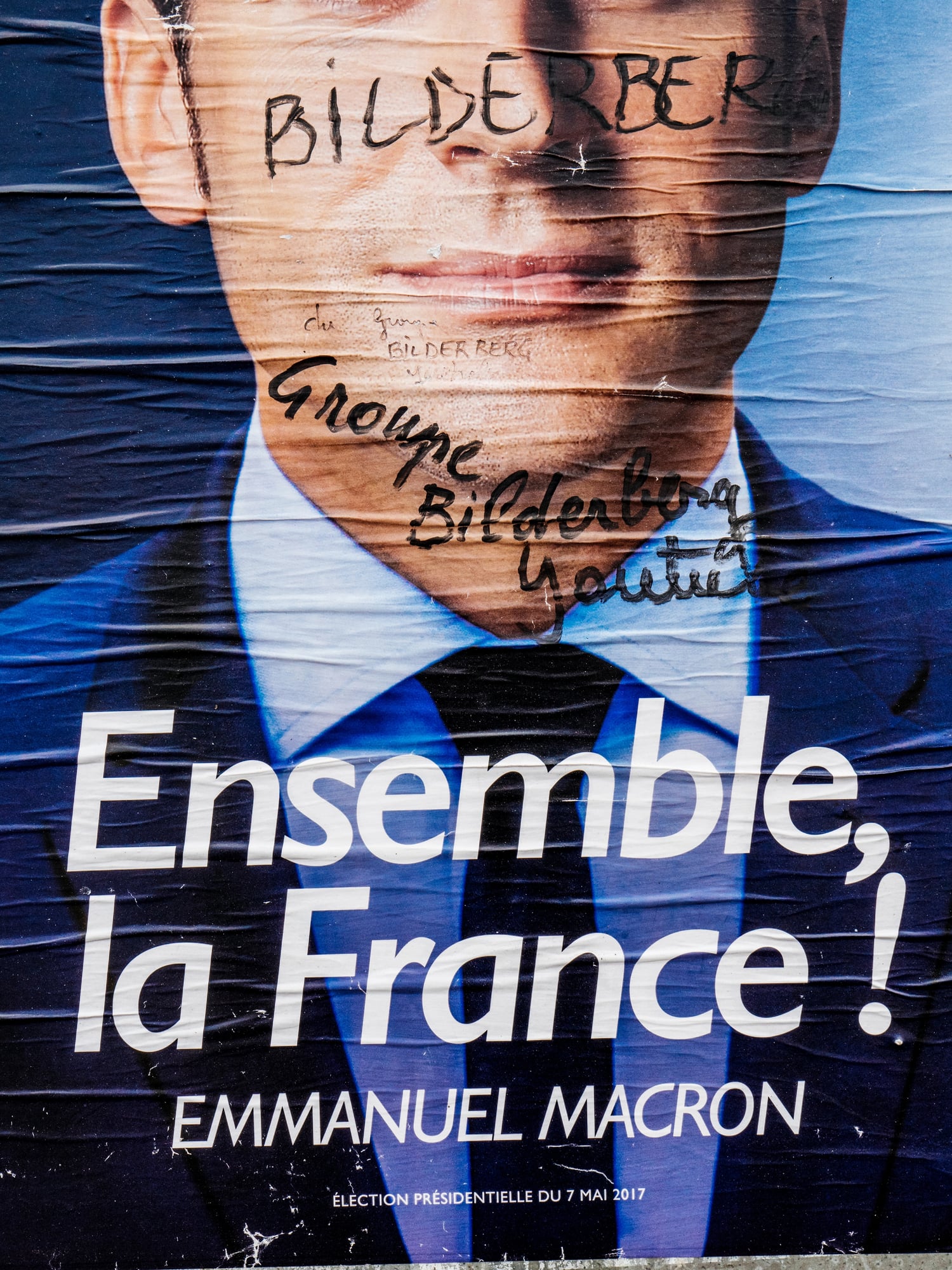
Of all the organizations accused of secretly running the world, the Bilderberg Group is among the few that genuinely gathers many of the world’s powerful people behind closed doors—which is exactly why it attracts so much suspicion. Founded in 1954 and named after the Dutch hotel where it first met, Bilderberg is an annual invitation-only conference bringing together perhaps a hundred and fifty figures from politics, finance, industry, and media across Europe and North America.
The meetings operate under strict confidentiality. Participants speak under the Chatham House Rule, meaning nothing said can be attributed to any individual, and for decades the group barely acknowledged its own existence.
That secrecy, combined with the genuine power of the attendees, has made Bilderberg a permanent fixture of conspiracy theories about shadowy global governance. The mundane reality is probably that Bilderberg is a high-level networking forum where elites compare notes off the record rather than a body that issues secret decrees.
But its real influence is hard to dismiss entirely: when finance ministers, CEOs, and future heads of state spend a weekend talking privately every year, the conversations shape relationships and assumptions in ways the public never sees. Bilderberg sits on the honest line between an ordinary elite club and something more.
Reading The Shadows

Look across these twenty-six groups and the mythology starts to fall apart in an instructive way. The societies that genuinely changed history rarely did it the way the legends claim.
The Black Hand didn’t secretly run the world—it helped fire the spark that lit one war. The Jesuits worked through schools, not spells.
The Cambridge Five succeeded because of good manners and old school ties, not invisible hands. Real influence came from money, education, networks, ideology, and occasionally a single well-placed act of violence—not from supernatural knowledge or centuries-old master plans.
And then there’s the other lesson, the one the Priory of Sion and the deathless Illuminati myth teach: a secret society doesn’t even have to be real, or still exist, to move the world. The belief is enough.
People act on the shadows they imagine as readily as on the ones that are actually there, which is why a hoax cooked up by a French fantasist can outrun the historical truth for decades. So the next time you hear that some hidden hand is steering events from behind a curtain, it’s worth holding both thoughts at once.
Genuine secret societies have shaped history, repeatedly and sometimes catastrophically. But they did it as groups of fallible human beings exploiting the ordinary machinery of power—and the moment you imagine them as all-knowing and all-powerful, you’ve stopped describing history and started writing the very mythology they always benefited from.
More from Go2Tutors!

- The Romanov Crown Jewels and Their Tragic Fate
- 13 Historical Mysteries That Science Still Can’t Solve
- Famous Hoaxes That Fooled the World for Years
- 15 Child Stars with Tragic Adult Lives
- 16 Famous Jewelry Pieces in History
Like Go2Tutors’s content? Follow us on MSN.