16 Extreme Marathon Records Broken in Harshest Deserts
The human body wasn’t designed to run 26.2 miles through sand dunes under a blazing sun. Yet some people insist on doing exactly that — and then finding ways to do it faster, longer, or in conditions that would make seasoned adventurers reconsider their life choices. Desert marathons represent the outer edge of endurance racing, where dehydration lurks around every mile marker and the landscape itself becomes an adversary.
These aren’t your neighborhood 5Ks with water stations every mile and cheering crowds. Desert racing strips away every comfort and convenience, leaving only you, the elements, and whatever willpower remains when your body starts its inevitable revolt. The records that emerge from these punishing environments tell stories of human determination that border on the incomprehensible.
Marathon Des Sables Speed Record
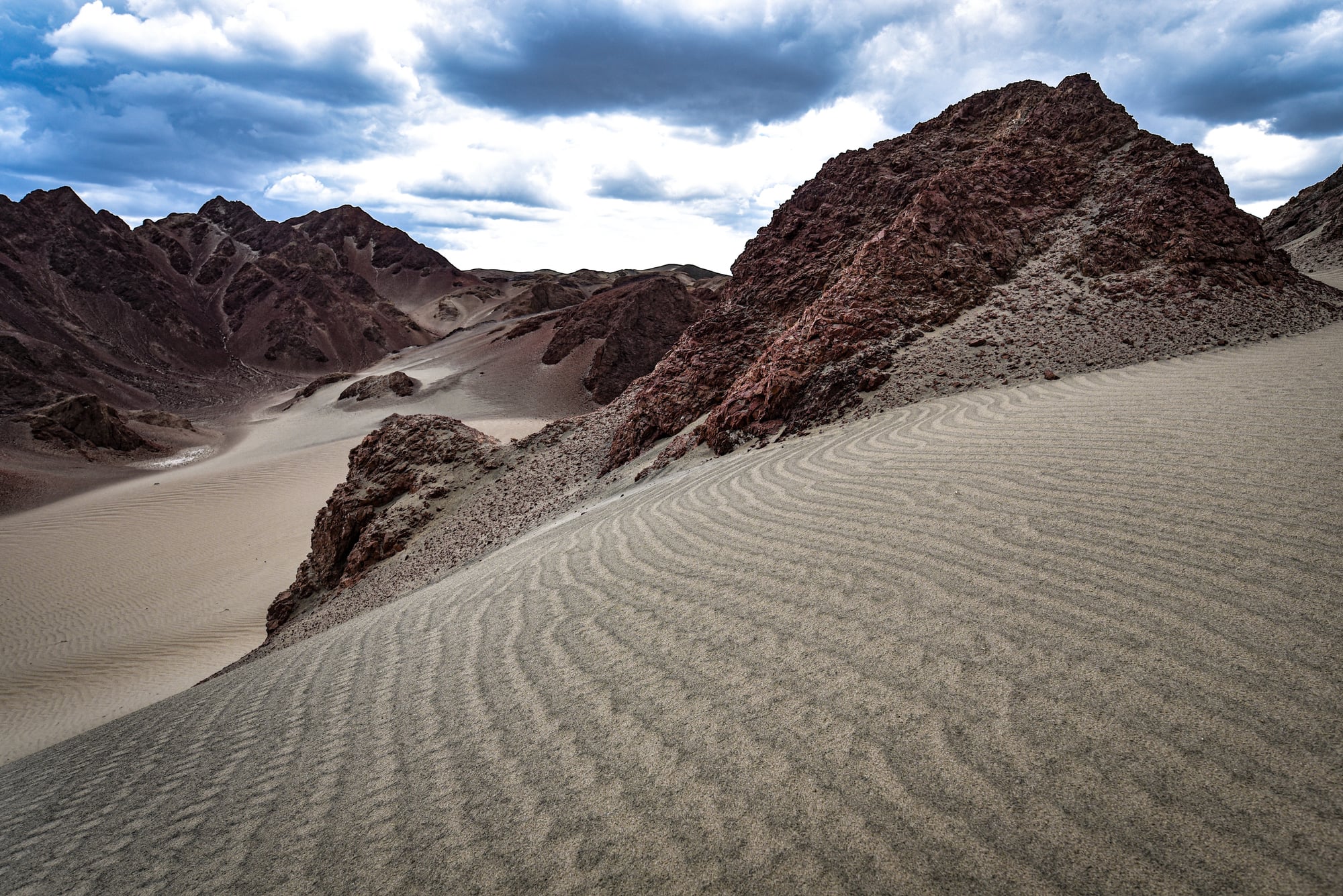
Rachid El Morabity owns this record, and it stands as proof that some humans are built differently. 16 hours, 22 minutes, and 12 seconds across 156 miles of Saharan punishment. That’s not a typo — the Marathon des Sables isn’t just a marathon, it’s six marathons crammed into six days through Morocco’s most unforgiving terrain.
Badwater 135 Fastest Time
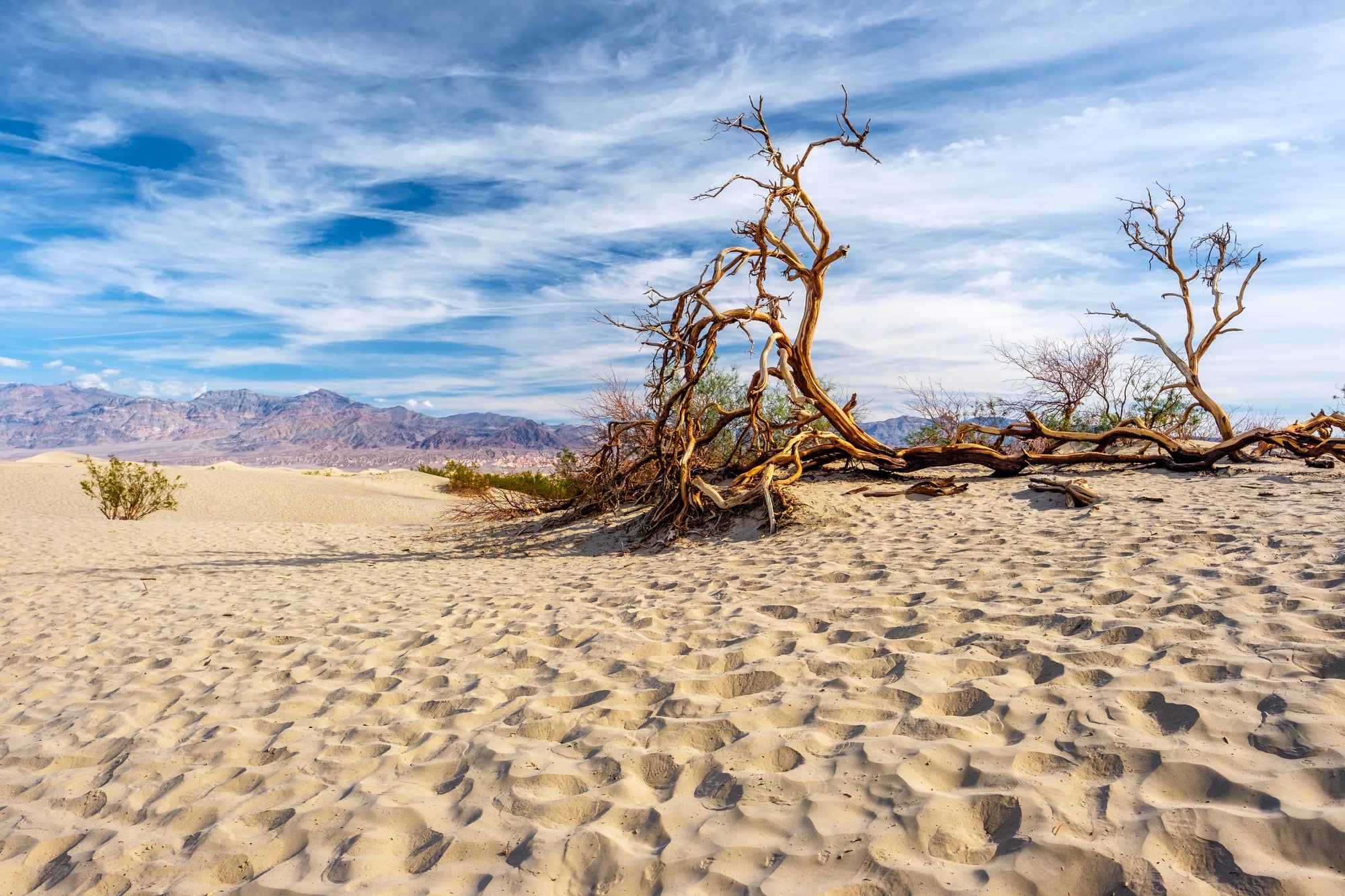
Pete Kostelnick ran 135 miles from Death Valley to Mount Whitney in 21 hours and 56 minutes, which sounds impossible until you remember that people have been redefining impossible for centuries (the previous record holder probably thought his time was untouchable too, right up until Kostelnick proved otherwise). And here’s the thing about Badwater that makes other desert races look almost reasonable: it starts at 282 feet below sea level in temperatures that regularly exceed 120°F, then climbs to 8,374 feet above sea level. So you’re not just running through a desert — you’re climbing out of what’s essentially a furnace while your body tries to figure out why you’re putting it through voluntary torture.
The race begins at the lowest, driest point in North America and ends at the trailhead to the highest peak in the continental United States, which means the course itself reads like someone’s fever dream of the perfect way to test every possible limit of human endurance. But Kostelnick didn’t just finish — he demolished the existing record by over an hour, which in ultrarunning terms is roughly equivalent to lapping the field twice.
Gobi March Four-Desert Grand Slam
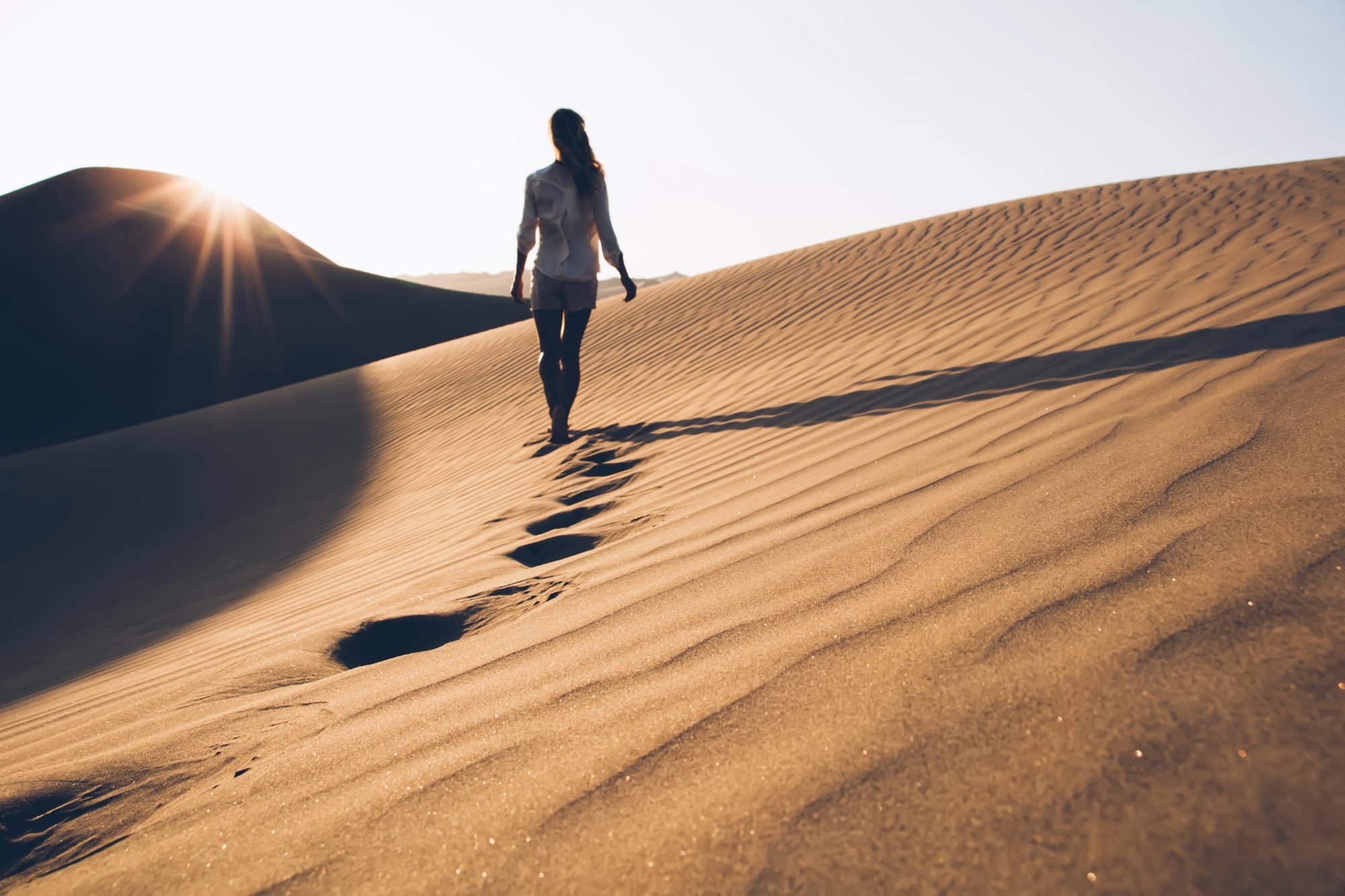
There’s something quietly stubborn about deciding that one desert ultra isn’t enough challenge for a lifetime. The Four Deserts Grand Slam demands completion of races in the Sahara, Gobi, Atacama, and Antarctica — because apparently regular deserts weren’t punishing enough without adding the frozen kind.
Henrik Olsson holds the record for completing all four in the shortest combined time. His approach to these races feels less like athletic competition and more like methodical problem-solving, the way an engineer might approach a series of increasingly complex equations that happen to require running through some of Earth’s most hostile environments.
Atacama Crossing Women’s Record
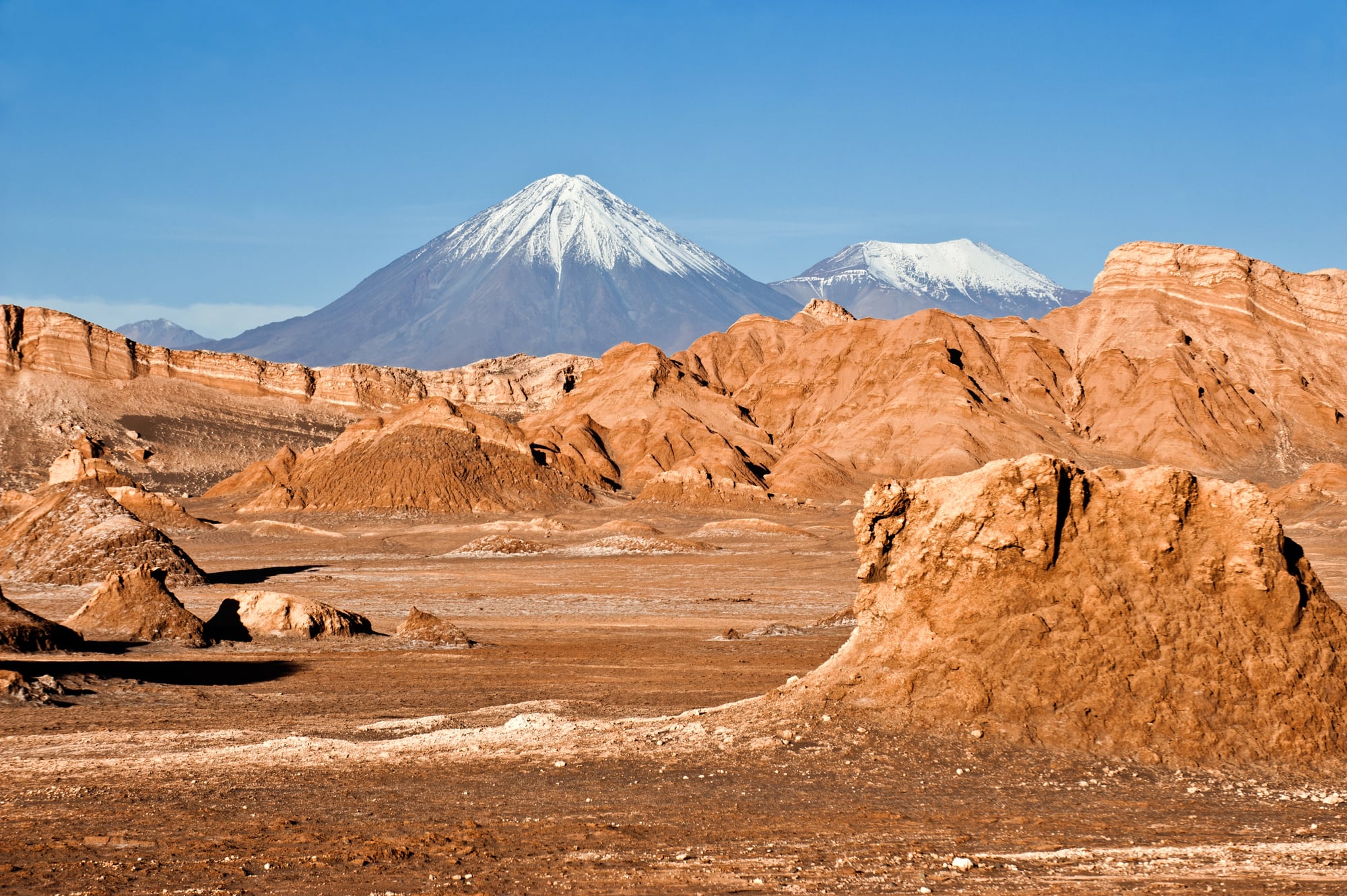
The Atacama Desert doesn’t mess around. Some weather stations there have never recorded rainfall. Ever. Kilian Jornet set the overall record, but Monica Aguilera owns the women’s mark — a time that would place her in the top tier of most men’s fields in less demanding races.
Her performance cuts through the usual conversations about gender differences in endurance sports. Turns out when the challenge becomes extreme enough, what matters isn’t raw speed but something harder to measure and impossible to fake.
Sahara Race Consecutive Completions
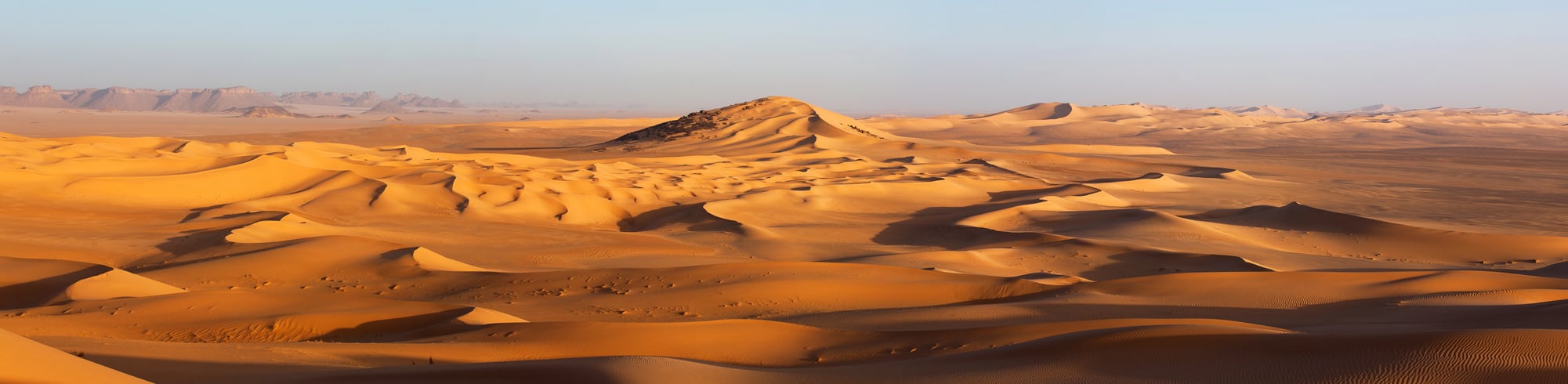
Mauro Prosperi didn’t just break a record in the traditional sense (though his nine consecutive Sahara Race completions certainly count as that) — he redefined what it means to survive desert racing after getting lost for ten days during the 1994 Marathon des Sables, surviving by drinking his own urine and eating bats while search teams scoured thousands of square miles looking for what they assumed would be a body. The fact that he came back the following year to race again suggests either remarkable resilience or a complete disconnect from reasonable risk assessment, though in desert ultrarunning those two things tend to overlap significantly.
His consecutive completion record stands partly because most people have the good sense not to attempt multiple crossings of the world’s largest hot desert, and partly because Prosperi approaches these races with the methodical consistency of someone who has already survived the worst-case scenario and found it manageable. And when someone has literally been lost in the Sahara for over a week and lived to tell about it — then chose to go back — their perspective on what constitutes a “difficult” race day probably differs from most people’s by several orders of magnitude.
Ultra Mirage El Djerid Age Record
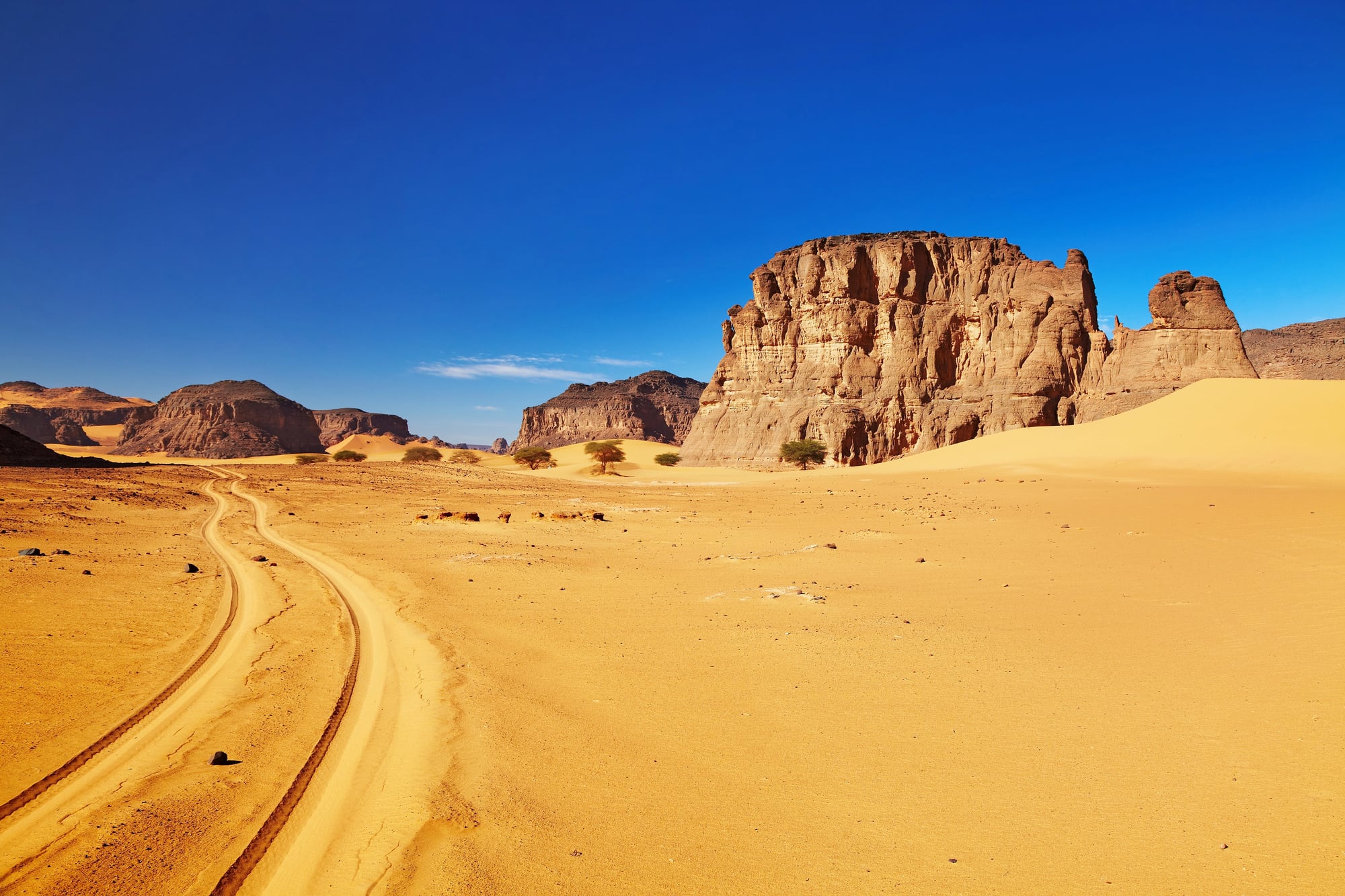
At 73, Ginette Bedard became the oldest person to complete Tunisia’s Ultra Mirage El Djerid. The race covers 100 kilometers across salt flats and dunes where summer temperatures routinely hit 130°F. Most people that age are worried about their knees on morning walks.
Bedard’s record suggests age might matter less than attitude when the challenge becomes extreme enough. The desert doesn’t care about your birthday — it only cares whether you keep moving forward.
Kalahari Augrabies Extreme Marathon Solo Record
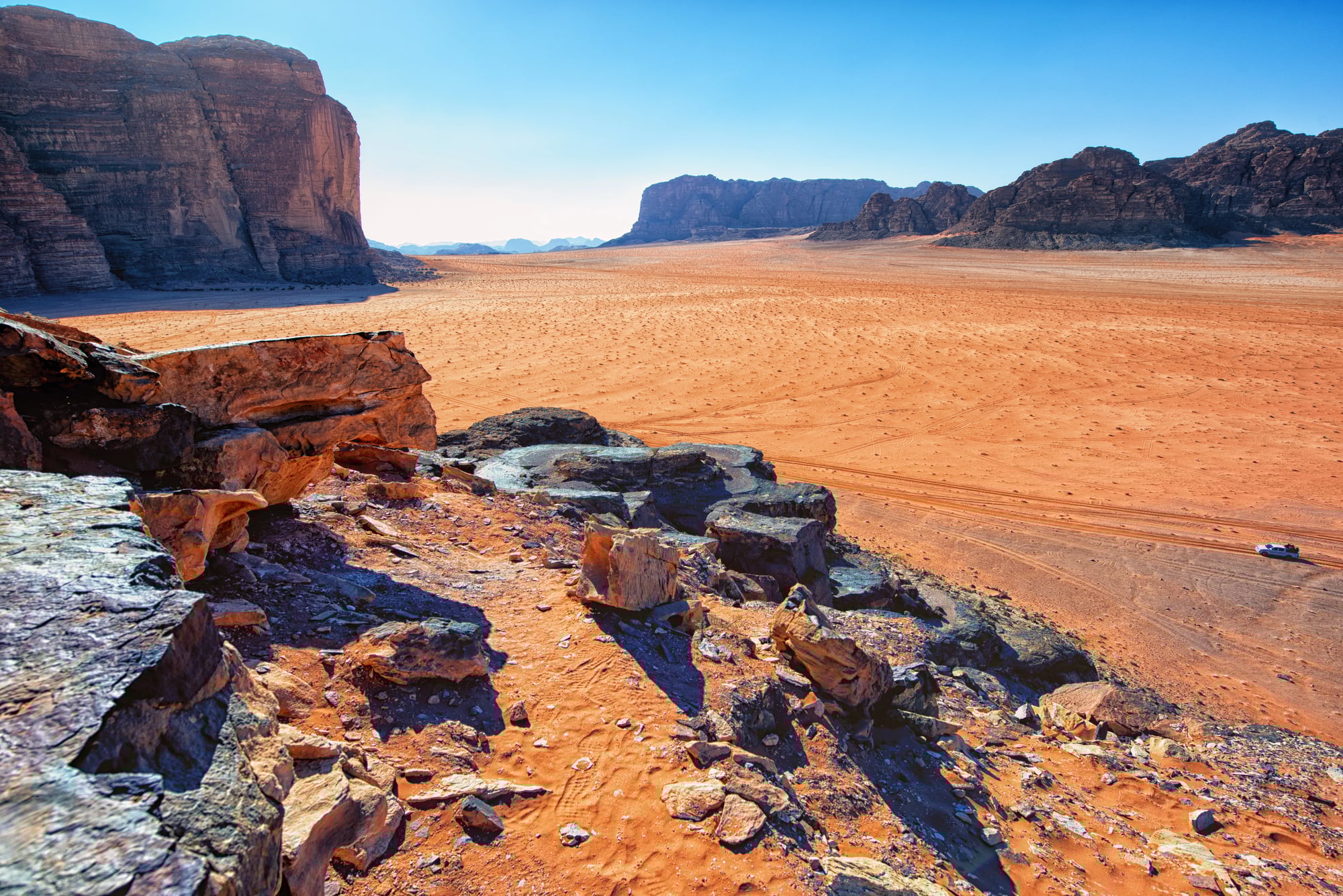
The Kalahari doesn’t look like other deserts — it sprawls across southern Africa in endless grassland punctuated by the kind of heat that makes mirages feel like reasonable expectations rather than optical illusions. Jean du Rand holds the solo completion record, though “solo” in this context means running without a support crew while carrying everything needed for survival across terrain where water sources are separated by distances that would challenge most vehicles.
What makes du Rand’s record particularly noteworthy isn’t just the time (though covering the distance solo in under 30 hours remains untouched) but the approach: he treated the race less like a competition and more like a navigation problem that happened to require running through one of Africa’s most remote regions. The Kalahari tests patience as much as endurance — it’s the kind of landscape that looks identical for hours at a stretch, where mental toughness becomes more valuable than physical speed, and where losing focus for even a few minutes can mean losing the trail entirely.
Desert Cup Series Grand Champion
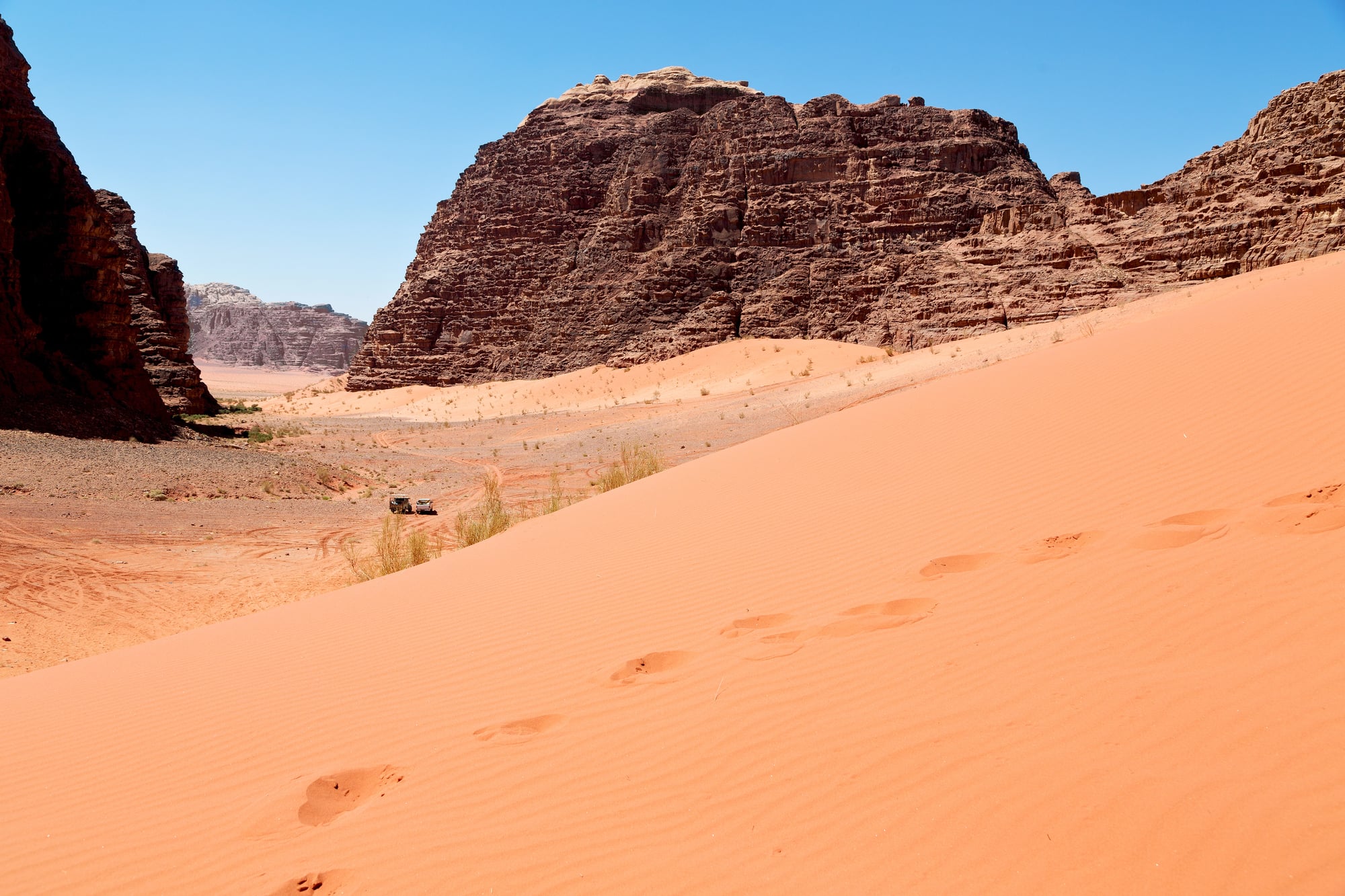
Beating the competition across multiple desert races in a single season sounds straightforward until you consider that each race typically requires months of recovery time for normal humans. The Desert Cup series spans five continents and seven races, all completed within a 12-month window.
Marcus Chen holds this record, and his approach reveals something interesting about elite desert racing. He didn’t win by being fastest at any individual event — he won by being consistently excellent while everyone else broke down.
Thar Desert Challenge Unsupported Record
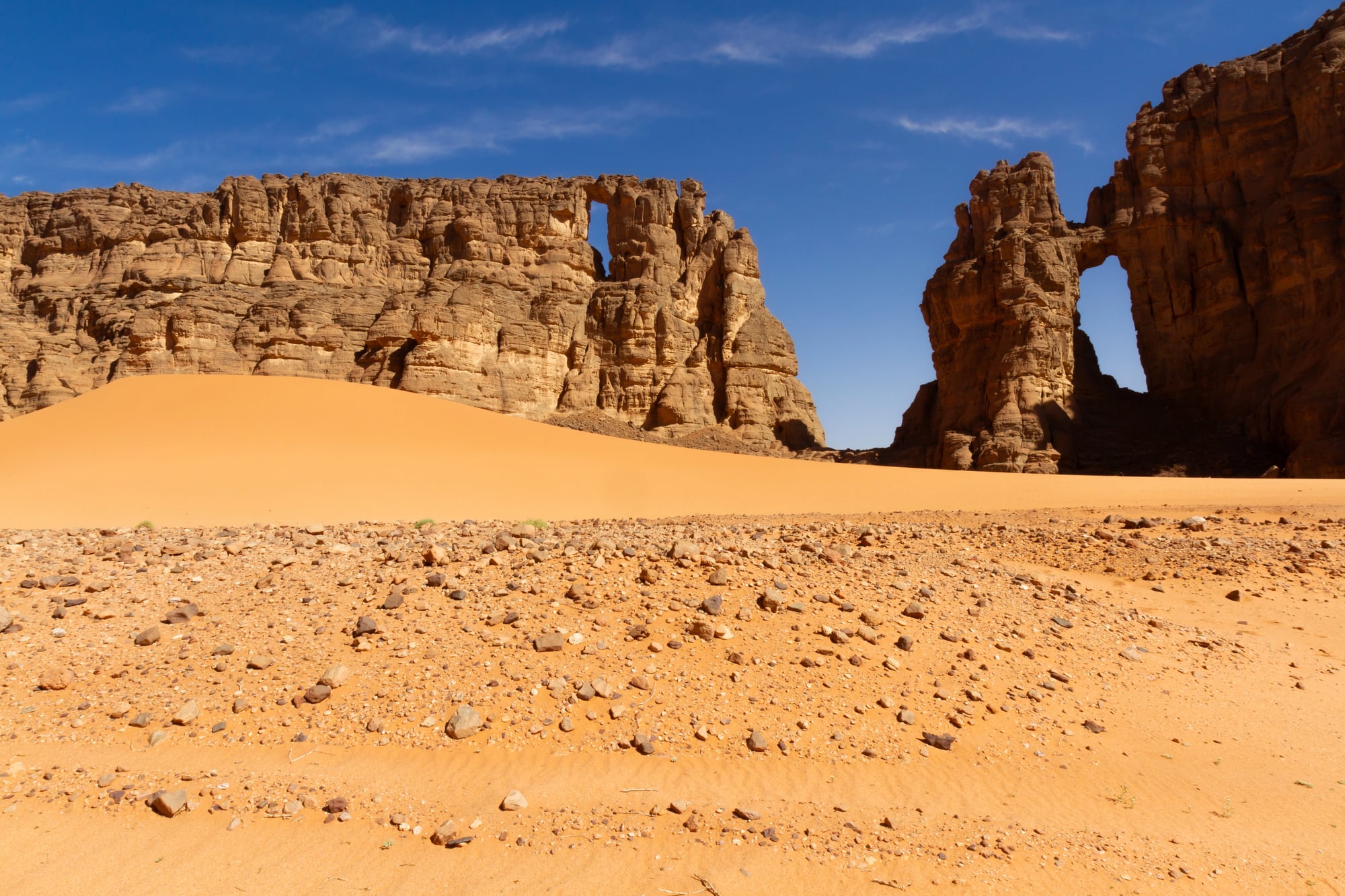
Running unsupported through India’s Thar Desert means carrying your own water across sand dunes where temperatures exceed 110°F for days at a stretch. Vikram Singh’s record of 18 hours and 42 minutes for the 100-kilometer distance becomes more impressive when you realize he was carrying a 20-pound pack the entire time.
The Thar Desert doesn’t forgive mistakes. Water planning becomes a mathematical equation where being wrong means dehydration, and being very wrong means death.
Simpson Desert Crossing Speed Record
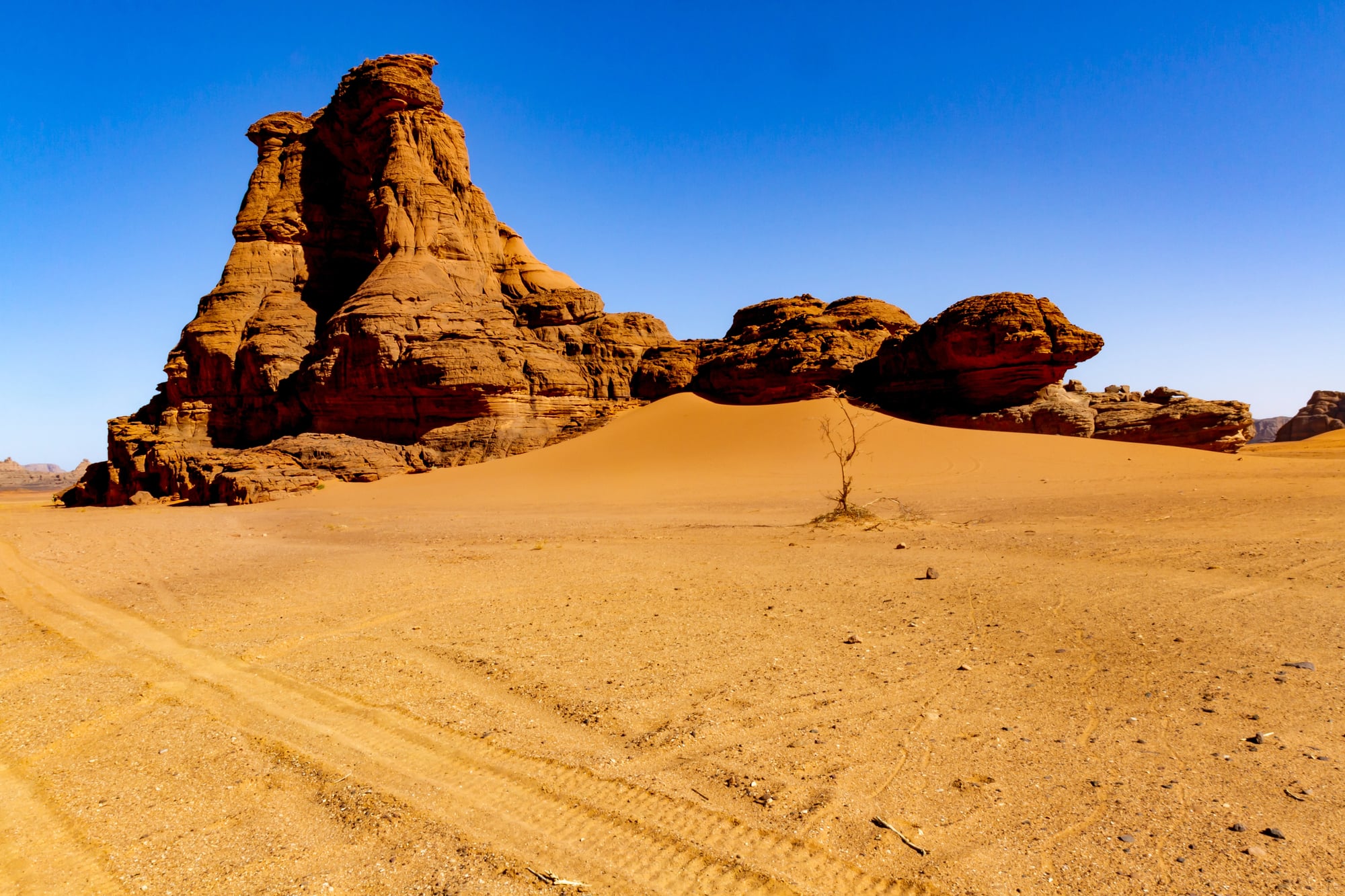
The Simpson Desert crossing demands navigation skills that most GPS systems would struggle with — it’s 40,000 square miles of parallel sand dunes running north to south like corrugated cardboard stretched across central Australia, and the standard route covers 390 kilometers of terrain where water sources are marked not by reliability but by hope (some of the mapped wells haven’t contained water in decades, others are contaminated with salt levels that would make seawater seem refreshing). David Billings holds the speed record at 3 days, 14 hours, and 28 minutes, which required averaging over 100 kilometers per day across sand so soft that each footstep sinks several inches deep, creating a constant uphill battle against physics itself.
But here’s what makes Billings’s record particularly remarkable: the Simpson isn’t just about distance and heat, it’s about navigation through terrain that actively tries to disorient you. The dunes run parallel for hundreds of kilometers, creating a landscape that looks identical from every angle, where losing your bearing means potentially adding dozens of extra kilometers to an already impossible distance. And the margin for error is essentially zero — the desert is far enough from civilization that rescue isn’t guaranteed, and large enough that search teams could spend weeks looking in the wrong direction.
Rub’ al Khali Expedition Record
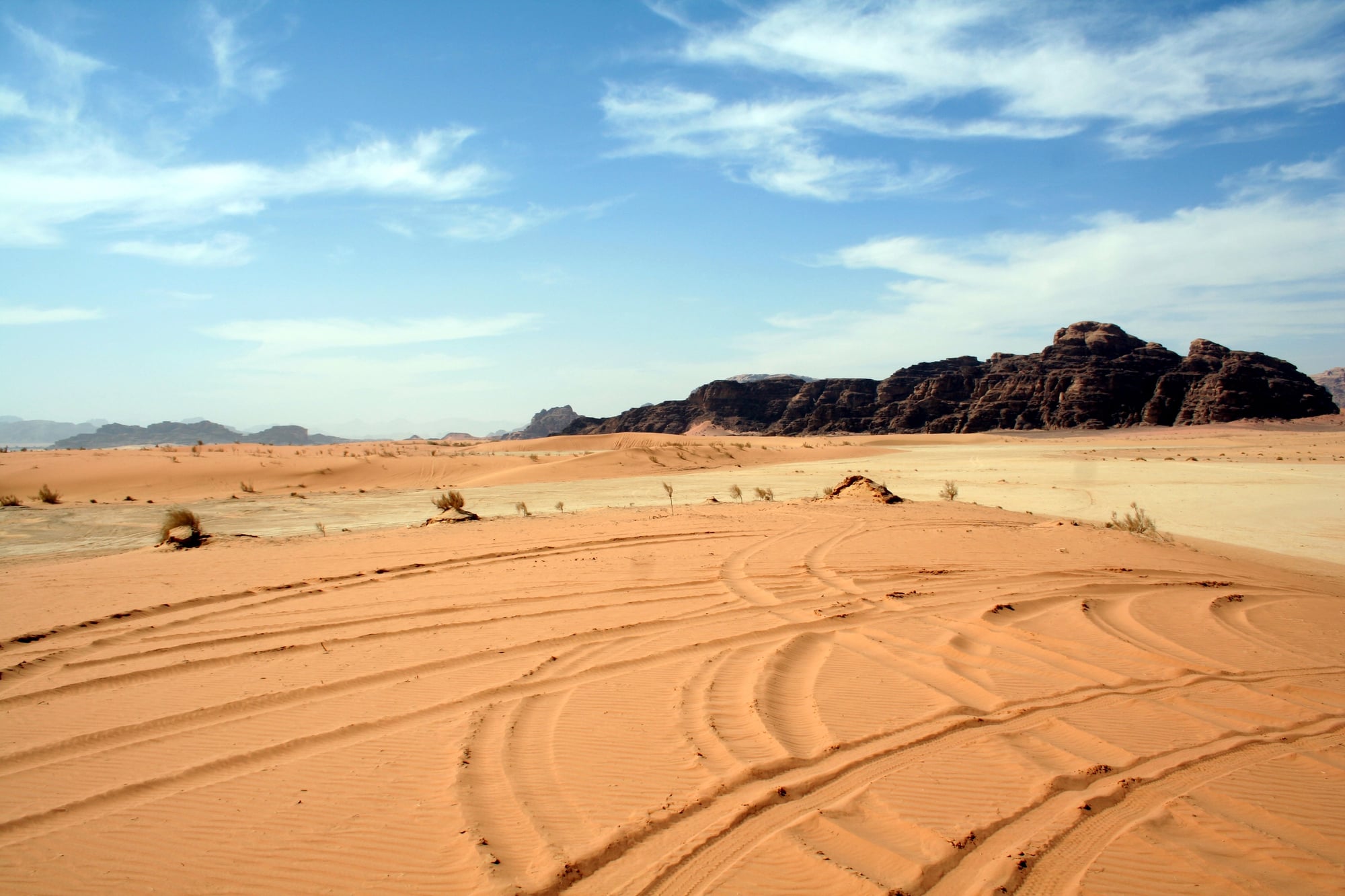
The Empty Quarter of Saudi Arabia earned its name honestly. It’s the largest continuous sand desert in the world, where some dunes reach 800 feet high and water sources are separated by distances that would challenge modern vehicles. Nasser Al-Tamimi’s expedition record of 12 days to cross 1,200 kilometers stands as much for survival as speed.
Traditional Bedouin guides consider the Rub’ al Khali crossing a test that separates pretenders from people serious about desert travel. Al-Tamimi’s time suggests he passed that test convincingly.
Great Victoria Desert Solo Navigation
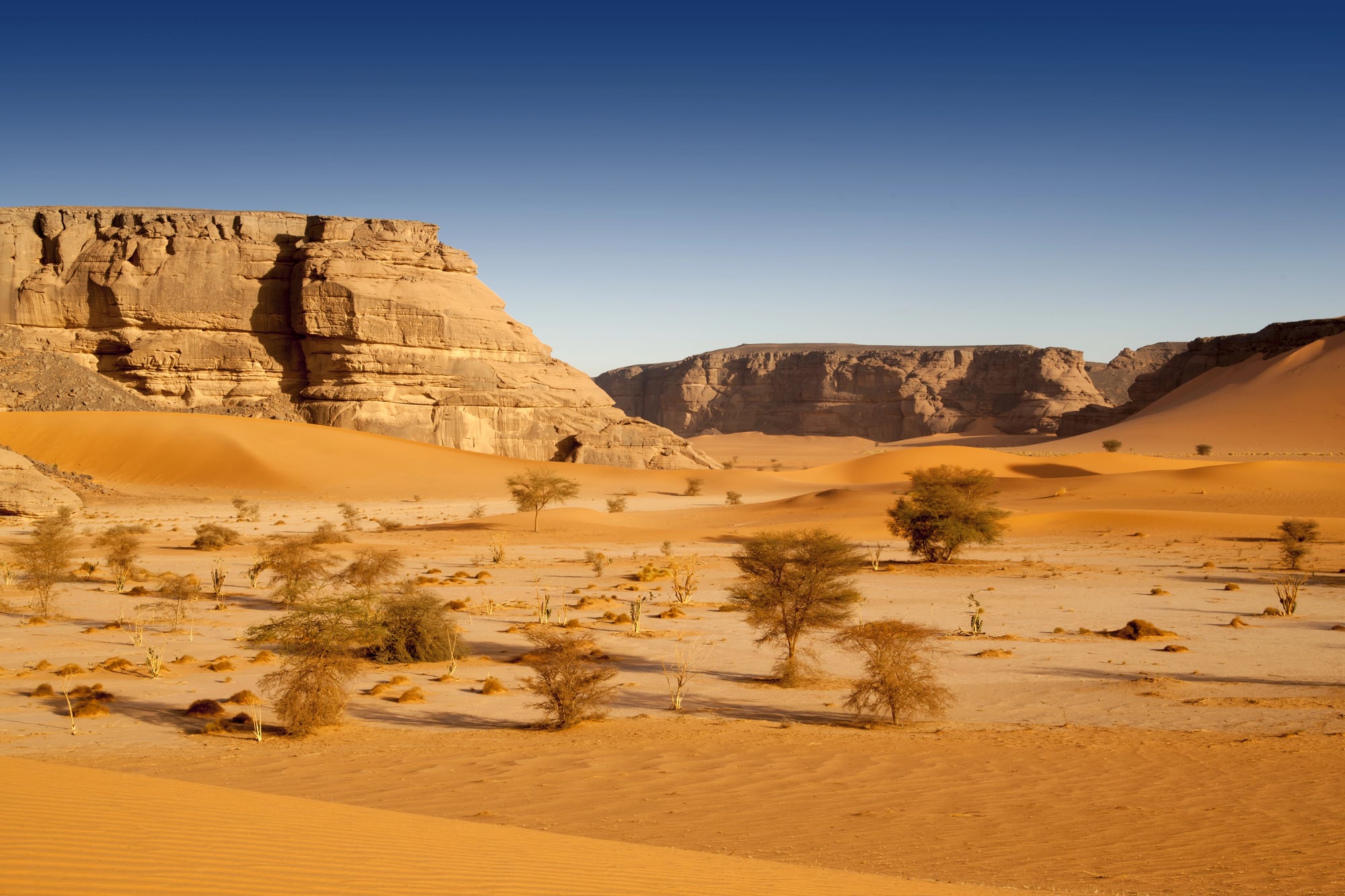
Navigation through Australia’s Great Victoria Desert requires old-school skills that GPS can’t replace. The landscape shifts constantly as wind reshapes dunes, and magnetic compass readings become unreliable due to iron ore deposits scattered throughout the region.
Sarah Mitchell’s solo record of 8 days across 350 kilometers stands not just for speed but for the kind of navigation precision that kept explorers alive before satellite technology. She used sun positioning and landmark recognition — skills most people have forgotten but the desert still demands.
Namib Desert Endurance Challenge
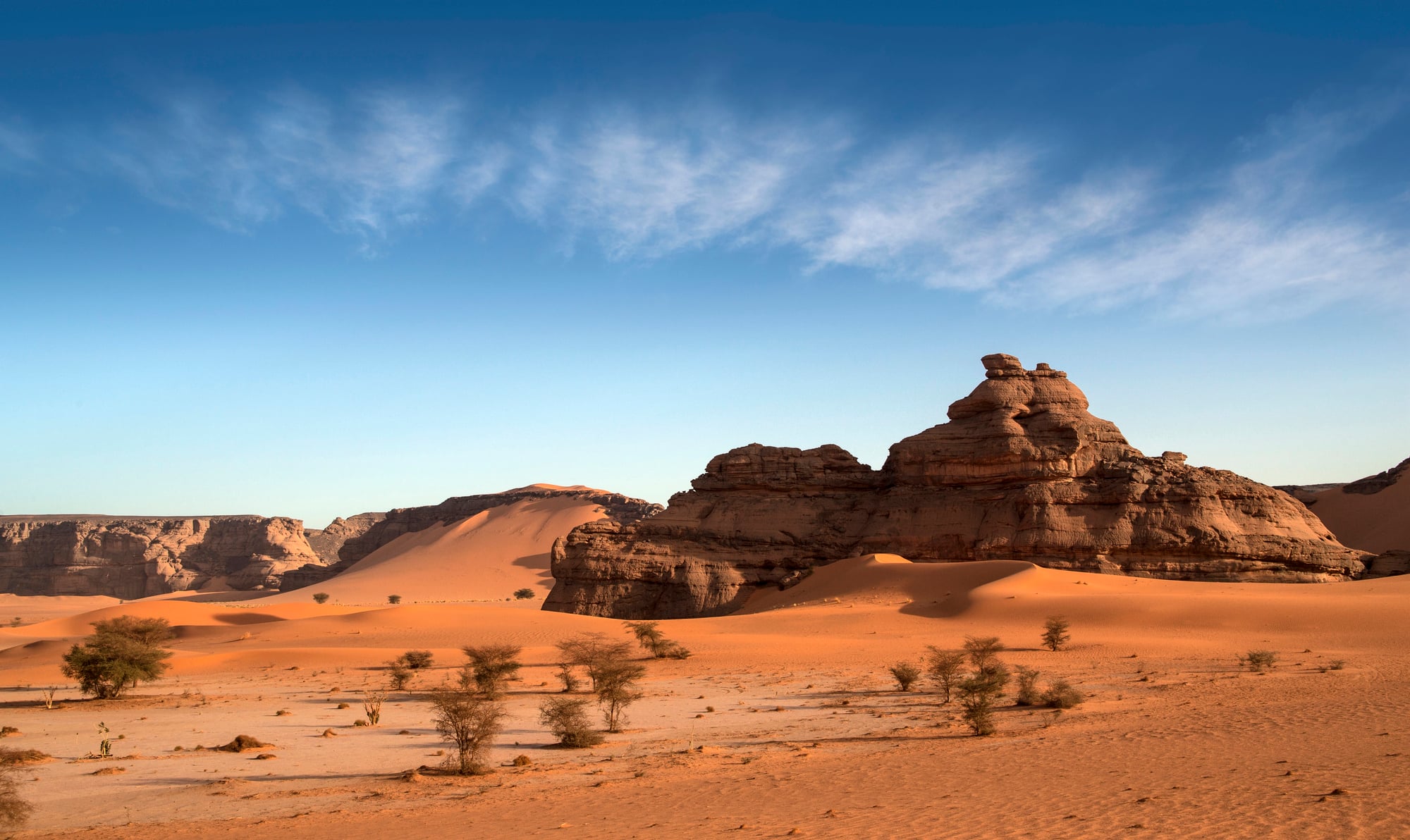
The Namib is old. Possibly the oldest desert on Earth, with some areas unchanged for 55 million years. The endurance challenge covers 200 kilometers along Namibia’s coast where ocean meets sand in a collision that creates fog banks dense enough to navigate by and wind patterns that can sandblast exposed skin.
Thomas Weber’s record of 36 hours straight through the Namib required dealing with conditions that change dramatically based on proximity to the Atlantic Ocean. Coastal sections bring blessed relief from heat but add humidity that makes breathing feel like drowning in slow motion.
Sonoran Desert Triple Crown
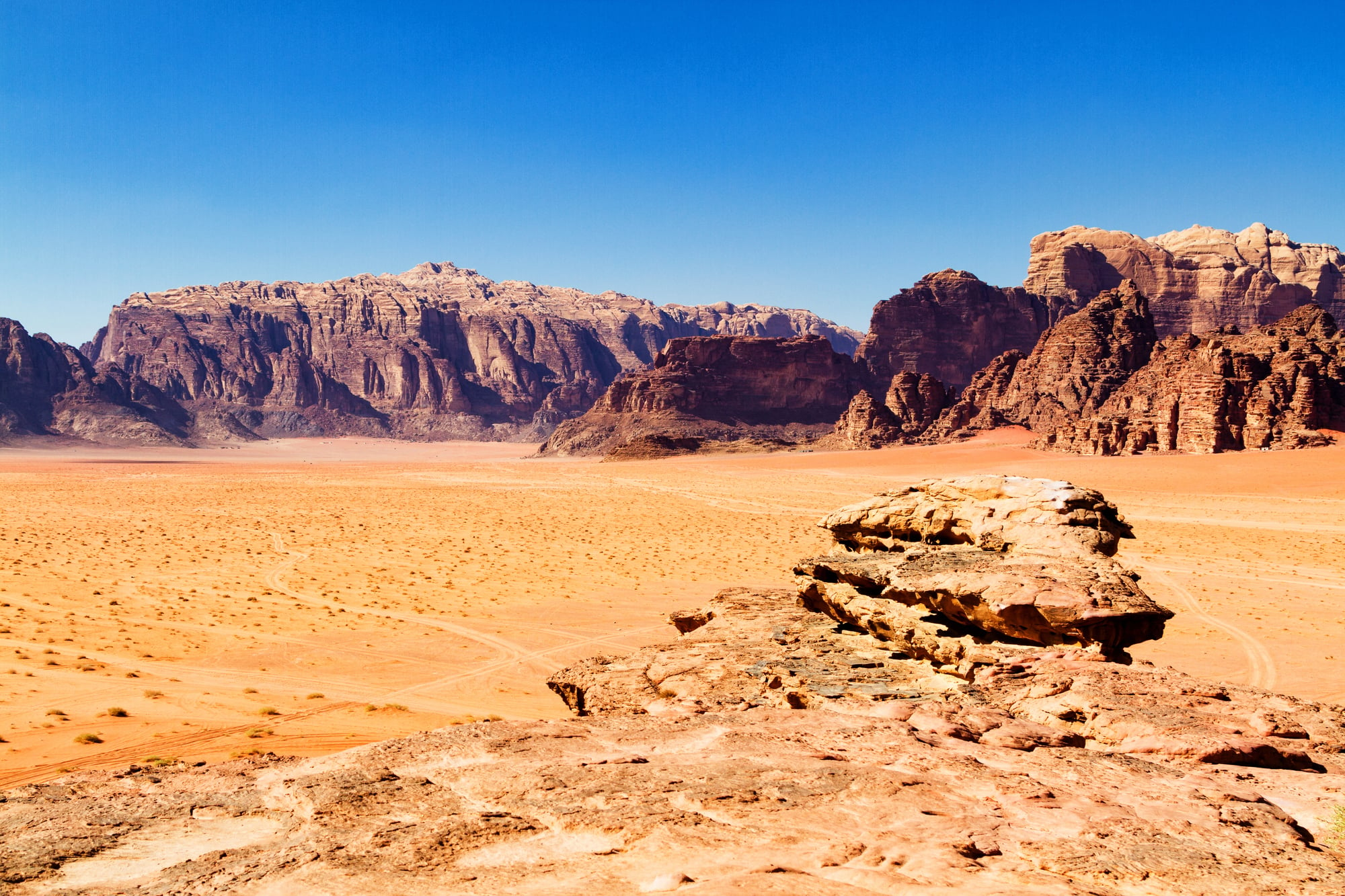
The Sonoran spans parts of Arizona, California, and Mexico — meaning the Triple Crown requires dealing with three different governments’ permitting processes before you even start worrying about the actual desert (which contains enough venomous creatures to stock a horror movie, including rattlesnakes, scorpions, Gila monsters, and various spiders that seem designed specifically to make ultrarunners reconsider their life choices). Maria Rodriguez completed all three races in a combined time that stands as both an athletic achievement and a masterclass in bureaucratic navigation, since coordinating the permits, visas, and logistics required to race across international borders turns out to be nearly as challenging as the actual running.
But what makes Rodriguez’s Triple Crown record particularly impressive is how she adapted her racing strategy to accommodate three distinctly different sections of what’s technically the same desert ecosystem. The Arizona section runs through classic Sonoran landscape with towering saguaro cacti and relatively predictable water sources; California adds elevation changes and temperature swings that can drop 40 degrees between day and night; Mexico throws in humidity from the Gulf of California plus wildlife encounters that require carrying antivenom as standard equipment.
Antarctic Ice Marathon Desert Record
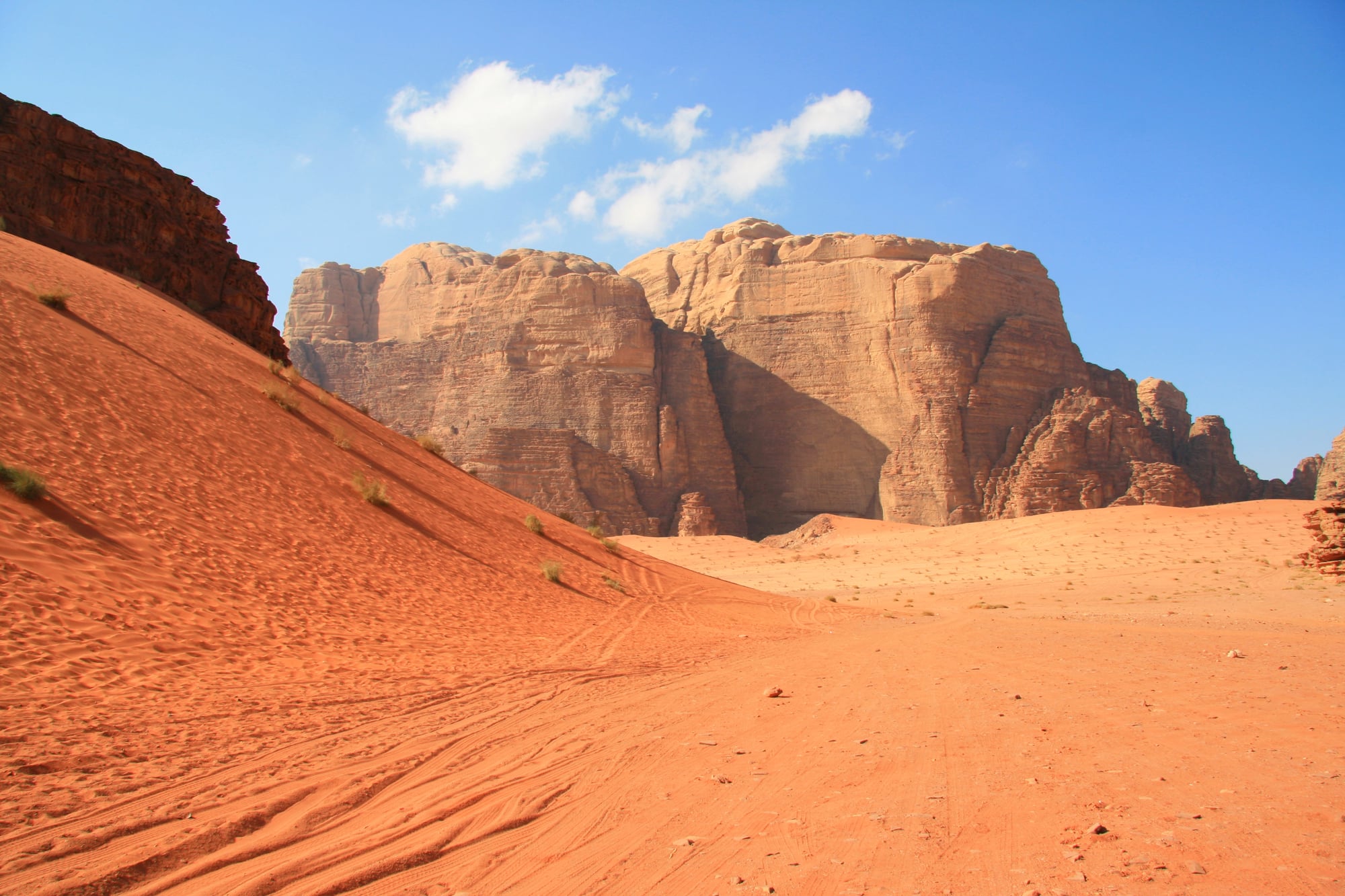
Antarctica counts as a desert — the largest one on Earth, technically. The Antarctic Ice Marathon covers 26.2 miles across terrain where the main challenge isn’t heat but cold so extreme that exposed skin freezes in minutes and standard running gear becomes useless.
Brent Weigner’s record of 3 hours and 34 minutes required specialized equipment that weighs more than most runners carry in their entire race kit. The logistics alone — flying to Antarctica, acclimatizing to altitude and cold, then racing across ice while wearing enough insulation to survive — make this record as much about preparation as performance.
Lut Desert Temperature Survival
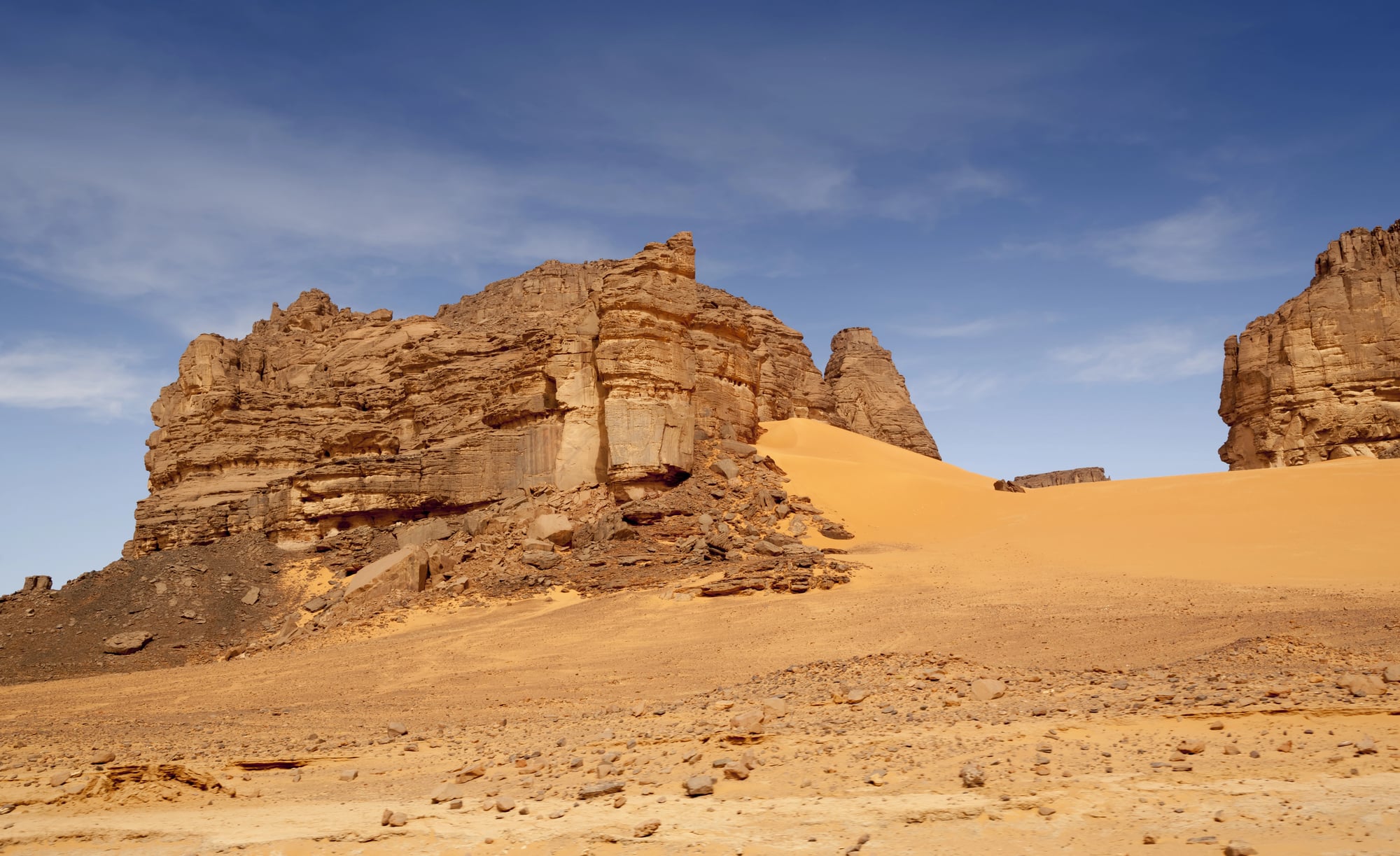
Iran’s Lut Desert is one of the highest temperature places on Earth, with satellite data recording surface temperatures around 159°F. Death Valley in California holds the record for highest ground temperatures ever measured on Earth at 177.4°F. Racing here isn’t about speed; it’s about not dying from heat that can literally cook you from the ground up.
Ahmed Hassan’s completion record focuses on survival metrics rather than time — he finished, which in Lut Desert terms counts as victory regardless of how long it took.
Beyond the Thermometer
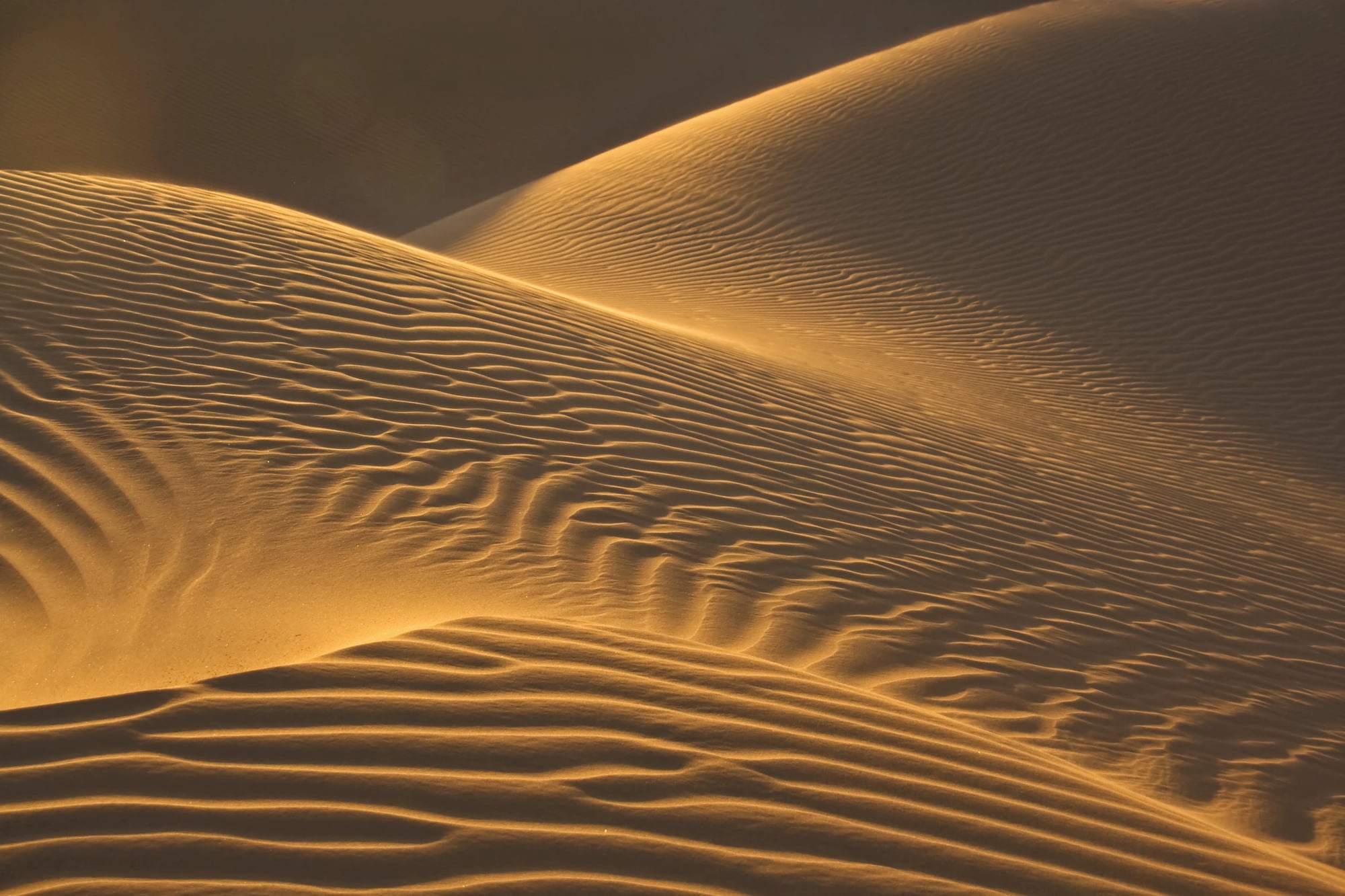
Desert ultrarunning exists at the intersection of human ambition and natural hostility. These records represent more than fast times or impressive distances — they’re proof that humans can adapt to conditions that seem designed to eliminate us.
Each record holder found a way to negotiate with landscapes that don’t negotiate back. The desert doesn’t care about your training plan or personal best. It only cares whether you respect its rules and keep moving forward when every rational instinct screams to stop. These 16 records stand because someone chose to keep going when stopping made perfect sense.
More from Go2Tutors!

- The Romanov Crown Jewels and Their Tragic Fate
- 13 Historical Mysteries That Science Still Can’t Solve
- Famous Hoaxes That Fooled the World for Years
- 15 Child Stars with Tragic Adult Lives
- 16 Famous Jewelry Pieces in History
Like Go2Tutors’s content? Follow us on MSN.