16 Facts About The Straits Of Malacca And Hormuz
Hidden in plain sight, the Strait of Malacca along with the Strait of Hormuz holds surprising weight on world maps. Thin stretches of water – simple to miss – are actually lifelines for international shipping.
Goods flow constantly through them, while fuel follows close behind. Tied together by distance and demand, entire regions depend on what passes quietly beneath their surfaces.
What matters isn’t just location. Power flows through these narrow waters, shaping how nations act, what goods cost, and where armies position.
When movement stops there, consequences hit distant shores fast. Facts explain why eyes stay fixed on the Straits of Malacca and Hormuz.
These passages carry more than just ships – attention follows because what moves through shapes faraway economies. One slip here rattles markets continents away.
Geography alone doesn’t decide importance – it’s the flow, constant and deep, that turns water into strategic ground. Watching them isn’t caution.
It’s necessity born from how tightly trade links distant shores.
They Are Two Of The World’s Most Important Chokepoints

Both straits are considered major maritime chokepoints, meaning they are narrow routes through which a large portion of global trade must pass. The Strait of Malacca connects the Indian Ocean to the Pacific, while the Strait of Hormuz links the Persian Gulf to the open ocean.
Because of their locations, ships often have no practical alternative routes that are as efficient. This makes them essential for international shipping and trade.
Still, their importance also creates vulnerability. Any disruption can have immediate global consequences.
The Strait Of Malacca Is One Of The Busiest Shipping Lanes
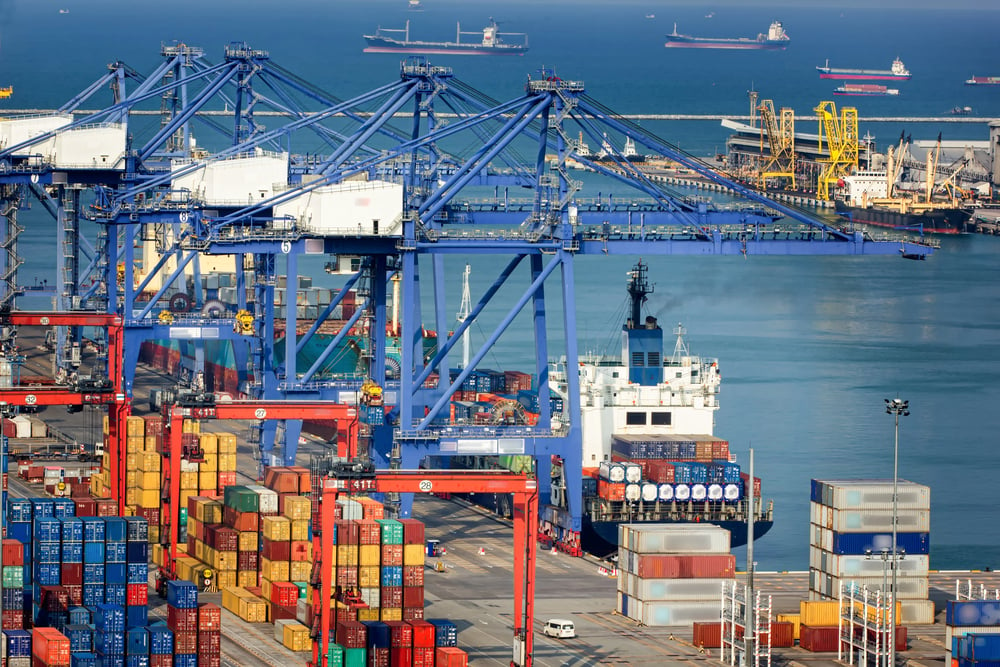
The Strait of Malacca sees tens of thousands of vessels pass through each year. It serves as a primary route for goods traveling between Asia, the Middle East, Europe, and beyond.
Its relatively short distance compared to alternative routes makes it highly attractive for shipping companies. Time saved on this route translates directly into lower costs.
Even so, the heavy traffic requires careful navigation. Congestion is a constant challenge in such a narrow passage.
The Strait Of Hormuz Handles A Major Share Of Global Oil

A significant portion of the world’s oil passes through the Strait of Hormuz every day. Tankers carrying energy supplies rely on this route to reach global markets.
This makes the strait a key factor in global energy security. Changes in its accessibility can influence oil prices almost immediately.
That said, its importance also makes it a focal point for geopolitical tension.
The Strait Of Malacca Is Narrow In Key Sections
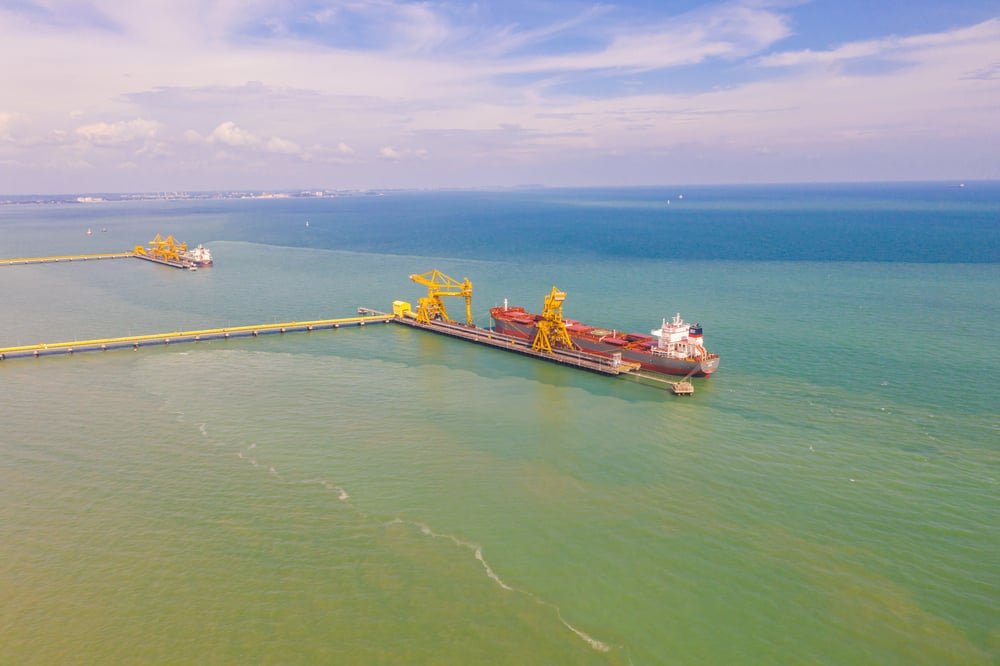
At its narrowest point, the Strait of Malacca is only about 1.7 miles wide. This creates a bottleneck where large vessels must navigate carefully to avoid collisions.
The limited width also restricts how many ships can pass through at any given time. This adds to the complexity of managing traffic.
Still, despite these constraints, it remains one of the most efficient routes for global shipping.
The Strait Of Hormuz Is Wider But Highly Controlled
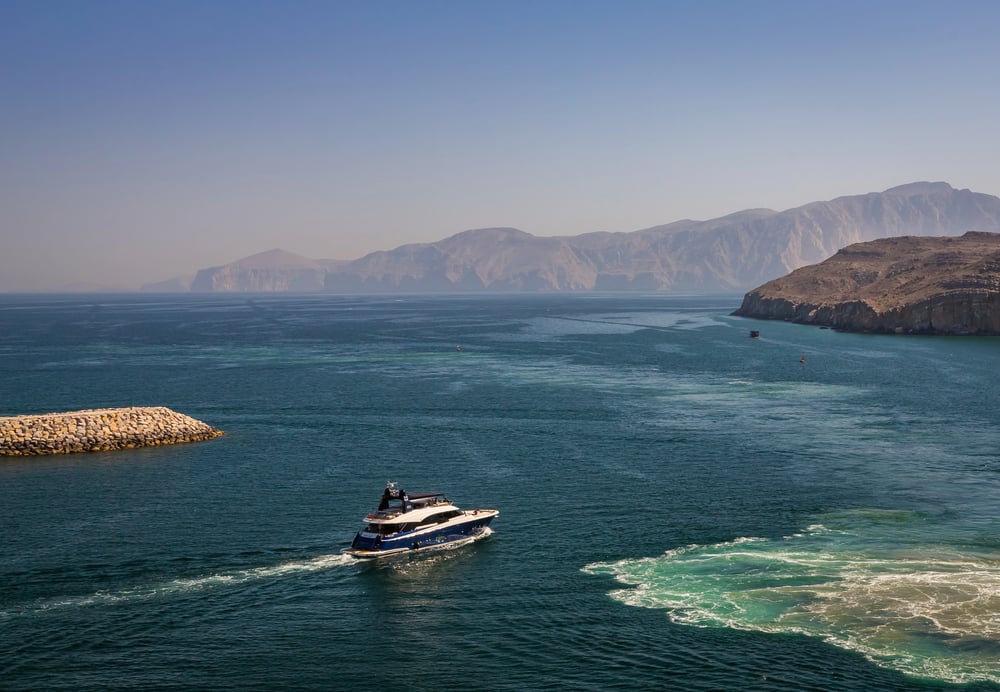
The Strait of Hormuz is wider than Malacca, measuring about 21 miles across at its narrowest point. However, shipping lanes within it are tightly organized.
Designated channels separate incoming and outgoing traffic, helping to reduce the risk of accidents. Each lane is only a few miles wide.
Even so, the structured system reflects how critical safe passage is in such a sensitive region.
Both Straits Are Vital For Asian Economies
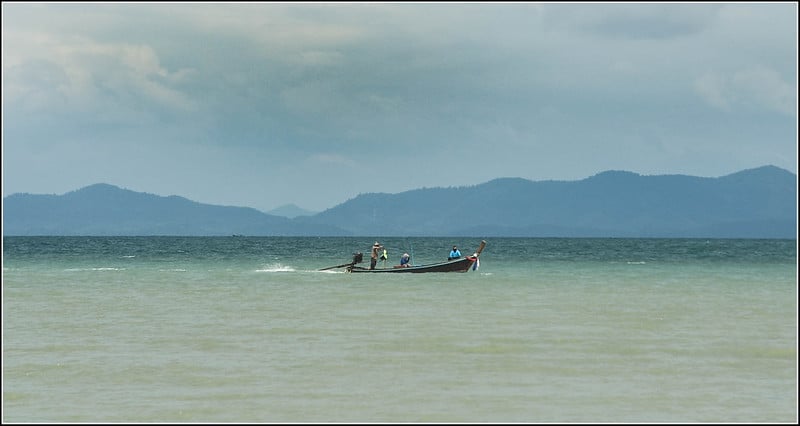
Countries across Asia depend heavily on these routes for both imports and exports. The Strait of Malacca is especially important for nations like China, Japan, and South Korea.
Energy supplies traveling through the Strait of Hormuz often continue through Malacca to reach East Asia. This creates a direct link between the two chokepoints.
Still, this dependence also drives efforts to develop alternative routes and energy sources.
Piracy Has Been A Concern In The Strait Of Malacca
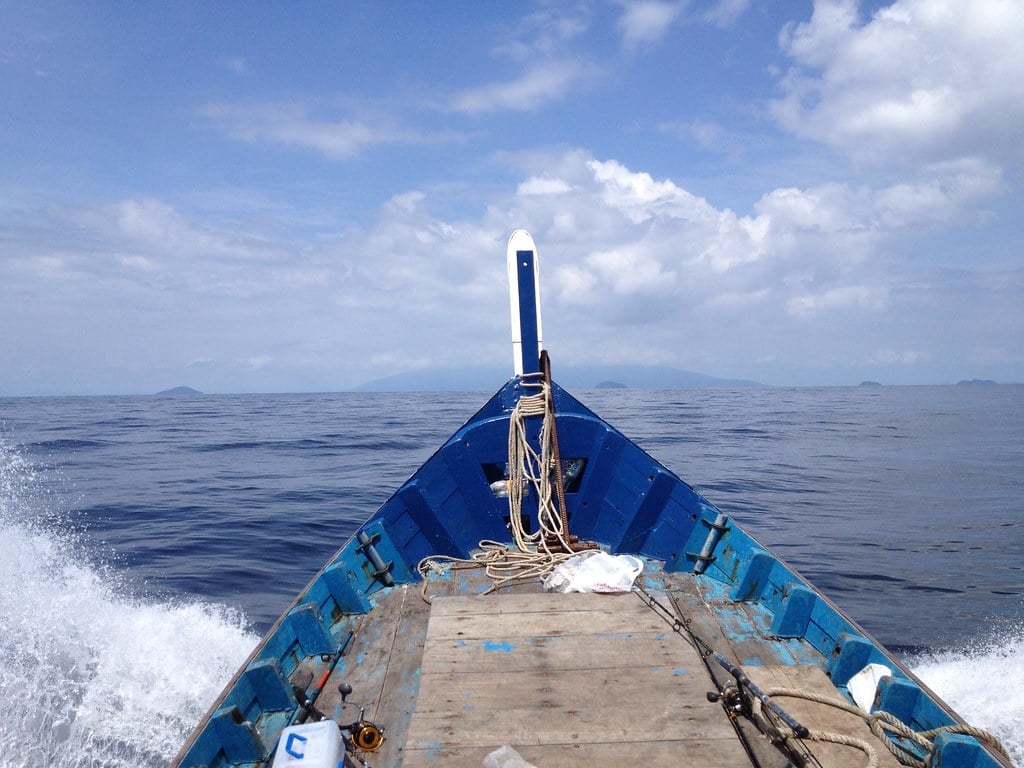
In the past, the Strait of Malacca gained attention for incidents of piracy. Its narrow waters and heavy traffic created opportunities for small-scale attacks.
Regional cooperation and increased patrols have significantly reduced these incidents over time. Security measures have improved navigation safety.
That said, the history of piracy remains part of the strait’s identity.
The Strait Of Hormuz Is A Geopolitical Flashpoint
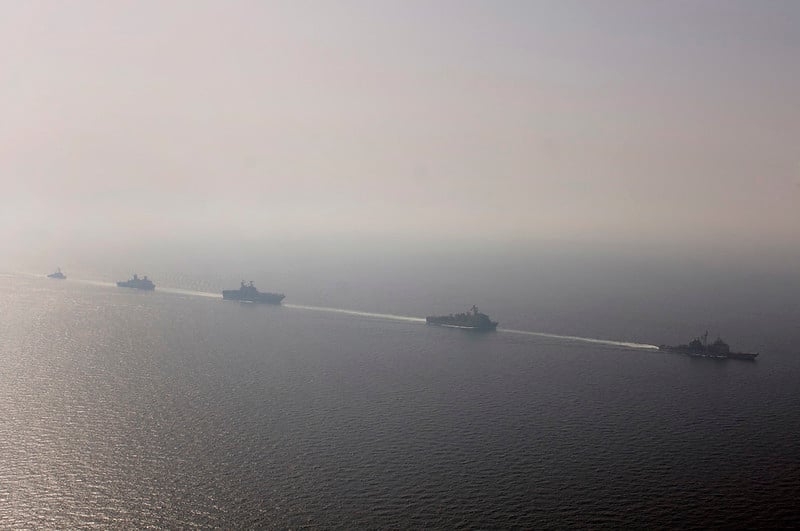
The Strait of Hormuz sits in a region with longstanding political tensions. Its importance to global energy supply makes it a focal point for international attention.
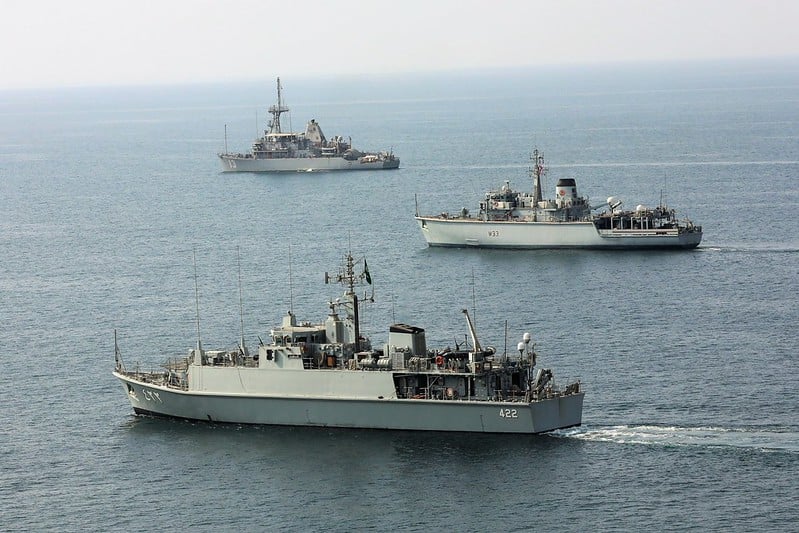
Military presence in the area is common, reflecting the need to ensure safe passage for ships. Any disruption can have immediate global implications.
Even so, efforts continue to maintain stability and keep the route open.
Alternative Routes Are Limited
There are few practical alternatives to these straits. For Malacca, ships could take longer routes around Indonesia, adding significant distance and cost.
For Hormuz, pipelines and other transport methods exist but cannot fully replace maritime shipping. The scale of global demand makes these straits irreplaceable.
Still, the lack of alternatives increases their strategic importance.
The Strait Of Malacca Has Shallow Areas
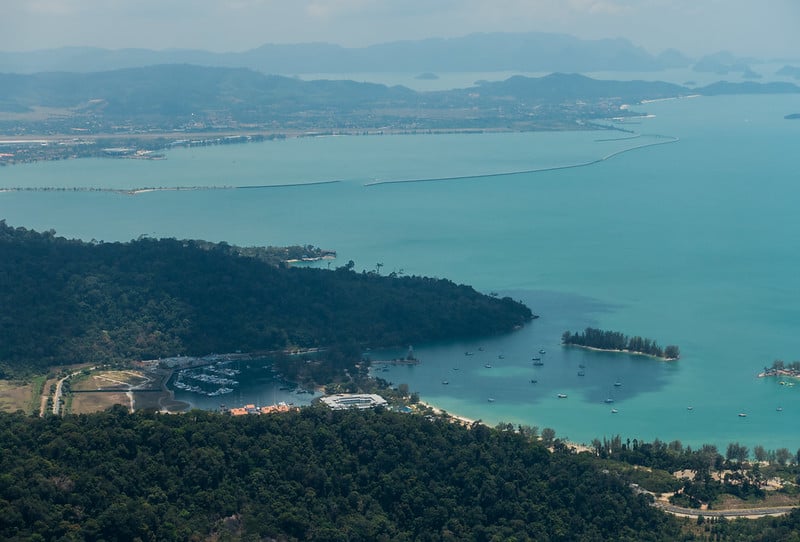
Some parts of the Strait of Malacca are relatively shallow, which can limit the size of ships that can safely pass through. Larger vessels must navigate carefully to avoid grounding.
This adds another layer of complexity to an already busy route. Pilots and navigation systems play a crucial role in ensuring safe passage.
That said, despite these challenges, the strait remains heavily used due to its efficiency.
The Strait Of Hormuz Is Essential For LNG Shipments
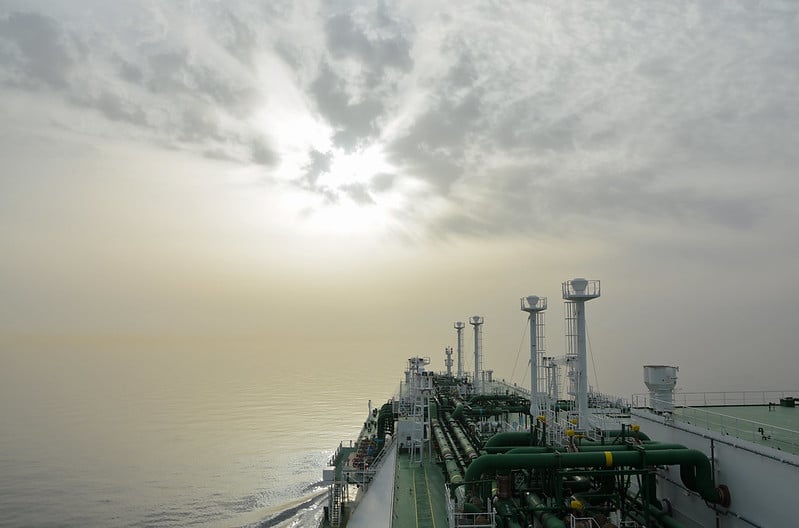
In addition to oil, the Strait of Hormuz is a major route for liquefied natural gas shipments. Countries in the region rely on it to export energy resources worldwide.
This adds another dimension to its importance in global energy markets. It is not just about oil but a broader range of resources.
Even so, this dependence reinforces the need for stability in the region.
Both Straits Influence Global Prices

Disruptions or tensions in either strait can lead to immediate changes in global prices. Oil markets, shipping costs, and insurance rates all respond quickly to uncertainty.
This makes the straits closely monitored by governments and businesses alike. Even minor incidents can have outsized effects.
Still, their influence extends far beyond the regions they occupy.
Environmental Risks Are Significant
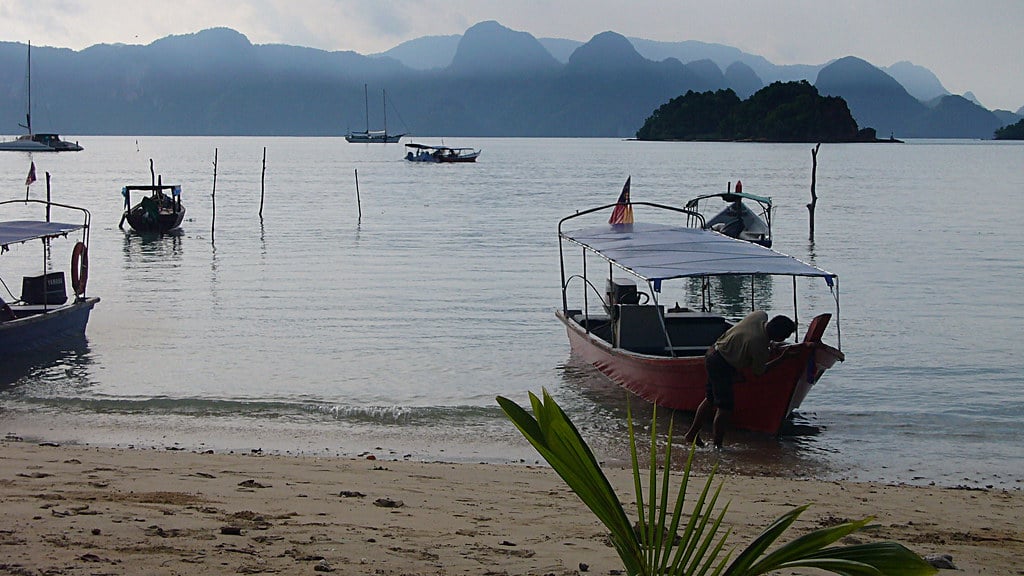
Heavy traffic increases the risk of accidents and environmental damage. Oil spills or collisions in these narrow waters could have serious consequences.
Efforts are ongoing to improve safety and reduce environmental impact. Regulations and monitoring systems aim to minimize risks.
That said, the balance between efficiency and safety remains a constant challenge.
The Strait Of Malacca Links Major Ports
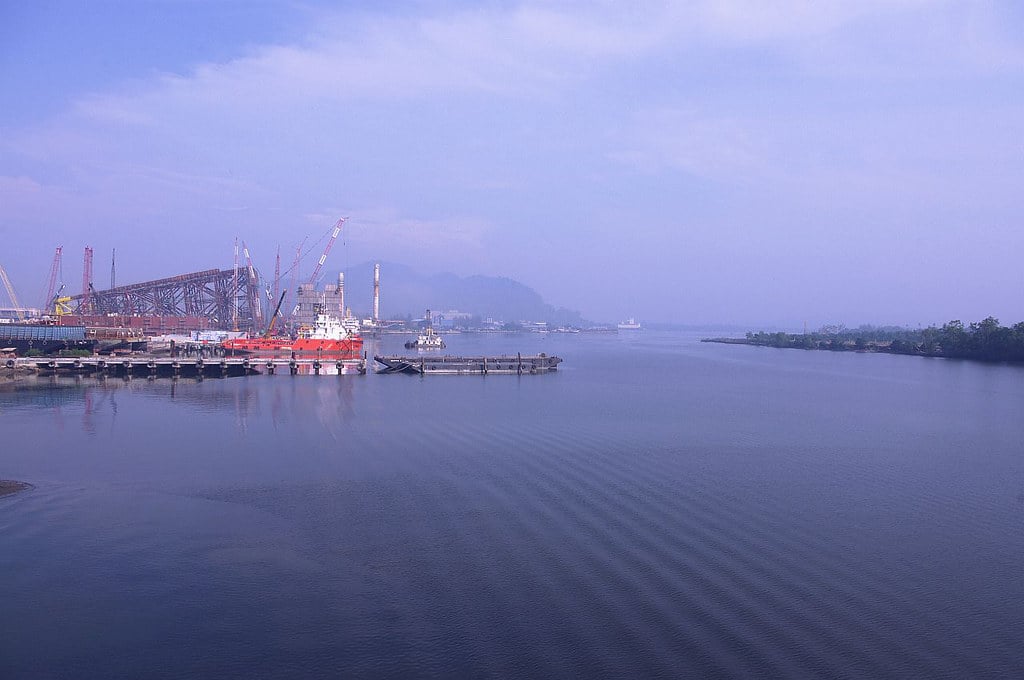
The strait connects some of the world’s busiest ports, including those in Singapore and Malaysia. These hubs play a key role in global logistics.
The proximity of these ports enhances the efficiency of trade routes. Goods can move quickly between regions.
Even so, the concentration of activity also increases pressure on infrastructure.
The Strait Of Hormuz Connects Key Energy Producers
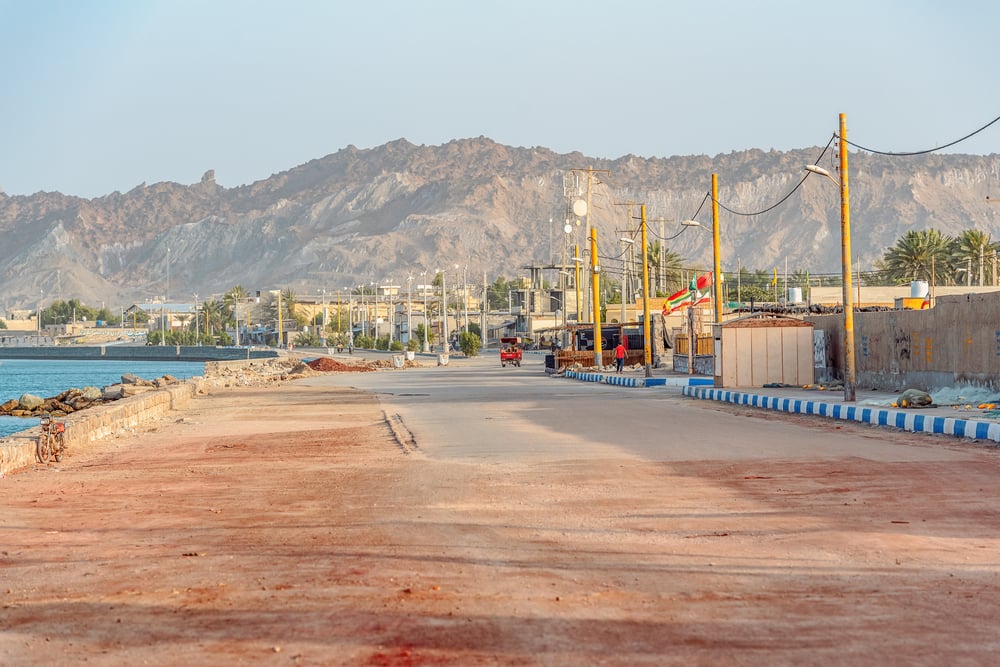
Countries bordering the Persian Gulf rely on the Strait of Hormuz to export their resources. It serves as a gateway to international markets.
This makes it central to the economies of several nations. The flow of energy through the strait supports global demand.
Still, this reliance also highlights the importance of maintaining open and secure passage.
Technology Plays A Growing Role In Navigation

Modern ships rely on advanced navigation systems to safely pass through these straits. GPS, radar, and automated tracking help manage traffic.
These technologies reduce the risk of accidents and improve efficiency. They are essential in such high-traffic environments.
That said, human expertise remains critical. Skilled crews and pilots guide vessels through challenging conditions.
These Routes Have Been Important For Centuries
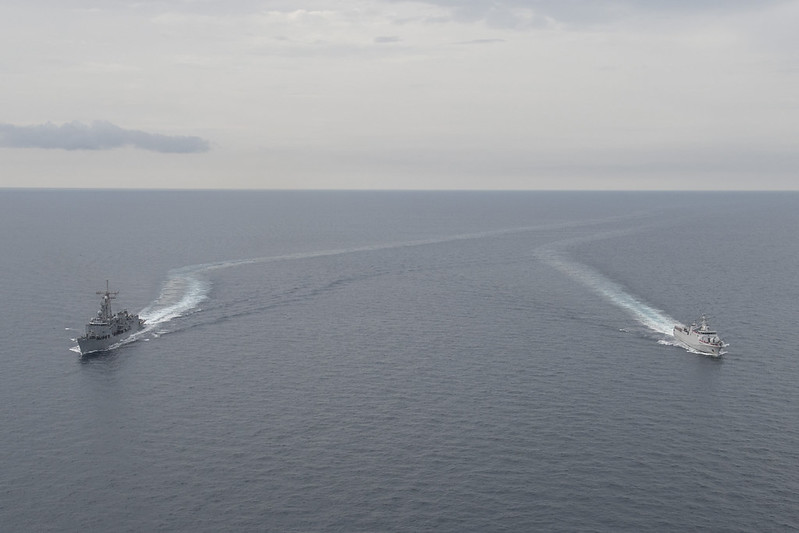
Fish swam through these channels long before ships did. Centuries back, traders paddled along the same paths now traveled by cargo vessels.
As borders blurred, their role expanded beyond measure. Gone are the days of just moving cloves and cloth – today it is oil flowing, machines shifting across lands.
Today, just like long ago, the flow through Malacca and Hormuz never slows – these narrow passages hum beneath the surface of global trade.
More from Go2Tutors!

- The Romanov Crown Jewels and Their Tragic Fate
- 13 Historical Mysteries That Science Still Can’t Solve
- Famous Hoaxes That Fooled the World for Years
- 15 Child Stars with Tragic Adult Lives
- 16 Famous Jewelry Pieces in History
Like Go2Tutors’s content? Follow us on MSN.