15 Cool Facts About Navy Submarines
Navy submarines represent some of the most sophisticated and mysterious machines ever built. These underwater vessels combine cutting-edge technology with incredible human engineering to patrol the world’s oceans, often spending months beneath the waves without ever surfacing.
From nuclear reactors that can run for decades to periscopes that extend 60 feet long, submarines are packed with fascinating features most people never get to learn about. Here is a list of 15 cool facts about navy submarines that reveal just how remarkable these underwater warriors really are.
They Can Stay Underwater for Months Without Surfacing
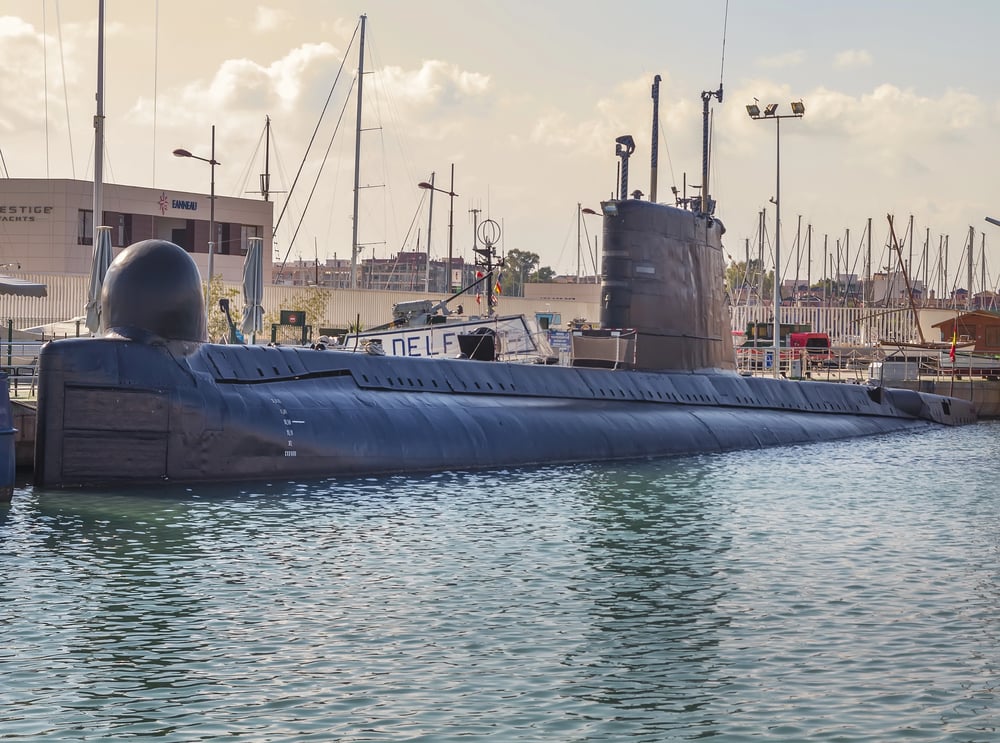
Nuclear submarines are designed to be submerged for up to six months at a time, making them true underwater vessels rather than just submersibles. The large amount of power generated by a nuclear reactor allows nuclear submarines to operate at high speed for long periods, and the long interval between refuelings grants a virtually unlimited range. This incredible endurance gives them unmatched strategic value for long-range patrols and covert operations.
Nuclear Reactors Power Them for Over 30 Years
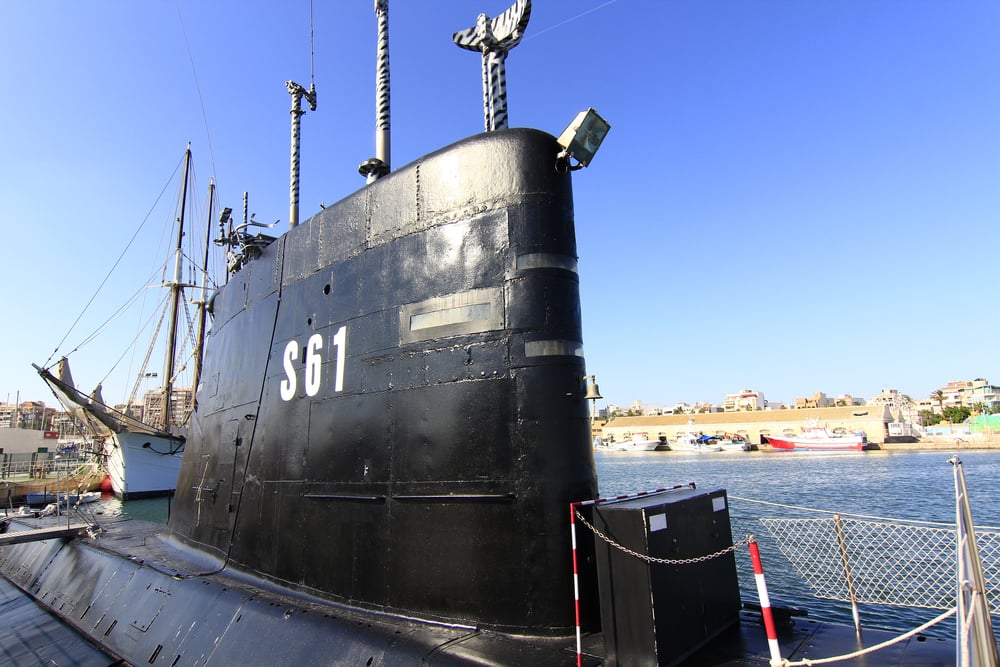
When one of them enters into service, it will be commissioned with enough uranium fuel to last more than 30 years. The nuclear fuel is so efficient that nuclear core life is estimated at 33 years for modern Virginia-class submarines. Think of it like having a car that never needs to stop for gas during your entire adult life – that’s the kind of endurance these reactors provide.
They’re Called ‘Boats’ Not ‘Ships’
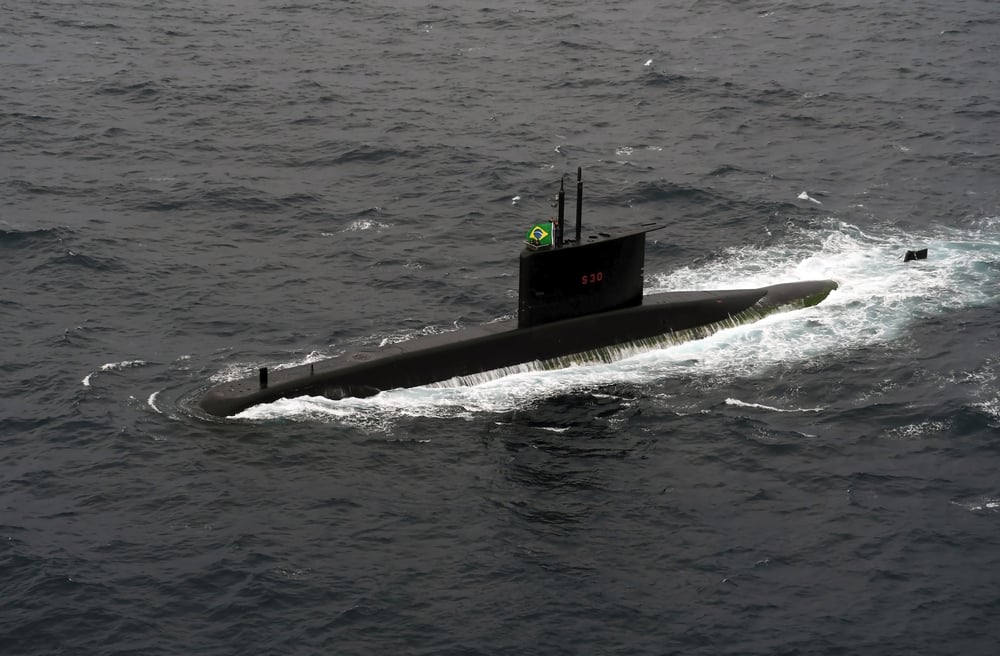
Despite their massive size, submarines are referred to as boats rather than ships regardless of their size. This naval tradition dates back to the earliest submarines, which were much smaller vessels. Although referred to informally as boats, U.S. submarines employ the designation USS (United States Ship) at the beginning of their names, such as USS Alabama.
Periscopes Can Extend 60 Feet Long
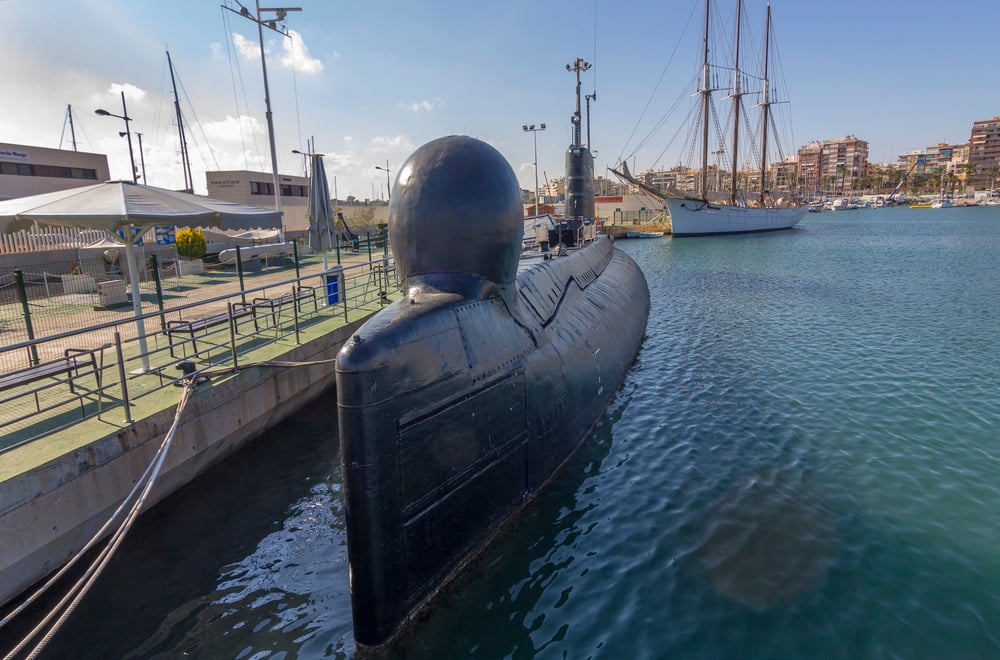
Length of periscopes could be as much as 18 metres (60 feet), which is about the height of a six-story building. When a submarine is submerged at depth equal to the length of the periscope, it is called ‘periscope depth’. Modern periscopes use complex arrangements of lenses and prisms rather than simple mirrors to provide clear images to the crew.
They Can Travel at 35+ Knots Underwater
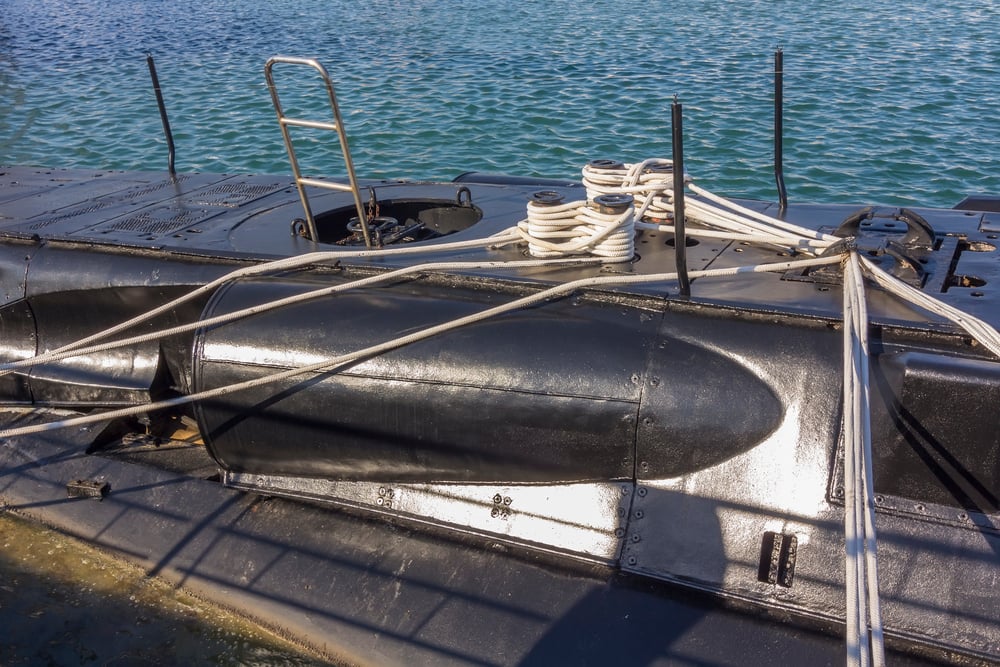
Modern submarines are incredibly fast underwater. Speed: Greater than 25 knots (46 km/h; 29 mph), allegedly up to 35 knots (65 km/h; 40 mph) for Virginia-class submarines. With the introduction of nuclear power, historically slow underwater vessels were transformed into warships capable of sustaining speeds of 30 knots (56km/h). That’s faster than most boats travel on the surface.
Some Can Dive Deeper Than 1,600 Feet
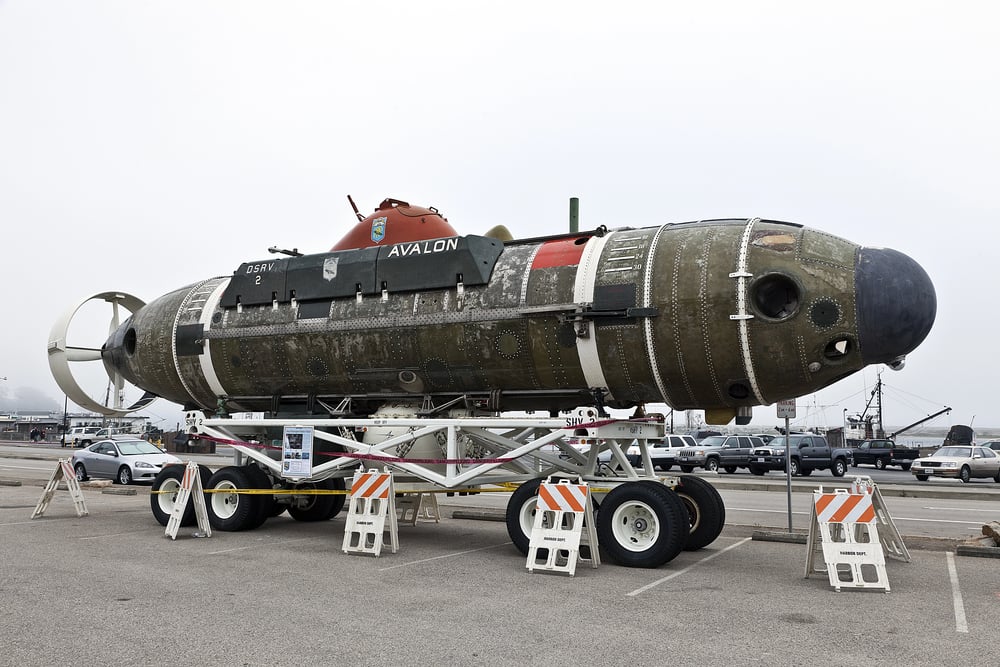
The crushing pressure of the deep ocean doesn’t stop modern submarines. Test depth: greater than 800 ft (240 m), allegedly around 1,600 feet (490 m) for Virginia-class submarines. The deeper they can go, the harder they are to detect and attack, giving them a significant tactical advantage in naval warfare.
Ohio-Class Submarines Pack Incredible Firepower
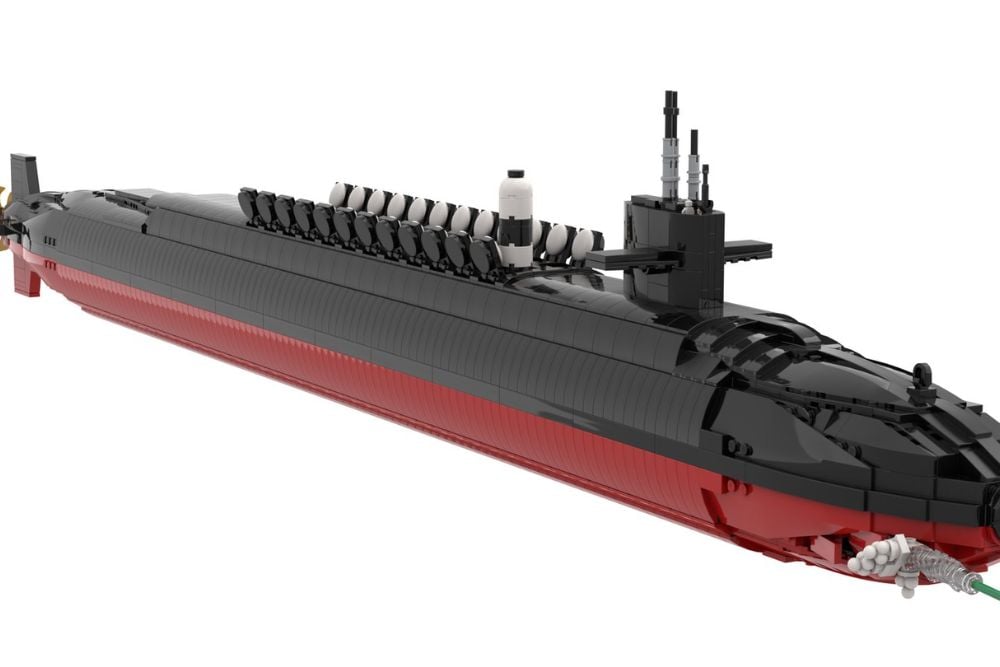
Each SSGN is capable of carrying 154 Tomahawk cruise missiles, making them floating arsenals. If the maximum of 154 Tomahawk missiles were loaded, one Ohio-class SSGN would carry an entire Battle Group’s equivalent of cruise missiles. That’s more firepower than many small countries possess in their entire military.
They Make Their Own Oxygen and Drinking Water
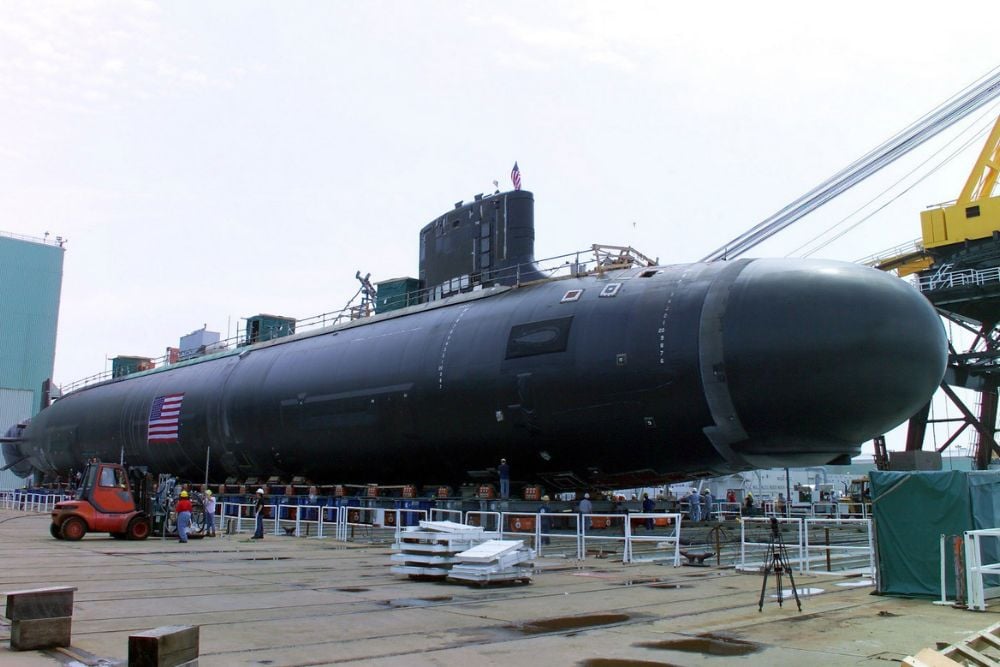
They can also circumnavigate the globe completely submerged and can produce their own oxygen and drinking water. This self-sufficiency is what allows submarines to stay underwater for months. The nuclear reactor provides the power needed to run electrolysis systems that split seawater into hydrogen and oxygen, while sophisticated filtration systems create fresh drinking water.
Submarine Crews Work in Shifts Called ‘Blue’ and ‘Gold’
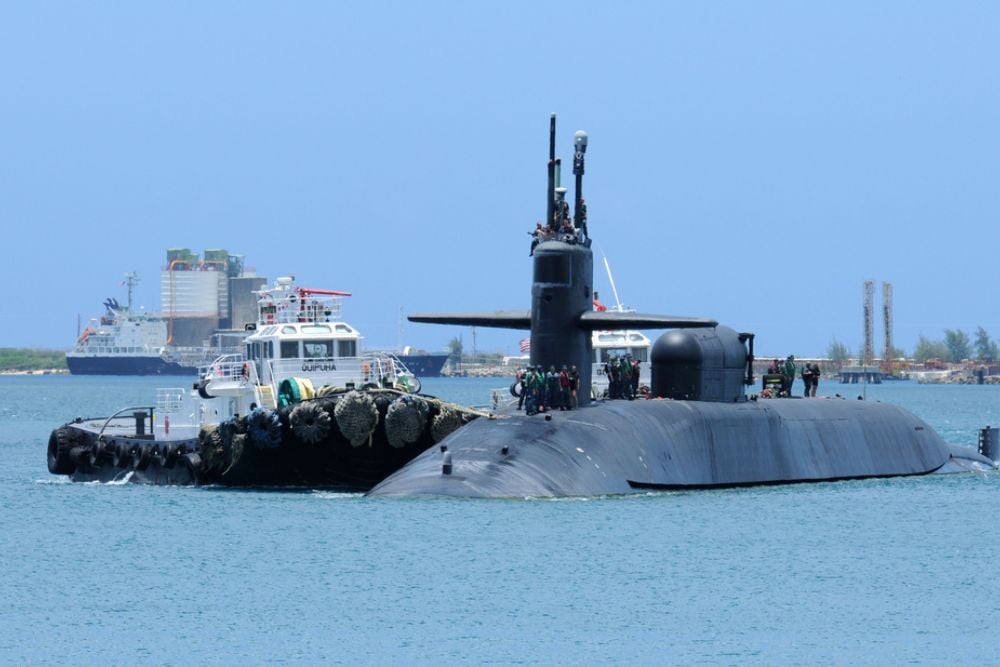
Each submarine is assigned two complete crews, called the Blue crew and the Gold crew, each typically serving 70-to-90-day deterrent patrols. This dual-crew system keeps strategic submarines at sea almost continuously, with one crew taking the boat out while the other rests and trains on shore.
They Use Passive Sonar to Hunt Silently
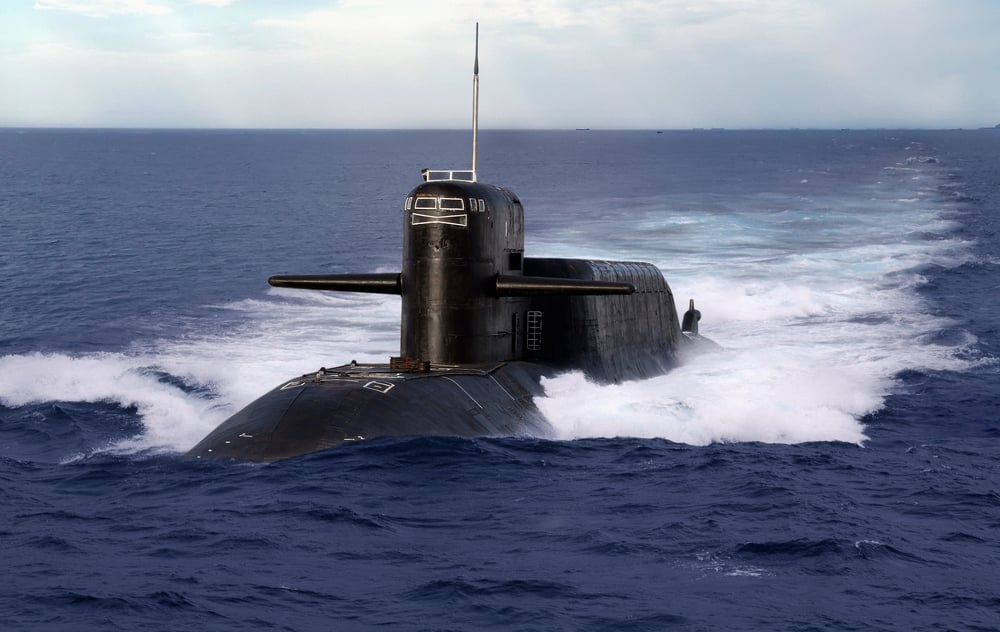
Passive sonar uses hydrophones to listen for sounds in the water and to determine from what direction they come. It does not emit sound, so it can be used covertly. For these reasons, active sonar is not frequently used by military submarines. This stealth capability makes submarines nearly invisible hunters beneath the waves.
Modern Submarines Have Video Periscopes
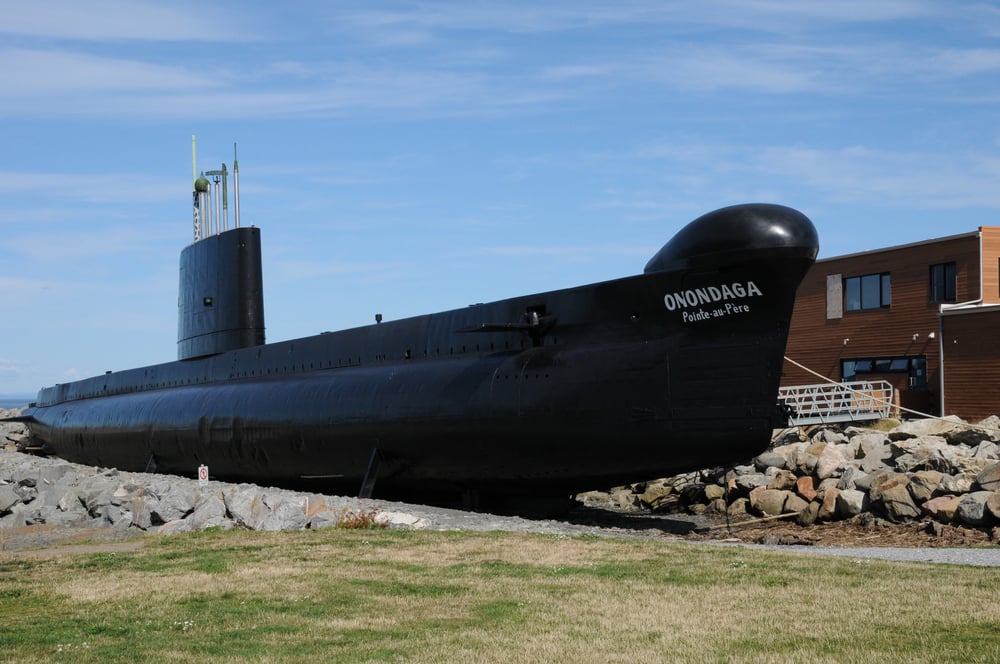
They are the first to utilise high specification video technology to scan the horizon, rather than using a traditional optical periscope. The Astute-class submarines pioneered this technology, replacing the classic periscope with advanced digital imaging systems that provide better situational awareness without requiring the periscope to physically penetrate the hull.
They Cost Several Billion Dollars Each
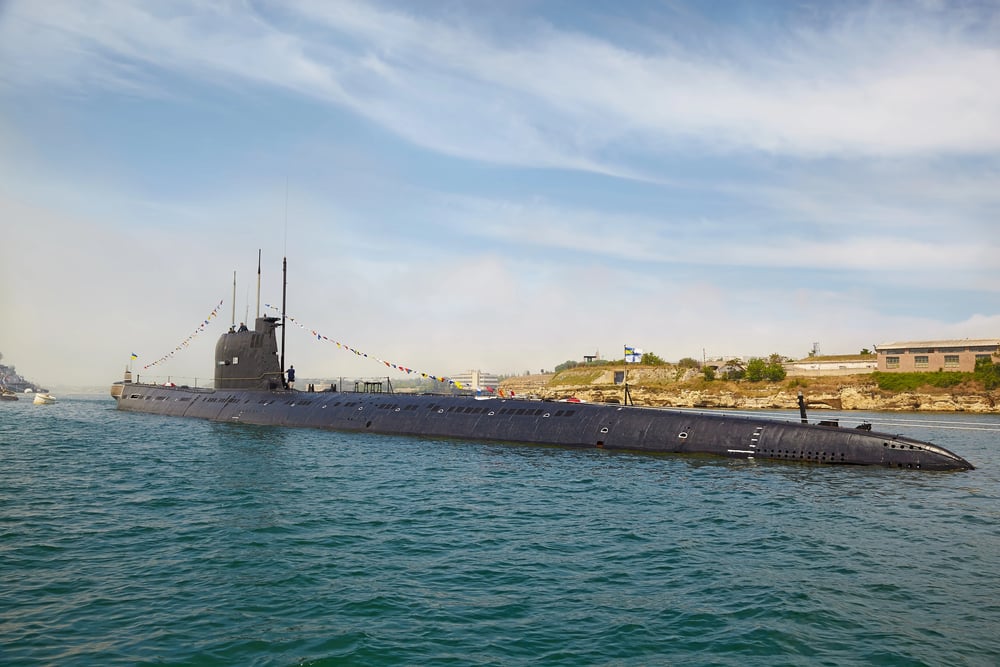
Actual cost: US$1.5 bill for Virginia-class submarines, while the first Columbia-class submarine will be delivered in October 2027 and become operational by 2031, at a total cost of $8.6 billion (excluding testing costs). These massive costs reflect the incredibly sophisticated technology and decades-long construction process required for each submarine.
USS Nautilus Was the First Nuclear-Powered Submarine
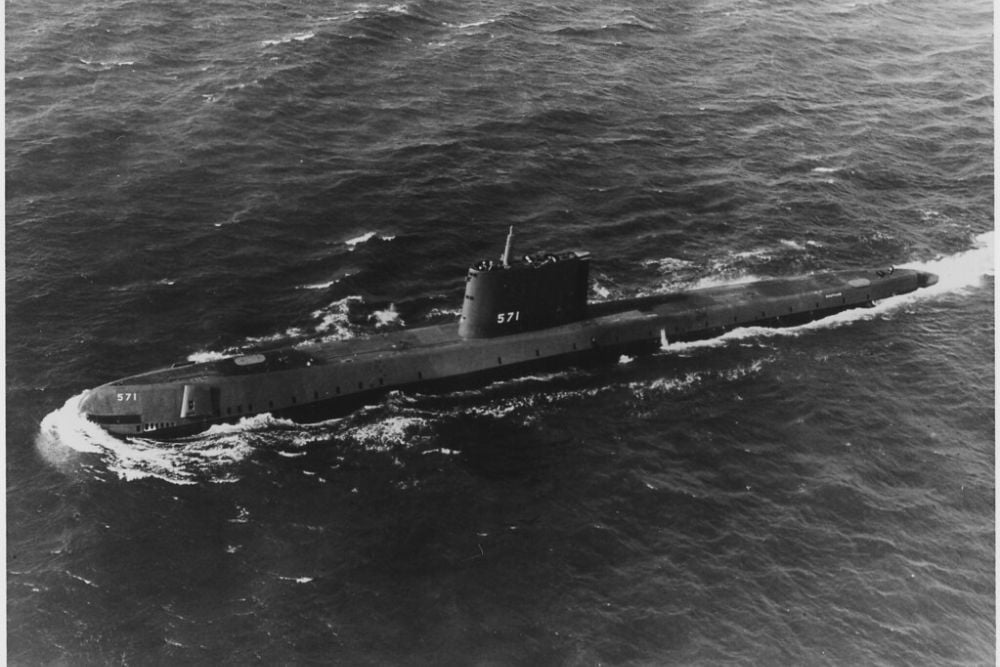
The first nuclear-powered submarine, USS Nautilus, put to sea in 1955. USS Nautilus marked the beginning of the transition of submarines from relatively slow and short-ranged conventional submarines to ones capable of sustaining 20–25 knots (37–46 km/h; 23–29 mph) submerged for weeks on end. This single vessel revolutionized naval warfare forever.
They Can Carry Special Operations Teams
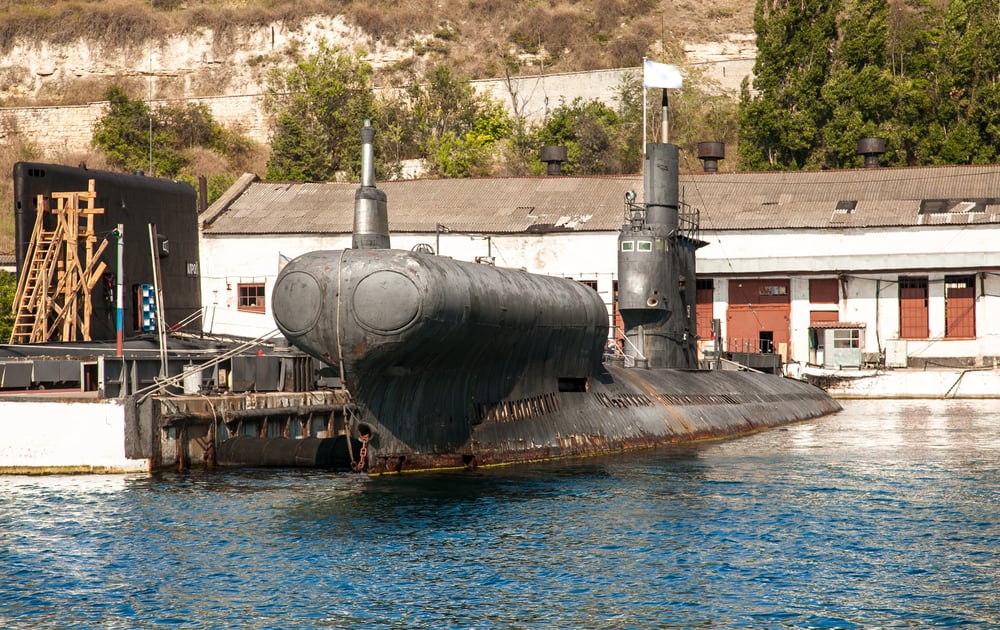
The boat will be able to host up to 66 special-operations sailors or Marines, such as Navy SEALs, or USMC MARSOC teams on modified Ohio-class submarines. These underwater insertion capabilities allow special forces to approach enemy coastlines completely undetected, making submarines valuable platforms for covert operations.
Submarine Reactors Use Highly Enriched Uranium
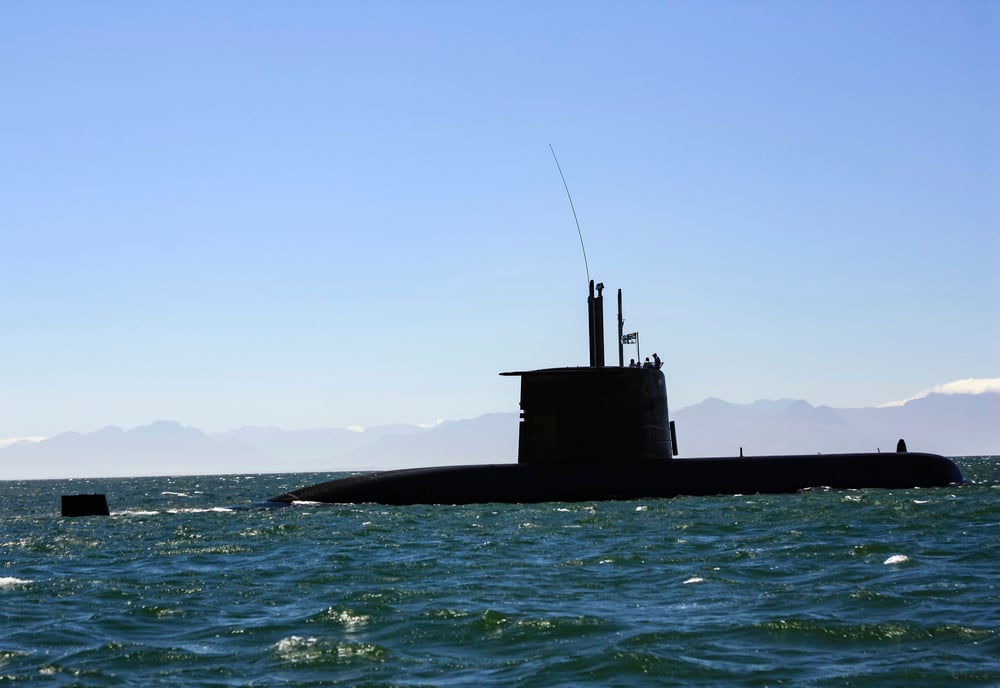
Others run on highly enriched uranium, varying from 20% 235U, to the over 96% 235U found in U.S. submarines, in which the resulting smaller core is quieter in operation. This highly enriched fuel allows the reactor core to be much smaller and quieter than civilian power plants, crucial advantages for a submarine that needs to remain undetected.
The Silent Service Continues to Evolve
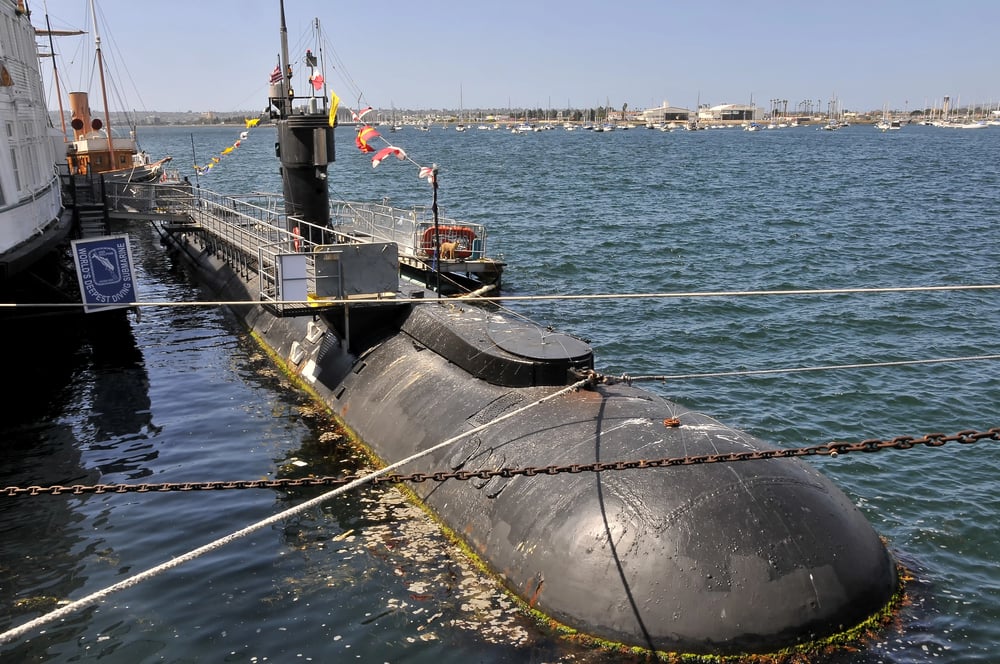
Today’s navy submarines represent the culmination of over a century of underwater innovation, from the hand-powered Turtle of the American Revolution to nuclear-powered behemoths that can circle the globe without surfacing. These remarkable machines continue pushing the boundaries of what’s possible beneath the waves, serving as both guardians of national security and marvels of human engineering.
As new classes like the Columbia and Virginia Block V enter service, submarines remain at the cutting edge of naval technology, proving that the ‘Silent Service’ will continue to play a vital role in maritime operations for generations to come.
More from Go2Tutors!

- The Romanov Crown Jewels and Their Tragic Fate
- 13 Historical Mysteries That Science Still Can’t Solve
- Famous Hoaxes That Fooled the World for Years
- 15 Child Stars with Tragic Adult Lives
- 16 Famous Jewelry Pieces in History
Like Go2Tutors’s content? Follow us on MSN.