31 Body Language Signals That Reveal More Than Words in Any Conversation
Most people walk away from a conversation remembering what was said. The better question is what was shown.
Researchers have catalogued nearly a million nonverbal cues in human communication, and the signals your body sends — without your permission, often without your awareness — tend to be a more accurate account of what you actually feel than anything you choose to put into words.
Learning to read these signals isn’t about becoming suspicious or turning every handshake into a personality assessment. It’s about paying closer attention to information that was always there.
The body almost never lies as fluently as the mouth can.
Feet Pointed Toward The Exit

When someone is ready to leave a conversation, their feet often telegraph the intention before their face does. Even while maintaining eye contact and nodding, a person whose feet have swivelled toward the door or away from you has already mentally checked out.
The lower body is harder to consciously control and tends to reveal genuine intent with startling accuracy.
Microexpressions That Flash And Disappear

Psychologist Paul Ekman identified microexpressions in the 1960s — involuntary facial movements that last less than a fifth of a second. They appear when someone is suppressing or concealing an emotion, and they carry the real reaction before the managed one takes over.
A flicker of contempt before a smile, or a brief tightening around the eyes before agreement, is the face telling the truth before the social performance kicks in.
Genuine Vs. Polite Smiling

A real smile — what researchers call a Duchenne smile — involves the orbicularis oculi muscle around the eyes, which causes the corners to crinkle. Polite or performative smiles tend to involve only the muscles around the mouth.
You can usually spot the difference in under a second, though most people process it unconsciously rather than analytically.
Self-Touching As Anxiety Management

When people touch their own face, neck, hair, or arms during conversation, they are often self-soothing. These gestures — called pacifying behaviours by former FBI body language expert Joe Navarro — increase significantly when someone feels stressed, uncertain, or uncomfortable.
A person who suddenly starts rubbing their neck while answering a question likely found that question more difficult than their verbal response suggested.
The Direction Of A Sideways Glance
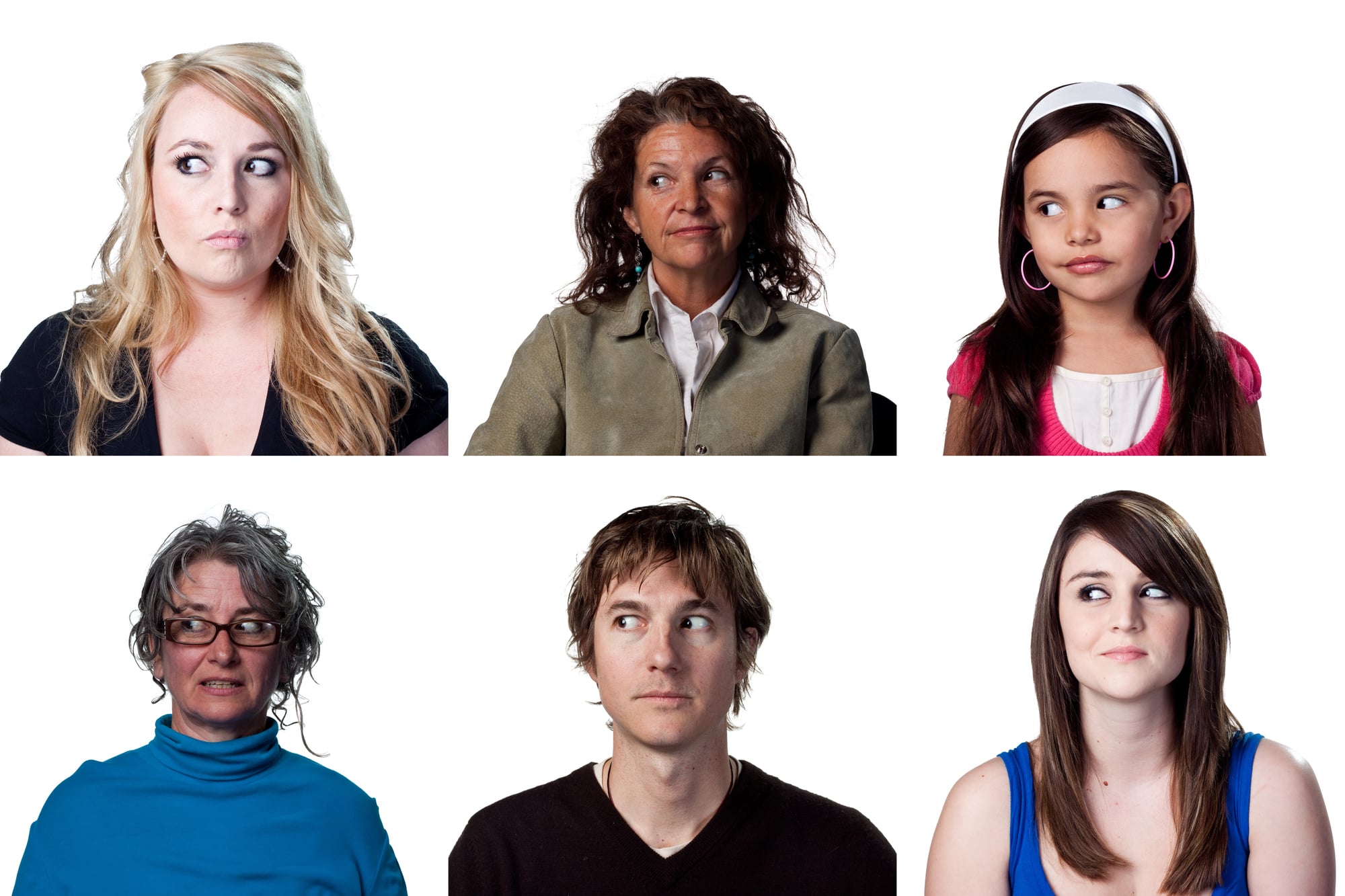
Where someone looks during a pause in conversation can indicate what kind of mental work they’re doing. Looking upward and to one side is associated with visual recall or imagination.
Looking down and to one side is often linked to accessing emotions or internal dialogue. These patterns are not universal and vary by individual, but tracking a person’s consistent gaze patterns during a conversation provides useful baseline data.
Mirroring As A Signal Of Connection

When two people are genuinely engaged with each other, they tend to unconsciously mirror each other’s posture, gestures, and even speech rhythm. It happens in close friendships, in successful negotiations, and between parents and infants.
If mirroring suddenly stops during a conversation — one person shifts away or stops matching the other’s energy — something has changed in the emotional dynamic.
Crossing The Arms Isn’t Always Defensiveness

The crossed-arms signal is probably the most over-interpreted gesture in popular body language lore. Sometimes it genuinely indicates emotional withdrawal or disagreement.
But it also appears when someone is cold, comfortable, or simply resting their arms. The key is to read it in context: arms that cross suddenly, in response to a specific statement, are more meaningful than arms that were already crossed when the conversation started.
Lip Compression Under Pressure
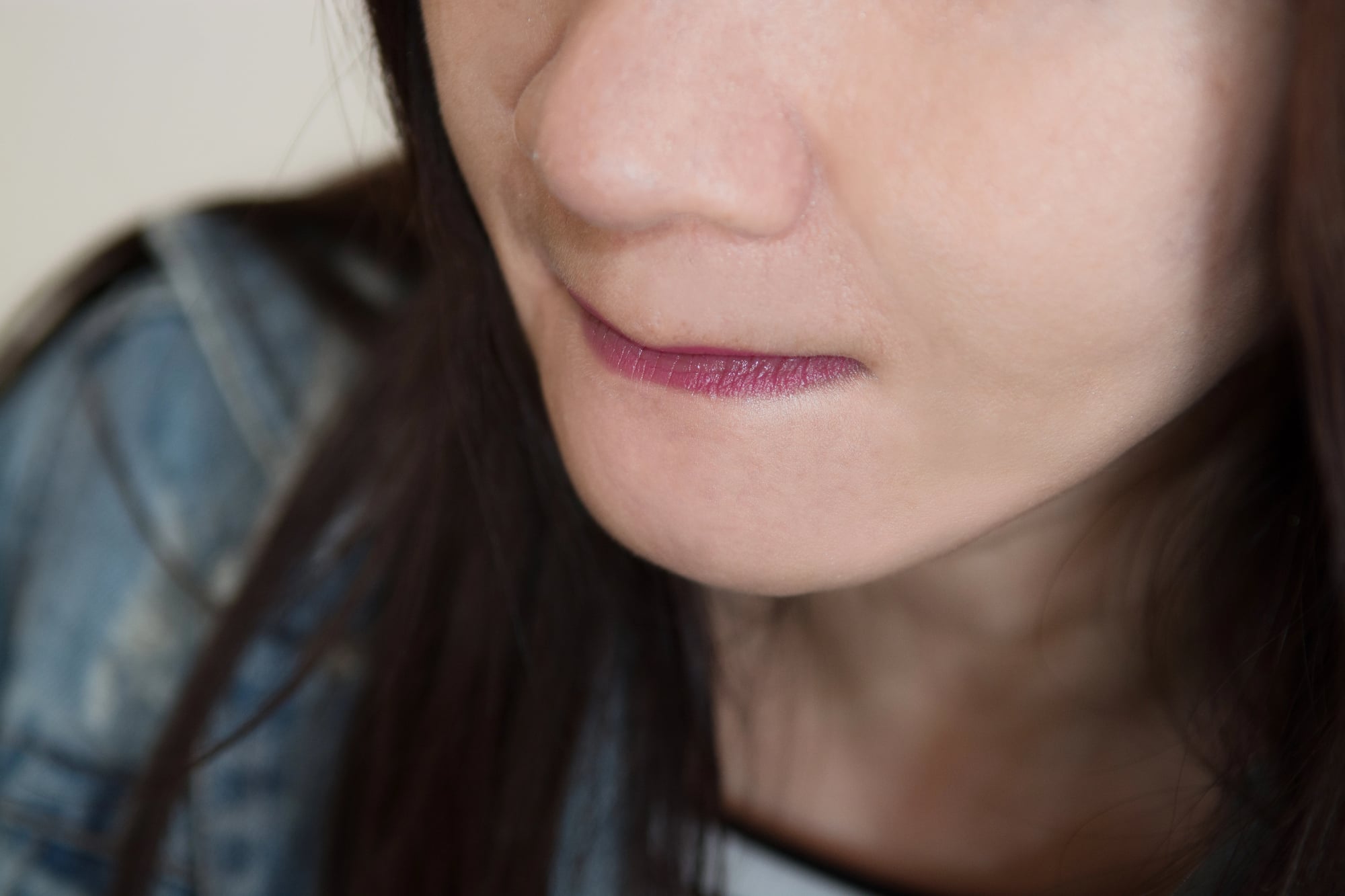
When people press their lips together tightly — compressing them to the point of disappearing — it typically signals stress, disagreement, or the active suppression of a response they have decided not to voice.
It’s a relatively reliable signal because it happens quickly and involuntarily. Watch for it when you’ve said something the other person didn’t want to hear but is too polite to challenge.
Blinking Rate Changes
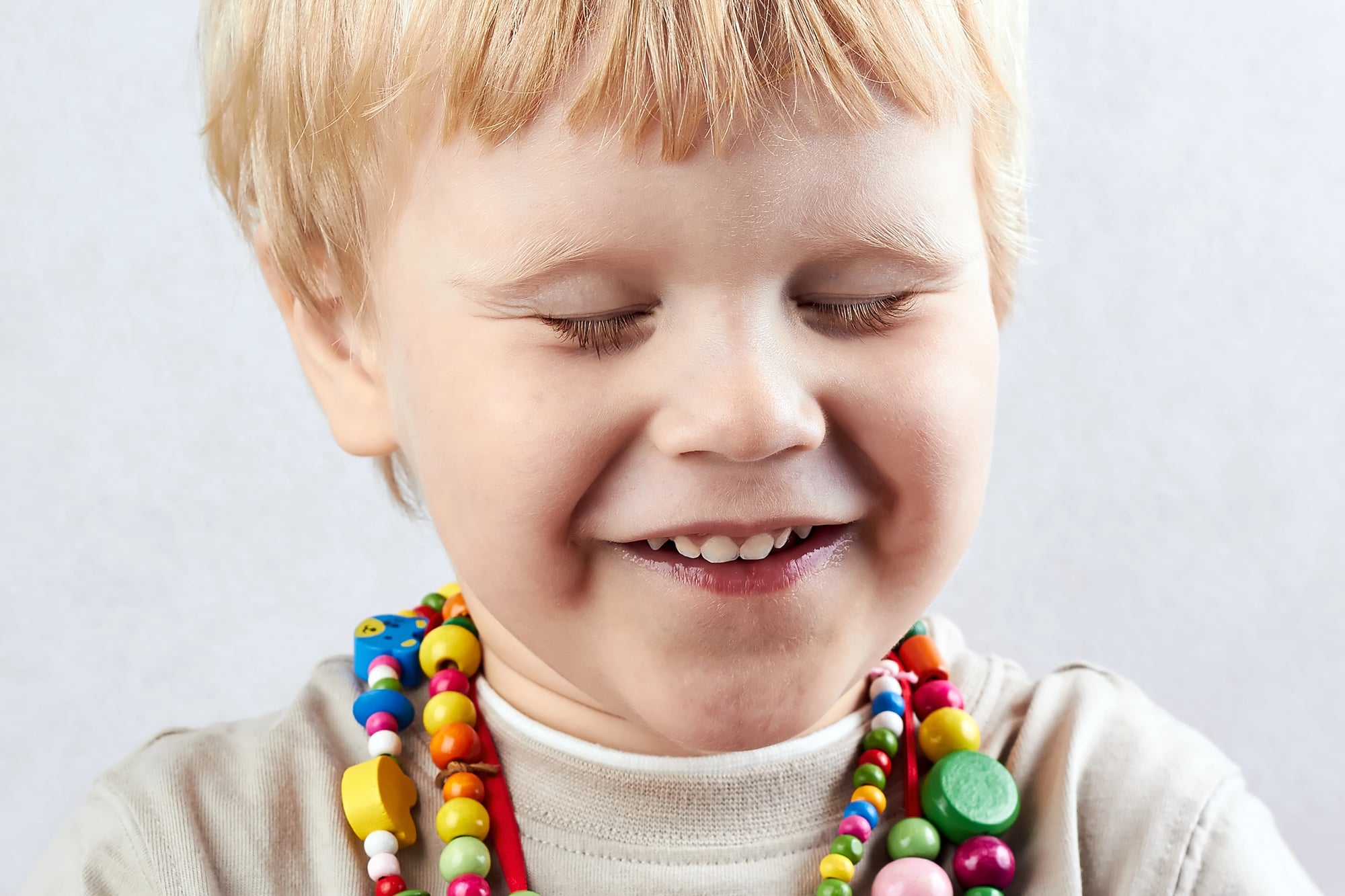
The average person blinks about fifteen to twenty times per minute in relaxed conversation. That rate tends to increase significantly when someone is lying, under pressure, or emotionally agitated.
It tends to decrease during intense concentration or deliberate focus. A sudden change in blink rate — rather than the rate itself — is what deserves attention.
Head Tilting As An Engagement Signal
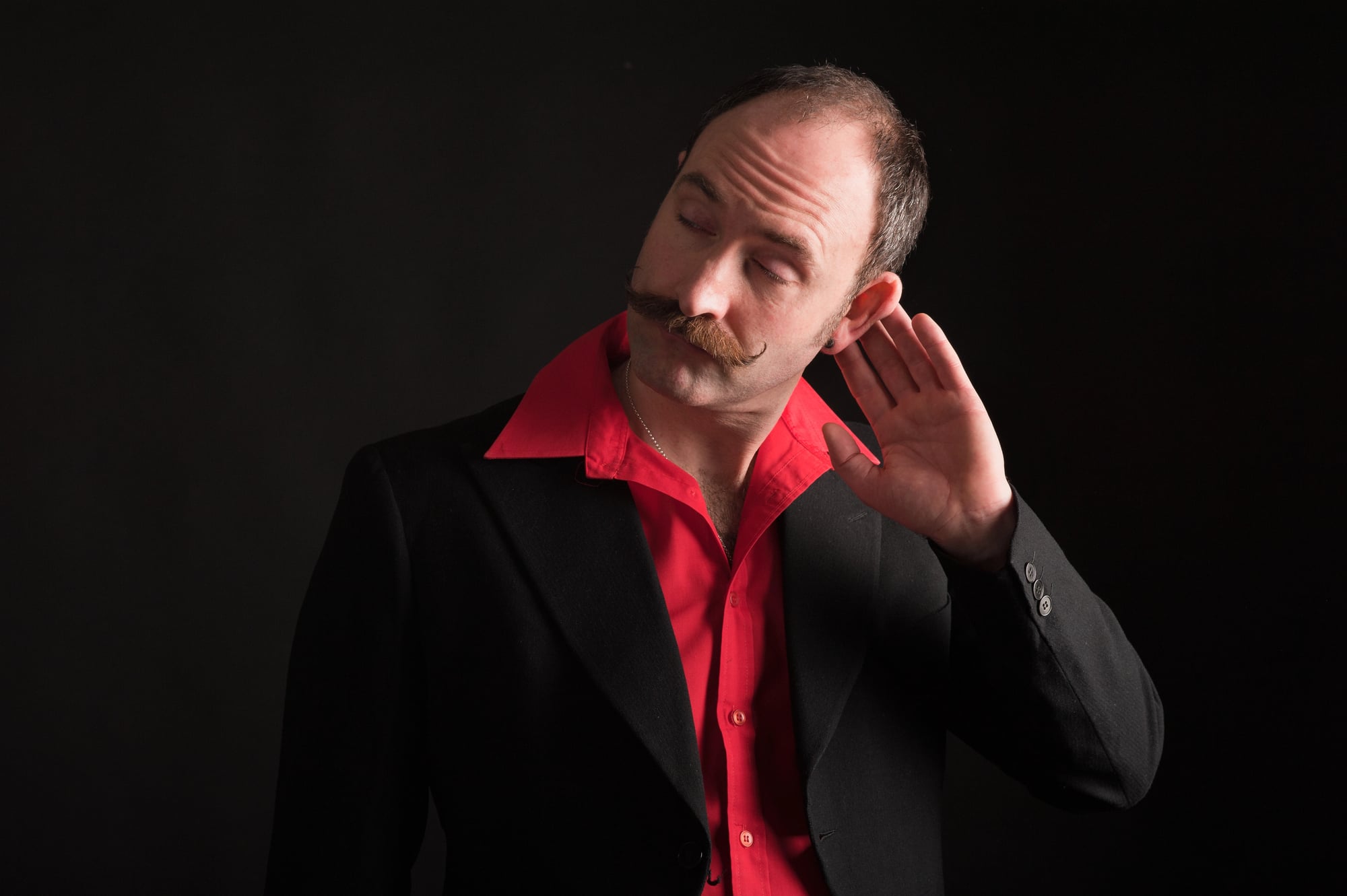
Tilting the head slightly to one side during conversation is a signal of genuine interest and attentiveness. It exposes the neck, which is a vulnerable area, making the gesture one of trust and openness.
When someone consistently keeps their head straight and level — especially in a social situation — it often signals guardedness or evaluation rather than warmth.
Eyebrow Raises And Flash Signals

In most cultures, a quick double eyebrow raise — sometimes called an eyebrow flash — is a greeting signal used between people who recognise each other and signal non-threat.
A single prolonged eyebrow raise, by contrast, typically signals scepticism or disbelief. The two look similar but mean nearly opposite things, and the speed of the movement is the differentiator.
Hands Hidden From View

When people conceal their hands by putting them in pockets, behind their back, or under a table, it can reduce how trustworthy they appear — even to people who are not consciously analysing the behaviour.
Evolutionary researchers suggest humans are hardwired to be mildly alert to hidden hands, since visibility of the hands is a basic safety signal.
Politicians and experienced speakers are often trained to keep their hands visible and open for exactly this reason.
Vocal Pitch Rising At Statement Ends
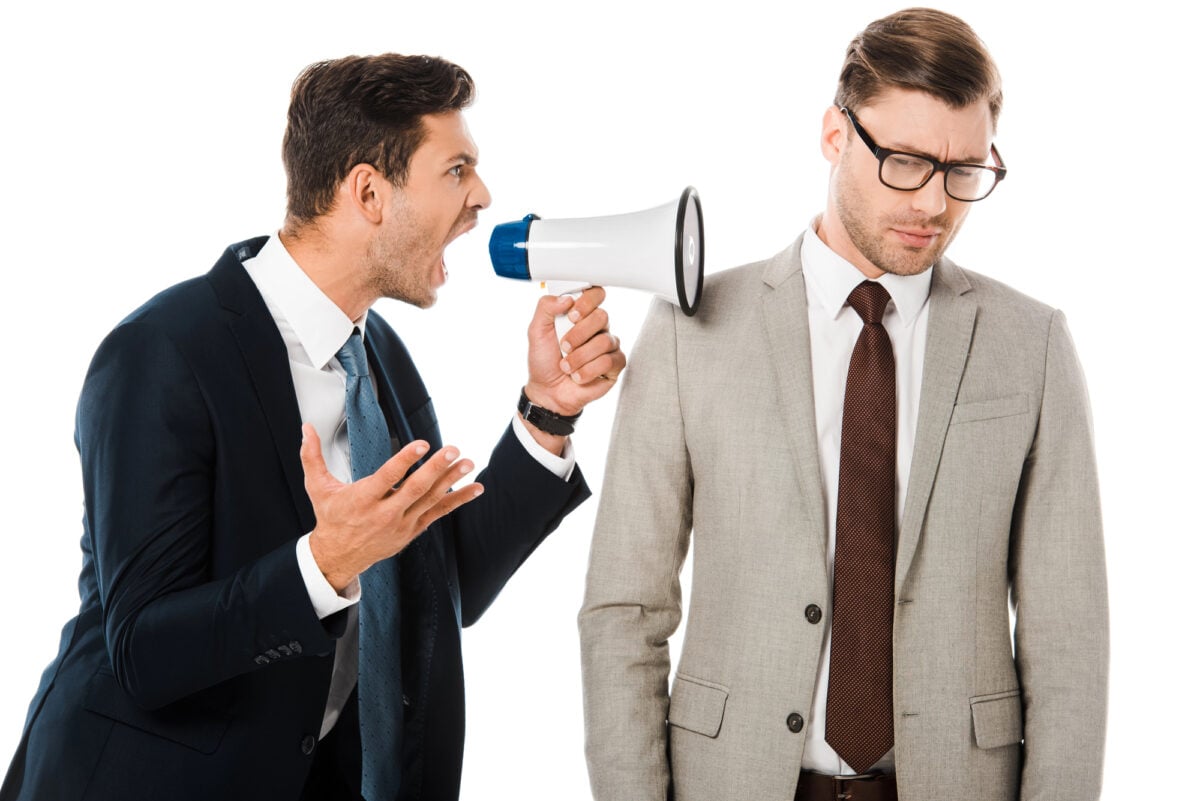
When someone raises the pitch of their voice at the end of a declarative sentence — a pattern associated with Australian and American speech, but not limited to them — it often signals uncertainty or a search for validation.
The speaker is saying something but asking, with their voice, whether you agree. It’s most noticeable when a person is reporting information they’re not fully confident in.
The Nose Wrinkle Of Disgust

A brief wrinkle of the nose, sometimes accompanied by a slight raise of the upper lip, is one of the most universal expressions of disgust across human cultures.
It appears not just in response to smells or foods but to ideas, propositions, and people. When it flashes during a conversation about a plan or a person, it’s worth noting — the person probably finds something about the situation deeply unpleasant, even if they’re nodding along.
Leaning In Versus Leaning Back

The direction someone leans during conversation is a consistent indicator of engagement and comfort. Leaning forward signals interest and involvement.
Leaning back can signal relaxation, evaluation, or disengagement depending on what else is happening in the body. A person who was leaning in and then suddenly leans back mid-conversation has usually just encountered something that made them want to create distance.
The Jaw Set
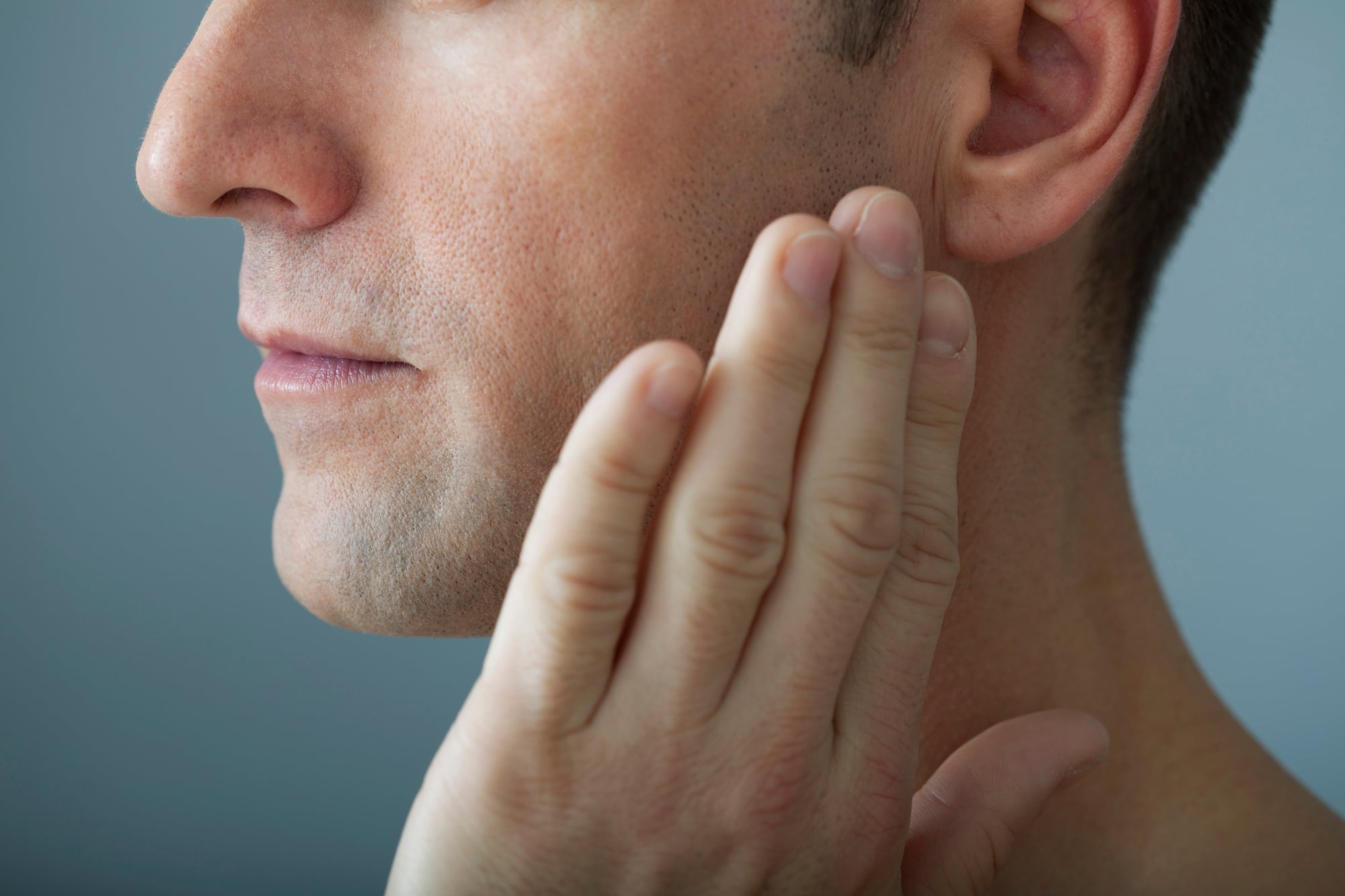
When the muscles along the jaw tighten visibly — the jaw setting or clenching — it usually signals tension, frustration, or suppressed emotion.
People often do this while maintaining a neutral or even pleasant expression on the rest of their face, which is why it’s one of the more useful signals to watch for in high-stakes situations like negotiations or conflict conversations.
Eye Contact Patterns And Their Limits

Sustained, unbroken eye contact isn’t the same as confident engagement — it can be a dominance display, a performance of sincerity, or a form of social intimidation.
Natural eye contact tends to break and return rhythmically during conversation. Someone who never breaks eye contact is often more carefully managing their impression than someone whose gaze moves naturally.
The frequency of return matters more than the duration of any single gaze.
Shoulder Shrugs Mid-Sentence

A shoulder shrug that occurs during — not after — a verbal statement is a significant signal. When someone says “I definitely did that” while giving a small shrug, the body is contradicting the certainty of the words.
It’s one of the cleaner examples of incongruence between verbal and nonverbal channels, and the body’s version is usually the more honest one.
Pupil Dilation
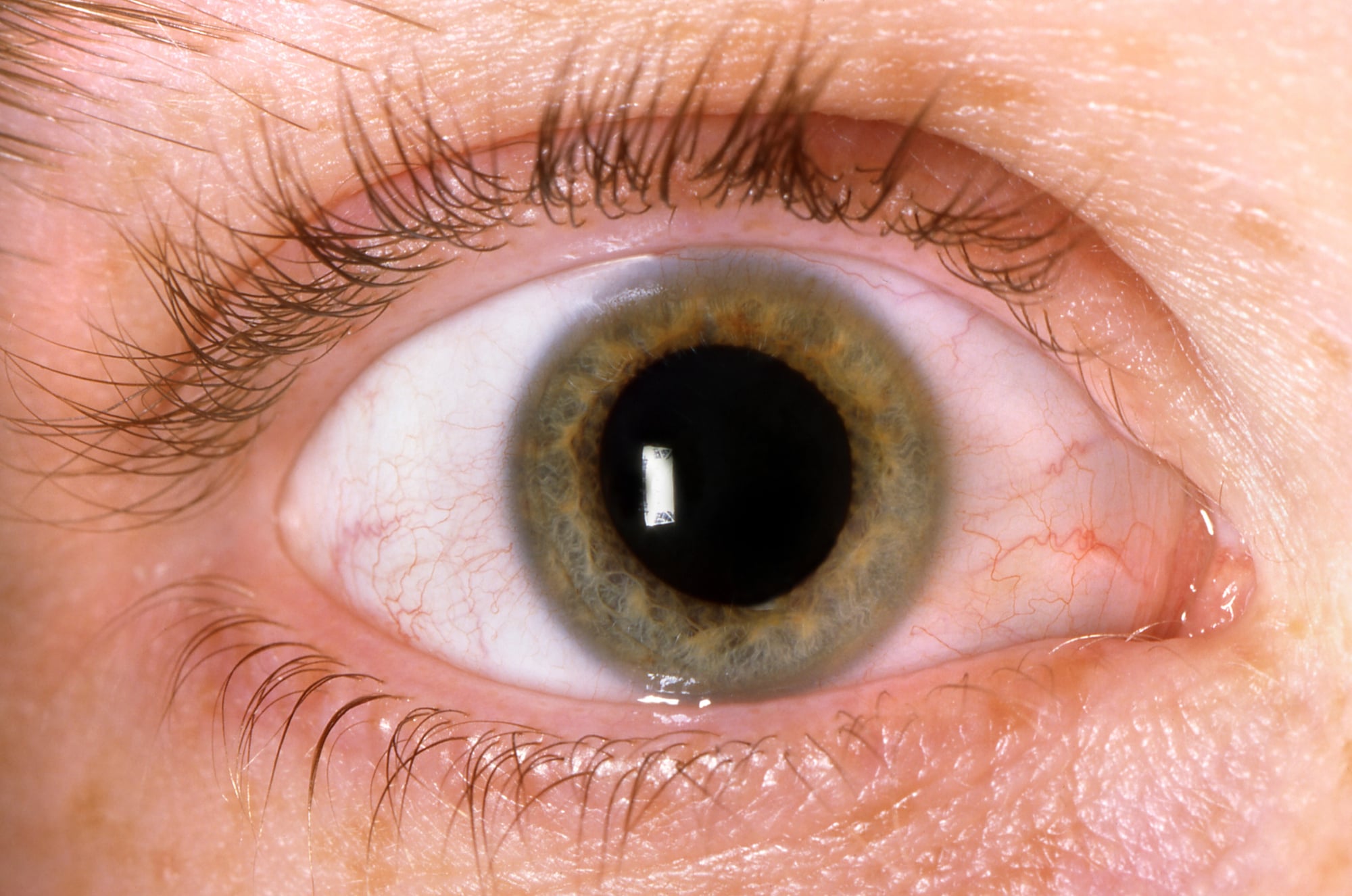
Pupils dilate in low light, but they also dilate when someone is emotionally aroused — by interest, attraction, excitement, or even fear.
The catch is that you need to be close enough to observe it, and you need to know the baseline pupil size for that person under normal conditions.
When the conditions are right, it’s one of the hardest signals to fake because it’s controlled by the autonomic nervous system.
Palm-Up Vs. Palm-Down Gestures

Open, palm-up hand gestures tend to be read as non-threatening, honest, and inviting. Palm-down gestures carry an air of authority and finality — they are the gestures of people who expect to be listened to.
Pointed-finger gestures tend to provoke defensiveness in the listener, even when the pointer is unaware of doing it.
Most skilled communicators gradually learn to keep their gestures open and palm-up without being taught why.
The Speed Of Nodding

Slow nodding during conversation usually signals genuine understanding and engagement. Rapid nodding — the kind that looks like impatient telegraphing — more often signals that the listener wants the speaker to finish, or that they’ve already made up their mind and are no longer genuinely processing what’s being said.
The rhythmic, unhurried nod is an invitation to continue. The quick flurry of nods is more of a polite dismissal.
Steepled Fingers

Bringing the fingertips of both hands together in a peak — the so-called steeple — is consistently associated with confidence and authority.
It tends to appear when people are highly confident in what they’re saying or about to say. It’s one of the few gestures that research suggests is read fairly consistently across cultures, and it signals that the person believes they hold the stronger position in the conversation.
Fidgeting With Objects

When someone who was sitting still begins to fidget with a pen, ring, or phone during a particular point in conversation, the timing of that shift matters.
The fidget itself is a pacifying behaviour, releasing nervous energy. The object becomes a kind of physical anchor when the conversational ground feels unsteady.
What the fidgeting rarely signals is boredom — genuine boredom usually looks like reduced movement, not increased activity.
Eye Blocking
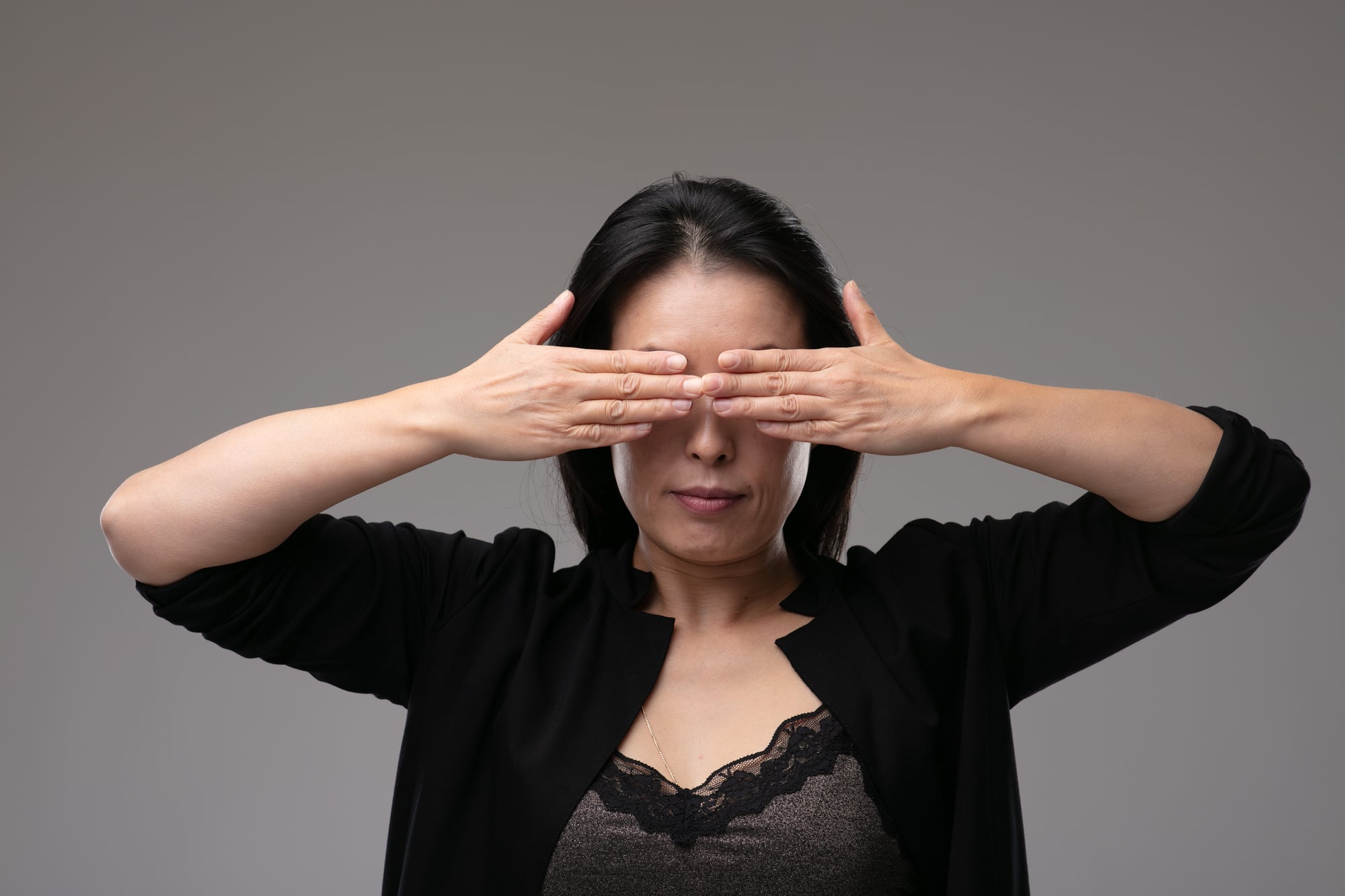
Closing or partially covering the eyes — including extended blinks, a hand covering the brow, or a downward gaze — often signals discomfort with information just received.
The body is literally trying to block out the input. It appears in poker players who’ve seen a bad card, in people who’ve heard unwelcome news, and in negotiators who’ve just had a proposal countered in a way they hadn’t anticipated.
Postural Collapse

A reduction in physical stature — shoulders rounding, spine curving, head dropping — is a reliable signal of low confidence, discouragement, or submission.
It appears not just in people who feel defeated but in people who are genuinely uncertain about their standing in a situation. High-power postures expand the body.
Low-power postures compress it. The shift happens involuntarily and is one of the most visceral signals of internal state available to an observer.
Touching The Throat Or Collar

Reaching for the throat area — adjusting a collar, touching the neck — is a classic pacifying and self-protective gesture.
Women often touch a small area at the base of the throat. Men more often grasp or massage the side of the neck.
Both versions signal that the person is under stress or discomfort. The gesture tends to become more pronounced in proportion to the perceived threat of the situation.
The Freeze Response

When people are confronted with something threatening — a difficult question, an accusation, a piece of unwelcome information — one common response is a brief freeze.
Movement stops, breathing may slow, and the person becomes very still for a moment. It’s a vestigial flight-or-fight precursor, a moment of threat assessment.
Noticing when someone freezes in response to a specific question, and then relaxes a moment later, is more informative than anything they say next.
Breaking Eye Contact Downward Vs. To The Side

When eye contact breaks downward — toward the floor — it typically signals submission, shame, or deep discomfort.
When it breaks to the side, it tends to indicate thinking or distraction. The distinction is subtle but consistent enough to be worth tracking across a full conversation.
Someone who repeatedly breaks downward is not simply distracted — they are experiencing something heavier than that.
The Social Touch Gauge

Where and how people choose to touch during conversation reveals a great deal about the relationship they believe they have with you.
A touch on the forearm typically signals warmth and engagement. A touch on the back or shoulder signals more confidence in the relationship.
An unsolicited touch on the hand can signal control or dominance, depending on context. Noting where someone chooses to make contact — or conspicuously avoids it — sketches the relationship dynamic without a word being said.
Breathing Patterns

Rapid, shallow breathing signals anxiety or elevated arousal. Slow, deep breathing during conversation often accompanies dominance and confidence — the body is relaxed even under pressure.
When someone’s breathing becomes noticeably faster partway through a conversation, something in what was just said has activated their stress response.
It’s one of the signals that most people completely overlook, and one of the most reliable.
The Cluster Rule

No single body language signal is definitive. A crossed arm could mean anything.
A lip compression on its own could be the result of dry skin. What makes nonverbal reading reliable is clusters — multiple signals pointing in the same direction at the same time.
Two or three consistent signals appearing together, particularly when they shift in response to specific words or questions, carry real interpretive weight.
A single gesture is a clue. A cluster is an argument.
When The Body Stops Performing

The most important moment in any conversation is often the one just after someone thinks the interaction has ended — when they believe they’re no longer being evaluated and let the social mask slip.
The micro-moment after a handshake, when the face is already looking away. The shift in posture as someone turns to walk out of a meeting room.
The exhale that happens before the door has fully closed. These are the moments when the body stops performing and simply tells the truth, unedited and un-managed, to no one in particular.
There is a reason skilled interrogators, therapists, and experienced executives pay such close attention to these signals.
They’re not trying to catch people out. They’re trying to hear the part of the conversation that words were never going to carry.
More from Go2Tutors!

- The Romanov Crown Jewels and Their Tragic Fate
- 13 Historical Mysteries That Science Still Can’t Solve
- Famous Hoaxes That Fooled the World for Years
- 15 Child Stars with Tragic Adult Lives
- 16 Famous Jewelry Pieces in History
Like Go2Tutors’s content? Follow us on MSN.