16 Famous People Who Lived Secret Double Lives For Decades
The world loves a good secret. We’re fascinated by the idea that someone could walk among us, appearing to be one thing while hiding something completely different underneath.
But when that someone is famous — watched by millions, scrutinized by the press, analyzed by biographers — the stakes become exponentially higher. The effort required to maintain a facade becomes monumental.
History is filled with celebrities, politicians, writers, and public figures who managed to keep their true selves hidden for years or even decades. Some were protecting their careers, others their families.
Some were hiding criminal activities, while others were simply living in a time when being authentic could destroy everything they’d worked for. These are their stories.
Rock Hudson
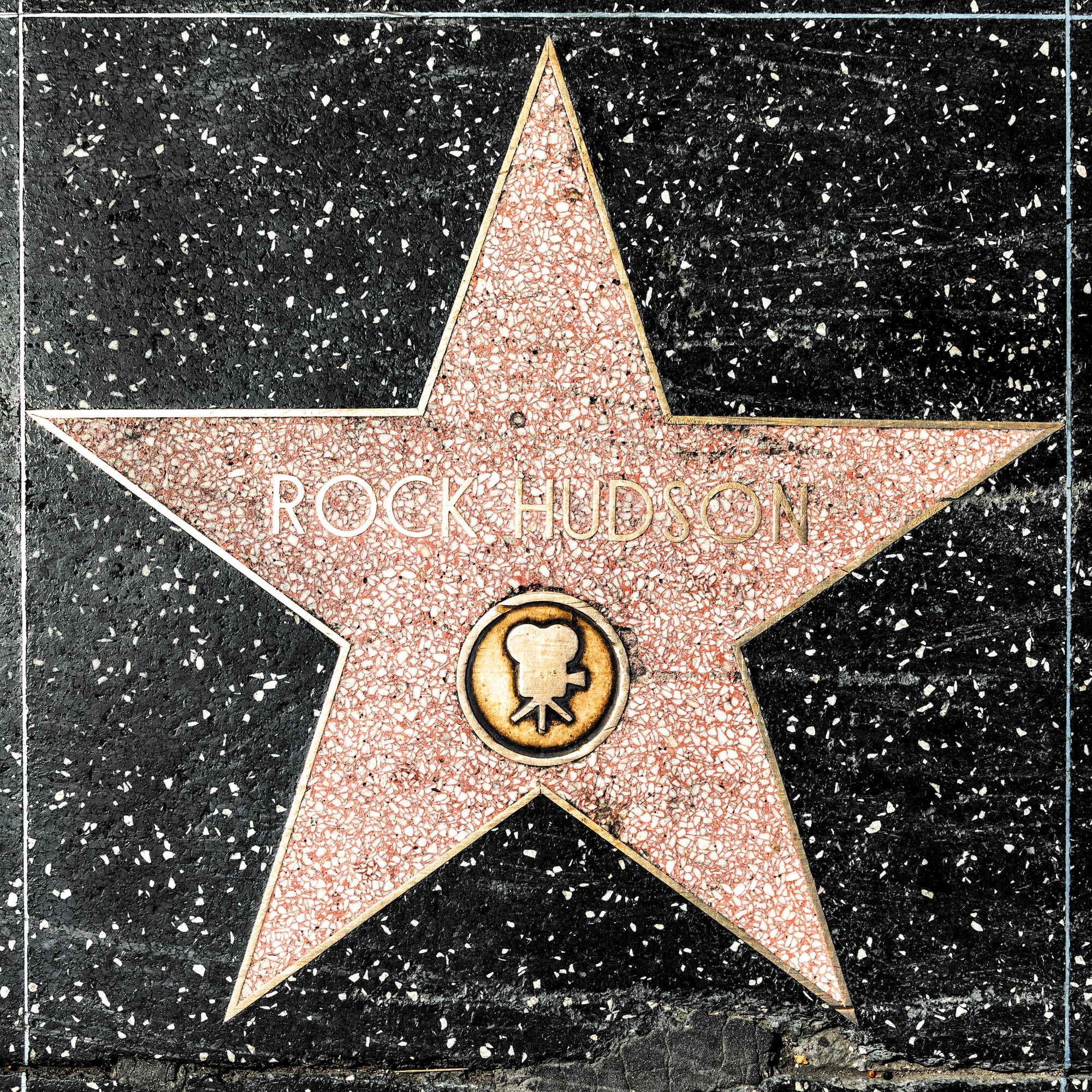
Hollywood’s golden boy spent three decades convincing the world he was the perfect leading man. Studio executives manufactured fake romances and photo opportunities with starlets.
Hudson played along with every charade, knowing his career depended on it. The reality was different.
Hudson was gay in an era when that revelation would have ended everything. He married his agent’s secretary in 1955 to quiet rumors, then divorced her three years later.
The secret held until 1985, when AIDS forced the truth into the open.
J. Edgar Hoover

(For almost five decades, Hoover presented himself as the ultimate law enforcement professional — the man who built the FBI into America’s premier investigative agency.) But behind the public image of moral authority lived someone far more complex, and the contradictions ran deeper than anyone suspected at the time.
His private life, which he guarded with the same intensity he brought to national security, included a relationship with associate director Clyde Tolson that lasted until Hoover’s death in 1972 — and yet this same man spent years investigating and harassing people for the very lifestyle he may have been living himself. So here was the head of the nation’s top law enforcement agency: publicly condemning what he privately practiced.
The irony cuts sharp when you consider how much energy he spent building files on others while keeping his own life locked away. And the most unsettling part?
He was remarkably good at it.
Cary Grant
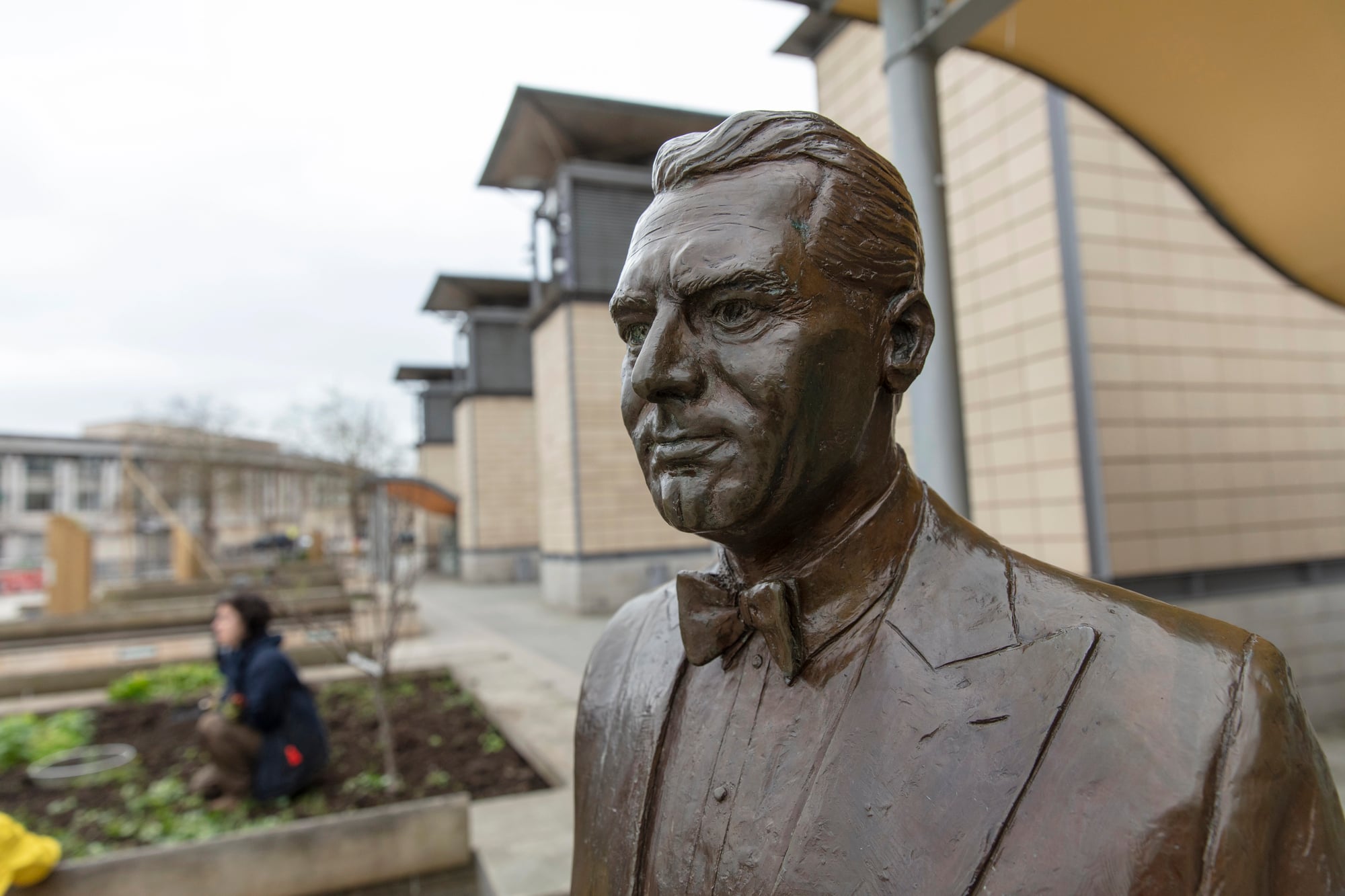
There’s something almost theatrical about the way Grant constructed his public persona, as if he understood that being Cary Grant was a performance that never ended. The accent, the mannerisms, the effortless sophistication — all of it carefully crafted to hide Archie Leach, a working-class kid from Bristol who’d run away to join the circus at fourteen.
But the real secret wasn’t just his humble origins. Grant spent years exploring his identity through LSD therapy sessions with a Beverly Hills psychiatrist, trying to reconcile who he was with who the world needed him to be.
The man who epitomized masculine charm was questioning everything about himself while cameras rolled and audiences swooned.
Liberace
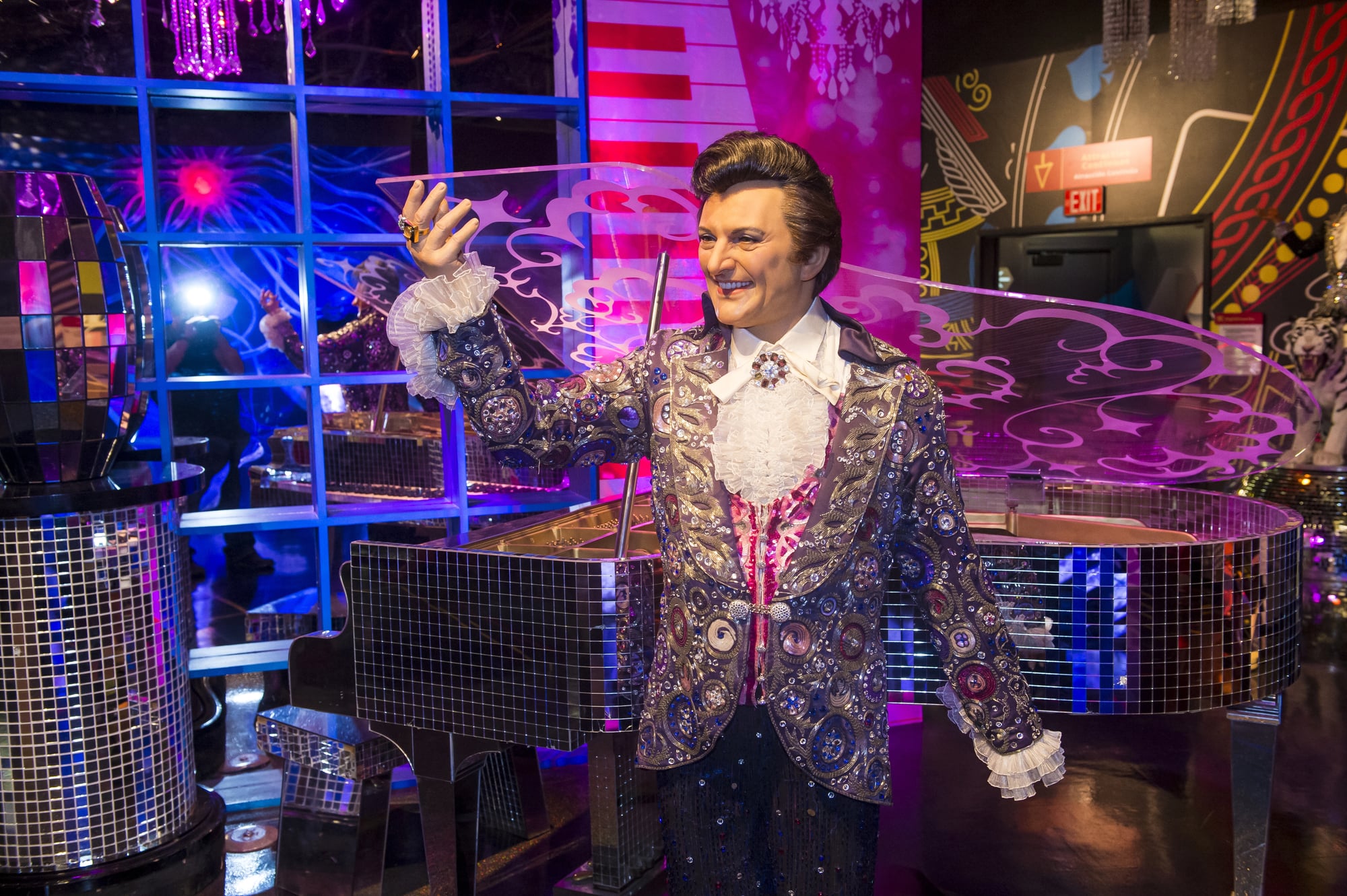
The man knew exactly what he was doing. Every rhinestone, every candelabra, every over-the-top costume was calculated showmanship.
When critics suggested his performances were too flamboyant, Liberace famously said he “cried all the way to the bank.” The joke had layers most people missed.
For forty years, Liberace maintained that his extravagant style was just entertainment. He sued a British newspaper for implying he was gay and won.
He dated women publicly and spoke about wanting marriage and children. The performance was so convincing that even some close friends believed it.
Only after his death in 1987 did the truth become undeniable.
Eleanor Roosevelt
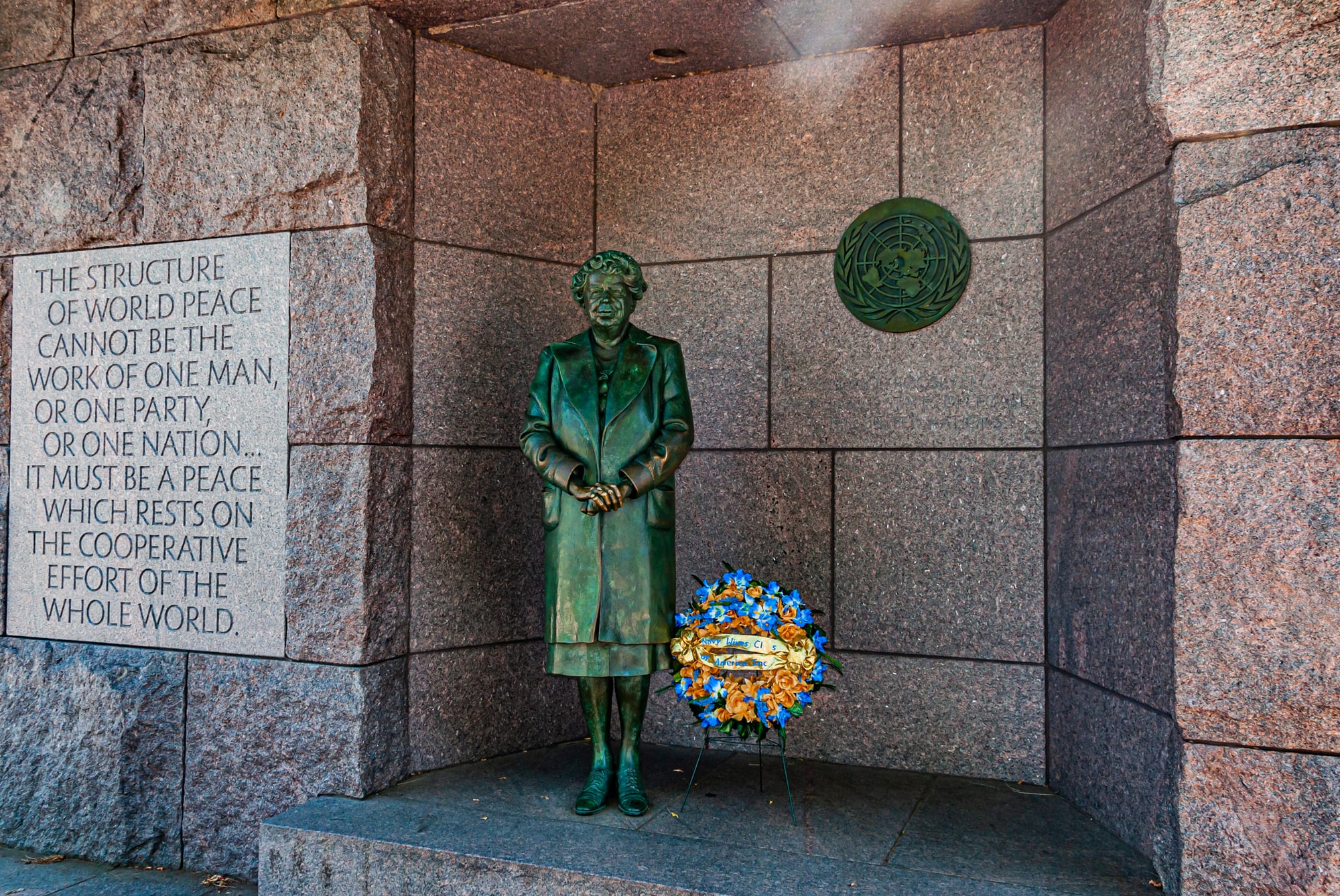
Roosevelt transformed the role of First Lady while carefully maintaining the image of a devoted wife. She championed civil rights, wrote newspaper columns, and became one of the most influential women in American politics.
The public saw a partnership between Franklin and Eleanor that defined progressive leadership. Behind the scenes, both Roosevelts had found love elsewhere.
Eleanor’s relationship with journalist Lorena Hickok lasted decades, documented in thousands of intimate letters that weren’t fully revealed until years later. She managed to be both a groundbreaking public figure and a woman protecting the most private parts of her heart.
Montgomery Clift
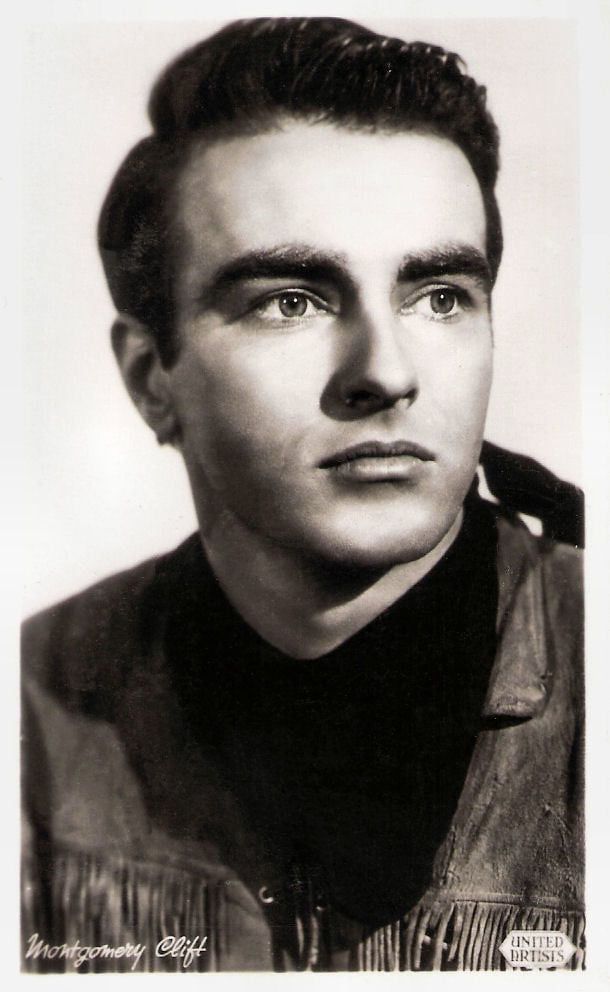
Clift represented a new kind of masculinity in Hollywood — sensitive, introspective, vulnerable. (His performances in films like “A Place in the Sun” and “From Here to Eternity” suggested an actor who understood pain from the inside out, which makes perfect sense when you consider what he was hiding.)
The intensity that made him one of the finest actors of his generation came partly from the exhausting work of concealment — being gay in an industry that demanded heterosexual leading men, struggling with addiction while maintaining his reputation as a serious artist, and dealing with chronic pain from a car accident that left him dependent on alcohol and prescription drugs to function. And yet somehow he kept working, kept delivering performances that felt raw and honest even as his personal life grew more fractured.
The man who could bare his soul on screen spent his off-camera hours making sure nobody saw too much.
Josephine Baker
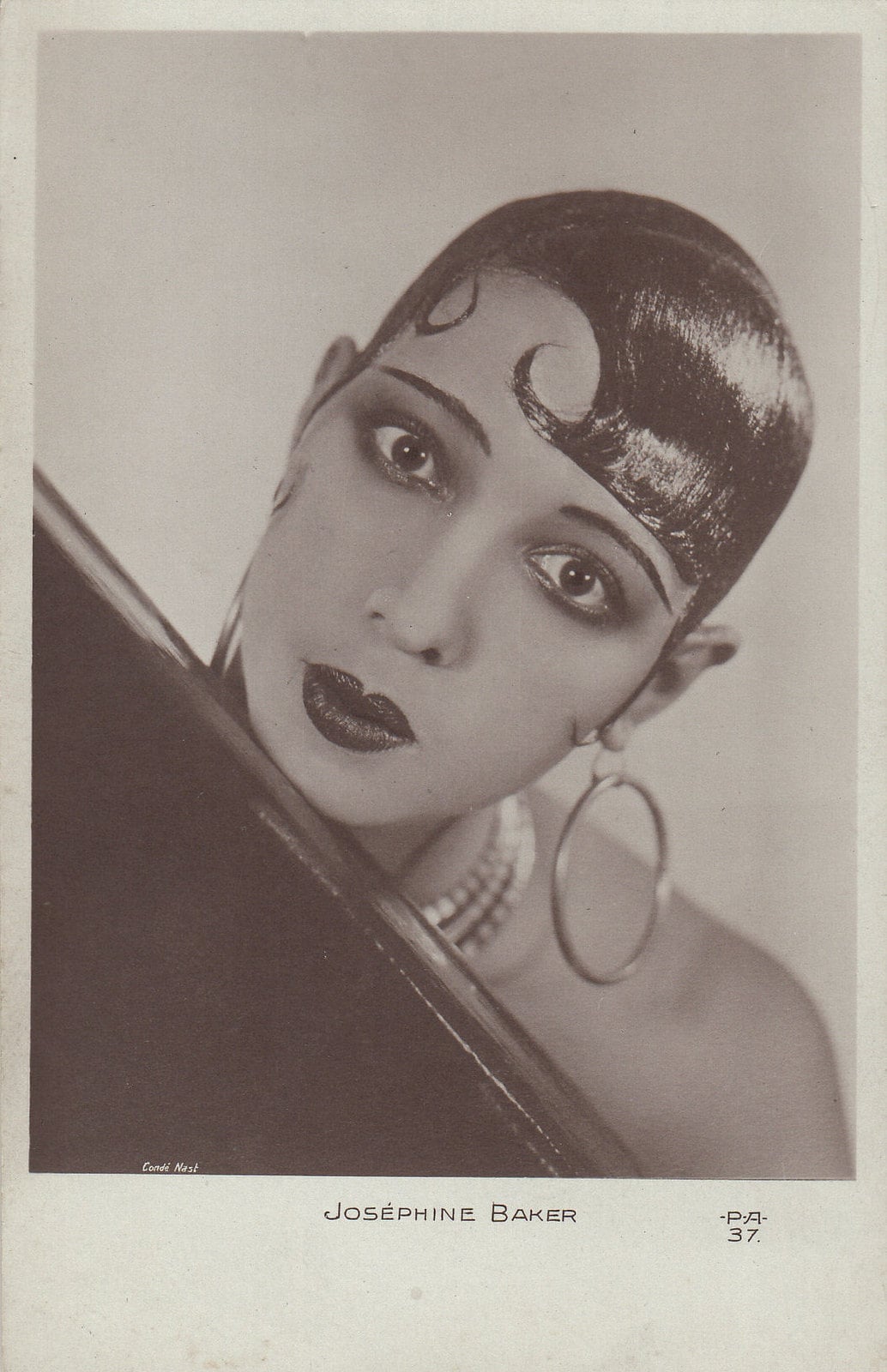
Baker became an international sensation by embracing everything America wouldn’t let her be. In Paris, she was celebrated as an exotic performer and fashion icon.
The world saw a glamorous entertainer who’d found freedom in Europe, dancing in banana skirts and living without the racial restrictions that defined American life. The reality was more complex.
Baker spent World War II working as a spy for the French Resistance, using her celebrity status to gather intelligence at parties and social events. She smuggled information written in invisible ink on her sheet music and used her touring as cover for resistance activities.
The woman the world knew as a carefree performer was risking her life for the war effort.
James Dean
Dean died at twenty-four with only three major films to his name, but the legend that formed around him was built on more than just talent and early death. (The image of the rebellious loner spoke to a generation of young people who felt misunderstood — but the real rebellion was one Dean couldn’t express publicly.)
His relationships with both men and women were carefully managed by studio publicists who understood that his career depended on maintaining the right kind of mystique, the kind that suggested danger without threatening the mainstream audience’s comfort level. So the man who became the symbol of youthful authenticity spent his brief career hiding the most authentic parts of himself.
The irony would be almost funny if it weren’t so tragic.
Marlene Dietrich
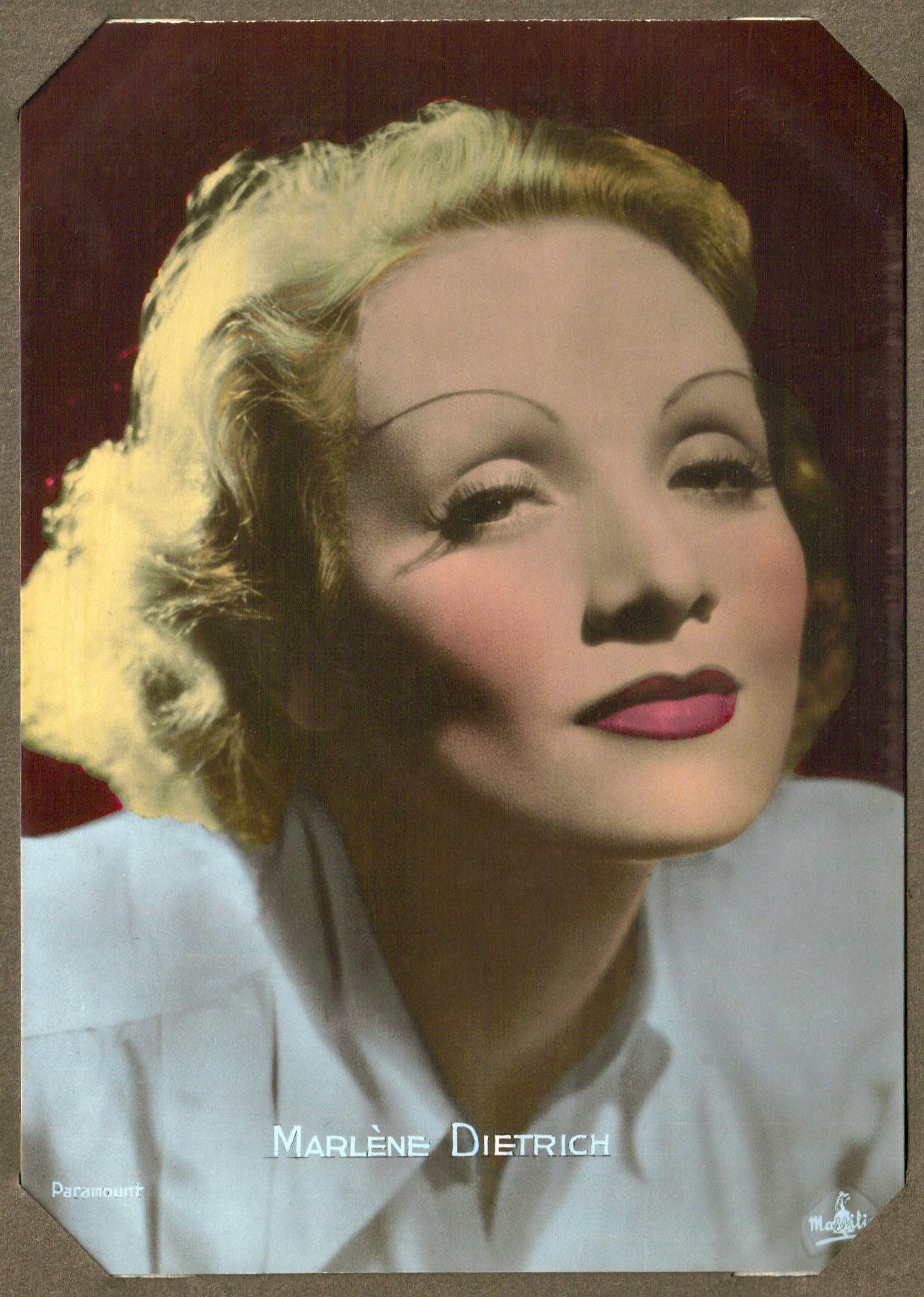
Dietrich understood something about performance that went beyond acting. She created a persona that was both magnetic and untouchable, someone who could wear a tuxedo as naturally as an evening gown and make both look like the most natural thing in the world.
Audiences were drawn to her confidence, her refusal to fit into expected categories. What they didn’t know was how deliberately she was challenging those categories in her private life as well.
Dietrich had relationships with both men and women throughout her career, including affairs with co-stars like Gary Cooper and Jean Gabin, alongside relationships with women that were kept strictly private. She was living the kind of fluid personal life that wouldn’t become socially acceptable for decades.
Anthony Perkins
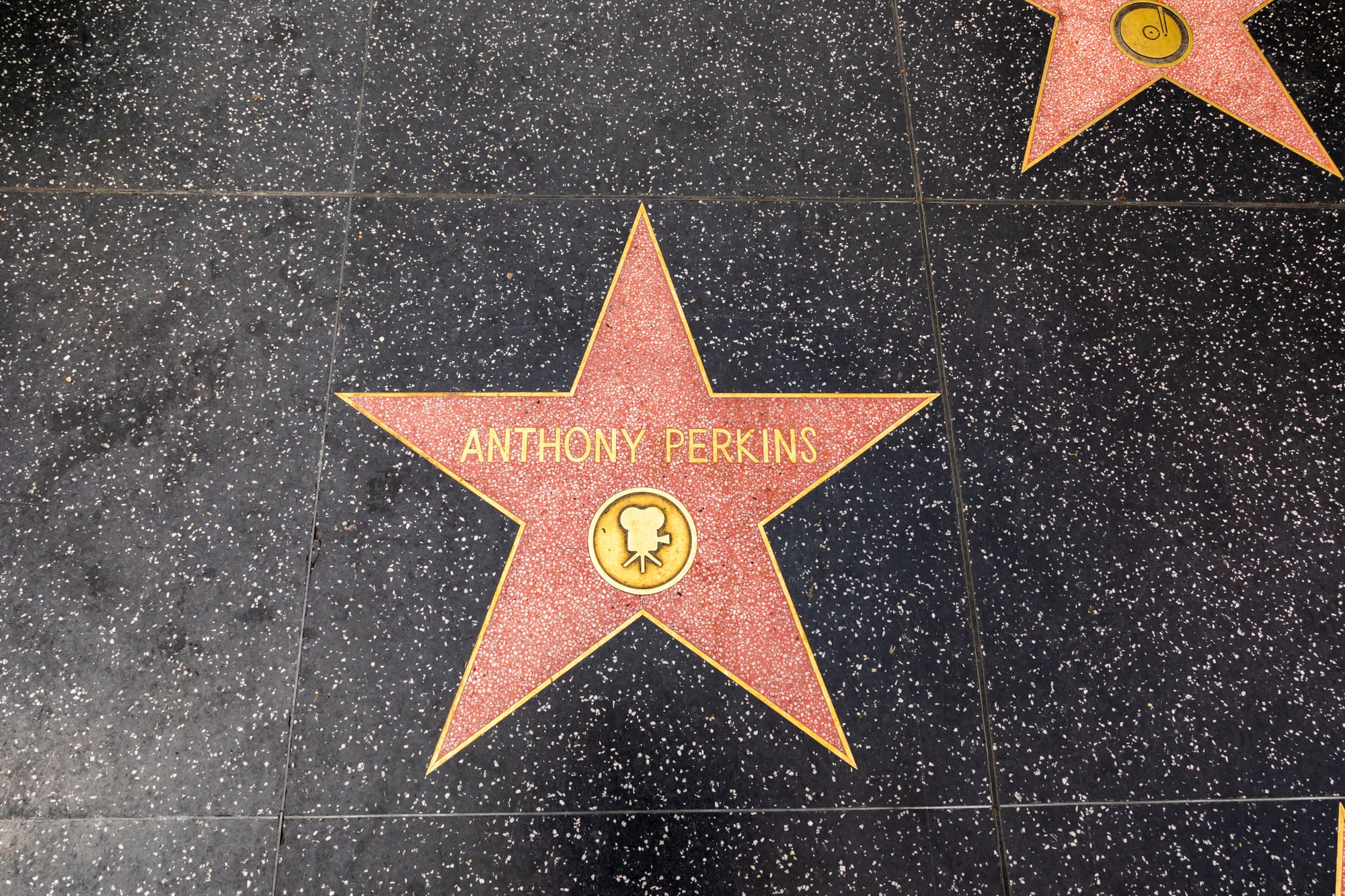
Perkins spent his career being typecast as the nervous, intense young man. After “Psycho,” the association with Norman Bates followed him everywhere.
He seemed uncomfortable in interviews, fidgety and self-conscious in a way that audiences read as artistic sensitivity. The discomfort was real, but not for the reasons people assumed.
Perkins was gay in an era when that knowledge would have destroyed his leading-man career. He underwent conversion therapy, married photographer Berry Berenson, and had two children.
The family appeared happy in public, and Perkins maintained the facade until his death from AIDS in 1992. Only then did the full scope of his struggle become clear.
Tab Hunter
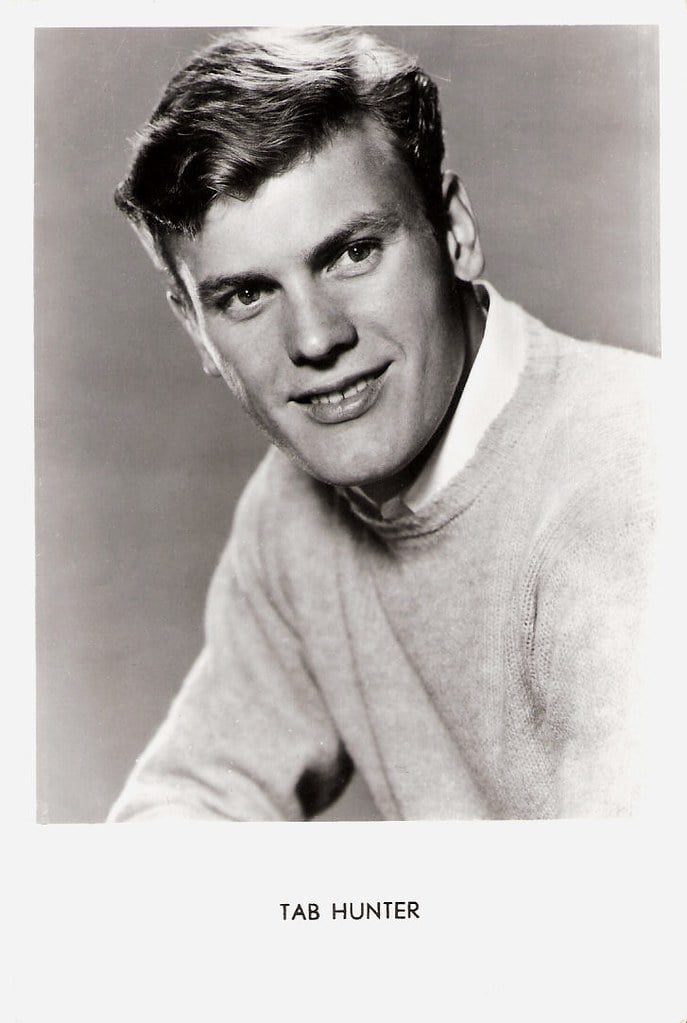
Hunter was manufactured by Hollywood to be the perfect 1950s heartthrob — blonde, wholesome, safe enough for teenage girls to hang on their bedroom walls. (The studio system that created his image was remarkably efficient: they changed his name from Arthur Gelien, gave him acting lessons, and carefully orchestrated every public appearance to maintain the fantasy.)
But the whole construction was built on a lie that required constant maintenance — fake dates with starlets, manufactured romances for fan magazines, and a personal life kept so private that even close friends didn’t know the truth. And the strangest part is how well it worked, for decades.
Hunter appeared in teen magazines, dated actresses publicly, and convinced an entire generation that the image was real. The performance was so thorough that when he finally came out in 2005, some people were genuinely surprised.
Paul Lynde
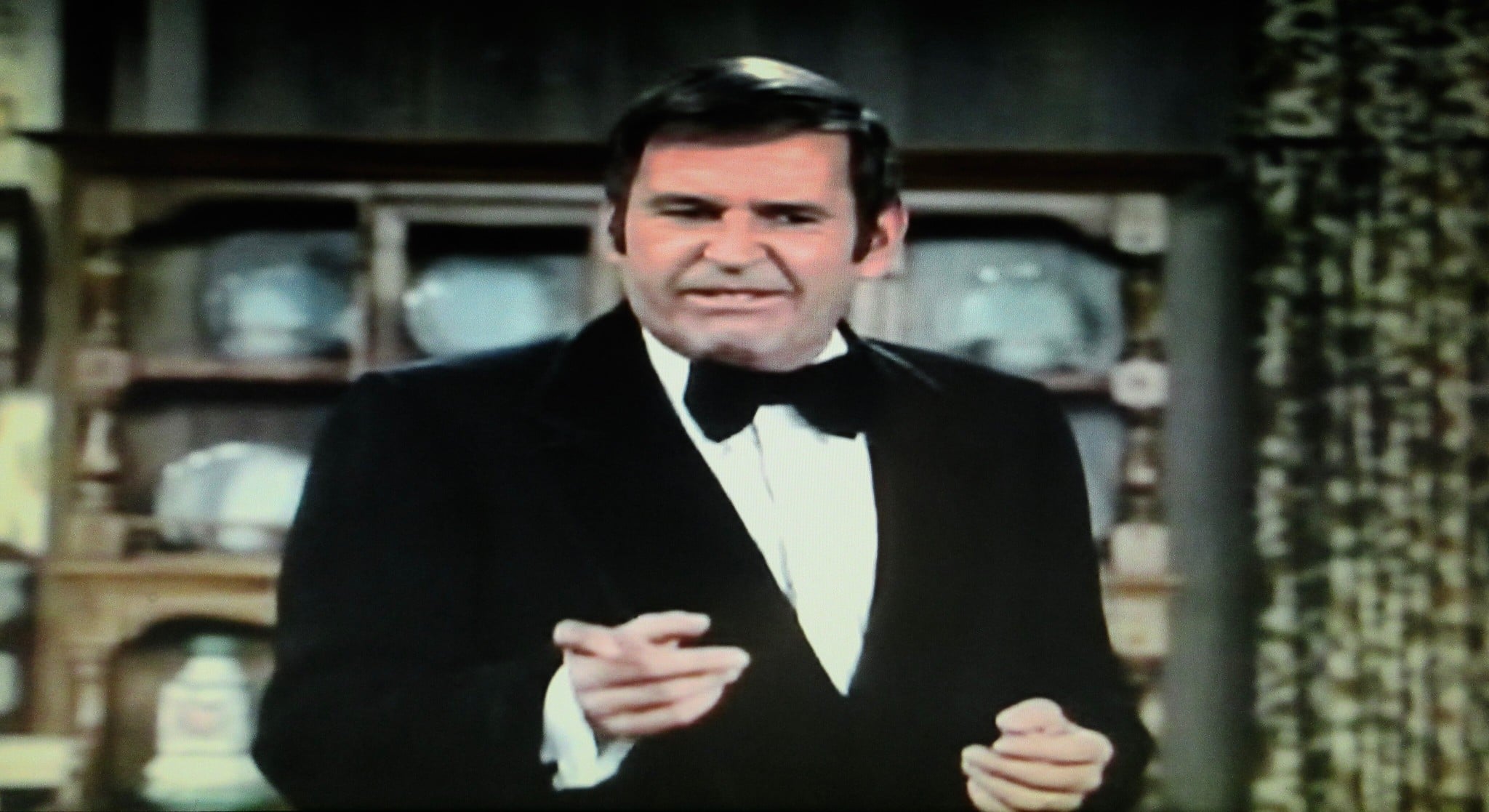
Lynde made a career out of being the wisecracking sidekick. His spot as the center square on “Hollywood Squares” made him a household name, known for quick wit and perfectly timed double entendres that walked right up to the line without crossing it.
The humor often had an edge of sadness that audiences didn’t fully understand. Lynde was gay in an era when comedy was one of the few places where gender nonconformity could hide in plain sight.
His jokes about being single, his theatrical mannerisms, his self-deprecating comments — all of it was coded communication with an audience that wasn’t ready for the direct truth. The laughter covered decades of isolation.
Greta Garbo
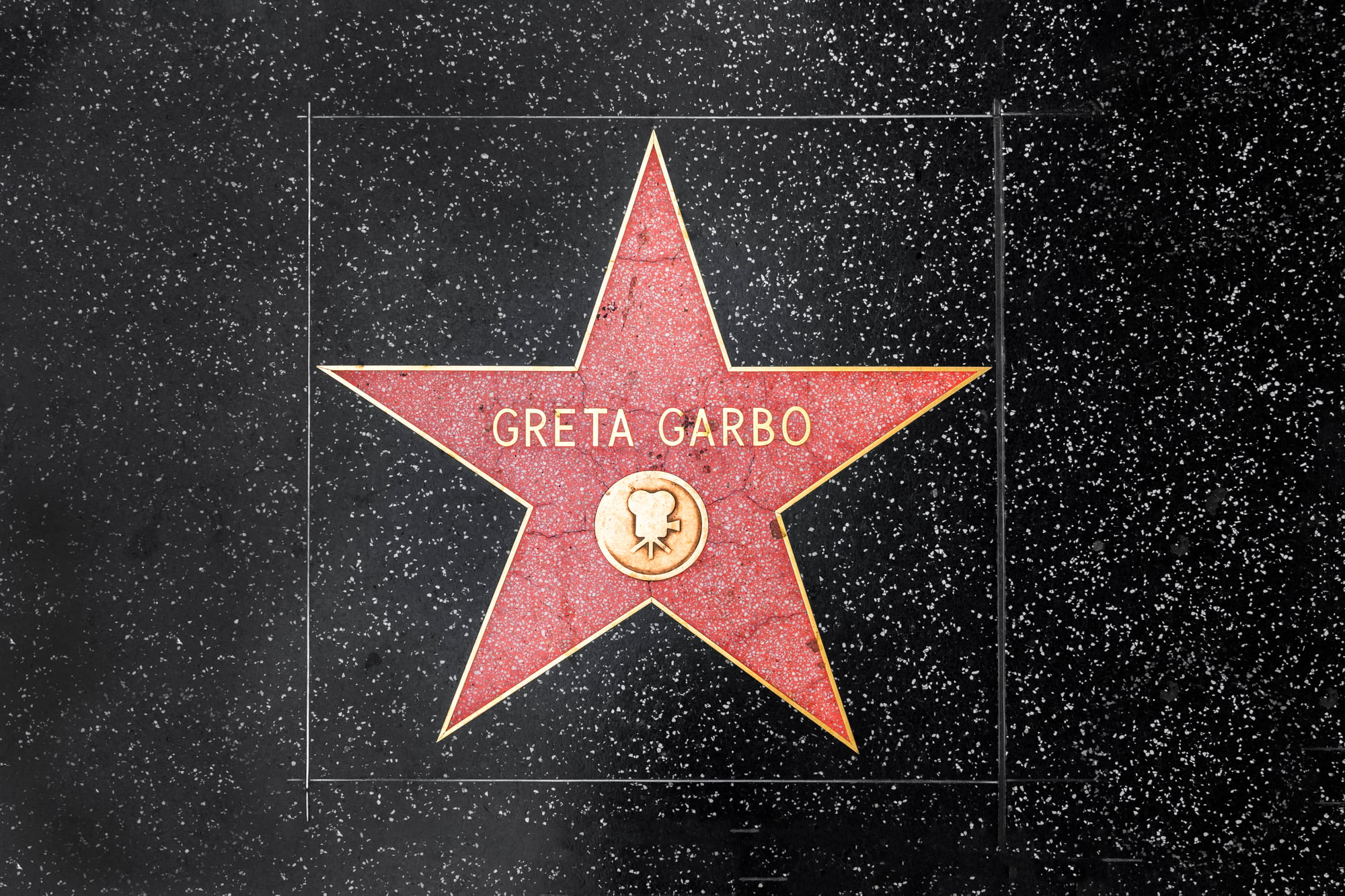
Garbo’s mystique was built on withdrawal. “I want to be alone” became her signature phrase, and the public interpreted her reclusiveness as artistic temperament.
The fewer interviews she gave, the more fascinating she became. Hollywood had never seen anything like her deliberate rejection of celebrity culture.
(The isolation served multiple purposes that had nothing to do with artistic temperament, though the results certainly enhanced her legend.) Her relationships with women, including a decades-long partnership with Mercedes de Acosta, required the kind of privacy that became her trademark.
The woman who seemed mysteriously unattainable was actually protecting something the public wasn’t ready to accept. So she disappeared from films at thirty-six and spent the rest of her life as a recluse, guarding secrets that would have destroyed the very mystique that made her immortal.
Charles Laughton
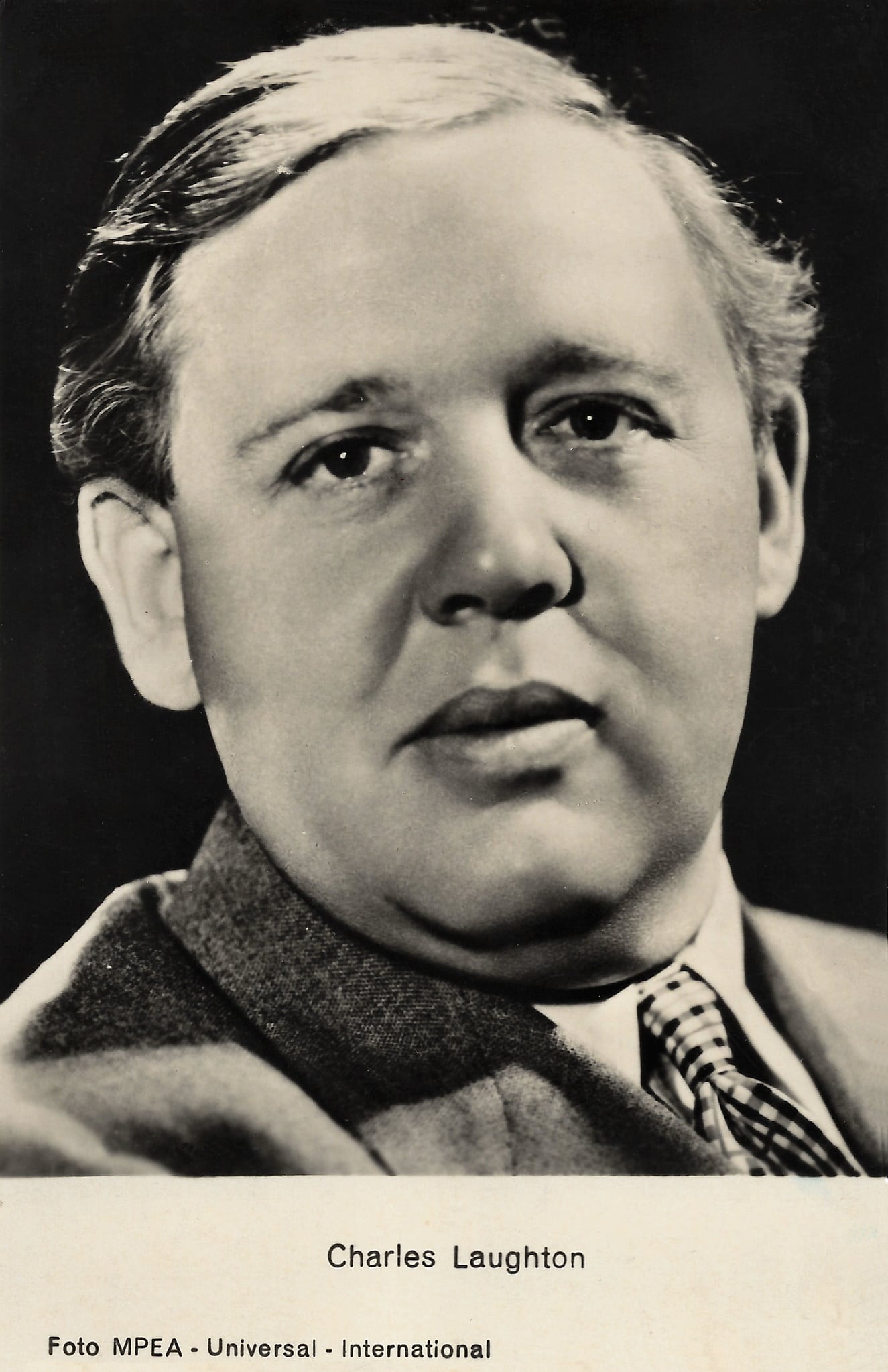
Laughton was one of the finest character actors of his generation, capable of disappearing completely into roles that ranged from Captain Bligh to Quasimodo. His performances had a depth and humanity that suggested someone who understood what it meant to feel like an outsider.
That understanding came from personal experience. Laughton was gay and married to actress Elsa Lanchester, who knew about his orientation and helped maintain their public image as a devoted couple.
They appeared together at premieres and gave joint interviews about their happy marriage. The arrangement worked for both of them — she got career stability and companionship, he got the cover he needed to keep working.
The performance lasted thirty-three years, until his death in 1962.
Sal Mineo
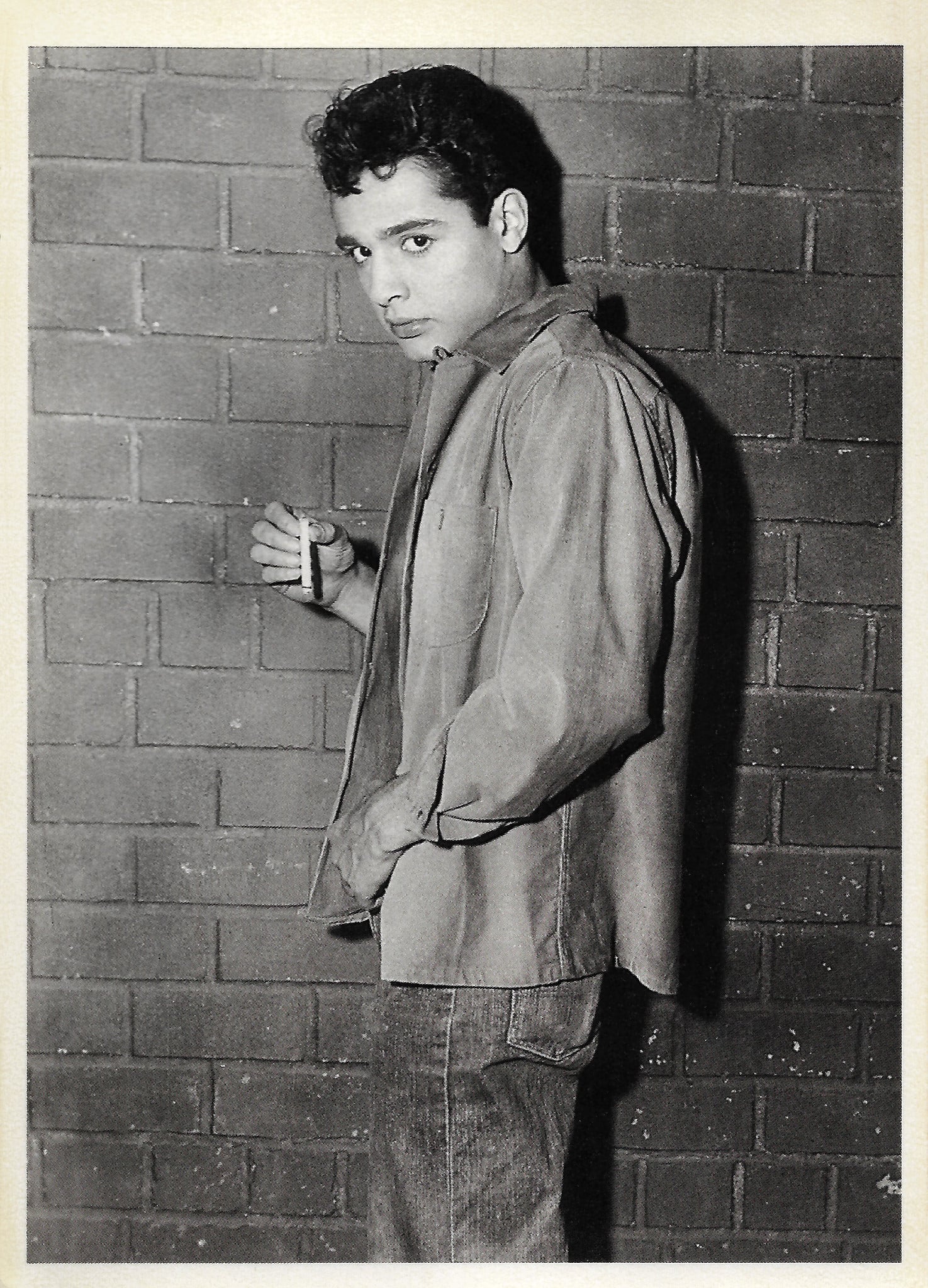
Mineo’s breakthrough role in “Rebel Without a Cause” made him the poster child for troubled youth. He played characters who were sensitive and vulnerable, often the best friend who didn’t get the girl.
The typecasting seemed to fit his personality — he appeared gentle and artistic in interviews. The persona was partially authentic but incomplete.
Mineo was gay in an industry that had no place for openly gay leading men, even ones who specialized in supporting roles. He tried to maintain his career by dating women publicly, but the charade became harder to sustain as he grew older.
By the 1970s, he was one of the first actors to live openly, but the decision effectively ended his mainstream career. He was murdered in 1976, and the motive remains unclear.
Raymond Burr
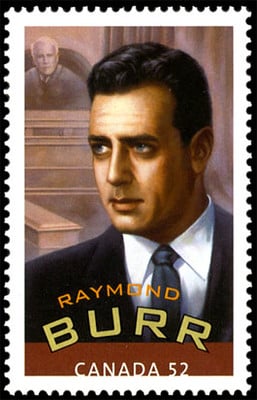
Burr created one of television’s most enduring characters in Perry Mason — the brilliant defense attorney who never lost a case. The show ran for nine seasons and established Burr as the epitome of masculine authority.
He later played the tough police chief in “Ironside,” reinforcing his image as the ultimate alpha male. (The real Raymond Burr was gay and had been in a relationship with Robert Benevides since the 1950s, but this was information that could never become public without destroying everything he’d built.)
So he invented elaborate cover stories — a wife who died in a plane crash, a son who died of leukemia, even a second wife who supposedly died of cancer. The lies became so detailed that he seemed to believe them himself.
Benevides was introduced as Burr’s “business manager” and “close friend.” They lived together for thirty-five years, until Burr’s death in 1993.
Living In Plain Sight

The most remarkable thing about these double lives isn’t that they existed, but that they lasted so long. In an age before social media, when the press was more complicit in maintaining celebrity images, it was possible to construct an entirely different identity and sustain it for decades.
These weren’t people who occasionally told lies about their personal lives. They built alternative realities that required constant maintenance, endless vigilance, and the complicity of friends, agents, studios, and sometimes spouses.
The emotional cost of such sustained deception is almost impossible to imagine, but for many of them, it was the only way to have any kind of public career at all.
More from Go2Tutors!

- The Romanov Crown Jewels and Their Tragic Fate
- 13 Historical Mysteries That Science Still Can’t Solve
- Famous Hoaxes That Fooled the World for Years
- 15 Child Stars with Tragic Adult Lives
- 16 Famous Jewelry Pieces in History
Like Go2Tutors’s content? Follow us on MSN.