15 Vegas Casinos With Fascinating Backstories
Las Vegas isn’t just about bright lights and slot machines—it’s a city built on stories that are stranger than fiction. Behind every casino facade lies a tale of ambition, luck, scandal, or pure audacity that helped shape the entertainment capital of the world.
These stories reveal the human drama that built the Strip, from mob connections to architectural disasters, from celebrity feuds to billion-dollar gambles. Here is a list of 15 Vegas venues with backstories that are just as captivating as the games inside.
The Flamingo

— Photo by ocphoto
Benjamin ‘Bugsy’ Siegel didn’t just build a casino—he created a vision that transformed a desert town into a glamorous destination. The Flamingo opened in 1946 with Hollywood stars and East Coast money backing it, but Siegel’s perfectionist tendencies and cost overruns made the project a financial nightmare. When the casino initially flopped, Siegel faced pressure from investors who weren’t known for their patience, leading to his infamous demise just six months after opening.
Caesar’s Palace

— Photo by Elnur_
Jay Sarno wanted to create a place where every guest felt like royalty, so he designed Caesar’s Palace with Roman statues, toga-wearing waitresses, and circular driveways that made visitors feel like they were entering an ancient empire. The casino opened in 1966 with a then-astronomical budget of $24 million, featuring innovations like the first sports book in Vegas. Sarno’s attention to detail was so obsessive that he insisted on importing marble from Italy and hiring only the most attractive staff, setting a new standard for luxury on the Strip.
The Sahara
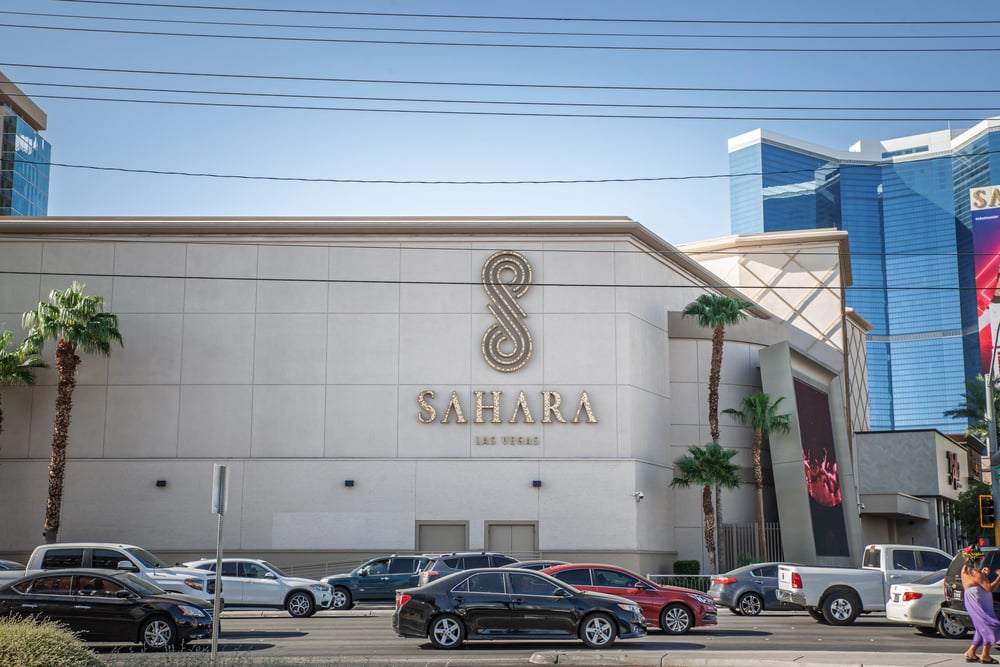
— Photo by BalkansCat
Milton Prell opened the Sahara in 1952 with a Casablanca theme that captured America’s fascination with exotic locations. The casino became famous for hosting the Rat Pack and serving as headquarters for their legendary performances and all-night parties. Frank Sinatra, Dean Martin, and Sammy Davis Jr. made the Sahara their home base, turning it into the coolest spot in Vegas where celebrities mingled with high rollers until dawn.
The Stardust
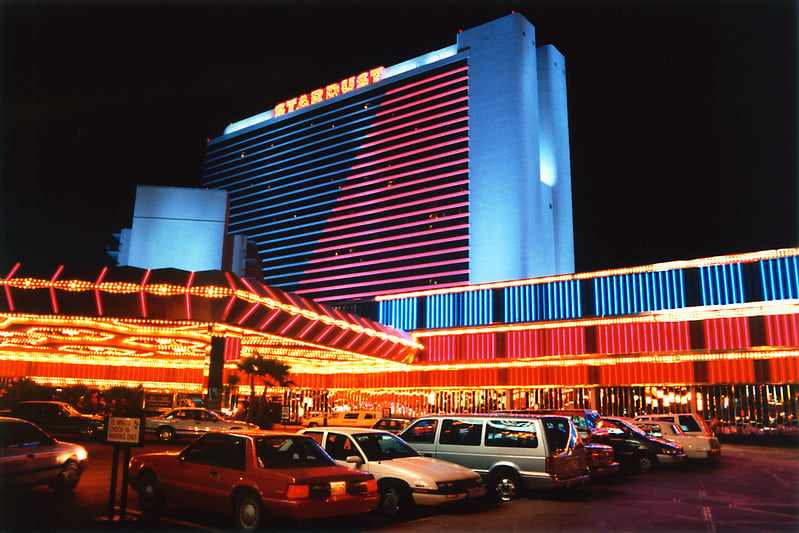
The Stardust carried one of the most notorious reputations in Vegas history, serving as a front for organized crime operations from the 1950s through the 1980s. Tony ‘The Ant’ Spilotro and his crew used the casino as their headquarters, skimming millions from the counting rooms and running illegal operations throughout the city. The FBI eventually brought down the entire operation, but not before the Stardust became synonymous with the dark side of old Vegas glamour.
The Dunes

The Dunes opened in 1955 with a Middle Eastern theme and a giant neon sultan that became an iconic part of the Vegas skyline. The casino struggled financially for years until new ownership brought in topless showgirls and transformed it into an adult playground that attracted visitors from around the world. Its implosion in 1993 marked the end of an era, making way for the modern mega-resorts that define today’s Strip.
The Riviera
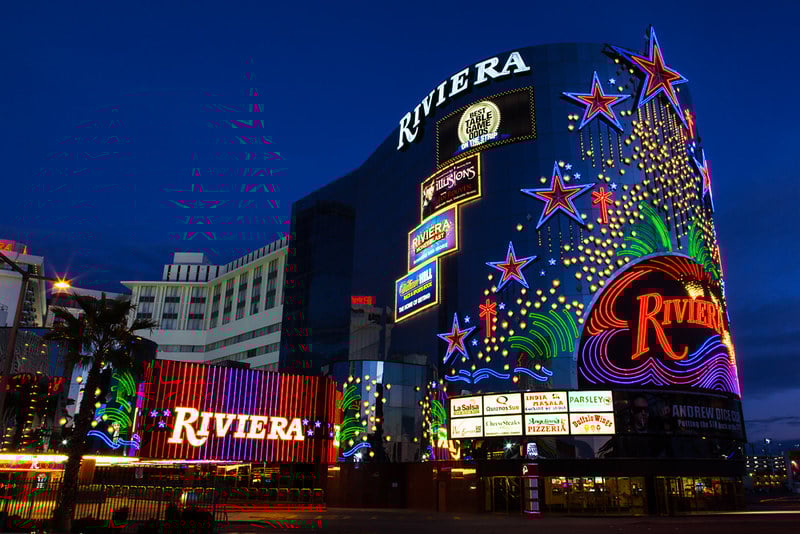
Gus Greenbaum opened the Riviera in 1955 as Vegas’s first high-rise casino, towering nine stories above the desert floor when most other venues were single-story buildings. The casino became famous for its elaborate stage shows and celebrity headliners, but Greenbaum’s connections to organized crime eventually caught up with him. His violent death in 1958 added another chapter to the Riviera’s dark history, though the casino continued operating for nearly six decades.
The Sands

The Sands opened in 1952 and quickly became the unofficial headquarters of the Rat Pack, where Frank Sinatra held court and made the casino the center of Vegas entertainment. The famous Copa Room hosted legendary performances that were as much about the off-stage antics as the actual shows, with Sinatra often gambling until sunrise after his performances. The casino’s connection to organized crime figures eventually led to investigations, but its cultural impact on Vegas entertainment remains undeniable.
Desert Inn

Wilbur Clark’s Desert Inn opened in 1950 with backing from Cleveland mob boss Moe Dalitz, creating a luxurious resort that attracted Hollywood royalty and East Coast elites. The casino became famous for its golf course and exclusive atmosphere, later becoming the longtime home of reclusive billionaire Howard Hughes. Hughes bought the entire property in 1967 and lived as a hermit in the penthouse for years, rarely leaving his suite while conducting business deals worth millions.
The Tropicana
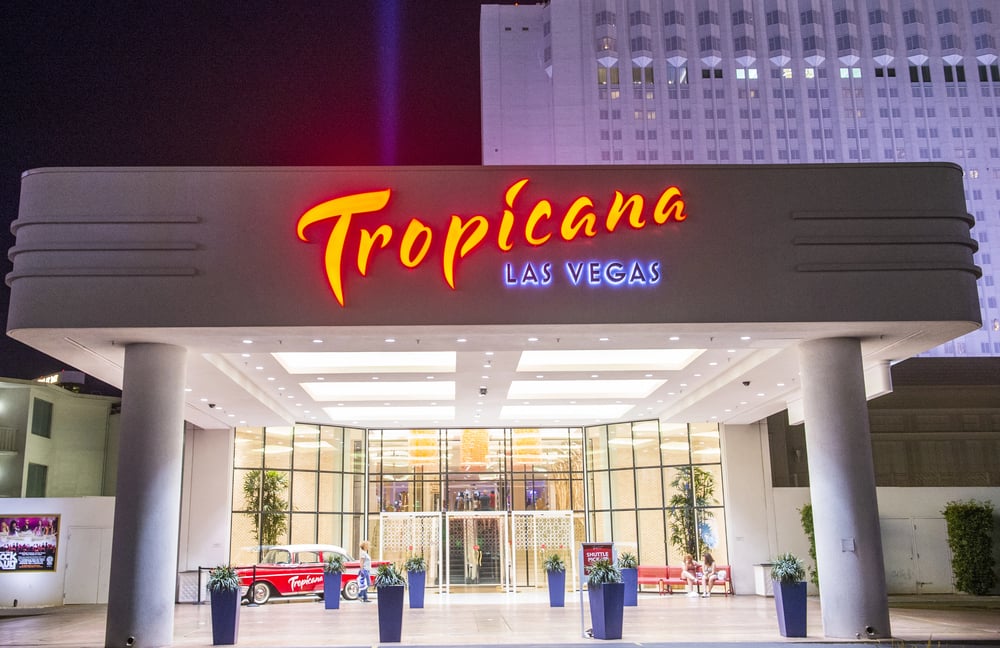
— Photo by kobbydagan
The Tropicana opened in 1957 with a tropical theme and connections to organized crime that earned it the nickname ‘The Mob’s Crown Jewel.’ The casino featured elaborate showgirls and tropical decorations that transported visitors to an island paradise in the middle of the desert. Its ties to the Kansas City mob eventually led to federal investigations, but the Tropicana survived multiple ownership changes and remains one of the Strip’s enduring landmarks.
Binion’s Horseshoe
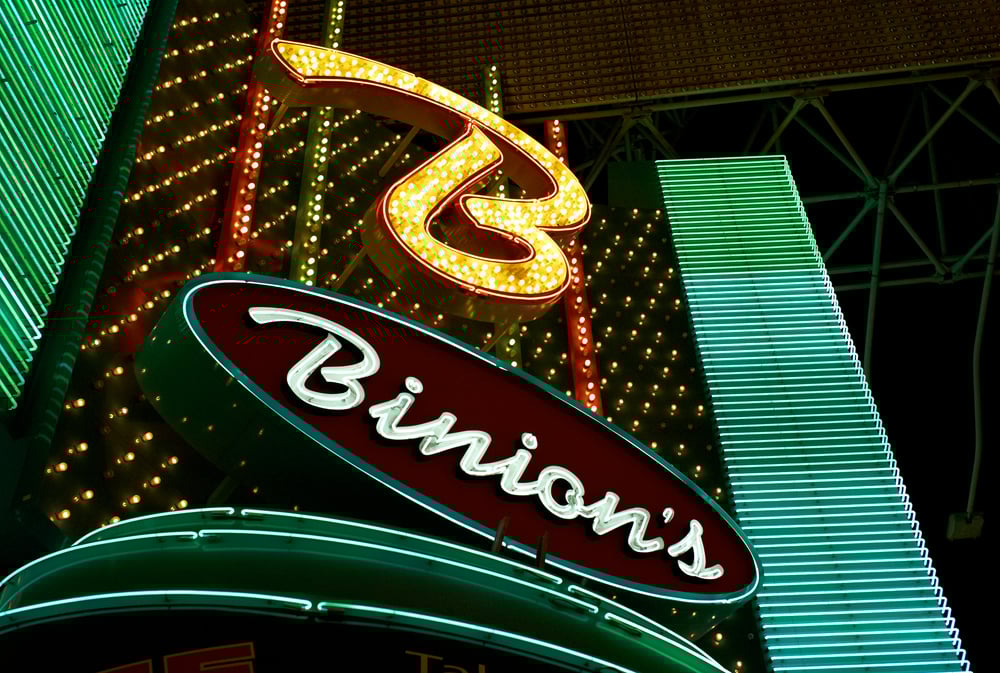
— Photo by DietmarRauscher
Benny Binion founded his downtown casino in 1951 with a simple philosophy: treat gamblers like family and they’ll keep coming back. The Horseshoe became famous for accepting any bet, no matter how large, and for hosting the World Series of Poker since 1970. Binion’s colorful past included shootouts with rivals and federal tax troubles, but his casino became a downtown institution that attracted serious gamblers from around the world.
The El Rancho Vegas

The El Rancho Vegas opened in 1941 as the first resort on what would become the Strip, featuring a Western theme with rustic cabins and a swimming pool shaped like a guitar. The casino attracted Hollywood stars who wanted to escape Los Angeles, creating Vegas’s first taste of celebrity culture. A devastating fire in 1960 destroyed the original building, but its legacy as the birthplace of the modern Strip lives on.
Hacienda

The Hacienda opened in 1956 at the far south end of the Strip with a Mexican theme and a reputation for affordable gambling that attracted middle-class visitors. The casino featured mariachi bands and Mexican architecture that transported guests to a south-of-the-border paradise. Its demolition in 1996 made way for Mandalay Bay, but the Hacienda’s legacy as a welcoming destination for everyday gamblers influenced how later casinos approached customer service.
The Landmark

The Landmark opened in 1969 as Vegas’s tallest building, featuring a distinctive space-age design that looked like something from a science fiction movie. Howard Hughes owned the property and insisted on making it a showcase for modern architecture and luxury amenities. The casino’s futuristic theme and rotating restaurant attracted visitors who wanted to experience Vegas from 31 stories above the desert floor, though it never achieved the success of Strip properties.
Silver Slipper
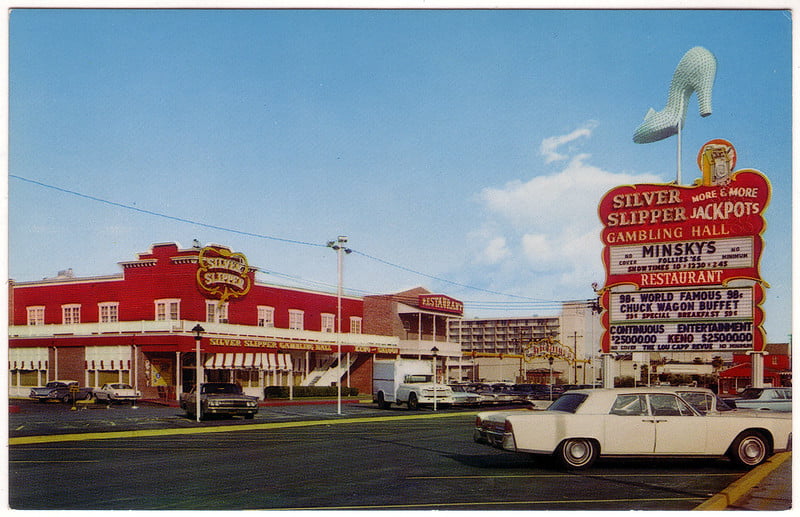
The Silver Slipper opened in 1950 with a giant rotating slipper sign that became one of Vegas’s most recognizable landmarks. The casino sat directly across from the Desert Inn, and legend says Howard Hughes bought it just to stop the rotating sign from shining into his penthouse windows. The property changed hands multiple times and struggled with financial problems, but its iconic sign remains a symbol of Vegas’s golden age of neon.
El Cortez

— Photo by woodkern
The El Cortez opened in 1941 in downtown Vegas and became famous for its connection to organized crime figures who used it as a meeting place for illegal operations. Bugsy Siegel briefly owned the casino before moving on to build the Flamingo, leaving behind a legacy of backroom deals and mysterious disappearances. The casino survived decades of changes in downtown Vegas and remains one of the oldest continuously operating venues in the city.
Vegas Stories Never End

— Photo by rjv101@charter.net
These venues represent more than just places to gamble—they’re monuments to the dreamers, schemers, and visionaries who transformed a desert town into a global destination. Each casino carries the DNA of its founders, whether they were mob figures, Hollywood stars, or eccentric billionaires who saw opportunity where others saw only sand. The stories continue to evolve as new properties rise and old ones fall, but the spirit of taking enormous risks for potentially enormous rewards remains the heartbeat of Las Vegas. Today’s mega-resorts may dwarf these classic venues in size and spectacle, but they’ll never match the raw human drama that built the foundation of Sin City.
More from Go2Tutors!

- 16 Historical Figures Who Were Nothing Like You Think
- 12 Things Sold in the 80s That Are Now Illegal
- 15 VHS Tapes That Could Be Worth Thousands
- 17 Historical “What Ifs” That Would Have Changed Everything
- 18 TV Shows That Vanished Without a Finale
Like Go2Tutors’s content? Follow us on MSN.