16 Famous Writers Who Used Fake Names
Ever wondered if your favorite author might actually be someone completely different? The literary world is packed with writers who’ve hidden behind clever aliases, fake identities, and made-up names. Some did it to escape prejudice, others wanted creative freedom, and a few just thought their real names weren’t catchy enough for book covers.
From romance novelists trying to write horror stories to women pretending to be men just to get published, these authors prove that sometimes a rose by any other name really does smell sweeter. The reasons behind these literary disguises are as fascinating as the books themselves.
Here is a list of 16 famous writers whose real names might surprise you more than their plot twists.
Mark Twain

Samuel Langhorne Clemens borrowed his famous pen name from his days as a steamboat pilot on the Mississippi River. ‘Mark twain’ was the leadsman’s cry for a measured river depth of two fathoms, which meant safe water for navigation.
He first used this pseudonym for his travel writing in the 1860s, though he actually experimented with several other fake names throughout his career, including Thomas Jefferson Snodgrass.
George Orwell

Eric Arthur Blair chose his pen name because he wanted something that sounded authentically English. George honored the patron saint of England, while Orwell came from the River Orwell, where he loved to sail.
Blair originally adopted this pseudonym when publishing ‘Down and Out in Paris and London’ because he worried his family would be embarrassed by his stories of living in poverty.
Like Go2Tutors’s content? Follow us on MSN.
Dr. Seuss
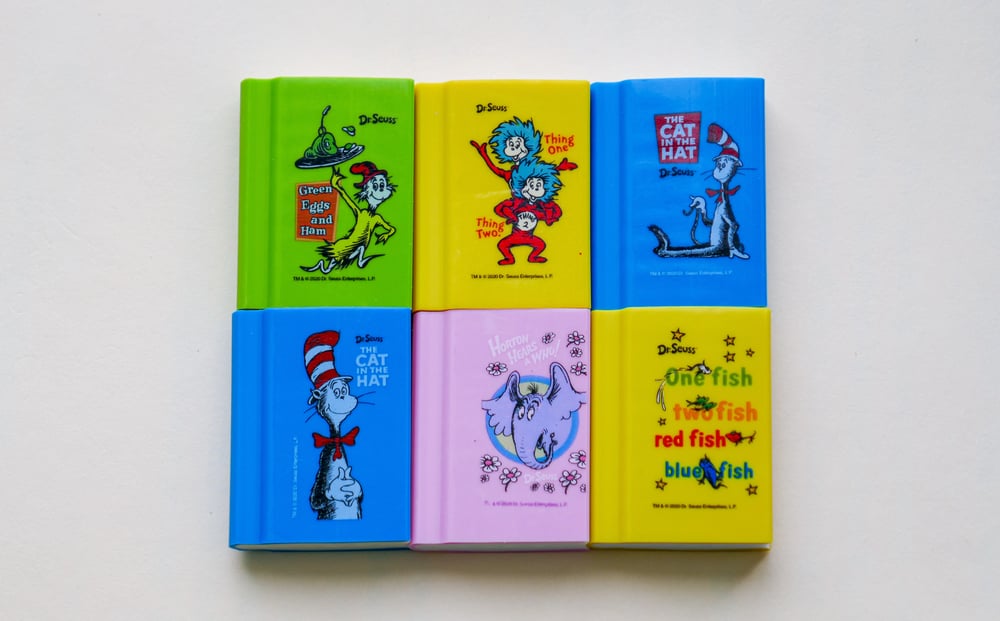
Theodor Seuss Geisel started using ‘Seuss’ during his college days at Dartmouth after getting caught drinking during Prohibition. When the dean banned him from writing for the humor magazine, he adopted his mother’s maiden name to continue contributing secretly.
The ‘Dr.’ part was added later as a tongue-in-cheek reference to his father’s hopes that he’d pursue a medical career and earn a real doctorate.
Lewis Carroll
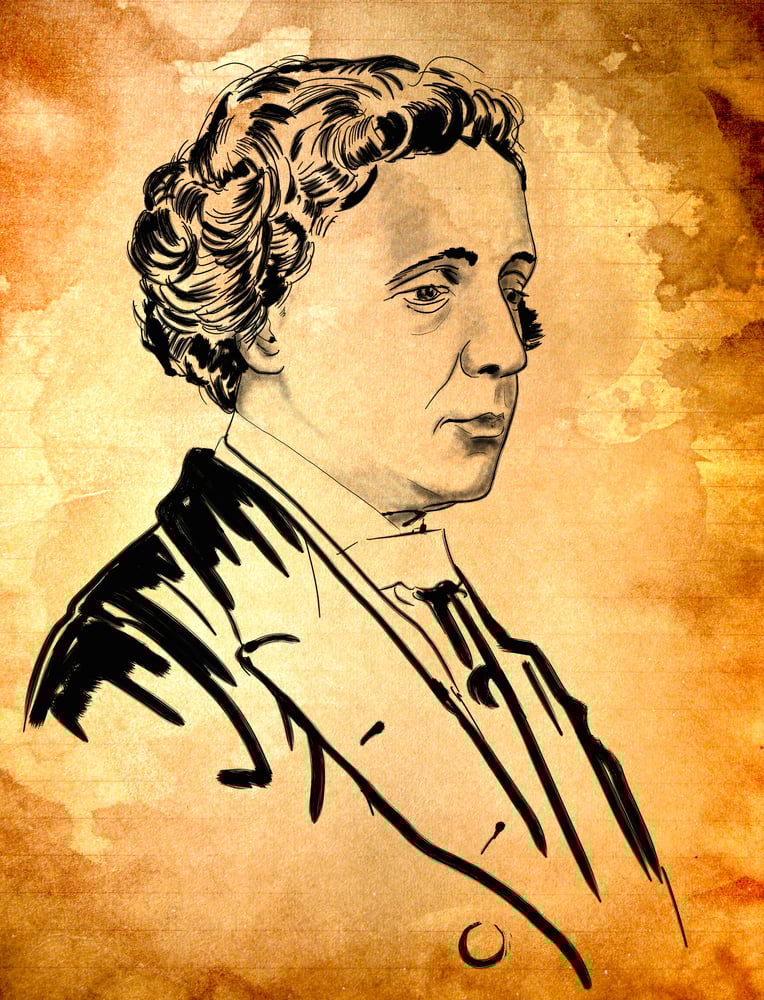
Charles Lutwidge Dodgson created one of literature’s most convoluted pen names through an elaborate translation process. He converted his first two names into Latin (Carolus Ludovicus), then translated them back into English as Carroll Lewis, and finally reversed the order to Lewis Carroll.
This Victorian mathematics professor wanted to keep his personal life separate from his whimsical children’s stories about talking rabbits and mad tea parties.
George Eliot
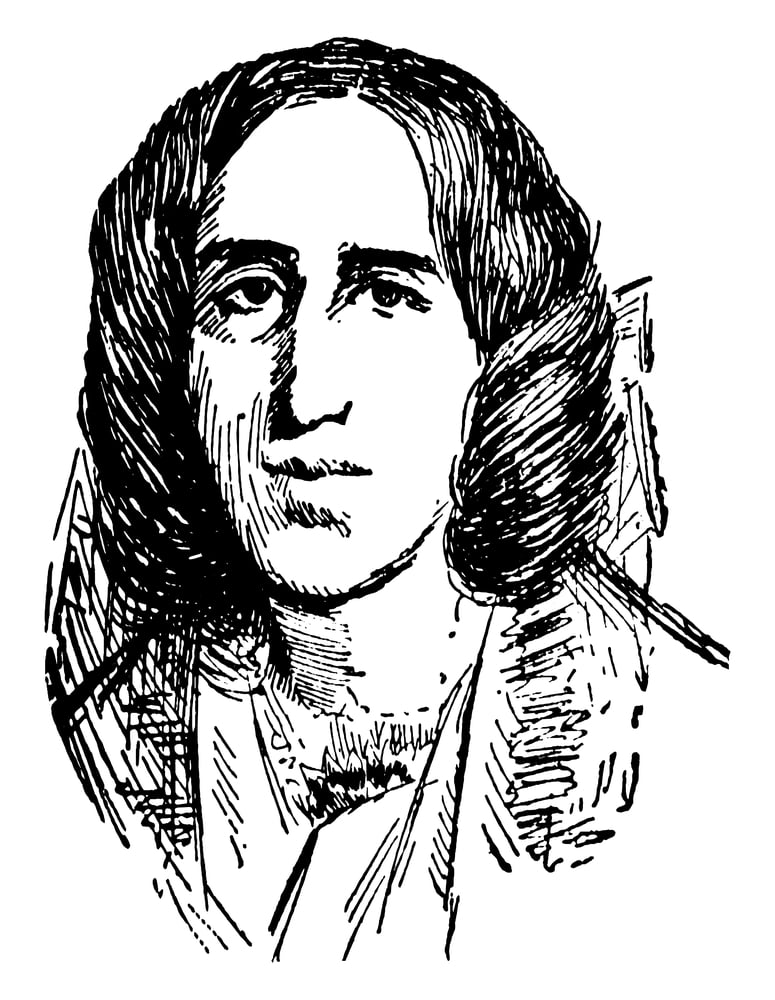
Mary Ann Evans chose a male pseudonym because she wanted her novels to be taken seriously in the male-dominated literary world of the 19th century. She picked ‘George’ partly to honor her lover, philosopher George Henry Lewes, with whom she lived though they never married.
Her deception worked so well that even her publisher’s readers were convinced they were dealing with a male author.
Like Go2Tutors’s content? Follow us on MSN.
Stephen King
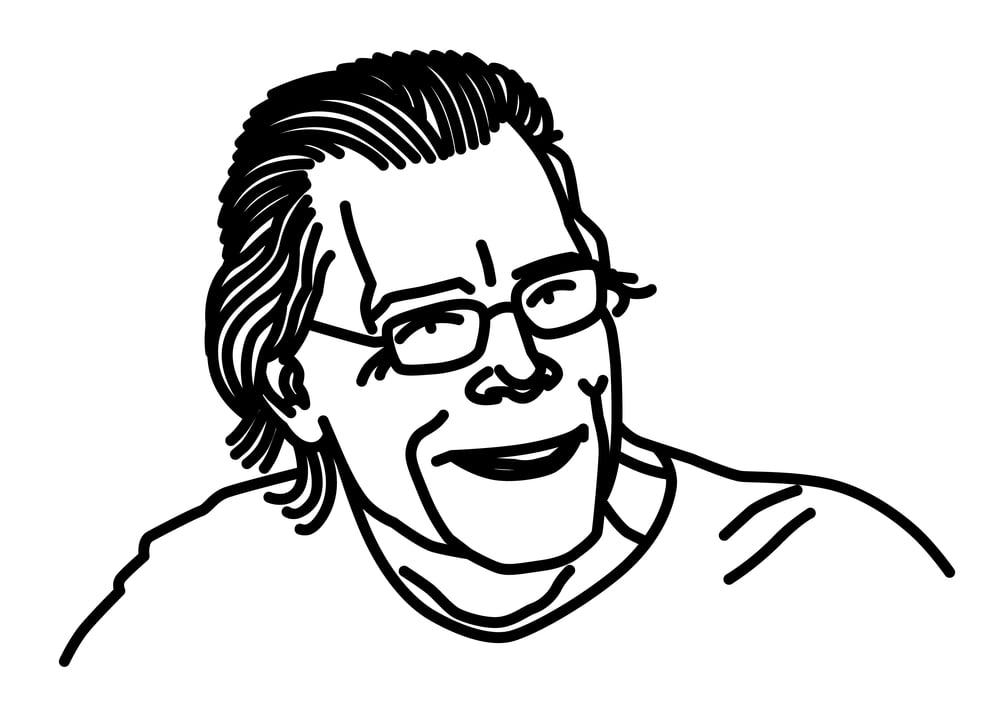
The master of horror created Richard Bachman because publishers believed authors could only release one book per year without overwhelming the market. King wanted to test whether his success came from talent or luck, so he deliberately gave Bachman minimal marketing support.
When a bookstore clerk named Steve Brown figured out the connection in 1985, King humorously declared that Bachman had died of ‘cancer of the pseudonym.’
Maya Angelou
Born Marguerite Annie Johnson, she created her memorable stage name by combining her childhood nickname ‘Maya’ with a variation of her first husband’s surname. She had briefly married Greek sailor Tosh Angelos in the 1950s, and after their divorce, she borrowed most of his name for her new identity.
The resulting combination rolled off the tongue beautifully and became perfect for both her dancing career and later her writing success.
J.K. Rowling
Joanne Rowling added a fake middle initial because her publisher worried that boys wouldn’t read books written by a woman. Since she didn’t actually have a middle name, she borrowed the ‘K’ from her grandmother Kathleen.
Later, when writing crime novels, she adopted the completely male pseudonym Robert Galbraith to avoid the massive expectations that came with the Harry Potter author’s name.
Like Go2Tutors’s content? Follow us on MSN.
Anne Rice

The vampire chronicler used multiple pen names for different genres to avoid confusing her fans. She wrote medieval fantasy novels as A.N. Roquelaure and contemporary fiction as Anne Rampling.
Rice wanted to explore different writing styles without the baggage of reader expectations, allowing her to experiment with themes and tones that didn’t fit her established reputation as a gothic horror writer.
Agatha Christie
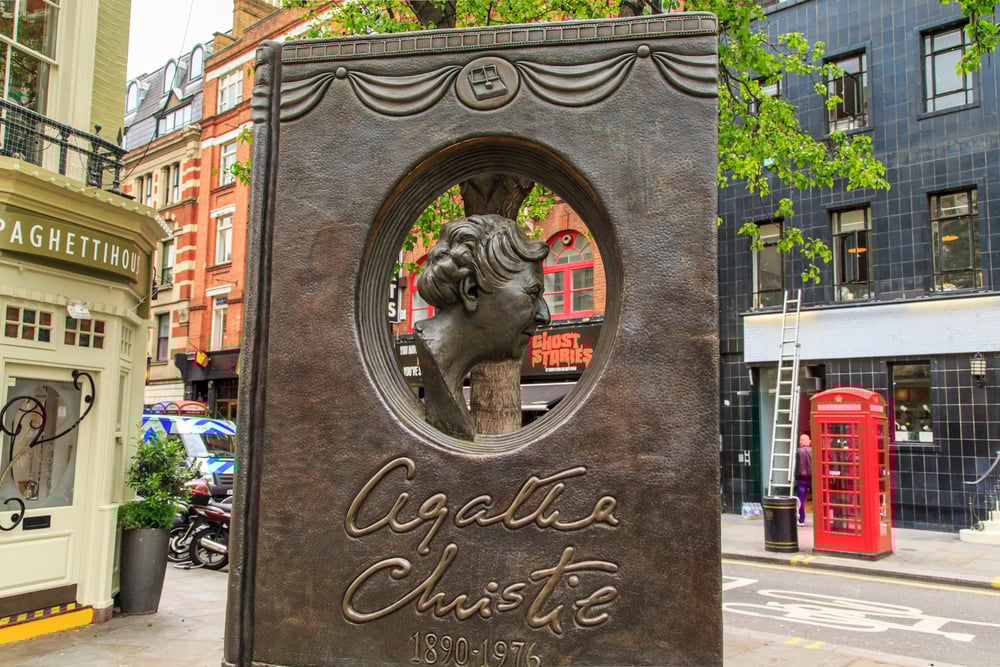
The queen of mystery novels secretly wrote six romance novels under the name Mary Westmacott. Christie combined her middle name with a distant family surname to create this alter ego, which she successfully kept secret for nearly twenty years.
She wanted to explore human psychology and relationships without the expectations that came with her established mystery-writing reputation.
The Brontë Sisters
Charlotte, Emily, and Anne Brontë originally published their poetry and novels as Currer, Ellis, and Acton Cooper respectively. They chose these deliberately ambiguous names to hide both their gender and their identities from their Yorkshire neighbors.
The sisters feared that female authors wouldn’t be taken seriously, and they also wanted to protect their privacy in their small community.
Like Go2Tutors’s content? Follow us on MSN.
Benjamin Franklin

One of America’s founding fathers was also a master of pseudonyms, creating multiple fake personas for his writing. His first was Silence Dogood, a satirical middle-aged widow he invented when he was just fifteen years old.
Franklin also wrote as Martha Careful, Richard Saunders for ‘Poor Richard’s Almanack,’ and several other characters, often using female voices to critique social issues and the patriarchy.
Voltaire
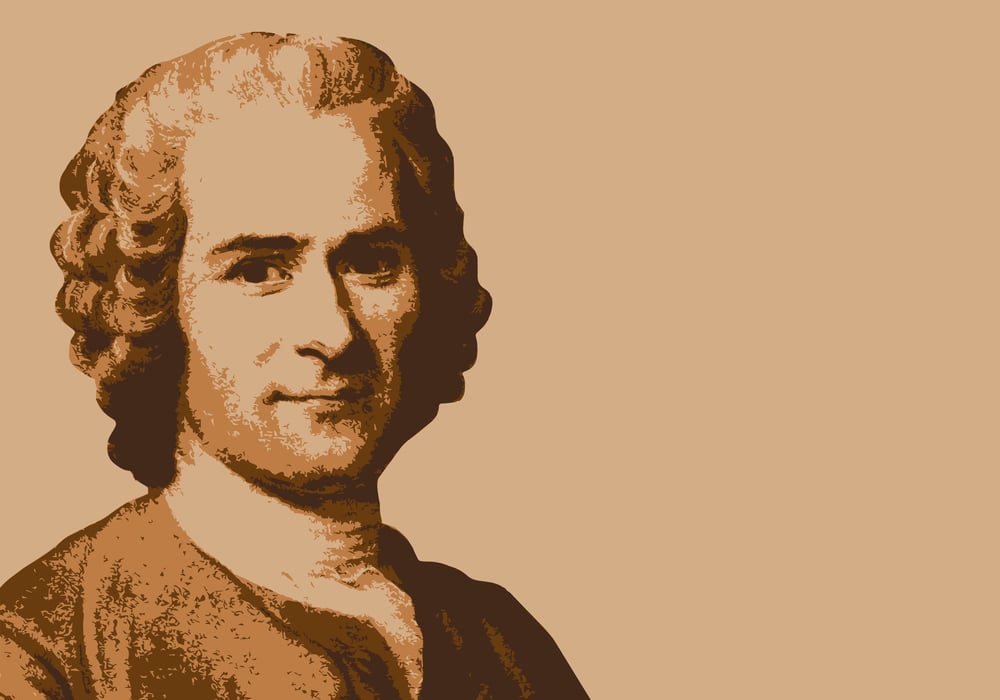
François-Marie Arouet adopted his famous pen name possibly as a rejection of his family name due to a strained relationship with his father. The most popular theory suggests ‘Voltaire’ was an anagram of a Latinized spelling of ‘Arouet,’ though others believe it came from his nickname ‘Voluntaire,’ which may have been a sarcastic reference to his stubborn personality.
This pseudonym became so famous that his real name was almost forgotten.
Pablo Neruda

The Chilean poet and diplomat was born Neftalí Ricardo Reyes Basoalto but chose his pen name to honor Czech writer Jan Neruda. He also wanted to hide his writing from his father, who disapproved of his literary pursuits and preferred that he focus on more practical career goals.
The name Pablo Neruda became so iconic that he legally changed his name to match his pseudonym
Like Go2Tutors’s content? Follow us on MSN.later in life.
Lemony Snicket

Daniel Handler created this mysterious narrator as both a pen name and a character within his books. Handler first used the name Lemony Snicket when doing research for his novel ‘The Basic Eight,’ calling hotels and asking strange questions.
The name stuck when he began writing ‘A Series of Unfortunate Events,’ where Snicket appears as the books’ fictional author and investigator of the Baudelaire orphans’ tragic story.
Ayn Rand
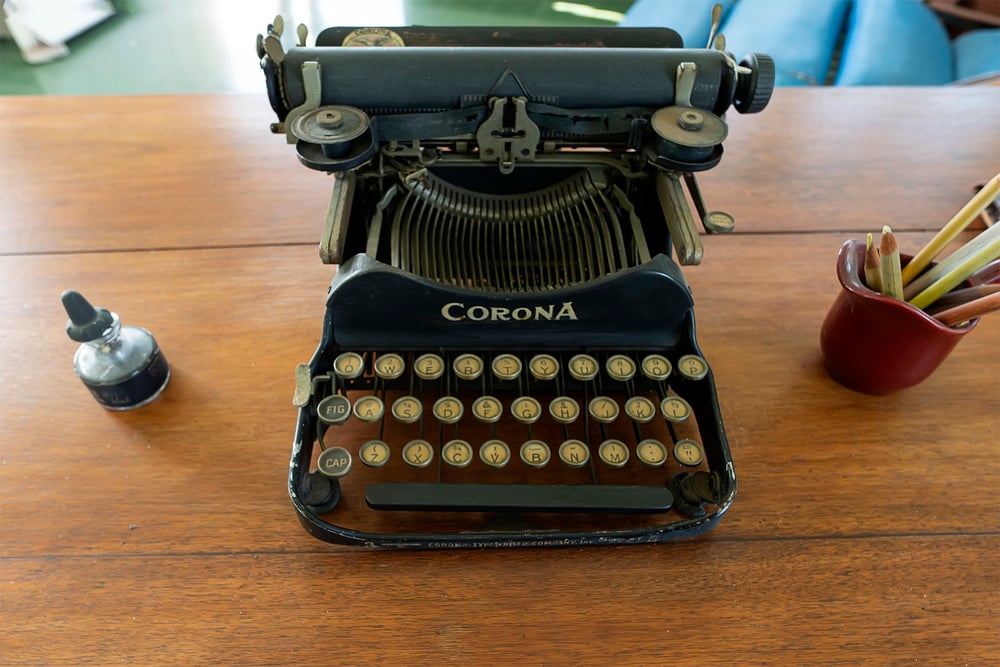
Born Alisa Zinovievna Rosenbaum in Russia, she adopted her American pseudonym when she emigrated to the United States in 1926. ‘Ayn’ was inspired by a Finnish writer whose name she refused to reveal, while ‘Rand’ was simply an abbreviation of her original surname Rosenbaum.
This reinvention allowed her to shed her Russian identity and embrace her new life as an American philosopher and novelist.
The Enduring Appeal of Literary Masks
These writers remind us that identity in literature is often more fluid than we imagine. Whether escaping social limitations, exploring creative freedom, or simply wanting a catchier name for book spines, these authors found that sometimes the best way to reveal truth is through fiction—starting with their own names.
Their stories show that behind every great pen name is usually an even more interesting real person, proving that the most compelling characters authors create are sometimes themselves. Today’s writers continue this tradition, understanding that the right name can open doors that might otherwise remain firmly closed.
More from Go2Tutors!

- 16 Historical Figures Who Were Nothing Like You Think
- 12 Things Sold in the 80s That Are Now Illegal
- 15 VHS Tapes That Could Be Worth Thousands
- 17 Historical “What Ifs” That Would Have Changed Everything
- 18 TV Shows That Vanished Without a Finale
Like Go2Tutors’s content? Follow us on MSN.



