16 Fascinating Facts About The Liberty Bell
The Liberty Bell sits behind glass in Philadelphia, drawing millions of visitors who crane their necks to see a cracked piece of bell that somehow represents freedom itself. Most people know it rang for independence and that it’s broken, but the real story runs deeper than those basic facts.
This bell has been recast, renamed, hidden from enemies, and transformed from a simple municipal tool into one of America’s most powerful symbols.
It Was Originally Called The State House Bell
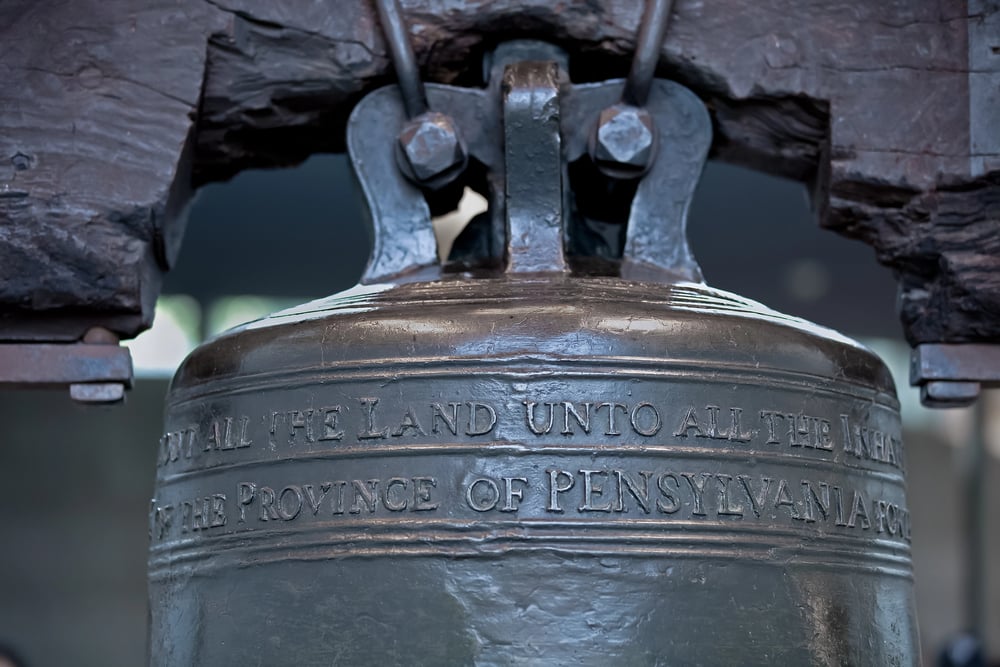
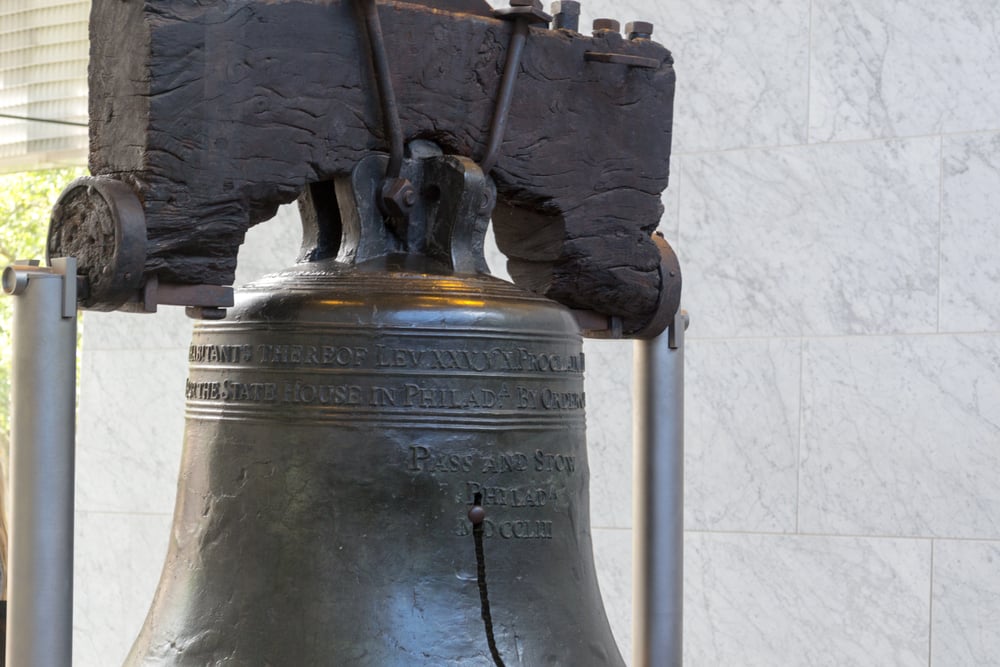
The Liberty Bell wasn’t born with its famous name. Cast in 1752, it was simply called the State House Bell, meant to hang in the Pennsylvania State House and call lawmakers to sessions.
The “Liberty Bell” name didn’t stick until the 1830s when abolitionists adopted it as their symbol. Before that, it was just another municipal bell doing municipal work.
The Famous Crack Isn’t The Only One It’s Had

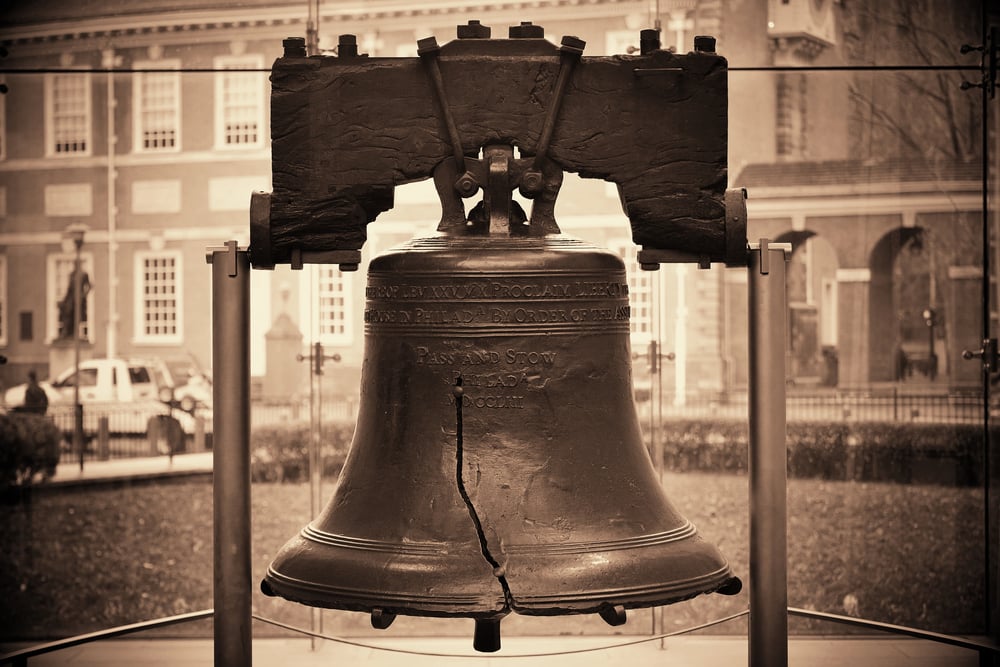
Here’s where the story gets complicated (and where most tour guides gloss over the messier details) — because the Liberty Bell has actually cracked multiple times, and the crack you see today isn’t even the original one that made it famous. The first crack appeared sometime in the early 1840s, but that was repaired by drilling out the edges to stop the spread, which actually made the bell sound worse than before.
So they tried to fix the fix, and that’s when the current crack appeared in 1846, running up from the repair work like a jagged reminder that some things resist being mended. The bell hasn’t rung since.
But here’s the thing that makes this whole saga feel almost intentional: each attempt to repair it only made the damage more visible, more permanent. It’s as if the bell insisted on wearing its wounds openly.
It Was Recast Twice Before Anyone Heard It Ring

The first Liberty Bell never made it past the docks. When it arrived from London’s Whitechapel Foundry in 1752, it cracked during its first test ring in Philadelphia.
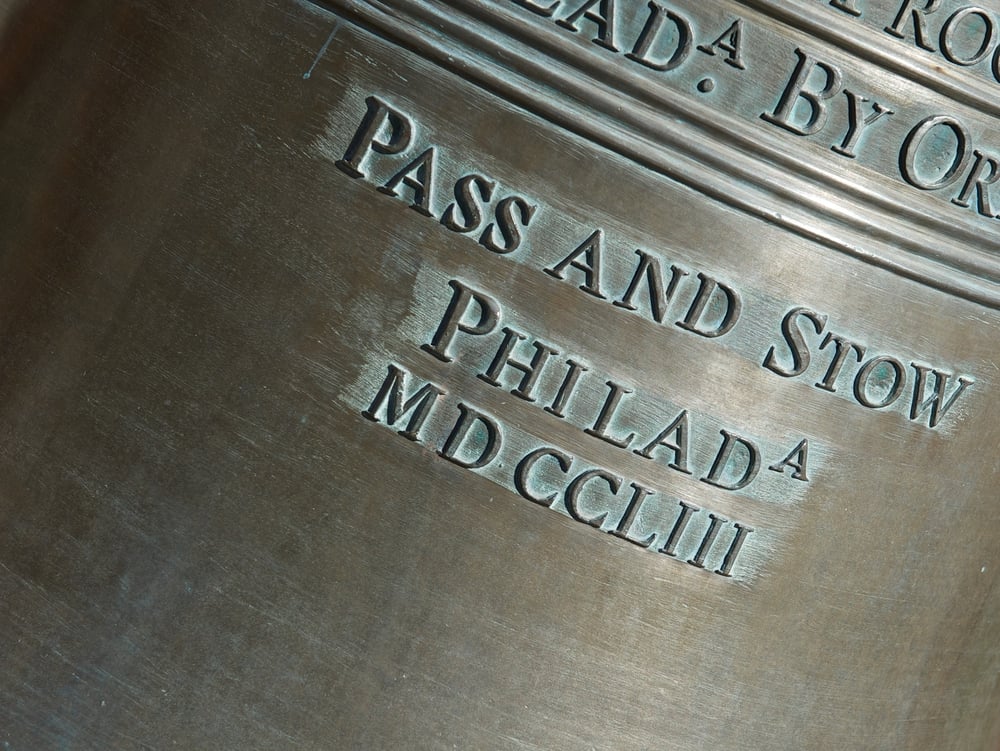
Local founders John Pass and John Stow melted it down and recast it, but the new version sounded terrible — too much copper made it dull and lifeless. So they tried again, getting the mixture right on the third attempt.
This means the bell that became famous for American independence was actually made by American craftsmen, not British ones. Sometimes the symbolism writes itself.
The Inscription Was Controversial From The Start
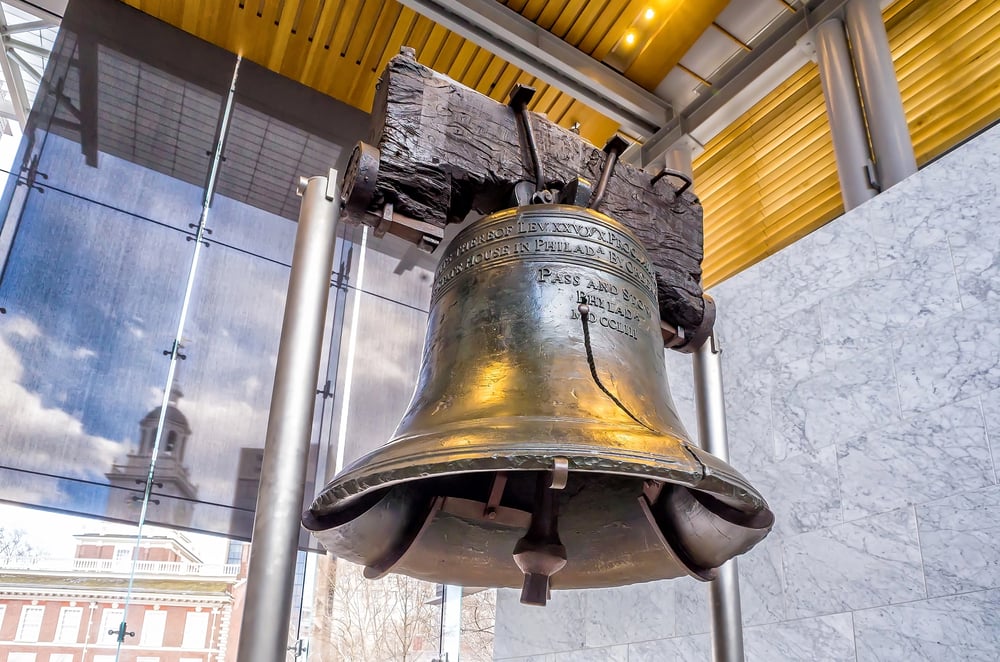
“Proclaim LIBERTY throughout all the land unto all the inhabitants thereof” sounds noble enough, but that biblical quote from Leviticus was specifically chosen to commemorate the 50th anniversary of Pennsylvania’s Charter of Privileges.
The thing is, Pennsylvania in 1751 still practiced slavery, still denied women basic rights, still restricted voting to property-owning white men. The irony wasn’t lost on everyone, even then.
The inscription became a rallying cry for abolitionists precisely because it highlighted the gap between American ideals and American reality.
It Probably Didn’t Ring On July 4, 1776
The story goes that the Liberty Bell rang out to announce the signing of the Declaration of Independence, but historians have found no evidence this actually happened. The Declaration wasn’t publicly announced until July 8, and even then, it would have been the State House bell — one of many ringing throughout the city.
The July 4th story is likely a romantic invention that grew more solid with each telling. Americans needed their symbols to have dramatic origin stories, so they gave them some.
Patriots Hid It From The British In 1777
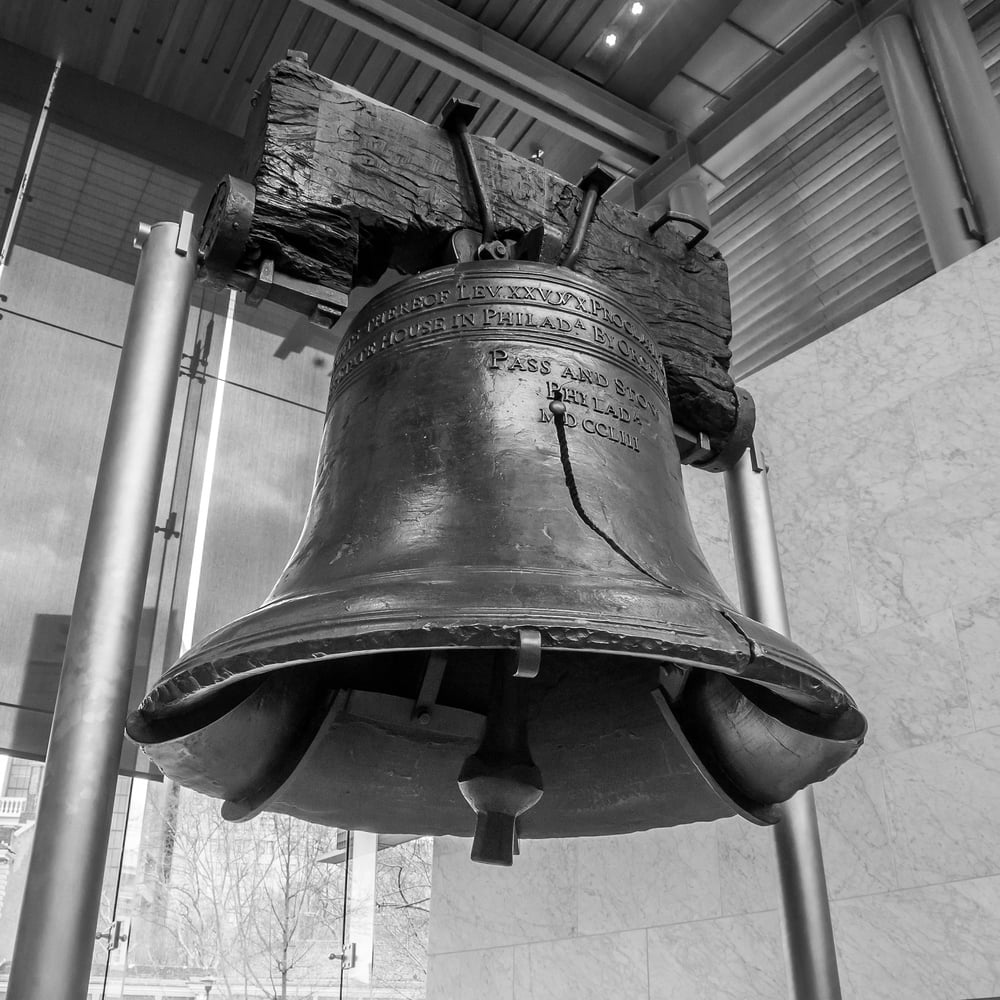
When British forces approached Philadelphia in September 1777, Patriots worried they’d melt down the city’s bells for cannon metal. So they loaded the State House Bell (along with ten others) onto wagons and smuggled them out of the city under cover of darkness.
The bell spent nearly a year hidden under the floorboards of Zion Reformed Church in Allentown, Pennsylvania.
Picture that scene: one of America’s future most treasured symbols lying in the dirt beneath a country church, waiting for the war to end.
It Weighs Over A Ton
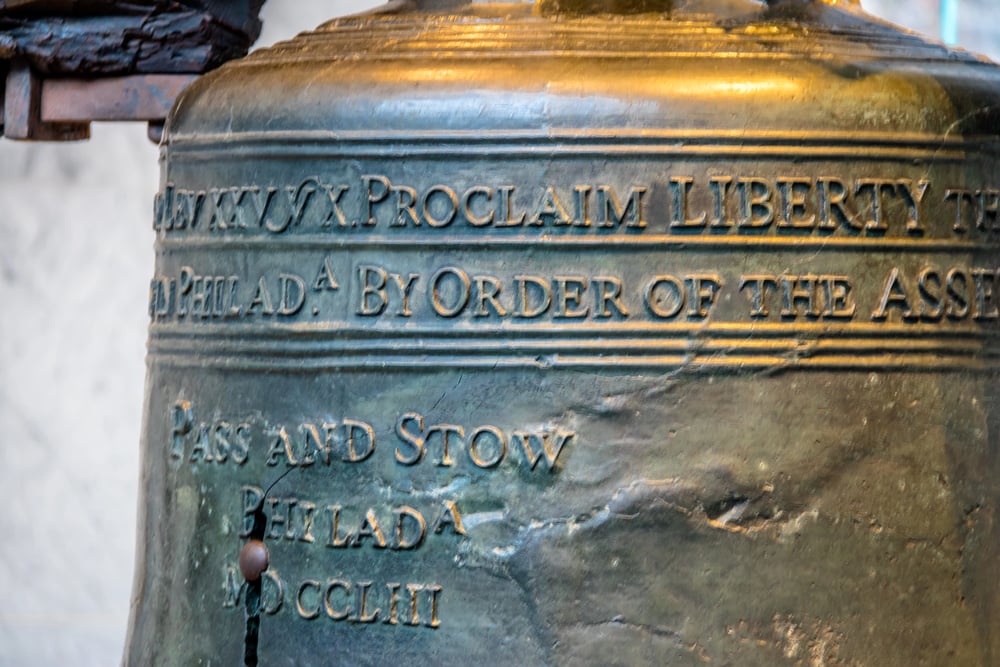
At 2,080 pounds, the Liberty Bell isn’t something you casually move around. It’s roughly 70% copper and 25% tin, with small amounts of lead, zinc, arsenic, gold, and silver mixed in.
The bell measures 12 feet in circumference at its widest point and stands about 3 feet tall.
Those aren’t just statistics — they’re the physical reality of casting something meant to be heard across an entire city in an era before amplification.
The Bell Traveled The Country By Train
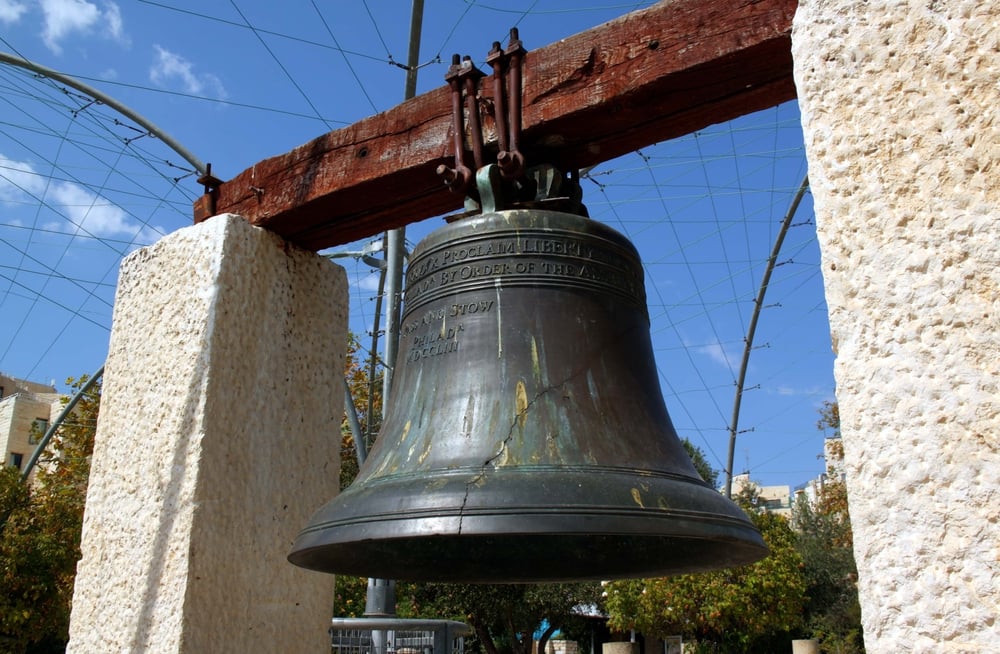
Between 1885 and 1915, the Liberty Bell became America’s first celebrity artifact, traveling by special railroad car to expositions and celebrations across the country. It went to New Orleans, Chicago, Boston, Charleston, Atlanta, and dozens of other cities, drawing massive crowds wherever it stopped.
Each trip risked further damage to the already-cracked bell, but Americans wanted to see it, touch it, stand near this physical piece of their founding story. The bell became a pilgrimage destination that came to the pilgrims.
It Has Its Own ZIP Code
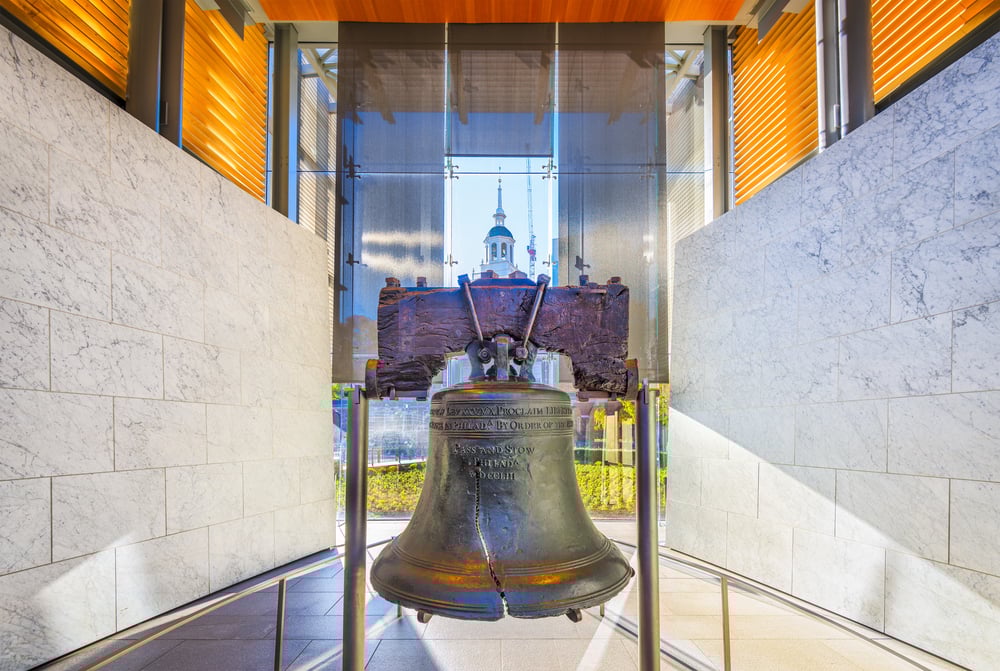
The Liberty Bell Center in Philadelphia has its own designated ZIP code: 19106. This might seem like bureaucratic overkill, but it reflects just how much mail the bell generates — letters from schoolchildren, tourists wanting information, and organizations requesting appearances that will never happen.
Even broken and silent, it still receives more correspondence than most elected officials.
The Crack Makes A Distinctive Pattern
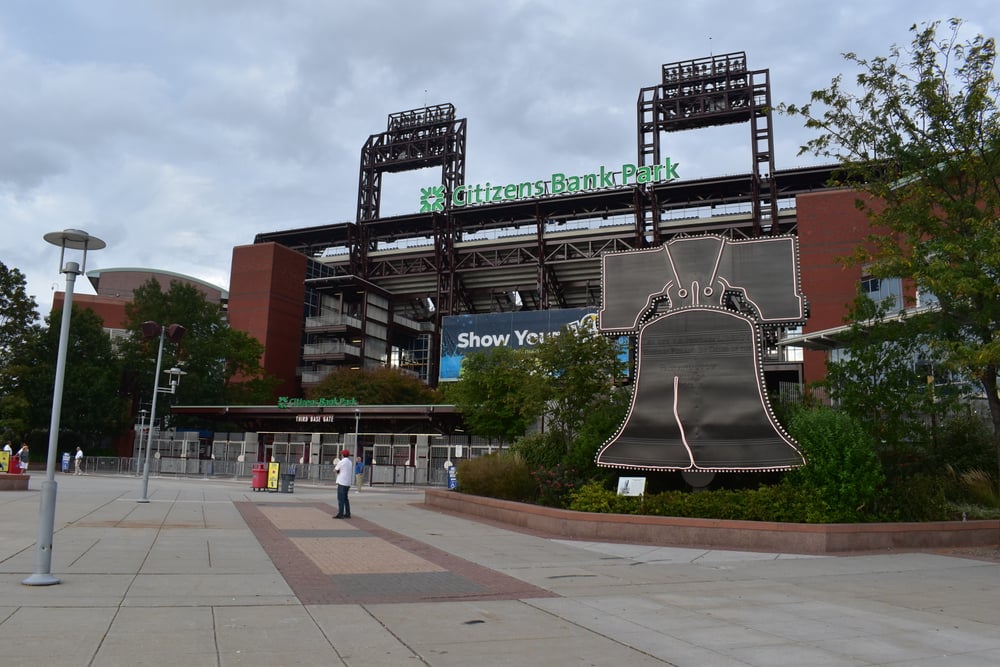
That famous crack isn’t just a random split — it follows the bell’s stress patterns in a way that metallurgists find almost textbook perfect. The crack runs roughly 24.5 inches up the side, following the path of least resistance through the bronze.
Engineers have studied the Liberty Bell’s fracture patterns to understand how metal fatigue develops over time. Sometimes symbols teach us things their creators never intended.
It Was Almost Melted Down During World War II

In 1942, as America faced critical metal shortages, someone in the federal bureaucracy suggested melting down the Liberty Bell for the war effort. The proposal gained enough traction that it required an official rejection from the Secretary of the Interior.
Even in wartime, some symbols proved more valuable than their raw materials.
The fact that this was even considered shows how desperately the country needed metal — and how close we came to losing our most famous bell to practicality.
The Bell Inspired The Japanese Peace Bell At The United Nations
In 1954, Japan presented the United Nations with a peace bell cast from coins donated by people from 60 countries. The inscription reads “Long Live Absolute World Peace” in Japanese.
The designers explicitly modeled it after the Liberty Bell, seeing parallels between America’s struggle for independence and the world’s desire for lasting peace.
The Japanese Peace Bell rings twice a year — on the first day of spring and on September 21st, the International Day of Peace.
It’s Not The Original Liberty Bell Mentioned In Most History Books

This gets confusing, but the bell currently on display is actually the third version cast from the same bronze. The original 1752 bell from London was melted down after it cracked.
The first recast was melted down because it sounded awful. The second recast — the one we see today — is the bell that developed the famous crack.
So when people talk about the “original” Liberty Bell, they’re usually referring to a twice-recycled version of the original bronze, reformed by American craftsmen who learned metalworking by trial and error.
The Bell Hasn’t Rung Since 1846
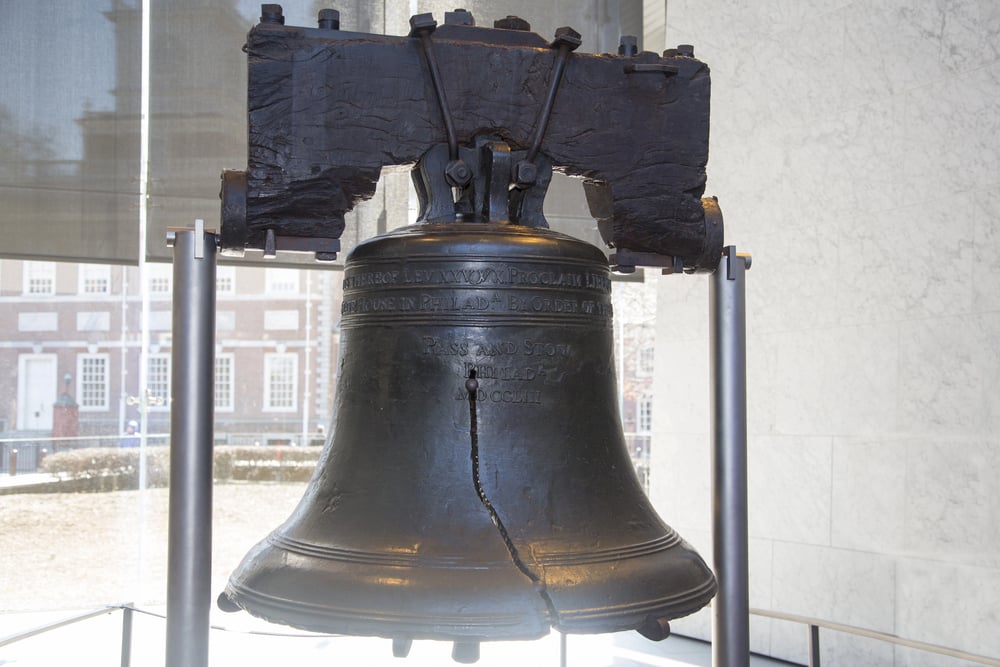
The last time the Liberty Bell rang was February 23, 1846, in honor of George Washington’s birthday. The crack that had been repaired earlier in the decade spread further during that ringing, creating the distinctive zigzag pattern visible today.
Officials decided that any further ringing would destroy the bell entirely.
That means the Liberty Bell has been silent for more than 175 years — longer than it ever actually rang. Its voice became its silence.
Scientists Have Studied Its Exact Composition

Modern metallurgical analysis has revealed the Liberty Bell’s precise makeup: 70% copper, 25% tin, with traces of lead, zinc, arsenic, gold, and silver. The high tin content made it brittle — good for sound quality but bad for durability.
The small amounts of precious metals were likely impurities in the original ore rather than intentional additions.
This level of analysis would have amazed the 18th-century founders who cast it by eye and ear, adjusting their mixture based on experience rather than precise measurements.
Millions Visit It Every Year Despite Its Silence

More than a million people annually wait in line to see a bell that will never ring again, housed in a climate-controlled pavilion designed specifically to preserve its decay. They come to see the crack, to read the inscription, to stand near something that touched the founding of America.
The Liberty Bell draws crowds not because of what it can do, but because of what it represents — proof that some things become more powerful when they’re broken than they ever were when they worked.
When Symbols Outlast Their Sound
The Liberty Bell teaches a peculiar lesson about American mythology: sometimes the most powerful symbols are the broken ones. A perfect, working bell would be just another piece of municipal equipment, but a cracked, silent bell that once called people to independence becomes something approaching sacred.
It sits in its glass pavilion like a reminder that the ideals it represents — liberty, equality, justice — are themselves still cracked, still being repaired, still imperfect but worth preserving. The bell’s silence speaks louder than its voice ever did.
More from Go2Tutors!

- The Romanov Crown Jewels and Their Tragic Fate
- 13 Historical Mysteries That Science Still Can’t Solve
- Famous Hoaxes That Fooled the World for Years
- 15 Child Stars with Tragic Adult Lives
- 16 Famous Jewelry Pieces in History
Like Go2Tutors’s content? Follow us on MSN.