Unusual Olympic Mascots from History
Every four years, the Olympics introduce a new mascot meant to capture the spirit of the host country and games. Some become beloved icons.
Others leave people scratching their heads. The strangest ones tend to stick in memory longer than the polished, committee-approved designs ever could.
The Sausage Dog That Started It All
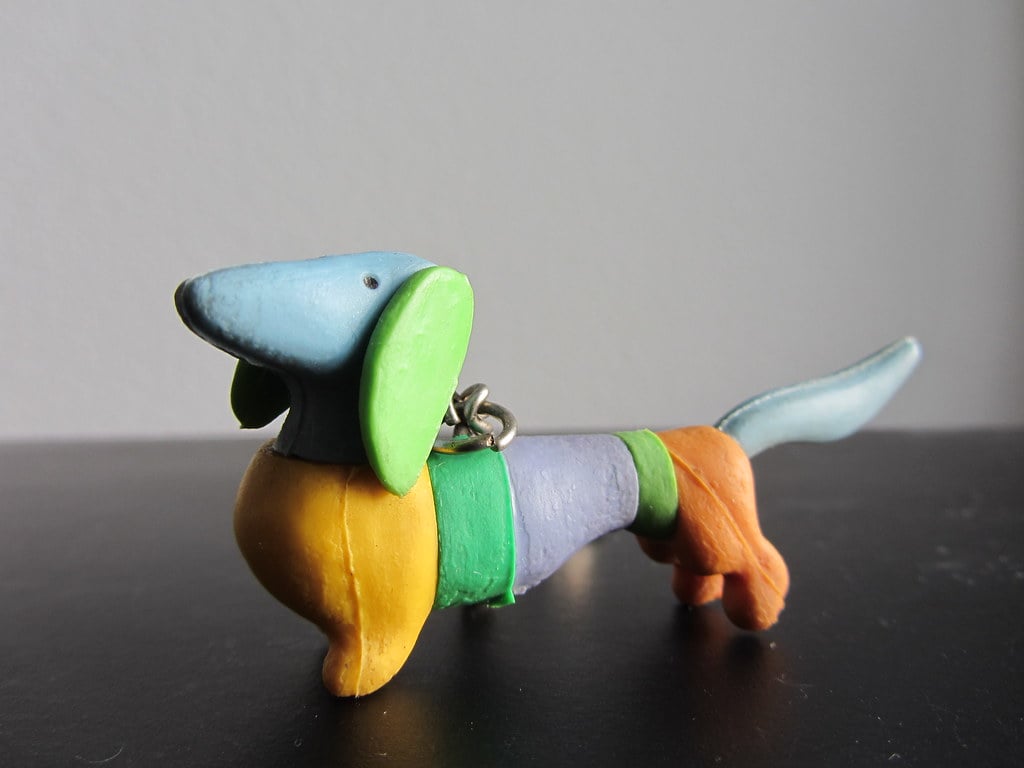
Munich 1972 gave us Waldi, the first official Olympic mascot. Designers chose a dachshund because the breed represented the qualities they wanted: resistance, tenacity, and agility.
The rainbow-striped version they created looked more like a psychedelic fever dream than an actual dog. Waldi’s long body twisted through posters and merchandise, setting a precedent that mascots didn’t need to make immediate sense.
They just needed to be memorable.
A Beaver That Tried Too Hard
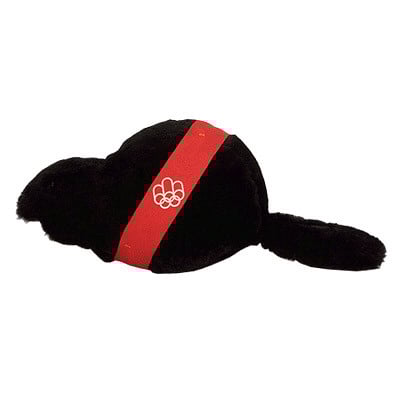
Montreal welcomed athletes in 1976 with Amik, whose name means beaver in Algonquin. The designers dressed this beaver in a red sash bearing the Olympic rings, as if the animal needed help looking official.
Amik’s wide eyes and toothy grin gave it an unhinged quality that photographs captured perfectly. Canadians appreciated the nod to their national animal, even if the execution felt forced.
Moscow’s Bear Became a Tear-Jerker
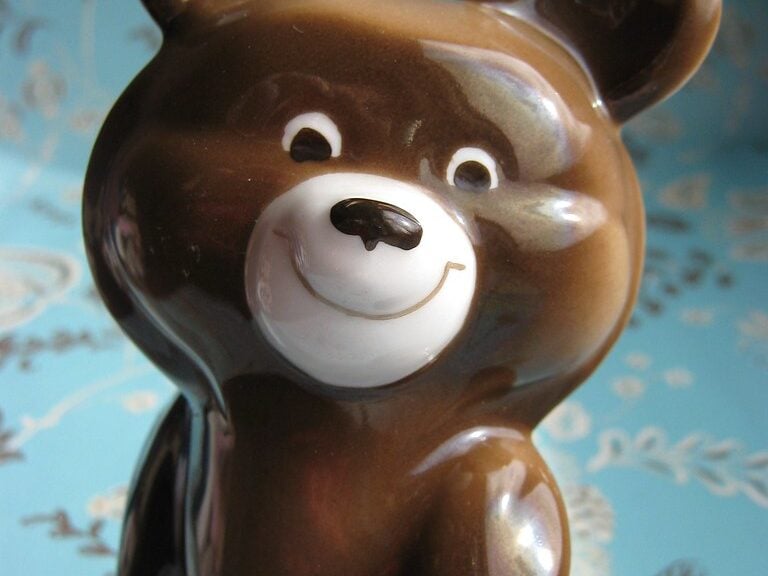
Misha the bear from Moscow 1980 achieved something rare—people actually cared when the games ended. The closing ceremony featured a massive balloon Misha floating away while shedding a single tear, and viewers around the world got emotional about a cartoon bear.
The Cold War boycott meant fewer Western athletes attended, but Misha transcended politics. His gentle expression and Olympic belt created a character that felt more friendly than fierce.
America Picked the Obvious Choice
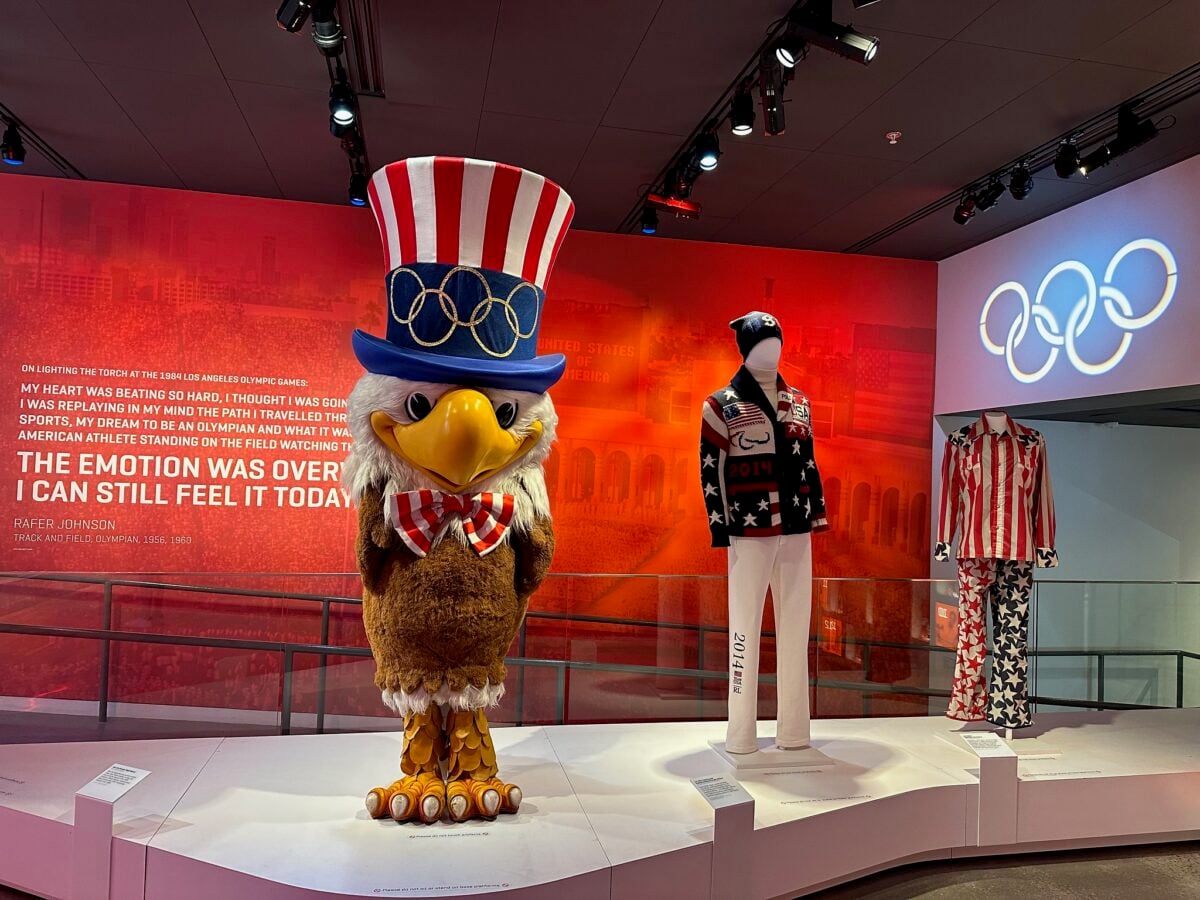
Los Angeles 1984 went with Sam the Eagle, because nothing says America quite like a bald eagle wearing a stars-and-stripes top hat. Uncle Sam met the national bird in a design that played things completely straight.
Sam lacked the weird charm of earlier mascots. The committee wanted to be patriotic and recognizable, and they got exactly that—for better or worse.
Korea’s Tiger Had Ancient Roots
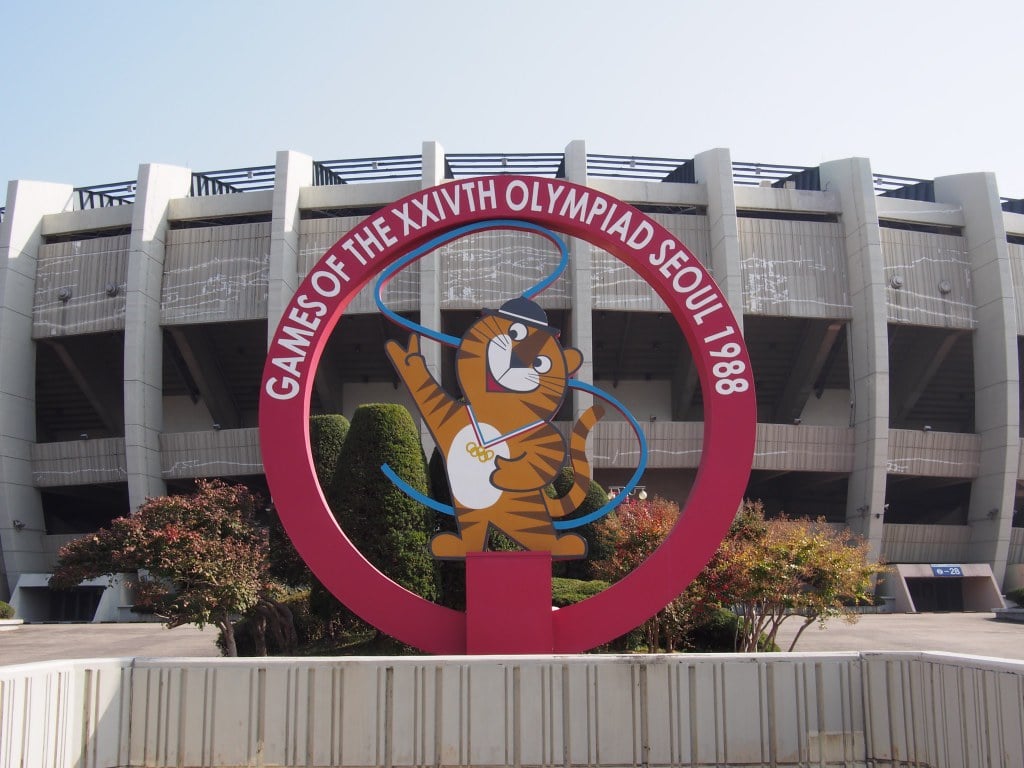
Seoul 1988 introduced Hodori, a tiger wearing a traditional sangmo hat with a ribbon. Korean folklore features tigers prominently, so the choice made cultural sense.
Hodori’s wide grin and dynamic poses captured the energy Seoul wanted to project. The mascot succeeded because it connected Olympic pageantry to Korean heritage without feeling like a history lesson.
Barcelona’s Dog Confused Everyone
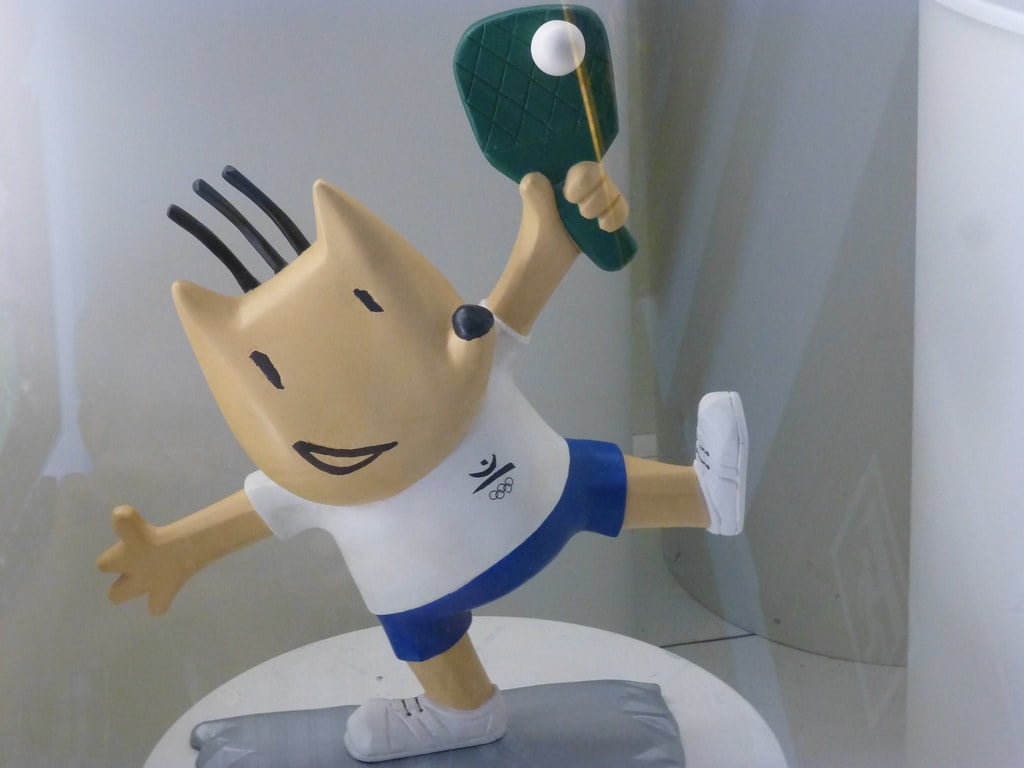
Cobi, the mascot for Barcelona 1992, sparked immediate debate. Javier Mariscal designed this Catalan sheepdog in a cubist style that looked like Picasso drew a dog from memory after several drinks.
Some people hated Cobi on sight. Others found the abstract design refreshing after years of cute animals.
The controversy itself became part of the mascot’s appeal. Years later, Barcelonians remember Cobi with genuine fondness, probably because the games themselves went so well.
Atlanta Created an Actual Disaster

Izzy remains the most universally mocked Olympic mascot in history. Atlanta 1996 decided to skip animals entirely and create “Whatizit”—later shortened to Izzy when people kept asking what it was. This blue blob with sneakers and stars looked like a rejected character from a Saturday morning cartoon.
Designers kept changing Izzy’s appearance, which only made things worse. The mascot had no connection to Atlanta, Georgia, American culture, or anything else identifiable.
Izzy proved that trying to be different just for the sake of it rarely works.
Sydney’s Three-Way Tie Worked
Sydney 2000 took an unusual approach by creating three mascots instead of one. Olly the kookaburra, Syd the platypus, and Millie the echidna each represented something about Australia.
The trio gave designers flexibility—promotional materials could use all three or focus on whichever fit best. This multiple-mascot strategy worked because each animal had distinctive characteristics and the three played off each other well.
Athens Reached Way Back
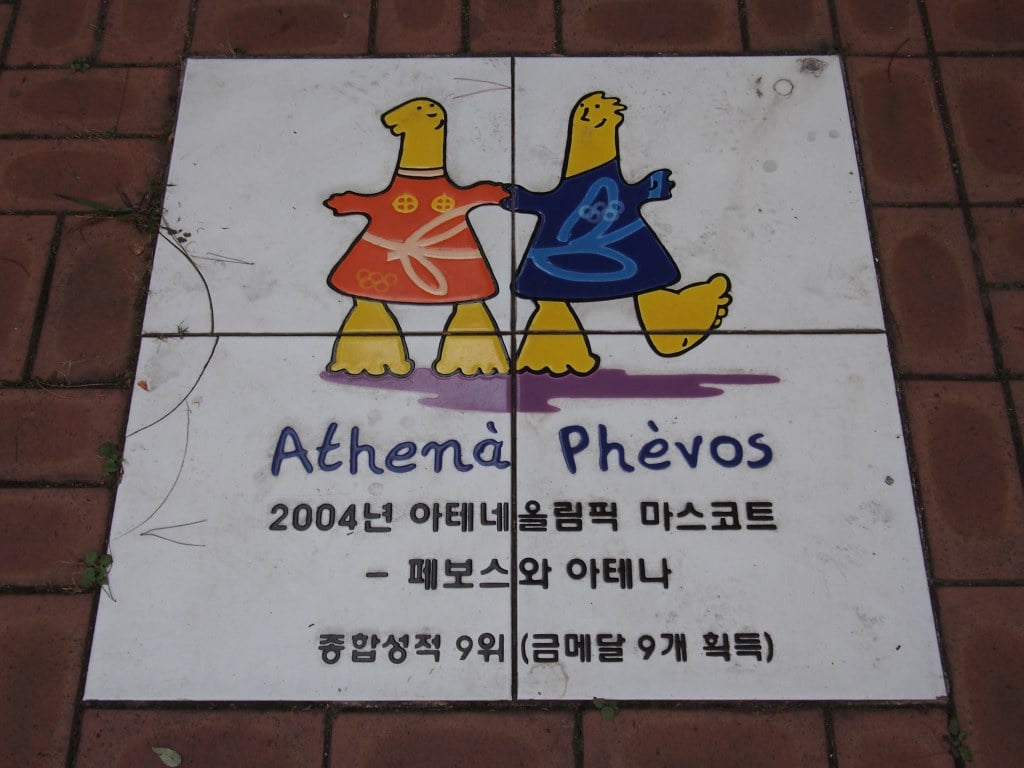
Athens 2004 returned to ancient Greece for inspiration and came up with Athena and Phevos, named after Greek gods. These doll-like figures with oversized feet looked like artifacts from a children’s museum.
Their design referenced ancient Greek art, specifically the Daidala dolls from the 7th century BC. Modern audiences found them odd, but Greeks appreciated the historical connection.
The mascots looked best in logo form—as actual costumed characters, they were deeply unsettling.
Beijing’s Quintet Was Ambitious
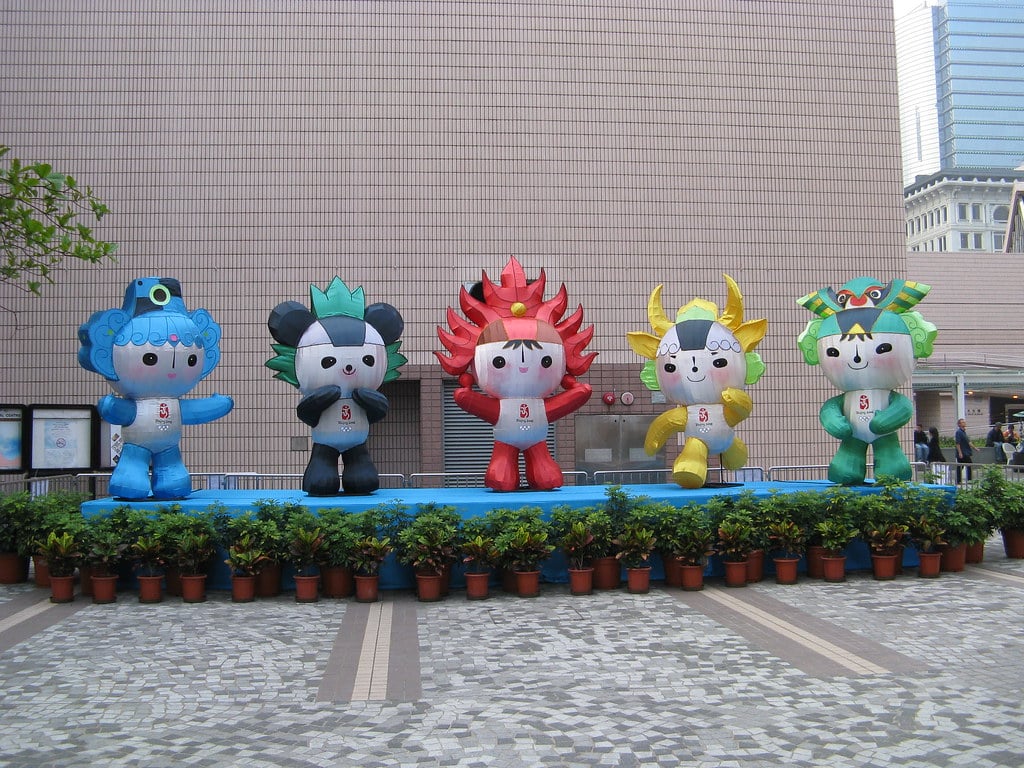
Beijing 2008 went even bigger than Sydney with five mascots called the Fuwa. Beibei, Jingjing, Huanhuan, Yingying, and Nini each represented an Olympic ring and different elements from Chinese tradition.
Together, their names formed a sentence: “Beijing welcomes you.” The ambitious concept impressed some people and confused others. Merchandise featuring all five looked cluttered, but individually they worked well enough.
China wanted to showcase its cultural depth, and five mascots certainly made a statement.
London’s Vision of the Future Terrified People
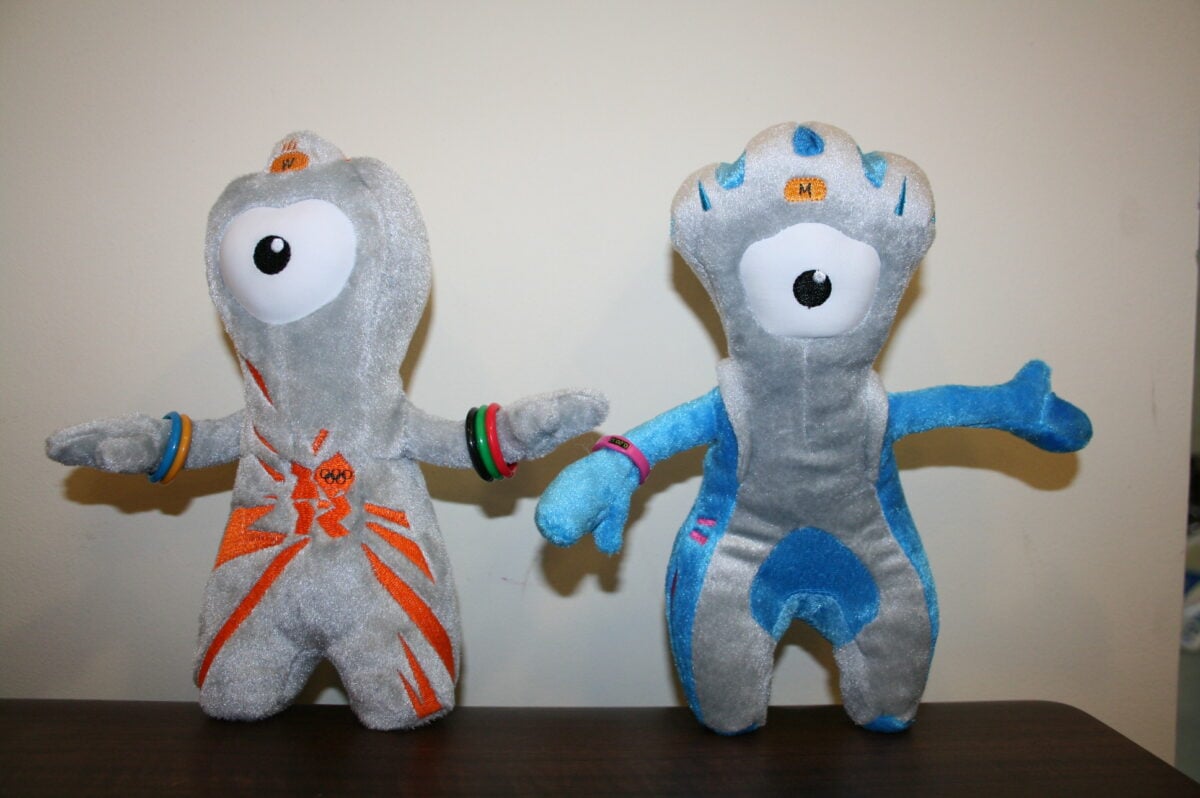
Wenlock and Mandeville from London 2012 looked like one-eyed metal beings from a dystopian future. The official story explained they were formed from the last drops of steel from the Olympic Stadium construction, which somehow didn’t make them less creepy.
These mascots had cameras for eyes and taxi lights on their heads. Children found them strange. Adults found them deeply uncomfortable.
The designers claimed the modern, technological look represented Britain’s industrial heritage and digital future, but mostly they just looked like surveillance robots.
Rio Mixed Its Animals
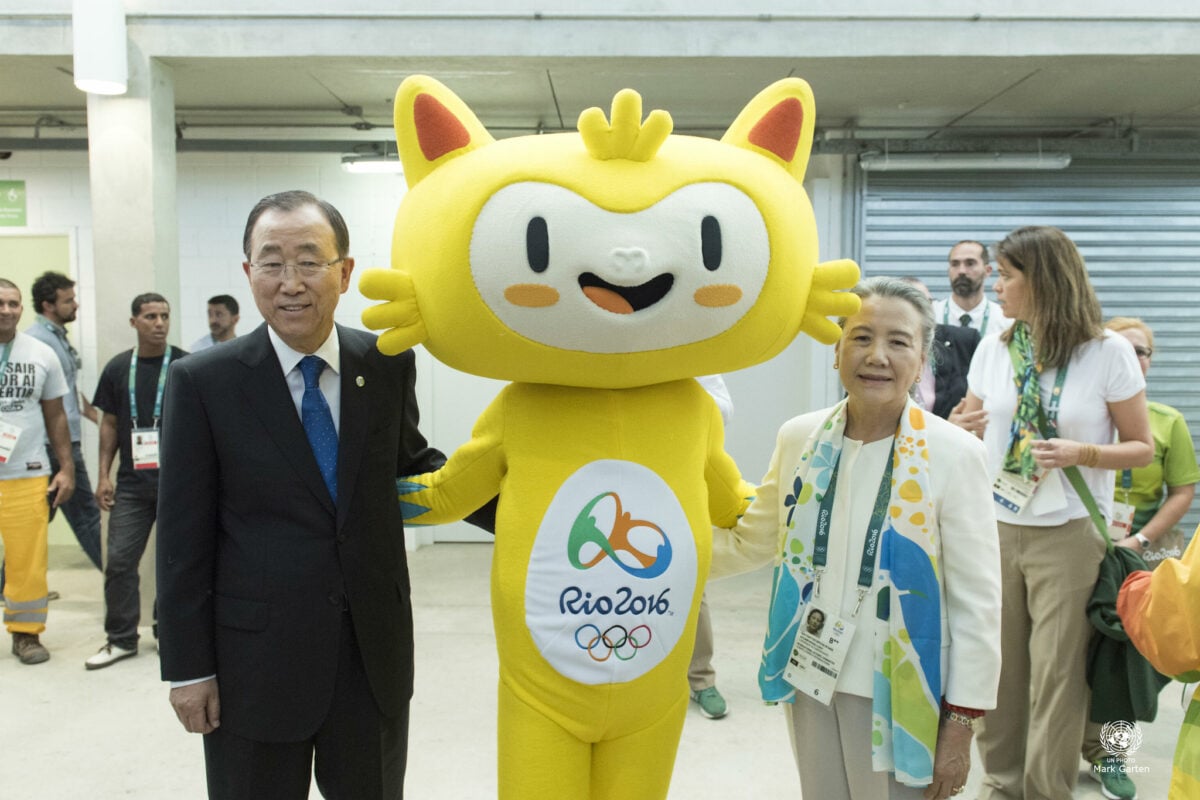
Vinicius, named after Brazilian musician Vinicius de Moraes, represented Rio 2016 as a hybrid creature combining features from various Brazilian animals. The yellow and blue character mixed elements of monkeys, cats, and birds into something that didn’t exist in nature.
This fictional approach gave designers freedom, though it also meant Vinicius lacked the immediate recognition of mascots based on real animals. Brazilians warmed to the character as the games approached, and the playful design fit Rio’s festive atmosphere.
Tokyo Went Full Anime
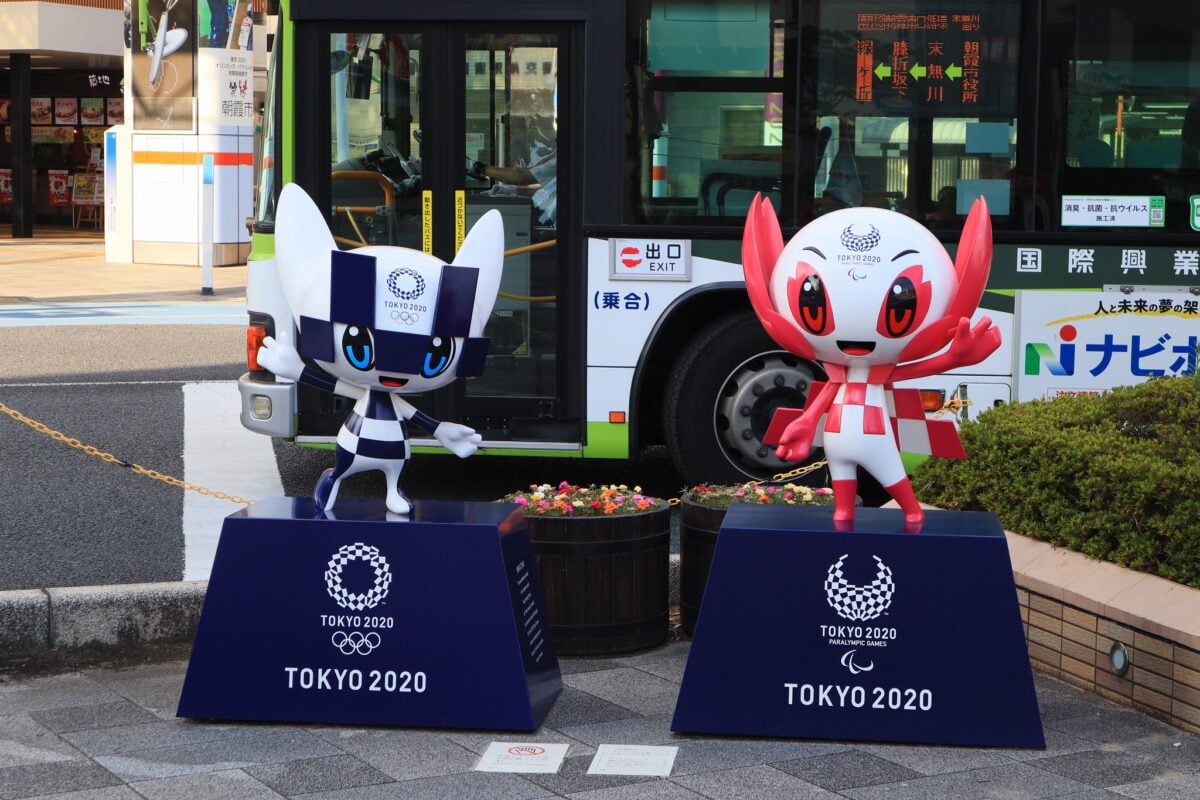
Miraitowa and Someity, the mascots for Tokyo 2020 (held in 2021), looked like they stepped out of a video game. Miraitowa combined the Japanese words for future and eternity, while Someity referenced someiyoshino cherry blossom trees and the English phrase “so mighty.”
Both had geometric patterns inspired by traditional Japanese designs. Their large eyes and sleek bodies fit Japanese aesthetic preferences perfectly, though Western audiences found them a bit too stylized.
Japan let schoolchildren vote on the final designs, which added legitimacy to these futuristic characters.
Paris Made a Hat Into a Character
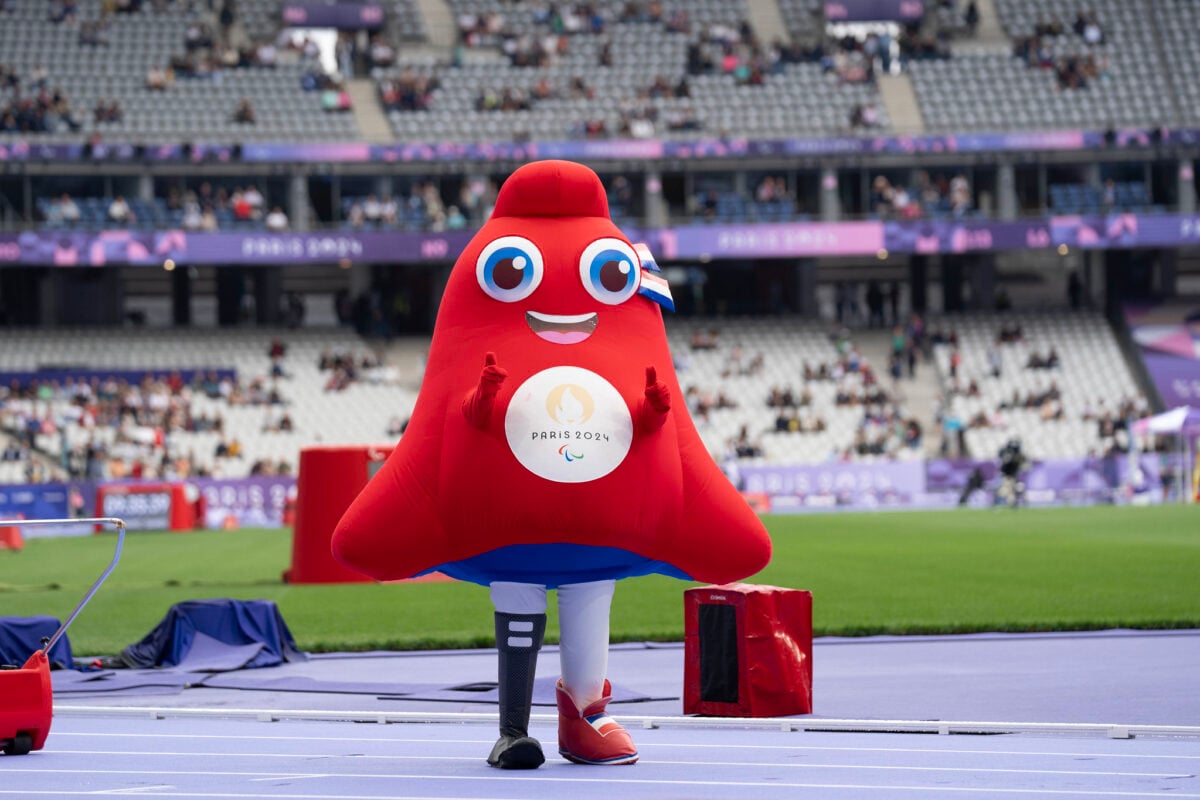
Paris 2024 broke new ground by making an inanimate object the mascot. The Phryge is literally a Phrygian cap—the red hat that became a symbol of freedom during the French Revolution.
Designers gave it eyes, a smile, and a blue tricolor ribbon, then called it a day. Some people found this minimalist approach refreshing.
Others thought it looked like a rejected emoji. The Phryge connected directly to French history and republican values, which mattered more to organizers than creating something conventionally cute.
When Merchandise Outlasts Memory
Olympic mascots face an impossible task. They need to appeal to children and adults, represent their host nation authentically, and somehow capture the spirit of international athletic competition.
Most fade from collective memory within months. The weird ones stick around because they provoke reactions, start conversations, and give people something to argue about besides medal counts.
Decades later, you remember the dachshund, the blob, and the one-eyed robots. The safe choices disappear.
More from Go2Tutors!

- The Romanov Crown Jewels and Their Tragic Fate
- 13 Historical Mysteries That Science Still Can’t Solve
- Famous Hoaxes That Fooled the World for Years
- 15 Child Stars with Tragic Adult Lives
- 16 Famous Jewelry Pieces in History
Like Go2Tutors’s content? Follow us on MSN.



