Iconic Theme Parks That Have Stood the Test of Time
Theme parks have been making people smile for centuries. Some have weathered wars, economic downturns, and changing tastes to remain beloved destinations.
These aren’t just places with rides—they’re living pieces of history that have adapted and thrived through generations. Here is a list of 11 iconic theme parks that have truly stood the test of time.
Bakken

Denmark’s Bakken opened way back in 1583, making it the world’s oldest operating amusement park. The park started as a pleasure garden near fresh-water springs, drawing crowds with live entertainment, fireworks, and dancing.
What began as people gathering around a natural spring has evolved into a modern park with over 30 attractions. The famous wooden roller coaster Rutschebanen has been thrilling riders since 1932.
Bakken proves that sometimes the oldest ideas are the best ones—people still flock there for the same reasons they did over 400 years ago: good food, entertainment, and a break from everyday life.
Tivoli Gardens

Also located in Copenhagen, Tivoli Gardens opened in 1843 and became so famous that Walt Disney visited several times for inspiration before opening Disneyland. The park features boat rides, a theater, beautiful gardens, and a popular wooden roller coaster.
Fairy-tale author Hans Christian Andersen was among its first guests, and the park’s beauty inspired him to write ‘The Nightingale.’ Even The Beatles performed at Tivoli in 1964.
The park manages to blend old-world charm with modern attractions, creating an atmosphere that feels both timeless and fresh.
Like Go2Tutors’s content? Follow us on MSN.
Lake Compounce

Lake Compounce in Bristol, Connecticut, holds the title of the oldest continuously operating amusement park in North America, opening its gates in 1846. It all started when a local scientist named Samuel Botsford convinced property owner Gad Norton to let him conduct experiments in electricity, which drew such a large crowd that Norton decided to open the space to the public.
What began as a picnic park by a lake has grown into a full-fledged theme park with 44 rides. The park is home to Boulder Dash, which has been voted the world’s number one wooden roller coaster.
Despite financial struggles over the years, Lake Compounce has survived when many similar parks faded away.
Hanayashiki

Tokyo’s Hanayashiki started as a flower park in 1853 and added amusements in 1872. This makes it Japan’s oldest amusement park, predating the country’s modernization by decades.
The park’s only roller coaster opened in 1953 and is still running today. What really draws crowds now is the Ninja School—a one-hour training course featuring swordplay, escape techniques, and martial arts.
Hanayashiki sits in the heart of Tokyo, offering a nostalgic escape from the ultra-modern city surrounding it. The park has weathered everything from world wars to earthquakes, adapting while keeping its vintage charm intact.
Cedar Point

Cedar Point in Sandusky, Ohio, opened in 1870 as a public bathing beach and added its first roller coaster in 1892. The park now has 16 roller coasters and is known as the ‘Roller Coaster Capital of the World.’
Cedar Point is the only park in the world with five coasters taller than 200 feet. What started as a simple beach resort transformed into a mecca for thrill-seekers.
The park sits on a peninsula jutting into Lake Erie, giving it a unique location that combines natural beauty with adrenaline-pumping rides. Cedar Point helped define what a modern amusement park could be, constantly pushing the boundaries of ride technology.
Like Go2Tutors’s content? Follow us on MSN.
Seabreeze

Seabreeze Amusement Park in Irondequoit, New York, opened in 1879 as a recreational park for picnics and lake activities. The park added its first carousel in 1900, and in the 1920s expanded with four roller coasters, including the iconic Jack Rabbit coaster that still operates today.
The park went through some rough patches, even changing its name to Dreamland from 1940 until the 1970s during slower years. But Seabreeze bounced back and returned to its roots.
It remains a family-owned operation that has stayed true to its mission of providing affordable fun for local families.
Kennywood
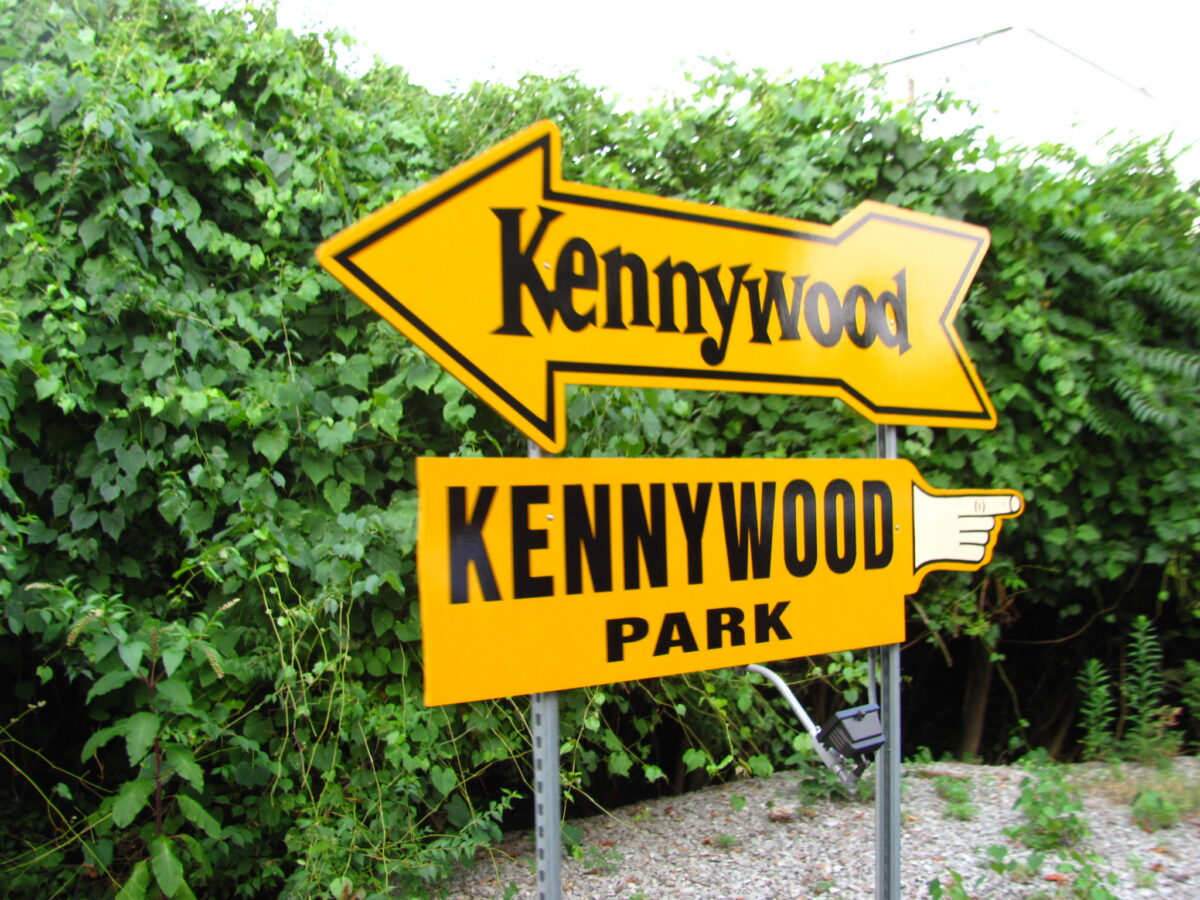
Kennywood in West Mifflin, Pennsylvania, has been entertaining families since the late 1800s. The park started as a simple trolley park—a recreational spot at the end of a trolley line designed to encourage ridership on weekends.
Kennywood’s Jack Rabbit roller coaster opened in 1920 and is still thrilling riders today. The park has a distinctive character, blending classic wooden coasters with modern steel giants.
Kennywood survived the Great Depression, two World Wars, and the decline of the steel industry in Pittsburgh. It adapted by focusing on what it does best: combining nostalgia with innovation in a parklike setting that feels more like a community gathering place than a corporate entertainment complex.
Knott’s Berry Farm
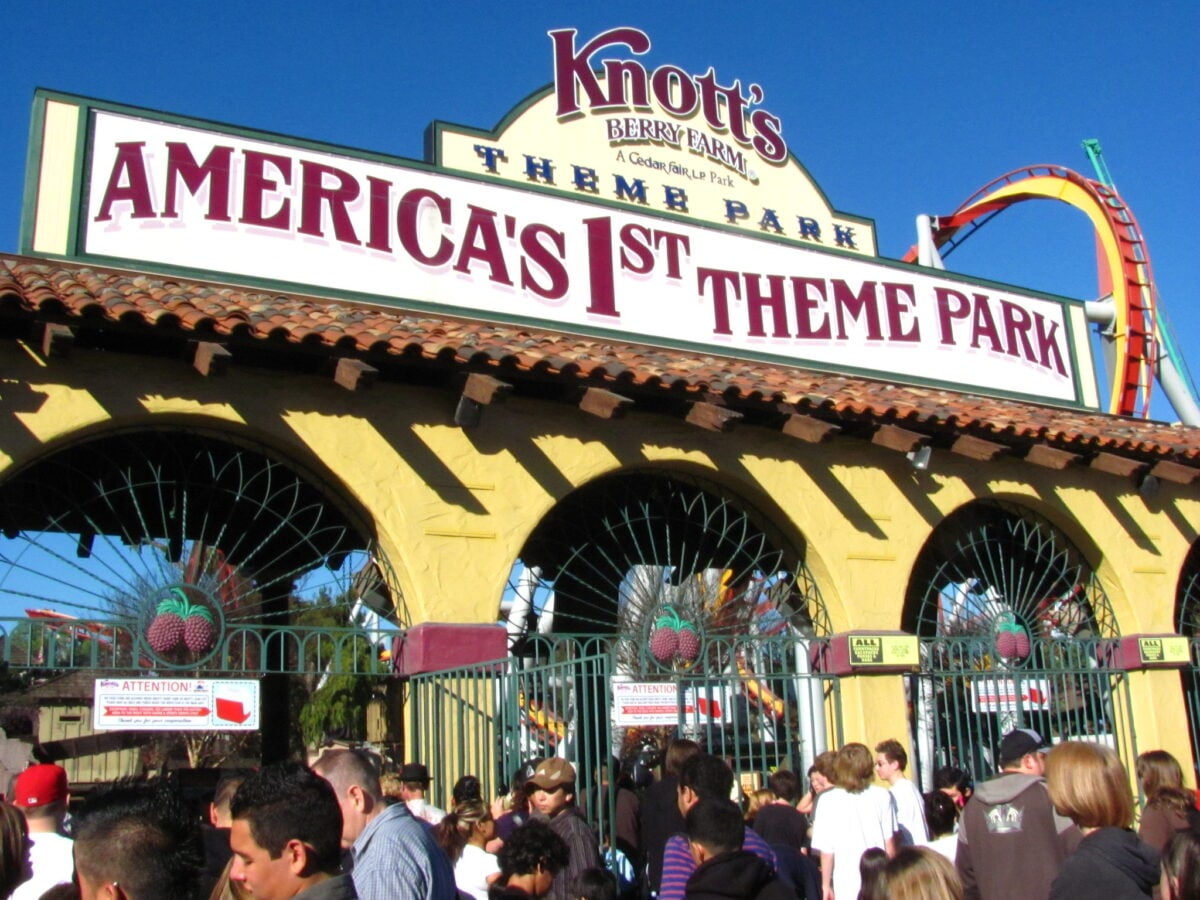
Knott’s Berry Farm’s history goes back to the 1920s when Walter Knott and his wife Cordelia bought land in California and sold boysenberries from a roadside shack. Crowds poured in, and soon the couple started selling Cordelia’s chicken dinners from their property.
In the 1940s, the park added Ghost Town, an Old West-themed attraction complete with a blacksmith’s shop and livery stables. The park became so popular that even Elvis Presley visited in the 1950s.
What started as a berry farm transformed into a full theme park that predates Disneyland. Knott’s Berry Farm sits just down the road from Disneyland now, but it has maintained its unique identity rooted in California history and Old West theming.
Like Go2Tutors’s content? Follow us on MSN.
Disneyland

Disneyland opened on July 17, 1955, in Anaheim, California, built on 160 acres of former orange groves. It was the first theme park opened by the Walt Disney Company and the only one designed and constructed under the direct supervision of Walt Disney himself.
The park cost 17 million dollars to build. The opening day was chaotic—food and drink ran out, a woman’s high-heel shoe got stuck in the wet asphalt, and the Mark Twain Steamboat nearly capsized from too many passengers.
Disneyland has a larger cumulative attendance than any other theme park in the world, with 757 million visits since it opened. Walt Disney revolutionized the industry by creating immersive themed lands rather than just a collection of rides, setting the standard every theme park since has tried to match.
Six Flags Over Texas
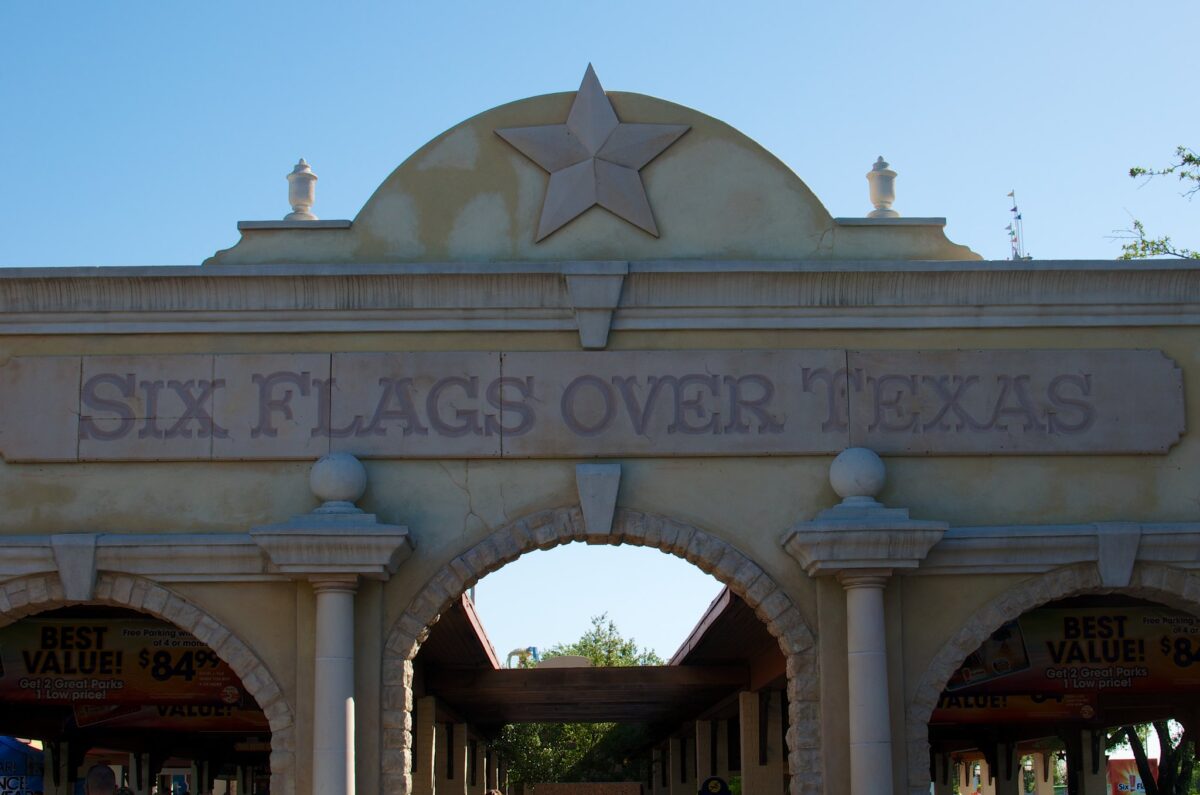
Six Flags Over Texas opened on August 15, 1961, built by real estate developer Angus Wynne for just over 3 million dollars. The park was named for the six nations that have governed Texas: Spain, France, Mexico, the Republic of Texas, the United States, and the Confederate States.
The park’s first season lasted only 45 days but attracted over 500,000 guests. Wynne had visited Disneyland and realized he could create something similar on a regional scale for a fraction of the cost.
Six Flags Over Texas added a 300-foot-tall oil derrick in 1969, substantially higher than anything at Disneyland at the time. The park became the foundation for a chain that would eventually grow into one of the largest theme park operators in the world.
Universal Studios Hollywood
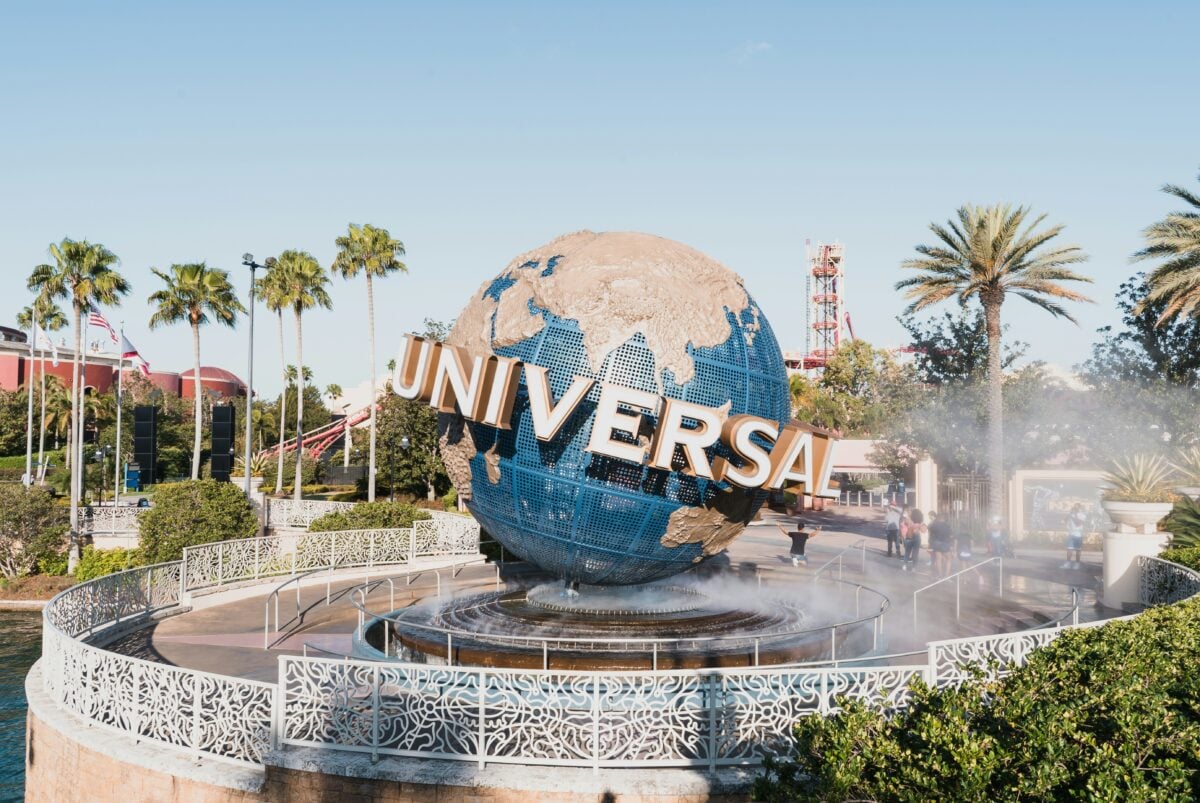
Universal Studios Hollywood opened as a theme park on July 15, 1964, though it started as a studio tour way back in 1915. Founder Carl Laemmle opened Universal City near Los Angeles and welcomed visitors to watch films being made.
The studio tour evolved over decades before transforming into a full-fledged theme park. Universal Studios Hollywood is the only theme park that offers a real studio tour as part of admission, taking guests around the busy Universal production lot.
The park pioneered the concept of bringing guests behind the scenes of movie-making while also offering thrilling attractions. Universal combined education with entertainment long before that became trendy, and the formula still works today as guests explore everything from the Wizarding World of Harry Potter to classic movie sets.
Like Go2Tutors’s content? Follow us on MSN.
Still Making Magic

These 12 parks share something special beyond their age—they’ve remained relevant by honoring their past while embracing the future. From a Danish spring that attracted crowds in the 1500s to a California berry farm that became a theme park empire, each location found its own path to longevity.
They’ve survived wars, economic crashes, natural disasters, and changing entertainment trends because they understood something fundamental: people will always want places where they can escape, laugh, and make memories. The rides get faster and the technology improves, but the core mission remains the same as it was centuries ago.
More from Go2Tutors!

- 16 Historical Figures Who Were Nothing Like You Think
- 12 Things Sold in the 80s That Are Now Illegal
- 15 VHS Tapes That Could Be Worth Thousands
- 17 Historical “What Ifs” That Would Have Changed Everything
- 18 TV Shows That Vanished Without a Finale
Like Go2Tutors’s content? Follow us on MSN.