Little-Known Origins of Everyday Inventions
You use them every day without a second thought. The Post-it note on your desk.
The microwave is heating your lunch. The bubble wrap protects packages.
These things feel like they’ve always existed, as if someone sat down and methodically designed them for their exact purpose.
But most everyday inventions happened by accident. A failed experiment.
A manufacturing mistake. Someone trying to solve a completely different problem.
The inventor often had no idea what they’d created or how useful it would become.
These origin stories reveal something interesting about innovation—it’s messy, unpredictable, and rarely follows a straight line from problem to solution.
Post-it Notes Started as a Failed Glue

Spencer Silver, a scientist at 3M, was trying to create a super-strong adhesive in 1968. Instead, he made something weak and reusable.
The glue stuck to surfaces but peeled off easily without leaving residue. Nobody at 3M knew what to do with it.
Six years later, Silver’s colleague Art Fry had a problem. He sang in his church choir and used paper bookmarks in his hymnal, but they kept falling out.
Fry remembered Silver’s weak adhesive and thought it would be perfect for bookmarks that stuck but didn’t damage pages.
3M launched the product as “Press ‘n Peel” in 1977, and it flopped. People didn’t understand the concept.
But when the company sent free samples to offices in Boise, Idaho, 90 percent of people who tried them wanted to buy more.
The company renamed them Post-it Notes and relaunched in 1980. They became one of the most successful office products ever.
The frustrating part for Silver was that he’d spent years trying to convince anyone at 3M that his weak glue had value. It took someone else’s completely unrelated problem to show what it was actually good for.
Microwave Ovens Came from a Melted Chocolate Bar
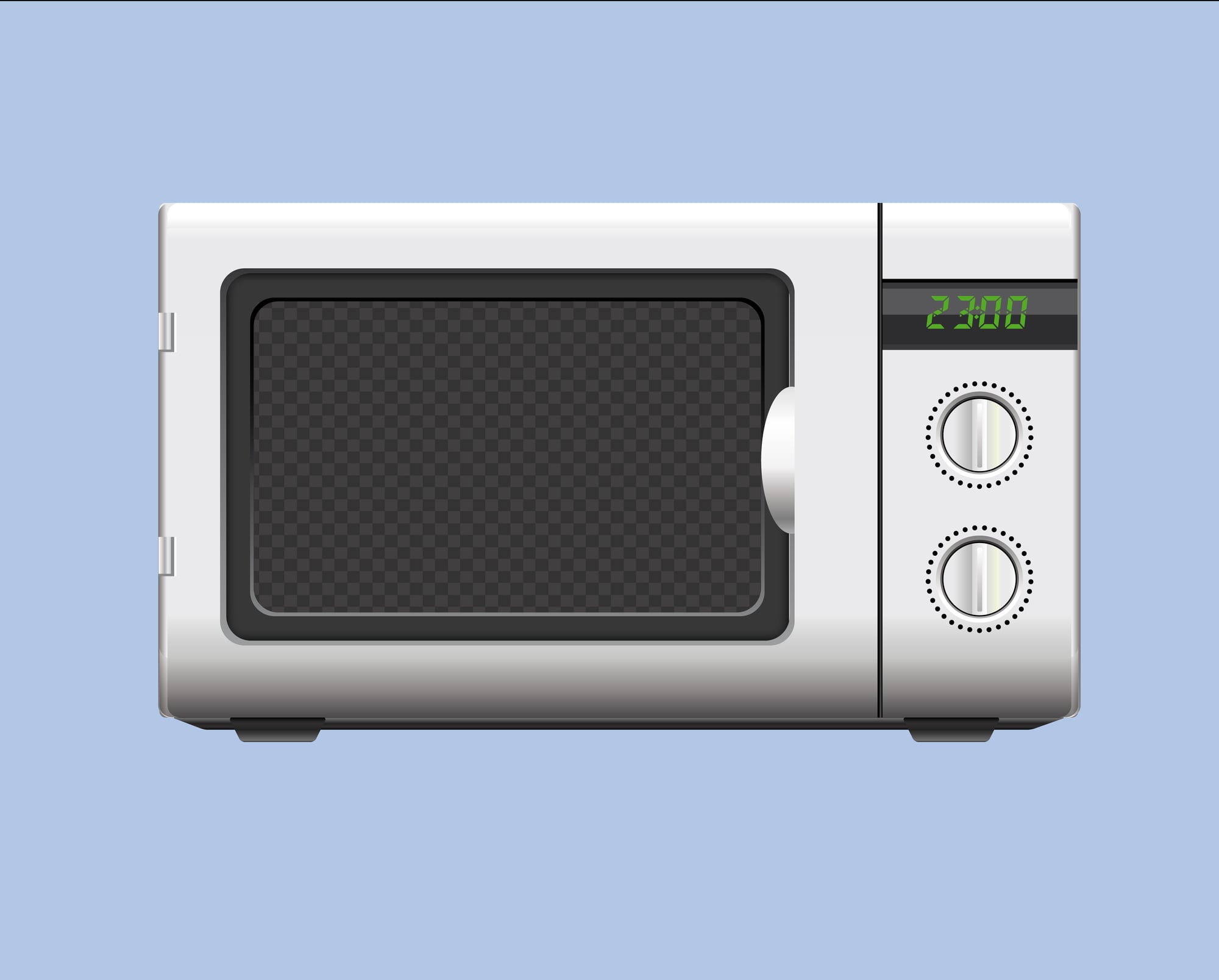
Percy Spencer worked for Raytheon in 1945, building magnetrons for radar systems. One day while testing a magnetron, he noticed the chocolate bar in his pocket had melted.
Most people would have shrugged and blamed body heat, but Spencer got curious.
He started experimenting. He placed popcorn kernels near the magnetron and watched them pop.
He tried an egg, which promptly exploded and splattered all over a colleague’s face. Spencer realized the magnetron’s electromagnetic waves could heat food faster than conventional ovens.
Raytheon patented the technology and built the first commercial microwave oven in 1947. It was called the “Radarange,” stood over five feet tall, weighed 750 pounds, and cost $5,000.
Only restaurants and ships could afford them.
It took another 20 years before microwaves became small and cheap enough for home kitchens. The first countertop model arrived in 1967.
By the 1980s, microwave ovens were in most American homes, fundamentally changing how people cooked and reheated food.
Play-Doh Was Originally Wallpaper Cleaner
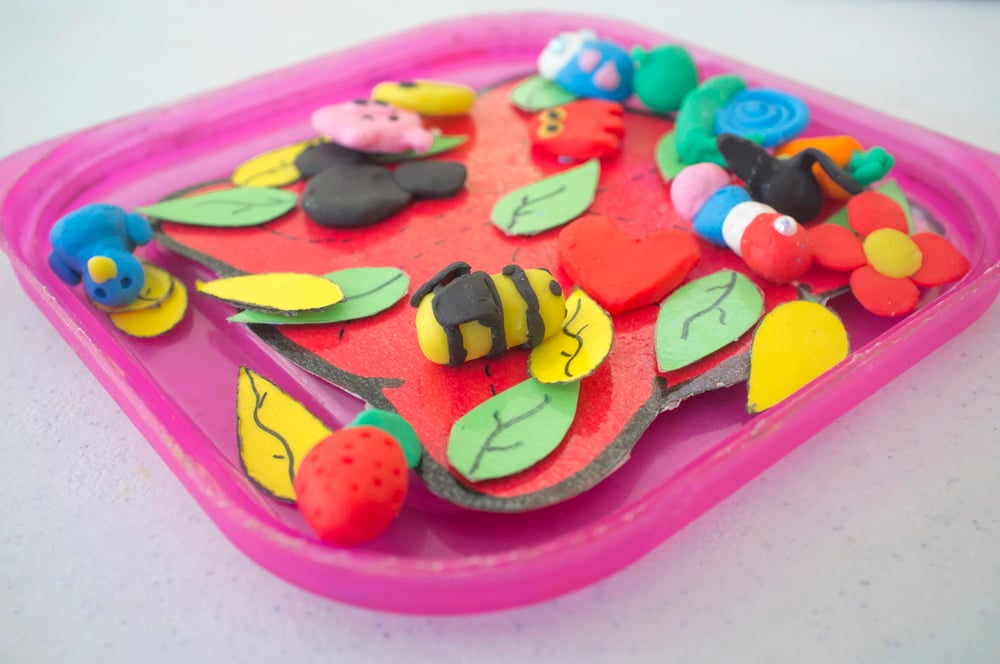
Joseph McVicker worked for his family’s soap company in Cincinnati in the 1930s. They made a putty product that people used to clean coal residue off wallpaper.
You’d roll it across the wall and it would pick up soot without damaging the paper.
The product worked fine until homes stopped using coal furnaces. Suddenly nobody needed wallpaper cleaner anymore.
The company was struggling until McVicker’s sister-in-law, a nursery school teacher, mentioned that her students used the putty for art projects instead of traditional modeling clay.
McVicker realized the putty was safer and easier for kids to use than clay. He removed the detergent that made it cleaner.
Added colors and a pleasant almond scent, renamed it Play-Doh, and started selling it to schools in 1956.
The product became enormously popular, saving the family business and creating a toy that’s now sold over 2 billion containers.
Bubble Wrap Wasn’t Meant for Packaging

Alfred Fielding and Marc Chavannes wanted to create textured wallpaper in 1957. They sealed two shower curtains together with air bubbles trapped between them.
Thinking the three-dimensional effect would look interesting on walls.
The wallpaper idea failed completely. Nobody wanted bumpy walls.
The inventors tried marketing it as greenhouse insulation, which also didn’t take off.
For three years, they couldn’t figure out what to do with their invention. Then IBM announced it was shipping a new computer model and needed protective packaging.
Fielding and Chavannes pitched their product as a solution. The material’s air pockets cushioned fragile items during shipping better than paper or foam.
IBM started using it in 1960, and other companies quickly followed.
The satisfying pop of the bubbles became an unintended feature. The product succeeded because of properties the inventors hadn’t even considered when they made wallpaper.
Super Glue Was Discovered Twice by the Same Person

Harry Coover worked for Eastman Kodak during World War II, trying to develop clear plastic gun sights. He created cyanoacrylate, but it was impossibly sticky and ruined precision equipment.
The substance bonded instantly to everything it touched. Coover rejected it as useless.
Nine years later in 1951, Coover was overseeing a project to develop heat-resistant airplane canopies. One of his colleagues spread cyanoacrylate between refractometer prisms to measure refractive index.
The prisms stuck together permanently. The expensive equipment was ruined.
This time Coover recognized what he had—an adhesive that bonded almost instantly without heat or pressure. Eastman Kodak marketed it as “Eastman 910” in 1958.
Later renamed Super Glue.
Coover appeared on a TV show where he hung from a beam using a single drop of the adhesive, proving its strength.
The same person discovered the same substance twice and rejected it the first time. Context changed everything.
Corn Flakes Were Created to Suppress Desire
John Harvey Kellogg ran a sanitarium in Battle Creek, Michigan, in the 1890s. He had unconventional ideas about health and believed bland food would reduce people’s urges.
And improve moral behavior.
His patients complained constantly about the boring diet. Kellogg and his brother Will were experimenting with wheat dough one day.
Trying to create a digestible bread for patients with bad teeth.
They accidentally left a batch of boiled wheat out too long and it went stale. Rather than waste it, they rolled it out anyway.
And discovered it formed flakes when they baked it.
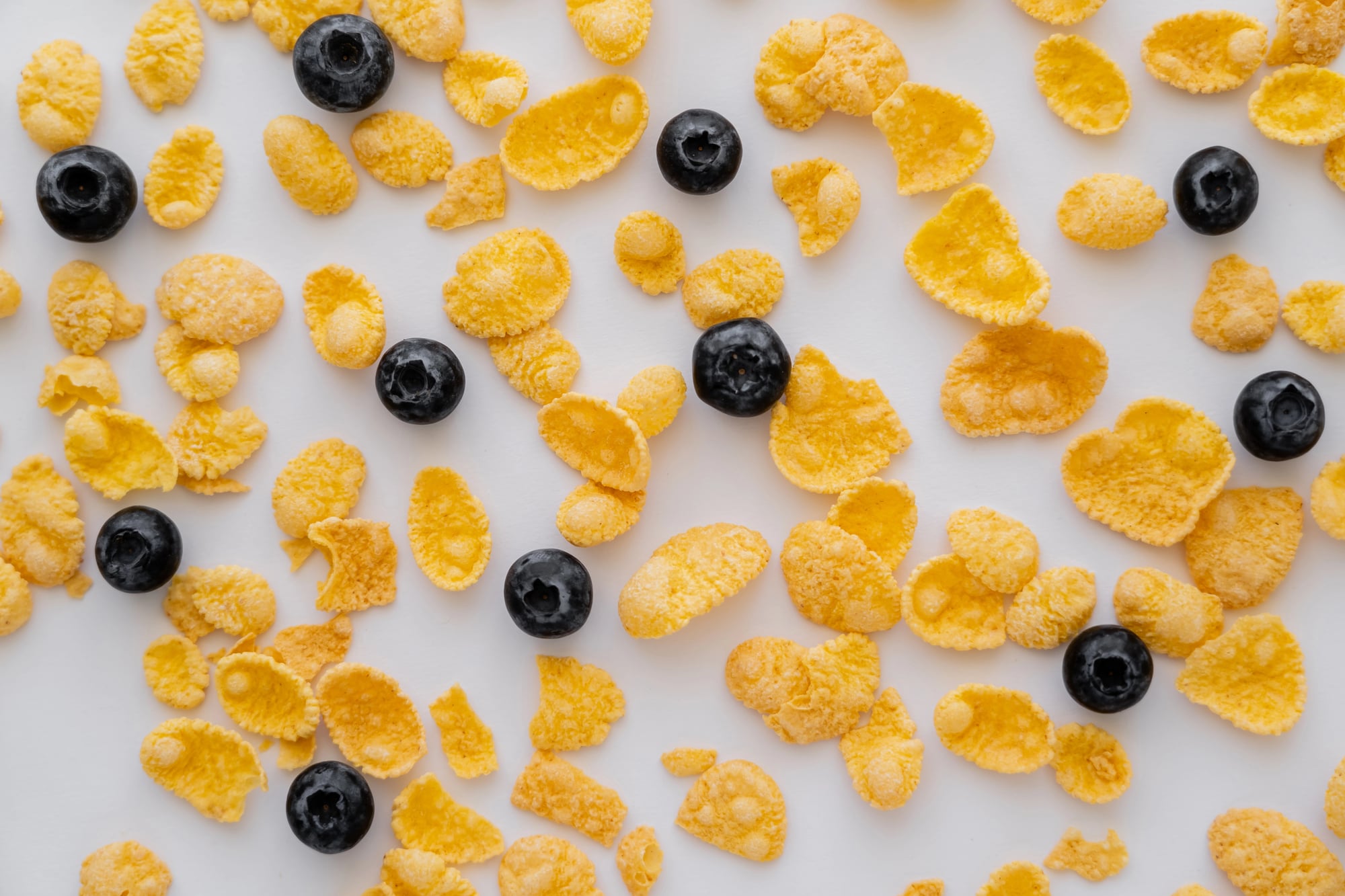
The brothers tried the same process with corn and created corn flakes in 1898. Patients loved them.
Will Kellogg wanted to add sugar to make them more appealing and sell them commercially. John refused.
Wanting to keep them bland for moral reasons.
The brothers had a falling out. Will started his own company in 1906.
Added sugar to the recipe, and turned corn flakes into one of the best-selling breakfast cereals in America.
John’s sanitarium eventually closed. The invention succeeded only after someone ignored its creator’s original purpose.
Stainless Steel Resulted from Artillery Research
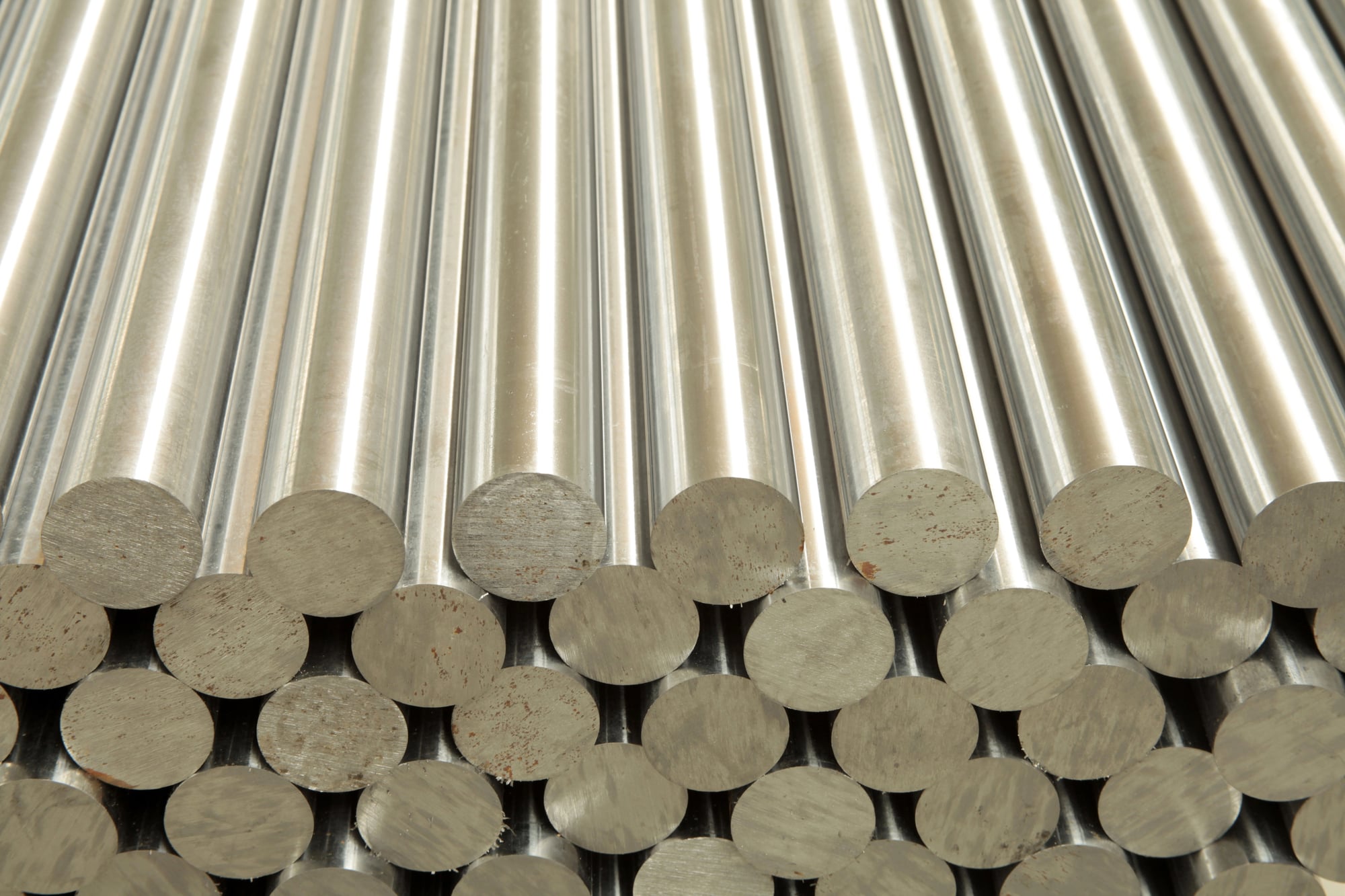
Harry Brearley worked in Sheffield, England, testing metals for gun barrels in 1913. The British army needed barrels that wouldn’t corrode from heat and friction.
Brearley experimented with different steel alloys, adding varying amounts of chromium.
Most samples rusted quickly when exposed to acid. Brearley noticed one sample with 12.8 percent chromium stayed shiny.
And showed no corrosion.
He’d accidentally created stainless steel while looking for something else entirely. He initially tried to sell the material for gun barrels.
But the military wasn’t interested.
Then Brearley realized the alloy would make excellent cutlery that never tarnished. He took samples to a local cutlery maker.
Who confirmed stainless steel could replace traditional silver-plated utensils.
Stainless steel transformed industries from kitchen equipment to medical instruments to construction. Brearley spent years fighting patent disputes with other metallurgists.
Who’d made similar discoveries around the same time.
Velcro Came from Annoying Burrs
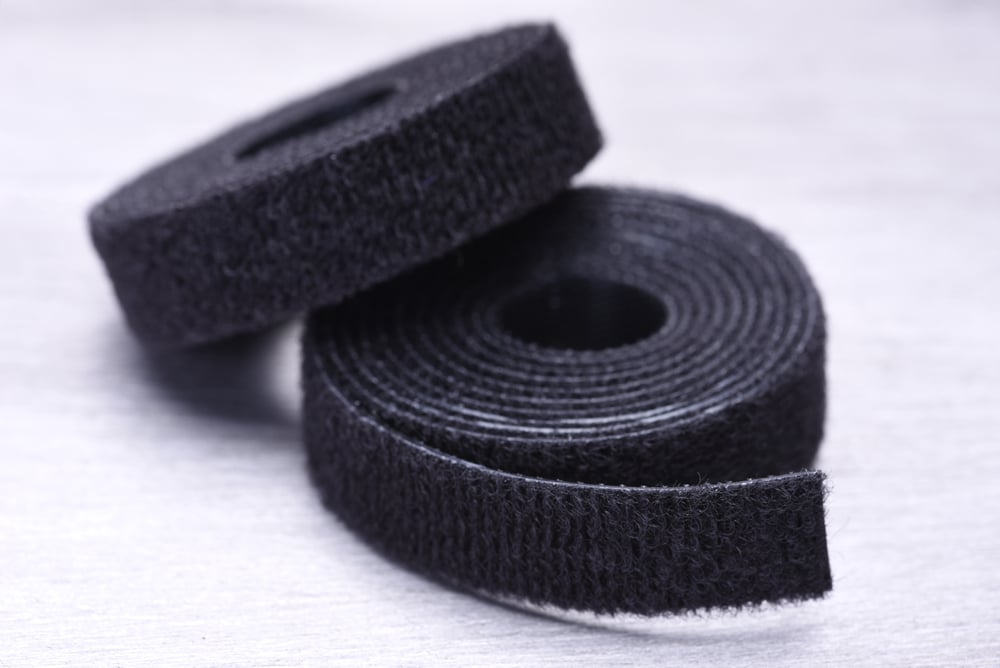
George de Mestral went hunting in the Swiss Alps in 1941 and returned home with his dog’s fur covered in burrs. He got annoyed pulling them off.
And decided to examine one under a microscope to understand why they stuck so stubbornly.
He saw the burrs had hundreds of tiny hooks that caught on anything with loops. Fabric, fur, hair.
De Mestral realized he could create a fastener using the same principle. One side with tiny hooks.
The other with small loops.
It took him eight years to figure out how to manufacture it. He eventually found a weaver in France.
Who helped him create the hook-and-loop fastener using nylon.
De Mestral patented it in 1955 and named it Velcro. Combining the French words “velours” (velvet) and “crochet” (hook).
The fashion industry initially dismissed Velcro as ugly. It gained popularity when NASA started using it.
In space suits and equipment.
Now the fastener appears on shoes, clothing, blood pressure cuffs, and thousands of other products.
Saccharin Was Found on Dirty Hands
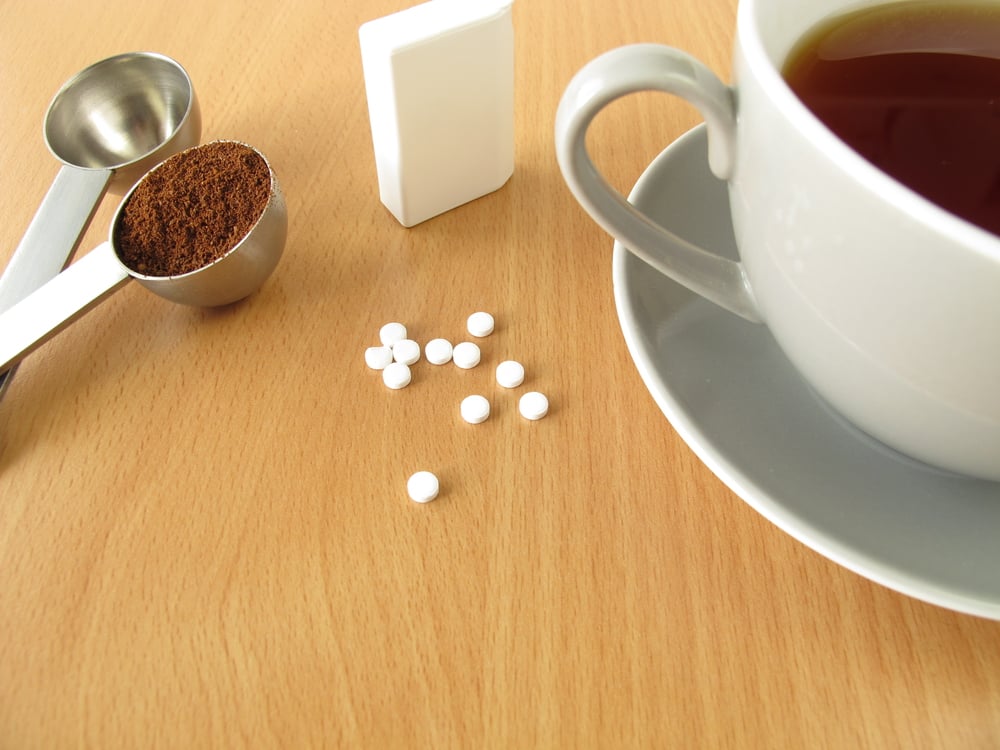
Constantin Fahlberg worked in a chemistry lab at Johns Hopkins University in 1879. Researching coal tar derivatives.
He spilled a chemical on his hands during an experiment.
That evening at dinner, he noticed his bread tasted unusually sweet. Fahlberg realized the sweetness came from the chemical residue.
Still on his hands.
He hadn’t washed properly after work. He went back to the lab and started tasting everything.
On his workbench until he identified the compound—benzoic sulfimide.
Later called saccharin. He patented saccharin in 1884.
Without crediting his supervisor or the university.
The artificial sweetener was 300 times sweeter than sugar. And became especially popular during World War I.
When sugar was rationed.
Saccharin faced health controversies over the decades but remained one of the most widely used artificial sweeteners.
The discovery happened because Fahlberg had terrible lab hygiene. Following safety protocols would have meant washing his hands thoroughly.
And he never would have tasted the compound.
Teflon Appeared in a Failed Refrigeration Experiment

Roy Plunkett worked for DuPont in 1938, researching new refrigerants. He stored tetrafluoroethylene gas in pressurized canisters.
And planned to use it the next morning.
When he opened a canister, nothing came out. The canister’s weight hadn’t changed.
So the gas hadn’t leaked.
Plunkett cut the canister open and found a white, waxy powder. Coating the inside.
The gas had spontaneously polymerized overnight into polytetrafluoroethylene. Now known as Teflon.
The substance was incredibly slippery and resisted chemical reactions.
DuPont initially used Teflon for military applications during World War II. Coating valves and seals.
In the Manhattan Project.
The substance could withstand corrosive chemicals needed for uranium enrichment. A French engineer later figured out how to bond Teflon to metal.
Creating nonstick cookware in the 1950s.
Plunkett’s accidental discovery became one of the most versatile materials in manufacturing. Used in everything from kitchen pans.
To medical implants to computer chips.
Silly Putty Started as Synthetic Rubber

During World War II, the Japanese controlled rubber supplies from Southeast Asia. The U.S. government asked scientists to develop synthetic rubber.
For military vehicles and equipment.
James Wright, working for General Electric in 1943, mixed boric acid with silicone oil. The result was useless.
For tires or equipment.
The substance bounced, stretched, and could lift print from newspaper pages. But it melted under heat.
And broke under stress.
General Electric sent samples to engineers worldwide. Asking if anyone could find a practical use for it.
Nobody could.
Peter Hodgson, a marketing consultant, saw the substance at a party in 1949. Adults were playing with it.
And clearly having fun.
He borrowed $147 to buy the production rights. And packaged it as a toy in plastic eggs.
He called it Silly Putty and sold it at toy stores for a dollar.
The product became an unexpected hit when The New Yorker mentioned it in 1950. Hodgson’s company sold millions of eggs.
Before his death in 1976.
Apollo 8 astronauts even took Silly Putty to space. To secure tools during weightlessness.
Matches Emerged from a Chemistry Lecture Demonstration

John Walker ran a pharmacy in Stockton-on-Tees, England. And experimented with chemicals in his spare time.
In 1826, he was mixing a combustible paste.
Containing antimony sulfide and potassium chlorate. He stirred it with a stick.
And some of the mixture dried on the end.
When Walker tried to scrape the dried mixture off. By striking the stick against the floor.
It burst into flame.
He realized he’d found a way to create fire on demand. Walker made more sticks.
Coated with the mixture and called them “friction lights.”
He sold them from his pharmacy but never patented the invention. He didn’t think matches would be commercially significant.
Other people quickly copied his formula. And made fortunes manufacturing matches.
Walker died modestly. While the people who’d stolen his idea became wealthy.
The modern match industry grew from Walker’s accidental discovery. Though the formula has changed substantially for safety reasons.
Pacemakers Were Built While Studying Heart Sounds

Wilson Greatbatch worked at the University of Buffalo in 1956. Building a device to record heart rhythms.
He reached into a box for a resistor. And accidentally grabbed a transistor.
With the wrong resistance value.
When he installed it in the circuit, the device produced electrical pulses. Instead of recording sounds.
Greatbatch realized the pulses happened at a steady rhythm. Similar to a heartbeat.
He knew that damaged hearts sometimes needed external electrical stimulation. To maintain rhythm.
His mistake had created a device that could regulate heartbeats.
He spent two years miniaturizing the circuit. And developing a battery.
That could safely work inside the human body.
The first implantable pacemaker was successfully installed in a patient in 1960. The device ran for 18 months.
Before needing replacement.
Pacemakers have saved millions of lives since Greatbatch’s accident. Modern versions are far more sophisticated.
But they all trace back to someone grabbing the wrong component from a parts box.
When Accidents Build the Future

Most of these inventors weren’t trying to create what they ended up creating. They were looking for something else.
Or nothing at all.
The breakthrough came from paying attention to mistakes instead of discarding them. This matters because it contradicts how people think innovation works.
You can’t plan accidents. You can’t schedule serendipity.
But you can create conditions where useful mistakes are more likely to happen. And more likely to be recognized when they do.
That requires curiosity, flexibility, and the willingness to see value in failure. The next accidental invention is probably sitting in a lab right now.
Waiting for someone to notice it.
More from Go2Tutors!

- The Romanov Crown Jewels and Their Tragic Fate
- 13 Historical Mysteries That Science Still Can’t Solve
- Famous Hoaxes That Fooled the World for Years
- 15 Child Stars with Tragic Adult Lives
- 16 Famous Jewelry Pieces in History
Like Go2Tutors’s content? Follow us on MSN.