Bizarre Ice Cream Flavors Worldwide
Ice cream is one of those foods that most people assume they understand. Chocolate, vanilla, strawberry — the classics exist for good reason.
But spend any time looking at what ice cream makers around the world have created, and the picture gets considerably stranger. From fermented fish to deep-fried chicken, the global appetite for frozen novelty has produced some combinations that are genuinely hard to explain and even harder to forget.
Squid Ink, Japan
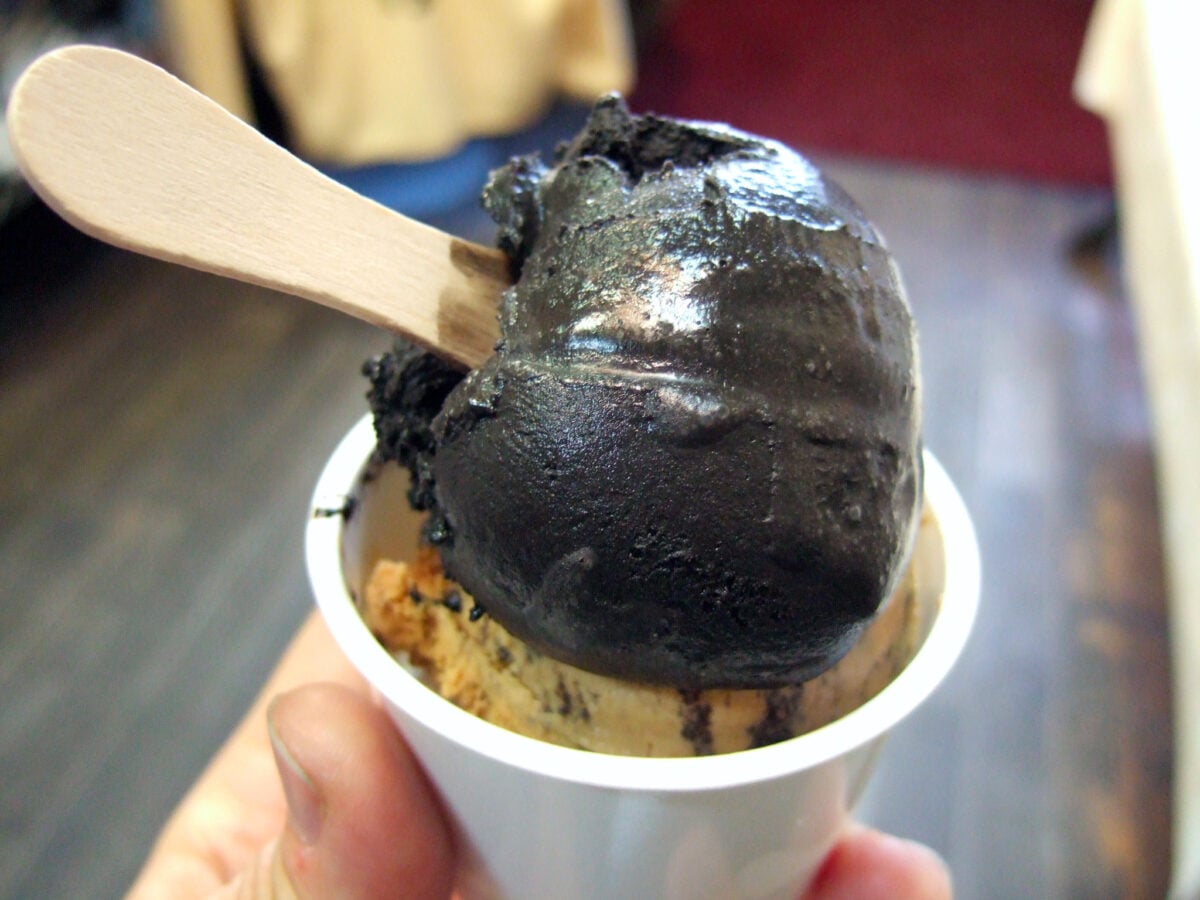
Japan has a long history of pushing ice cream into unusual territory, and squid ink is one of the more visually arresting examples. The flavour is sold at various seaside towns and seafood markets, and the ice cream itself turns a deep, glossy black from the ink.
The taste is briny and faintly oceanic — not sweet in the way most people expect ice cream to be. It’s the kind of thing you order once to prove something to yourself, and the photographs are undeniably striking.
Breast Milk, United Kingdom
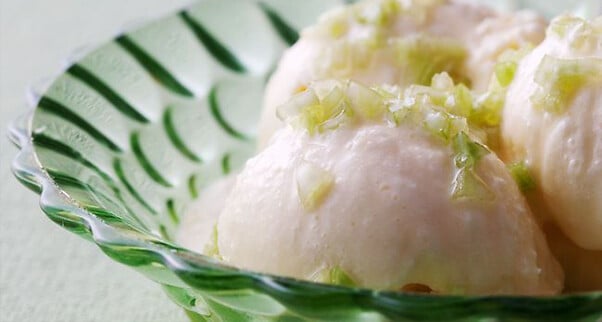
In 2011, a London ice cream parlour called The Icecreamists briefly sold a product made with human breast milk, donated by mothers who responded to an advertisement. They named it Baby Gaga and sold it for £14 a serving. Health authorities confiscated the stock within days of launch for testing, citing concerns about screening and hygiene.
The product returned briefly after testing, then quietly disappeared. Whether it was a serious product or a piece of performance art disguised as a dessert probably depends on how generously you want to interpret it.
Bacon and Eggs, United States
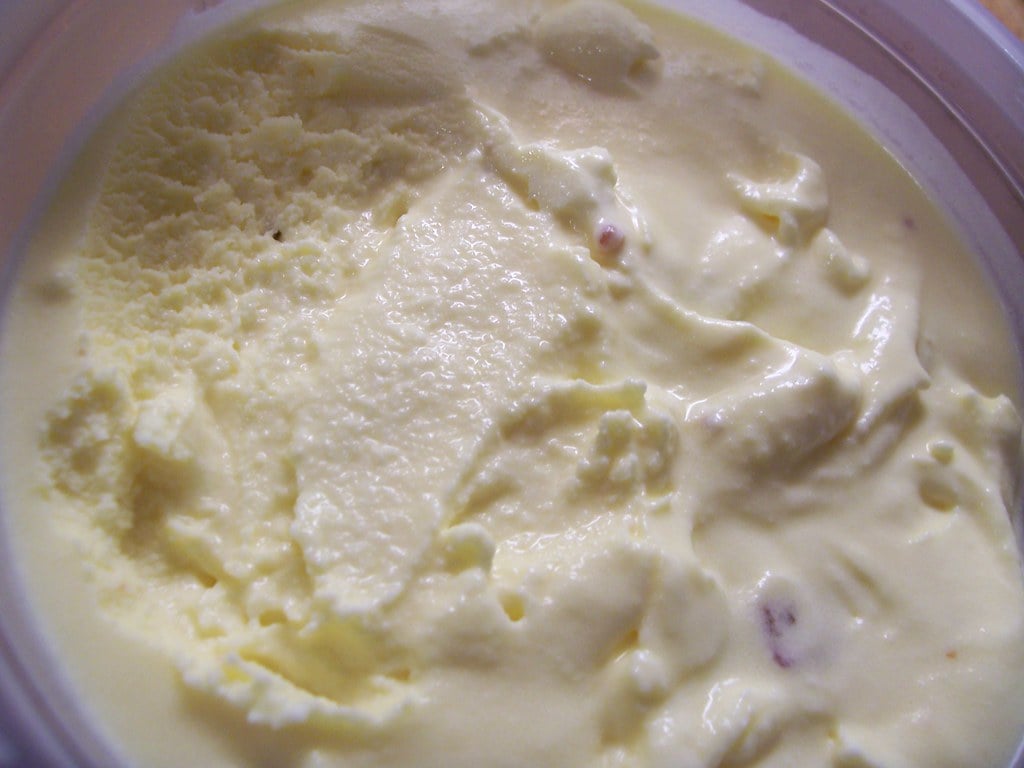
Several American ice cream makers have gone after the breakfast market with bacon and egg flavours — usually a sweet cream or custard base with real bacon pieces mixed through and a maple syrup swirl. Salt Lake City’s Ice Cream Bar has been noted for this kind of combination.
The logic isn’t entirely without merit: the combination of salty, smoky bacon with sweet cream is a real flavour contrast that works in other contexts. Whether it works frozen is a matter of personal conviction.
Crocodile Egg, Thailand

Thailand’s street food and novelty ice cream scene is experimental by nature, and crocodile egg ice cream appears at various markets and tourist destinations. The eggs have a richer, slightly gamier flavour than chicken eggs, and when churned into ice cream the result is described as intensely eggy with an unusual aftertaste.
It’s sold alongside other novelty flavours and tends to attract the kind of customer who is specifically looking for something they can report back on.
Charcoal, Worldwide
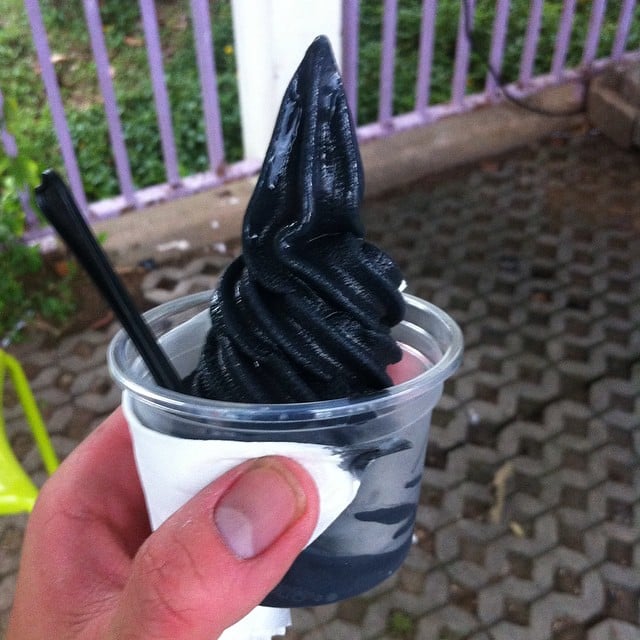
Activated charcoal ice cream swept through trendy dessert shops globally around 2016 and 2017, turning up in New York, London, Melbourne, and dozens of cities in between. The appeal was almost entirely visual — the ice cream turns a deep, matte black, which photographs dramatically.
The charcoal itself is flavourless, so the taste depended entirely on whatever else was in the base. Health professionals pointed out that activated charcoal can interfere with medications and is not the detoxifying agent it was marketed as.
The trend faded, but the black cone hasn’t entirely disappeared.
Salted Licorice, Scandinavia
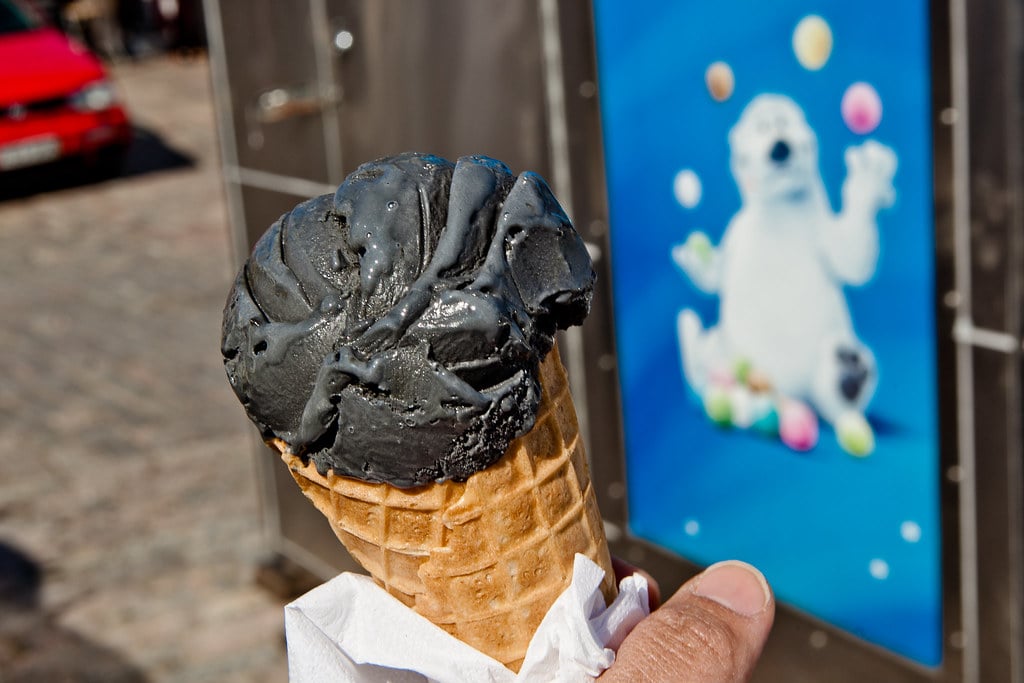
Salted licorice is already a polarising flavour in its solid form — beloved across Scandinavia and the Netherlands, bewildering to most people outside those regions. The flavour comes from ammonium chloride rather than just sugar, giving it a sharp, almost medicinal saltiness on top of the licorice base.
As an ice cream, it doubles down on everything that already divides opinion about salted licorice. In Denmark and Finland it’s a genuine local favourite.
Tourists encounter it expecting something sweet and frequently do not hide their reaction.
Garlic, United States
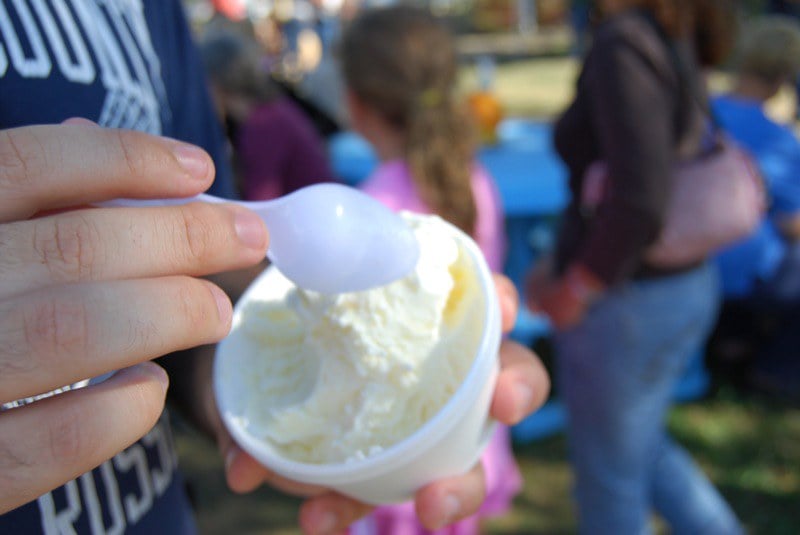
Gilroy, California — which calls itself the Garlic Capital of the World — hosts an annual garlic festival that has served garlic ice cream for decades. The flavour uses roasted garlic rather than raw, which mellows the sharpness considerably, but it is still unmistakably garlic in a sweet, creamy context.
The festival draws tens of thousands of visitors each year, many of whom eat the ice cream specifically because it sounds like a bad idea. It has also inspired garlic ice cream experiments at other venues, none of which have managed to make it seem less strange.
Raw Horse Flesh, Japan

Basashi ice cream is a Japanese novelty flavour based on basashi — thinly sliced raw horse meat, which is a traditional delicacy in parts of Japan, particularly in Kumamoto. The ice cream version incorporates the flavour into a vanilla or lightly sweet base.
It’s sold in specialty shops and online as a souvenir item, often alongside other regional novelty flavours. The taste is described as subtly savoury with a faint gamey note.
It is, by any reasonable measure, a flavour that requires commitment.
Durian, Southeast Asia

Durian is a large, spiky tropical fruit with an extremely powerful smell — often described as a combination of overripe onion, gym equipment, and custard. It’s banned from public transport and hotel rooms across much of Southeast Asia due to the odour.
It is also, to people who love it, one of the most delicious things in existence. Durian ice cream captures the custard-rich flavour while slightly softening the smell, and in countries like Thailand, Malaysia, and the Philippines it’s a completely mainstream flavour.
For everyone else, it remains one of the most challenging things a dessert can ask of you.
Ox Tongue, Japan
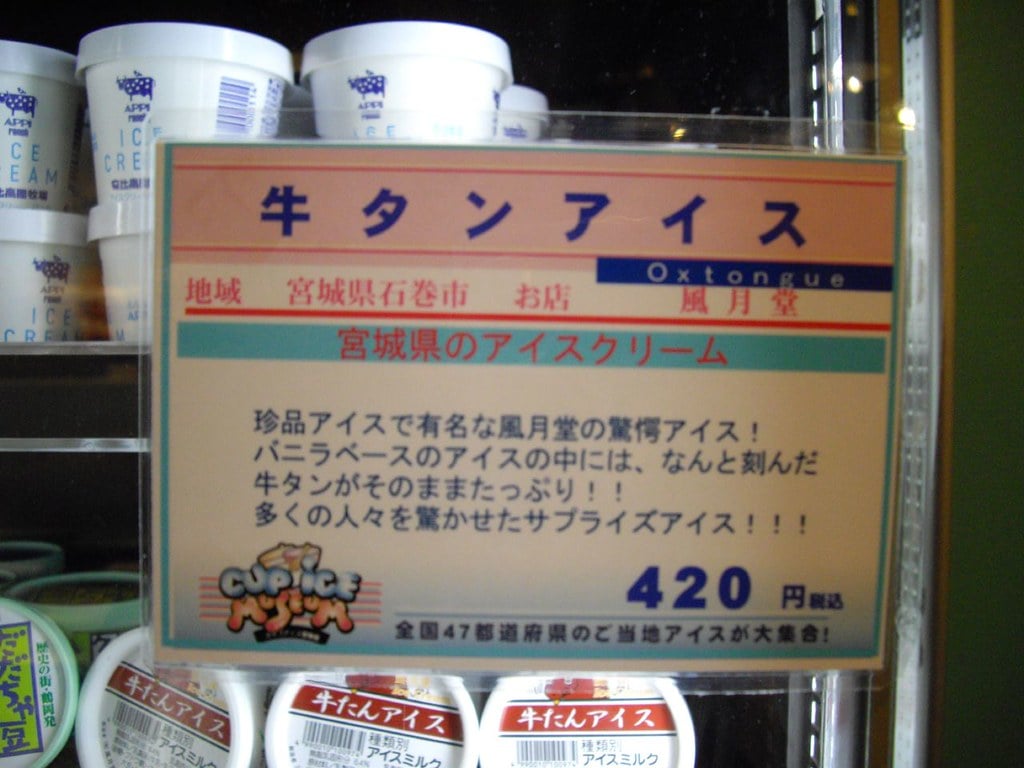
Japan appears on this list repeatedly, and with good reason — the country has an ice cream culture that treats unusualness as a selling point rather than a problem. Ox tongue (gyutan) is a popular food in Sendai, in northeastern Japan, and the local ice cream industry has turned it into a souvenir flavour.
The ice cream has a subtle savoury note and apparently faint beefy undertones. It’s sold alongside other regional ice creams including cow tongue curry and beef fat flavours, collectively creating an entire savoury-meat dessert subcategory.
Mustard, France
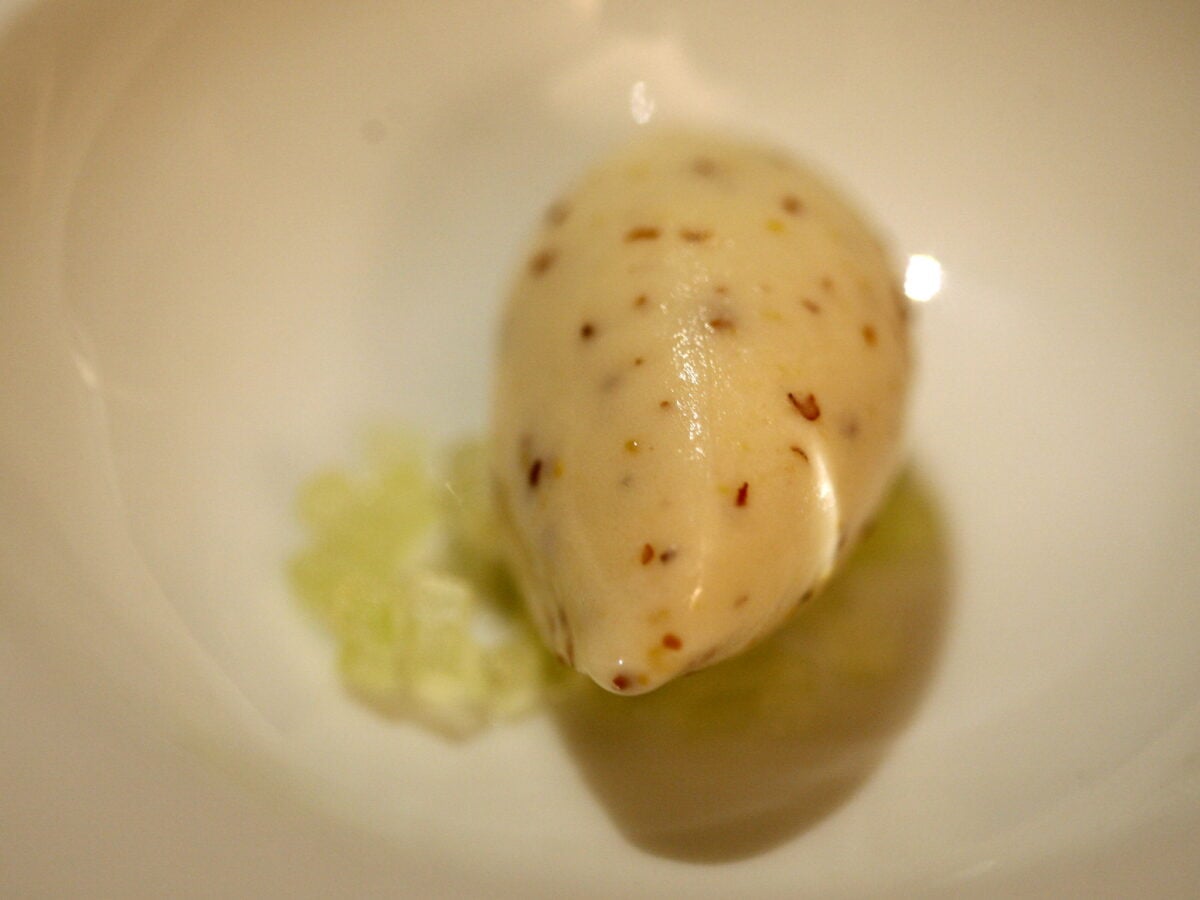
Dijon in Burgundy is famous for its mustard, and local producers have made mustard ice cream part of the regional food tourism experience. The Maille mustard shop in Dijon has offered mustard ice cream to visitors, and several local restaurants serve it as an accompaniment to cheese or as a palate cleanser between courses.
The sharp, tangy heat of good Dijon mustard doesn’t entirely disappear in ice cream form. It’s the kind of flavour that makes more sense as a small, single scoop alongside something savoury than as a dessert in its own right.
Jellyfish, Japan
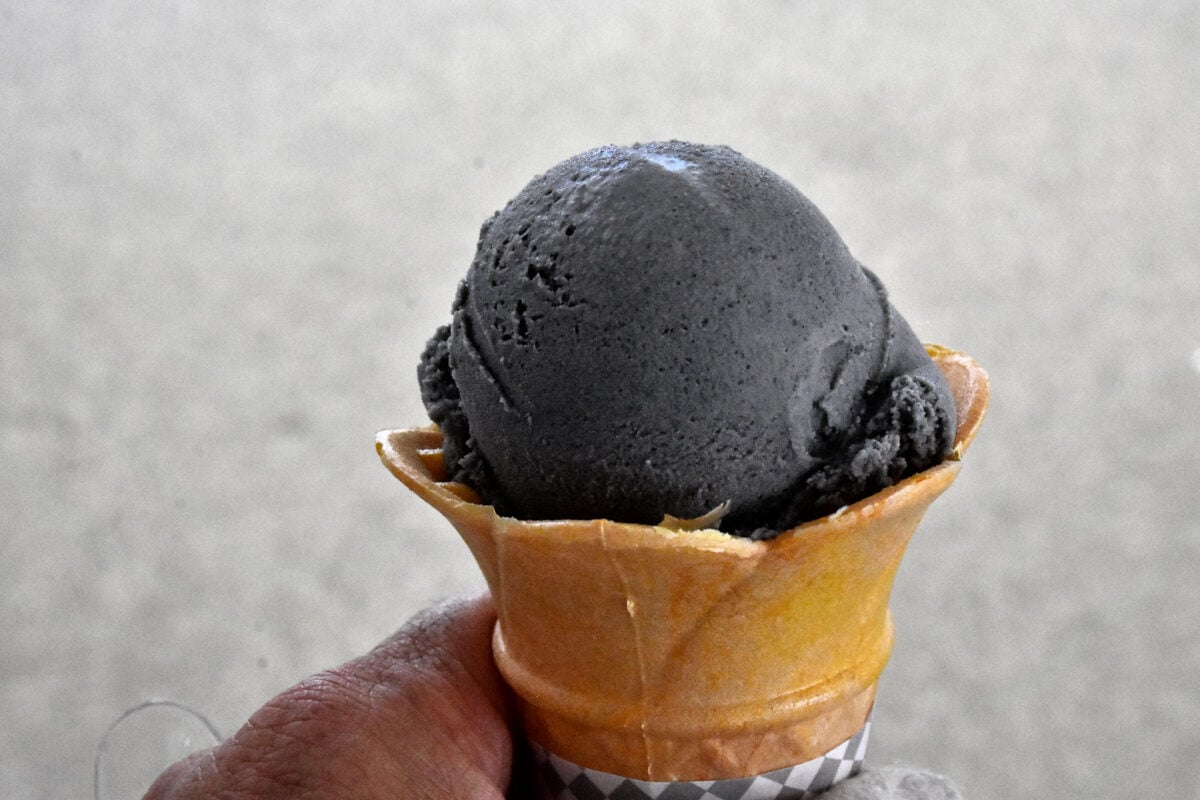
Researchers at Kanazawa University developed a jellyfish ice cream partly as a way to explore uses for the jellyfish population, which has grown significantly in Japanese waters and poses problems for fishing nets and power plant cooling systems. The ice cream is made using a protein extracted from jellyfish that creates an unusual, luminescent quality in the mixture.
It reportedly has a mild, lightly oceanic flavour. It hasn’t made it to mainstream ice cream shops, but it exists, which is the main point.
Curry, India and United Kingdom
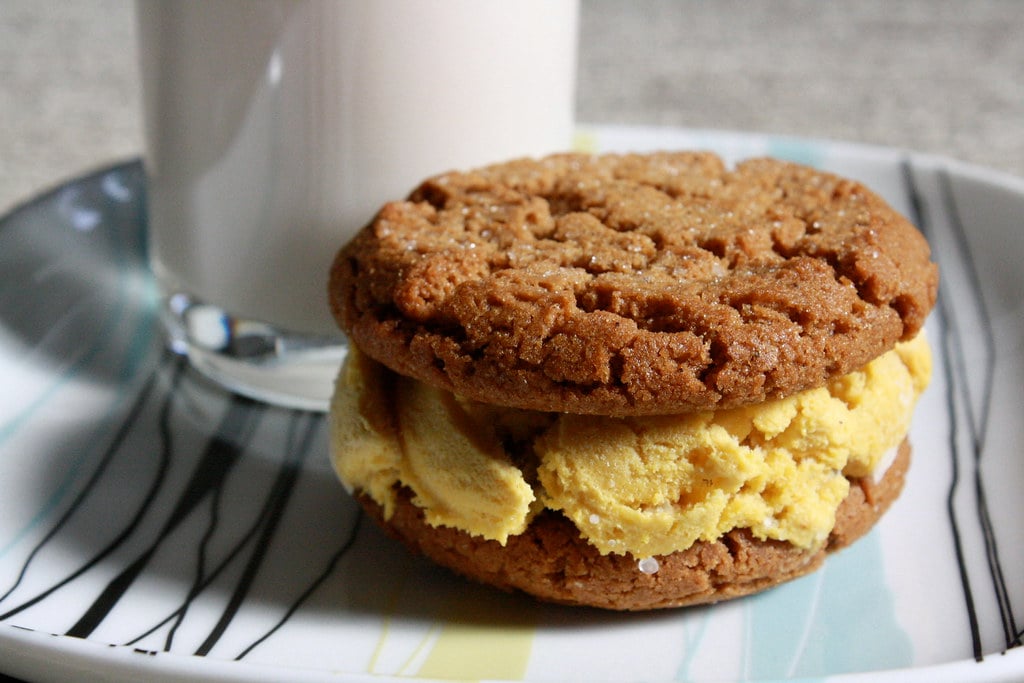
Curry ice cream turns up in two distinct contexts. In India, some regional ice cream makers produce versions based on popular curry spice profiles — turmeric, cardamom, and warming spices blended into a creamy base. In the United Kingdom, where curry has become deeply embedded in the national food culture, novelty shops in cities with large South Asian communities have experimented with everything from tikka masala sorbet to korma ice cream.
The spiced versions that lean toward cardamom and saffron are genuinely delicious. The ones that attempt to replicate a full curry in frozen form are less universally embraced.
The Thing About Strange Flavours
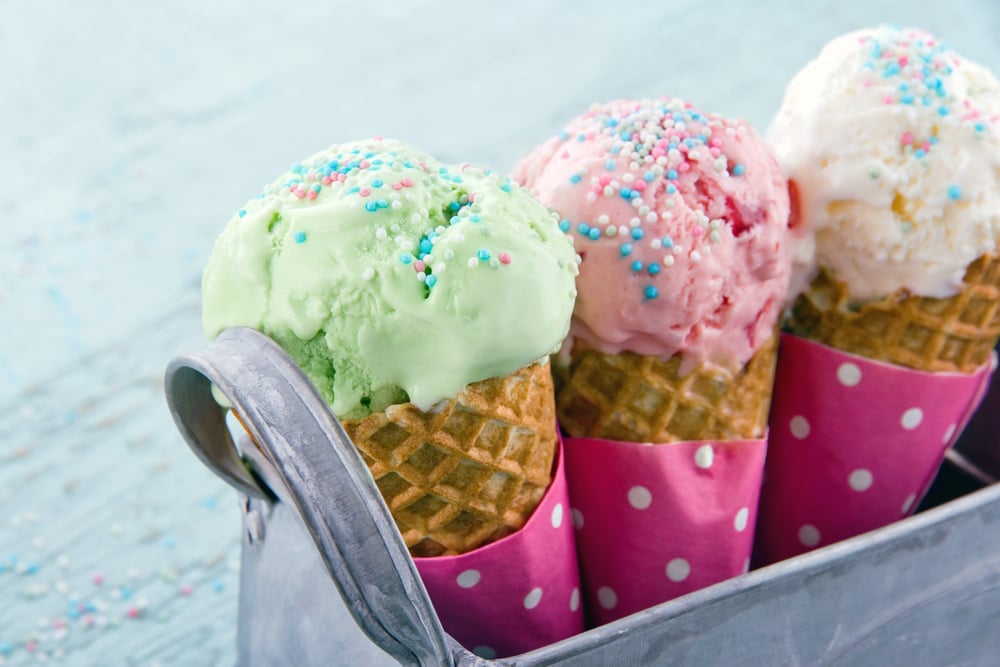
Weird ice cream flavours often follow a certain sequence in spreading. It starts with someone coming up with the idea either as a joke, a challenge, or a regional homage.
The flavour is tried by only a few brave people who also snap a photo of it. The photo gets shared.
Eventually, the flavour is either forgotten or it becomes a local favourite that people come looking for simply because it sounds good. The most successful of these offbeat flavours has a serious component behind the novelty: an authentic regional product, a legitimate flavour pairing, a local custom turning into a frozen treat.
The least successful ones are nothing more than a challenge in the disguise of a dessert. In any case, they reveal quite a lot about the places that made them and the people who do not hesitate to eat them.
More from Go2Tutors!

- The Romanov Crown Jewels and Their Tragic Fate
- 13 Historical Mysteries That Science Still Can’t Solve
- Famous Hoaxes That Fooled the World for Years
- 15 Child Stars with Tragic Adult Lives
- 16 Famous Jewelry Pieces in History
Like Go2Tutors’s content? Follow us on MSN.