The Impact of 70s Music Festivals on Culture Today
Although it did not create music festivals, the 1970s certainly made them better. The majority of the credit goes to Woodstock in 1969, but the decade that followed transformed that unadulterated energy into something that would influence live music for generations to come.
These were more than just camping concerts. They served as cultural testing grounds where people experimented with new lifestyles, fashions, and interpersonal relationships.
The mud-soaked fields and sun-baked stadiums of the 70s created a blueprint that every modern festival still follows, whether organizers realize it or not. The traces of 70s festivals can be seen all over the place today.
The innovations of that decade have persisted, from Coachella’s multi-day experience to Glastonbury’s continued counterculture edge. Here are 11 ways that music festivals from the 1970s still influence our culture today.
Isle of Wight Festival 1970

The Isle of Wight Festival in 1970 pulled off something that seemed impossible at the time—it attracted around 600,000 people to a small island off the southern coast of England. Jimi Hendrix delivered one of his final performances before his tragic death weeks later, and The Doors played one of their last shows with Jim Morrison.
The festival was so massive and chaotic that it actually forced the UK government to pass stricter festival regulations, proving this wasn’t just a concert gone wild but a cultural event so powerful that lawmakers had to step in.
Glastonbury’s Pyramid Stage
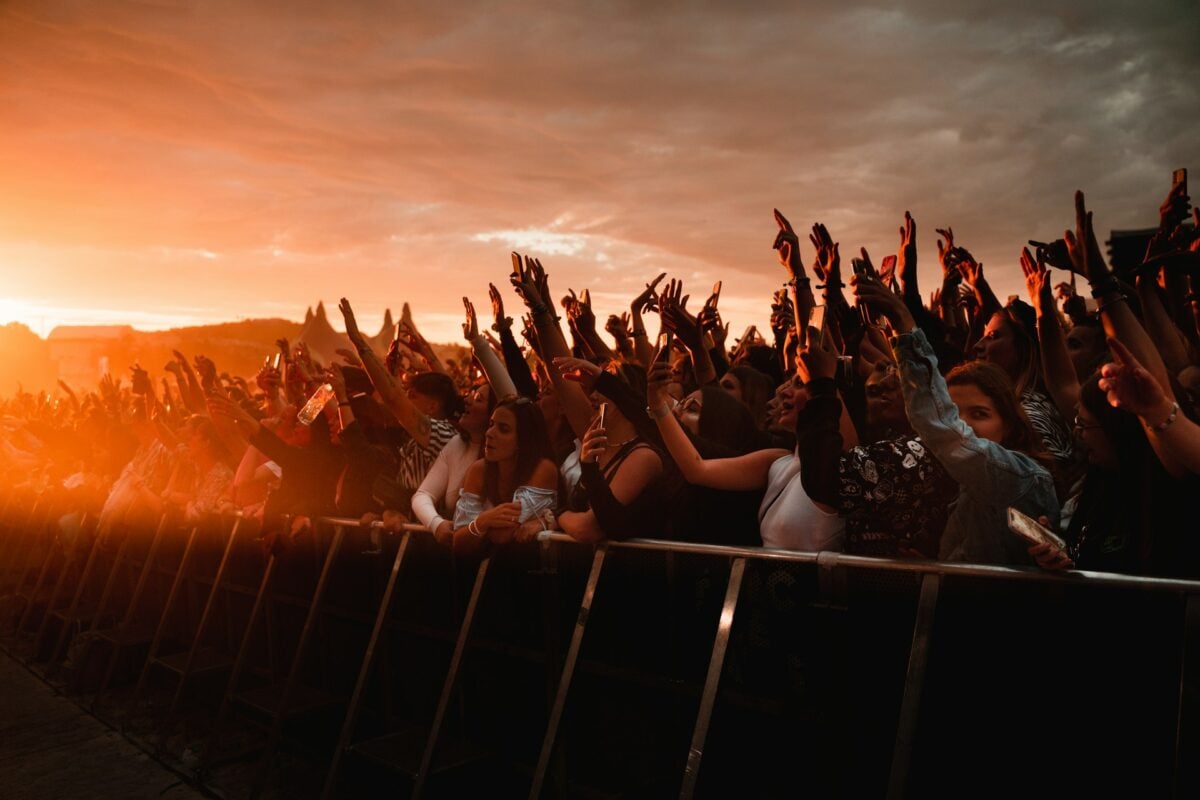
Glastonbury Fair in 1971 introduced something that would become one of the most recognizable symbols in festival culture: the pyramid stage. Inspired by the Great Pyramid of Giza, this original structure was a smaller wooden creation built from scaffolding and plastic sheeting, nothing like the massive permanent version that exists today.
David Bowie performed at sunrise that year, a moment that people still talk about over five decades later, proving that festival infrastructure could be just as iconic as the bands playing on it.
Like Go2Tutors’s content? Follow us on MSN.
Summer Jam at Watkins Glen 1973
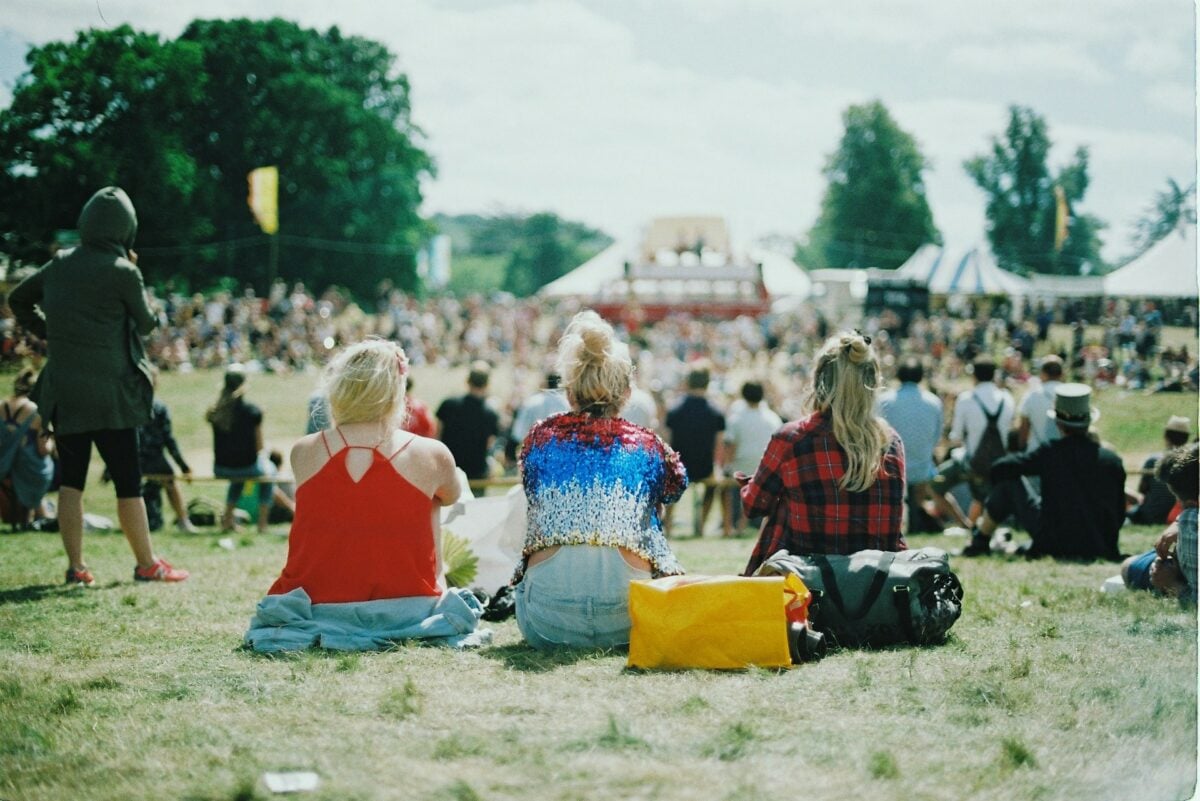
Summer Jam at Watkins Glen in 1973 drew an estimated 600,000 people—widely considered the largest rock festival audience in US history, even outdoing Woodstock’s numbers. The Allman Brothers Band, The Grateful Dead, and The Band performed for this one-day festival, though attendees camped out informally and turned it into something bigger.
While it didn’t invent the multi-day festival format, it showed how audiences were hungry for immersive experiences that lasted longer than just the scheduled performances.
Festival Fashion as Self-Expression

Music festivals in the 70s turned clothing into a conversation, with attendees wearing crocheted tops, suede vests, platform shoes, and flowing fabrics that made bold statements about identity and values. The glam rock scene brought sequins and theatrical makeup to the mix, while bohemian holdovers from the 60s kept the free-spirited vibe alive.
Today’s festival fashion, with all its bold choices and Instagram-worthy outfits, owes everything to the 70s mentality that festivals are places where you dress to express who you really are.
Environmental Awareness Through Festivals
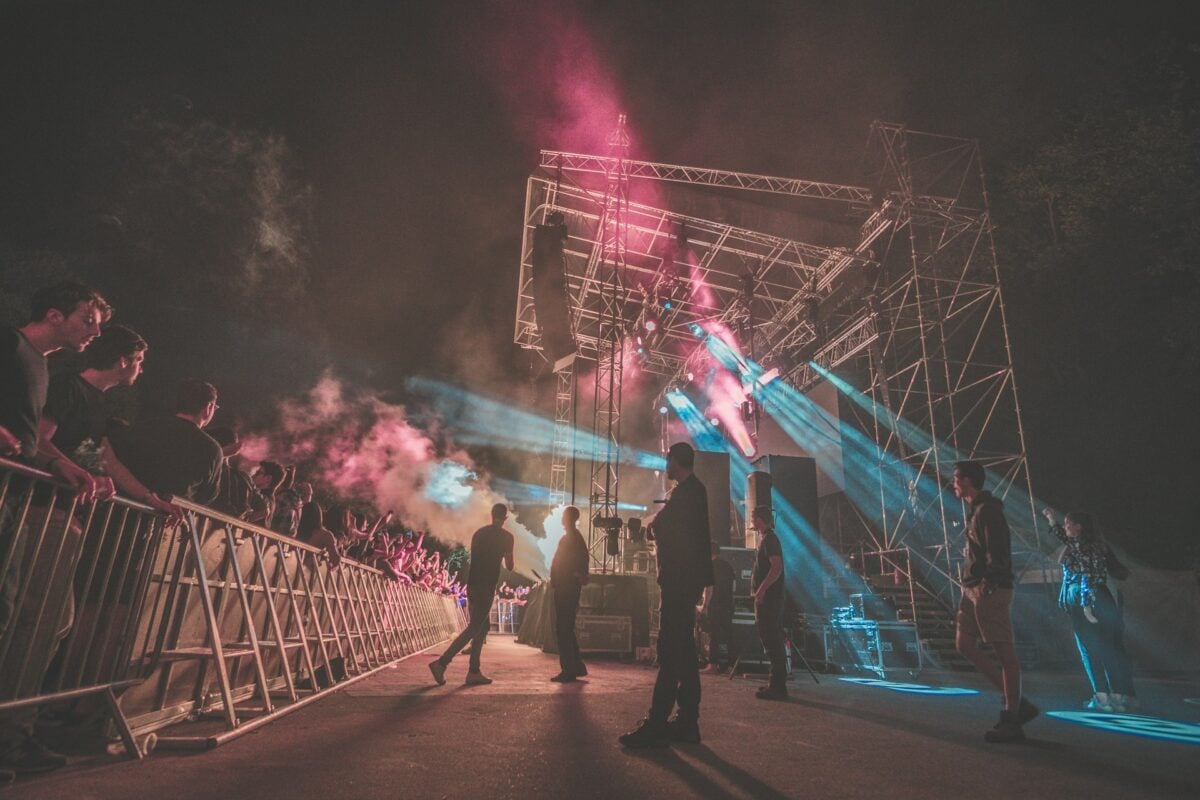
The early 70s saw environmental consciousness explode into mainstream culture, and music festivals became unexpected platforms for spreading that message. The first Earth Day happened in 1970, just as festivals were gaining momentum, and festival organizers started thinking seriously about their impact on the land.
Modern festivals like Glastonbury now pride themselves on sustainability initiatives, but they’re really just continuing a conversation that started in muddy fields five decades ago.
Like Go2Tutors’s content? Follow us on MSN.
DIY Culture and Handmade Goods
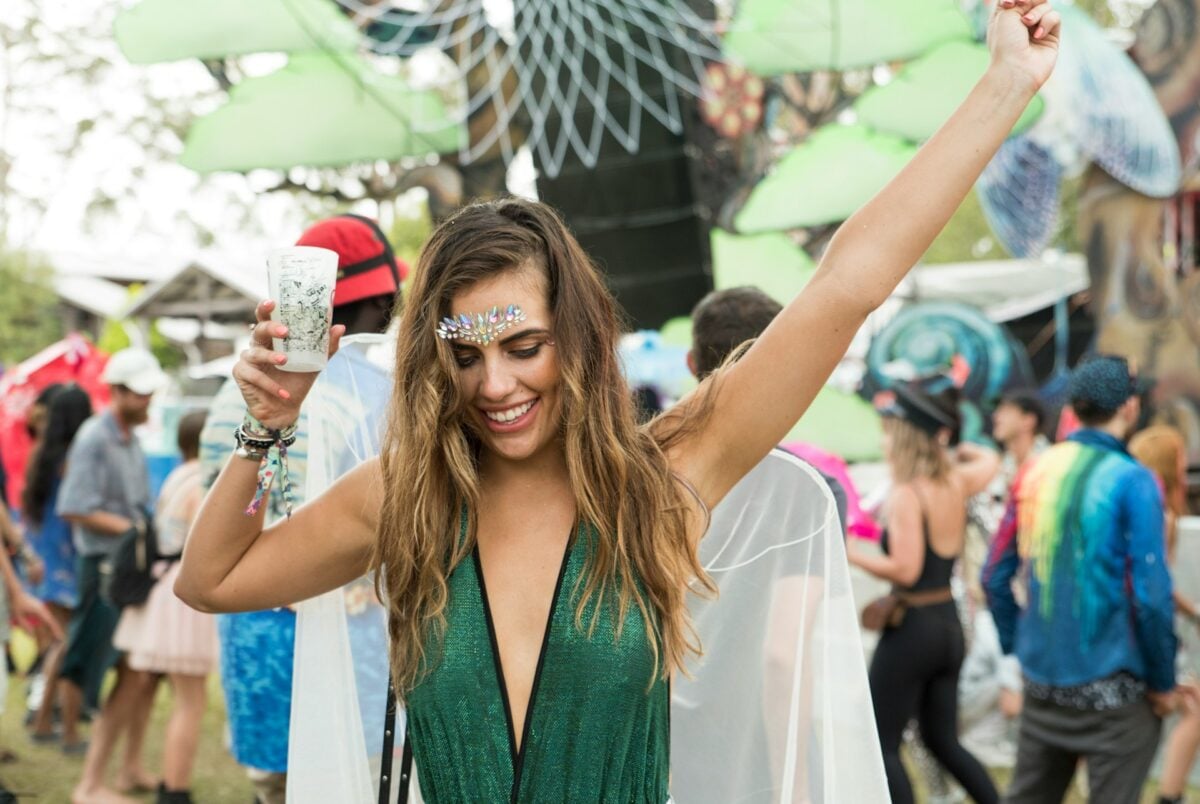
The 70s festival scene celebrated making things with your own hands as an act of rebellion against mass production. Attendees wore tie-dye shirts they’d created in their kitchens, patchwork pants they’d sewn from old fabric scraps, and embroidered vests that took weeks to finish.
This DIY ethos never really disappeared, and you can see it alive and well at modern festivals where vendor areas overflow with handcrafted goods and where attendees still show up in customized outfits they made themselves.
Community Building Beyond the Music
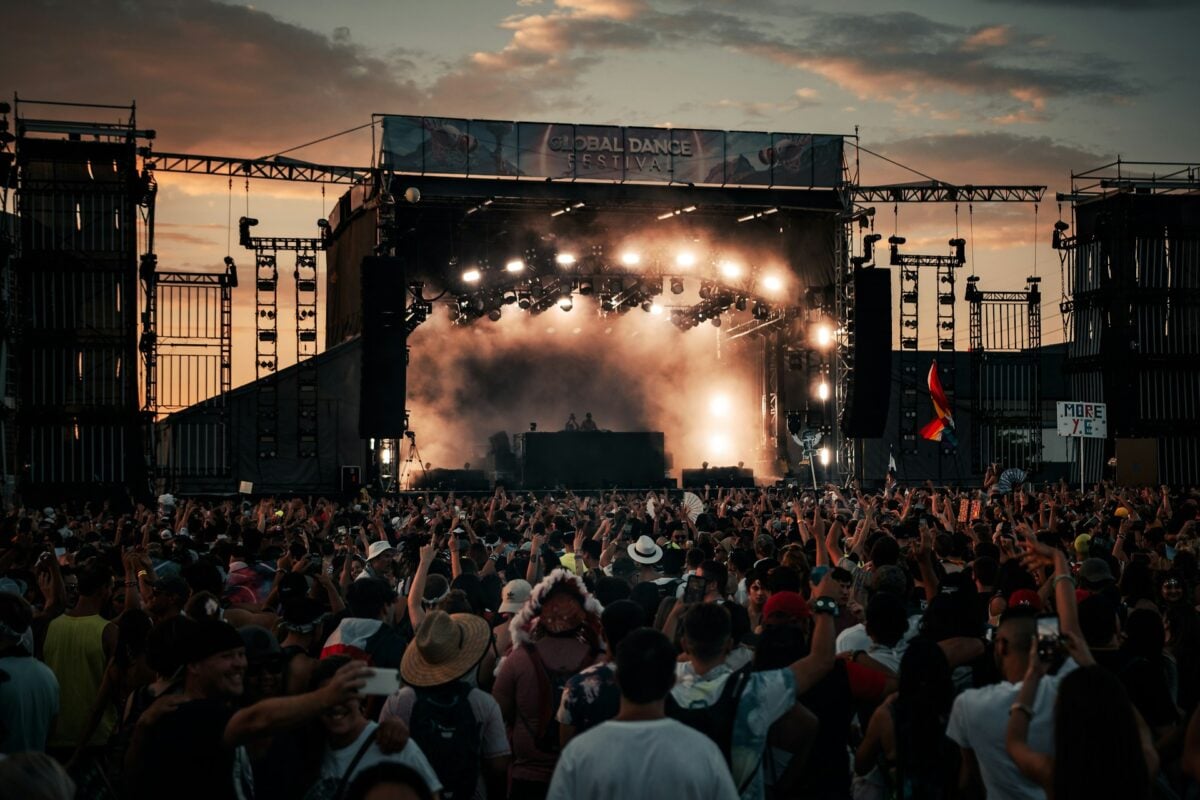
The 1973 Aquarius Festival in Nimbin, Australia took the idea of community building to its logical extreme by calling itself a festival without a program. Organized by the Australian Union of Students as an alternative lifestyle gathering, the event put up a blackboard near the stage where anyone could write their name and perform instead of booking a rigid lineup.
Towns like Nimbin became permanently synonymous with the festivals they hosted, and modern festivals still strive for this same sense of community, understanding that the connections people make often matter more than which headliner they saw.
The Commercialization Debate

After the financial success of Woodstock, opportunistic promoters jumped in trying to cash in on the trend, often with disastrous results that sparked debates about authenticity versus profit. The Medicine Caravan in 1970-71, a Warner Bros.-sponsored counterculture roadshow film project, faced accusations of perverting the festival scene with corporate money.
This tension between authenticity and commercialization never went away—modern mega-festivals like Coachella face the same criticism today, accused of selling out the original spirit while their defenders argue that commercial success allows festivals to exist at all.
Like Go2Tutors’s content? Follow us on MSN.
Free Festival Movement
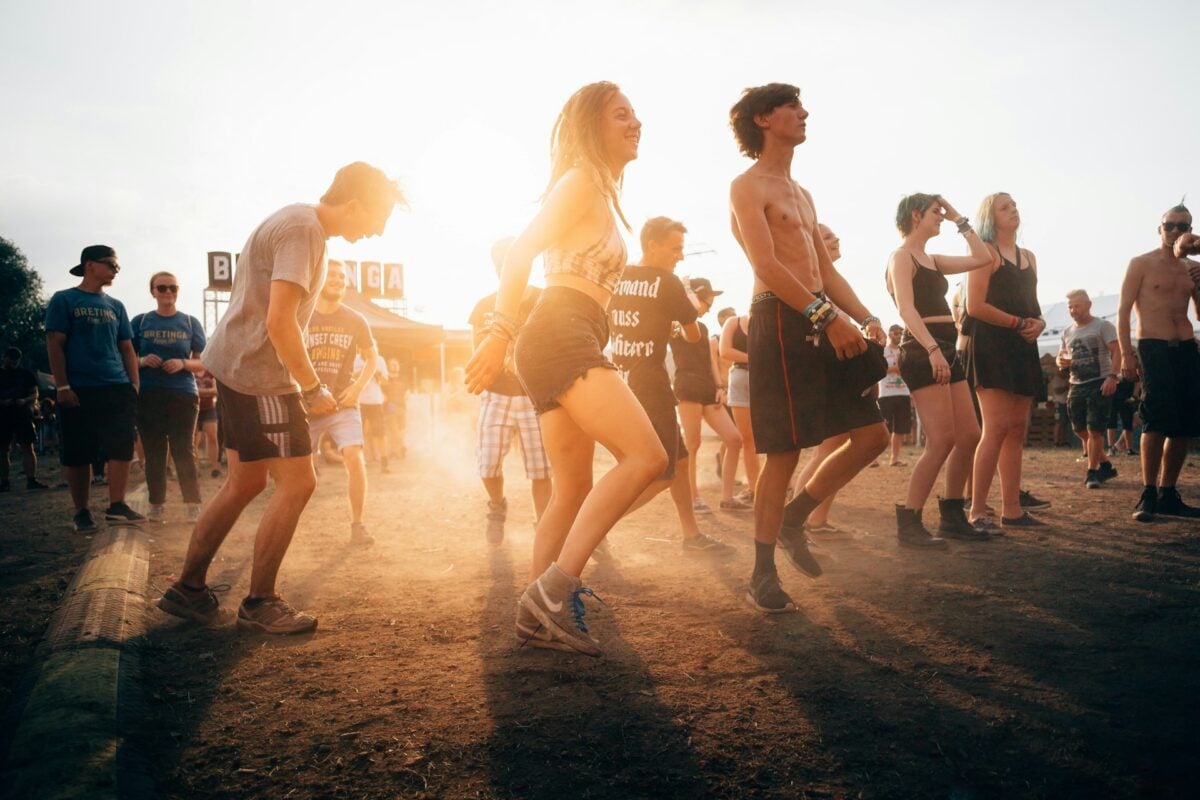
The free festival movement of the 70s asked a radical question: what if people just gathered to celebrate music without anyone charging admission? Events like Deeply Vale Free Festival in Lancashire started small but represented something bigger—festivals operating on principles of sharing and community rather than profit. The free festival dream mostly died out by the end of the 70s, but its spirit survived in the form of sliding-scale tickets, scholarship programs, and the persistent belief that music should be accessible to everyone regardless of their bank account.
The Immersive Experience Concept
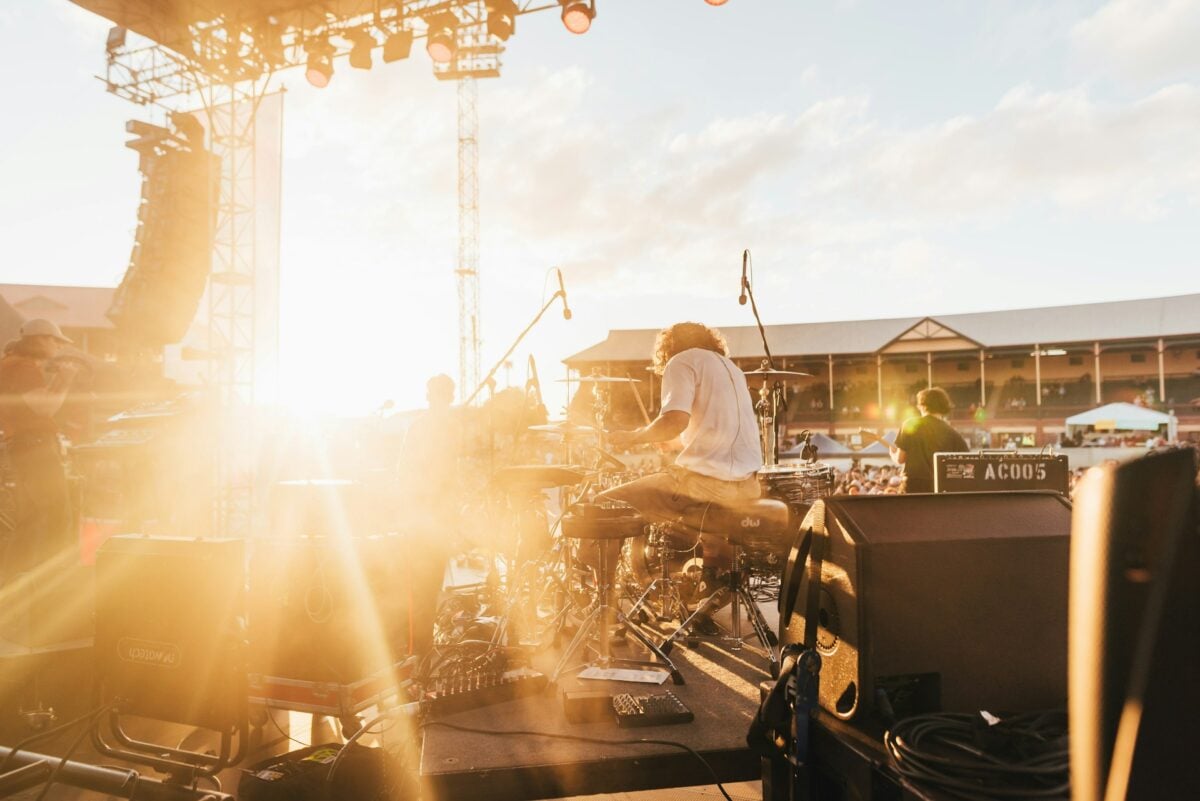
Festivals in the 70s figured out they could offer something beyond just watching bands play—they could create entire worlds for people to step into. The 1970 Hollywood Festival in Newcastle-under-Lyme, Staffordshire included a fun fair alongside rock groups, showing that diversifying the entertainment kept people engaged between sets.
This idea that festivals should assault all your senses at once became the blueprint for modern behemoths like Burning Man and Coachella, which pride themselves on being cultural experiences rather than just music events.
Festival Documentation and Media
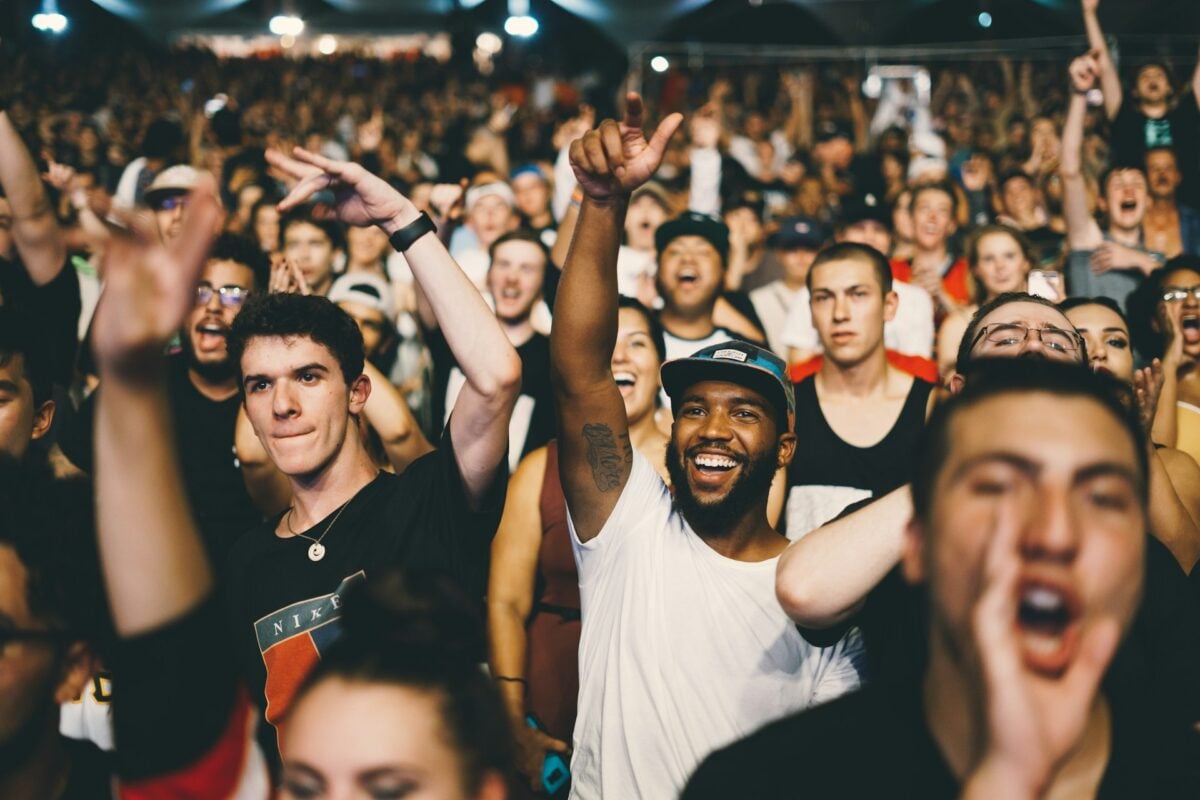
The 70s established that festivals deserved to be recorded and studied as important cultural moments rather than disposable entertainment. Documentary films like those covering the Sunbury Pop Festival in Australia captured performances and crowd energy, creating archives that let future generations understand what these events actually felt like.
Modern festivals now live-stream performances and create elaborate social media content, but they’re really just using new technology to continue the archival tradition that started when someone first pointed a camera at a 70s festival crowd.
Like Go2Tutors’s content? Follow us on MSN.
The Festival Legacy Lives On
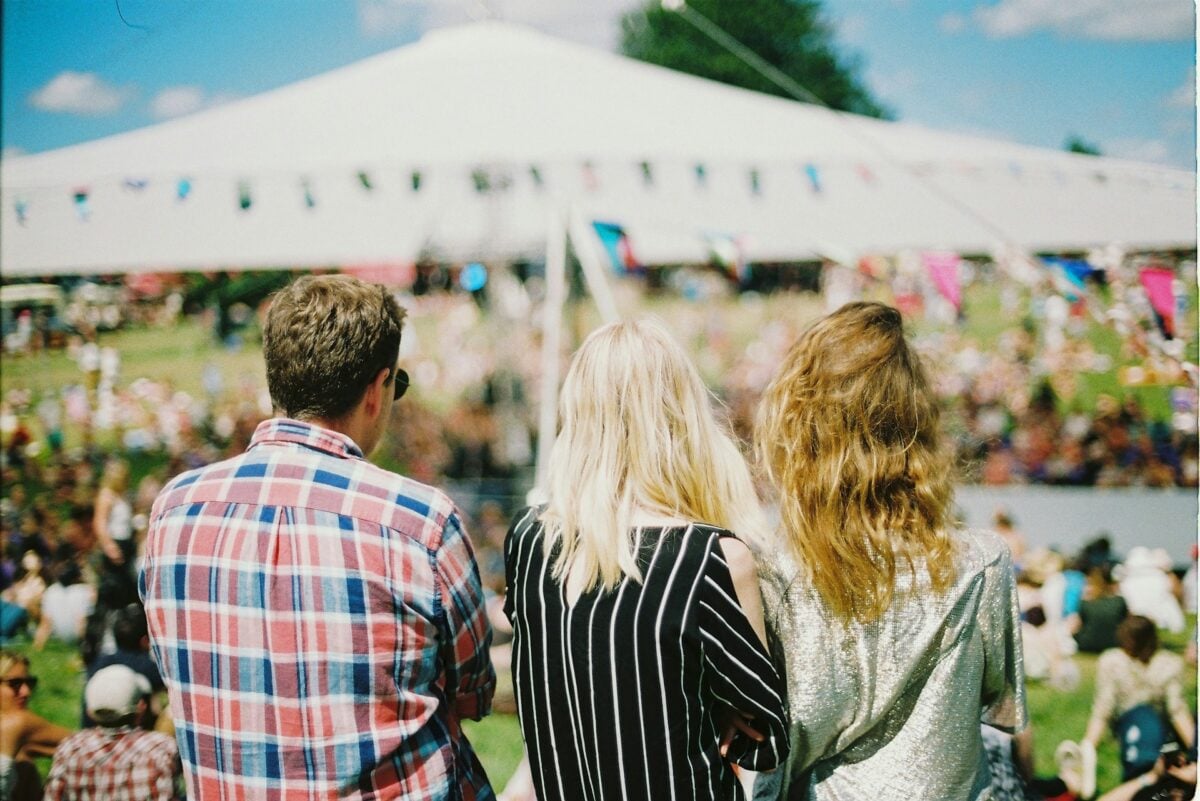
Every facet of contemporary festival culture is shaped by the influence of the 1970s festivals, which are not limited to history books. Coachella is reviving the spirit of festivals that took place before the majority of attendees were born when it curates a varied lineup and produces visually stunning art installations.
Every contemporary festival experience we have today carries on the legacy of the 1970s, which taught us that festivals could be more than just concerts; they could be transient societies where people tried out various lifestyles, social networks, and forms of self-expression.
More from Go2Tutors!

- 16 Historical Figures Who Were Nothing Like You Think
- 12 Things Sold in the 80s That Are Now Illegal
- 15 VHS Tapes That Could Be Worth Thousands
- 17 Historical “What Ifs” That Would Have Changed Everything
- 18 TV Shows That Vanished Without a Finale
Like Go2Tutors’s content? Follow us on MSN.