15 Robberies That Inspired Hollywood Movies
Crime has always fascinated Hollywood, but some of the most gripping heist films didn’t spring from screenwriters’ imaginations. They came straight from the headlines, police reports, and court transcripts of real-world robberies that shocked the nation. These weren’t just any crimes—they were audacious, dramatic, and often bizarre enough to capture the attention of filmmakers who saw cinematic gold in their stories. From daring bank heists to elaborate jewelry thefts, these real crimes provided the raw material for some of cinema’s most memorable moments. Here is a list of 15 robberies that left such an indelible mark on the public consciousness that Hollywood couldn’t resist bringing them to the big screen.
Baker Street Bank Robbery

The 1971 Baker Street bank robbery in London remains one of the most mysterious heists in British history, where a gang tunneled into Lloyds Bank from a nearby leather goods shop, spending an entire weekend cracking open safety deposit boxes while amateur radio operators picked up their walkie-talkie chatter in one of the most famous overheard conversations in criminal history. The British government reportedly issued a D-notice to suppress media coverage, fueling decades of speculation about what was really stolen, and this enigmatic crime became the foundation for ‘The Bank Job’ starring Jason Statham, with the film claiming to reveal compromising photos of royalty and politicians were the real target.
North Hollywood Shootout
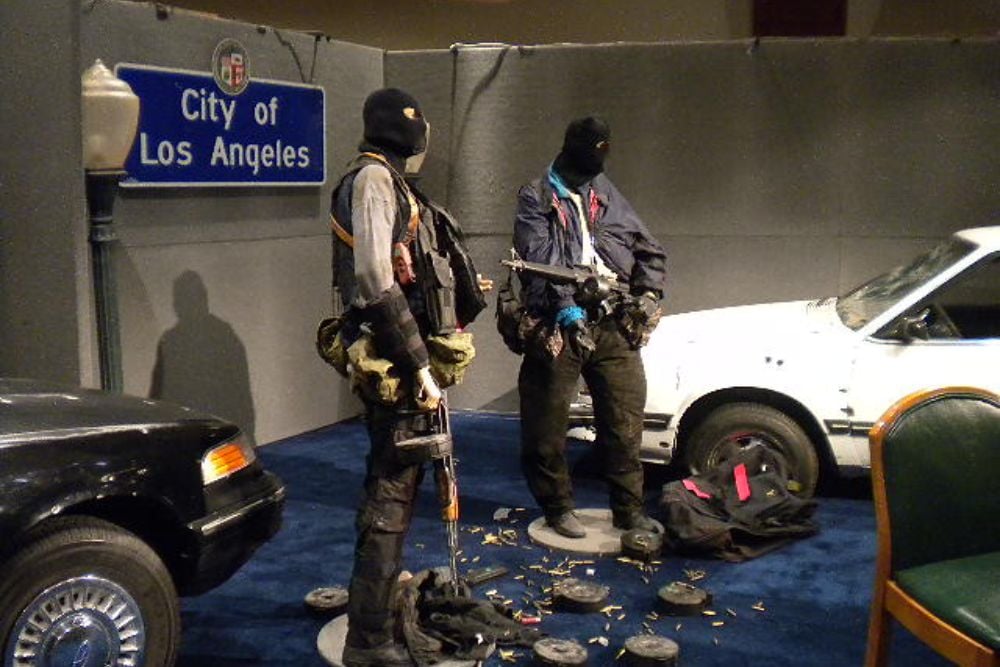
On February 28, 1997, two heavily armed men in full body armor walked into a Bank of America in North Hollywood and changed American policing forever when Larry Phillips Jr. and Emil Mătăsăreanu brought illegal assault weapons and custom-made armor for a 44-minute gun battle that played out live on television. The shootout inspired the 2003 TV movie ’44 Minutes: The North Hollywood Shoot-Out,’ but its influence extends far beyond that single film, fundamentally altering how police departments across America equipped and trained their officers while creating a bizarre circle where the robbers themselves had been inspired by heist films like ‘Heat’ and ‘Scarface.’
Lufthansa Heist

December 11, 1978, marked the largest cash robbery in American history when Jimmy Burke’s crew made off with $5 million in cash and $875,000 in jewelry from JFK Airport’s Lufthansa cargo terminal, but what made this crime particularly notorious was the systematic elimination of almost everyone involved afterward. This robbery became a central plot element in Martin Scorsese’s ‘Goodfellas,’ portrayed through Henry Hill’s eyes showing not just the heist but the paranoid aftermath as Burke eliminates potential witnesses, while also inspiring two television films: ‘The 10 Million Dollar Getaway’ and ‘The Big Heist.’
Bonnie and Clyde’s Crime Spree

Clyde Barrow and Bonnie Parker terrorized the American South during the Great Depression, robbing banks and killing at least 13 people during their two-year spree that captured public imagination because they seemed like romantic outlaws in an era of economic desperation, with their violent 1934 Louisiana ambush only adding to their legend. The 1967 film ‘Bonnie and Clyde’ starring Warren Beatty and Faye Dunaway transformed these criminals into folk heroes for a new generation, launching the ‘New Hollywood’ era with groundbreaking graphic violence and complex criminal portrayals that earned nine Oscar nominations.
John Dillinger’s Bank Robberies

John Dillinger became America’s first ‘Public Enemy Number One’ during 1933-1934, robbing at least a dozen Midwest banks with theatrical flair including vaulting over counters and charming hostages, while his daring jail escapes using fake guns carved from soap became as famous as his robberies. Dillinger’s exploits inspired numerous films, most notably 2009’s ‘Public Enemies’ starring Johnny Depp, which focused on his cat-and-mouse game with FBI agent Melvin Purvis, while earlier films like 1973’s ‘Dillinger’ took more sensationalized approaches to his Depression-era celebrity status.
The Great Train Robbery

On August 8, 1963, 15 men pulled off the ‘crime of the century’ by robbing a Royal Mail train in rural England with military precision, making off with £2.6 million (about $50 million today) by using fake signals to stop the train while avoiding killing anyone, though they seriously injured the train driver. This heist inspired multiple film adaptations including 1988’s ‘Buster’ starring Phil Collins and several British television productions, fascinating the public with its audacity and the harsh sentences given to the eventually-caught robbers, tapping into British fascination with gentlemanly criminals.
Brinks-MAT Robbery

The November 26, 1983, Brinks-MAT robbery at Heathrow Airport was supposed to be a £3 million cash grab, but thieves stumbled into three tons of gold bullion worth £26 million, creating unexpected problems from the sheer weight and difficulty of fencing such massive amounts of precious metal. This robbery inspired the film ‘Buster’ and numerous British crime dramas exploring both the heist and its decades-long money laundering consequences, becoming legendary because much of the gold was never recovered despite most robbers eventually being caught.
The Bling Ring Burglaries

Between 2008 and 2009, fame-obsessed California teenagers broke into celebrity homes including Paris Hilton’s and Lindsay Lohan’s, stealing millions in designer goods while using Google Earth to chase targets and social media to track when stars were away, motivated as much by lifestyle envy as financial gain. Sofia Coppola’s 2013 film ‘The Bling Ring’ starring Emma Watson captured the shallow materialism driving these crimes, exploring how celebrity worship and social media created a generation obsessed with fame and luxury goods, perfectly encapsulating teenagers risking prison for designer handbags.
Loomis Fargo Robbery
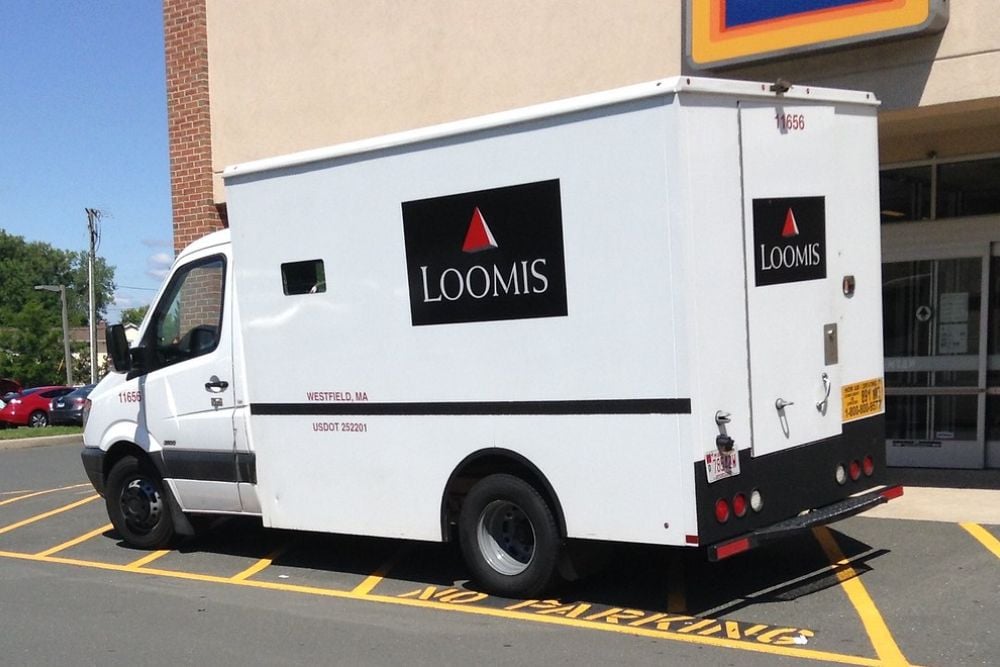
On October 4, 1997, armored car driver David Scott Ghantt simply loaded $17.3 million from Loomis Fargo’s Charlotte vault into a van during his shift and drove away, with the elaborate part coming later as co-conspirators tried laundering the massive cash haul while Ghantt hid in Mexico. The 2016 comedy ‘Masterminds’ starring Zach Galifianakis turned this into a laugh-out-loud caper focusing on the criminals’ amateur mistakes and paranoid behavior, accurately capturing the absurd reality that one of America’s largest cash thefts was pulled off by small-town criminals with no idea how to handle sudden wealth.
Newton Gang Bank Robberies

From 1919 to 1924, the four Newton brothers pulled off the most successful string of bank and train robberies in American history, claiming 87 banks and six trains while taking in more money than famous outlaw gangs combined, achieving success through careful planning, minimal violence, and treating robbery like a methodical business. Richard Linklater’s 1998 film ‘The Newton Boys’ starring Matthew McConaughey emphasized their businesslike approach to crime, showing how their criminal enterprise eventually collapsed through changing times and improved law enforcement rather than violence.
Dog Day Afternoon Bank Robbery

On August 22, 1972, John Wojtowicz and Salvatore Naturale’s simple Brooklyn bank robbery to pay for gender reassignment surgery became an eight-hour hostage situation playing out before television cameras, with Wojtowicz becoming an unlikely media star shouting ‘Attica!’ and seemingly enjoying his fame. Sidney Lumet’s 1975 masterpiece ‘Dog Day Afternoon’ starring Al Pacino captured the media circus atmosphere and complex motivations, showing how desperate personal situations spiral into public spectacles, with Pacino’s unhinged performance perfectly embodying the real robber’s manic energy.
Transy Book Heist

In 2004, four Transylvania University students attempted stealing rare books worth millions from their library after months of planning including security footage study and New York trips to meet potential buyers, but their plan collapsed when they couldn’t harm the elderly librarian blocking their way. The 2018 film ‘American Animals’ took an innovative documentary-drama approach featuring actual perpetrators, exploring how four privileged young men convinced themselves they were living in a heist film, highlighting the gap between criminal fantasy and reality.
Rob the Mob Incidents

In the early 1990s, Tommy and Rosemarie Uva robbed Mafia social clubs throughout New York after learning from John Gotti’s trial that guns weren’t allowed in these establishments, making gangsters sitting ducks until both crime families put contracts on them, leading to their 1992 deaths. The 2014 film ‘Rob the Mob’ starring Michael Pitt romanticized this story as modern Bonnie and Clyde taking on organized crime, showing how their robberies inadvertently helped law enforcement uncover mob evidence while capturing the couple’s reckless courage against America’s most dangerous criminals.
Forrest Tucker’s Career

Forrest Tucker spent most of his adult life robbing banks and escaping prison 18 times from the 1940s into his seventies, earning reputation as America’s most persistent and polite criminal who treated robbery like customer service, remaining unfailingly courteous and never firing his weapon. David Lowery’s 2018 film ‘The Old Man & the Gun’ gave Robert Redford his final performance, focusing on Tucker’s seventies crime spree with warmth and humor while emphasizing his gentlemanly approach and suggesting the thrill mattered more than money.
The Great Gold Robbery

In 1855, Edward Agar and William Pierce pulled off one of the Victorian era’s most sophisticated thefts by stealing gold from a moving train between London and Paris after over a year of preparation including making wax key impressions, replacing 200 pounds of gold bullion with lead shot that wasn’t discovered until reaching Paris. This heist inspired Michael Crichton’s novel and 1978 film ‘The Great Train Robbery’ starring Sean Connery, capturing the elaborate Victorian planning required and methodical security-beating approach that influenced later caper films.
When Fiction Feeds Reality

These real-world crimes demonstrate the strange relationship between Hollywood and criminal behavior, where movies inspired by actual robberies often influence future criminals, creating an endless cycle where art imitates life which then imitates art. The North Hollywood shooters repeatedly watched ‘Heat,’ bank robbers study ‘Ocean’s Eleven,’ and teenage burglars model themselves on movie antiheroes, creating a symbiotic relationship ensuring that as long as Hollywood makes heist films, real criminals will keep trying to turn fiction into reality. This fascinating dynamic between cinema and crime guarantees that the most audacious real-world robberies will continue inspiring filmmakers, while those same films plant seeds for the next generation of would-be criminals who rarely achieve the smooth success of their cinematic counterparts.
More from Go2Tutors!

- 16 Historical Figures Who Were Nothing Like You Think
- 12 Things Sold in the 80s That Are Now Illegal
- 15 VHS Tapes That Could Be Worth Thousands
- 17 Historical “What Ifs” That Would Have Changed Everything
- 18 TV Shows That Vanished Without a Finale
Like Go2Tutors’s content? Follow us on MSN.



