16 Forgotten Island Nations That No Longer Exist
The maps we study today don’t tell the whole story of our world’s political geography. Throughout history, numerous island nations have appeared and disappeared due to changing political climates, rising sea levels, or colonial power shifts.
These lost countries represent fascinating chapters in our global history that many history books simply skip over. Here is a list of 16 forgotten island nations that once had their own governments, cultures, and identities before vanishing from modern maps.
Tanganyika
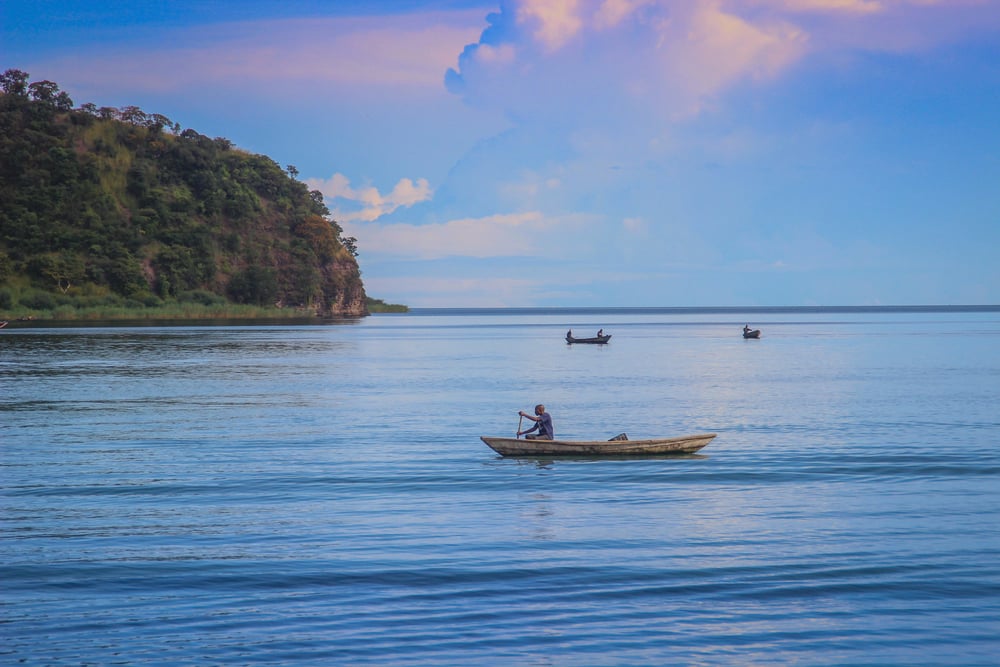
Tanganyika was an independent island republic from 1961 to 1964 before joining Tanzania. Following its independence from British colonial authority, the nation came together with Zanzibar to become the United Republic of Tanzania.
During its brief history, it established diplomatic ties with a number of nations and even became a sovereign state and joined the UN.
New Moore Island
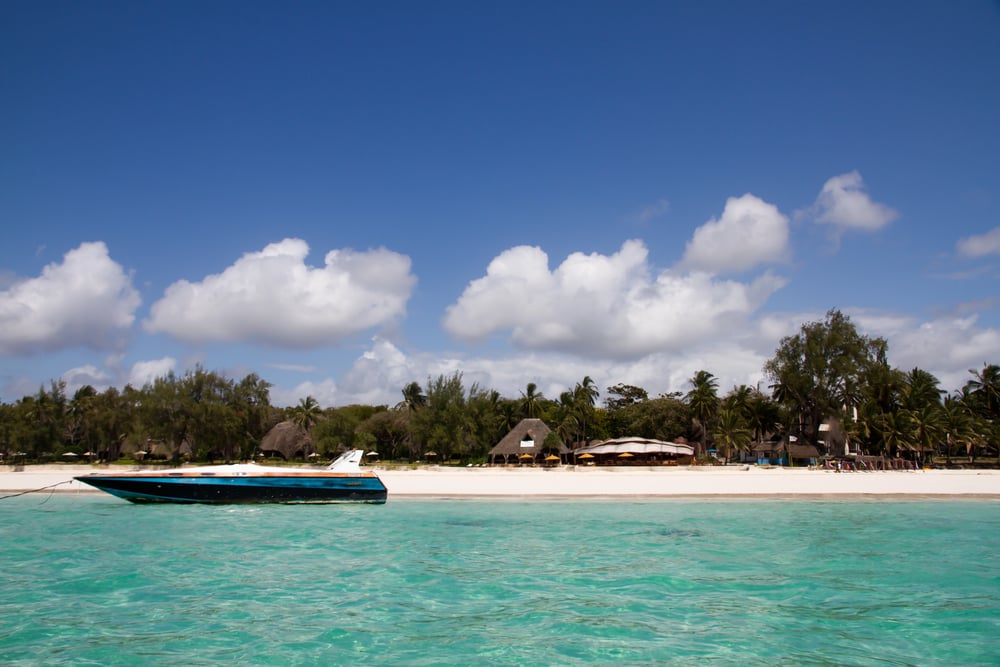
This tiny island in the Bay of Bengal appeared suddenly after a cyclone in 1970 and sparked immediate territorial disputes between India and Bangladesh. Both nations claimed this uninhabited sandbar that measured less than two square miles.
The argument became moot in 2010 when rising sea levels completely submerged the island, making it one of the first modern territories to disappear due to climate change.
Like Go2Tutors’s content? Follow us on MSN.
The Republic of Rose Island

In 1968, Italian engineer Giorgio Rosa built a 400-square-meter platform in the Adriatic Sea and declared it an independent nation with its own government, currency, and language. Located just outside Italian territorial waters, Rose Island had its own post office and commercial establishments.
The short-lived micronation attracted thousands of tourists before the Italian government sent engineers to demolish it less than a year after its founding.
Ferdinandea
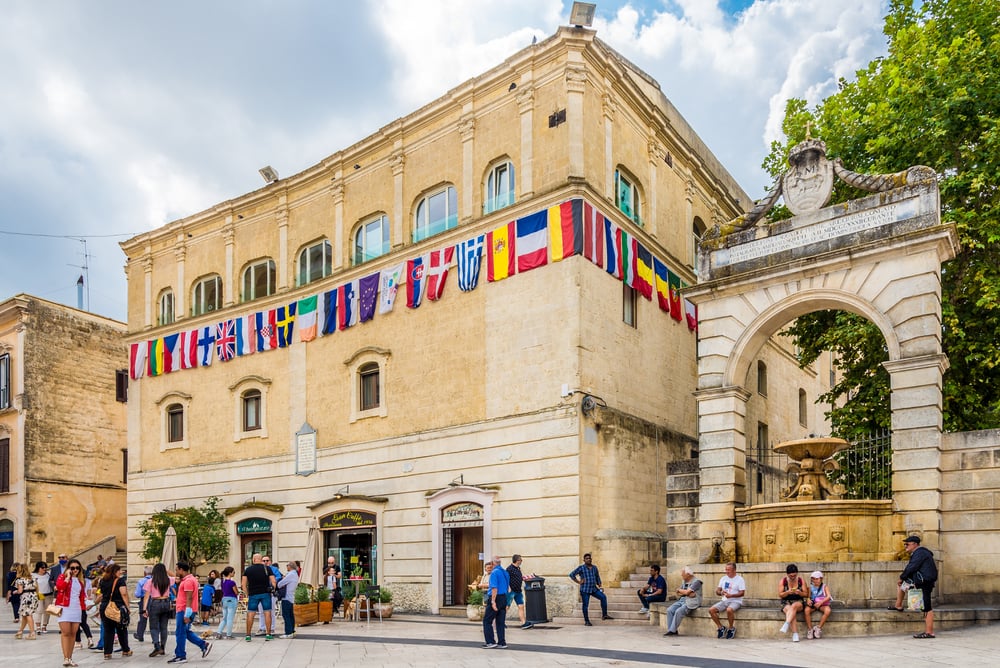
This volcanic island emerged from the Mediterranean Sea in 1831 and immediately triggered an international dispute. Four different powers—Britain, France, Spain, and the Kingdom of the Two Sicilies—rushed to claim the new territory and planted their flags.
The diplomatic crisis resolved itself when the island sank back beneath the waves just six months later, though its peak still remains as an underwater seamount.
The Kingdom of Sarawak
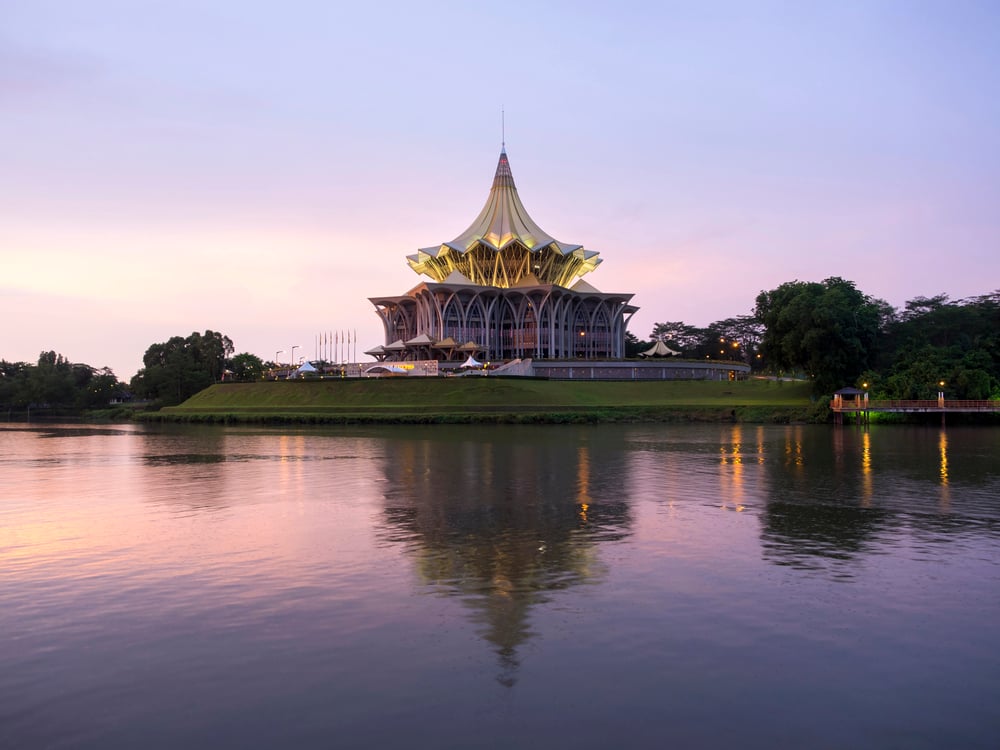
The White Rajahs, a dynasty of British explorers who were granted the area as a reward by the Sultan of Brunei, controlled Sarawak as an independent state from 1841 until 1946. This unique Borneo monarchy had its own laws, money, and postal system and functioned autonomously.
Following World War II, Sarawak was given to Britain by the last Rajah, and in 1963 it was incorporated into Malaysia.
New Connecticut
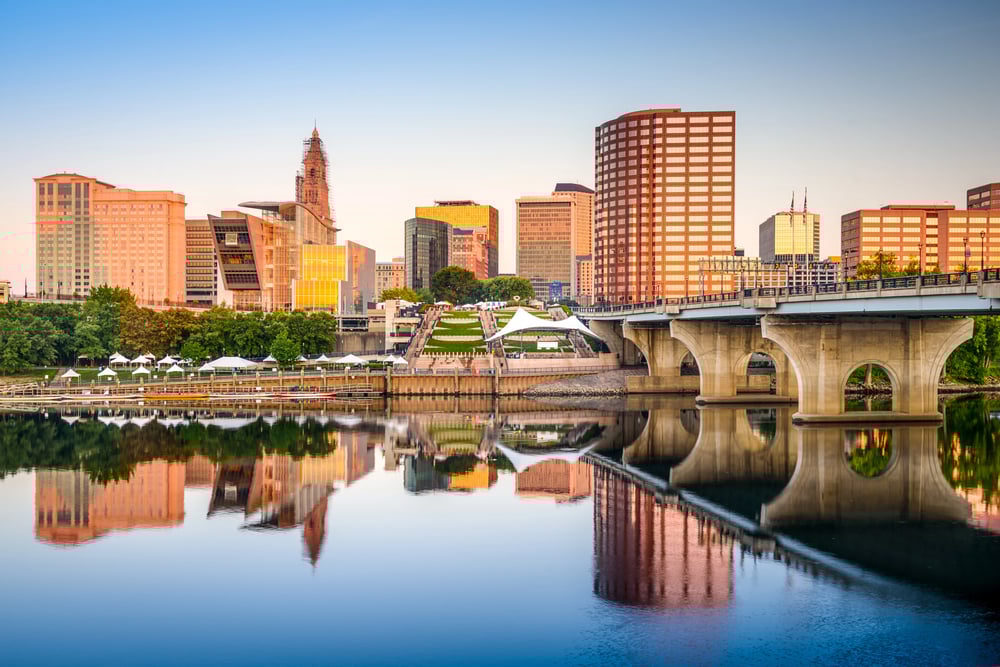
For a brief time in the 1800s, this lost American experiment was conducted in the South Pacific. A number of small islands southwest of Hawaii were seized and inhabited by American sailors, who proclaimed them the Republic of New Connecticut.
They set up a rudimentary government and made an effort to build a trading station, but they gave up on the endeavor because of a lack of funding and acceptance by the established powers.
The Miskito Kingdom
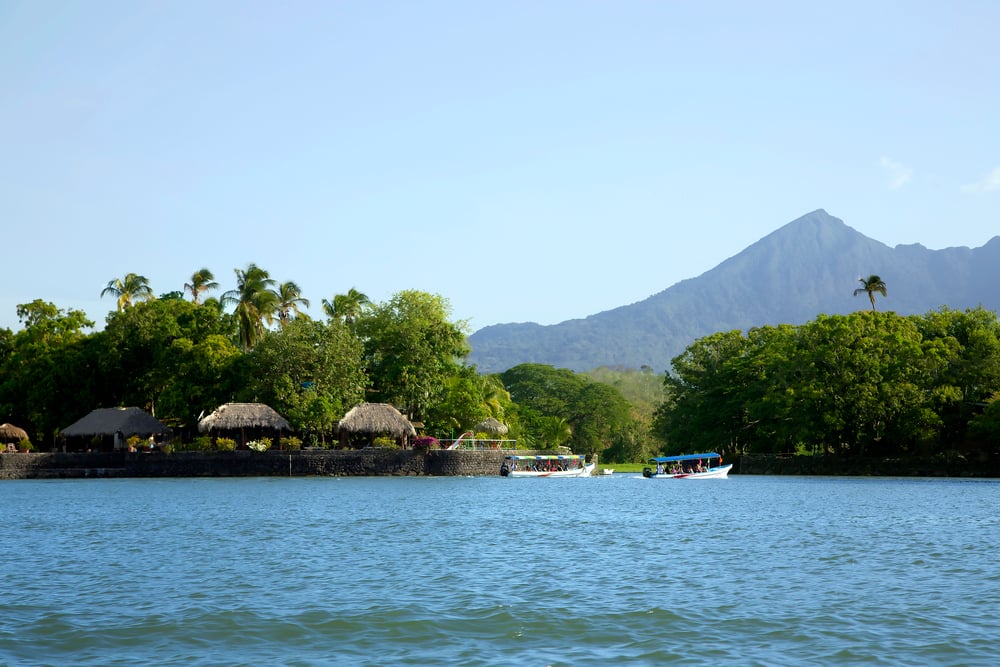
For nearly two centuries, this indigenous monarchy controlled much of what is now Nicaragua’s Caribbean coast and nearby islands. The Miskito people maintained independence through strategic alliances with the British Empire against Spanish colonizers.
Their nation had formal diplomatic relations and trade agreements before gradually losing territory and being fully absorbed into Nicaragua by the late 19th century.
United States of Ionian Islands
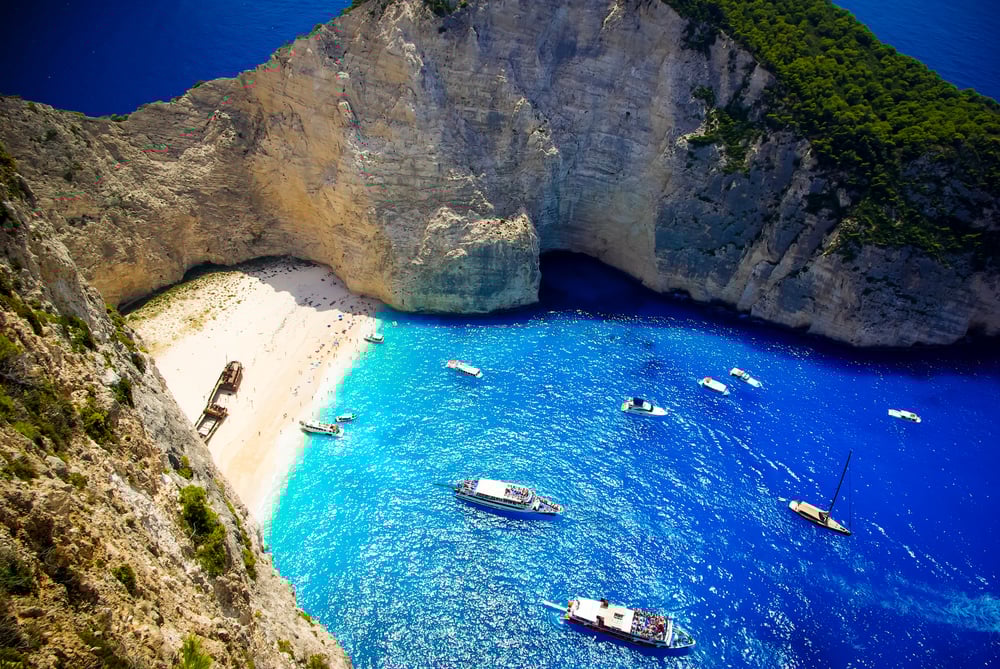
This Greek archipelago existed as a semi-independent state under British protection from 1815 to 1864. The island federation had its own constitution, parliament, and legal system while technically being a protectorate.
The seven main islands governed themselves through a unique political arrangement before eventually uniting with the Kingdom of Greece after nearly 50 years of separate existence.
The Sultanate of Sulu
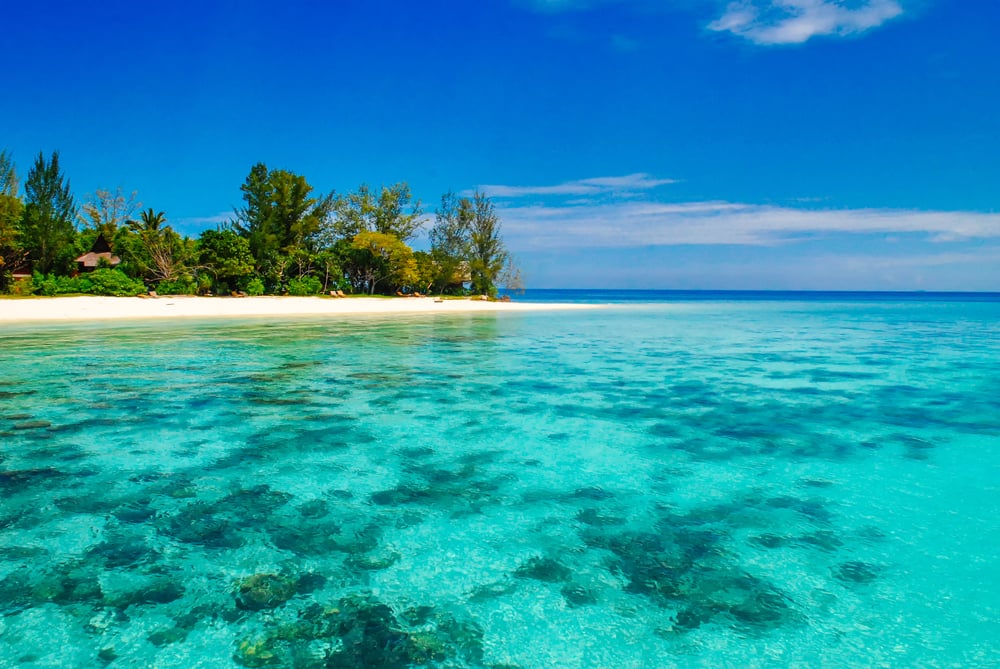
This powerful maritime state controlled numerous islands across what is now the southern Philippines and parts of Malaysia. Founded in the 15th century, Sulu thrived as a trading empire with diplomatic relations extending to China and other Asian powers.
The sultanate gradually lost territory to colonial forces before being fully absorbed into the Philippines in the early 20th century, though some descendants still claim sovereignty today.
The Republic of Salé
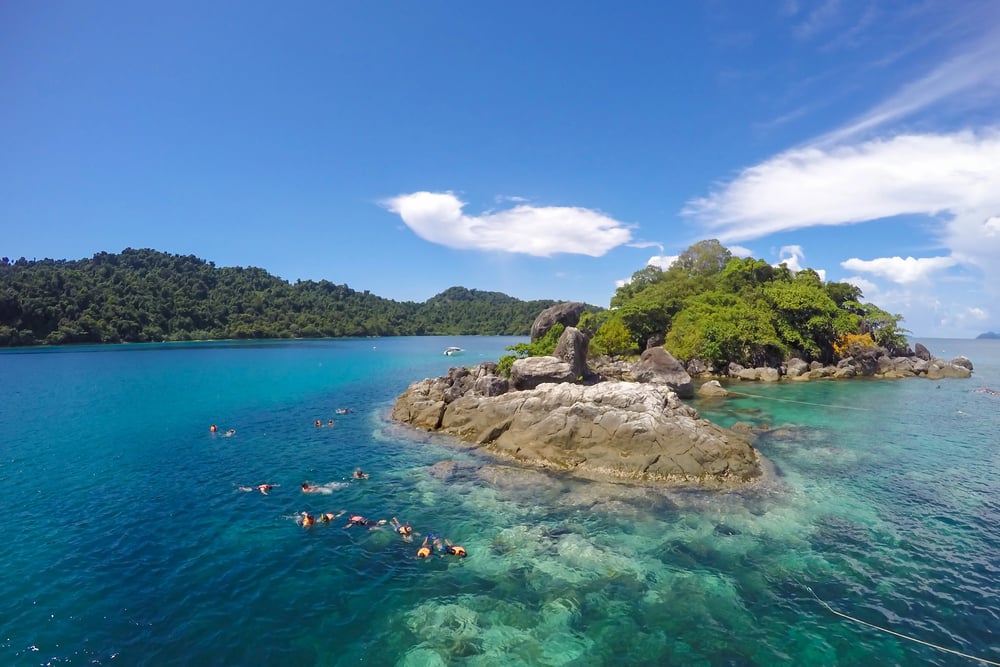
On Morocco’s Atlantic coast, European pirates established this remarkable self-governing republic in the 17th century. The island-based state operated with its own democratic institutions where captains elected their leaders.
For several decades, Salé functioned as a sovereign entity with diplomatic relations and commercial treaties before Moroccan forces gradually reasserted control over the territory.
The Republic of Cospaia
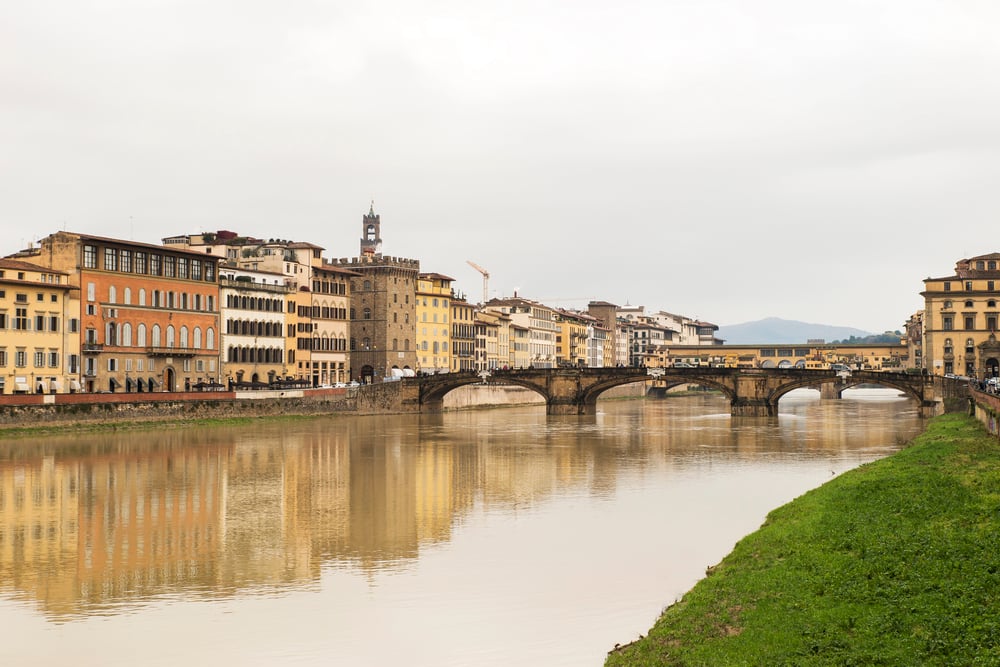
This tiny territory in central Italy accidentally gained independence in 1440 due to a mapping error between the Papal States and the Republic of Florence. For nearly four centuries, this small community governed itself without taxes, formal laws, or military forces.
The people of Cospaia prospered through tobacco cultivation until 1826 when the territory was finally divided between Tuscany and the Papal States.
The Ryukyu Kingdom
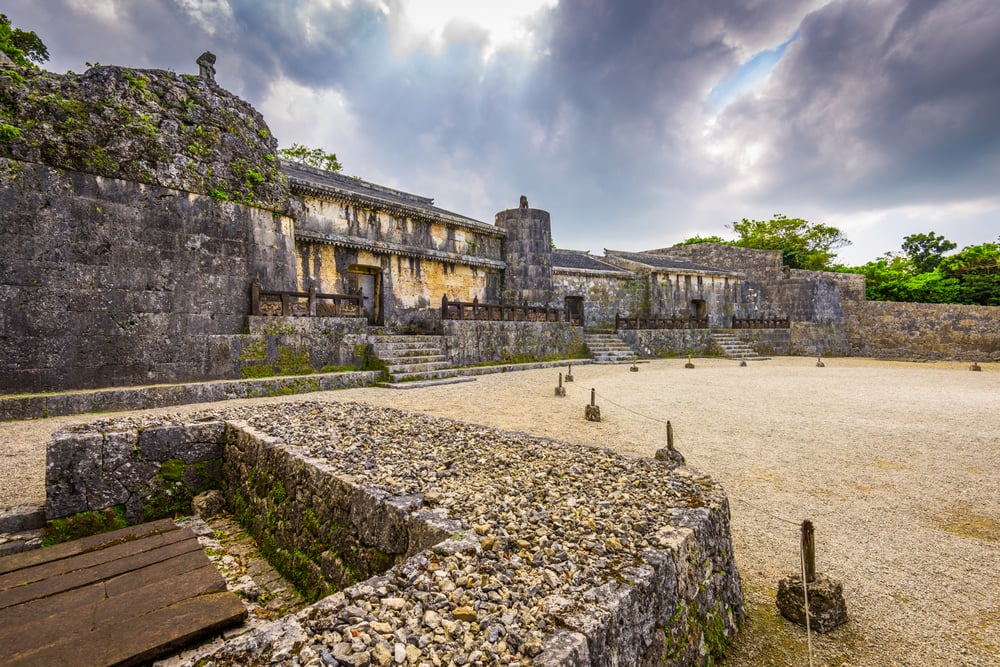
This island chain between Japan and Taiwan existed as an independent nation for centuries. The Ryukyu Kingdom developed a unique culture and thrived as a maritime trading hub connecting East Asia with Southeast Asia.
The kingdom maintained tributary relationships with both China and Japan before being formally annexed by Japan in 1879, with the islands now forming Okinawa Prefecture.
The Federal States of Micronesia Trust Territory
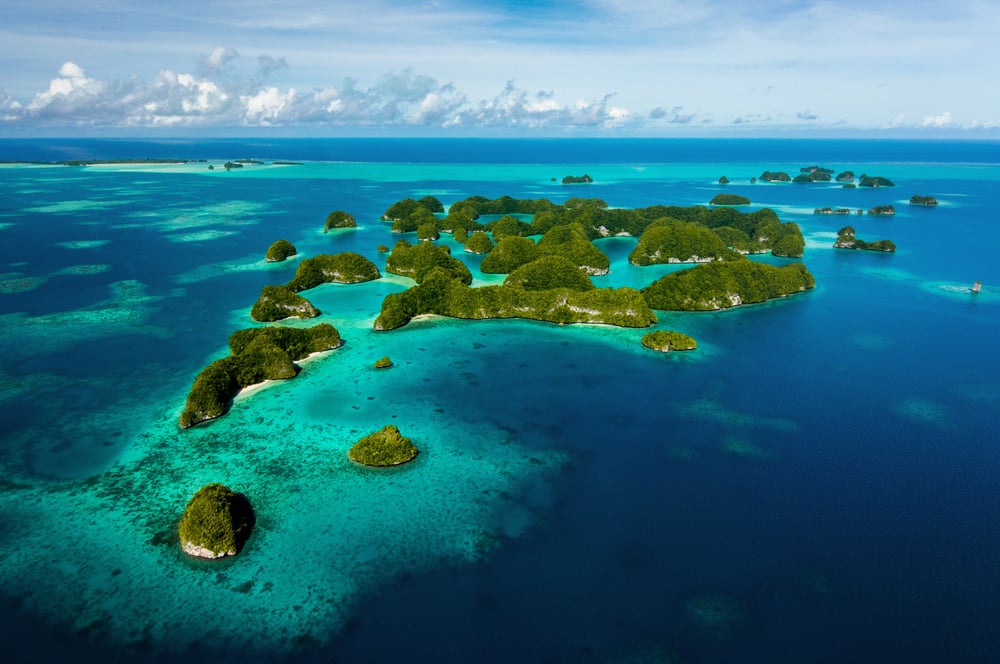
Before becoming several independent nations, this vast Pacific island group operated as a single United Nations trust territory administered by the United States after World War II. The territory had its own congress and judicial system from 1947 to 1986.
The federation eventually dissolved into separate countries including the modern Federated States of Micronesia, Marshall Islands, and Palau.
The Sovereign Military Order of Malta

Perhaps the most unusual case, this entity still exists legally as a sovereign subject of international law without territory. Once ruling over the island of Malta and other Mediterranean possessions, the Order now operates from extraterritorial property in Rome.
It maintains diplomatic relations with over 100 countries, issues its own passports and currency, and has permanent observer status at the United Nations.
The Republic of Formosa
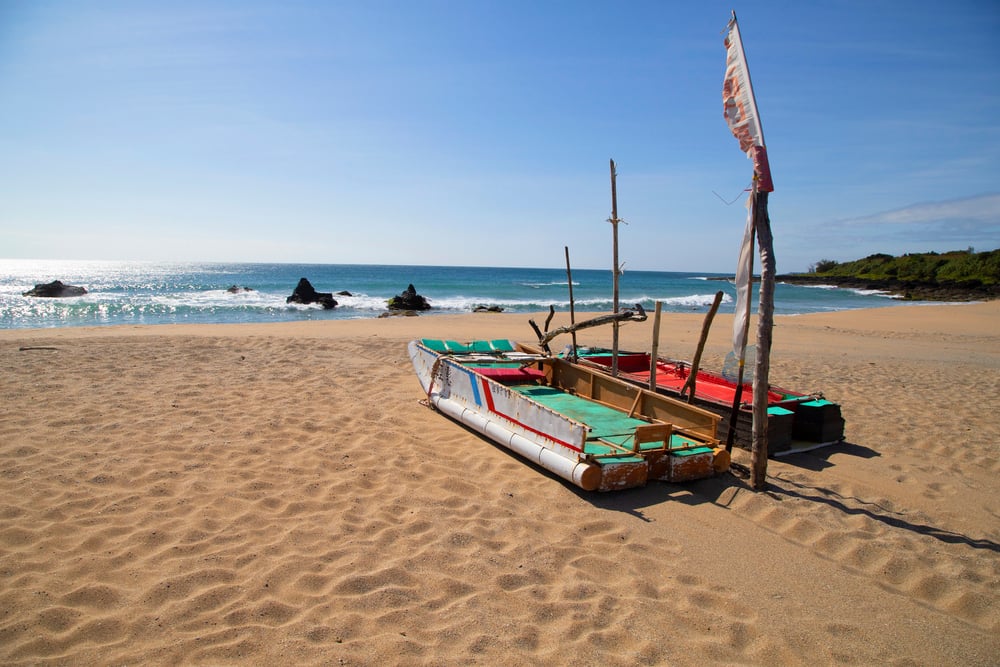
In 1895, as Japan prepared to take control of Taiwan from China, local leaders declared independence and established the Republic of Formosa. They adopted a flag, constitution, and formed a government that sought international recognition.
The republic lasted only five months before Japanese forces completed their takeover of the island, ending this brief experiment in Taiwanese self-rule.
The Kingdom of Redonda
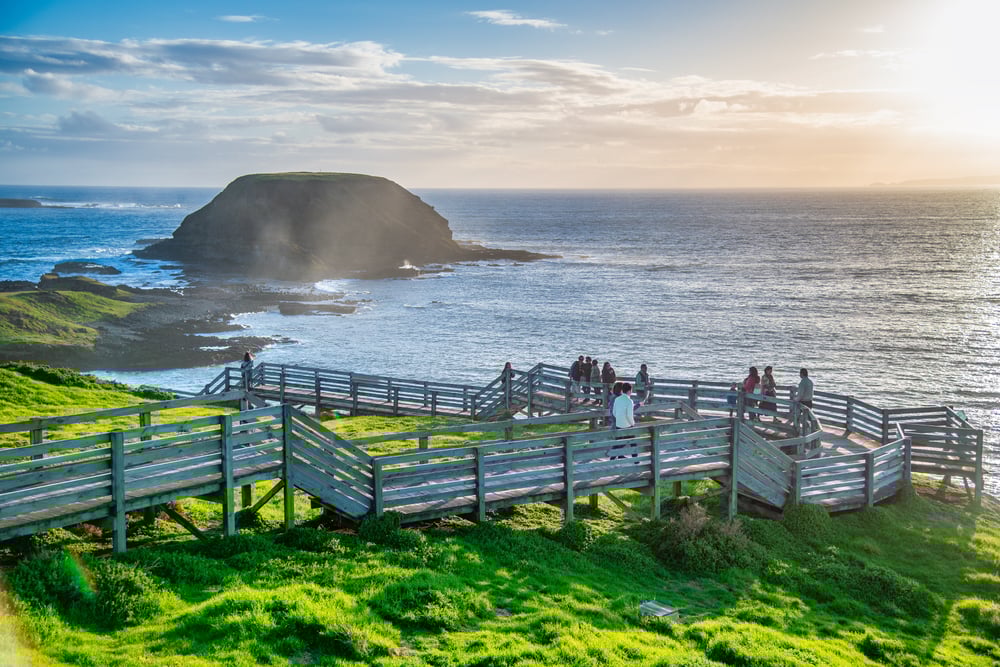
This uninhabited rocky islet near Antigua became the center of a literary kingdom when writer M.P. Shiel claimed it in 1865 and declared himself king. The title passed through a succession of writers and poets who maintained the fiction of a sovereign literary nation.
While never politically real, the Kingdom of Redonda developed its own mythology, awarded titles, and inspired numerous books before the actual island was eventually incorporated into Antigua and Barbuda.
Vanished But Not Forgotten
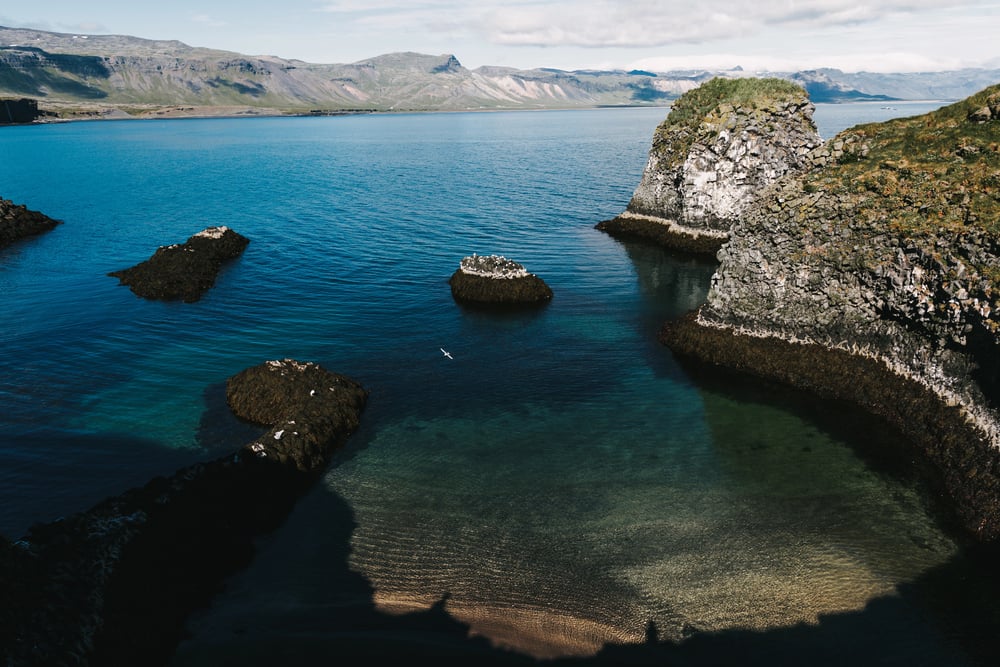
These island nations may have disappeared from political maps, but their legacies continue through cultural influences, historical records, and even ongoing sovereignty disputes. Each represents a unique chapter in human geography that reminds us how fluid national boundaries truly are.
DepositPhotosThe stories of these forgotten nations offer valuable insights into how states form, evolve, and sometimes fade away entirely. Many of these lost nations existed during times of colonial expansion or global political restructuring, showing how vulnerable smaller states can be to larger geopolitical forces.
Their histories serve as important reminders that the world map we know today represents just one moment in the constantly shifting saga of human governance and territorial control.
More from Go2Tutors!

- The Romanov Crown Jewels and Their Tragic Fate
- 13 Historical Mysteries That Science Still Can’t Solve
- Famous Hoaxes That Fooled the World for Years
- 15 Child Stars with Tragic Adult Lives
- 16 Famous Jewelry Pieces in History
Like Go2Tutors’s content? Follow us on MSN.
Like Go2Tutors’s content? Follow us on MSN.



