15 Mistakes That Sparked International Conflicts
History is full of moments where small errors led to massive consequences. A wrong turn here, a misunderstood message there — or a simple miscalculation can spiral into conflicts that reshape entire nations.
These incidents remind us just how fragile international relations can be, and how easily tension can boil over into full-scale warfare. Sometimes the tiniest missteps create the biggest disasters. Here is a list of 15 mistakes that accidentally triggered international conflicts with devastating results.
Franz Ferdinand’s Driver Takes a Wrong Turn
The driver that took Archduke Franz Ferdinand down the wrong street in Sarajevo essentially handed World War I to a Serbian assassin on a silver platter. When the driver realized his mistake and stopped the car to reverse — he positioned the vehicle directly in front of Gavrilo Princip, who seized the moment.
Without that navigational error, the assassin would never have had such a perfect opportunity, potentially preventing the Great War entirely.
The Stray Dog Incident
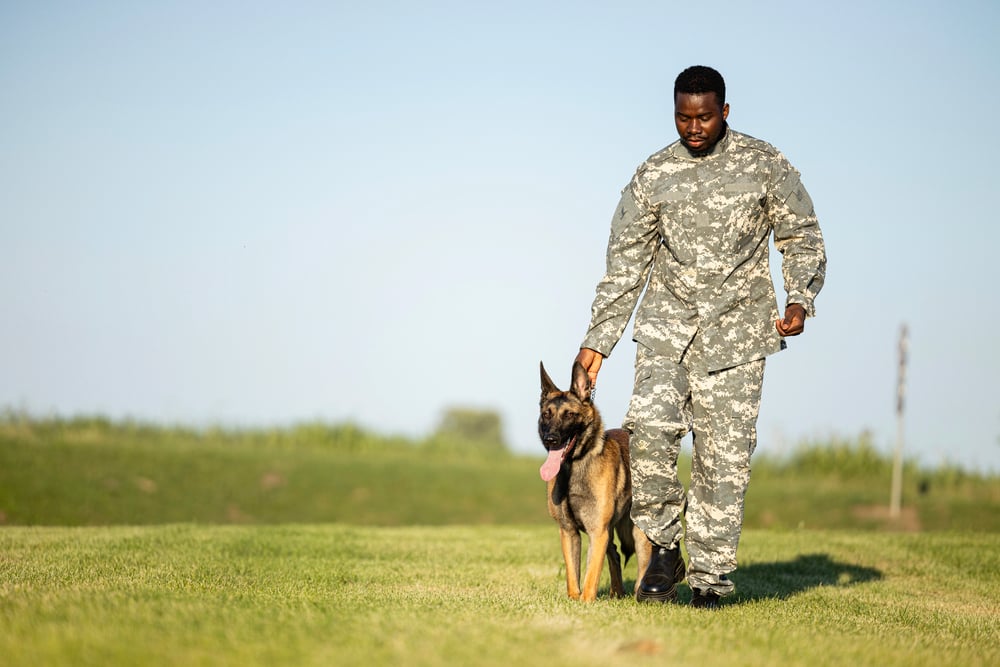
In one of the most bizarre conflicts of the 20th century, a dog inadvertently triggered an international crisis between Greece and Bulgaria in the 1920s. A Greek soldier chased his runaway dog across the Bulgarian border — was shot by a Bulgarian sentry.
This seemingly minor incident escalated into a diplomatic nightmare, with both countries mobilizing troops while threatening war. The League of Nations had to intervene to prevent a full-scale conflict over what was essentially a pet-related mishap.
Like Go2Tutors’s content? Follow us on MSN.
The Misunderstood Japanese Surrender Message
During World War II, Japan’s response to the Allied ultimatum used the word ‘mokusatsu,’ which can mean either ‘no comment’ or ‘ignore with contempt.’ The Japanese intended it as ‘no comment’ — though Allied translators interpreted it as a defiant rejection.
This translation error contributed to the decision to drop atomic bombs on Hiroshima and Nagasaki, changing the course of the war plus human history.
The Pig War’s Boundary Confusion

A poorly defined border between American and British territories in the Pacific Northwest led to the bizarre Pig War of 1859. When an American farmer shot a British pig that was eating his potatoes, both sides sent military forces to the disputed San Juan Islands.
The boundary ambiguity in the Treaty of 1846 had left the islands’ ownership unclear — turning a dead pig into a 12-year military standoff that nearly sparked a war between the United States and Britain.
The Telegram That Wasn’t

Germany’s Zimmermann Telegram of 1917 was intercepted by British intelligence, revealing a plot to ally with Mexico against the United States. However, the telegram was only sent because Germany mistakenly believed it would remain secret.
This intelligence blunder pushed America into World War I — as the revelation of German scheming in the Western Hemisphere outraged American public opinion and gave President Wilson the justification he needed for war.
Like Go2Tutors’s content? Follow us on MSN.
The Bucket War’s Stolen Symbol

The War of the Bucket between Bologna and Modena in 1325 started when Modenese soldiers stole a wooden bucket from a Bologna well during a raid. While the bucket itself wasn’t the real cause of the conflict, it became a powerful symbol of the humiliation that Bologna felt.
The stolen bucket escalated existing tensions into a full military campaign — proving that sometimes the symbolic value of an object can outweigh its practical worth.
The Pastry War’s Unpaid Bills

France invaded Mexico in 1838 over unpaid debts, including compensation for a French pastry chef whose shop was damaged during Mexican political unrest. The Mexican government’s refusal to pay these relatively small claims led to a naval blockade — military intervention.
This ‘Pastry War’ demonstrated how minor financial disputes could escalate into major international incidents when national pride got involved.
The Defenestration Mix-Up

— Photo by diegograndi
The Second Defenestration of Prague in 1618 started the Thirty Years’ War, though it happened partly due to a misunderstanding about religious authority. Protestant nobles thought Catholic officials were overstepping their bounds — while the Catholics believed they were acting within their rights.
The resulting argument led to the famous window-throwing incident, which sparked three decades of European warfare that killed millions.
Like Go2Tutors’s content? Follow us on MSN.
The Ems Dispatch Edit
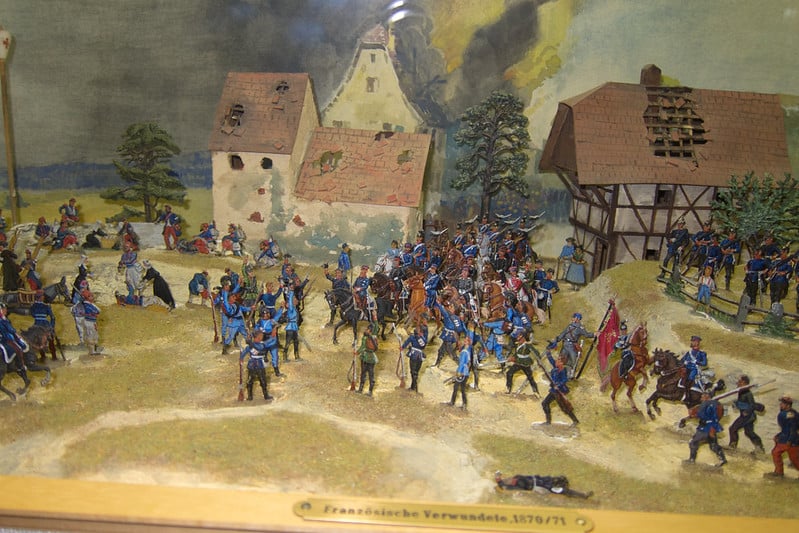
Otto von Bismarck’s editing of the Ems Dispatch in 1870 was a calculated mistake that backfired spectacularly. He made the telegram seem more insulting than it actually was, hoping to provoke France into declaring war on Prussia.
While his plan worked — the resulting Franco-Prussian War had consequences he didn’t anticipate, including the creation of a unified Germany that would later challenge European stability.
The Fashoda Incident’s Flag Confusion

British and French forces nearly went to war in 1898 over a misunderstanding about territorial claims in Sudan. When both expeditions arrived at the remote outpost of Fashoda, confusion over maps — colonial boundaries created a tense standoff.
The incident escalated because neither side was entirely sure what their governments had actually claimed, leading to a diplomatic crisis that almost sparked a European war.
The War of Jenkins’ Ear

Captain Robert Jenkins claimed Spanish coast guards cut off his ear in 1731, but the incident was likely exaggerated or completely fabricated. When Jenkins presented his supposedly severed ear to Parliament years later, it helped justify British aggression against Spain.
This questionable evidence contributed to a war that lasted nine years and cost thousands of lives, all based on what was probably a lie.
Like Go2Tutors’s content? Follow us on MSN.
The Kruger Telegram Blunder

Kaiser Wilhelm II’s congratulatory telegram to Boer President Paul Kruger in 1896 was meant as a friendly gesture yet nearly caused a war with Britain. The Kaiser didn’t realize how provocative his message would seem to the British, who saw it as German interference in their sphere of influence.
This diplomatic fumble damaged Anglo-German relations for decades while contributing to the alliance system that would eventually lead to World War I.
The Agadir Crisis Miscalculation
Germany’s decision to send a gunboat to the Moroccan port of Agadir in 1911 was intended as a negotiating tactic but nearly triggered a European war. German leaders underestimated how aggressively Britain and France would respond to what they saw as German intimidation.
The crisis brought Europe to the brink of war and further poisoned international relations in the lead-up to World War I.
The Boxer Rebellion’s Communication Breakdown
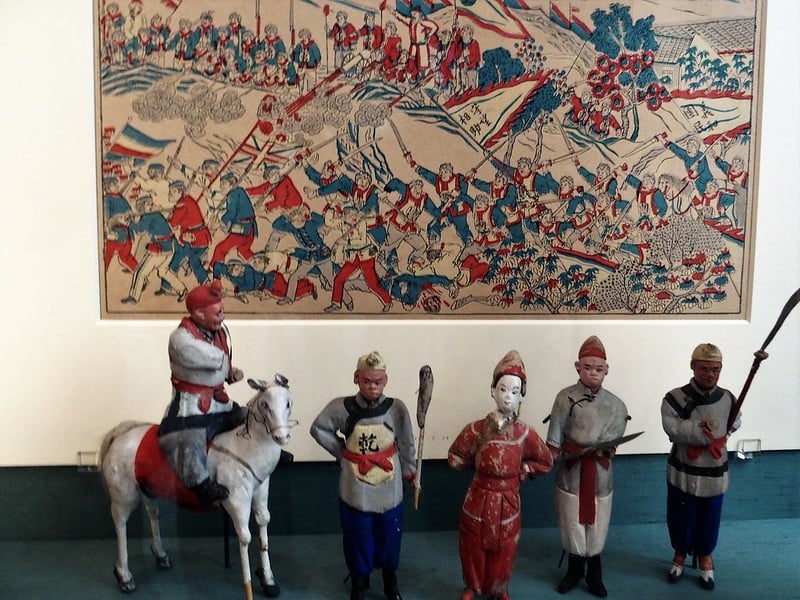
The siege of foreign legations in Beijing during the Boxer Rebellion was prolonged by communication failures between Chinese officials and foreign diplomats. Mixed messages about the government’s intentions toward the rebels led to misunderstandings that escalated the conflict.
These communication breakdowns resulted in a multinational intervention that humiliated China while setting the stage for future conflicts.
Like Go2Tutors’s content? Follow us on MSN.
The Sarajevo Route Change

The decision to change Archduke Franz Ferdinand’s route through Sarajevo was made at the last minute due to security concerns, though the information wasn’t properly communicated to all the drivers. This organizational failure put the Archduke’s car directly in the path of the assassins, who had positioned themselves along the original route.
The poor coordination between security officials created the perfect storm for the assassination that triggered World War I.
When Small Errors Write History
These incidents show us that international relations operate on a knife’s edge, where misunderstandings and minor mistakes can have catastrophic consequences. The human cost of these errors — millions of deaths, destroyed nations, reshaped continents — reminds us that diplomacy and clear communication aren’t just nice ideas but essential tools for preventing unnecessary conflicts.
In our interconnected world, the lessons from these historical blunders remain more relevant than ever, as today’s communication failures could still spark tomorrow’s conflicts.
More from Go2Tutors!

- 16 Historical Figures Who Were Nothing Like You Think
- 12 Things Sold in the 80s That Are Now Illegal
- 15 VHS Tapes That Could Be Worth Thousands
- 17 Historical “What Ifs” That Would Have Changed Everything
- 18 TV Shows That Vanished Without a Finale
Like Go2Tutors’s content? Follow us on MSN.



