14 Forgotten Inventors Who Changed the World
History books love Edison and Bell, yet countless brilliant minds have faded into obscurity. These overlooked geniuses created innovations that transformed daily life, though their names rarely make it into casual conversation.
Here is a list of 14 extraordinary inventors whose contributions deserve the spotlight they’ve been denied for too long.
Hedy Lamarr

Ryazan, Russia – July 09, 2018: Page on Wikipedia about Hedy Lamarr
The world knew her as a stunning Hollywood star of the 30s and 40s – but Lamarr’s mind outshone even her famous beauty. During WWII, she developed frequency-hopping technology – a breakthrough meant to prevent enemies from jamming torpedo signals. This wasn’t just clever thinking for its time; her innovation eventually became fundamental to secure military communications, GPS, Bluetooth, and Wi-Fi. Most folks using wireless connections today don’t realize they’re benefiting from a movie star’s technical genius.
Garrett Morgan
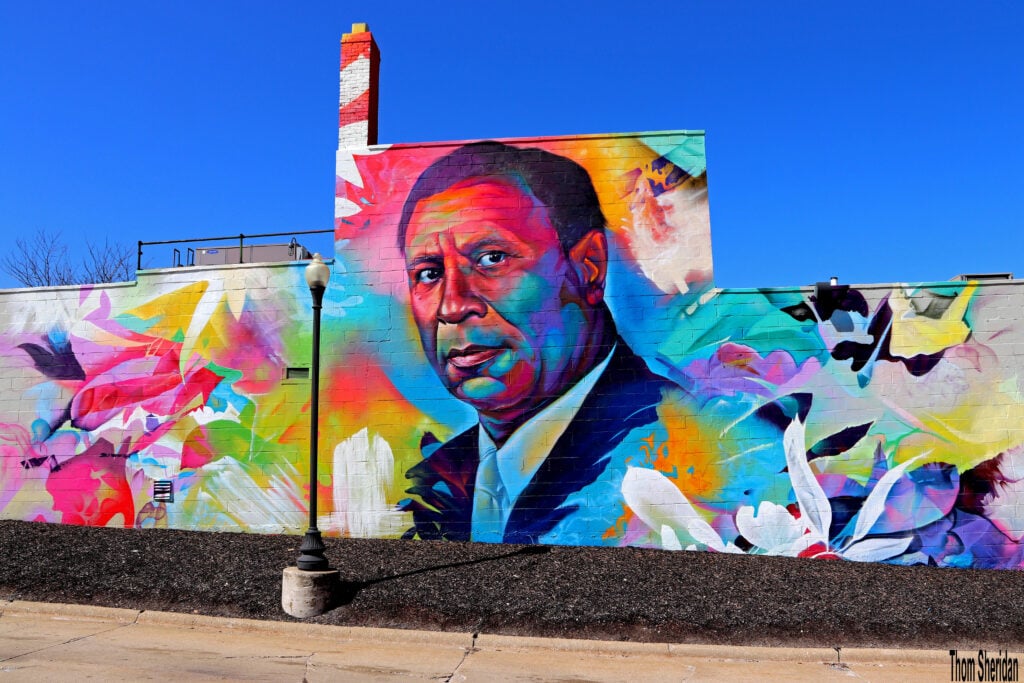
Morgan didn’t set out to change city streets forever, but that’s exactly what happened in 1923. After witnessing a horrible crash between a car and a horse-drawn carriage, he couldn’t ignore the problem. His solution? A three-position traffic signal that added a crucial warning position – giving drivers precious seconds to clear intersections before cross traffic moved. He wasn’t a one-hit wonder either; his smoke hood design became the prototype for gas masks that protected countless soldiers during the First World War.
Like Go2Tutors’s content? Follow us on MSN.
Stephanie Kwolek
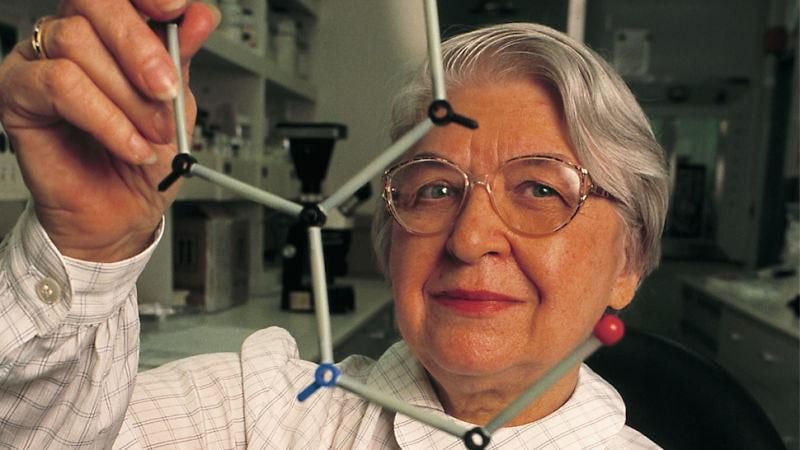
Sometimes mistakes lead to miracles. Kwolek was working at DuPont in 1965 when she created an unusual polymer solution that most would’ve tossed out. Instead of discarding what seemed like a failure – she persisted and convinced a reluctant colleague to test the substance. What they discovered was extraordinary: a material five times stronger than steel that would eventually become Kevlar. Her accidental discovery now shields police officers, military personnel, and even astronauts from harm.
Nikolai Tesla
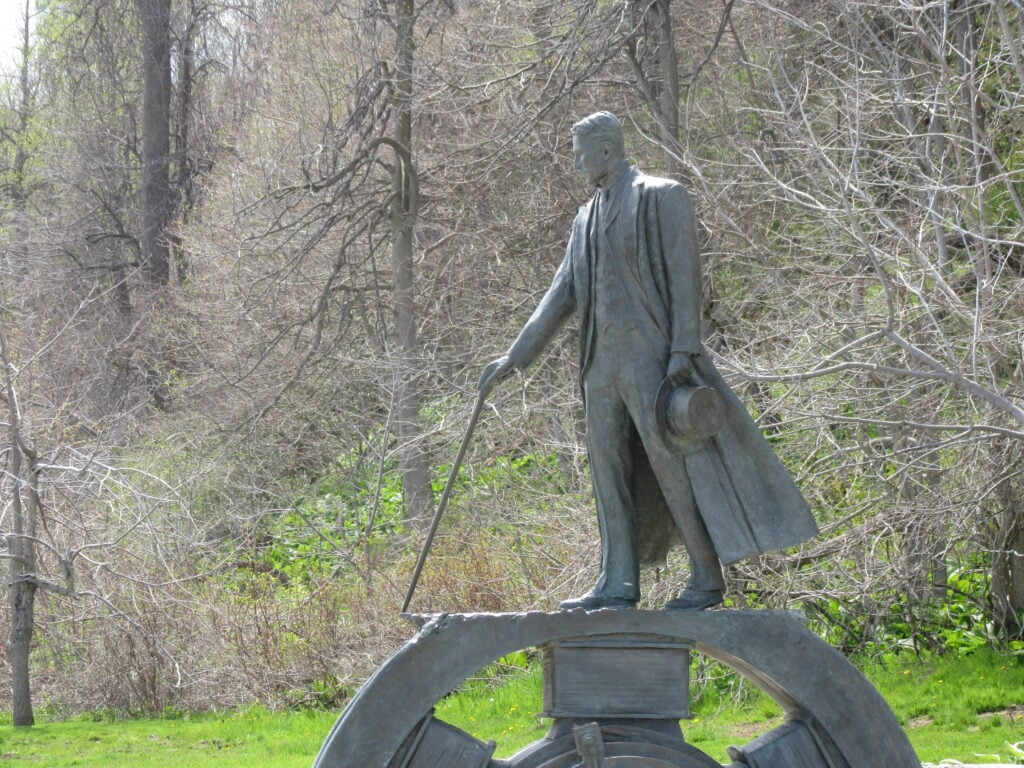
Tesla’s brilliance burns bright among engineering enthusiasts – though the average person might struggle to name his innovations. This eccentric genius gave us alternating current (AC) – the very system powering homes and businesses worldwide. He didn’t stop there; his work pioneered wireless energy transmission, remote control technology, and concepts eerily similar to modern smartphones. Despite his revolutionary contributions, Tesla died nearly broke in a New York hotel room in 1943 – his most ambitious dreams unrealized.
Alice Parker

Frigid winters became more bearable thanks to Parker’s ingenuity. In 1919 – when most homes still relied on inefficient wood or coal – she patented the first central heating system using natural gas. Her groundbreaking design allowed for regulated heat distribution throughout buildings, making home heating cleaner and safer. Though manufacturers never produced her exact system, Parker’s concept laid crucial foundations for modern HVAC technology that keeps millions comfortable regardless of outdoor temperatures.
Like Go2Tutors’s content? Follow us on MSN.
Elijah McCoy
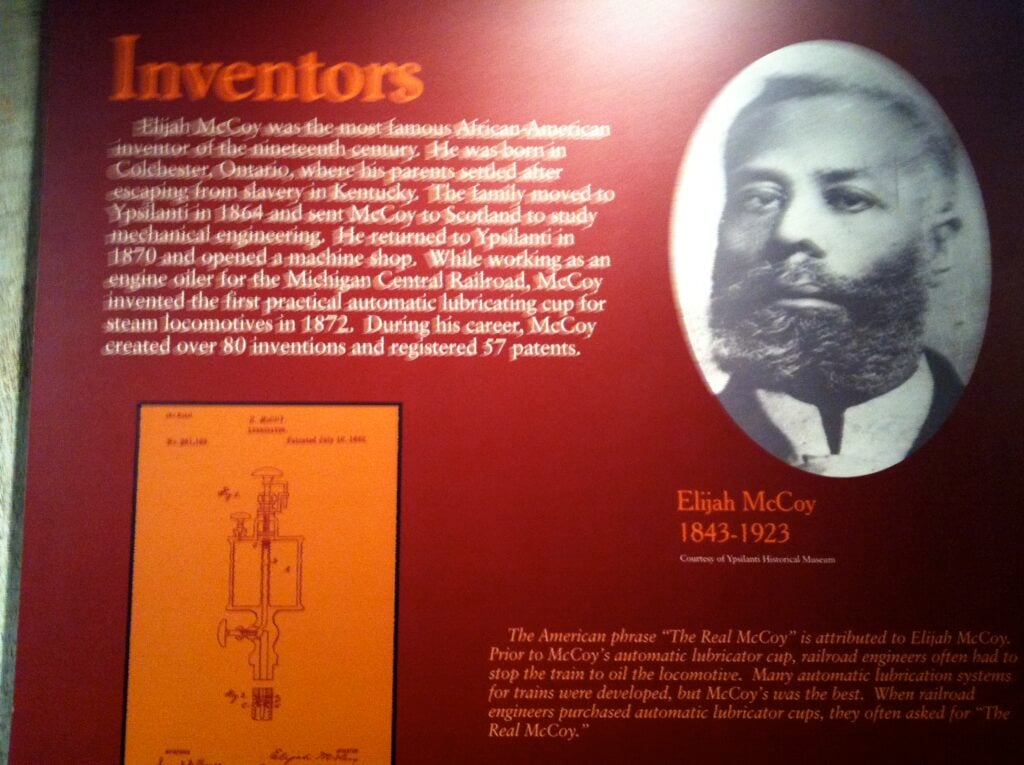
The real McCoy isn’t just an expression – it’s a nod to an inventor who overcame tremendous odds. Born to escaped slaves, McCoy engineered an automatic lubricator for steam engines in 1872. His device was revolutionary; it allowed trains to run continuously without maintenance stops. The quality was so superior that purchasers specifically requested “the real McCoy” to avoid inferior knockoffs. Despite holding 57 patents, persistent racism denied him proper recognition – a brilliant mind held back by the prejudices of his era.
Mary Anderson

Innovation often strikes in mundane moments. For Anderson, inspiration hit while watching a trolley driver repeatedly exit his vehicle to clear snow from the windshield. Her solution? A manually operated windshield wiper controlled from inside. When she patented her design in 1903, the automobile industry dismissed it as having “no commercial value” – a shortsighted judgment history would soon correct. Today’s drivers activate Anderson’s invention without a second thought whenever rain or snow obscures their view.
Percy Spencer

Some discoveries happen by accident – if you’re paying attention. Spencer noticed something odd while working with radar equipment in 1945: the chocolate bar in his pocket had melted. Rather than changing his pants and moving on, his curiosity took over. He experimented further and successfully popped corn using microwave radiation. Spencer’s observations led directly to the microwave oven, fundamentally changing food preparation worldwide. Despite holding 300 patents, his name remains unfamiliar to most people reheating leftovers.
Like Go2Tutors’s content? Follow us on MSN.
Marion Donovan

Necessity drove Donovan to innovation after endless nights changing soaked cloth diapers and bedding. Frustrated but determined, she fashioned a waterproof diaper cover using shower curtains in 1946. She didn’t stop there; she developed a fully disposable diaper when most experts considered the idea frivolous. Manufacturing companies rejected her invention as unnecessary and expensive – a judgment that seems laughable today with disposable diapers being a multi-billion-dollar industry based on her foundational concepts.
Luis Miramontes
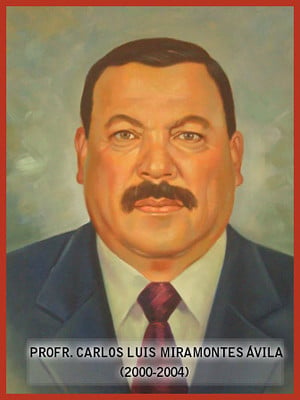
Youth doesn’t preclude genius. At just 26, Miramontes synthesized norethindrone – the key progestin component in the first oral contraceptive pill. This chemical breakthrough became the foundation for hormonal birth control that transformed society by giving women unprecedented reproductive autonomy. Despite co-authoring the patent for this socially revolutionary invention, historical accounts often overlook his contribution, focusing instead on his better-known colleagues.
Patsy Sherman

True innovation requires seeing opportunity where others see mistakes. When Sherman accidentally spilled a fluorochemical rubber on a colleague’s shoe while working at 3M in 1953, something unusual happened. The substance couldn’t be removed with any cleaner, but it also repelled water, oil, and other liquids. Sherman recognized the potential in this “failure” and developed Scotchgard, the stain and water repellent now protecting countless fabrics. Her discovery reminds us that breakthroughs often come from unexpected places.
Like Go2Tutors’s content? Follow us on MSN.
Margaret Knight
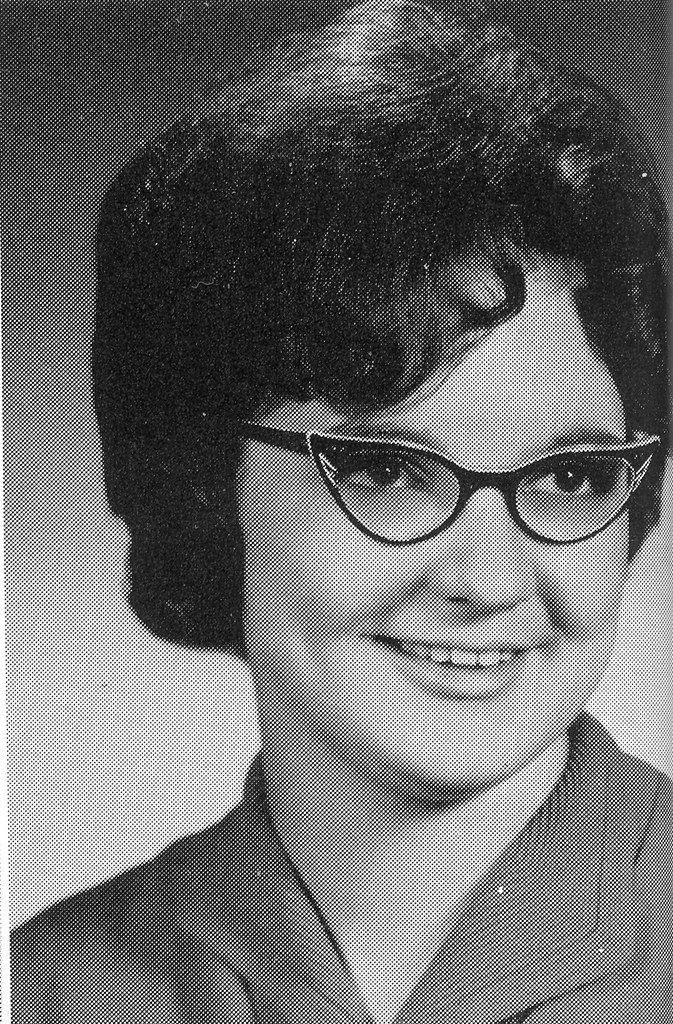
They called her “the female Edison” – though her accomplishments needed no gender qualifier. Knight invented a machine creating flat-bottomed paper bags in 1868, revolutionizing retail packaging when most shops used inefficient envelope-style bags. When a man stole her design during the patent process, she fought back and won in court, proving herself the rightful inventor. Her tenacity resulted in 26 patents spanning industries from shoe manufacturing to rotary engines, achievements extraordinary for anyone in that era.
James West
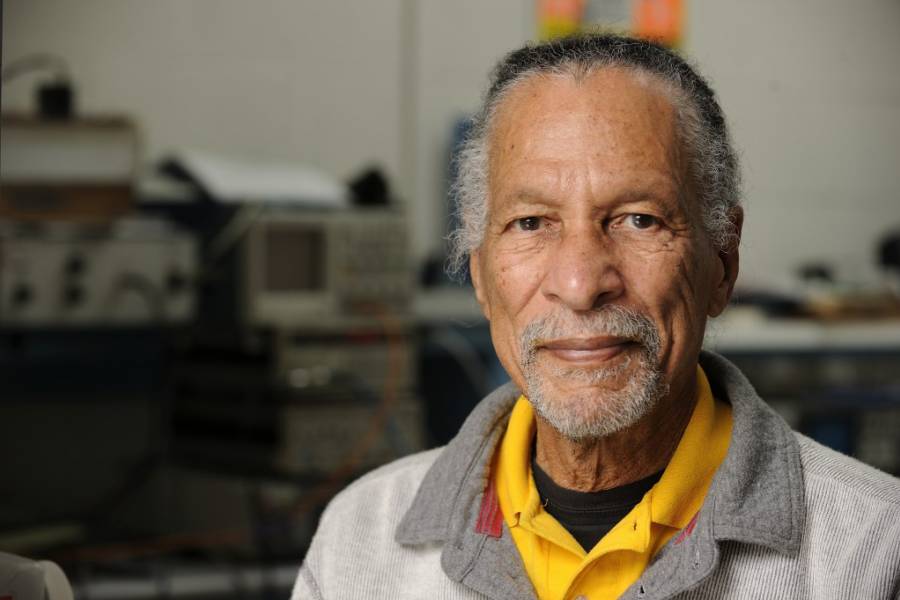
Every time you make a phone call, you’re using West’s technology. In 1962, he co-invented the electret microphone, which uses a special material that maintains an electric charge without external power. This deceptively simple design transformed sound technology and now appears in 90% of microphones worldwide, including phones, hearing aids, and recording equipment. Despite holding over 250 patents and receiving the National Medal of Technology, West remains relatively unknown to the public relying daily on his groundbreaking work.
Temple Grandin

Grandin proves invention extends beyond traditional devices. Living with autism, she leveraged her unique perceptual abilities to revolutionize livestock handling with humane equipment designs now processing nearly half of North America’s cattle. Her curved chute systems, based on natural animal movement patterns, significantly reduce stress and improve welfare throughout the industry. Grandin’s innovations demonstrate how neurodivergent perspectives can solve problems others don’t even recognize, transforming entire industries through thoughtful design.
Like Go2Tutors’s content? Follow us on MSN.
Innovation Beyond Recognition

History’s spotlight can be narrow and arbitrary. These fourteen inventors touch our lives daily through technologies we take for granted—from communication devices to safety equipment to household conveniences. Many fought through barriers of prejudice, limited resources, or societal expectations to create their world-changing innovations. Their stories remind us that meaningful progress often happens quietly, driven by curious minds solving problems because they can’t ignore them. The greatest inventions might come from anyone, anywhere, regardless of whether history remembers their name.
More from Go2Tutors!

- 16 Restaurant Chains That Went Too Fast
- 12 Things Sold in the 80s That Are Now Illegal
- 15 Strange Things People Have Tried to Ban (And Failed)
- 16 Collectibles People Tossed Out Too Soon
- 17 Myths from Your Childhood That Were Actually Based on Real Things
Like Go2Tutors’s content? Follow us on MSN.