16 global comfort foods with deep traditions
Every culture has that one dish people turn to when they need to feel better. It could be something warm after a long day or a meal that reminds them of family. Comfort food isn’t just about taste. It’s about memories, traditions, and the feeling of being cared for.
Some of these dishes started hundreds of years ago. Others became favorites more recently. But they all have one thing in common—they bring comfort when it’s needed most.
Now, here’s a look at 16 comfort foods from around the world that carry deep roots and big meaning.
Macaroni and cheese – United States

Since the 1800s, this dish has been a fixture in American kitchens. It can be baked or stirred on the stovetop and is cheesy and creamy. Every family has their own twist; some use extra-sharp cheddar, while others add breadcrumbs. Although it’s typically served on holidays, any Tuesday would be a great day to eat it. Both adults and children reach for it.
Congee – China
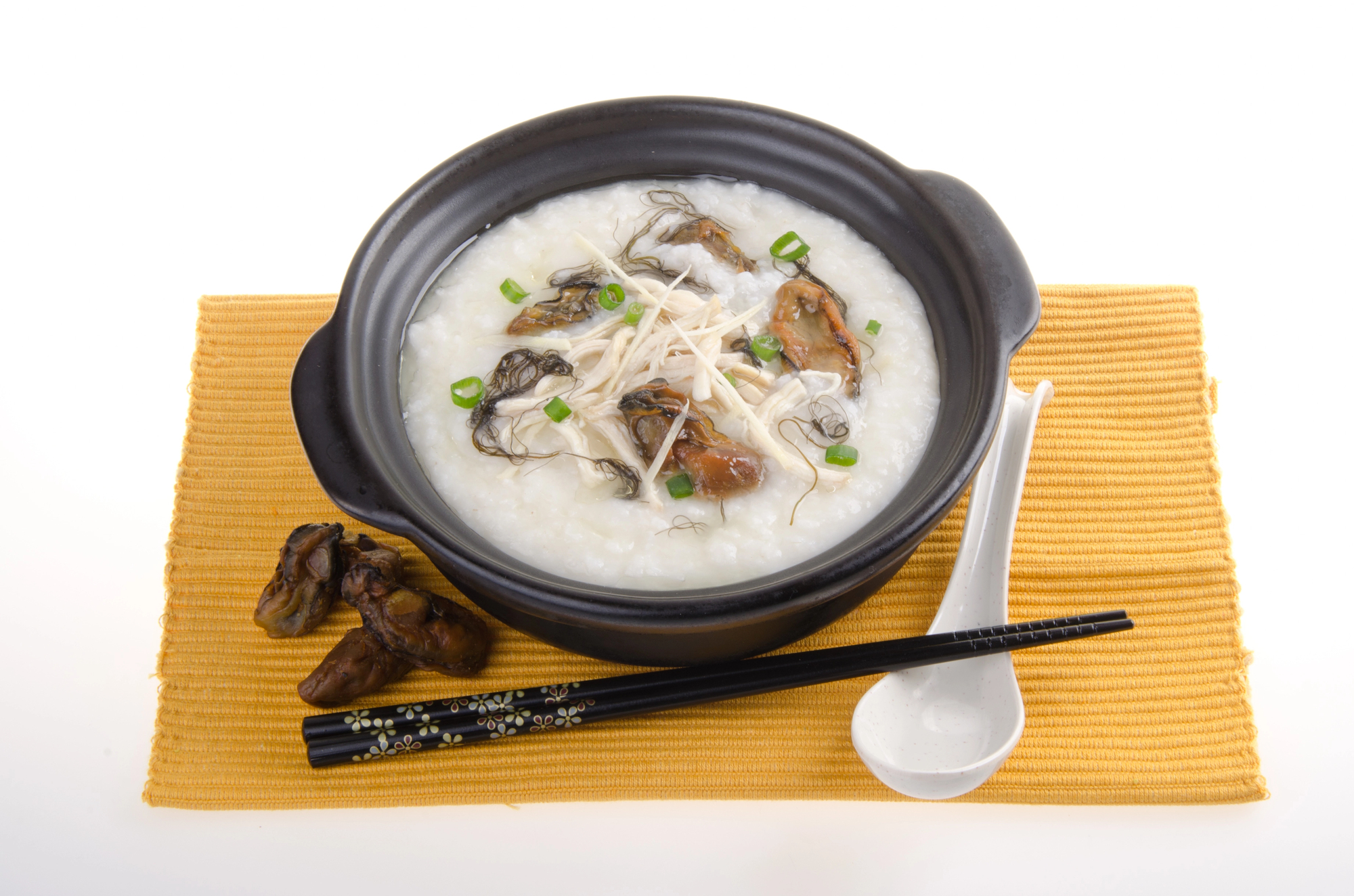
Any time of day is a good time to eat congee, a soft rice porridge. When someone is ill, it’s typically served plain, but it can also be flavored with meats, eggs, or green onions. It has a smooth, easily digestible texture. It’s something that many Chinese families eat from an early age. It’s tender, satisfying, and brimming with memories.
Khichdi – India
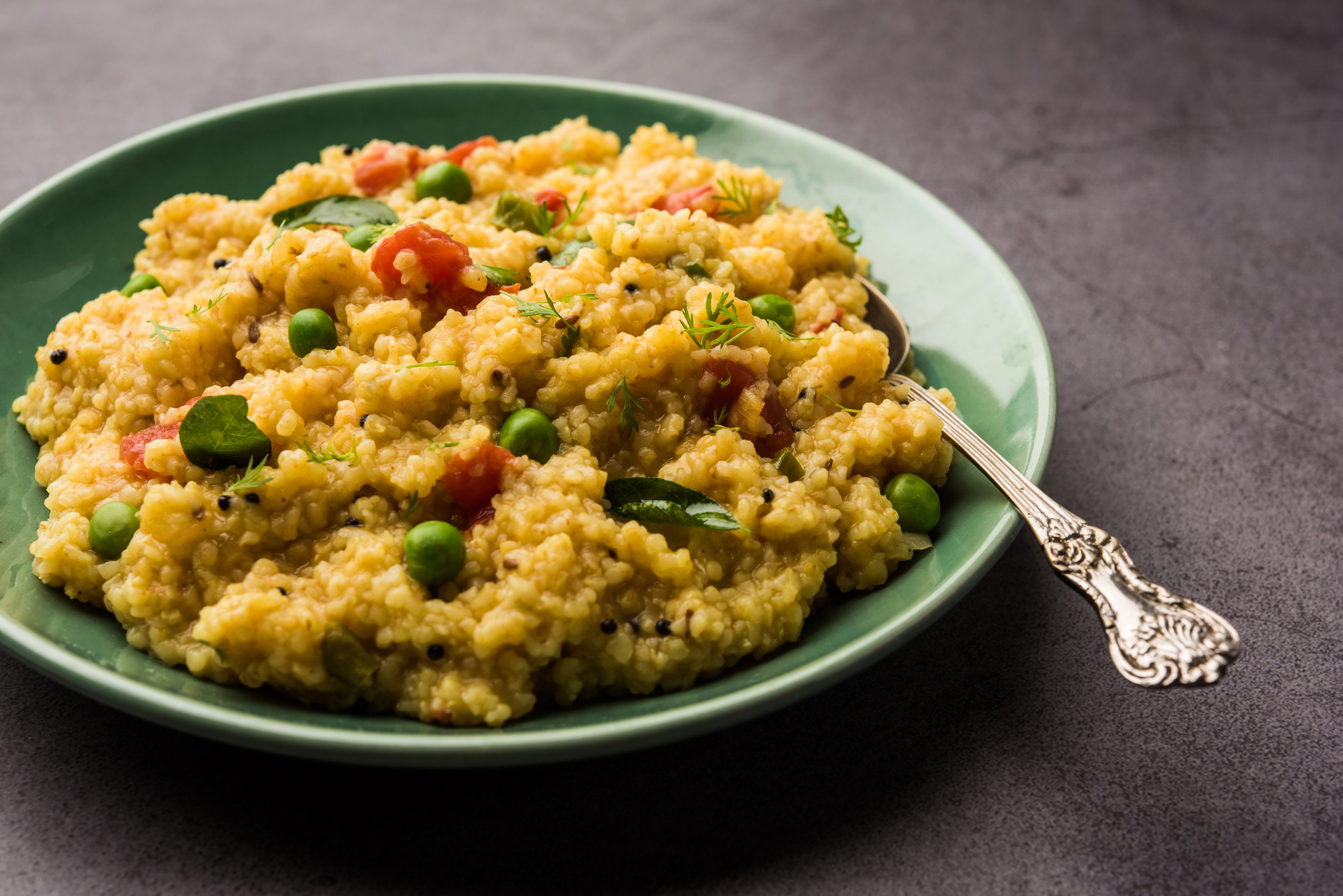
For centuries, this rice and lentil dish has been a popular comfort food in India. It is easy on the stomach, warm, and mild. Depending on the area, some people add ghee, vegetables, or a little spice. It is frequently among the first solid foods given to infants. It’s a dish that feels like care, simple but meaningful.
Shepherd’s pie – United Kingdom
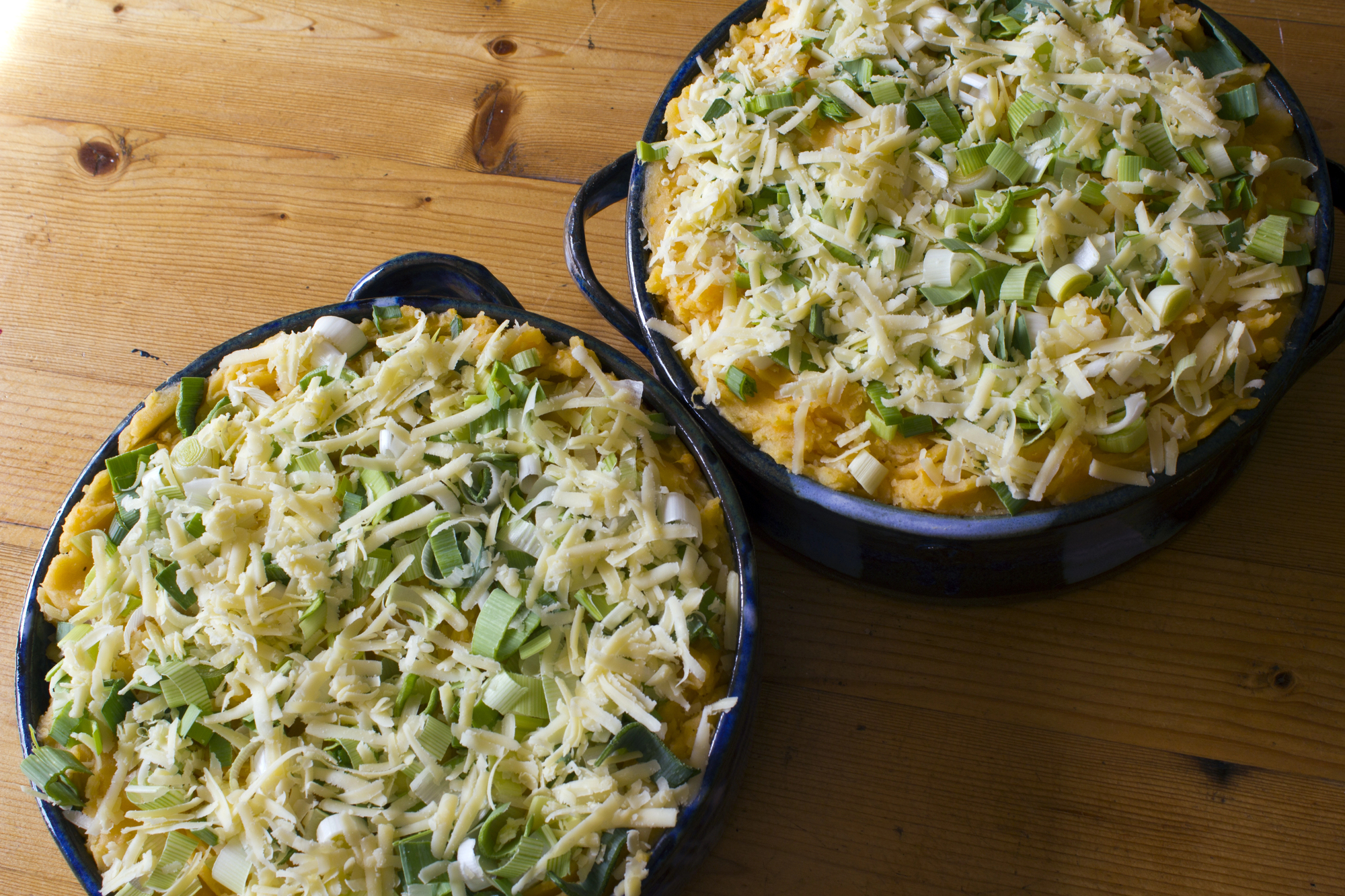
This hearty meal layers ground meat, peas, and carrots under creamy mashed potatoes. It’s baked until golden and crispy on top. It started as a way to use leftovers, but it became a classic in homes across the UK. On cold days, it fills the house with the smell of something cozy. Many still use their grandmother’s recipe.
Miso soup – Japan
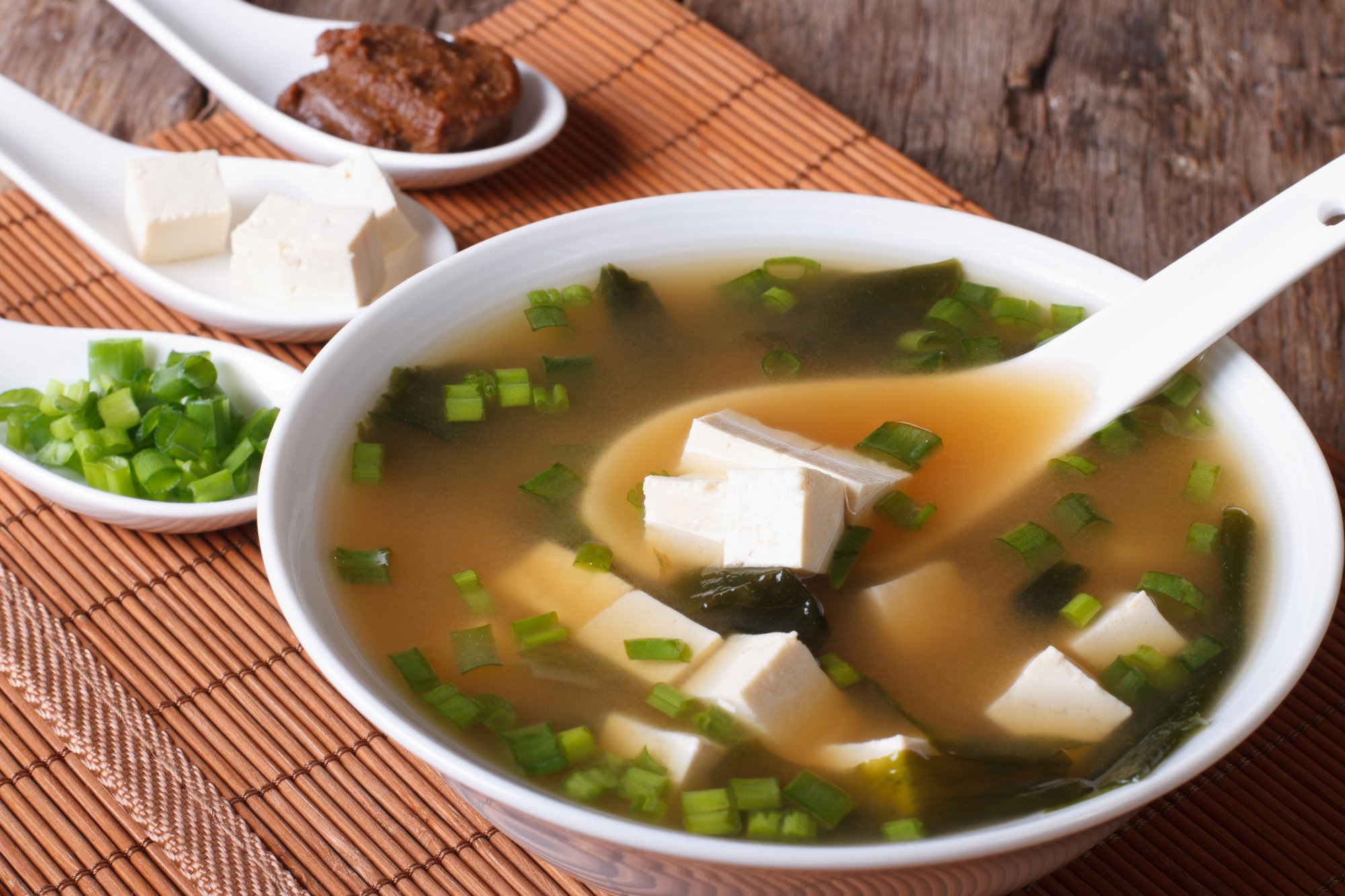
Made from fermented soybean paste, miso soup is a staple at most Japanese tables. It’s often served with tofu, seaweed, and green onions. The broth is warm and full of umami, a flavor that’s hard to describe but deeply satisfying. It’s served with breakfast, lunch, or dinner. For many, it feels like balance in a bowl.
Feijoada – Brazil
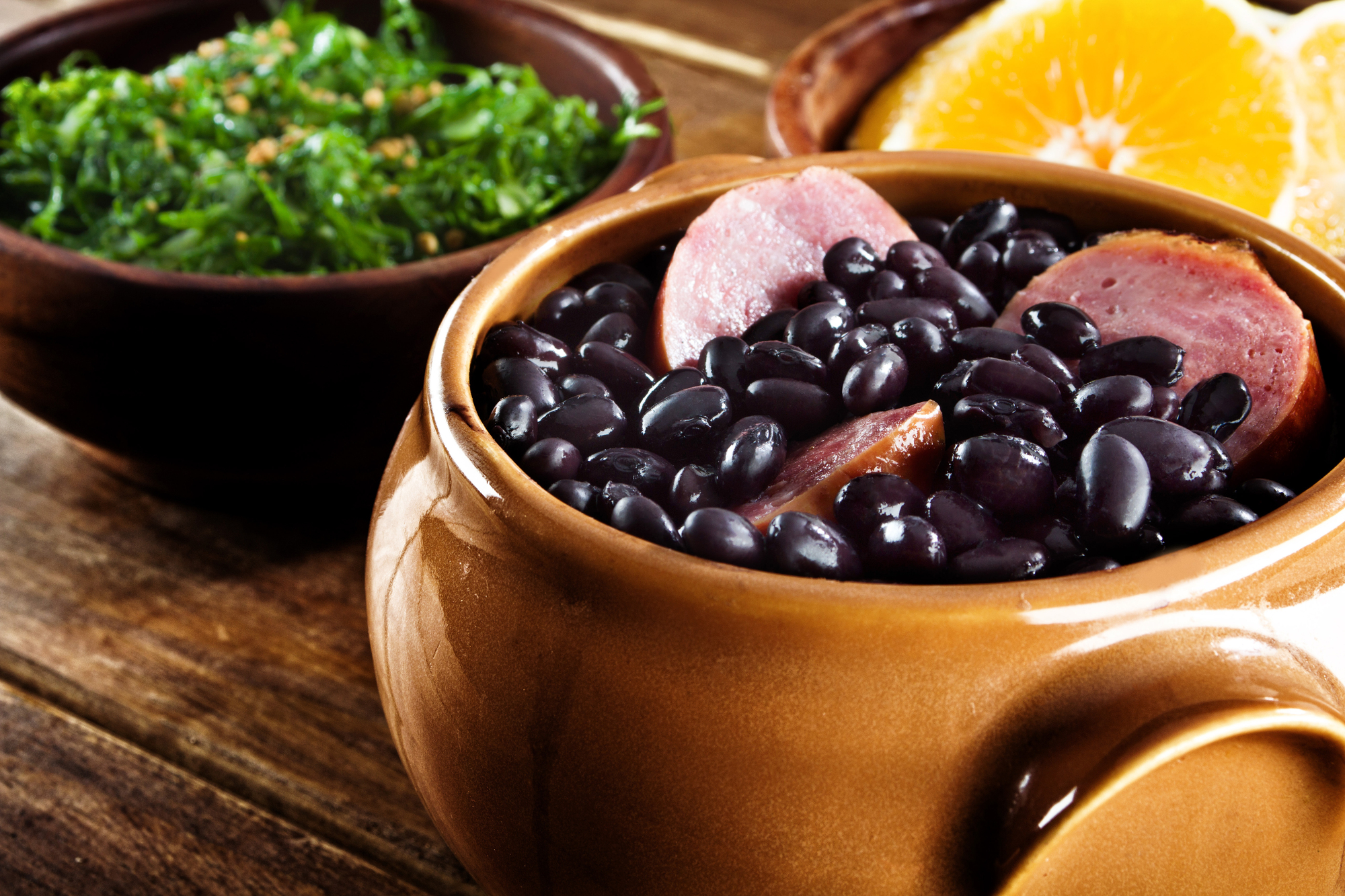
Feijoada is a black bean stew slow-cooked with different cuts of meat. It’s often served with rice, orange slices, and farofa, a toasted cassava flour. This dish has roots in both Portuguese and African traditions. People often enjoy it on weekends or family gatherings. It’s rich, smoky, and full of history.
Pierogi – Poland

These dumplings are usually stuffed with potato, cheese, meat, or fruit. They can be boiled or fried and are often topped with butter, onions, or sour cream. Pierogi are tied to both everyday meals and holiday feasts in Poland. Families often make them together in big batches. The process takes time, but the result is worth it.
Pho – Vietnam
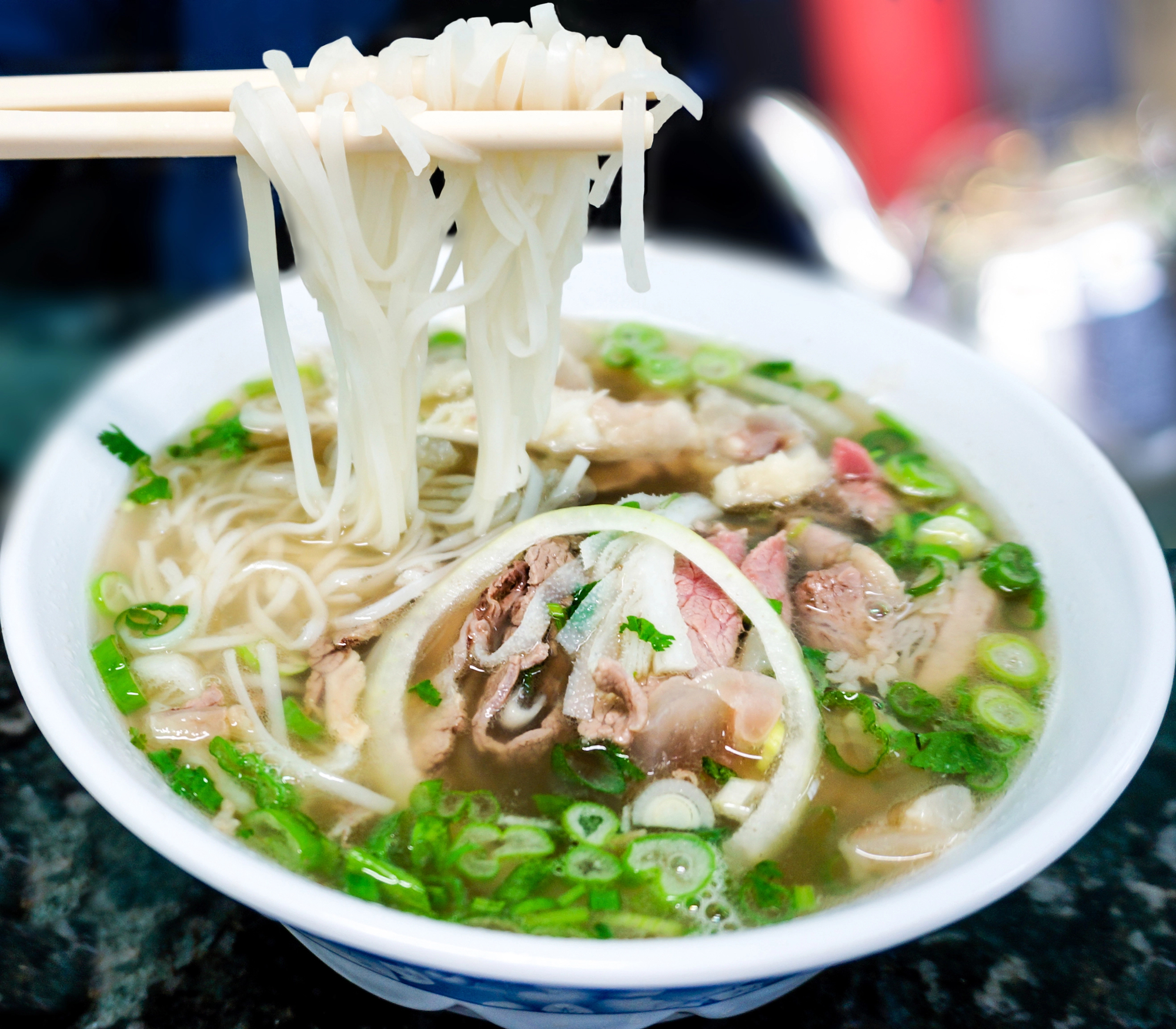
Pho is a noodle soup made with slow-simmered broth, rice noodles, herbs, and thin cuts of meat. It’s often eaten for breakfast in Vietnam, but it’s enjoyed all day in other places. The clear broth is full of deep flavors from things like star anise, ginger, and cloves. People build their own bowls at the table with lime, chili, and bean sprouts. It’s a dish that brings people in and warms them up.
Matzo soup – Jewish tradition
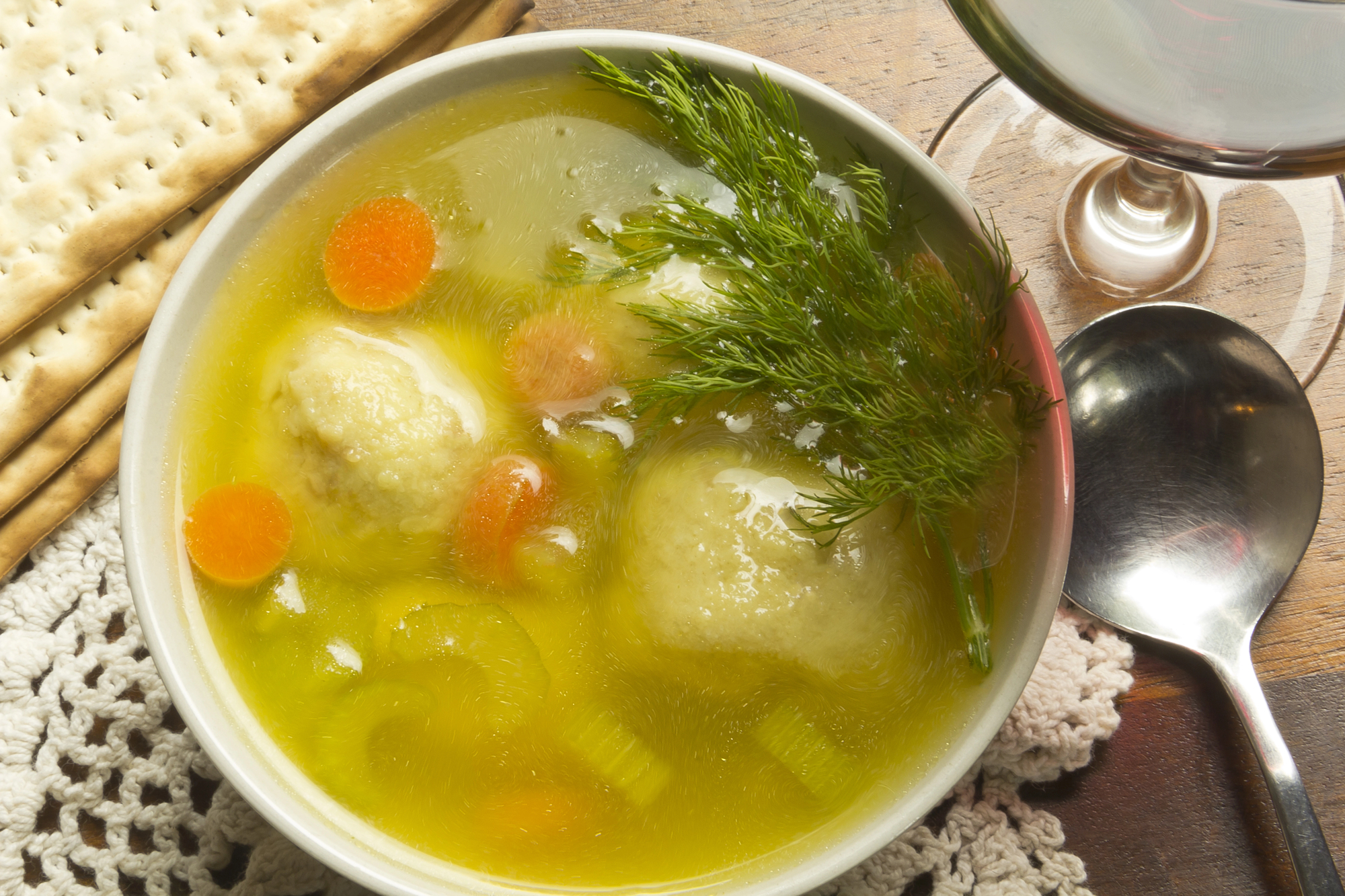
Often served during Passover, matzo soup has become comfort food for many Jewish families around the world. The broth is usually chicken-based, with soft dumplings made from matzo meal. It’s soothing, filling, and reminds many of family dinners. Some like the matzo orbs fluffy; others like them firm. Either way, it’s all about comfort and connection.
Tagine – Morocco
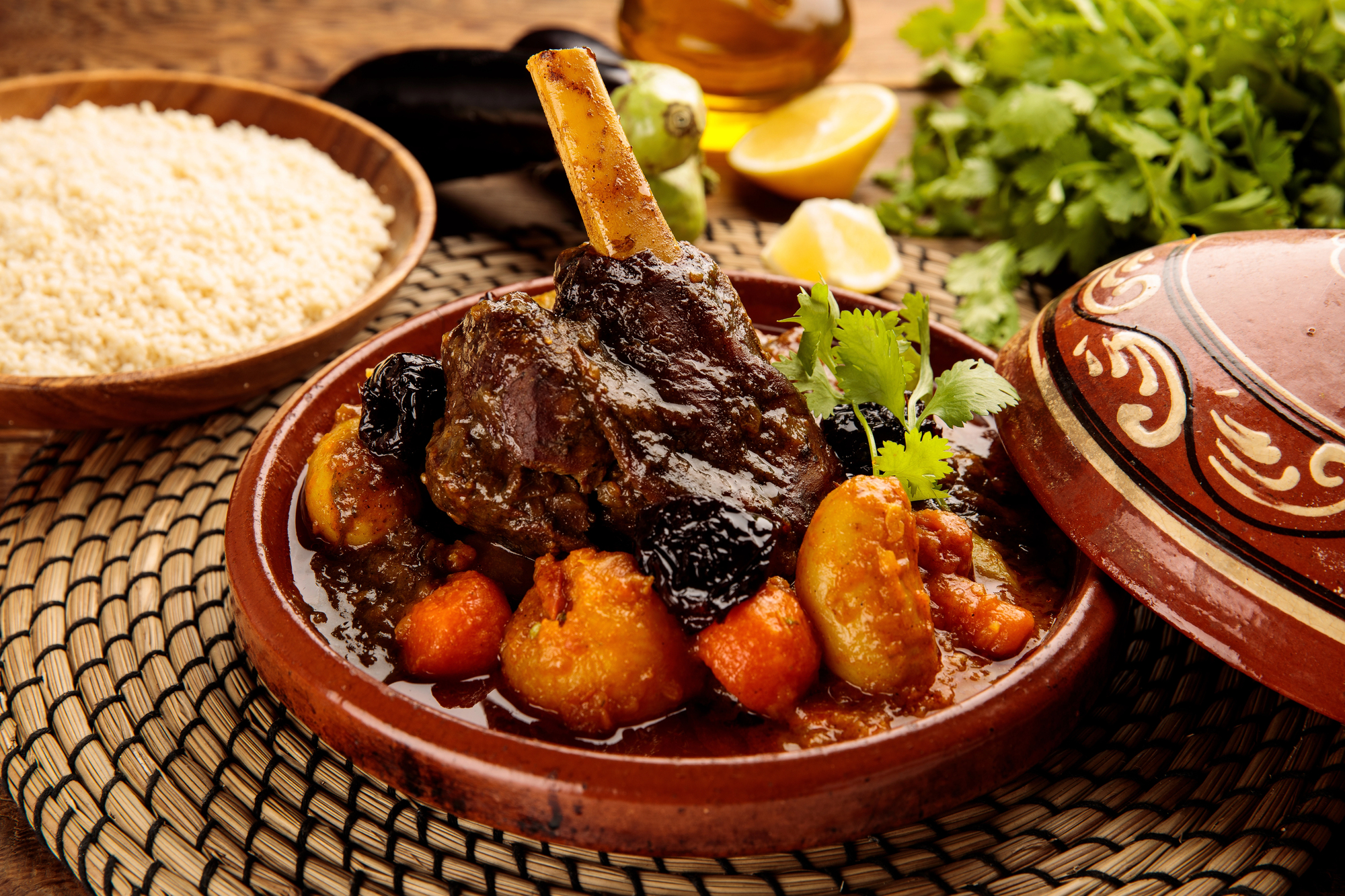
Tagine is both the name of the dish and the clay pot it’s cooked in. It’s a slow-cooked stew, often made with lamb or chicken, vegetables, dried fruit, and warm spices like cinnamon and cumin. The food simmers for hours, filling the house with amazing smells. It’s usually served with bread instead of forks or spoons. It’s a meal meant to be shared.
Koshari – Egypt
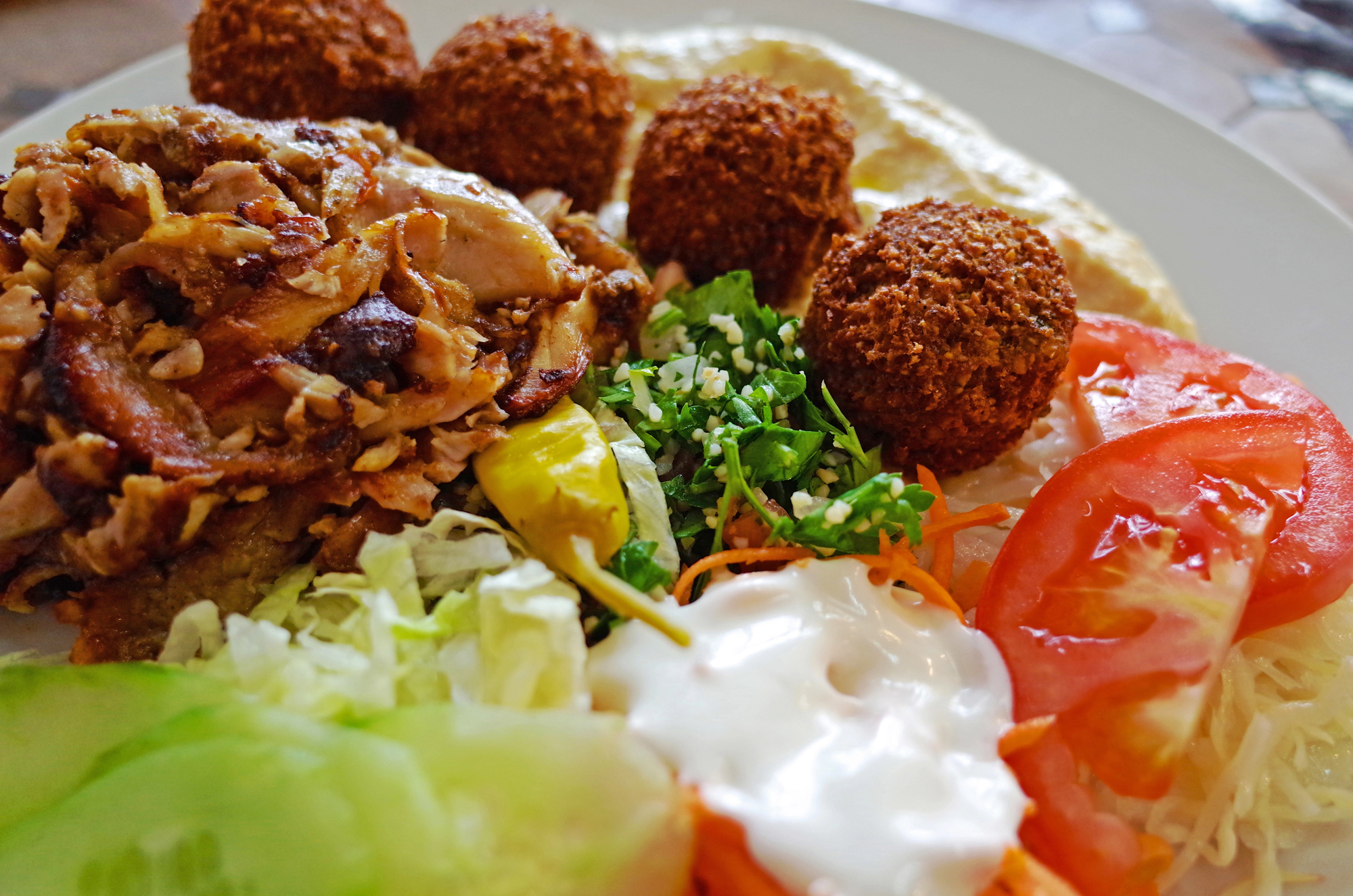
Koshari is a mix of rice, pasta, lentils, and chickpeas topped with spicy tomato sauce and crispy onions. It sounds unusual, but it works. It became popular in Cairo in the 1800s and now it’s found everywhere from street stalls to home kitchens. It’s affordable, filling, and comforting in a chaotic kind of way. People eat it when they’re hungry and need something that sticks.
Borscht – Ukraine
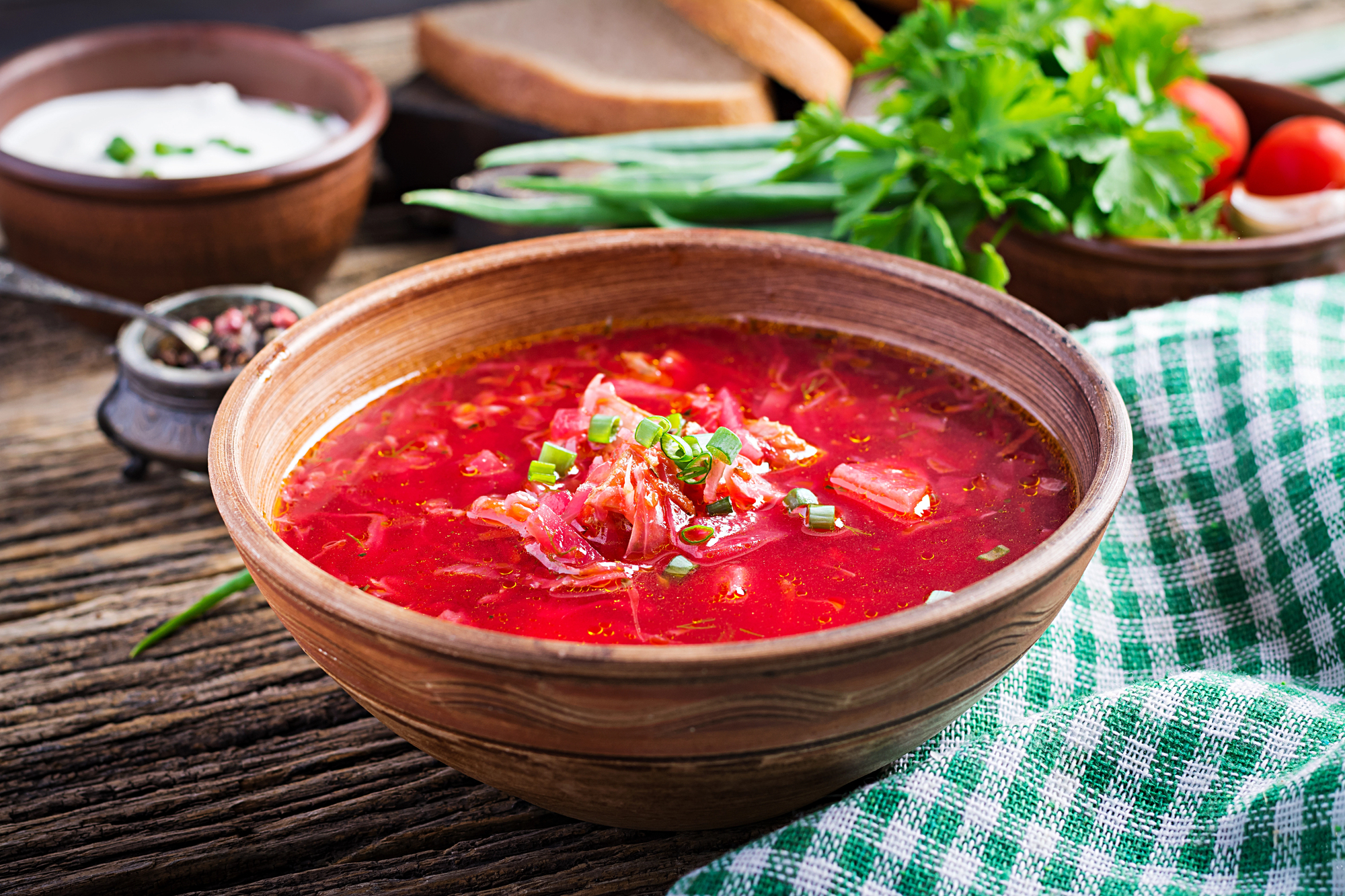
Borscht is a beet-based soup with a deep red color and a slightly sweet, earthy flavor. It can be served hot or cold and often includes cabbage, potatoes, and a spoonful of sour cream on top. It’s part of many family traditions and is especially popular during holidays. It takes time to prepare, which makes it feel special. Some people eat it as a main meal; others serve it as a starter.
Couscous – North Africa
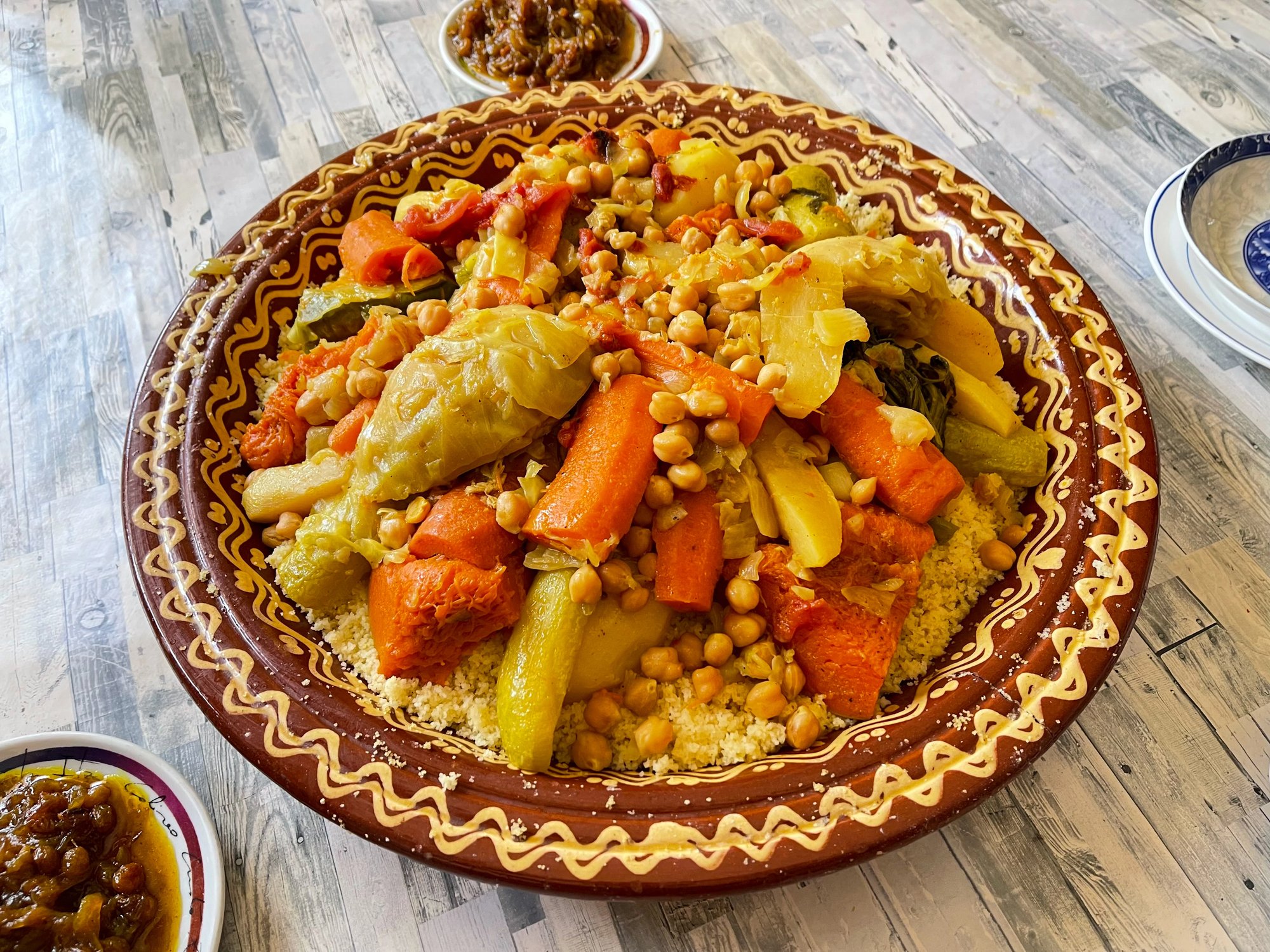
Couscous is tiny steamed semolina grains, often served with meat and vegetables in broth. It’s fast to cook but full of tradition. In Morocco, Algeria, and Tunisia, families gather around large plates and eat with their hands. It’s more than food—it’s a social event. Warm, soft, and always shared, couscous brings people together.
Chicken and dumplings – Southern United States
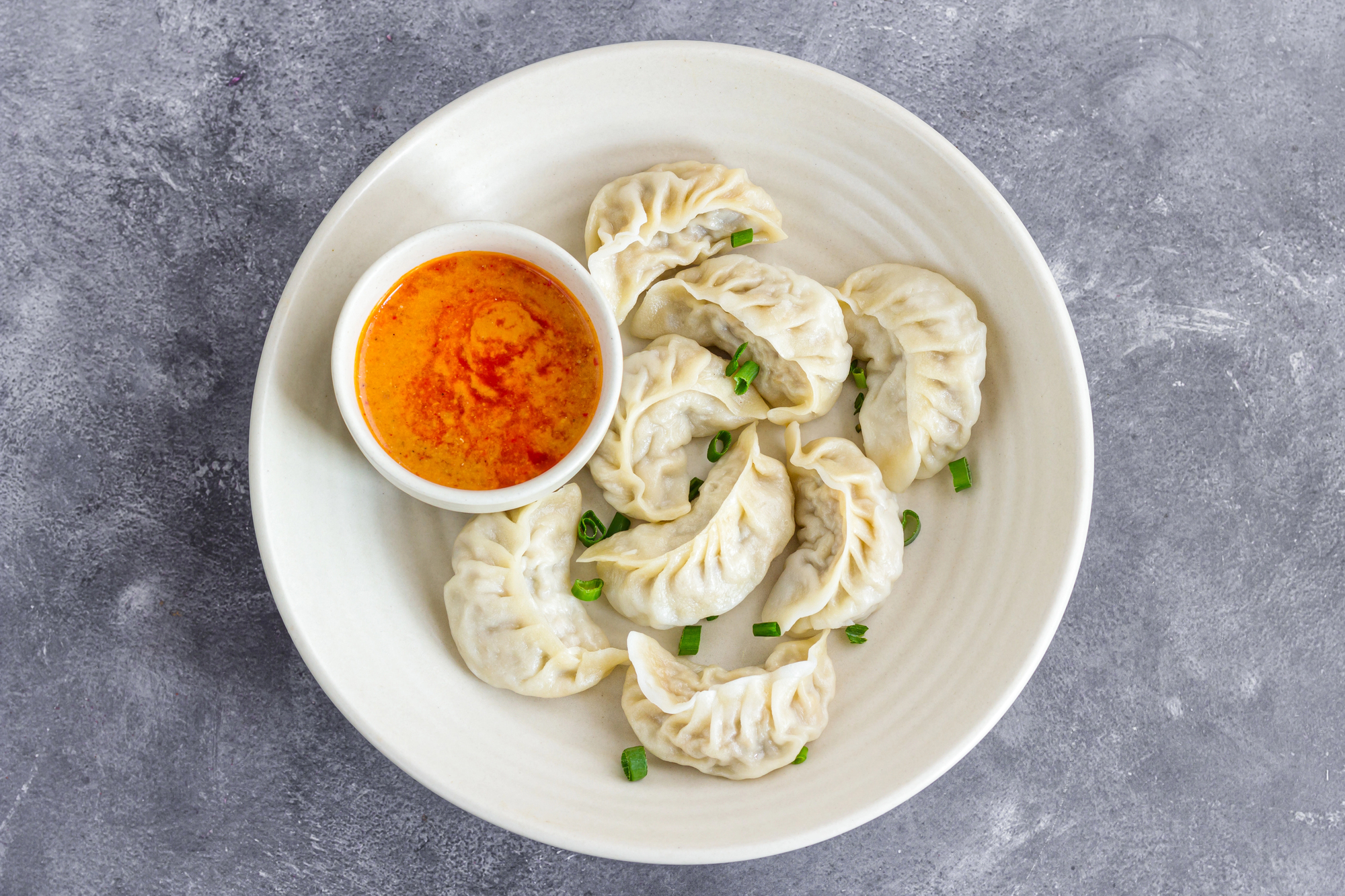
This classic dish is made with a rich chicken stew and thick, fluffy dumplings. It’s a favorite during cold months or when someone’s feeling under the weather. The dumplings soak up the broth and make every bite feel like home. It’s often made in big pots and shared around the table. It’s the kind of meal people remember for years.
Kimchi jjigae – Korea
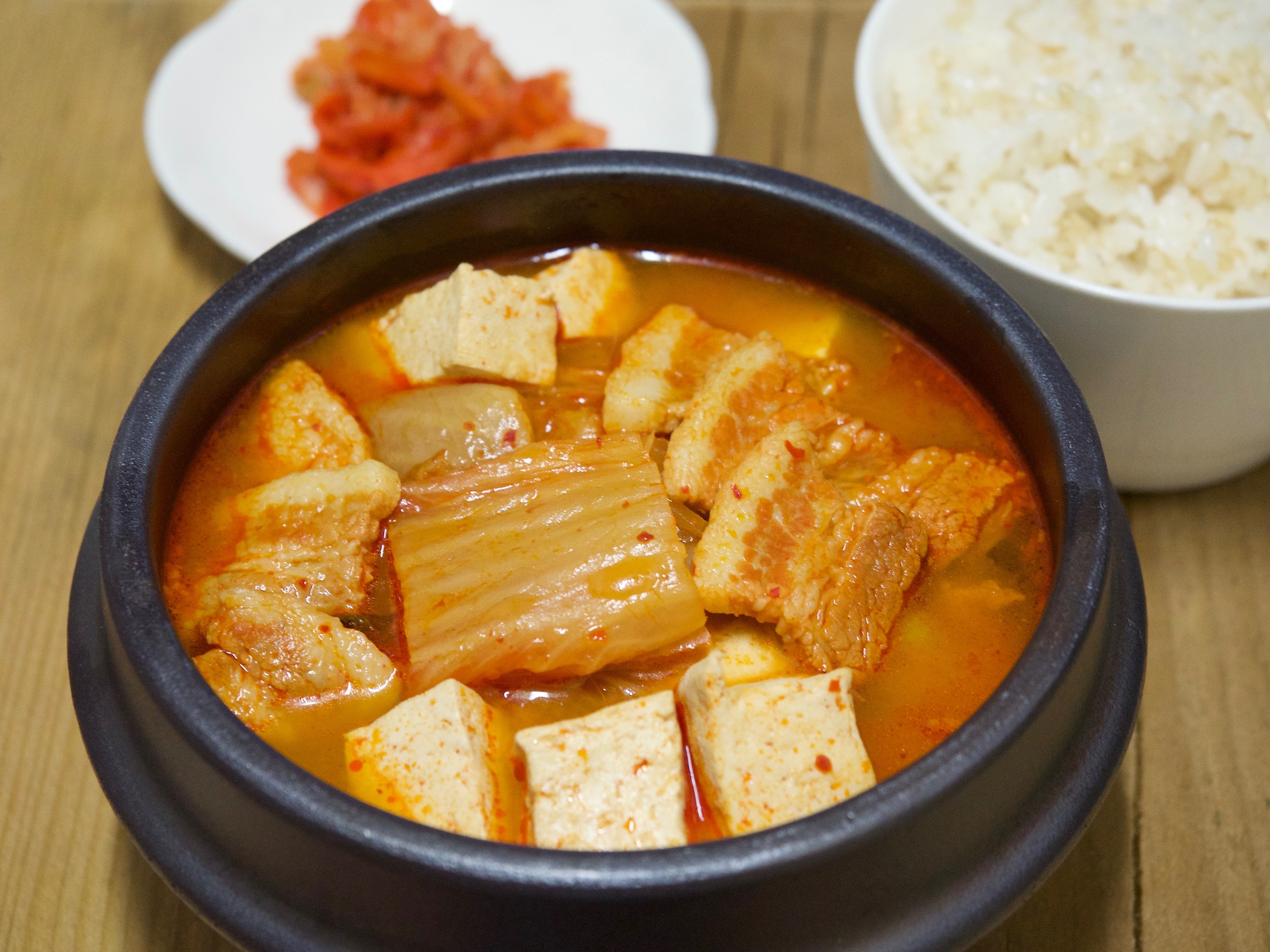
Kimchi, tofu, pork, and occasionally noodles are used to make this fiery stew. It’s strong and ideal for chilly weather. In Korea, a lot of people eat it multiple times per week. Additionally, it’s a fantastic way to use up leftover kimchi that has become too sour to eat raw. It awakens the taste buds and is warm and potent.
Poutine – Canada

Poutine starts with fries, then gets topped with cheese curds and hot gravy. That’s it—but it hits the spot. It began in Quebec in the 1950s and became popular across Canada. It’s messy, rich, and deeply satisfying. People eat it after long days, late nights, or just because it’s comforting.
Why comfort food still matters today

No matter how fast the world moves, people still come back to the food that feels familiar. These dishes aren’t just recipes—they’re small pieces of history served on a plate. They’ve survived through wars, migrations, family changes, and busy lives. And even now, when everything is one tap away, cooking and sharing these meals still brings people together. That kind of comfort doesn’t go out of style.
More from Go2Tutors!

- The Romanov Crown Jewels and Their Tragic Fate
- 13 Historical Mysteries That Science Still Can’t Solve
- Famous Hoaxes That Fooled the World for Years
- 15 Child Stars with Tragic Adult Lives
- 16 Famous Jewelry Pieces in History
Like Go2Tutors’s content? Follow us on MSN.