13 Social Norms from the ’90s That Would Never Fly Today
The 1990s were a unique cultural moment—the last era before smartphones and social media transformed how we interact with each other. While many look back at the decade with nostalgia, there were plenty of accepted behaviors and attitudes that seem wildly inappropriate by today’s standards.
Here is a list of 13 social norms from the ’90s that would raise eyebrows or even cause outrage if they happened today.
Smoking Everywhere
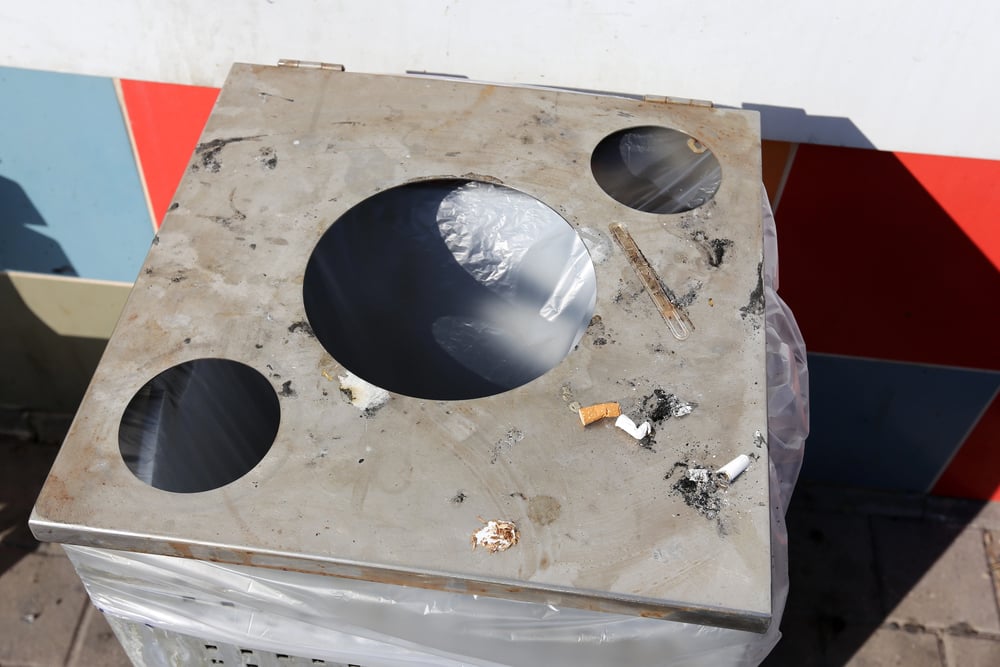
In the ’90s, lighting up was permitted in restaurants, bars, airplanes, and even some workplaces. People smoked indoors at parties without thinking twice.
Today, with greater awareness of secondhand smoke dangers and strict public health regulations, the idea of someone puffing away next to you in a restaurant booth seems almost unimaginable.
Casual Fat-Shaming in Entertainment

’90s movies, TV shows, and advertisements regularly used weight as a punchline. Characters were openly mocked for their size, and “fat suits” were common comedy props.
What passed as humor then would be recognized as harmful body shaming today, as society has moved toward more body-positive attitudes and representation.
Minimal Sunscreen Use

Tanning was all the rage, and many people applied baby oil instead of sunscreen to achieve that perfect bronze glow. The deeper the tan, the better.
Current understanding of skin cancer risks and premature aging has dramatically changed attitudes toward sun protection, making the ’90s approach to sun exposure seem dangerously cavalier.
Digital Disconnection

Being unreachable for hours or even days was completely normal and accepted. If someone wasn’t home to answer their landline, you simply tried again later.
Today’s expectation of constant connectivity and immediate responses would be foreign to ’90s folks who regularly existed without checking messages or social media every few minutes.
Casual Homophobic Language
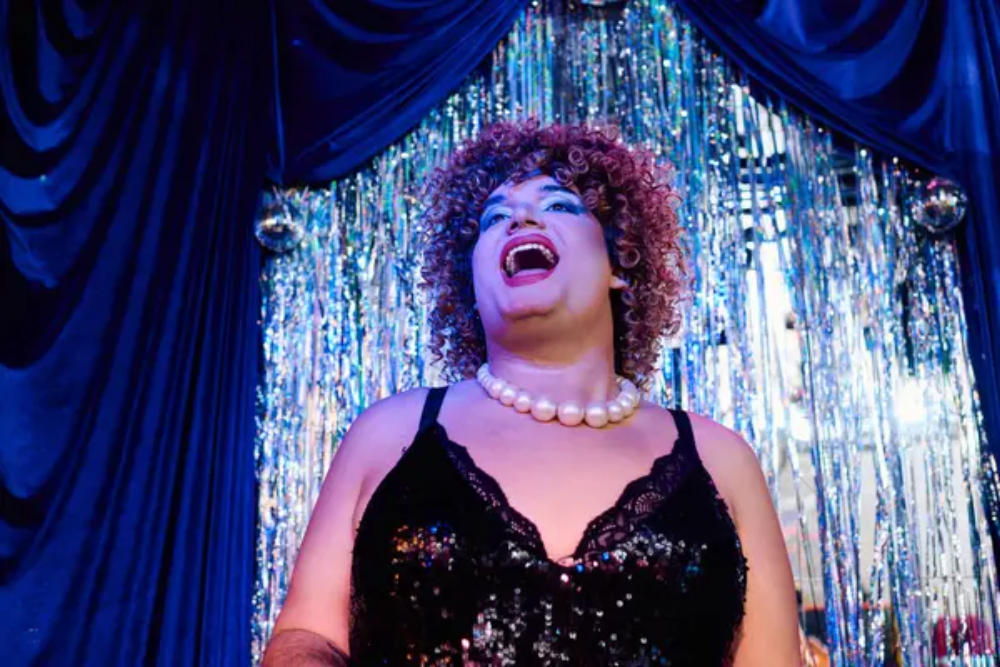
Derogatory terms for gay people were casually tossed around in everyday conversation, schoolyards, and popular media. Words we now recognize as slurs were used as generic insults without much thought to their meaning or impact.
This language has rightfully become socially unacceptable as awareness and respect for LGBTQ+ communities have grown.
Environmental Wastefulness

Disposable everything was the norm, with little thought given to recycling or sustainability. Plastic bags, styrofoam containers, and excessive packaging were used without consideration of environmental impact.
The ’90s consumer often had no qualms about tossing recyclables into the trash—a habit that would horrify many environmentally conscious people today.
Lack of Diversity in Media

Television shows and movies predominantly featured white casts with token diversity at best. Major networks could air entire lineups with virtually no meaningful representation of people of color.
Today’s audiences expect and demand much more authentic and comprehensive representation across all media platforms.
Minimal Parental Supervision

Children roamed neighborhoods freely from morning until streetlights came on, often with no way for parents to contact them. “Be home by dark” was a common and sufficient instruction.
The hands-off parenting approach common in the ’90s would likely trigger concerned calls to authorities in today’s more cautious parenting culture.
Casual Cultural Appropriation

Fashion and entertainment regularly borrowed elements from other cultures without acknowledgment or understanding. Bindis, cornrows, and Native American-inspired accessories were trendy fashion statements divorced from their cultural significance.
Today, such practices are more likely to be recognized as disrespectful appropriation rather than innocent style choices.
Public Payphones
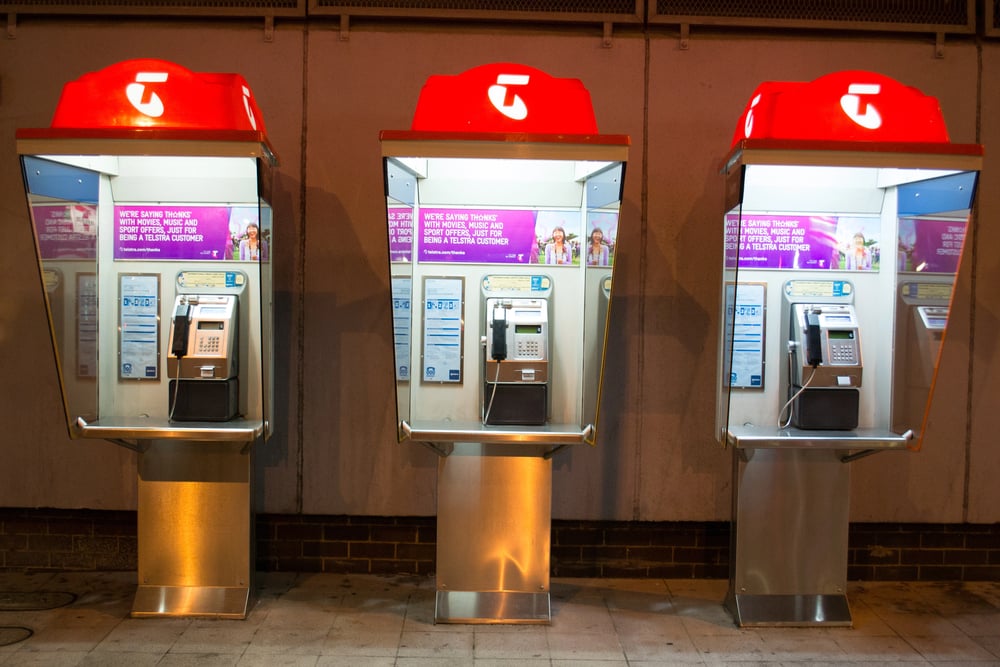
Payphones were the lifeline for communication when away from home, first a regular sight on street corners and in building lobbies. People carried quarters for an emergency call and committed phone numbers.
Payphones’ elimination marks a significant change in our means of communication, so this “90s standard” is especially outdated.
Casual Workplace Behavior

Office settings sometimes displayed behavior that would set off HR interventions today. Off-color jokes, personal comments on looks, and after-work drinking culture produced settings that might be unpleasant to many workers.
These relationships have been drastically altered by modern office norms for professionalism and inclusivity.
Physical Photo Albums

Saving memories involved visiting film development and meticulously organizing printed images in albums. Days of waiting to view your vacation photos could pass; humiliating pics cannot be instantly removed.
This technique produced a different relationship with photography than the instantaneous digital sharing and well-chosen social media presence of today.
Limited Health Awareness

Mental health issues were often stigmatized or ignored, and discussions about anxiety or depression were far less common. Physical fitness typically meant “getting skinny” rather than focusing on strength and overall wellness.
Today’s more holistic approach to health, emphasizing both mental and physical well-being, represents a significant cultural shift from ’90s attitudes.
Time Capsules of Another Era
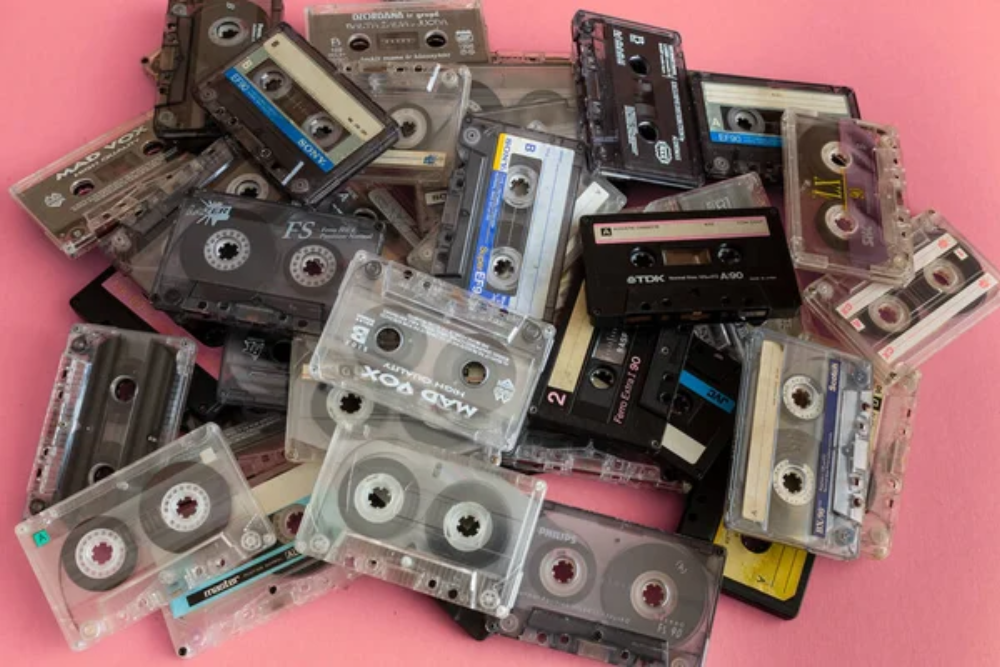
Looking back at the social norms of the 1990s offers a fascinating glimpse into how quickly cultural attitudes can evolve. Many behaviors that seemed perfectly acceptable just a few decades ago now appear outdated or problematic.
This transformation reminds us that what seems normal today may well become tomorrow’s head-scratching relic of the past.
More from Go2Tutors!

- The Romanov Crown Jewels and Their Tragic Fate
- 13 Historical Mysteries That Science Still Can’t Solve
- Famous Hoaxes That Fooled the World for Years
- 15 Child Stars with Tragic Adult Lives
- 16 Famous Jewelry Pieces in History
Like Go2Tutors’s content? Follow us on MSN.



