Rare Facts About Historical World Capitals
World capitals have always been more than just administrative centers. They’re where empires rose and fell, where cultures collided, and where some of the most fascinating chapters of human history were written. From ancient cities built on the backs of mighty civilizations to modern capitals with peculiar quirks, these seats of power hold stories that most history books overlook.
Here is a list of rare facts about historical world capitals that reveal just how extraordinary these cities really are.
Damascus Has Been Continuously Inhabited for 11,000 Years

Damascus in Syria is widely considered the oldest continuously inhabited city in the world, with settlements dating back around 11,000 years. The city has witnessed the rise and fall of countless empires, from the Romans to the Byzantines to the Ottomans.
Walking through Damascus is like flipping through a living history book where every stone has a story spanning millennia.
York Served as Britain’s Capital Three Different Times
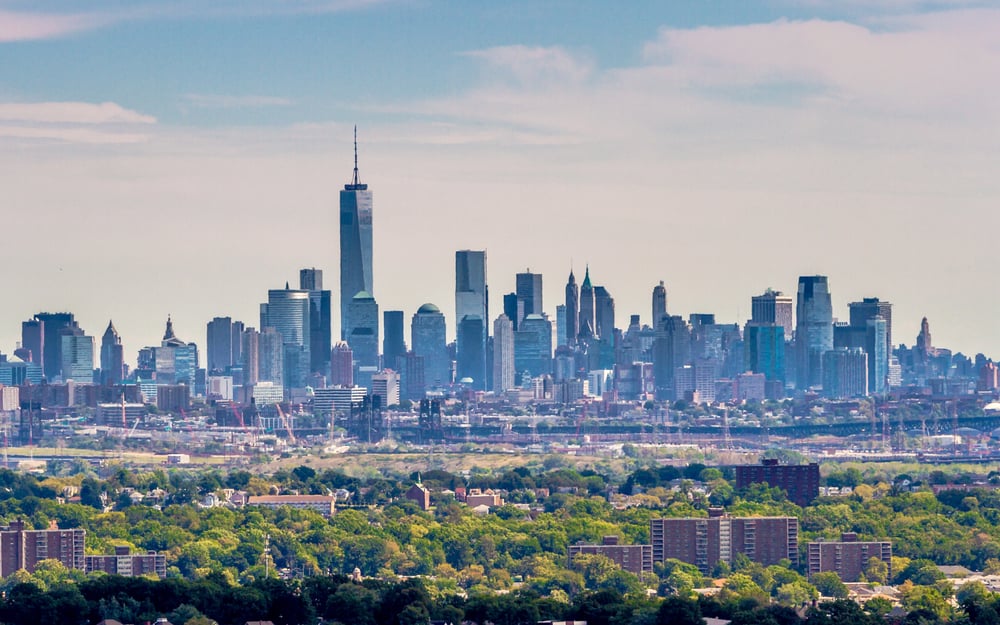
York was the capital of Britain under the Romans starting in AD 71, then again under the Vikings who captured it in AD 866, and once more in 1298 when Edward I moved government departments there to invade Scotland. The city kept bouncing back to importance despite London’s dominance.
Today, York still has one of the most complete sets of medieval walls in the world, letting visitors walk the same paths rulers took centuries ago.
Like Go2Tutors’s content? Follow us on MSN.
Memphis Was Known as the White Walls

When the ancient Egyptian king Menes founded Memphis around 2925 BCE and united Upper and Lower Egypt, the capital was called the White Walls because of the color of the king’s palace. The city later got renamed Men-nefer after the sixth dynasty and their nearby pyramid.
Memphis remained so symbolically important that pharaohs throughout Egypt’s long history would be crowned there, even after other cities became the official capital.
Nicosia Is the Last Divided Capital in Europe
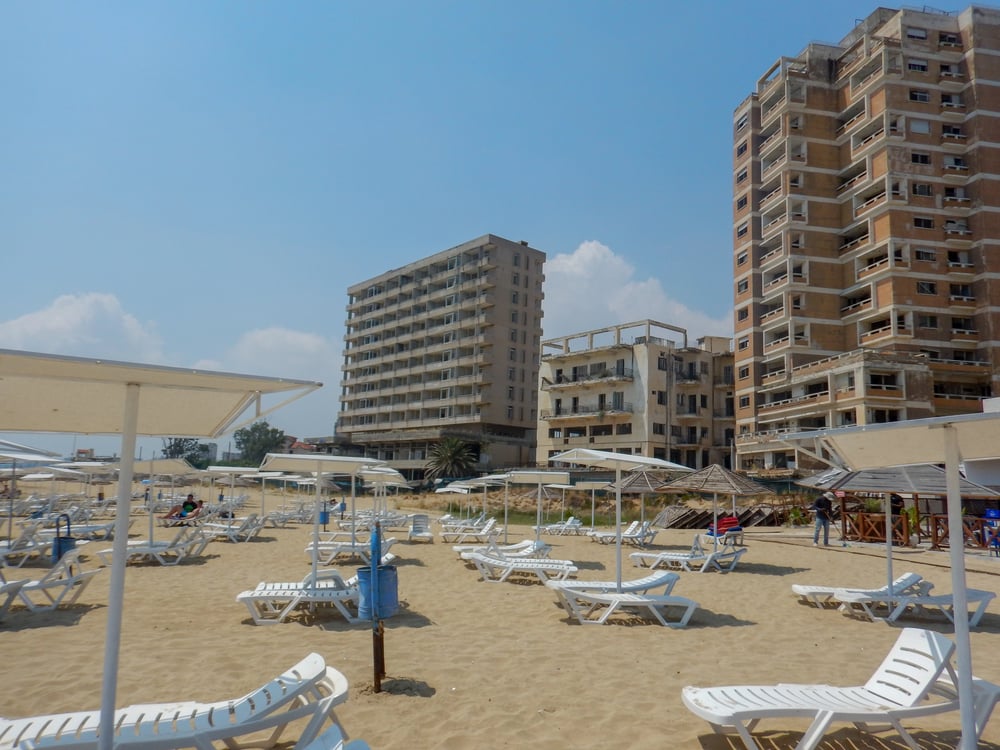
Nicosia, the capital of Cyprus, has been split politically into north and south since 1974, with the northern half in the Turkish Republic of Northern Cyprus and the southern half in the Republic of Cyprus. A buffer zone called the Green Line runs right through the city center, making it the only divided capital left in Europe.
Despite this, both sides of the city thrive with their own distinct cultures and attractions.
La Paz Is the World’s Highest Capital City
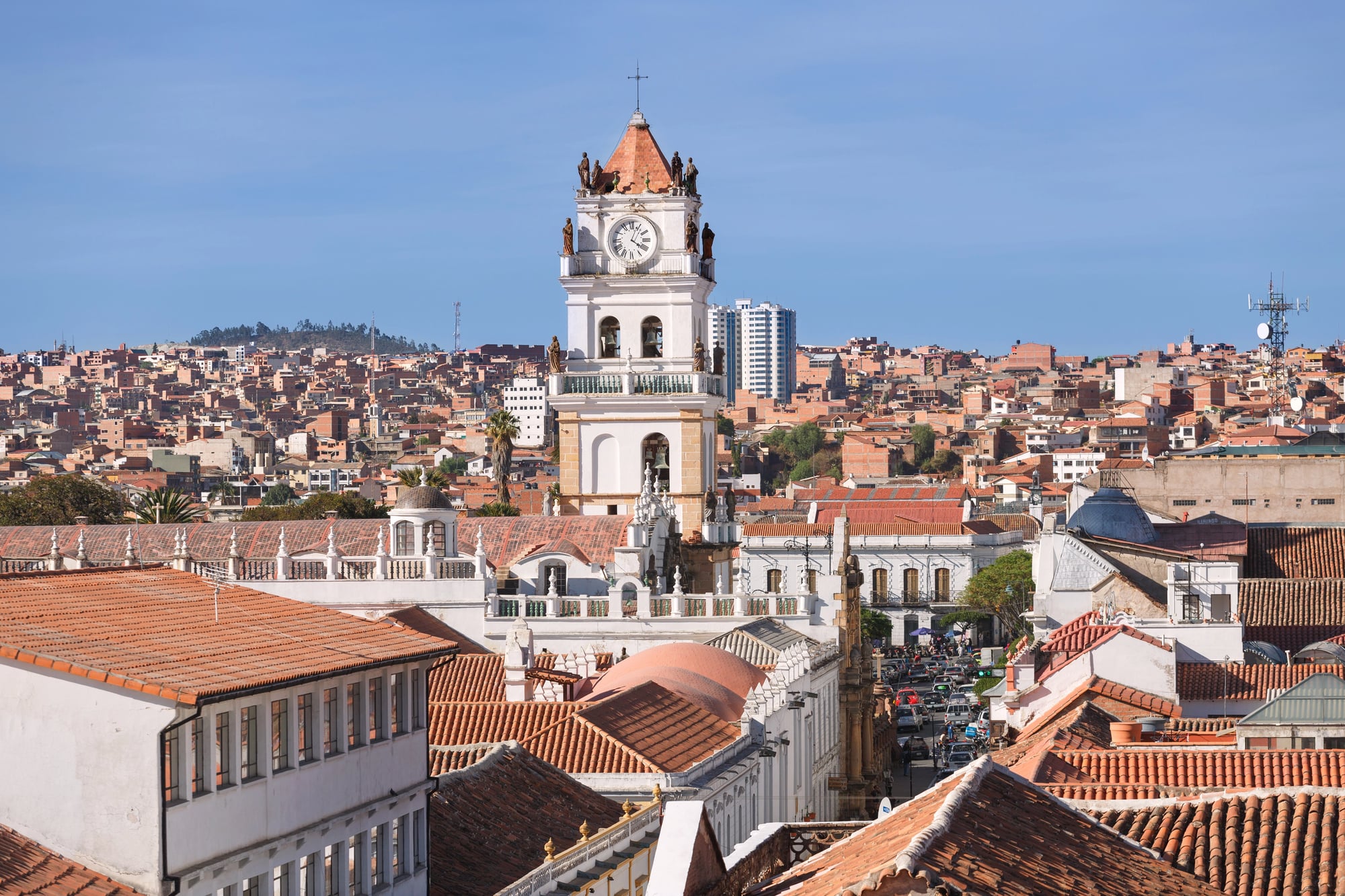
La Paz, Bolivia sits at an elevation between 10,650 and 13,250 feet above sea level, making it the world’s highest capital. Visitors often need a day or two just to adjust to the thin air before they can explore the city without gasping for breath.
The altitude makes even simple tasks feel like a workout, but the stunning mountain views make up for it.
Like Go2Tutors’s content? Follow us on MSN.
Alexandria’s Ancient City Is Mostly Underwater
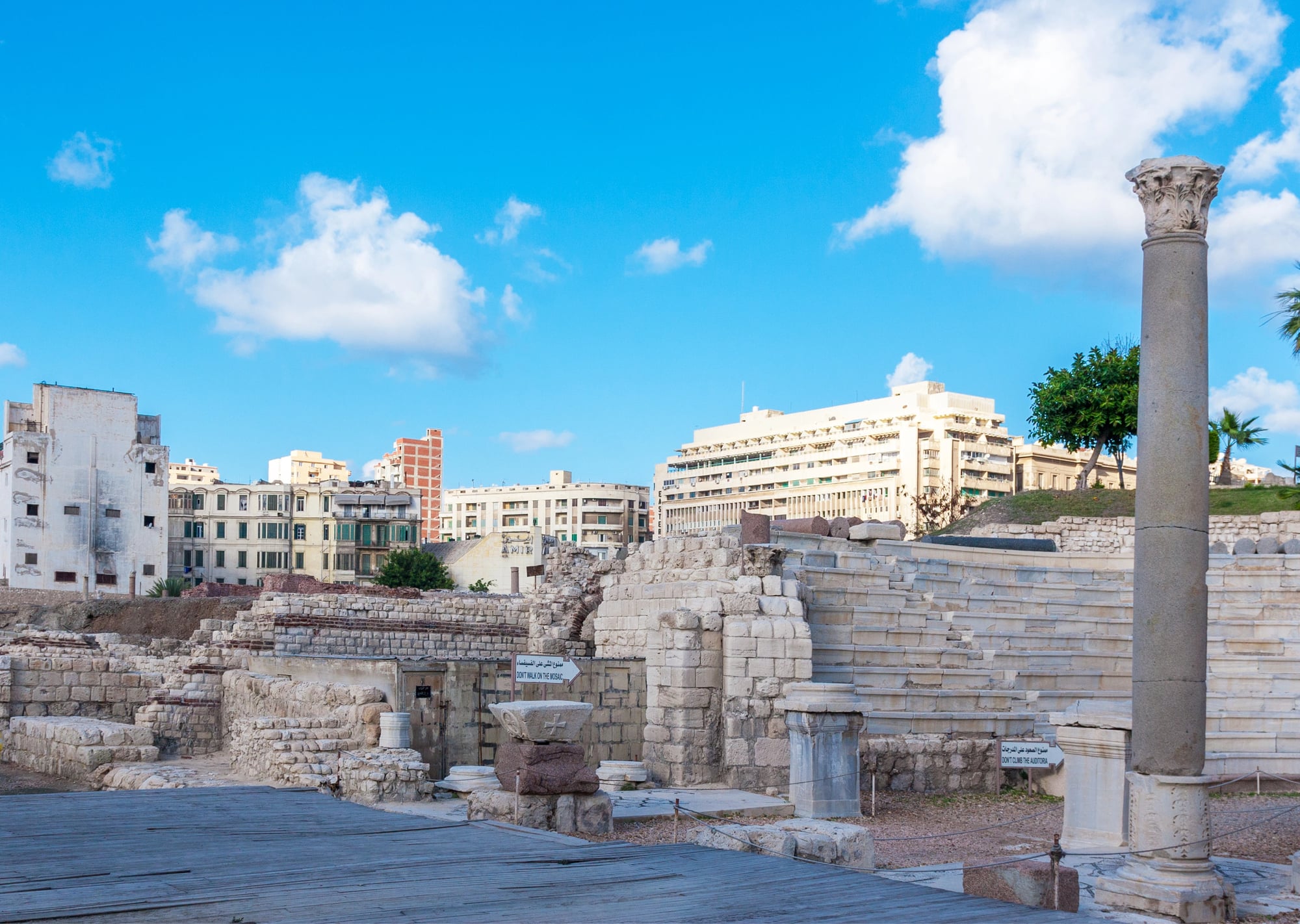
Much of ancient Alexandria is now submerged beneath the Mediterranean Sea, having been consumed by cycles of earthquakes and tsunamis over the centuries. What remains above ground is built directly on top of ancient ruins, making excavation beneath the existing infrastructure prohibitively expensive.
Underwater archaeologists have discovered incredible artifacts from the city that was once the largest in the ancient world, including parts of the famous Lighthouse of Alexandria.
Thebes Had the World’s Largest Religious Structure
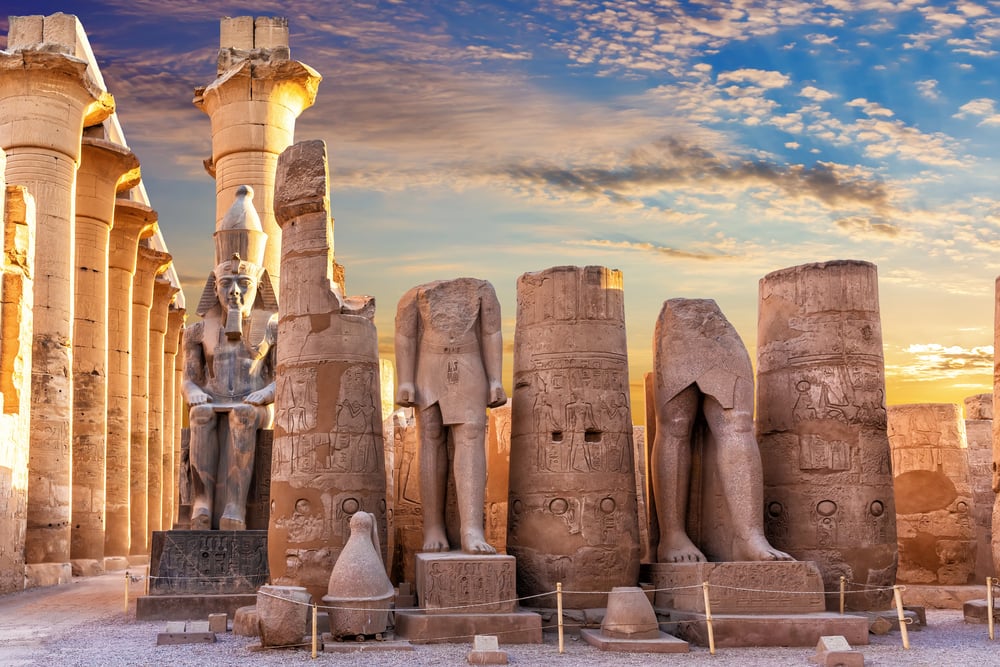
The massive Temple of Karnak in ancient Thebes has never been surpassed as the world’s largest religious structure. This Egyptian capital became so powerful that its necropolis on the western bank of the Nile evolved into the Valley of the Kings, where pharaohs like Tutankhamun were buried.
The sheer scale of Thebes during its peak was unmatched anywhere else in the ancient world.
Kyoto Was Japan’s Capital for Over 1,000 Years

Kyoto served as Japan’s capital and the residence of the imperial family from 794 to 1868, earning its name which literally means ‘Capital City.’ The city escaped destruction during World War II, preserving its countless temples, shrines, and traditional architecture.
Unlike Tokyo’s modern sprawl, Kyoto still feels like stepping into feudal Japan, with over 2,000 temples and shrines scattered throughout.
Like Go2Tutors’s content? Follow us on MSN.
Tenochtitlan Was Built on a Lake

The Aztec capital of Tenochtitlan was constructed atop a lake according to the wishes of an important Aztec deity, yet ancient engineers made it as efficient as any European city with a complex system of causeways and canals. Legend suggests it was once the world’s biggest and most beautiful city.
When Spanish conquistadors first saw it, they compared it to Venice and couldn’t believe indigenous peoples had created something so sophisticated.
Uruk May Have Been the World’s First True City

By 3100 BCE, Uruk in ancient Mesopotamia may have had around 40,000 residents, with around 80,000 people in surrounding areas, making it the largest urban area in the world at the time. This Sumerian city is also linked to the legendary King Gilgamesh, who supposedly built the six-mile diameter stone wall surrounding it.
The agricultural success from its location on the Euphrates River allowed both population and culture to flourish in ways never seen before.
South Africa Has Three Capital Cities

South Africa has no legally defined single capital city, with its three branches of government split over different cities: Pretoria for executive functions, Bloemfontein for judicial matters, and Cape Town for legislative activities. This unusual arrangement means diplomats and government officials spend a lot of time traveling between cities. Each capital has developed its own distinct character based on the government function it hosts.
Like Go2Tutors’s content? Follow us on MSN.
Baku Is the Lowest Capital City in the World
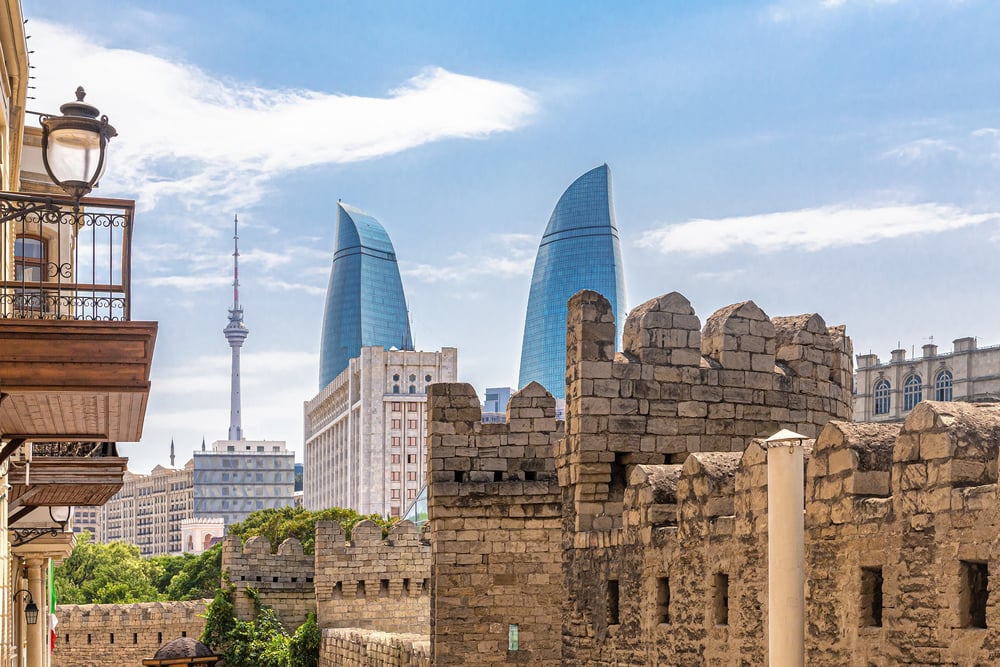
Baku, the capital of Azerbaijan, sits at 28 meters below sea level, making it the lowest elevation capital in the world. The city’s position on the Caspian Sea has made it a vital trading hub for centuries.
Despite being below sea level, Baku has grown into a modern metropolis with futuristic architecture that contrasts sharply with its ancient Old City.
Persepolis Took 100 Years to Build
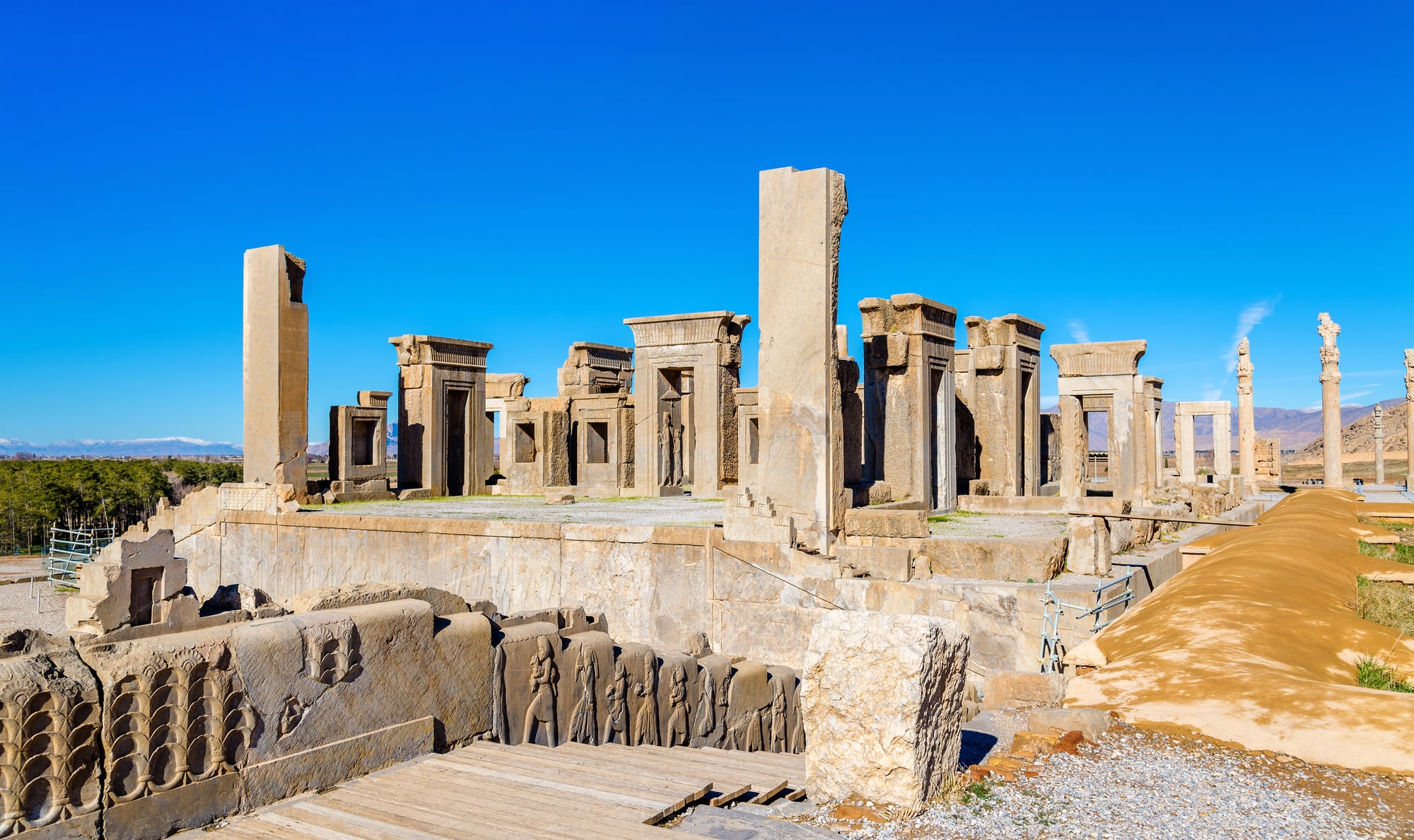
The ceremonial capital of the Achaemenid Empire, Persepolis, was established by Darius the Great and took one hundred years to complete. The city served as one of four capitals of the Persian Empire, showcasing the empire’s wealth and power through its grand architecture.
Alexander the Great ransacked and destroyed it in 330 BCE, but the ruins that remain still convey the city’s former magnificence.
Athens Held Thousands of Years of History Before Its Golden Age

The earliest evidence of human habitation on Athens’ famed Acropolis dates to between 7000 and 5000 BCE, and by the fifth century BCE, when the Athenian Golden Age began, the city already had thousands of years of history. By the time Socrates, Plato, and Aristotle were walking its streets, Athens was already an ancient city.
The contributions to democracy, philosophy, and drama that emerged during this period still shape Western civilization today.
Like Go2Tutors’s content? Follow us on MSN.
Rio de Janeiro Was Deliberately Replaced as Brazil’s Capital

Rio de Janeiro remained the capital of Brazil until 1960, when it was moved to Brasilia on orders from President Juscelino Kubitschek to show the world that Brazil was a modern and prosperous country. The move was meant to encourage development of Brazil’s interior and signal the nation’s ambitions.
Despite losing its capital status, Rio kept its stunning beaches, vibrant culture, and iconic landmarks like Sugar Loaf mountain.
Where History Meets Tomorrow

Capital cities have always been laboratories where humanity experiments with governance, culture, and civilization itself. These rare facts remind us that the seats of power we know today stand on foundations laid by countless generations who built, destroyed, and rebuilt their worlds.
From underwater ruins to mountaintop thrones, from divided streets to ancient temples, these capitals continue to shape our present while preserving echoes of their remarkable pasts.
More from Go2Tutors!

- 16 Historical Figures Who Were Nothing Like You Think
- 12 Things Sold in the 80s That Are Now Illegal
- 15 VHS Tapes That Could Be Worth Thousands
- 17 Historical “What Ifs” That Would Have Changed Everything
- 18 TV Shows That Vanished Without a Finale
Like Go2Tutors’s content? Follow us on MSN.



