16 Historical Festivals That United Warring Tribes
Throughout history, even the most bitter enemies have found ways to set aside their weapons and come together in celebration. These gatherings weren’t just parties—they were sacred truces that temporarily transformed battlefields into festival grounds, allowing trade, marriages, and cultural exchange to flourish where violence once ruled.
From ancient Greece to the Americas, these festivals served as neutral ground where warring groups could interact without fear of attack. Here is a list of 16 historical festivals that successfully brought together hostile tribes and nations.
The Olympic Games
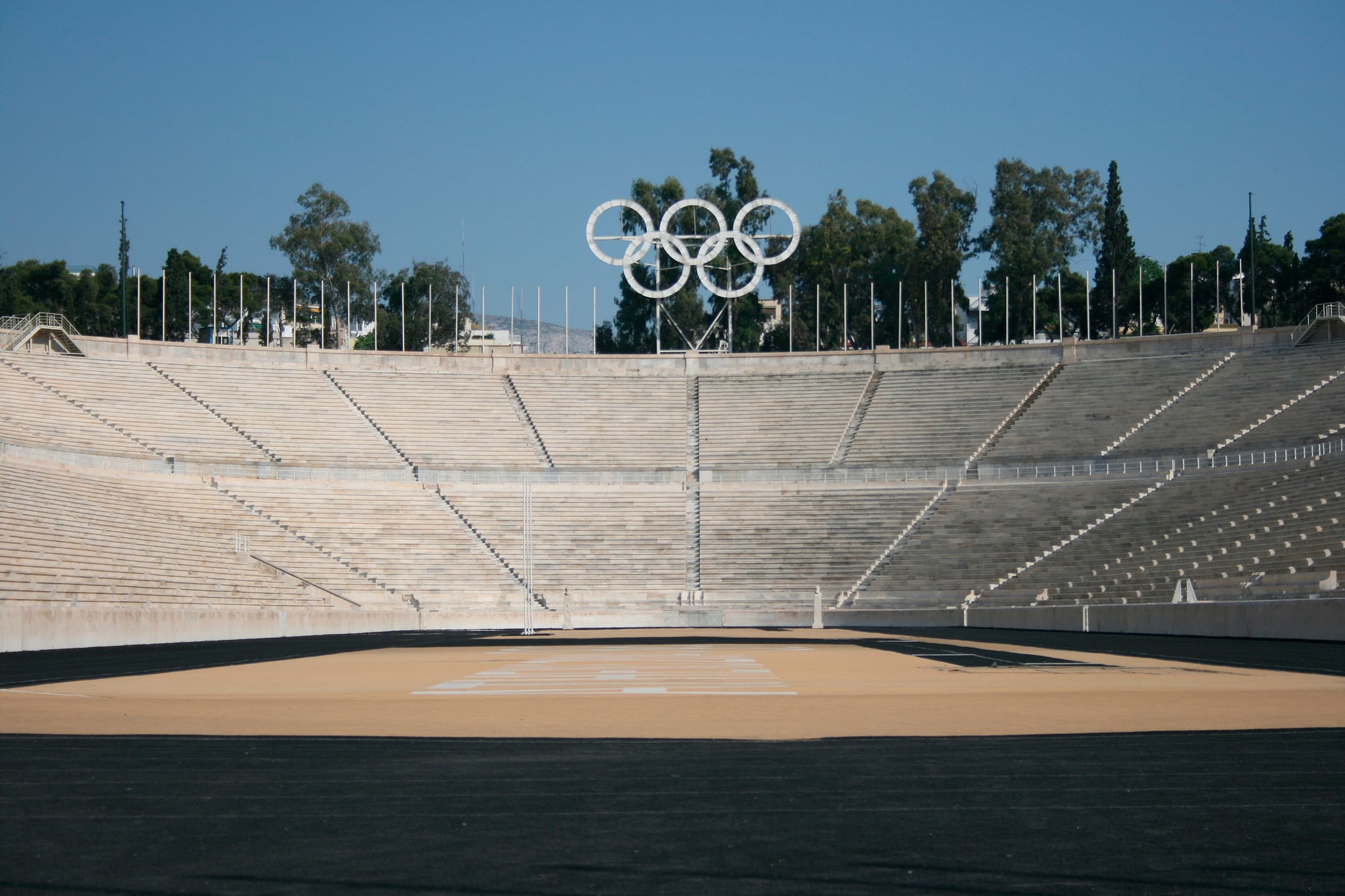
Ancient Greece’s most famous festival began in 776 BCE and created a sacred truce called the Ekecheiria that lasted for months. City-states that had been at each other’s throats would halt all military activities, allowing athletes and spectators to travel safely to Olympia.
Even during the brutal Peloponnesian War, this truce held strong, proving that competitive spirit could triumph over the urge to conquer.
The Isthmian Games

Held every two years near Corinth, the Isthmian Games served as another powerful peace-making festival in ancient Greece. These games honored Poseidon and attracted participants from across the Mediterranean, including regions that were actively fighting each other.
The festival’s sacred nature meant that anyone who violated the truce faced severe punishment from the gods themselves.
The Great Peace Ceremony
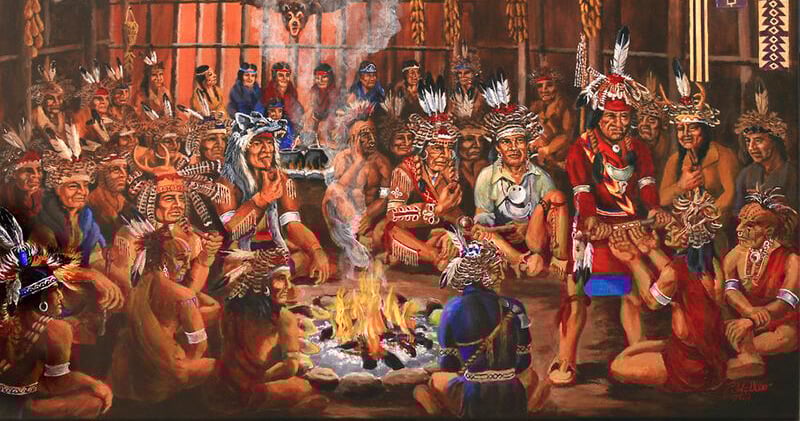
Native American tribes across the Great Plains created this massive gathering that could last for weeks during summer months. Formerly hostile groups like the Lakota, Cheyenne, and Arapaho would come together to trade horses, arrange marriages, and share stories around enormous communal fires.
The ceremony included elaborate gift-giving rituals that helped establish bonds between former enemies.
The Panhellenic Festival at Delos

This ancient Greek festival transformed the small island of Delos into neutral territory where rival city-states could worship Apollo together. Even during periods of intense warfare, ships from enemy territories would dock side by side while their crews participated in religious ceremonies and athletic competitions.
The festival’s sacred status made Delos one of the safest places in the ancient world.
The Powwow Gatherings

Long before European contact, various Native American tribes used seasonal powwows to maintain peace across vast territories. These gatherings featured dancing, drumming, and elaborate feasts that helped resolve disputes between different groups.
Tribes that had raided each other’s hunting grounds would compete in friendly competitions instead of deadly battles.
The Celtic Samhain Festival

Ancient Celtic tribes across Ireland and Britain used Samhain as a time when normal tribal boundaries dissolved. This harvest festival marked the Celtic New Year and created a temporary peace where even blood feuds were suspended.
Druids from different tribes would gather to share knowledge and settle disputes through ritual rather than violence.
The Roman Saturnalia

While not originally intended for warring tribes, Saturnalia became a powerful tool for Roman diplomacy with conquered peoples. During this winter festival, social hierarchies were temporarily reversed, allowing former enemies to feast together as equals.
Many Germanic and Gallic tribes found their first taste of Roman culture through these celebrations.
The Mesopotamian Akitu Festival

Babylon’s New Year festival brought together city-states from across Mesopotamia, even during periods of territorial conflict. The twelve-day celebration included elaborate processions where representatives from hostile regions would march together through the streets.
This festival helped establish Babylon as a neutral meeting ground for diplomatic negotiations.
The Chinese Dragon Boat Festival

Originally created to honor the poet Qu Yuan, this festival evolved into a peace-making tradition among warring Chinese states during the Warring States period. Competing dragon boat races replaced actual battles, allowing rival kingdoms to demonstrate their strength without bloodshed.
The festival’s emphasis on teamwork and coordination helped build relationships between former enemies.
The Norse Thing Assemblies

Viking-age Scandinavians combined their legal assemblies with major festivals that brought together different clans and tribes. These gatherings featured storytelling competitions, athletic contests, and elaborate feasts that helped maintain peace during the brief northern summers.
Even raiders who had attacked each other’s settlements would sit together to resolve disputes through negotiation rather than violence.
The Aztec Toxcatl Festival
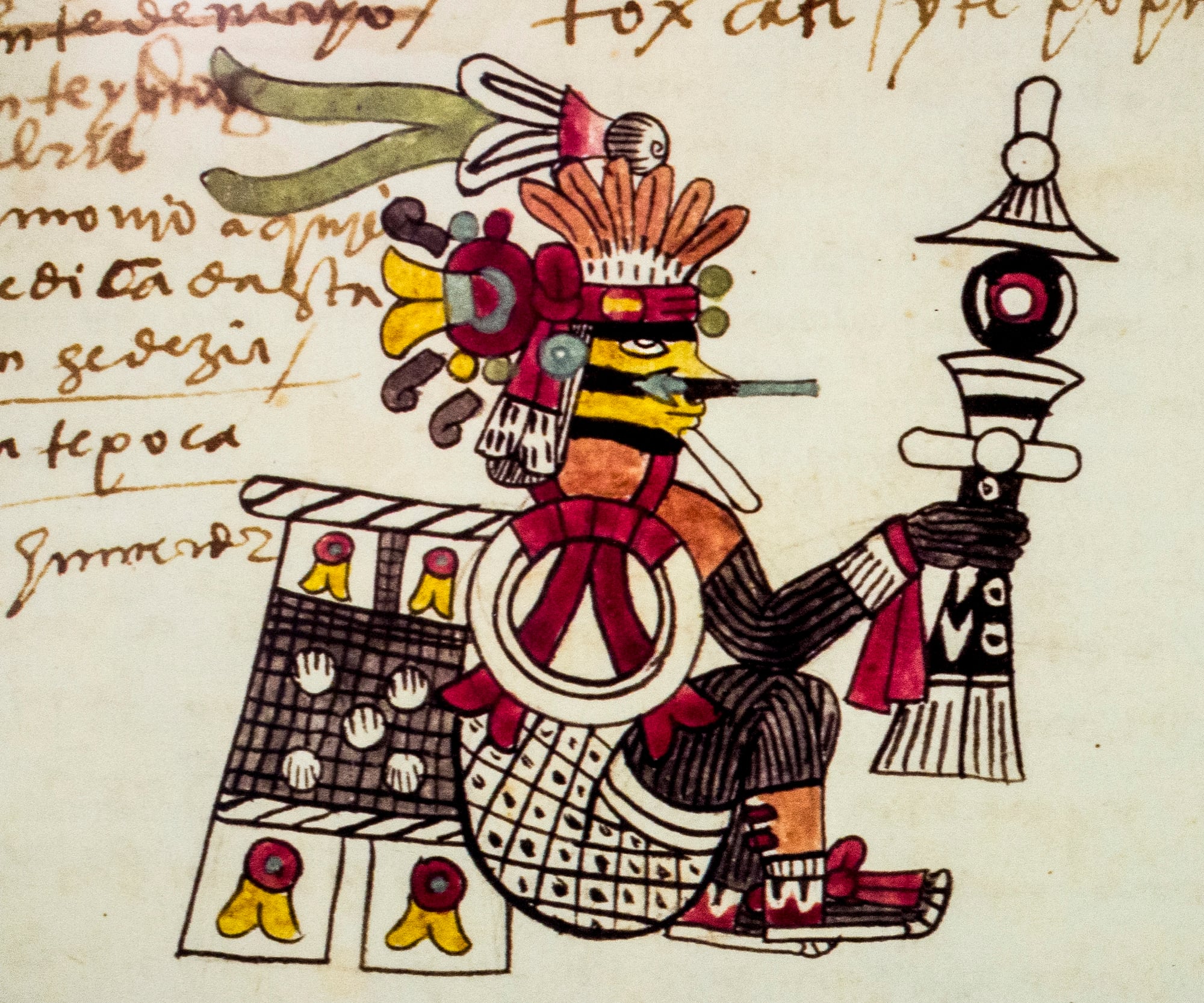
This elaborate spring ceremony brought together various Mesoamerican city-states that were often at war with the Aztec Empire. The month-long celebration included ritual performances, athletic competitions, and massive feasts that showcased Aztec wealth and power.
Many tribute-paying cities used this festival as an opportunity to negotiate better terms with their Aztec overlords.
The Aboriginal Corroboree
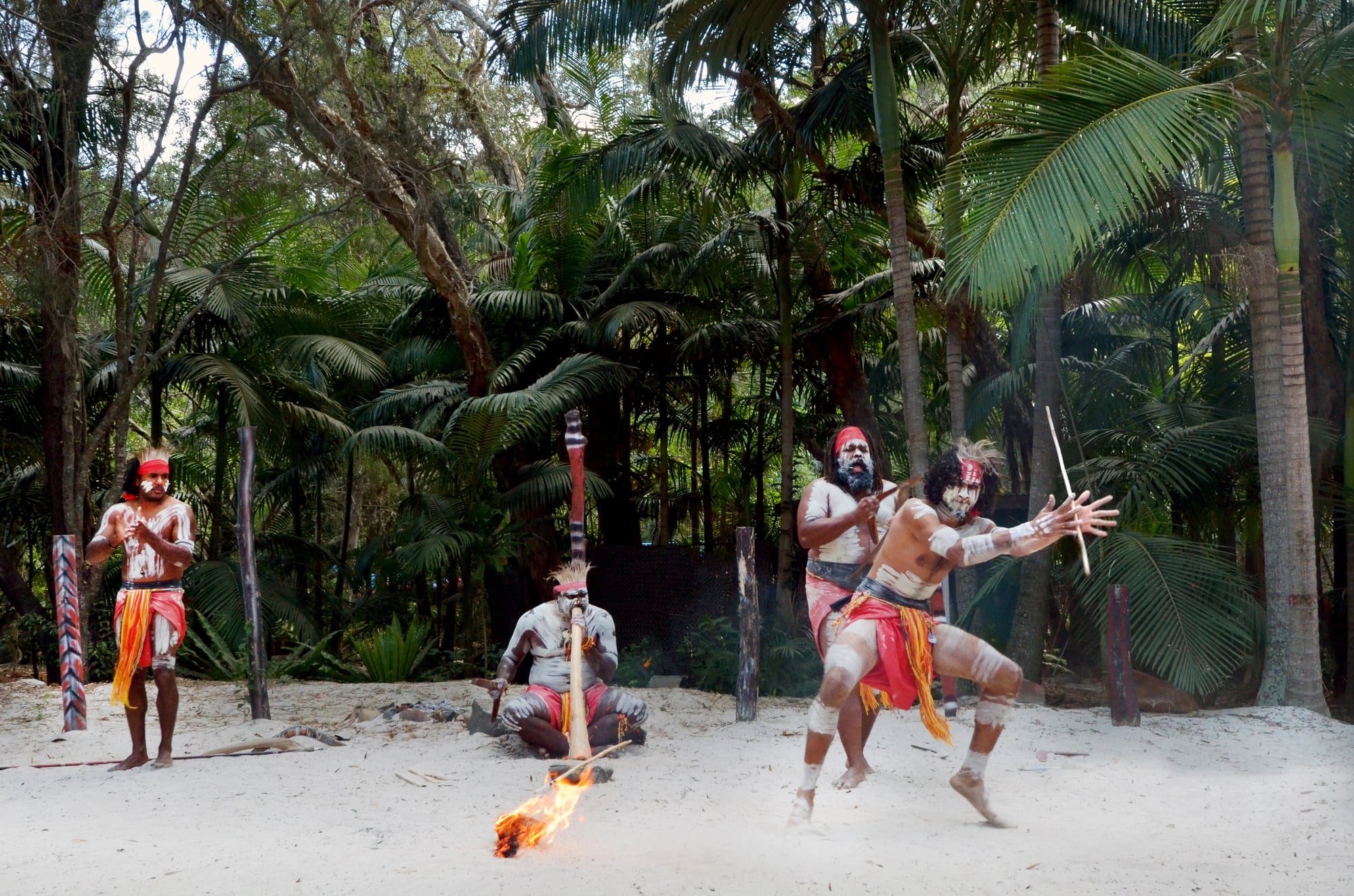
Australian Aboriginal groups created these large gatherings to maintain peaceful relationships across vast desert territories. Different tribal groups would travel hundreds of miles to participate in ceremonial dances, trade rare materials, and arrange marriages between clans.
The corroboree’s sacred nature meant that traditional hunting ground disputes were temporarily set aside.
The Polynesian Makahiki Season

Hawaiian and other Polynesian cultures used the four-month Makahiki season to suspend warfare and focus on peaceful competition. Island chiefs who had been raiding each other’s territories would compete in surfing contests, spear-throwing competitions, and elaborate hula performances.
This festival period allowed for crucial trade relationships to develop between isolated island communities.
The Germanic Althing

Medieval Germanic tribes created these outdoor assemblies that combined legal proceedings with major festivals. Clans that had been feuding over territory or honor would gather to resolve their disputes through formal legal processes rather than violence.
The Althing’s combination of law and celebration helped establish many of the legal traditions that influenced modern European courts.
The Andean Inti Raymi
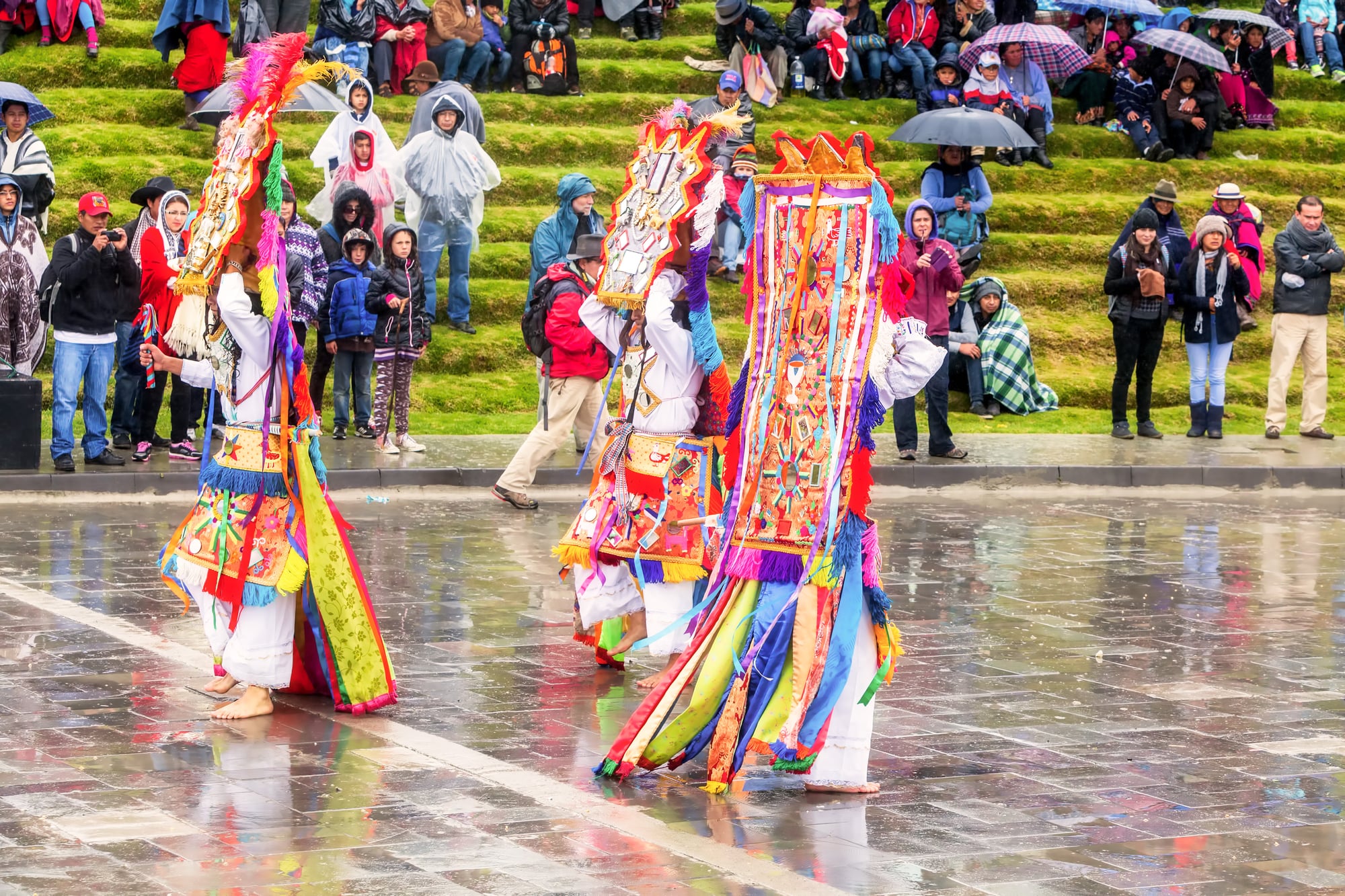
The Inca Empire used this solar festival to unite the diverse mountain peoples under their rule. Tribes that had been conquered through warfare would send representatives to Cusco for elaborate ceremonies honoring the sun god.
The festival’s emphasis on shared religious beliefs helped transform military subjects into willing participants in the Inca cultural system.
The Plains Indian Sun Dance

This sacred ceremony brought together multiple Plains tribes for several days of intensive religious observance. Groups like the Sioux, Crow, and Blackfoot, who regularly fought over buffalo hunting territories, would temporarily cease hostilities to participate in this crucial spiritual event.
The Sun Dance’s emphasis on personal sacrifice and community solidarity helped forge lasting peace agreements between formerly hostile nations.
When Enemies Became Friends

These festivals remind us that humans have always found creative ways to choose celebration over conflict. While modern diplomatic summits might lack the dancing and feasting of ancient gatherings, they serve the same essential purpose—proving that even the bitterest enemies can find common ground when they’re willing to set down their weapons and pick up a shared tradition.
The legacy of these peace-making festivals lives on in everything from the modern Olympics to international cultural exchanges that continue to build bridges between divided peoples.
More from Go2Tutors!

- The Romanov Crown Jewels and Their Tragic Fate
- 13 Historical Mysteries That Science Still Can’t Solve
- Famous Hoaxes That Fooled the World for Years
- 15 Child Stars with Tragic Adult Lives
- 16 Famous Jewelry Pieces in History
Like Go2Tutors’s content? Follow us on MSN.