16 Historical Figures We Picture Wrong
Out of old pages rise faces shaped more by guesswork than fact. Artists, distant from the lives they drew, slipped bias into brushstrokes.
One image – repeated, copied, trusted – can outlive truth itself. Centuries pass before someone questions the eyes, the nose, the stance.
What we carry in memory might not match the mirror that person once saw. Picture what you will, history often gets reshaped by stories people repeat.
Meet a few famous faces whose real looks might surprise you, given how they’ve been painted over time.
Cleopatra
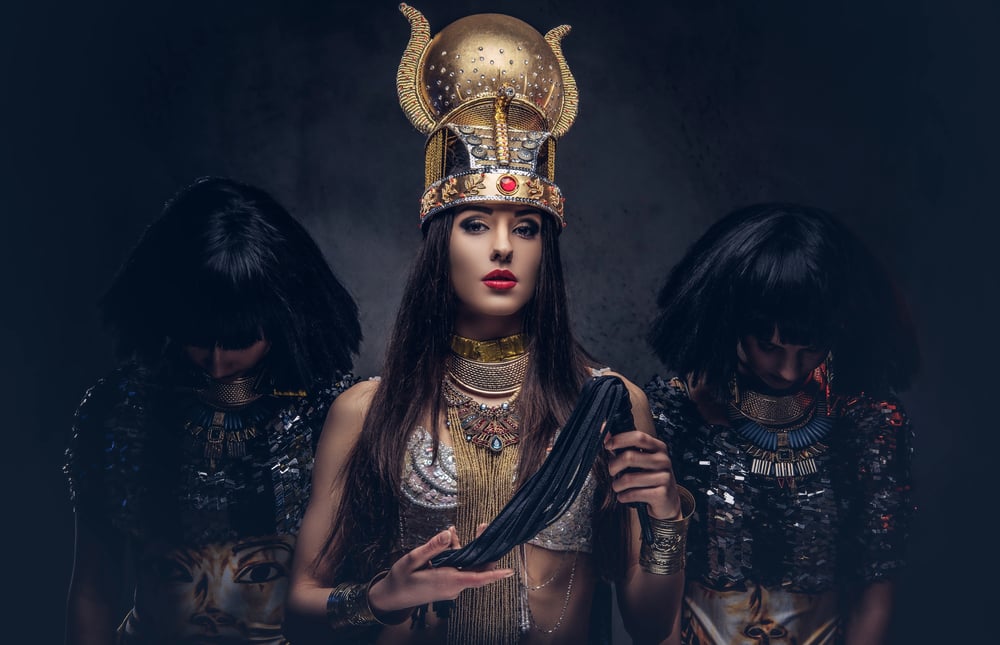
Picture Cleopatra how you might – graceful, flawless – but that image owes much to a movie role played long ago. Coins from Rome’s past show someone different: sharp eyes, a bold nose, nothing like today’s polished faces.
What truly set her apart was a mind quick as lightning, fluency in nine tongues weaving influence across borders. Those who faced her in person spent little time on looks, instead lingering on wit, presence, the way words bent to her will.
Beauty, it seems, wasn’t what made history turn.
Napoleon Bonaparte
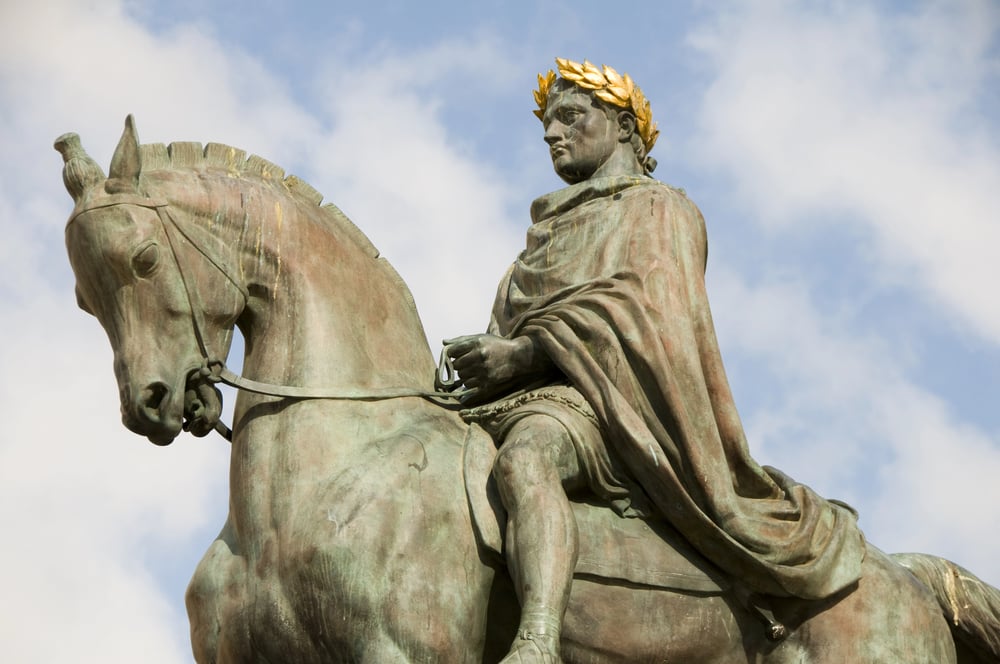
Nobody ever thinks twice about the idea that Napoleon was tiny. Actually, that tale falls apart once you check how height worked back then.
Because of mismatched rulers – French versus British – he got labeled short unfairly. He measured close to five foot seven, nothing out of line for his era in France.
Mocking cartoons from England kept repeating he was small, so people believed it. Even though proof says otherwise, the image never went away.
Tall bodyguards standing near him in portraits probably added to the illusion.
Vikings

Costumes today love slapping horns on Viking hats, yet actual warriors avoided such designs in combat. Grab handles for opponents? Hardly smart when survival matters most.
Opera stages of the 1800s dreamed up those images, artists painted them, myths stuck – despite zero proof underground. Helmets back then favored function: light, strong, built to last past the first clash.
Odd decorations with shaky structure simply got left behind.
George Washington
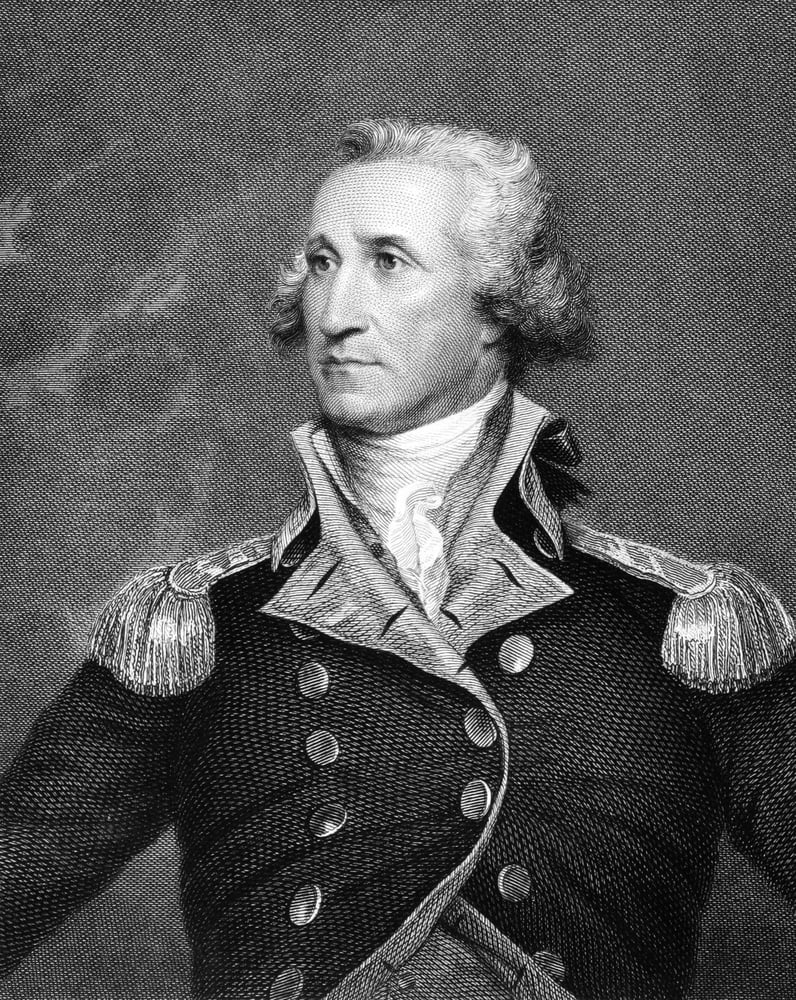
That familiar painting by Gilbert Stuart? It gives George Washington a serious look – almost annoyed – one later stamped onto money and copied into schoolbooks. Bad teeth plagued him though.
His mouth held awkward false teeth built from things like animal bone and metal parts, despite rumors saying wood. These strange sets bulged his lips forward, warping how his jaw sat, which twisted his resting face into something unsmiling.
Yet folks who spent time near him recalled laughter, frequent grins, even playful remarks. Nothing like the rigid mask artists left behind.
William Shakespeare

Maybe the face we picture when thinking of Shakespeare is entirely made up. Long after he died, someone carved a likeness into wood for the First Folio – could just be imagination at work.
A painting known as the Chandos version floats around too, though experts can’t agree if it’s real or invented. These two don’t even match each other, which makes some researchers pause.
Perhaps no artist ever sat across from him with a brush in hand. That writer behind tragic romance and stormy spells might’ve had stubble, deep lines, or wore a simpler shirt.
Or maybe he looked nothing like the serious figure with thinning hair and lace at the neck.
Pocahontas

Disney and other adaptations show Pocahontas as a young woman with a romantic storyline, but she was only about 10 or 11 years old when she met John Smith. The famous rescue story Smith wrote about probably never happened the way he described it.
When Pocahontas traveled to England years later, she wore English clothes and adopted English customs, looking nothing like the buckskin-wearing princess from movies. The only existing portrait from her lifetime shows her dressed like a wealthy Englishwoman of the 1600s.
Abraham Lincoln
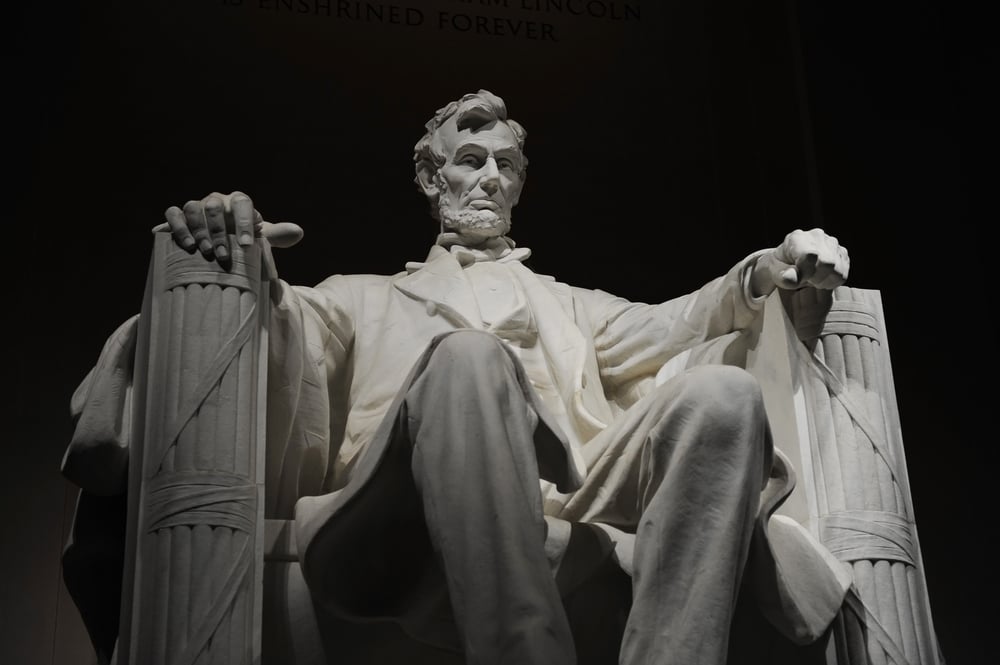
Matthew Brady’s photographs captured Lincoln late in his presidency when years of war had aged him considerably. Earlier photos show a younger man who looked quite different, and people who knew him before the presidency described someone more energetic and less gaunt.
Lincoln grew his famous beard only after an 11-year-old girl wrote suggesting it would improve his appearance. The tall, thin, bearded figure we know came together during the most stressful period of his life, not during his earlier years.
Jesus Christ
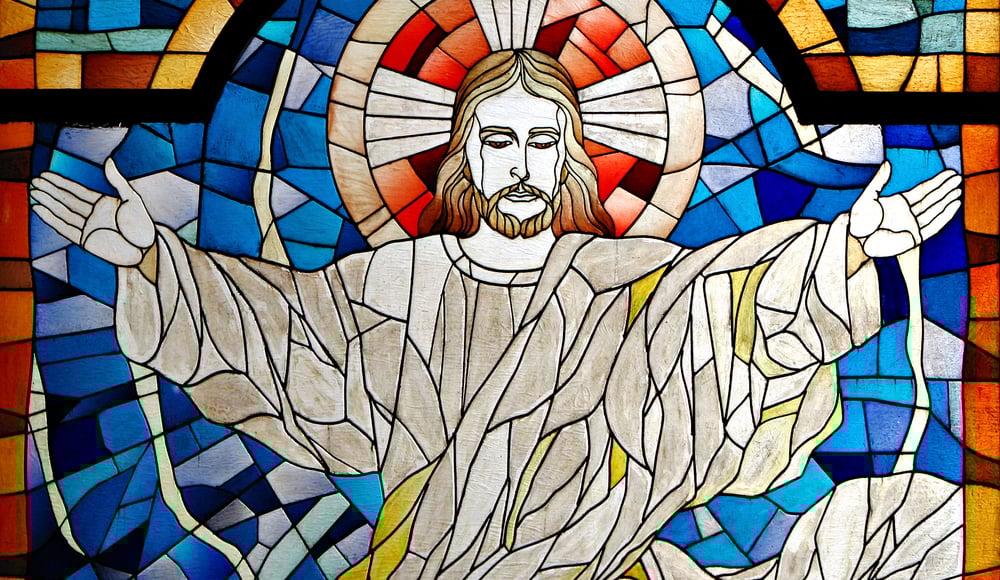
European Renaissance artists painted Jesus with pale skin, light hair, and blue eyes because they used local models and reflected their own culture. Historical and geographical evidence suggests a man from first-century Judea would have had darker skin, dark hair, and brown eyes.
The image of a fair-skinned Jesus became so widespread that many people assume it’s accurate, despite it making no sense for someone from the Middle East. Forensic anthropologists have created more historically likely reconstructions that look radically different from traditional artwork.
Helen of Troy
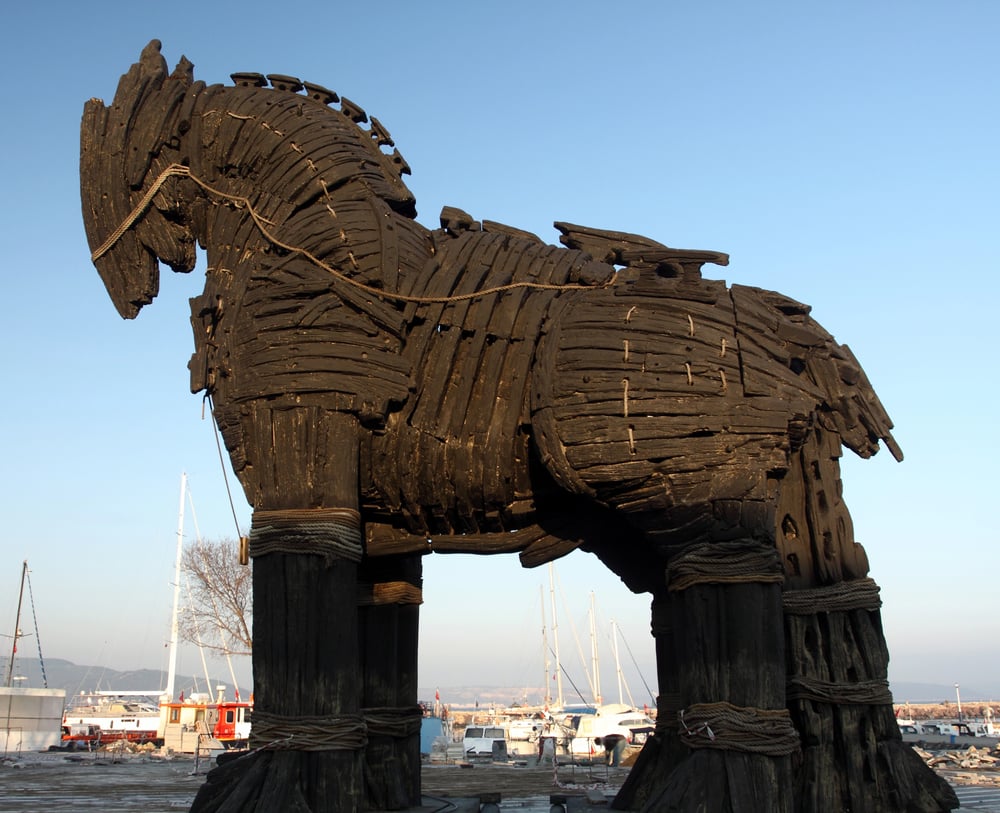
The ‘face that launched a thousand ships’ supposedly belonged to the most beautiful woman in the world, but Helen might not have existed at all. If she did exist, ancient Greek beauty standards differed wildly from modern ones.
Greek art from that period shows women with features we might not consider particularly striking today. The whole story comes from epic poetry written centuries after the alleged Trojan War, so any physical descriptions went through layers of embellishment and cultural bias.
Julius Caesar
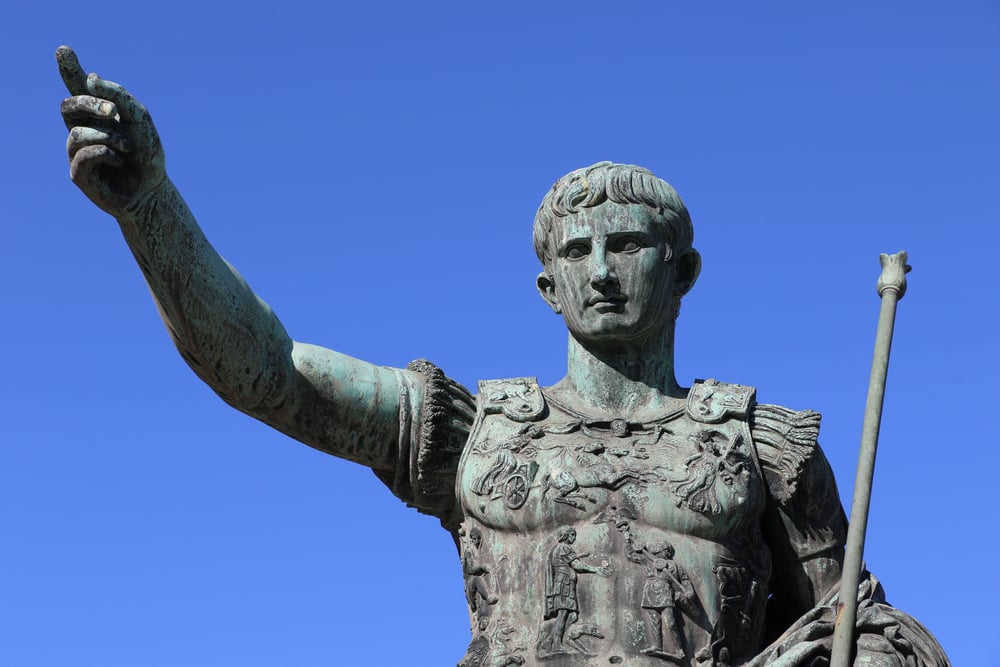
Most statues and busts show Caesar with a full head of hair and strong, handsome features. Ancient writers actually described him as balding and vain about it, often wearing a laurel wreath to cover up his receding hairline.
He also suffered from what was probably epilepsy, which ancient sources mentioned but modern portrayals usually ignore. The marble statues were basically ancient propaganda, showing an idealized version rather than the real person with his insecurities and health issues.
Genghis Khan

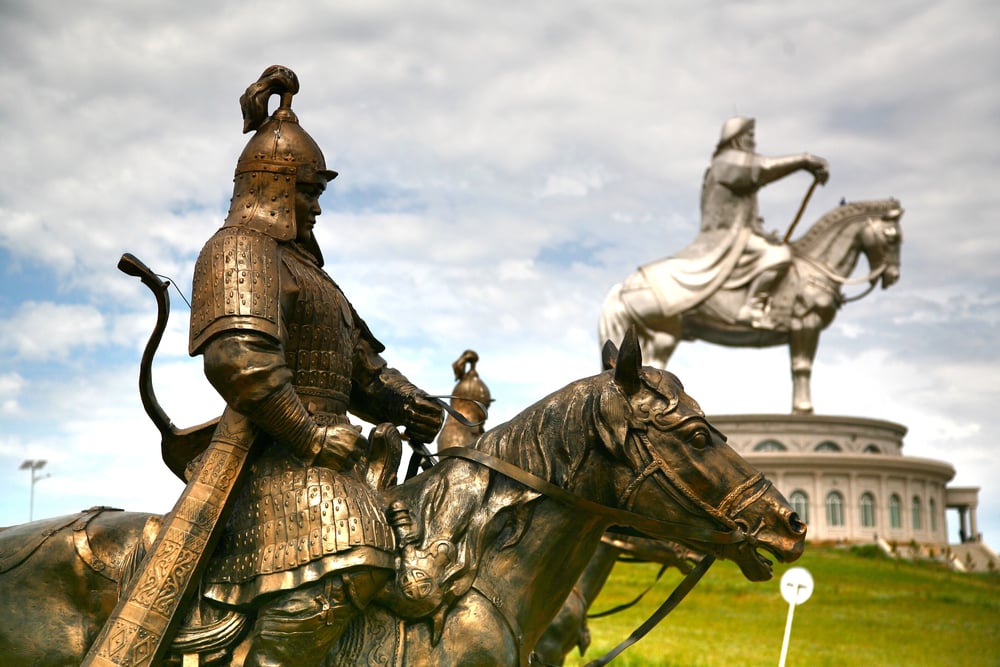
No contemporary portraits of Genghis Khan exist, so everything we see comes from artwork created after his death, often by people who never saw him. Persian and Chinese artists depicted him according to their own cultural standards and political motivations.
Some descriptions from historical texts contradict each other significantly, leaving historians without a clear picture. The fierce warrior who built the largest land empire in history remains visually mysterious, despite his massive impact on world history.
Beethoven

The wild-haired, scowling figure from famous portraits represents Beethoven during his later years when deafness and illness had taken their toll. Earlier portraits show a well-groomed young man who cared about his appearance and social standing.
His hearing loss started gradually and didn’t become total until later in life, though the dramatic image of the deaf composer has overshadowed his earlier years. The messy, unkempt genius image also plays into stereotypes about artistic temperament that weren’t necessarily accurate.
Marie Antoinette

The phrase ‘let them eat cake’ and images of an out-of-touch queen covered in jewels have defined Marie Antoinette for centuries, but she never said that famous line. Early portraits show her following fashion trends, but later she preferred simpler clothes and spent time at a private retreat away from court formality.
Political enemies created propaganda showing her as frivolous and wasteful to turn public opinion against the monarchy. The real woman was more complex and less cartoonishly oblivious than history remembers.
King Tut

Howard Carter’s discovery in 1922 included treasures and a famous golden death mask that shaped how everyone pictures the boy king. The mask shows an idealized, serene face that doesn’t match what scientists learned from studying his actual mummy.
King Tut had a club foot, a pronounced overbite, and probably walked with a cane, details that never make it into popular depictions. DNA analysis revealed health problems from inbreeding that would have affected his appearance significantly, nothing like the perfect golden face from the tomb.
Columbus
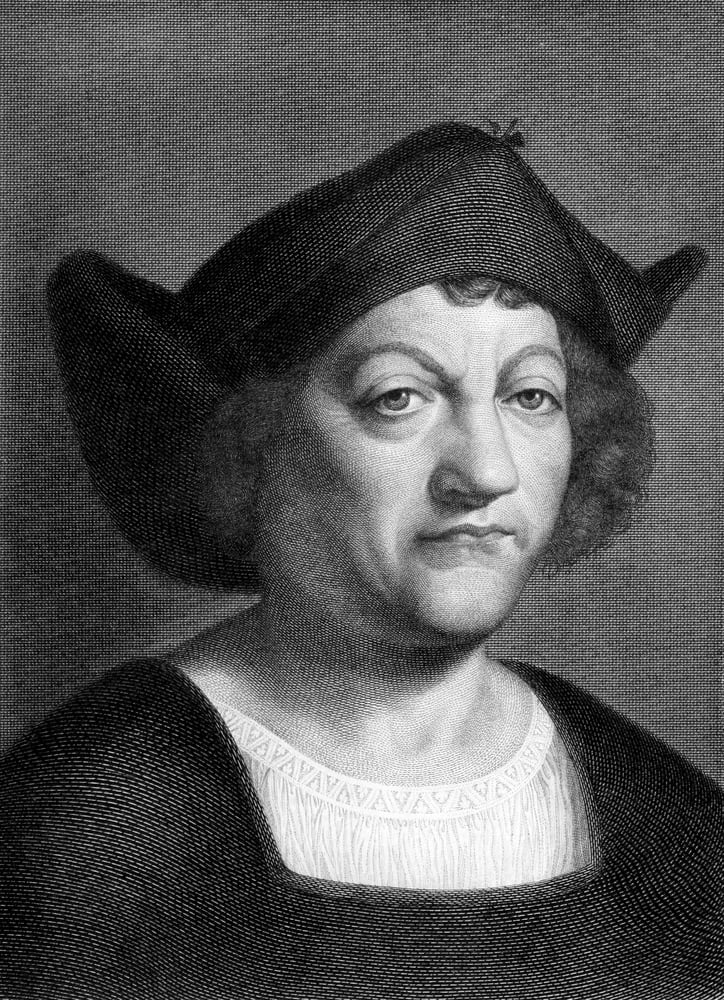
Christopher Columbus gets shown as a noble explorer in a fancy outfit, often looking heroic and determined. Contemporary descriptions suggest he had red hair and freckled skin, details that rarely appear in later artwork.
The earliest known portrait was painted years after his death, so accuracy was questionable from the start. His reputation has also shifted dramatically as historians examined the devastating impact of his voyages on indigenous populations, something the heroic paintings conveniently left out.
Nefertiti
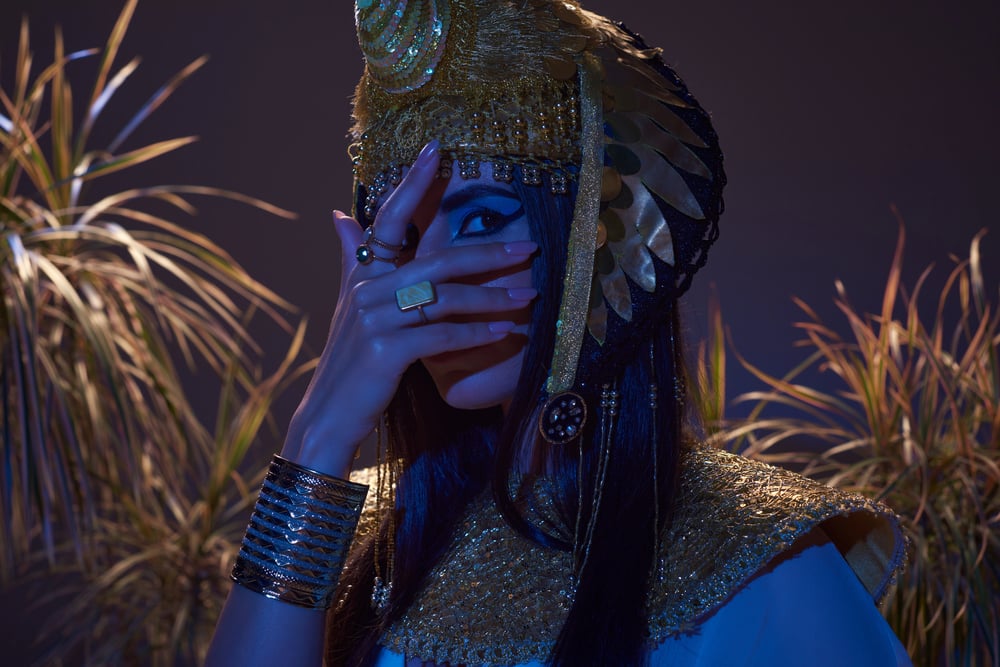
That famous limestone bust showing Nefertiti with perfect bone structure and elegant features might not be accurate at all. The sculpture was created by Thutmose, who was essentially the royal court’s PR department in stone form.
Other depictions of Nefertiti from the same period show different features, and the famous bust was found in a workshop, suggesting it might have been a practice piece or template. The stunning image has become so iconic that it’s impossible to separate the real queen from the artistic ideal.
Where Myth Meets Memory
These misconceptions stick around because humans love a good visual, even when evidence suggests otherwise. Artists, filmmakers, and writers keep recycling the same images because they’ve become comfortable and familiar, like an old pair of shoes that doesn’t fit quite right but nobody wants to replace.
The real people behind these famous names were probably far more interesting than the sanitized or dramatized versions we carry around in our heads. Understanding how wrong we’ve gotten these figures reminds us that history isn’t just facts and dates, but stories constantly being retold and reshaped by each generation that passes them along.
More from Go2Tutors!

- The Romanov Crown Jewels and Their Tragic Fate
- 13 Historical Mysteries That Science Still Can’t Solve
- Famous Hoaxes That Fooled the World for Years
- 15 Child Stars with Tragic Adult Lives
- 16 Famous Jewelry Pieces in History
Like Go2Tutors’s content? Follow us on MSN.