The Most Expensive Mistakes Made by Governments
When governments make decisions, they’re dealing with millions or even billions of dollars of taxpayer money. Sometimes those decisions turn out to be brilliant investments that benefit everyone.
Other times, they turn into financial disasters that cost more than anyone ever imagined. Let’s take a look at some of the biggest and most expensive government mistakes that have happened around the world.
These aren’t just small errors in judgment, they’re massive miscalculations that drained budgets and left taxpayers footing enormous bills.
The Millennium Dome
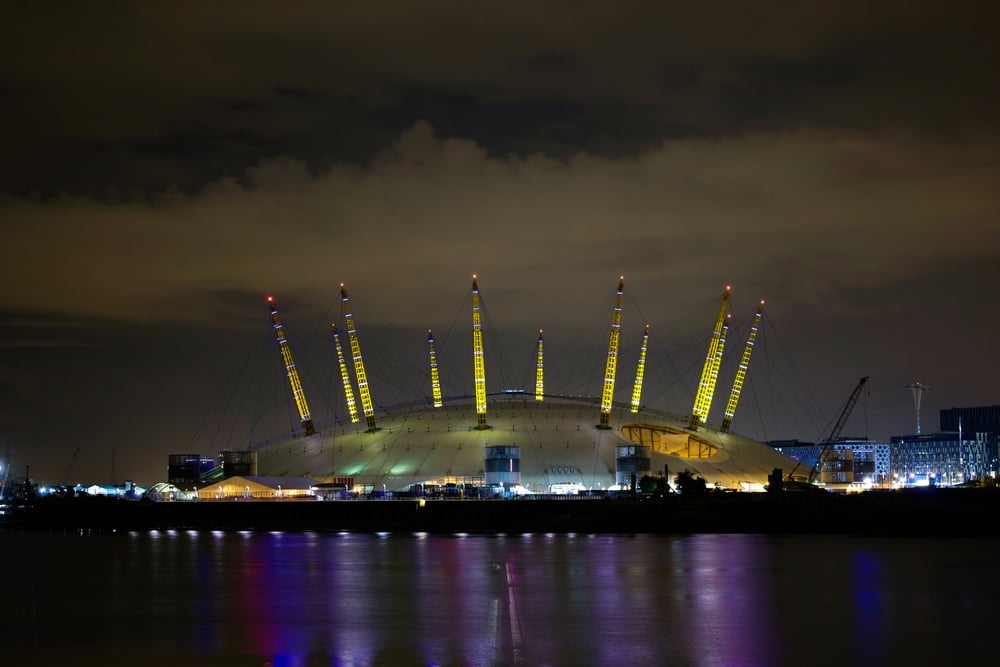
Britain decided to build a huge dome in London to celebrate the year 2000. The government thought millions of visitors would flock to see exhibitions inside this massive structure.
They were wrong. The project ended up costing around $1.3 billion, but far fewer people showed up than expected.
The dome sat mostly empty for years after the celebrations ended, becoming a symbol of wasteful spending. Eventually it was converted into a concert venue, but the initial investment was never recovered.
The Sydney Opera House cost overruns
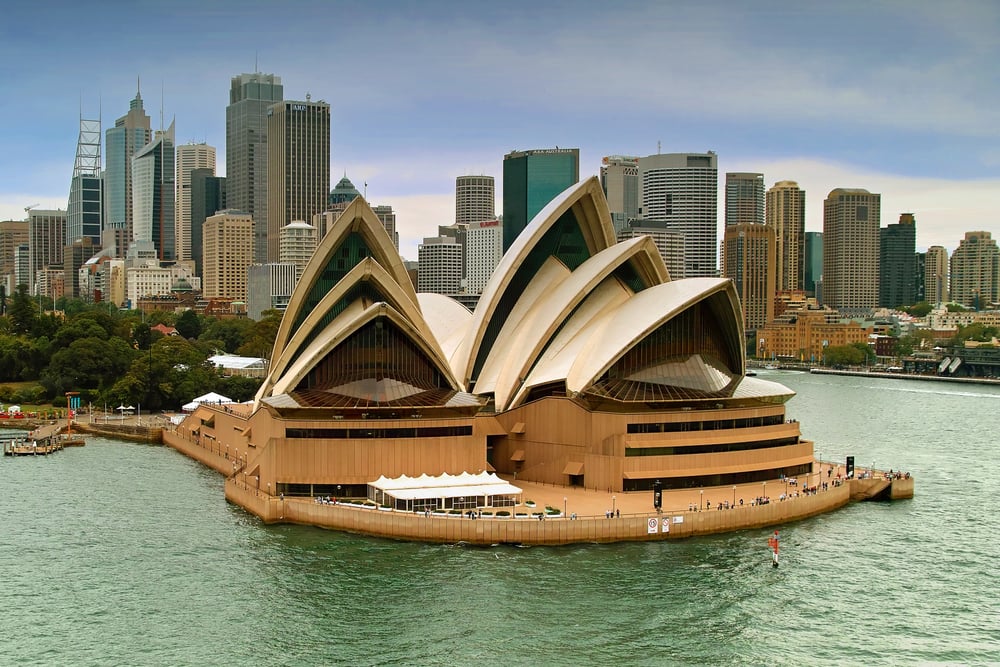
Australia’s most famous building became one of the world’s most expensive construction mistakes. Originally budgeted at $7 million and expected to take four years, the Sydney Opera House actually cost $102 million and took 14 years to complete.
The architect quit halfway through because of disagreements with the government. While the building became iconic and beloved, the cost overrun was more than 1,400 percent of the original estimate.
Taxpayers funded the entire mess through a special lottery.
Spain’s ghost airports
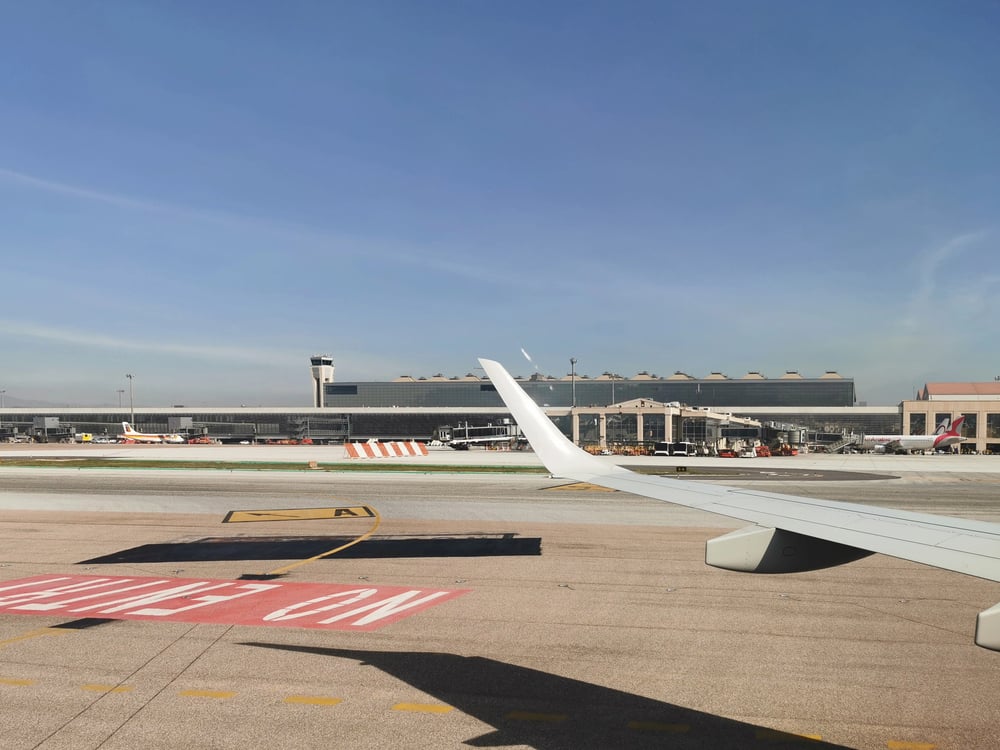
Spain built multiple airports across the country during an economic boom, expecting tourism and business to skyrocket. Instead, several of these airports now sit nearly empty, costing millions to maintain.
The Ciudad Real Central Airport cost around $1.4 billion to build and operated for just three years before shutting down. It was eventually sold at auction for only $11,000.
Other Spanish airports see maybe one flight per week, yet they still require staff, utilities, and upkeep that drain public funds.
The F-35 fighter jet program
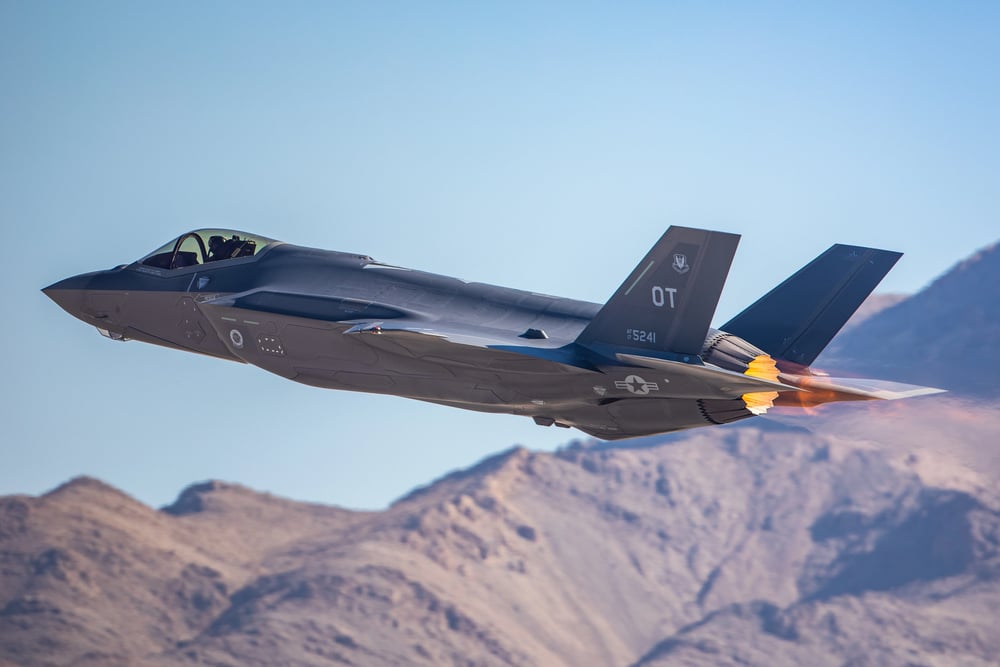
America’s most advanced fighter jet has become the most expensive weapons program in history. The total cost is expected to reach $1.7 trillion over the lifetime of the program.
Development has been plagued by technical problems, delays, and cost increases. The jets have suffered from engine fires, software glitches, and design flaws that required expensive fixes.
What was supposed to be a versatile aircraft for all branches of the military turned into a money pit that keeps growing.
California’s high-speed rail

California voters approved a high-speed rail project in 2008 that was supposed to cost $33 billion and connect Los Angeles to San Francisco. By 2023, the estimated cost had ballooned to over $100 billion, and the completion date kept getting pushed back.
The project has been scaled back multiple times, and critics say it may never actually connect the two major cities as originally promised. Billions have already been spent with very little track laid.
The Montreal Olympic Stadium

Canada’s Olympic Stadium for the 1976 Summer Games was supposed to cost $134 million. It actually cost $1.5 billion and wasn’t even finished when the Olympics began.
The roof didn’t work properly and had to be replaced multiple times. Montreal taxpayers were still paying off the debt from this stadium until 2006, three decades after the games ended.
The building earned the nickname ‘The Big O’ which locals jokingly said stood for ‘The Big Owe.’
Britain’s PPE procurement during the pandemic

When COVID-19 hit, the British government rushed to buy personal protective equipment for healthcare workers. They spent billions on contracts awarded without proper competitive bidding.
Much of the equipment turned out to be unusable or never arrived at all. Investigations revealed that companies with political connections got huge contracts despite having no experience in medical supplies.
The National Audit Office estimated that billions were wasted on defective or overpriced protective gear.
The Soviet Kaliningrad Oceanographic Museum

The Soviet Union decided to build a massive oceanographic museum in Kaliningrad using abandoned German fortifications. Construction started in 1976 and ate up huge amounts of resources.
The project was never completed, and the ruins still stand today as a reminder of the ambitious plan. Millions of rubles were poured into the structure before it was abandoned.
The unfinished concrete shell is now a popular spot for urban explorers and photographers.
India’s Loktak hydroelectric project

India built the Loktak Hydroelectric Project in Manipur to generate power and control flooding. Instead, it severely damaged the local ecosystem and displaced thousands of people.
The project cost far more than expected and generated less electricity than planned. The dam disrupted the natural flow of water to Loktak Lake, harming fishing communities that depended on it.
The environmental and social costs turned out to be far greater than anyone anticipated, and the economic benefits never materialized as promised.
Germany’s Berlin Brandenburg Airport
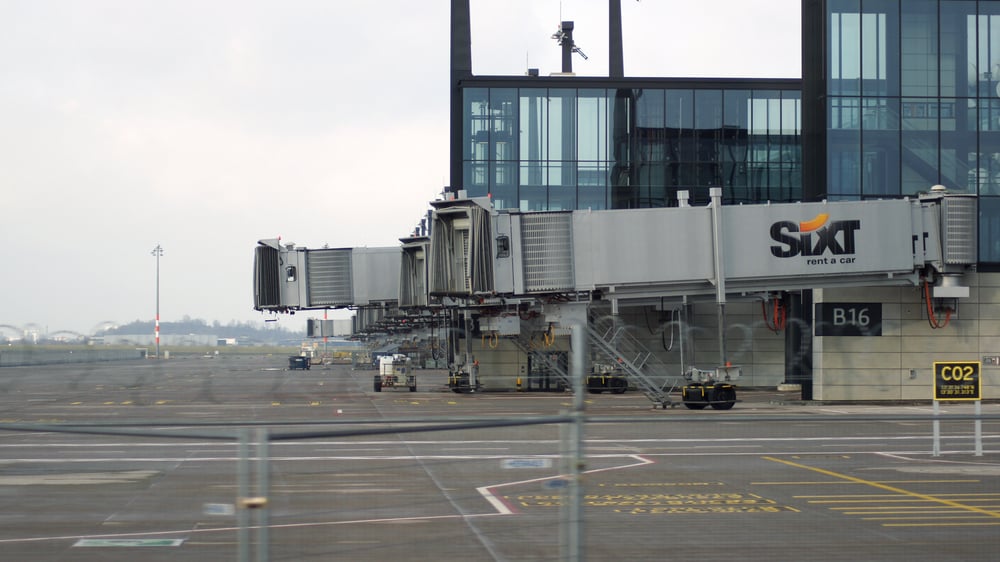
Berlin’s new airport was supposed to open in 2011 and cost around $2.5 billion. It finally opened in 2020, nine years late and having cost over $8 billion.
The delays were caused by terrible planning, construction errors, and corruption scandals. The fire safety system didn’t work, wiring had to be redone multiple times, and the building had to be partially rebuilt.
Berlin operated with its old, outdated airports for nearly a decade longer than planned while the new one sat empty and incomplete.
America’s healthcare.gov launch

The U.S. government spent over $2 billion developing the website for the Affordable Care Act. When it launched in 2013, the site immediately crashed and remained largely unusable for weeks.
Only six people managed to sign up on the first day. The government had to bring in outside tech experts to essentially rebuild the website from scratch.
The botched launch embarrassed the administration and required hundreds of millions more in fixes and improvements.
Japan’s Monju nuclear reactor

Japan built an experimental fast breeder reactor called Monju that was supposed to revolutionize nuclear power. The reactor cost over $10 billion but operated for only 250 days over its 22-year lifespan.
It suffered a sodium leak in 1995 that shut it down for 14 years. Even when not running, it costs $200 million per year to maintain.
The government finally decided to decommission it in 2016, having produced almost no useful energy despite the massive investment.
France’s Concorde supersonic jet

France and Britain jointly developed the Concorde, a supersonic passenger jet that could fly from London to New York in under three hours. The development cost spiraled out of control, and the planes were extremely expensive to operate.
Only 20 Concordes were ever built, and they lost money throughout their service lives. The program cost both governments billions with virtually no return on investment.
The planes were retired in 2003 after never turning a profit.
Australia’s National Broadband Network
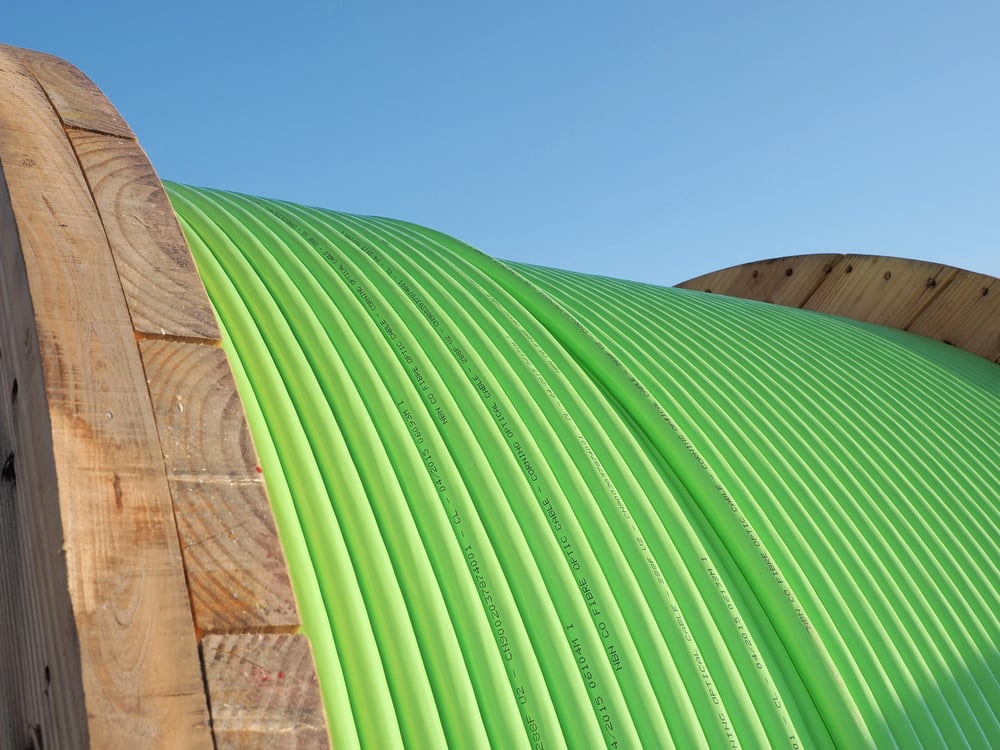
Australia decided to build a nationwide fiber optic internet network to bring high-speed internet to the entire country. The original plan was scaled back to use cheaper technology, but costs still exploded.
The project went billions over budget and took years longer than expected. Parts of the network used old copper wiring instead of fiber, which meant slower speeds than promised.
By the time sections were completed, the technology was already becoming outdated.
The Soviet Union’s Baikal-Amur Mainline railway
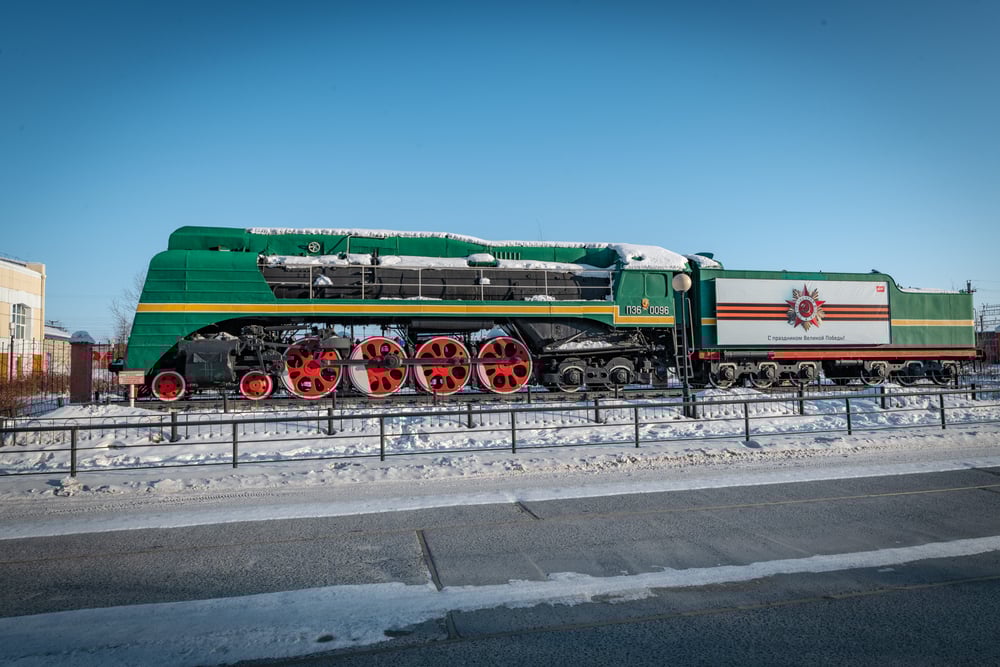
The Soviet Union built a railway across Siberia parallel to the Trans-Siberian Railway at enormous cost. The project took decades and consumed massive amounts of resources and labor.
Much of the railway passes through extremely harsh terrain with permafrost that constantly damages the tracks. The line has never generated enough traffic or revenue to justify its construction costs.
Maintaining the railway in such extreme conditions remains expensive even today.
Britain’s aircraft carriers without aircraft

Britain spent billions building two massive aircraft carriers called HMS Queen Elizabeth and HMS Prince of Wales. The problem was that the government scrapped the aircraft they were supposed to carry before the ships were finished.
For several years, Britain had aircraft carriers but no planes to put on them. The government eventually bought American F-35 jets, but the total cost of the carriers and aircraft far exceeded original estimates.
The carriers also require expensive escorts and support ships that strained the naval budget.
America’s Yucca Mountain nuclear waste repository

The U.S. government poured more than $15 billion into building a nuclear waste dump inside Yucca Mountain, Nevada. Despite years of effort and progress, officials shut it down in 2011 because of politics.
That massive investment left behind an incomplete site destined to sit idle. There’s still no long-term plan in place for handling radioactive waste nationwide.
Yucca achieved zero real results. With the location now empty, spent fuel keeps stacking up near power plants from coast to coast.
China’s ghost cities
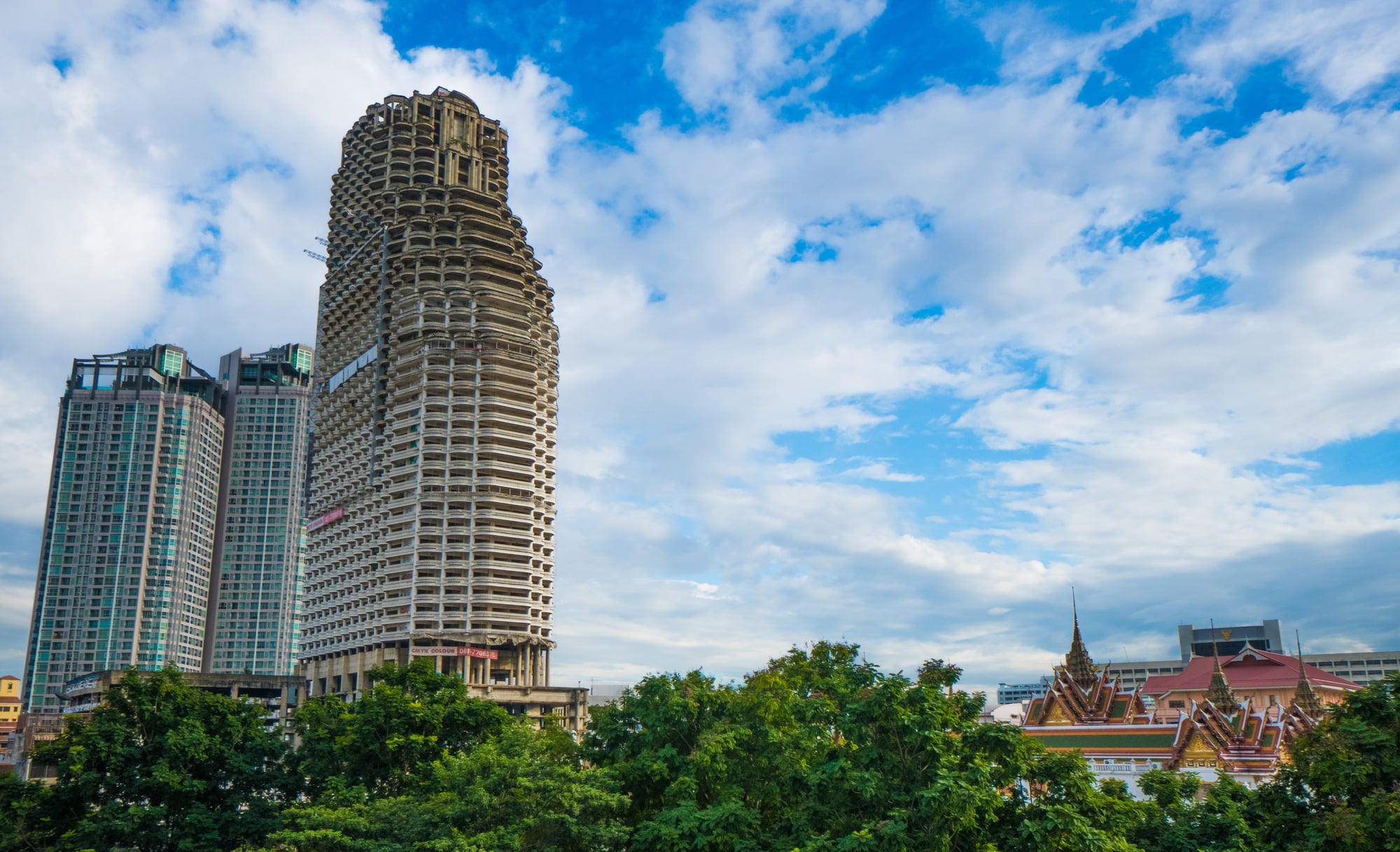
China put up whole towns betting people would move in – but they didn’t show up. Places such as Ordos Kangbashi took huge amounts of money, meant for more than a million folks.
Most of these areas stay quiet, filled with unused apartments, malls, and offices. Building them created work at first; however, now there’s costly stuff just standing around.
Town leaders borrowed heavily to pay for it all and today find it tough to keep up deserted roads and structures.
Thinking about what it costs to want more

These costly errors have a few things in common. While governments tend to guess low on price tags, they dream big about results – then rush ahead despite red flags showing up.
Because leaders feel pushed to keep campaign pledges, broken initiatives drag on way past their due date. One clear takeaway?
Careful prep, honest cost estimates, along with owning up to slipups fast, may spare citizens huge amounts down the road. Some of these projects later got repurposed or turned into spots people visit, yet the money loss had already happened.
If officials risk taxpayer cash on shaky ideas, ordinary folks end up covering costs when things crash.
More from Go2Tutors!

- The Romanov Crown Jewels and Their Tragic Fate
- 13 Historical Mysteries That Science Still Can’t Solve
- Famous Hoaxes That Fooled the World for Years
- 15 Child Stars with Tragic Adult Lives
- 16 Famous Jewelry Pieces in History
Like Go2Tutors’s content? Follow us on MSN.