16 Interesting Facts About Our Weather
The weather has a huge impact on our daily lives, affecting everything from our moods and activities to what we wear. There is a lot more to these atmospheric circumstances than meets the eye, even though we encounter weather conditions on a daily basis.
Extreme events, intriguing patterns, and unexpected links that most people never think about are revealed by the science underlying our weather. These 16 fascinating facts about our weather may alter your perspective on the world.
Lightning Strikes Earth 8 Million Times Daily
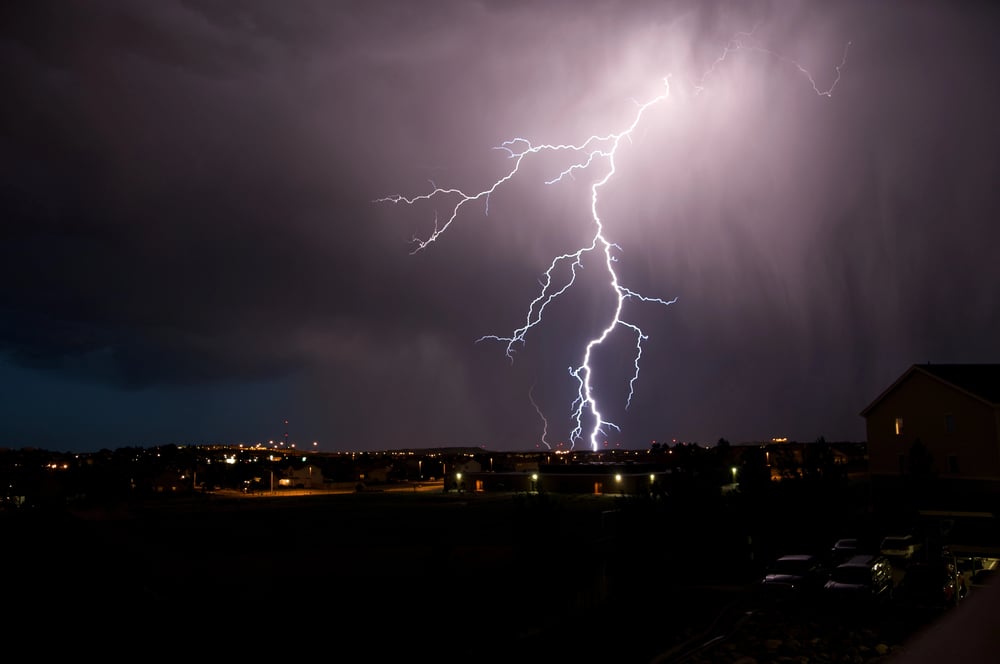
Every day, almost 8 million lightning strikes occur on the world. That’s roughly 100 lightning strikes each second on Earth.
Five times hotter than the sun’s surface, these strong electrical discharges can reach temperatures of 50,000°F.
Rain Has a Smell
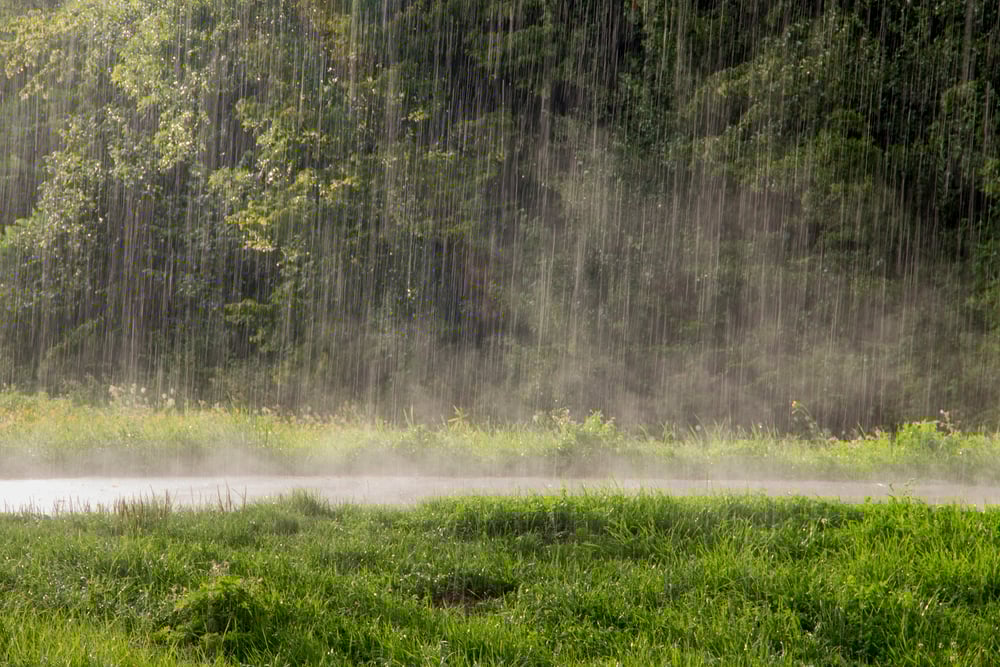
In fact, there is a word for that crisp, lovely aroma that comes with rain: petrichor. When rain falls on dry soil, a substance called geosmin—which is created by specific bacteria in the soil—is released, giving the area its characteristic odor.
Even at very low doses, humans are highly sensitive to this aroma.
Clouds Are Heavier Than They Look

The weight of a cumulus cloud is roughly 1.1 million pounds on average. That’s like having a hundred elephants hovering over your head.
Despite their combined weight, the water droplets that make up clouds are so tiny and widely separated that they stay suspended in the atmosphere.
Snow Isn’t Actually White

Snow appears white because the crystal structure of snowflakes causes light to reflect and scatter in many directions, reflecting the full spectrum of light back to our eyes. Individual snow crystals are actually clear and translucent, similar to ice cubes.
Raindrops Aren’t Teardrop-Shaped

Raindrops don’t fall in a teardrop shape, despite how they are frequently shown in artwork and pictures. Surface tension causes small raindrops to be spherical, but when they fall through the atmosphere and run into air resistance, larger droplets resemble the top half of a hamburger bun or a parachute.
Wind Chill Isn’t Just Psychological

Wind chill represents a real physical effect, not just how cold it ‘feels.’ Moving air accelerates the rate at which heat leaves your body, causing your skin temperature to drop more rapidly than it would in still air of the same temperature.
This increased heat loss explains why windy days actually pose greater risks for hypothermia.
Hurricanes Release Enormous Energy

A typical hurricane releases energy equivalent to 10,000 nuclear bombs. This tremendous power comes from the warm ocean water that fuels these massive storm systems.
Each day, a hurricane can release enough energy to supply the United States with electricity for about six months.
Fog Is Just a Cloud on the Ground

When you walk through fog, you’re actually walking through a cloud. The only difference between fog and the clouds above is their location.
Fog forms when air near the ground cools to the dew point, causing water vapor to condense into tiny water droplets suspended in the air.
The Fastest Recorded Winds Weren’t in a Tornado
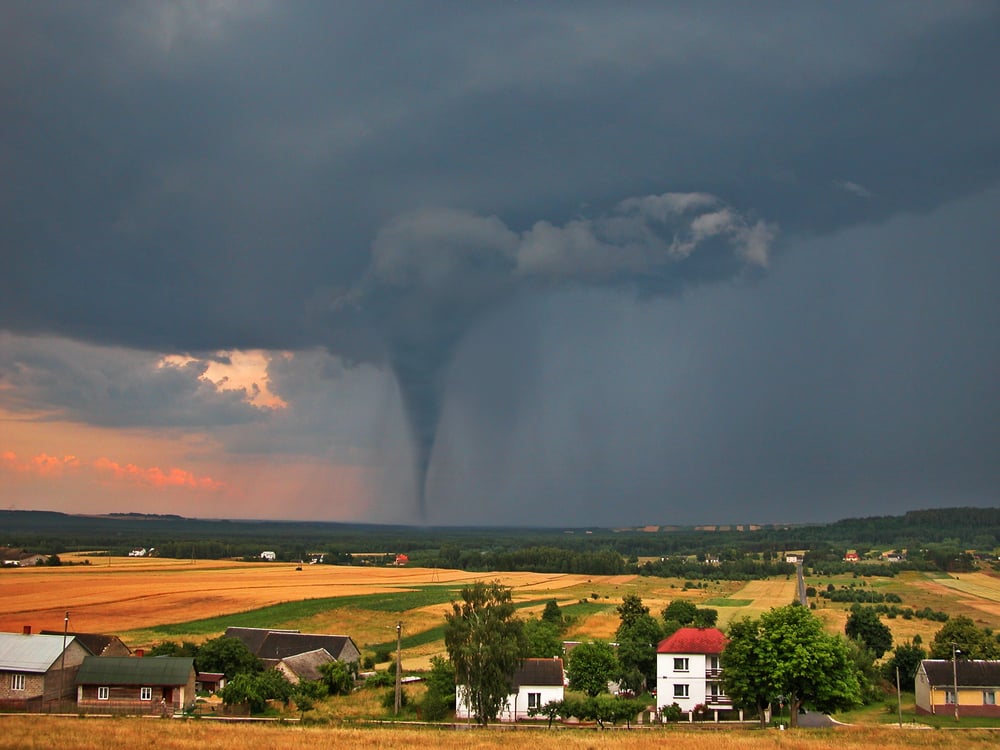
While tornadoes are known for destructive winds, the highest wind speed ever recorded wasn’t in a tornado but during Tropical Cyclone Olivia near Australia in 1996. This record-breaking gust reached 253 mph, far exceeding the wind speeds typically experienced in even the most severe tornadoes.
Thunderstorms Can Shoot Beams Into Space

Scientists have discovered that thunderstorms can shoot beams of antimatter into space. These antimatter particles are created when powerful gamma rays from lightning interact with the atmosphere.
These emissions, called terrestrial gamma-ray flashes, represent one of nature’s most exotic weather phenomena.
Temperature Records Are Being Broken More Frequently

The rate at which temperature records are being broken has accelerated in recent decades. What might have been once-in-a-century heat events in the past are now occurring with much greater frequency.
Since 2000, global temperature records have been broken at more than twice the rate of cold temperature records.
Microclimates Create Weather Variations Within Cities

Large cities often contain microclimates, where weather conditions differ significantly between neighborhoods just a few miles apart. These variations can result in temperature differences of 5-10°F across a single metropolitan area, influenced by factors like building density, green spaces, and proximity to water.
Frost Forms Without Liquid Water

Frost doesn’t form from freezing dew but directly from water vapor in the air. Through a process called deposition, water molecules transform directly from gas to solid, skipping the liquid phase entirely.
This explains why frost can appear on surfaces even when no rain or condensation has occurred.
The Wettest Place in America Gets 460 Inches of Rain

Mount Waialeale in Hawaii receives an average of 460 inches of rainfall annually, making it the wettest location in the United States. This astonishing amount of precipitation is more than 38 feet of rain each year, caused by the mountain’s location and shape, which forces moisture-laden trade winds upward.
Blue Jets Shoot From Storm Tops
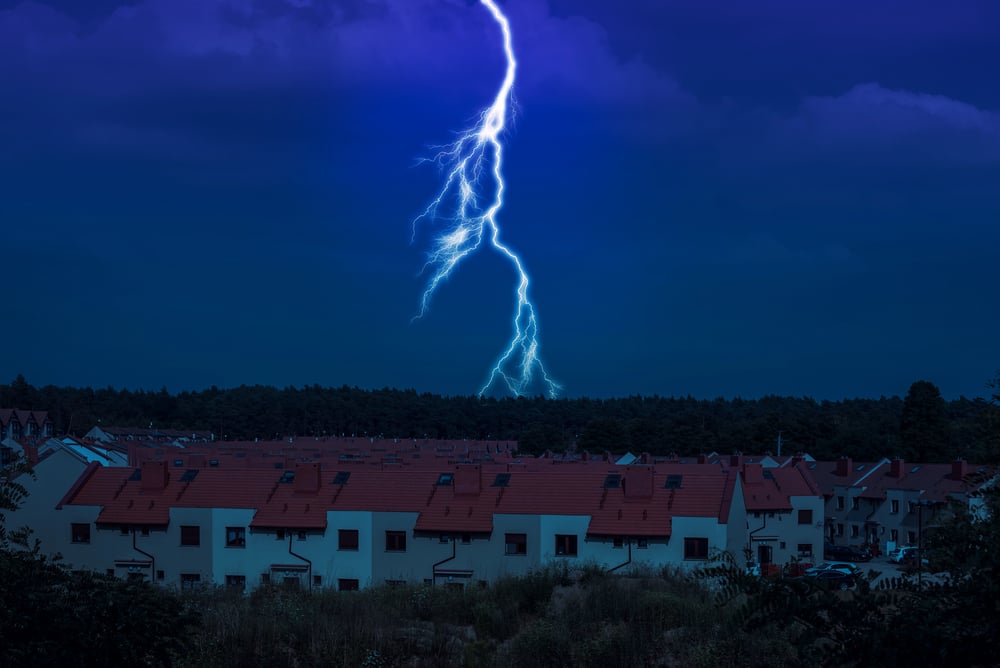
Severe thunderstorms can occasionally produce strange electrical phenomena known as “blue jets” that shoot upward. Up to 30 miles above the ground, these blue electrical discharges can occur. They belong to a family of electrical occurrences that occur in the upper atmosphere but were not scientifically described until the 1990s.
Weather Forecasting Has Improved Dramatically

Modern five-day weather forecasts are as accurate as three-day forecasts were in 2005. This remarkable improvement comes from better satellite data, more powerful supercomputers, and advanced mathematical models.
Today’s seven-day forecast is more reliable than a three-day forecast was in the 1980s.
Beyond the Horizon

Weather has shaped human history in profound ways, from determining agricultural patterns to influencing the outcomes of military campaigns. Our increasing understanding of atmospheric science not only satisfies our curiosity but also helps protect communities from severe weather events.
As technology advances, our relationship with the weather continues to evolve, allowing us to better prepare for whatever the skies might bring while reminding us of nature’s awesome power and complexity.
More from Go2Tutors!

- The Romanov Crown Jewels and Their Tragic Fate
- 13 Historical Mysteries That Science Still Can’t Solve
- Famous Hoaxes That Fooled the World for Years
- 15 Child Stars with Tragic Adult Lives
- 16 Famous Jewelry Pieces in History
Like Go2Tutors’s content? Follow us on MSN.