Historic Objects That Were Lost and Rediscovered
History has a funny way of hiding its treasures in plain sight. Sometimes the most valuable artifacts end up in the strangest places—forgotten in museum basements, mistaken for yard decorations, or buried under centuries of dirt until someone stumbles upon them by accident. These rediscoveries aren’t just lucky breaks.
They’re reminders that our connection to the past is fragile, and sometimes what’s lost can find its way back to us when we least expect it. Here is a list of 16 historic objects that vanished from public knowledge, only to resurface years or even centuries later.
The Terracotta Army
— Photo by BigGabig_depositphotos
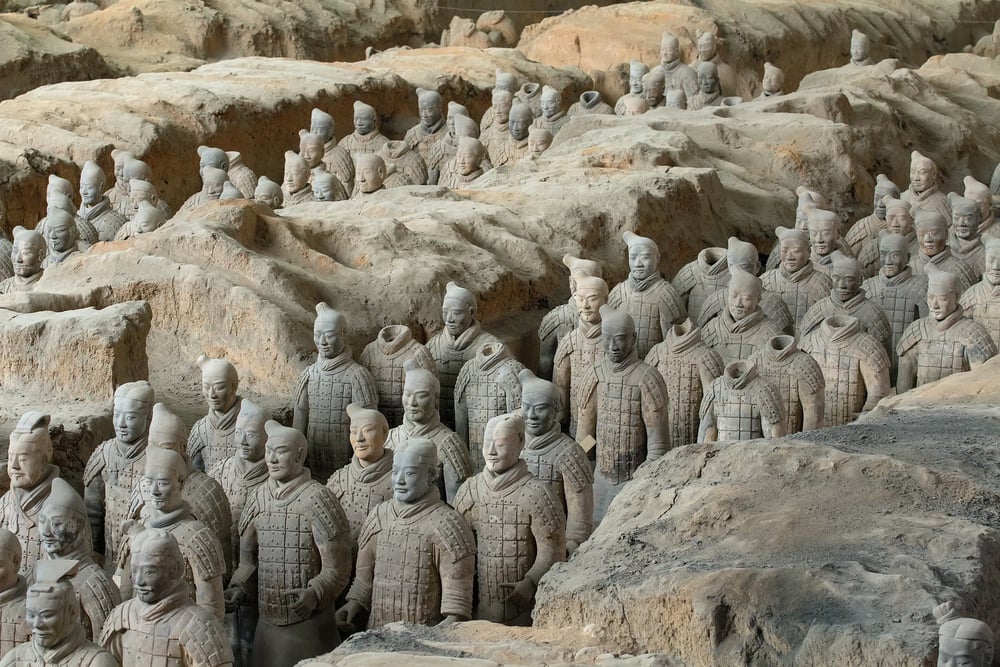
Farmers digging a well near Xi’an, China, in March 1974 hit something unexpected about seven feet underground. What they initially thought was a pottery god turned out to be one soldier in an army of over 8,000 life-sized clay warriors.
These terracotta figures had been buried for more than 2,200 years to protect China’s first emperor, Qin Shi Huang, in the afterlife. Each warrior has unique facial features, and they were originally painted in bright colors that have since faded.
The Dead Sea Scrolls

A Bedouin shepherd searching for a stray goat in 1947 tossed a stone into a cave near the Dead Sea and heard the sound of breaking pottery. Inside those jars were ancient manuscripts that had been preserved in the dry desert air for nearly two millennia.
The scrolls include the oldest known copies of biblical texts and provide an unprecedented window into Jewish life during the Second Temple period. Between 1947 and 1956, fragments from 11 caves revealed over 900 different texts.
The Rosetta Stone
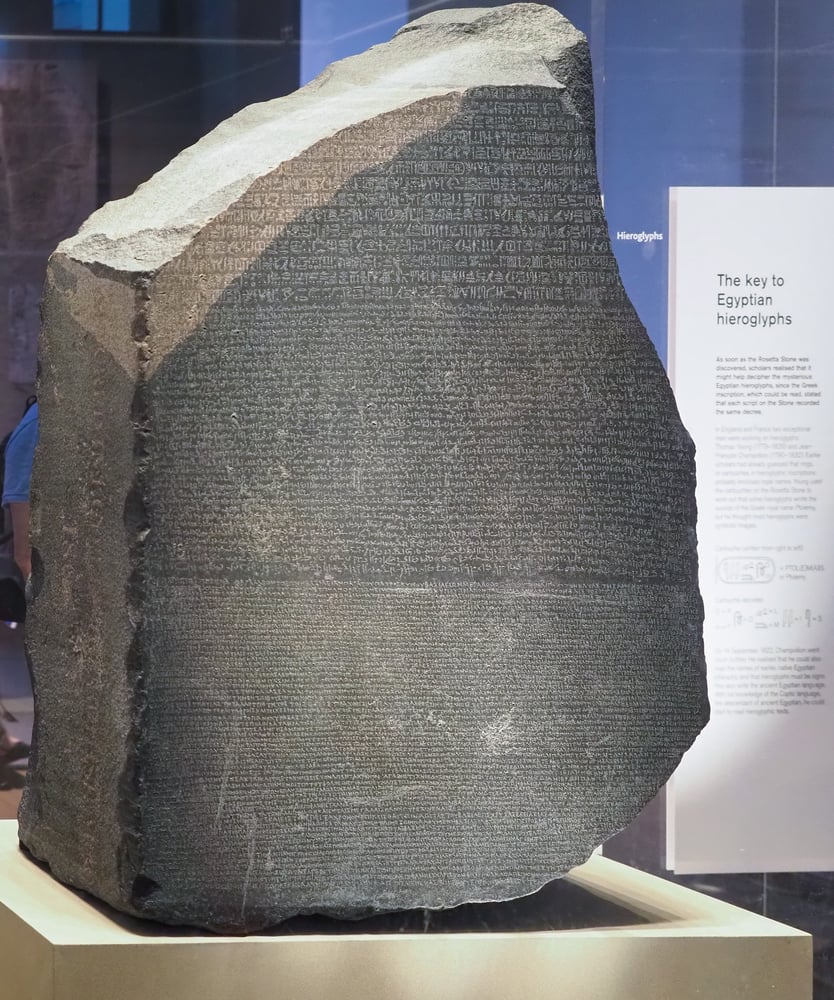
French soldiers stumbled upon a black granite slab in 1799 while digging fortifications near the town of Rosetta in Egypt. The stone featured the same decree written in three different scripts—hieroglyphic, demotic, and ancient Greek.
Because scholars could read the Greek text, they finally had the key to decipher Egyptian hieroglyphs, unlocking thousands of years of history that had been literally written in stone but impossible to understand.
Albrecht Dürer’s Lost Drawing

Someone bought what looked like a modern reproduction at a Massachusetts estate sale in 2003 for just $30. It hung around for years before experts took a closer look and noticed Dürer’s distinctive ‘A.D.’ monogram and a watermark matching paper the Renaissance master used.
The centuries-old sketch of a mother and child is now valued at approximately $50 million, proving that sometimes treasure hunters don’t need to dig at all.
A Fabergé Egg Bought for Scrap
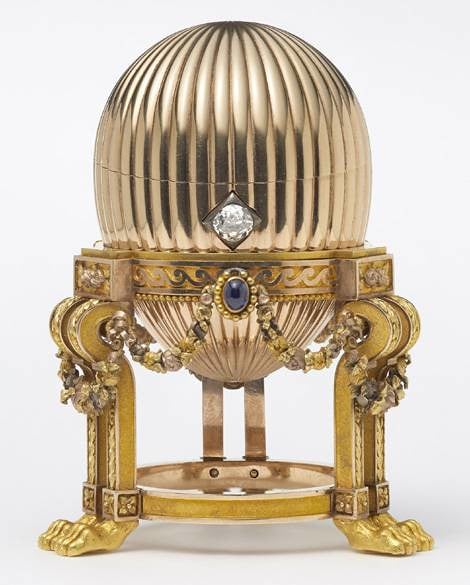
A Midwest man purchased what he thought was a fancy trinket at a flea market for $14,000 in the early 2000s, planning to melt it down for the gold. Before doing so, he searched the name on the little clock inside—’Vacheron Constantin’—and discovered he’d bought one of the lost Imperial Fabergé Eggs created for the Russian royal family.
His ‘scrap gold’ turned out to be worth $33 million.
The Stone of Scone
— Photo by goga18128.mail.ru
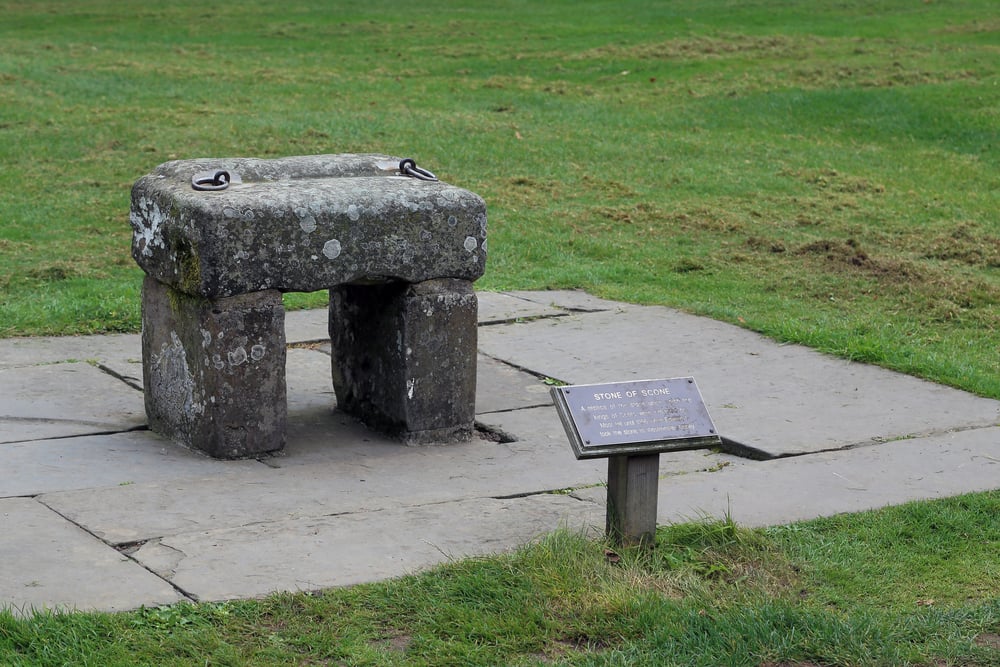
Four Scottish college students broke into Westminster Abbey on Christmas morning in 1950 and stole an ancient block of sandstone used in royal coronations since the 14th century. They accidentally broke it in two during the heist, but the stone represented something bigger than its physical form—it was a symbol of Scottish independence taken by England’s King Edward I in 1296.
The stone mysteriously appeared at Scotland’s Arbroath Abbey in April 1951, draped in the national flag, and the students were never prosecuted.
The Lewis and Clark Bear Claw Necklace
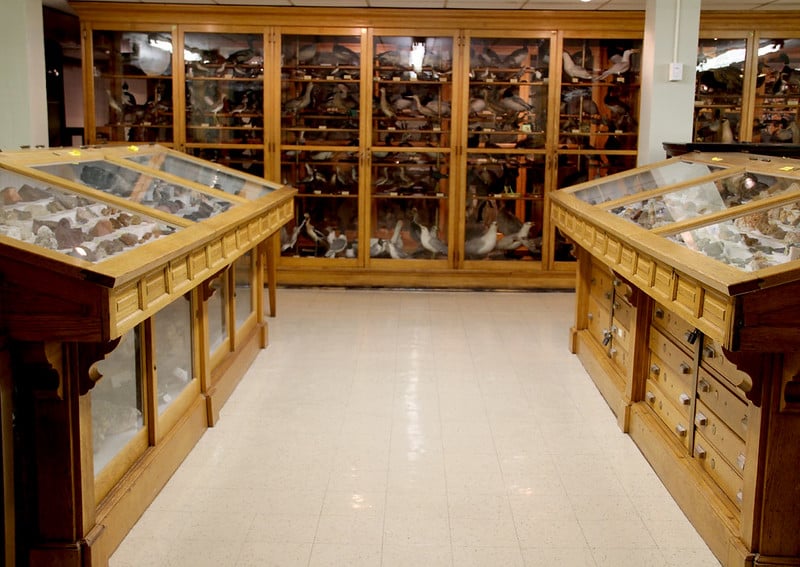
A staff member at Harvard’s Peabody Museum made a cataloging error in 1941 that sent a Native American bear claw necklace to the wrong storage area for over 60 years. The necklace was a gift presented during the famous Lewis and Clark expedition, but it sat forgotten among South Pacific artifacts until 2003.
Two collection assistants finally noticed that this particular necklace didn’t look ‘Oceanic’ at all, solving a mystery that had puzzled historians for decades.
William Smith’s Geological Map
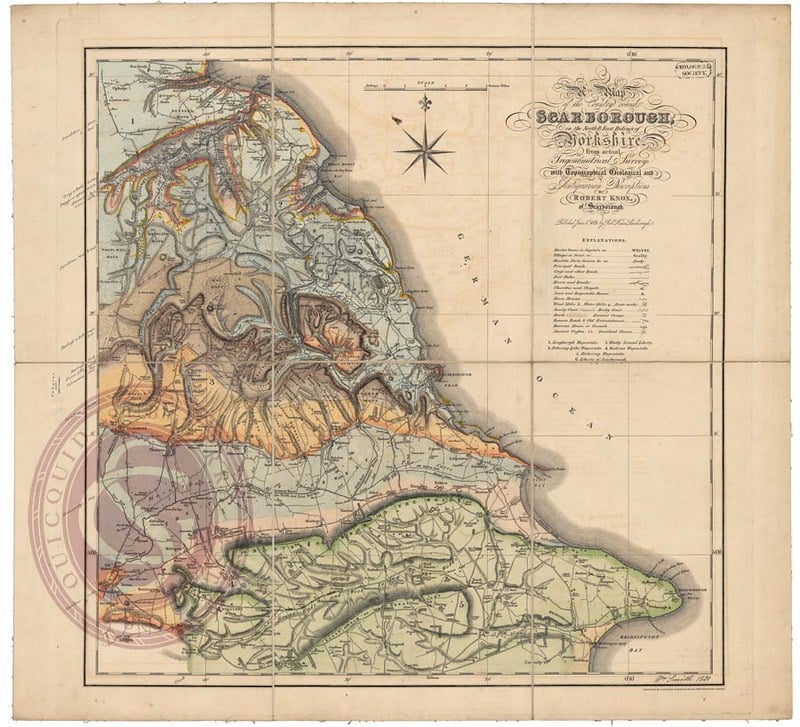
The first geological map of England and Wales disappeared into a leather sleeve case and wasn’t seen for about half a century. When it resurfaced in the archives of the Geological Society, experts realized they’d found a first edition—likely among the first ten copies produced.
The map took Smith nearly 15 years to create in the early 1800s, gathering data long before modern technology made such work routine. Its excellent condition, protected from sunlight all those years, means it’s now worth six figures.
A Cannonball from the Wars of the Roses

Archaeologist Glenn Foard rediscovered the oldest surviving cannonball in English history in 2014, used during the Battle of Northampton in 1460. The massive projectile had been lost or simply forgotten despite its significance to one of England’s most iconic conflicts.
Historical records confirmed it was fired by York soldiers, since rain prevented the Lancastrian forces from using their cannons that day.
The Neolithic Figurine from Skara Brae
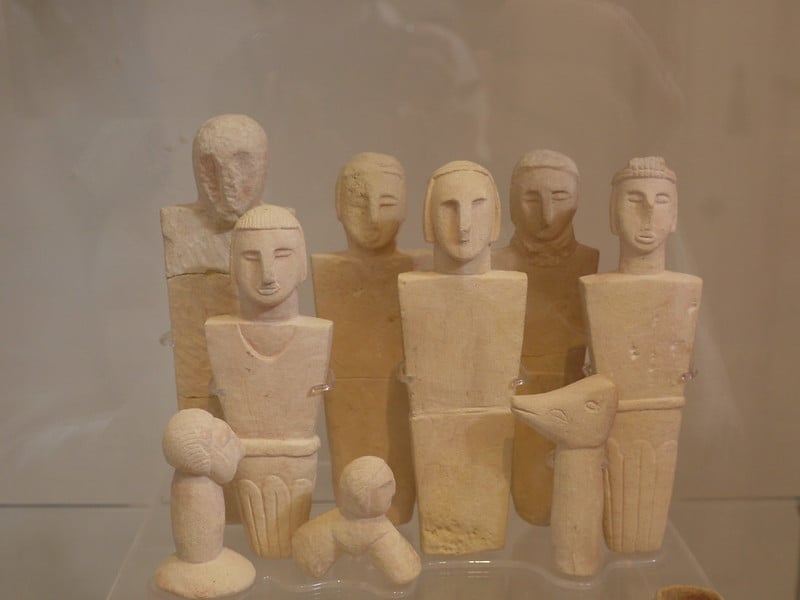
A mysterious whalebone carving discovered in Scotland’s Skara Brae in the 1850s simply vanished for about 50 years. The figurine, estimated to be around 5,000 years old and depicting one of the region’s earliest known human representations, was eventually rediscovered safe inside a leather case in the archives.
Sometimes the best hiding place is right where you’d expect to find something—if only someone remembered to look.
Darwin’s Barnacles
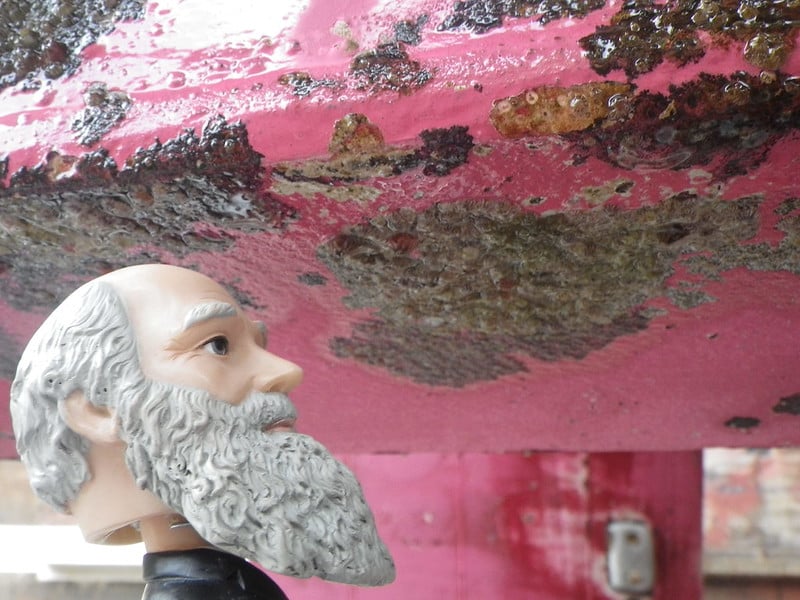
Charles Darwin collected barnacle specimens during his scientific expeditions, but museums didn’t keep them together after his death in 1882. After all, ‘On the Origin of Species’ was still five years away when he gathered many of them, so they were just specimens like any other.
Over time, most of Darwin’s barnacles were rediscovered scattered throughout museum collections, though some are still missing. Each recovered specimen adds another piece to understanding how one of history’s greatest scientists developed his revolutionary ideas.
William Edmondson’s Lost Sculpture
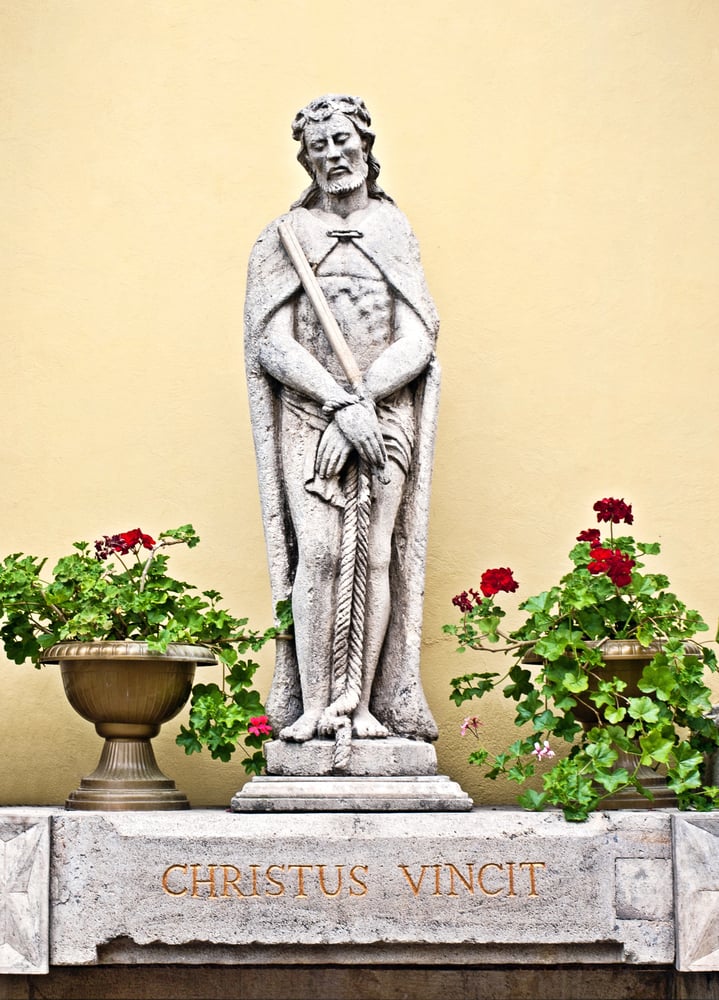
A ten-inch-tall white stone sculpture sat as a yard decoration for years, first in New York and then in Missouri. An art collector driving by recognized it as the work of William Edmondson, the first Black artist to headline a solo exhibition at the Museum of Modern Art.
The piece, titled ‘Martha and Mary,’ had been completely unknown to the art world despite spending decades in plain view on someone’s lawn.
Jacob Lawrence’s Hidden Panel
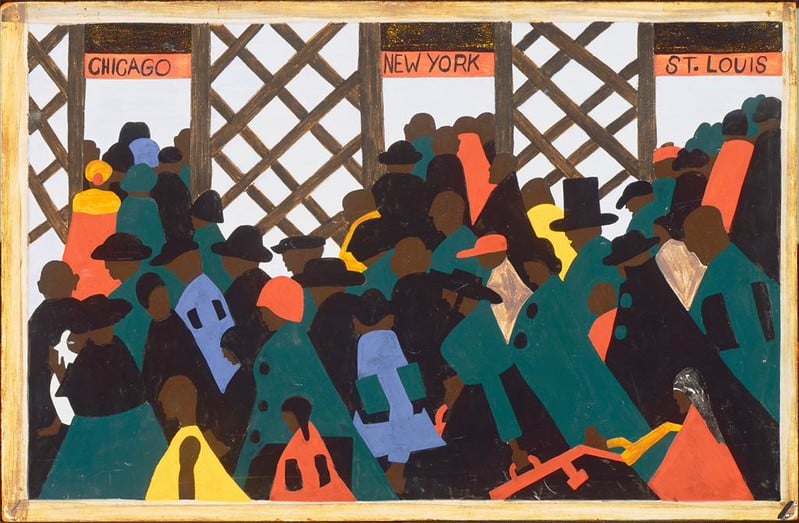
A painting hung in a New York City nurse’s dining room for twenty years, looking a bit worn and honestly not like much of anything special. When the owner read about another lost panel from Lawrence’s ‘Struggle: From the History of the American People’ series being rediscovered, she brought her painting to curators.
It turned out to be one of the missing pieces from the acclaimed African American artist’s significant historical series.
Noah’s Ancient Skeleton
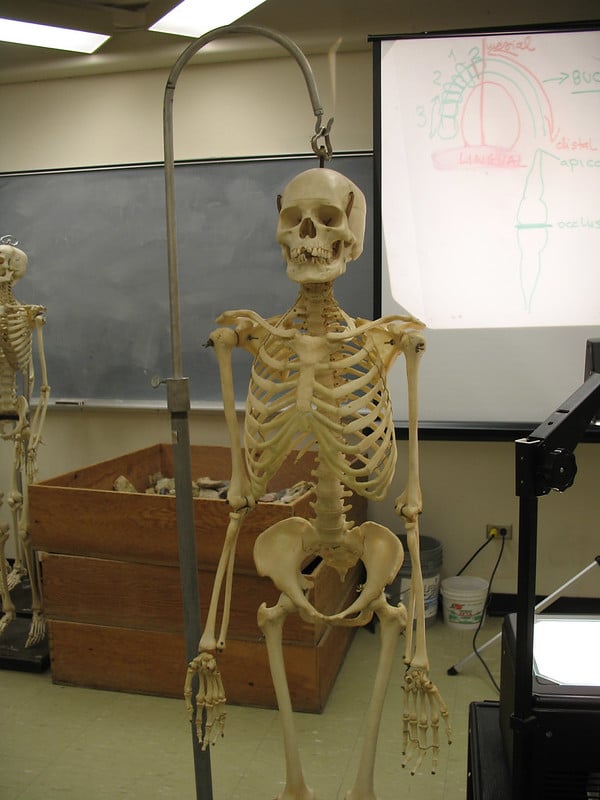
After sitting forgotten for more than 80 years, a 6,500-year-old skeleton was rediscovered and given the name Noah. Archaeologists chose the biblical name because evidence showed this ancient person survived a massive flood, creating an unexpected connection across millennia.
The skeleton provides valuable information about prehistoric life and natural disasters in the ancient world.
North Carolina’s Bill of Rights
A Union soldier stole North Carolina’s handwritten copy of the Bill of Rights from the state house in Raleigh in 1865, wanting a Civil War souvenir. He sold it the following year for five dollars to someone who hung it in his Indiana office.
The document disappeared from public view until 1995, when anonymous sellers tried to return it to North Carolina. State officials refused to pay for what they considered stolen property, but eventually the historic parchment made its way home.
Walt Whitman’s Notebooks
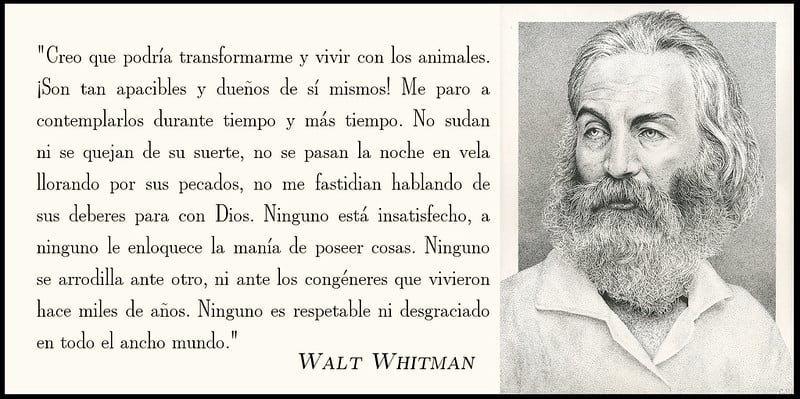
During World War II, the Library of Congress packed up valuable items and sent them outside Washington, D.C., for safekeeping. Ten notebooks belonging to celebrated poet Walt Whitman were among these relocated treasures.
The notebooks later went missing in the shuffle of wartime logistics, only to be rediscovered when librarians conducted thorough inventory checks of their dispersed collections.
The Past Finds Its Way Back
These rediscoveries share something beyond luck—they reveal how easily even our most precious artifacts can slip through the cracks of time. A farmer digs a well and finds an emperor’s army.
A college student buys a trinket and discovers imperial treasure. What seemed lost forever was often just waiting in the wrong filing cabinet or sitting unnoticed in someone’s backyard. The real question isn’t what we’ve found, but what’s still out there, hiding in plain sight.