16 Isolated Nations That Ban All Foreign Tourists
The idea of forbidden travel destinations carries an unusual magnetism. While most countries actively court international visitors, a small number of nations have chosen complete isolation, closing their borders to tourists entirely.
These places exist in a state of deliberate separation from the global community, maintaining policies that make casual tourism impossible or outright illegal.
Understanding why these restrictions exist reveals a complex web of political tensions, security concerns, cultural preservation efforts, and historical circumstances that have shaped some of the world’s most inaccessible territories.
North Korea
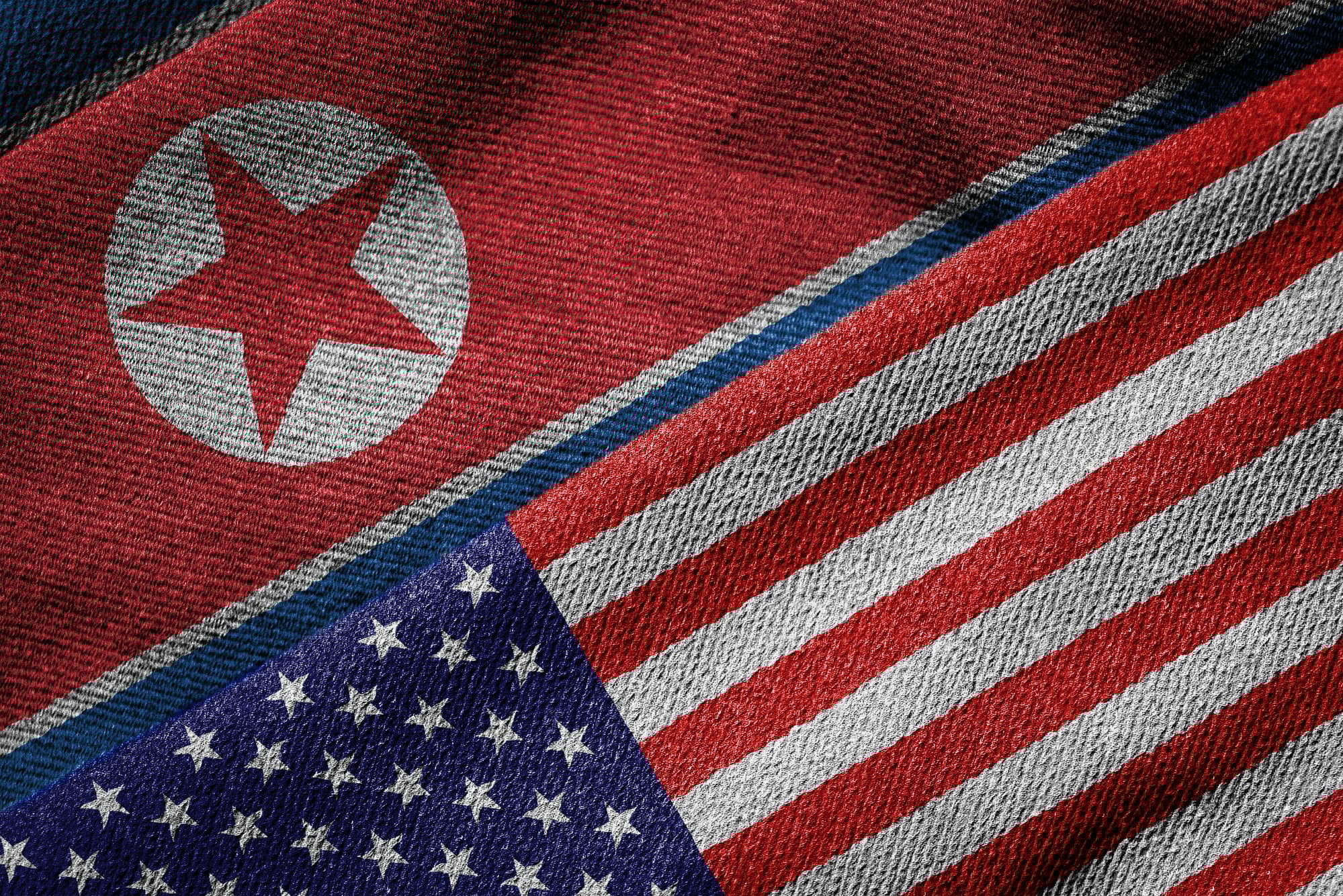
Tourism to North Korea exists only under the strictest government supervision. Independent travel is impossible.
Every visitor must join an organized tour with state-approved guides who control every aspect of the experience. The Democratic People’s Republic of Korea maintains these restrictions to limit outside influence and control information flow.
Tourists can only see predetermined locations and interact with pre-selected locals. Photography is heavily restricted, and any deviation from the planned itinerary can result in detention.
Turkmenistan
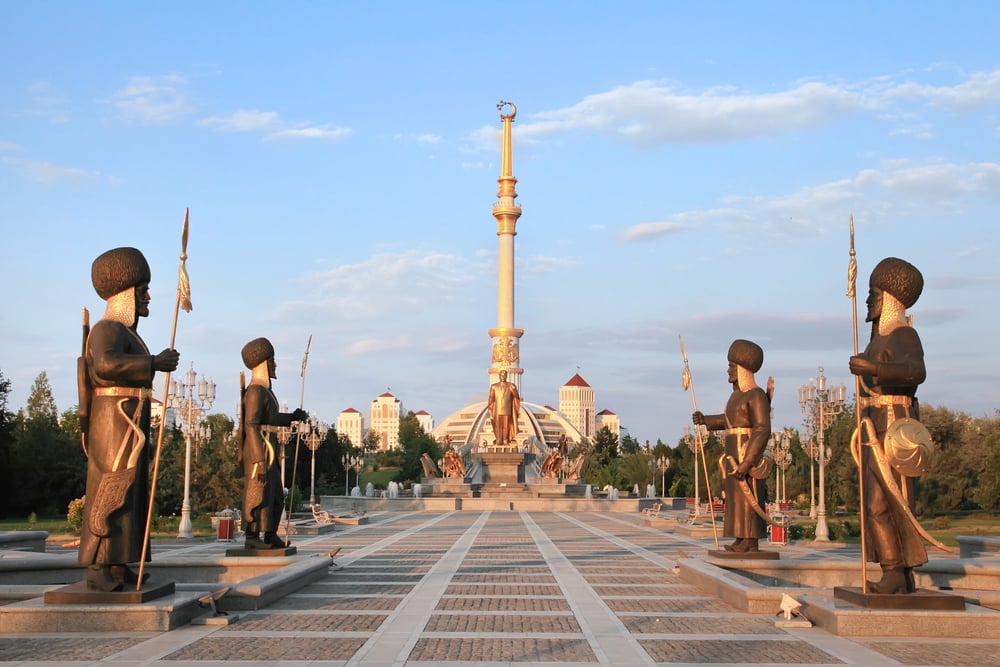
Turkmenistan operates one of the world’s most restrictive visa systems. The government requires all visitors to have official sponsorship and a detailed itinerary approved weeks in advance.
Independent tourism is effectively banned through bureaucratic barriers that make casual visits nearly impossible. The late president Saparmurat Niyazov created this system as part of his isolationist policies, and current leadership has maintained similar restrictions.
Even business travelers face extensive scrutiny and limited movement within the country.
Saudi Arabia
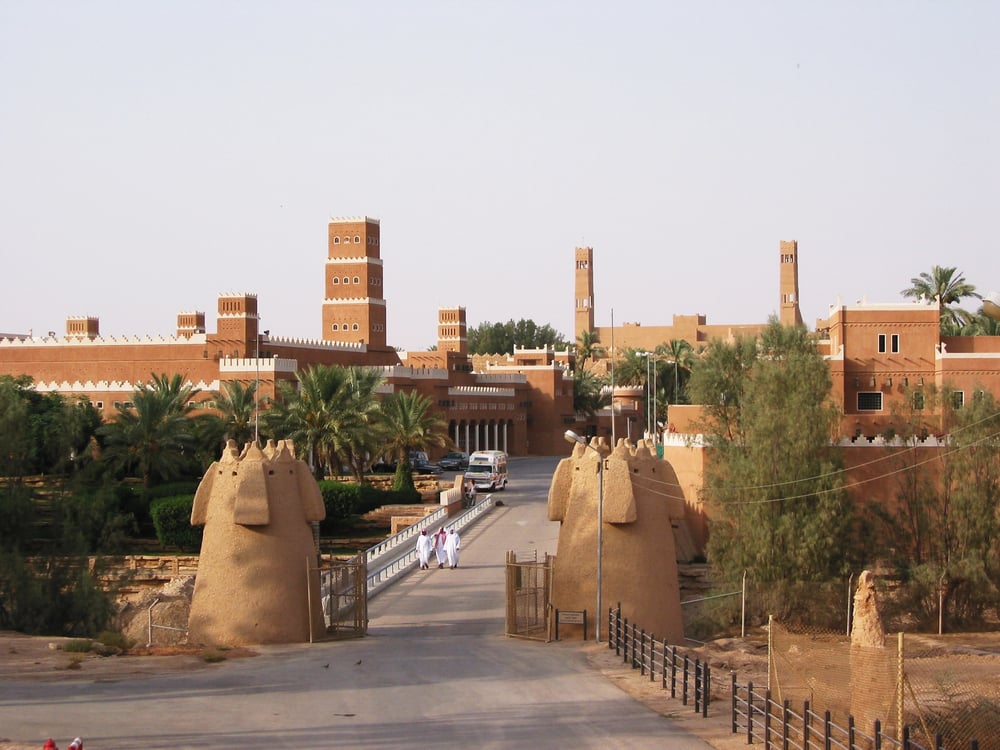
Until recently, Saudi Arabia maintained a complete ban on tourist visas, though this has changed somewhat—the country spent decades as one of the world’s most closed nations, and restrictions remain significant for many travelers. For most of its modern history, entry was limited to religious pilgrims visiting Mecca and Medina, business travelers with official sponsorship, and workers with employment contracts.
The kingdom’s restrictions stemmed from conservative religious interpretations and concerns about maintaining cultural purity. And while recent reforms have opened limited tourist access, the decades of isolation created one of the most inaccessible major economies in the world—a place where casual travel was simply not an option for the better part of a century.
Bhutan
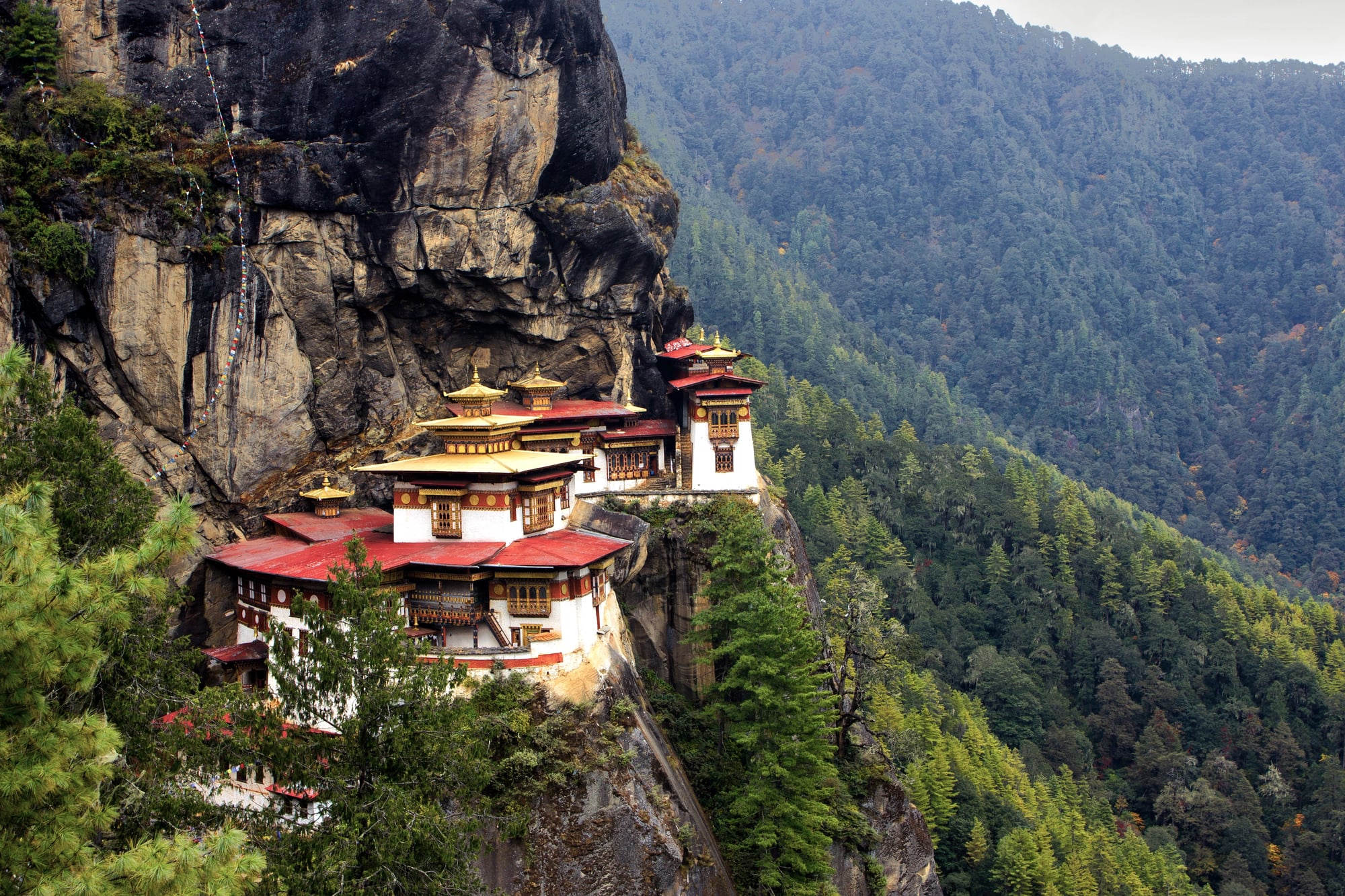
Bhutan doesn’t technically ban tourism, but it makes visiting so expensive and regulated that it might as well. The kingdom requires all tourists to pay a daily sustainable development fee of over $200 per day, book through licensed tour operators, and follow predetermined itineraries.
This “high value, low impact” policy stems from Bhutan’s philosophy of Gross National Happiness over economic growth. The government deliberately limits visitor numbers to preserve the environment and traditional Buddhist culture.
Independent backpacking or budget travel is impossible under this system.
Somalia
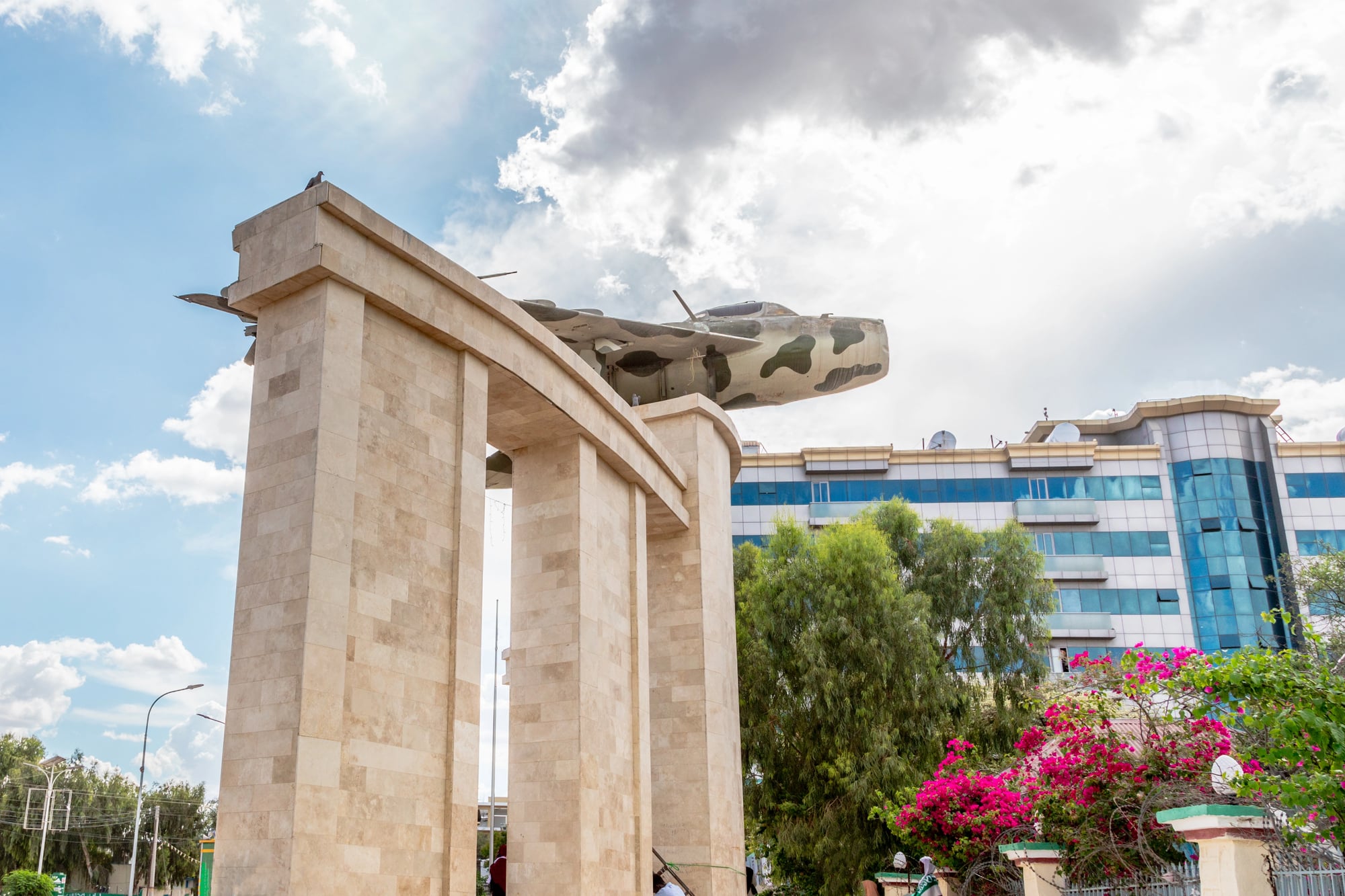
Somalia has been effectively closed to tourism for over three decades due to ongoing conflict and the absence of a functioning central government. The country lacks the basic infrastructure and security necessary to protect visitors, making tourism not just inadvisable but genuinely dangerous.
Various regions are controlled by different factions, including al-Shabaab militants who have specifically targeted foreigners. No travel insurance covers Somalia, and most governments strongly advise against any travel to the country.
The few foreigners who enter are typically aid workers, journalists, or diplomats with extensive security arrangements.
Afghanistan
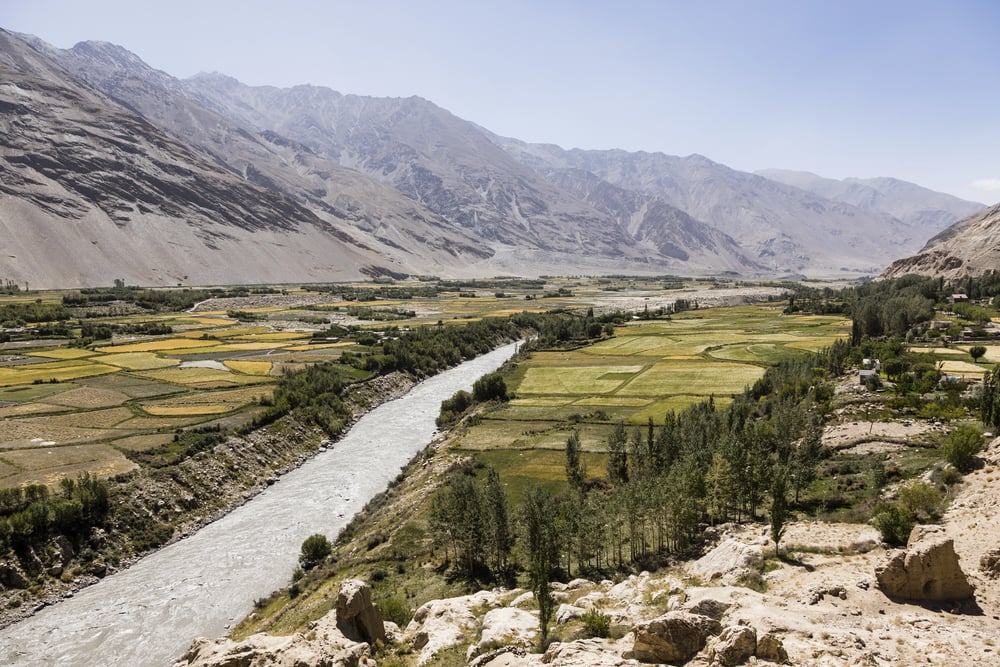
Afghanistan’s tourism industry collapsed following decades of conflict, and the Taliban’s return to power has eliminated what little international travel remained. The current government does not issue tourist visas, and the security situation makes leisure travel impossible.
Before the Soviet invasion in 1979, Afghanistan was actually part of the overland “hippie trail” connecting Europe to Asia. Kabul had hotels and restaurants catering to backpackers.
That era ended permanently, and today the country receives only humanitarian workers, diplomats, and journalists operating under extreme security protocols.
Central African Republic
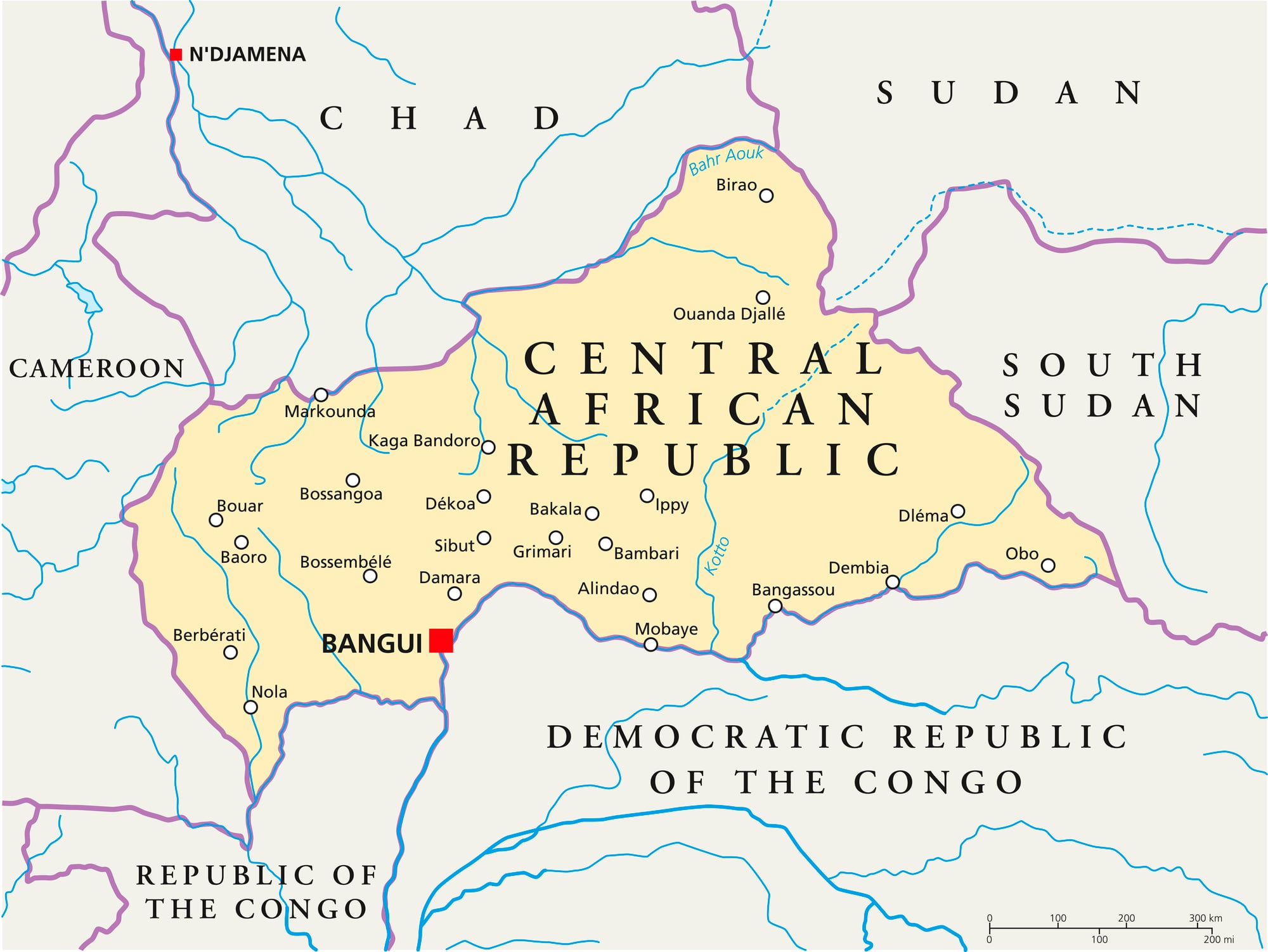
The Central African Republic has been plagued by civil war and instability that makes tourism effectively impossible. Armed groups control large portions of the country, and the government cannot guarantee visitor safety outside the capital.
French and UN peacekeeping forces maintain a presence, but violence remains common. The few foreigners in the country are aid workers, peacekeepers, or mining company employees operating under armed escort.
Tourism infrastructure has collapsed, and obtaining visas for leisure travel is nearly impossible.
Yemen
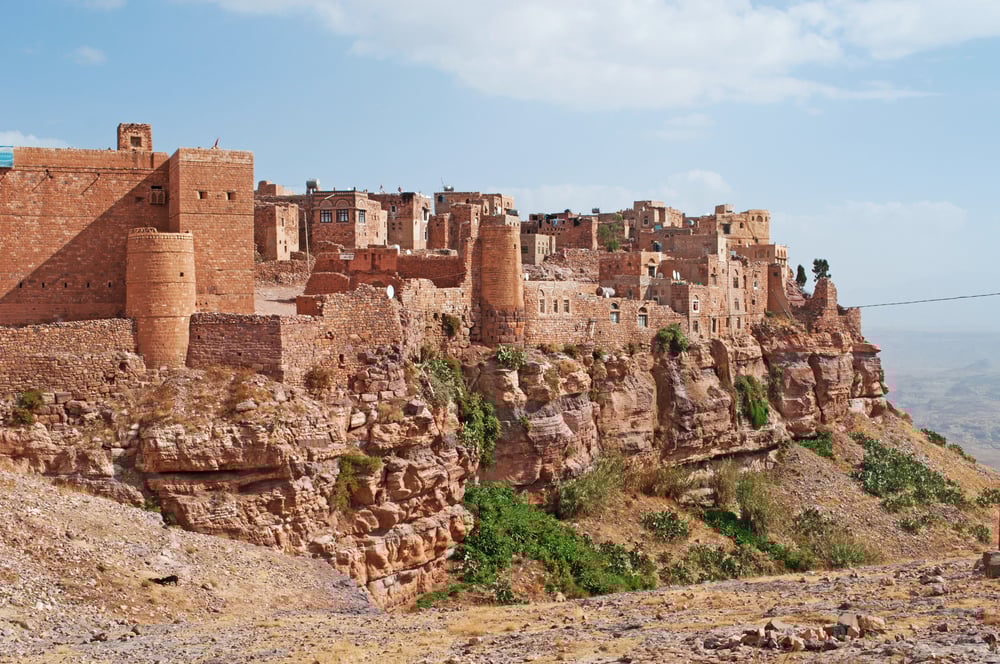
Yemen’s ongoing civil war has made it one of the world’s most dangerous countries, effectively ending all tourism. The conflict between government forces, Houthi rebels, and various other factions has created a security situation that no tourist infrastructure can navigate safely.
The country once attracted visitors to sites like Socotra Island and the old city of Sana’a, but these destinations are now completely inaccessible to casual travelers. Humanitarian organizations struggle to operate in Yemen, making leisure tourism unthinkable.
Most embassies have evacuated their staff and strongly advise against any travel to the country.
Eritrea
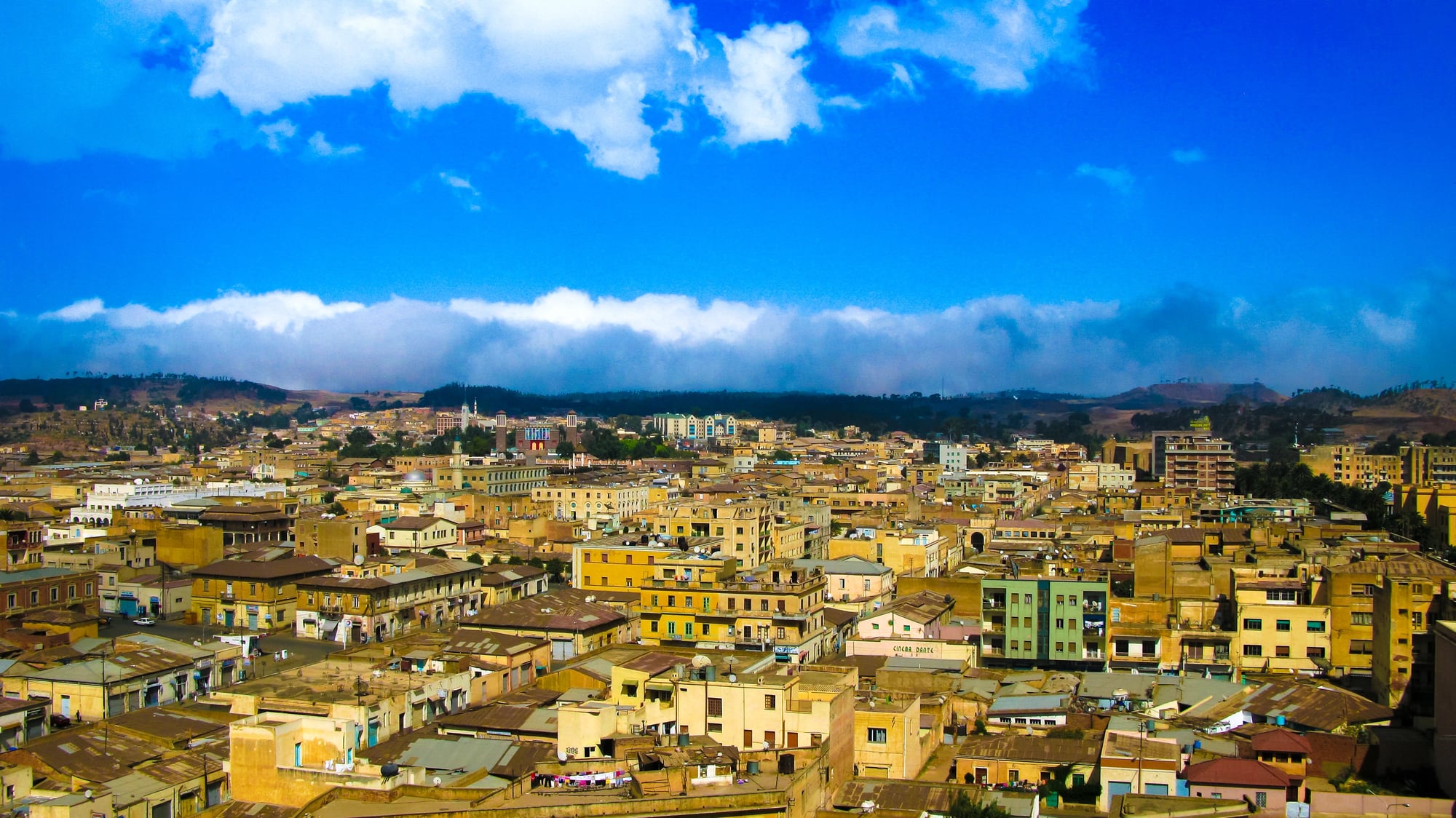
Eritrea operates as one of Africa’s most isolated states, with tourism restrictions that make visits extremely difficult. The government requires extensive documentation, limits movement within the country, and maintains strict controls on foreign visitors.
Getting a tourist visa can take months of bureaucratic procedures, and approved visitors must follow predetermined itineraries with official guides. The government’s paranoia about espionage means that photography is restricted and interaction with locals is monitored.
Independent travel is impossible, and the few tourists who do visit describe a heavily controlled experience that bears little resemblance to normal tourism.
South Sudan
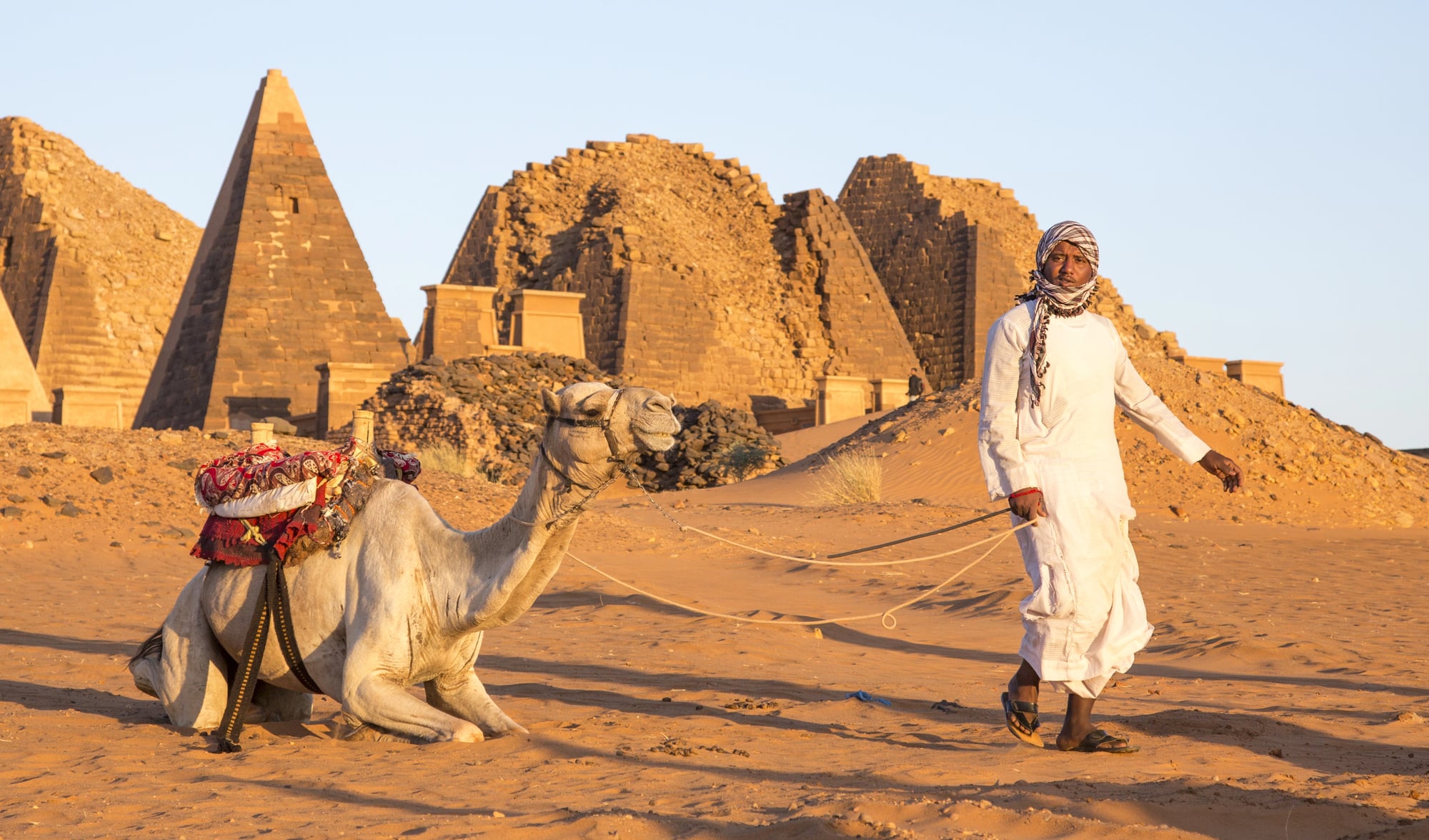
South Sudan, the world’s newest country, remains effectively closed to tourism due to ongoing internal conflicts and lack of infrastructure. The government issues very few tourist visas, and the security situation makes leisure travel extremely dangerous.
Most of the country lacks basic services like reliable electricity, clean water, or medical facilities that tourists would require. Armed conflicts between various ethnic groups continue in many regions, and kidnapping of foreigners is a genuine risk.
The few international visitors are typically aid workers or oil industry employees operating under strict security protocols.
Libya
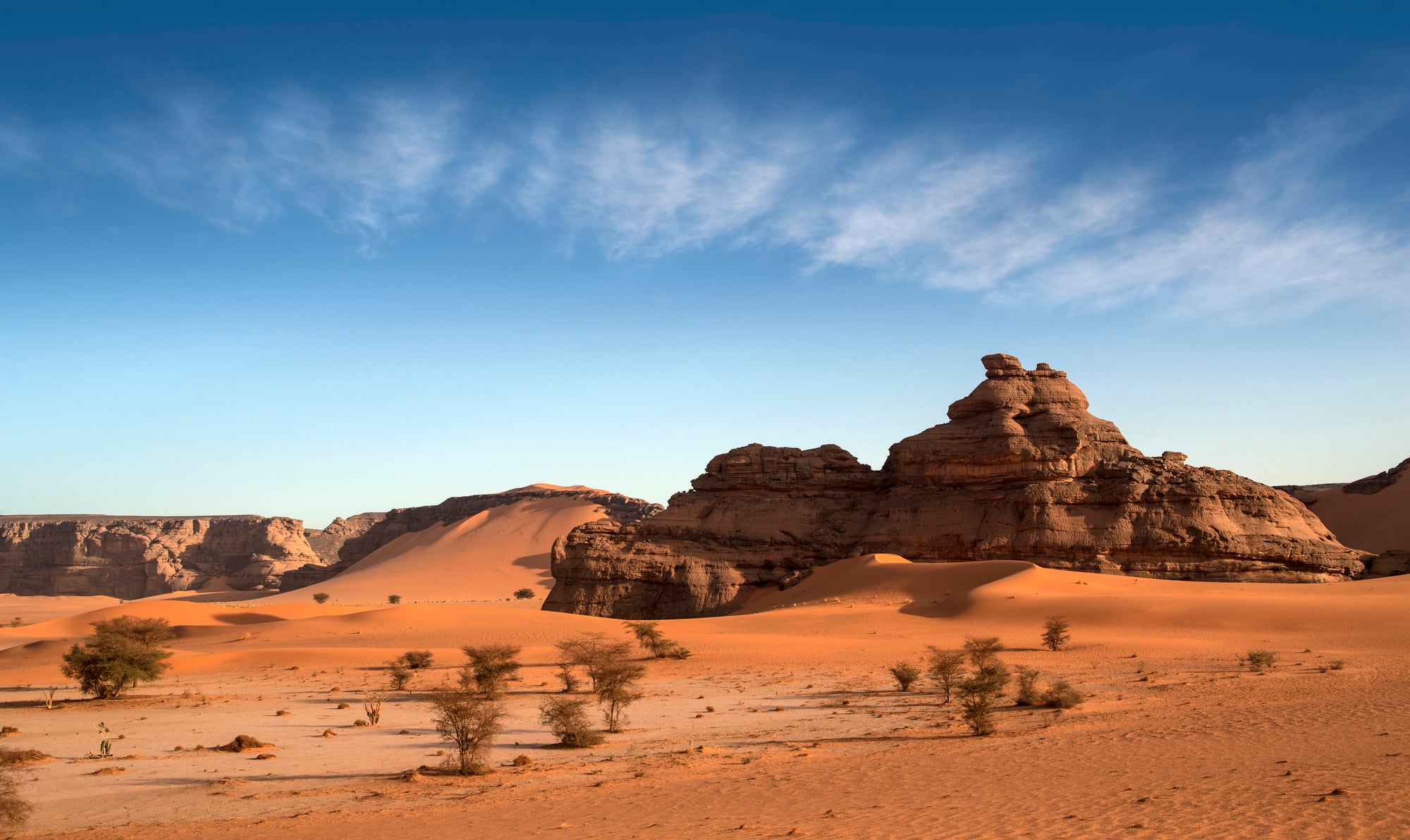
Libya’s collapse following the 2011 revolution has made it completely inaccessible to tourists. Multiple governments claim authority over different regions, and armed militias control much of the territory.
No functioning tourist infrastructure exists, and obtaining visas for leisure travel is impossible. The country once had a small but notable tourism industry focused on Roman ruins and Sahara Desert excursions.
Today, these sites are either damaged by conflict or located in areas too dangerous for civilians to visit. Even diplomats and aid workers operate under extreme security restrictions when they enter the country at all.
Syria
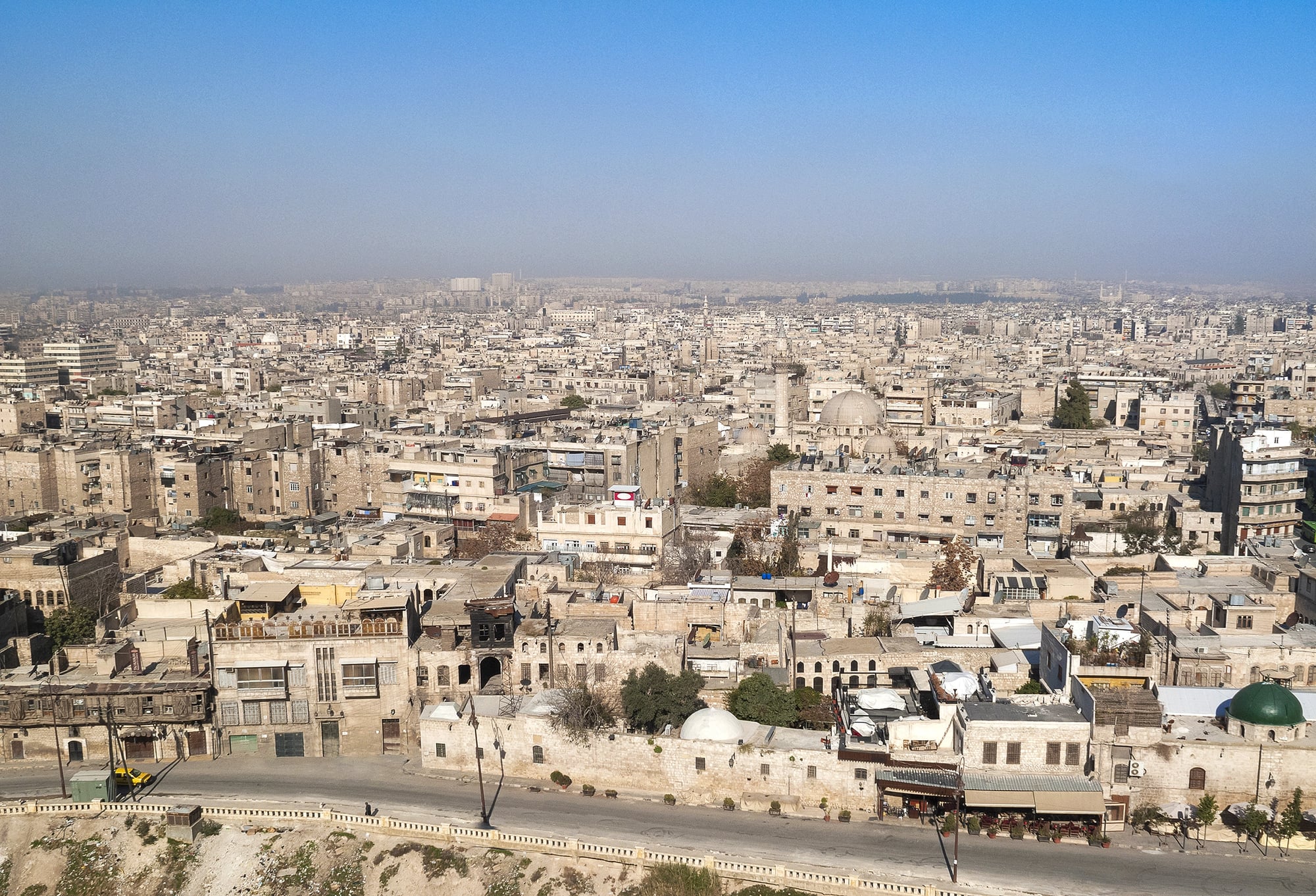
Syria’s civil war has devastated what was once a significant tourist destination, making the country completely inaccessible to leisure travelers. The conflict has destroyed much of the tourism infrastructure and made travel impossibly dangerous for civilians.
Before 2011, Syria attracted visitors to Damascus, Aleppo, and ancient sites like Palmyra. Many of these locations have been damaged or destroyed in the fighting.
The government issues virtually no tourist visas, and even if they did, the security situation would make visiting these sites extremely risky. Only journalists and aid workers enter Syria today, and they do so under heavily controlled circumstances.
Iran
Iran doesn’t completely ban tourism, but American citizens face severe restrictions that effectively bar casual travel. The relationship between Iran and the United States creates a situation where American tourists must navigate complex political tensions that make normal tourism impossible.
Americans who do visit Iran must often join specialized tour groups and face extensive scrutiny from both governments. The political climate means that tourism exists in a state of constant uncertainty, where policies can change rapidly based on diplomatic relations.
While some Americans do visit Iran, the process is so complicated and politically fraught that it bears little resemblance to normal international travel.
Myanmar
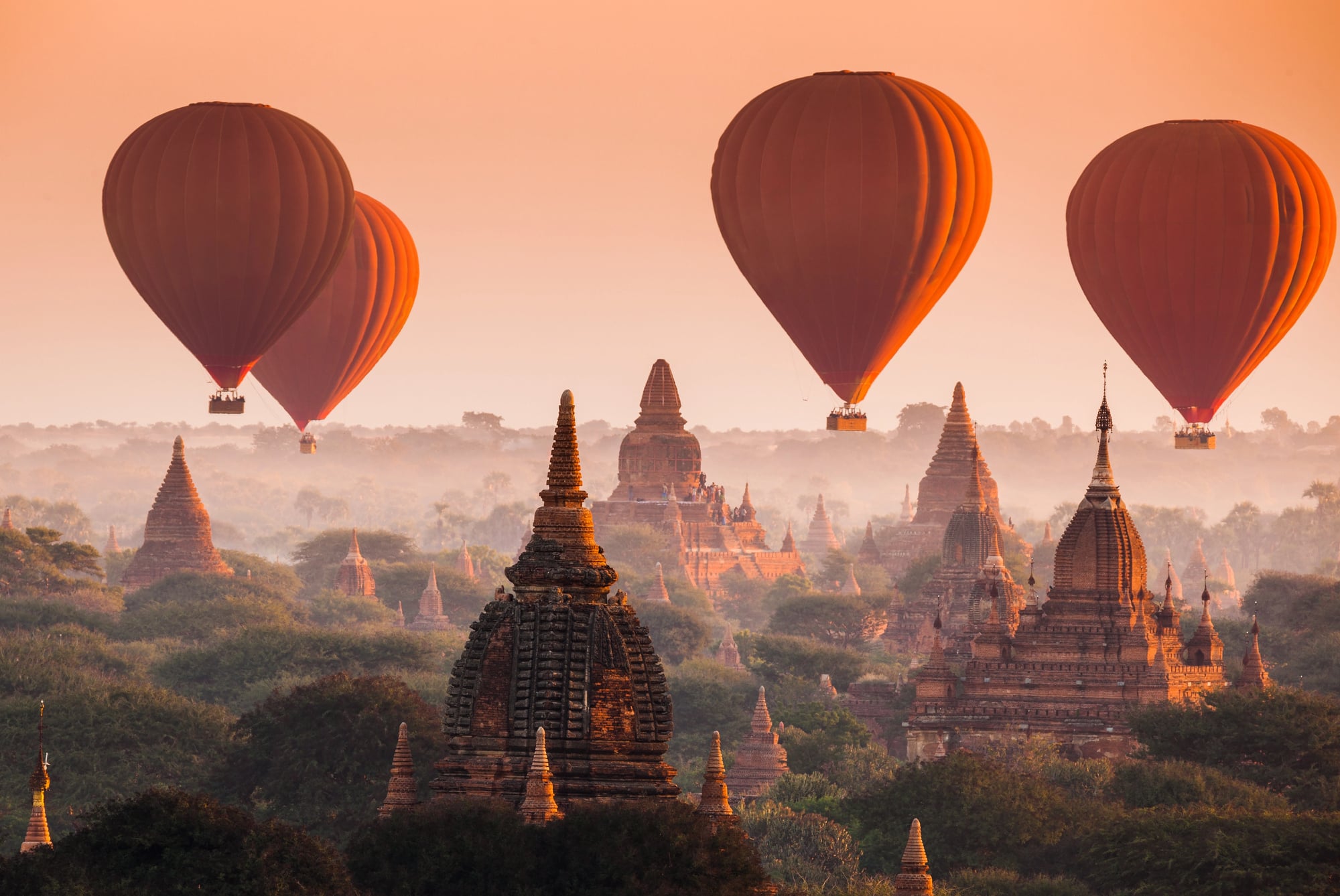
Myanmar’s military coup in 2021 effectively ended its tourism industry and made the country inaccessible to most international visitors. While not technically banned, tourism has become practically impossible due to ongoing civil unrest and the collapse of normal governmental services.
The country had been opening up to tourism in previous years, with visitors exploring temples in Bagan and floating markets on Inle Lake. The military takeover ended this period of accessibility.
Airlines canceled flights, hotels closed, and the security situation deteriorated to the point where tourism became unfeasible. The few foreigners in Myanmar today are mostly aid workers or diplomats operating under restricted conditions.
Belarus
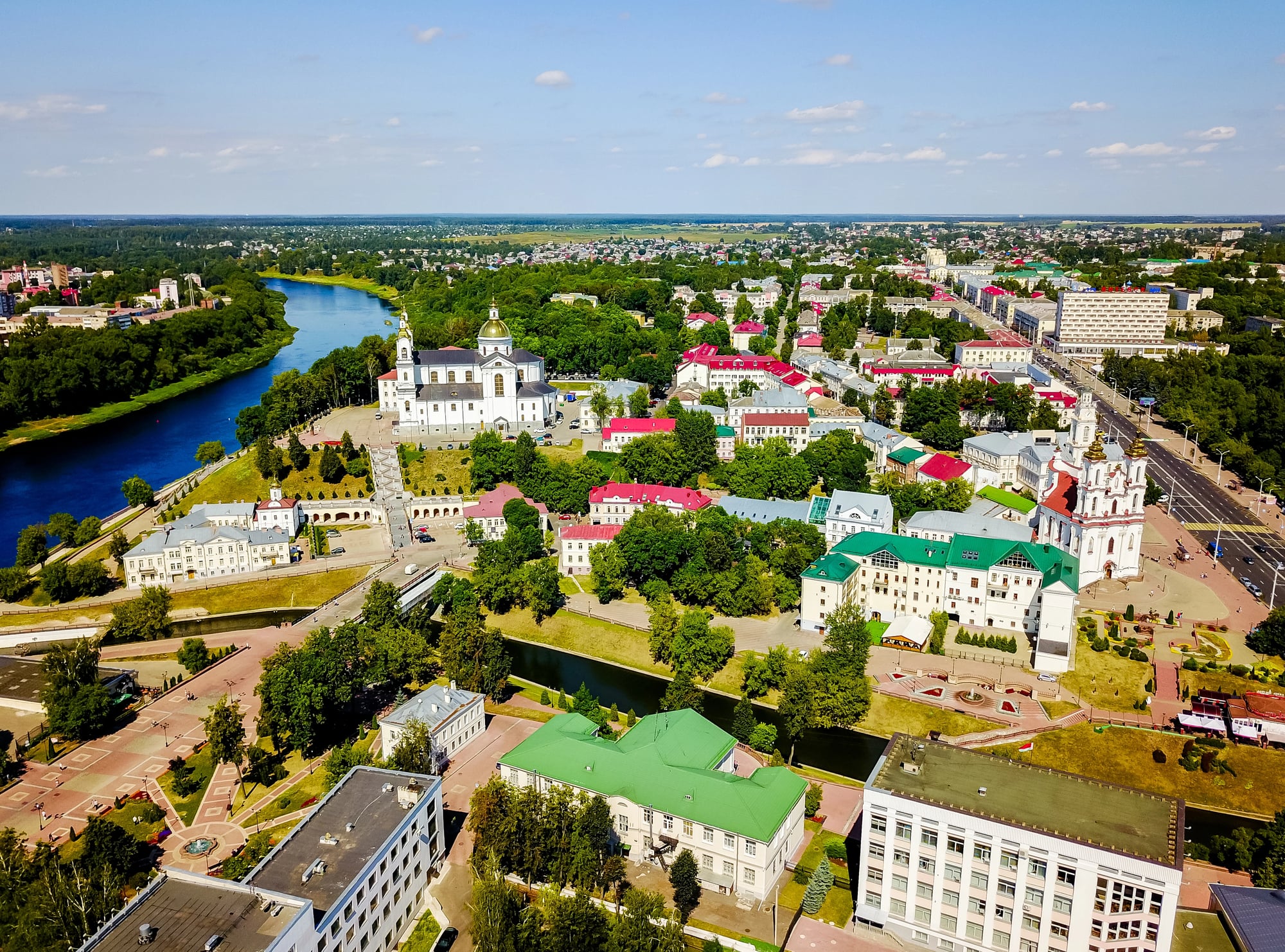
Belarus has created a tourism environment so restrictive and politically charged that it functions as a de facto ban for many visitors, particularly from Western countries. The government’s authoritarian policies and international sanctions have made normal tourism extremely difficult.
Following the disputed 2020 elections and subsequent crackdown on protests, Belarus became increasingly isolated. While tourist visas are theoretically available, the political climate creates an atmosphere where casual tourism feels both inappropriate and potentially dangerous.
Most Western airlines have stopped flying to Minsk, and the few tourists who do visit face extensive surveillance and restrictions on their activities.
Western Sahara

Western Sahara exists in a political limbo that makes tourism nearly impossible. Morocco controls most of the territory but faces ongoing disputes with the Polisario Front, creating a situation where normal tourist infrastructure cannot function safely.
The territory lacks international recognition as either an independent state or a legitimate part of Morocco, which creates legal complications for visitors. Most of Western Sahara is desert with minimal infrastructure, and the political tensions mean that casual tourism is both impractical and potentially dangerous.
The few visitors are typically researchers, journalists, or aid workers with specific purposes and security arrangements.
The Geography of Isolation
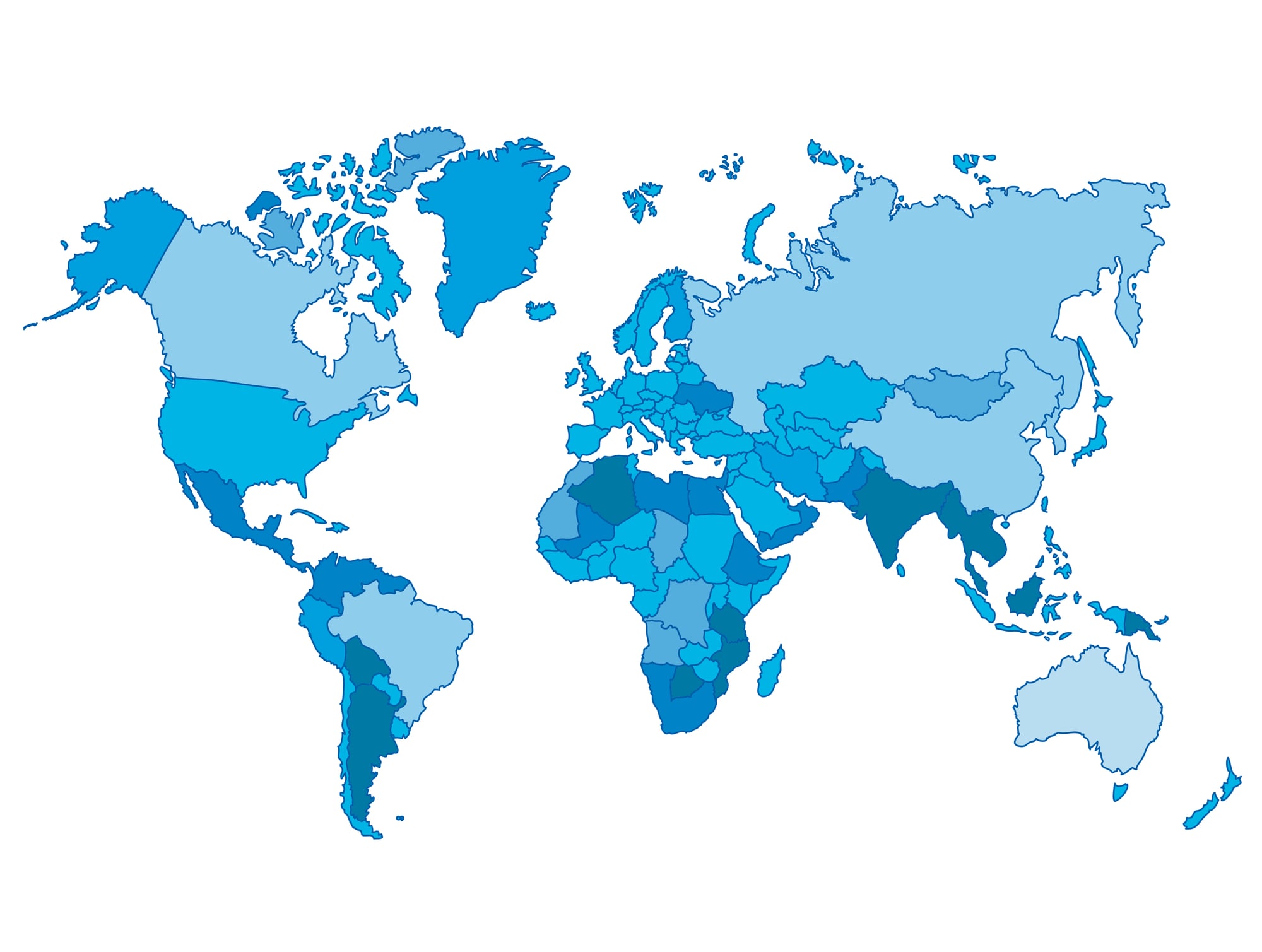
These restricted territories represent more than just tourist curiosities—they’re windows into how nations respond to internal pressures, external threats, and the competing demands of security versus openness. Some maintain isolation to preserve cultural identity, others due to ongoing conflicts that make visitor safety impossible.
The common thread running through these closed borders isn’t hostility toward outsiders, but rather circumstances that make normal tourism incompatible with political realities, security concerns, or social priorities that take precedence over international visitors.
More from Go2Tutors!

- The Romanov Crown Jewels and Their Tragic Fate
- 13 Historical Mysteries That Science Still Can’t Solve
- Famous Hoaxes That Fooled the World for Years
- 15 Child Stars with Tragic Adult Lives
- 16 Famous Jewelry Pieces in History
Like Go2Tutors’s content? Follow us on MSN.