18 Vaults of Gold That Remain Untouched Today
Gold has always captivated the human imagination, driving explorers to the ends of the earth and inspiring legends that persist for centuries. Throughout history, countless treasures have been hidden away in secret vaults, lost to war, natural disasters, or simply the passage of time.
Some were deliberately concealed by their owners, while others vanished during moments of chaos and conflict. Today, these lost fortunes continue to fuel the dreams of treasure hunters and historians alike.
From ancient temple chambers protected by supernatural beliefs to wartime hoards buried in desperate haste, these vaults represent billions of dollars in untouched wealth. Here is a list of 18 vaults of gold that remain hidden from the world today.
Padmanabhaswamy Temple’s Vault B

Deep beneath India’s richest temple lies a chamber that has remained sealed for centuries. Padmanabhaswamy Temple in Kerala houses several underground vaults, with five already opened to reveal treasures worth an estimated $18 to $22 billion.
However, Vault B remains untouched due to ancient legends warning of catastrophic consequences for anyone who dares to open it. According to local beliefs, Vault B is protected by the ‘Naga Bandham,’ a serpent spell that can only be broken through specific rituals. The Supreme Court of India has respected these religious beliefs, leaving this potentially massive treasure trove forever sealed.
Local legends suggest the vault may contain even greater riches than those already discovered, making it one of the world’s most tantalizing untouched treasures.
Yamashita’s Gold

During World War II, Japanese forces under General Tomoyuki Yamashita allegedly amassed enormous wealth stolen from across Southeast Asia. The treasure, estimated to be worth between $120 billion to over $100 trillion, was supposedly hidden in caves, tunnels, and underground complexes throughout the Philippines.
Despite decades of searching, the vast majority of this wartime hoard remains undiscovered. According to witness accounts, Japanese engineers were sealed alive with the treasure in tunnel eight, ensuring they would never reveal the secret location.
While some small finds have been reported over the years, the main vaults of Yamashita’s gold continue to elude treasure hunters, making this one of the largest untouched treasure stories in modern history.
Oak Island’s Money Pit

For over 225 years, Oak Island in Nova Scotia has frustrated treasure seekers with its mysterious underground chambers. The original shaft, known as the Money Pit, has been excavated continuously since 1795, with diggers finding coins, metal fragments, and strange stone markers.
Despite modern technology and millions of dollars spent on excavation, the main treasure vault remains elusive. Rick and Marty Lagina have discovered various artifacts including a 14th-century gold brooch and evidence of a complex flood tunnel system.
The sophisticated engineering suggests that whatever lies buried was meant to stay hidden. Theories range from pirate treasure to Knights Templar gold, but the main vault continues to guard its secrets.
The Lost Amber Room

Once called the ‘Eighth Wonder of the World,’ the Amber Room was a magnificent chamber decorated with six tons of amber panels backed with gold leaf. Originally constructed in Prussia and later installed at Russia’s Catherine Palace, the room disappeared during World War II when Nazi forces dismantled and transported it to Königsberg.
Since then, all traces of this priceless artwork have vanished. The room was last confirmed to be in Königsberg Castle before Allied bombing destroyed the city in 1944.
Various theories suggest it was hidden in underground bunkers, shipped away on submarines, or buried in secret locations across Germany. Despite numerous expeditions and investigations, this golden treasure worth hundreds of millions remains completely untouched.
Napoleon’s Russian Treasure

During Napoleon’s disastrous 1812 retreat from Moscow, his Grande Armée was forced to abandon a massive treasure hoard looted from the Russian capital. For over 200 years, rumors persist that Napoleon’s forces buried 80 tonnes of gold and valuables somewhere along their retreat route.
Multiple expeditions have searched suspected locations, but the treasure has never been found. New theories suggest the treasure might be hidden in Lake Bolshaya Rutavech near Belarus, where locals reported the construction of a mysterious walkway in 1812.
The harsh winter conditions and desperate circumstances of the retreat created the perfect scenario for a hastily buried fortune that remains lost to this day.
Jesse James’ Confederate Gold

America’s most notorious outlaw may have hidden millions in stolen gold before his death in 1882. Recent treasure hunters have discovered what appears to be a concrete vault 30 feet underground, marked by carved symbols that match descriptions from historical Knights of the Golden Circle maps.
This secret society allegedly amassed Confederate gold to fund a second Civil War. Using ground-penetrating radar and following tree carvings identical to those described in historical accounts, modern searchers believe they’ve located Jesse James’ main treasure vault.
However, the massive concrete structure has proven impossible to penetrate, leaving what could be tens of millions in gold completely untouched.
The Lost Dutchman’s Gold Mine

Hidden somewhere in Arizona’s rugged Superstition Mountains lies America’s most famous lost mine. The Lost Dutchman’s Gold Mine has been the subject of treasure hunts since the 1870s, when German immigrant Jacob Waltz claimed to have found a vein of gold so rich it bordered on myth.
Waltz took the location to his grave, leaving behind only tantalizing fragments of a map. Despite modern technology and countless expeditions, the mine’s entrance remains completely hidden.
The harsh desert terrain and dangerous conditions have claimed several lives over the years, but the promise of untold riches continues to draw treasure hunters. Some estimates suggest the mine could contain millions of dollars worth of easily accessible gold.
The Flor de la Mar Treasure Ship

Resting somewhere off the coast of Sumatra lies one of history’s richest shipwrecks. The Portuguese vessel Flor de la Mar sank in November 1511 while laden with treasures including gold goblets, precious jewels, and vast amounts of gold bullion worth an estimated $2.6 billion in today’s money.
Despite numerous underwater expeditions, the ship’s exact location remains unknown. The treasure aboard the Flor de la Mar represents the accumulated wealth of Portuguese conquests across Southeast Asia.
The ship was considered one of the most valuable vessels of its time, carrying spoils from the capture of Malacca. Ocean currents and shifting seabeds have likely buried this floating vault of gold deep beneath the waves.
The Cocos Island Treasure

Marooned in the Pacific Ocean, Cocos Island has been called a treasure hunter’s paradise. Pirates, including Captain William Thompson, allegedly buried hoards worth £35 million in stolen gold and jewels from the churches of Lima in the 19th century.
Despite over 300 expeditions to the island, this massive treasure remains completely untouched. The dense jungle, biting insects, and torrential rain make searching extremely difficult.
Thompson and his crew allegedly killed all witnesses to the burial before escaping into the island’s interior. The treasure’s location died with them, leaving countless tons of gold hidden somewhere beneath the tropical canopy.
The Copper Scroll Treasure
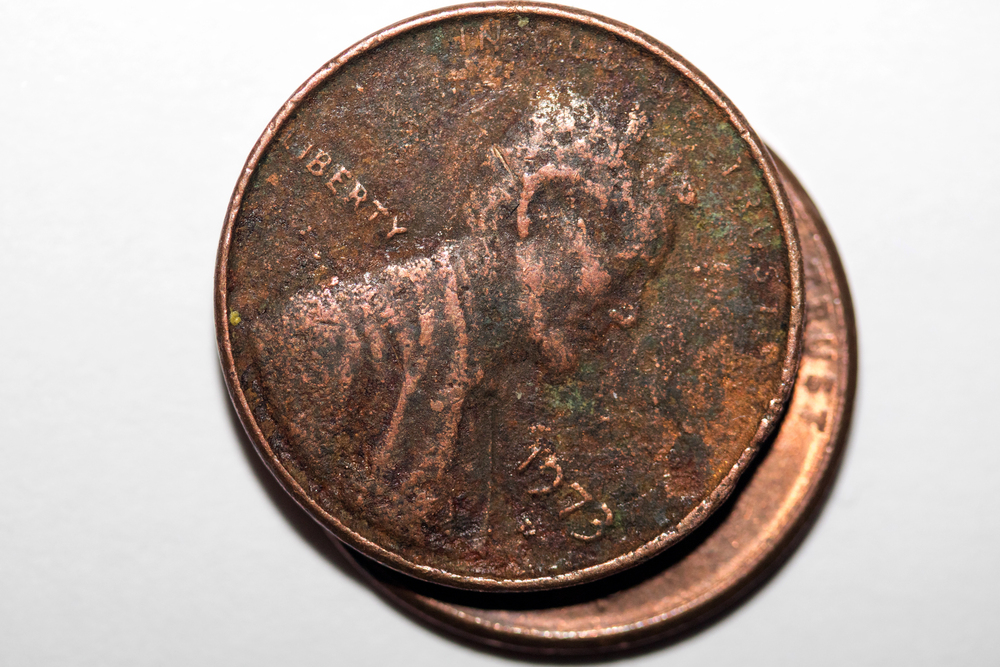
Discovered among the Dead Sea Scrolls in 1952, the Copper Scroll describes 64 locations where massive amounts of gold and silver are hidden. Written like an ancient treasure map, it lists treasures worth billions in today’s value, but despite numerous expeditions based on its directions, none of the treasures have been confirmed found.
The scroll’s cryptic descriptions continue to baffle archaeologists and treasure hunters alike. Unlike other Dead Sea Scrolls written on parchment, this one was inscribed on copper sheets, suggesting the information was considered extremely valuable.
The locations described appear to be in and around Jerusalem, but two thousand years of geographical changes have made the clues nearly impossible to follow.
The Knights Templar Treasury

When the Knights Templar were disbanded in 1307, their vast treasury simply vanished. Historical accounts suggest the warrior-monks had accumulated enormous wealth through banking operations and treasures acquired during the Crusades.
Some theories place their gold reserves in underground vaults beneath European churches and castles. The most persistent legend suggests a Templar fleet escaped from France carrying the order’s greatest treasures.
These ships allegedly sailed to Scotland or even the New World, where the treasure was buried in elaborately engineered underground chambers. Despite centuries of searching, no major Templar treasure vault has ever been definitively located.
The Awa Maru Gold

In the final days of World War II, the Japanese naval ship Awa Maru was carrying what many believe to be one of the largest single concentrations of gold ever assembled. The ship was allegedly loaded with an estimated £3 billion worth of gold and diamonds when it was torpedoed and sunk in the Taiwan Strait on April 1, 1945.
The wreck lies in deep water, making recovery extremely challenging. Official Japanese records claim the ship was carrying only humanitarian supplies, but witness accounts suggest otherwise.
The vessel’s exact cargo manifest was never recovered, and the wreck’s location in international waters has complicated salvage efforts. This underwater vault of gold remains completely untouched by treasure hunters.
The Beale Treasure

Hidden somewhere in Bedford County, Virginia, lies what could be America’s greatest treasure. According to the Beale Papers, Thomas Jefferson Beale and his party buried treasure worth millions in today’s currency sometime in the 1820s.
The location is supposedly encoded in three ciphers, but only one has ever been successfully decoded. The decoded cipher describes the contents: thousands of pounds of gold and silver, along with precious jewels.
However, the crucial cipher containing the location remains unsolved despite efforts by professional codebreakers and computer analysis. The treasure, if it exists, remains perfectly hidden by its mathematical puzzle.
The Lost Train of Gold
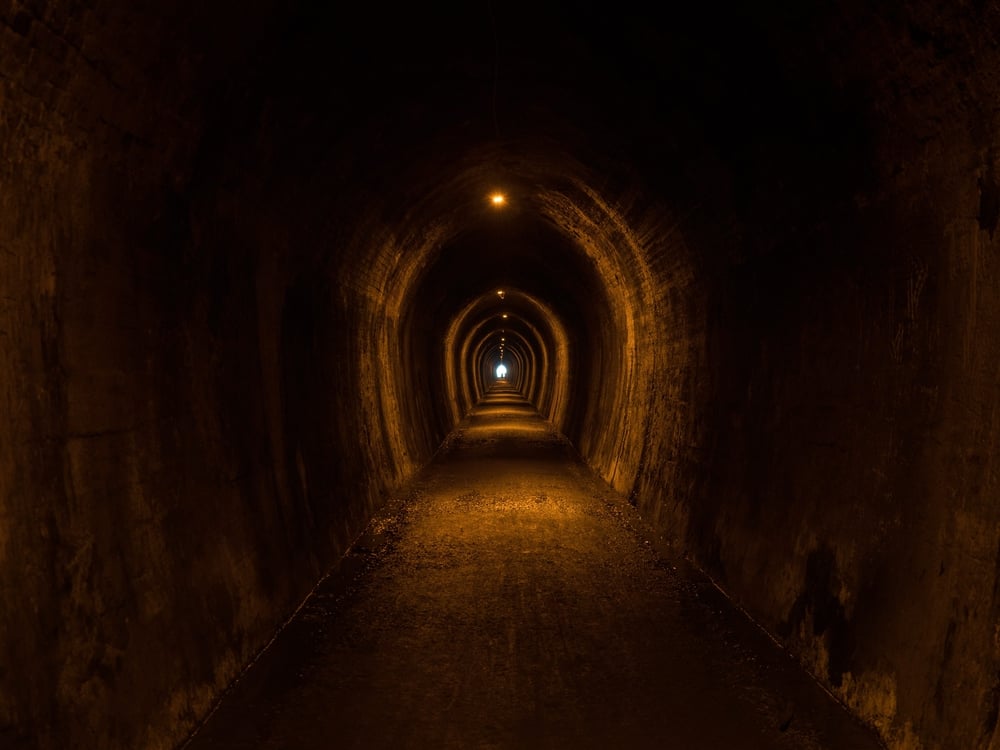
In the final days of World War II, Nazi forces allegedly loaded a train with looted gold, artwork, and precious items before hiding it in a secret location. Ground-penetrating radar has detected anomalies near Wałbrzech, Poland, where the train was supposedly hidden in a secret tunnel, but no definitive evidence has been found despite extensive searches.
This mobile vault of stolen treasure continues to elude discovery. Witnesses reported seeing a heavily guarded train enter a tunnel that was subsequently sealed with explosives.
Local legends describe SS officers overseeing the concealment of massive wealth intended to fund post-war Nazi operations. Modern technology has identified several underground anomalies, but none have yielded the legendary treasure train.
The Lima Treasure

During Peru’s fight for independence in 1820, Spanish authorities loaded approximately $60 million worth of treasure onto the British ship Mary Dear for safekeeping. The ship’s captain, William Thompson, turned pirate and buried the treasure on Cocos Island, but despite over 300 expeditions to find it, the vast hoard remains hidden.
This represents one of South America’s greatest lost fortunes. The treasure included gold and silver ingots, precious stones, and religious artifacts from Lima’s churches and wealthy families.
Thompson and his first mate were the only survivors of the Spanish pursuit, and they escaped into Cocos Island’s jungle without revealing the burial site. The treasure’s enormous value continues to attract expeditions from around the world.
The Confederate Treasury

As the Confederacy collapsed in 1865, its treasury containing millions in gold coins and bullion simply vanished. Various accounts suggest the treasure was divided and hidden in multiple locations across the South.
Some portions allegedly made its way to Georgia, where it was buried by fleeing Confederate officials. Local legends in Georgia describe wagon loads of gold being buried in remote locations by desperate Confederate soldiers.
Despite metal detector searches and historical research, no major Confederate gold cache has ever been discovered. The fractured nature of the treasure’s concealment has made it nearly impossible to locate any significant portion.
The Russian Imperial Crown Jewels
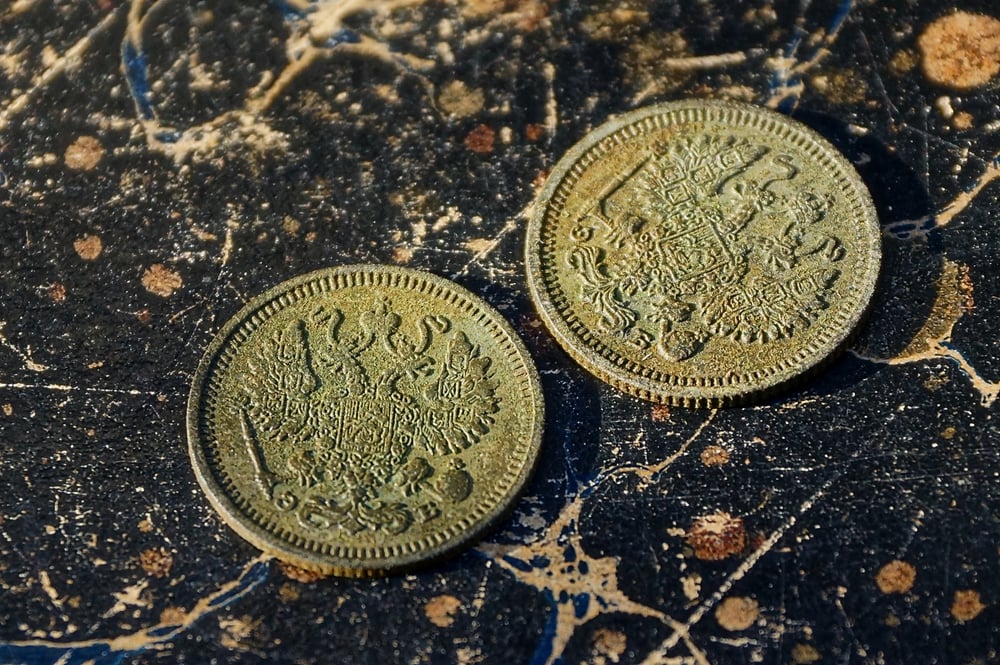
While some Russian crown jewels were sold by the Soviet government, a significant portion of the imperial treasure allegedly disappeared during the chaos of the Russian Revolution. These missing pieces include some of the world’s most valuable gems and gold artifacts, potentially worth hundreds of millions today.
Revolutionary forces reportedly scattered various treasure hoards to prevent their capture by opposing factions. Some jewels may have been hidden in secret vaults beneath Russian palaces or smuggled out of the country.
Despite decades of searching, these imperial treasures remain completely lost to history.
The Tomb of Genghis Khan

According to Mongolian tradition, Genghis Khan was buried with vast treasures including gold, silver, and precious objects collected during his conquests. The location of his tomb has been deliberately concealed for over 800 years, making it one of archaeology’s greatest mysteries.
The burial site is believed to contain not just the khan’s personal wealth, but tribute from conquered nations. Traditional accounts describe elaborate measures taken to hide the tomb, including the execution of everyone involved in its construction.
The treasure chamber supposedly contains enough gold to rival any pharaoh’s tomb. Despite modern satellite technology and extensive ground searches, this ultimate vault of medieval wealth remains perfectly hidden.
A Legacy Written in Gold

These 18 untouched vaults represent more than just monetary wealth—they’re time capsules of human ambition, desperation, and ingenuity. From ancient temple guardians protecting sacred treasures to wartime generals hiding stolen fortunes, each vault tells a story of its era.
The technological advances that make modern treasure hunting possible have paradoxically revealed just how cleverly our ancestors concealed their most precious possessions. Whether protected by religious taboos, mathematical puzzles, or simply the vast expanse of unexplored territory, these golden secrets continue to remind us that some mysteries are worth preserving.
More from Go2Tutors!

- The Romanov Crown Jewels and Their Tragic Fate
- 13 Historical Mysteries That Science Still Can’t Solve
- Famous Hoaxes That Fooled the World for Years
- 15 Child Stars with Tragic Adult Lives
- 16 Famous Jewelry Pieces in History
Like Go2Tutors’s content? Follow us on MSN.