16 Jobs Teenagers Used to Have in the ’70s That Barely Exist Anymore
The teenage job landscape of the 1970s feels like looking through a time capsule. Back then, summer employment meant more than just flipping burgers or stocking shelves at the mall.
Teenagers could slide into roles that taught real skills, earned decent pocket money, and connected them to their neighborhoods in ways that shaped entire communities. These weren’t just jobs — they were rites of passage that came with responsibility, pride, and the satisfying weight of a paycheck earned through honest work.
Those opportunities have largely vanished, swept away by technology, changing consumer habits, and shifting economics. The teenagers who once delivered milk door-to-door or operated elevators in downtown department stores couldn’t have imagined that their seemingly permanent fixtures of American life would become museum pieces within a generation.
Gas Station Attendant

Gas stations were full-service operations in the 1970s. Teenagers pumped your gas, checked your oil, cleaned your windshield, and topped off your tire pressure.
Every fill-up came with genuine customer service. Self-service pumps killed this job almost entirely.
The few full-service stations that remain hire adults, not teenagers looking for weekend work. What once employed thousands of young people across every neighborhood became obsolete in less than a decade.
Newspaper Delivery
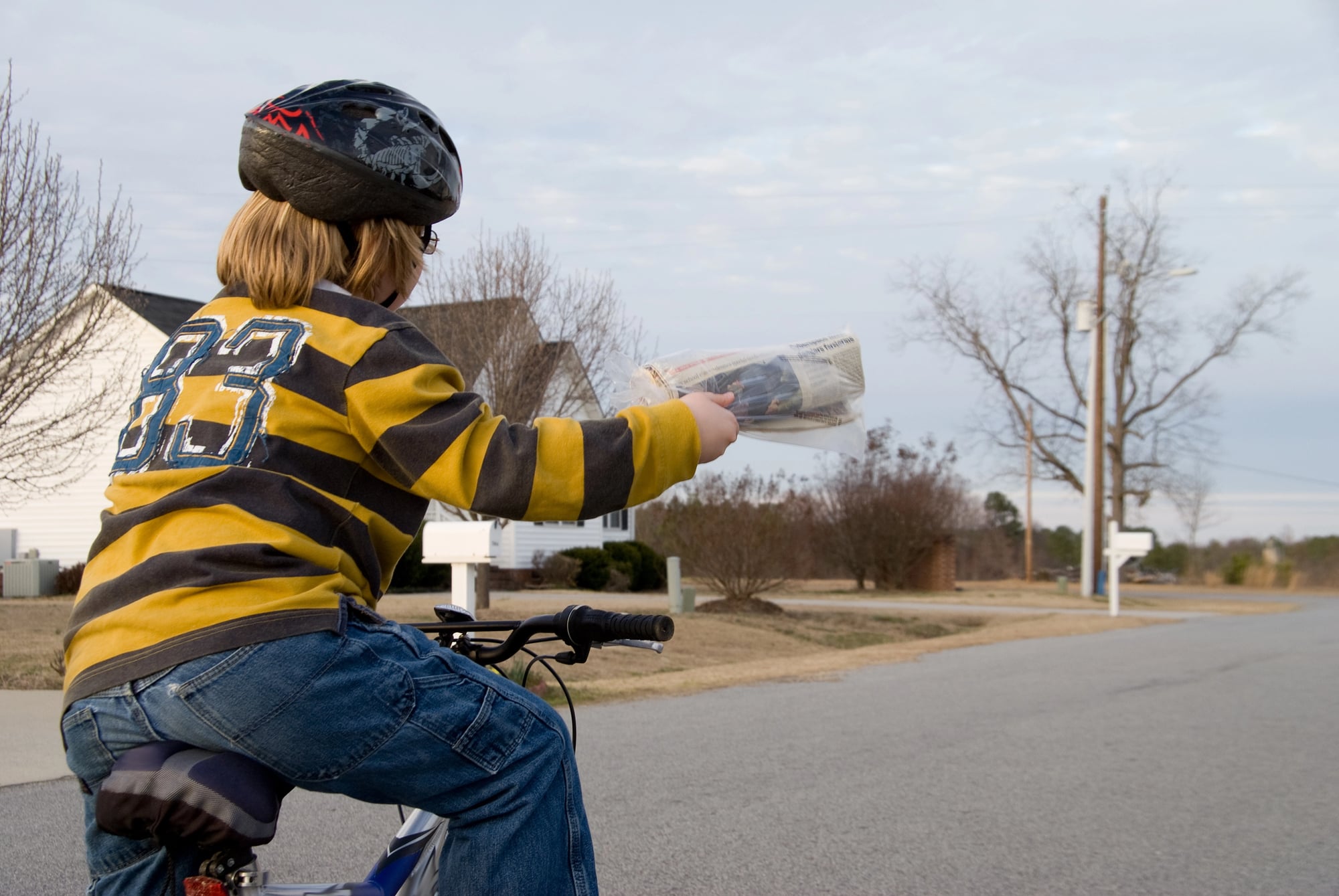
Before the internet gutted print journalism, newspaper routes were the classic teenage job. Kids (and it really was mostly kids) would wake up at 5 AM to fold papers and stuff them into canvas bags, then spend an hour biking through neighborhoods, tossing rolled-up news onto porches with practiced precision.
The route taught time management, customer service (collecting subscription fees door-to-door), and basic business skills — because most carriers were independent contractors who had to manage their own mini-enterprises, keeping track of which houses owed money and which customers complained when papers landed in the bushes instead of near the door. And the seasonal challenges (rain that soaked through plastic bags, snow that made bicycle wheels slip, dogs that learned to recognize the sound of approaching paperboys) turned what looked like simple delivery work into something that required genuine problem-solving skills.
So when papers started shrinking and folding, when subscriptions moved online and classified ads migrated to Craigslist, the infrastructure that supported teenage carriers simply evaporated. Even newspapers that still print hire adult drivers with cars rather than teenagers with bicycles.
Movie Theater Usher

Theaters in the 1970s employed teams of teenage ushers who guided patrons to seats with flashlights, maintained order during shows, and cleaned between screenings. The job required a uniform, a professional demeanor, and the ability to handle crowds politely but firmly.
Multiplexes automated most of these functions. Customers find their own seats, cleanup crews work overnight, and security cameras handle crowd control.
The personal touch that ushers provided — helping elderly patrons navigate dark aisles, settling disputes over seating, ensuring children stayed with their groups — became an unnecessary expense rather than valued service.
Bowling Alley Pin Setter

Automatic pin-setting machines existed in some places during the 1970s, but plenty of bowling alleys still relied on teenagers who worked behind the lanes, manually resetting pins after each frame and rolling orbs back to players. The job was loud, physical, and required quick reflexes to avoid getting hit by flying pins or rolling orbs— but it paid reasonably well for work that didn’t require special skills or experience.
These pin setters developed an almost athletic rhythm, ducking in and out of the pin area between throws, learning to read the body language of bowlers to anticipate when the next orb would come flying down the lane. The work built genuine camaraderie among the crew (you looked out for each other back there, because getting injured meant someone else had to cover your lanes), and many pin setters became skilled bowlers themselves, picking up technique just from watching hundreds of players every shift.
But automation eventually reached even the holdout alleys. The machines were more reliable, didn’t need breaks, and didn’t require workers’ compensation insurance.
By the early 1980s, pin setting had joined a growing list of jobs that technology simply erased.
Drive-In Movie Theater Staff

Drive-ins were everywhere in the 1970s, and they needed teenagers to direct traffic, hang speakers on car windows, work the concession stands, and patrol the lot during movies. The job came with free movies, tips from grateful families, and the particular satisfaction of working under the stars.
Most drive-ins closed as real estate values rose and multiplexes offered more convenient viewing experiences. The few that survived automated their operations — customers tune into FM radio instead of using window speakers, concessions operate like fast-food counters, and security systems replaced human patrols.
Department Store Elevator Operator

Major department stores employed elevator operators who announced floors, operated the manual controls, and provided directions to confused shoppers. These operators knew every department, every sale, and every shortcut through their building.
Teenagers often started in this role and learned customer service skills that served them throughout their careers. Automatic elevators eliminated the position entirely.
What once required human judgment and social skills — reading customer needs, managing crowded cars during busy shopping periods, providing the kind of personal attention that made department stores feel welcoming — became a matter of pushing buttons.
Library Page

Libraries hired teenagers as pages to shelve returned books, organize collections, and help with basic patron services. The job taught organizational skills, introduced young workers to professional environments, and often sparked lifelong interests in literature or research.
Budget cuts reduced library staffing across the country, and the remaining work increasingly requires professional credentials. Self-checkout systems handle basic transactions, and libraries expect their staff to provide specialized services that require advanced training rather than entry-level support.
Milk Delivery Assistant

Home milk delivery was still common in the 1970s, and many dairy companies hired teenagers to help drivers load trucks, carry bottles to porches, and collect empty containers. The work started early, built physical strength, and taught the importance of reliability — customers depended on their daily delivery.
Routes became familiar territory; delivery assistants learned the rhythms of entire neighborhoods, noting which houses had new babies (extra milk needed), which customers went on vacation (hold delivery), and which dogs were friendly versus which ones required careful navigation around backyard gates. The job created genuine connections between young workers and community members, since regular delivery meant brief but consistent interactions with customers who came to recognize and trust their familiar faces.
Grocery stores and improved refrigeration made home delivery unnecessary for most families. The convenience of buying milk during regular shopping trips outweighed the personal service and freshness that home delivery provided.
Shoe Shine Stand Attendant

Downtown business districts supported shoe shine stands where teenagers earned money keeping businessmen’s leather shoes polished and presentable. The work required skill, attention to detail, and the ability to build relationships with regular customers who appreciated quality service.
Casual dress codes in most workplaces reduced demand for daily shoe shines. Business districts themselves changed character as companies moved to suburban office parks where employees drove rather than walked, and leather shoes became weekend wear rather than daily necessities.
Ice Cream Truck Helper

Ice cream trucks employed teenagers to help serve customers, make change, and keep inventory organized during busy neighborhood routes. The job meant spending summer days moving through residential areas, learning to read crowd dynamics, and mastering the art of quick, accurate customer service under pressure.
Rising insurance costs and safety regulations made hiring teenagers prohibitively expensive for most ice cream truck operators. Many trucks switched to single-person operations, while others were replaced by permanent ice cream stands in parks and recreational areas.
Record Store Clerk

Record stores were cultural hubs in the 1970s, and many hired teenagers who possessed deep knowledge of music to help customers find albums, organize inventory, and work cash registers. These clerks often influenced local music tastes by recommending new releases and sharing their expertise with curious customers.
The job attracted young people who genuinely cared about music — not just as background noise, but as something worth studying, discussing, and sharing with others who appreciated the difference between good production and great songwriting. Working in a record store meant staying current with new releases, learning to talk knowledgeably about artists across multiple genres, and developing the diplomatic skills needed to guide customers toward music they’d actually enjoy rather than just pushing whatever was popular that week.
Digital downloads and streaming services eliminated most independent record stores. The few that survived focus on vinyl collecting, a niche market that requires specialized knowledge rather than the broad musical curiosity that made teenage clerks valuable.
Amusement Park Ride Operator

Amusement parks hired plenty of teenagers to operate rides, check safety equipment, and manage lines of excited customers. The work required attention to detail, clear communication skills, and the ability to stay alert during repetitive tasks that could become dangerous if handled carelessly.
Insurance requirements and safety regulations now demand extensive training and certification for ride operators. Parks prefer hiring adults who can commit to longer employment periods and meet stricter background check requirements than most teenagers can satisfy.
Telegram Delivery Person

Western Union and other telegraph companies employed teenagers to deliver urgent messages on bicycles or on foot throughout cities and towns. The job required knowledge of local geography, reliability under pressure, and discretion when handling sensitive communications.
Improved telephone service and eventually electronic communication made telegrams obsolete for most purposes. The few remaining telegram services operate through digital networks rather than human messengers, ending a communication method that had existed for over a century.
Car Wash Attendant

Car washes were largely manual operations in the 1970s, employing teams of teenagers to wash, dry, and detail vehicles by hand. The work was physical, required attention to detail, and taught the satisfaction of transforming something dirty into something clean through honest effort.
Automated car washes replaced human labor for basic cleaning services. The detail work that remains requires specialized training and tends to pay wages that attract career professionals rather than teenagers seeking temporary employment.
Five And Dime Store Clerk

Variety stores like Woolworth’s were fixtures in every downtown and shopping center, employing teenagers to stock shelves, work registers, and help customers navigate stores that carried everything from household goods to lunch counter meals. These stores taught young workers to handle diverse responsibilities and interact with customers from all backgrounds.
The variety of merchandise meant clerks developed broad knowledge about different products — understanding which thread worked best for which fabric, knowing how to explain the differences between various hardware items, learning to recommend appropriate toys for children of different ages. And since these stores served as community gathering places where people came not just to shop but to socialize and catch up on local news, working there meant becoming part of the social fabric of the neighborhood in ways that felt more significant than just earning a paycheck.
Chain stores and big-box retailers offered wider selection and lower prices than small variety stores could match. Most five-and-dimes closed during the 1980s, taking with them the personal, community-centered retail experience they had provided.
Garden Center Helper

Nurseries and garden centers hired teenagers for seasonal work helping customers load plants, maintaining greenhouse environments, and learning basic horticulture while earning money during growing seasons. The job combined physical work with genuine learning about plants, soil, and outdoor maintenance.
Large home improvement stores absorbed much of the garden center business, and their operations require either specialized knowledge that takes years to develop or minimal-wage positions with high turnover that offer little advancement opportunity for young workers.
When Work Meant Something Different

These jobs disappeared for understandable reasons — technology improved efficiency, economic pressures demanded cost-cutting, and safety regulations evolved to protect workers. But something valuable was lost alongside the inefficiencies that progress eliminated.
Teenagers today face a job market that offers fewer entry points into genuine responsibility and community connection. The work that remains available to young people often lacks the apprenticeship quality that characterized these vanished positions, where patience from adult supervisors and regular interaction with appreciative customers taught lessons about reliability, craftsmanship, and service that textbooks never could.
More from Go2Tutors!

- The Romanov Crown Jewels and Their Tragic Fate
- 13 Historical Mysteries That Science Still Can’t Solve
- Famous Hoaxes That Fooled the World for Years
- 15 Child Stars with Tragic Adult Lives
- 16 Famous Jewelry Pieces in History
Like Go2Tutors’s content? Follow us on MSN.