28 Secrets Declassified by Governments Decades After the Fact
Governments keep secrets. That’s not a conspiracy theory — it’s a structural reality.
Some information genuinely needs to be withheld for national security, for diplomatic relationships, or because the truth is complicated enough that releasing it mid-crisis would cause more harm than good. The uncomfortable part isn’t the secrecy itself.
It’s what gets revealed decades later, when the people responsible are retired or dead, and accountability has mostly expired along with the classified stamps. What follows are 28 of the most significant secrets that governments — primarily the United States, but not exclusively — eventually declassified.
Some are shocking. Some confirm what people suspected all along.
A few are strange enough that you’d dismiss them as fiction if the documents weren’t sitting in public archives.
Operation Paperclip

After World War II ended, the U.S. government quietly recruited over 1,600 Nazi scientists, engineers, and technicians — many with documented war crimes in their backgrounds — and brought them to America to work on aerospace, military, and intelligence programs. Wernher von Braun, the architect of the Saturn V rocket that carried Americans to the moon, was among them.
The operation was classified for decades, and the records that did surface revealed that government officials actively scrubbed or altered the scientists’ Nazi affiliations to make them eligible for immigration. The agency that eventually put a man on the moon was partly built on a foundation the government spent years pretending didn’t exist.
MKUltra
The CIA spent roughly two decades — from the early 1950s through the late 1960s — running a covert program that tested mind control techniques on unwitting human subjects, including mental patients, prisoners, and ordinary civilians who had no idea they were part of an experiment. LSD, hypnosis, electroconvulsive therapy, and psychological torture were all on the menu.
The program only came to light in 1977 after a Freedom of Information Act request turned up documents the CIA had failed to destroy — most of the records had already been shredded in 1973 on the orders of then-director Richard Helms. What survived was enough to confirm that the program had been real, widespread, and deeply illegal.
The Tuskegee Syphilis Study
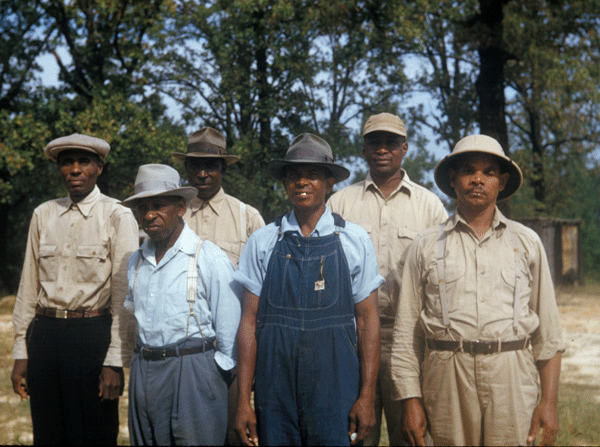
For 40 years, the U.S. Public Health Service tracked 399 Black men in Alabama who had syphilis — without telling them they had the disease, without treating them even after penicillin became the established standard of care in the 1940s, and in some cases actively preventing them from receiving treatment elsewhere. The study ran from 1932 to 1972.
When journalist Jean Heller broke the story for the Associated Press, the government couldn’t deny it — the records existed, the participants were still alive, and the deception was unambiguous. President Clinton issued a formal apology in 1997, by which point most of the men had been dead for years.
Operation Mockingbird

The CIA, during the Cold War, cultivated relationships with American journalists, editors, and media executives to plant favorable stories, suppress unfavorable ones, and shape public opinion both domestically and abroad. The Church Committee hearings in 1975 pulled back enough of the curtain to confirm the program’s existence, and subsequent declassified documents filled in further details — at its peak, the operation involved assets at dozens of major news organizations.
It’s a story that tends to make people uncomfortable not because it happened long ago, but because it raises questions that don’t have clean answers about how much of it actually stopped.
The Gulf of Tonkin Incident
In August 1964, President Lyndon Johnson used reports of North Vietnamese attacks on U.S. naval vessels in the Gulf of Tonkin as justification for dramatically escalating American military involvement in Vietnam. Declassified NSA documents released in 2005 confirmed what many historians had long suspected: the second attack — the one that actually triggered congressional authorization — almost certainly never happened.
The NSA’s own internal historian concluded that signals intelligence had been manipulated to support a predetermined conclusion. More than 58,000 Americans died in the war that followed.
Project SHAMROCK
Starting in 1945 and running for nearly three decades, the NSA — in cooperation with major American telegraph companies including Western Union — intercepted and read virtually every international telegram sent to or from the United States. The program was so broad, and so plainly illegal, that when NSA director Lew Allen finally disclosed it to Congress in 1975, he called it “the largest governmental interception program affecting Americans ever undertaken.”
The companies cooperated voluntarily and were never prosecuted. The program ended only because the Church Committee was already looking directly at it.
Britain’s Torture Program in Kenya
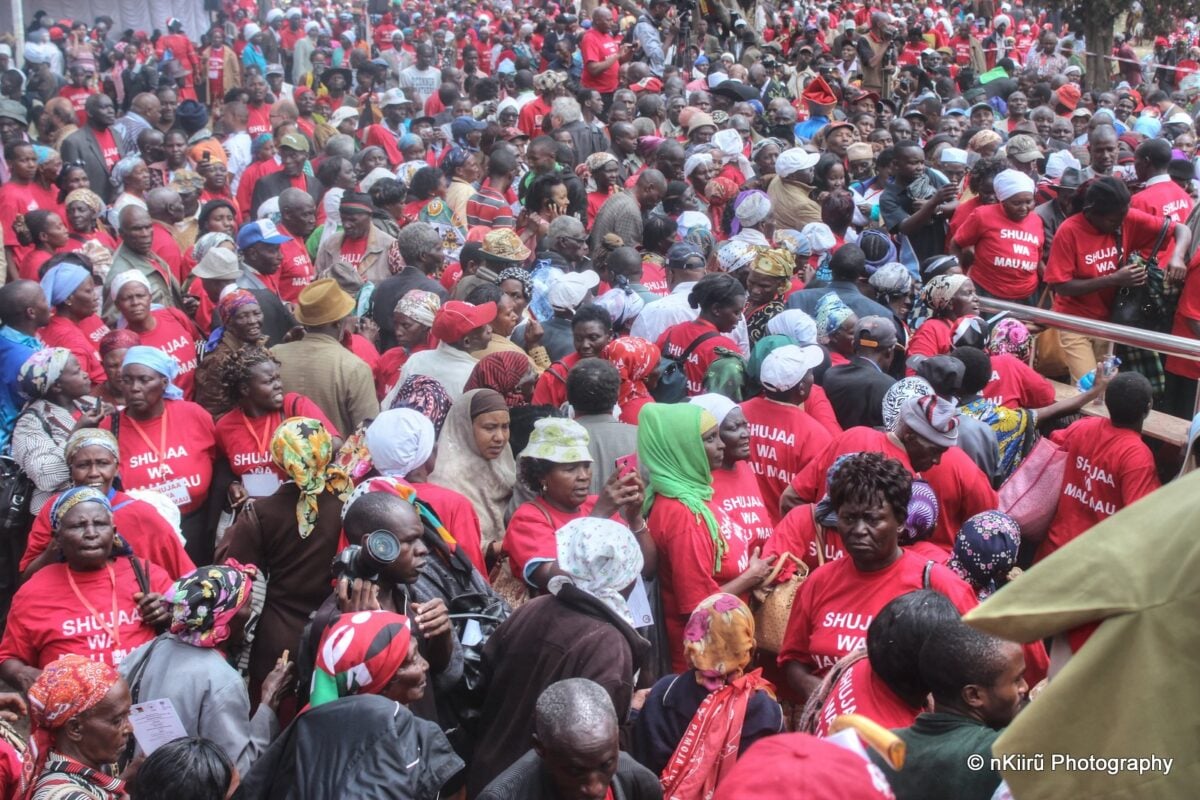
During the Mau Mau uprising in Kenya in the 1950s, British colonial forces systematically tortured and killed tens of thousands of Kenyans suspected of involvement in the independence movement. The British government spent decades denying the extent of the abuse, and large volumes of records were quietly destroyed or removed before Kenyan independence.
In 2011, a cache of classified documents — spirited to a government archive in Britain rather than handed over as required — was discovered, and in 2013 the British government agreed to pay £19.9 million in compensation to more than 5,000 surviving victims. The apology was careful. The denials that had preceded it, for fifty years, had been less so.
The CIA’s Role in the 1953 Iranian Coup
For decades, the U.S. government officially maintained that the 1953 overthrow of Iranian Prime Minister Mohammad Mosaddegh was an internal Iranian affair. In 2013, the National Security Archive published newly declassified CIA documents that confirmed what Iranian, British, and independent historians had argued for years: the CIA, working alongside British intelligence, orchestrated and funded the coup that removed Mosaddegh and reinstalled Shah Mohammad Reza Pahlavi.
The reason was oil — Mosaddegh had nationalized the Anglo-Iranian Oil Company. The consequences, including the Islamic Revolution of 1979, are still unfolding.
Operation Northwoods
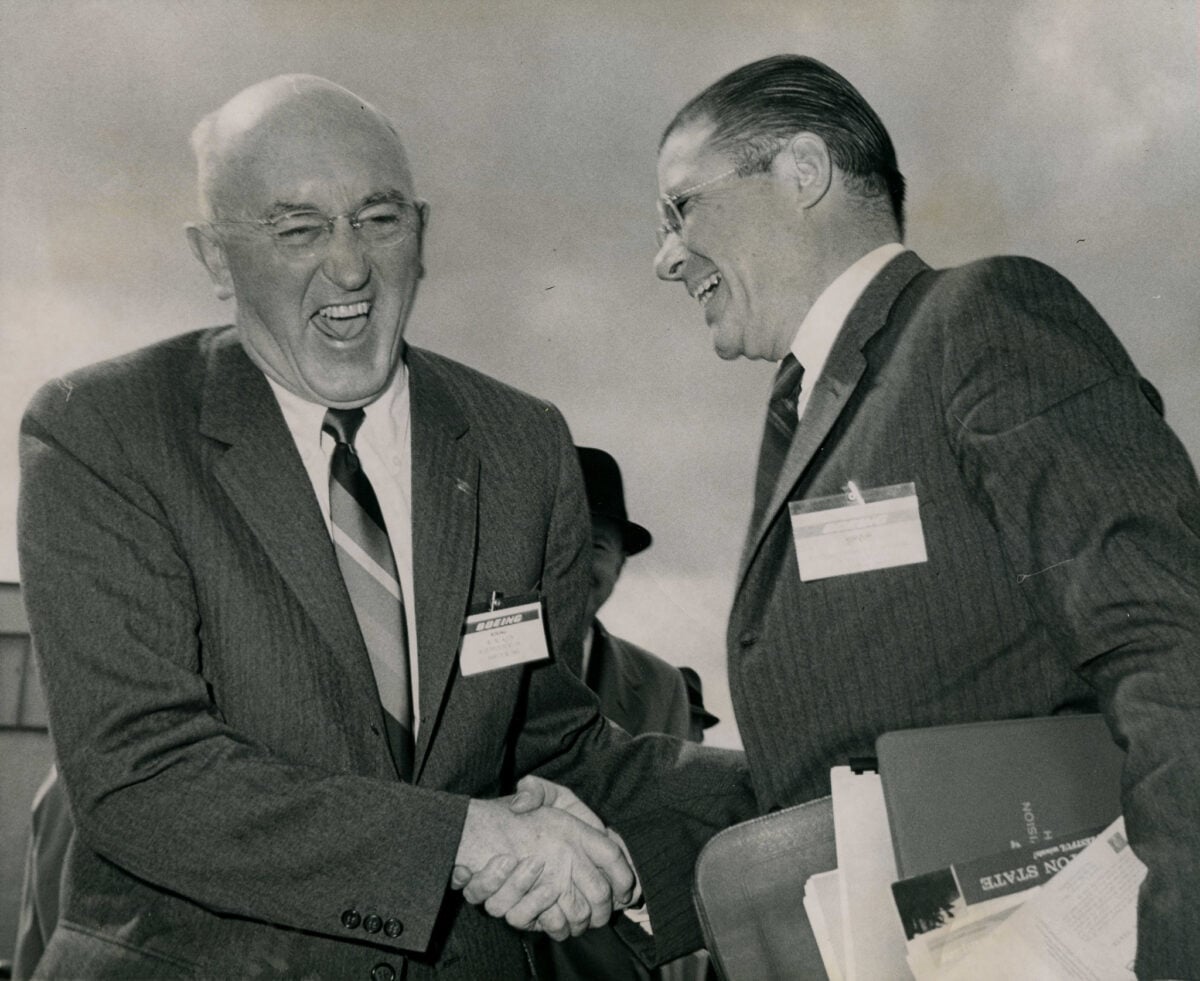
In 1962, the Joint Chiefs of Staff presented Defense Secretary Robert McNamara with a proposal to stage fake terrorist attacks on American soil — including the shooting down of a U.S. civilian airliner and bombings in Miami and Washington, D.C. — and blame them on Cuba as a pretext for invasion. The document was signed by every member of the Joint Chiefs.
President Kennedy rejected the plan. The documents were declassified in 1997 and released as part of the John F. Kennedy Assassination Records Collection, and they read, even now, with a particular kind of flatness that makes them more unsettling than if they had been dramatic.
The VENONA Project
From 1943 onward, U.S. Army signals intelligence began the painstaking work of decrypting thousands of Soviet communications — a project so sensitive it was kept secret from most of the U.S. government, including several presidents, for decades. When the VENONA project was finally declassified and publicly released in 1995, it confirmed the Soviet identities of a number of Americans who had passed secrets to Moscow, including Julius Rosenberg and Alger Hiss.
The project also revealed just how deeply Soviet intelligence had penetrated American institutions during and after World War II, at a scale that surprised even seasoned historians.
Unit 731
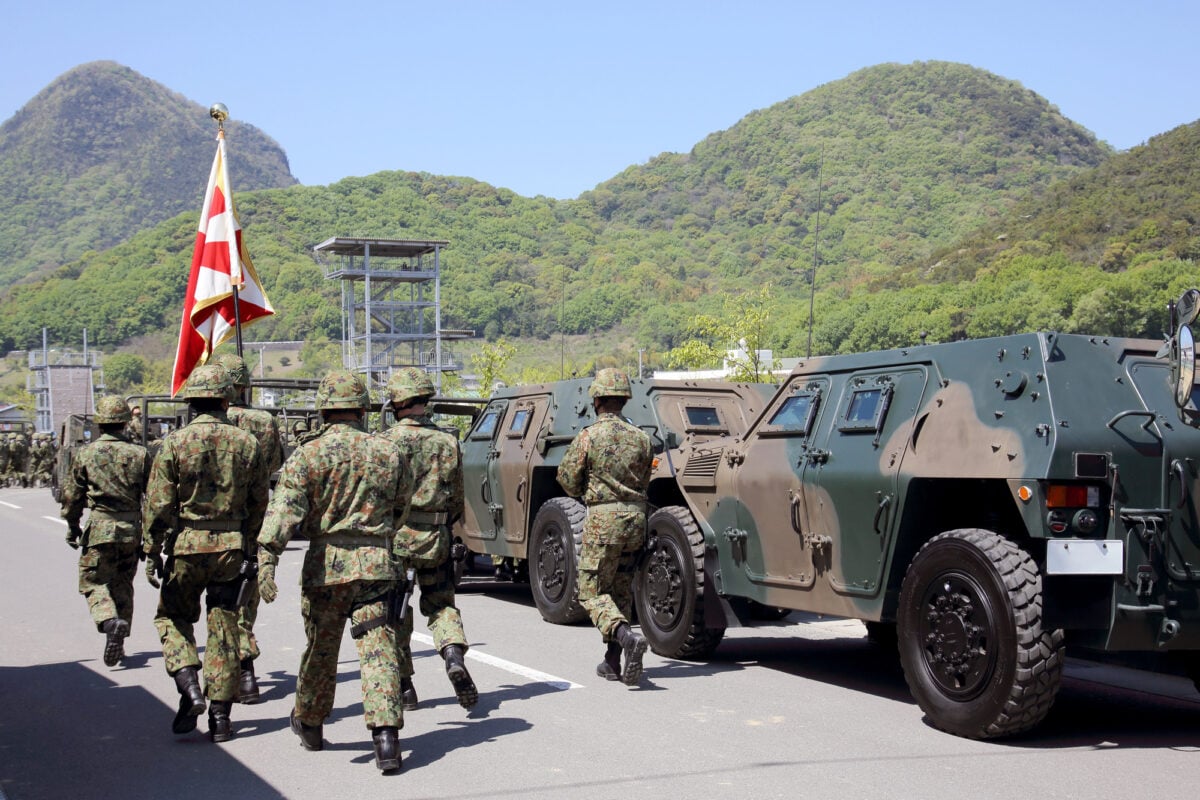
Japan’s Imperial Army ran a covert biological and chemical warfare research program in occupied Manchuria from the early 1930s through 1945, conducting lethal experiments on an estimated 3,000 to 10,000 prisoners — mostly Chinese, Korean, and Soviet civilians and POWs. The United States government was aware of the program after the war and made a deliberate decision to grant immunity to Unit 731’s researchers in exchange for the experimental data they had collected.
That arrangement was classified for decades. When the documents were finally declassified, they revealed not just what Unit 731 had done, but how the decision to cover it up had been made — coolly, quickly, and with full knowledge of the cost.
The My Lai Massacre Cover-Up
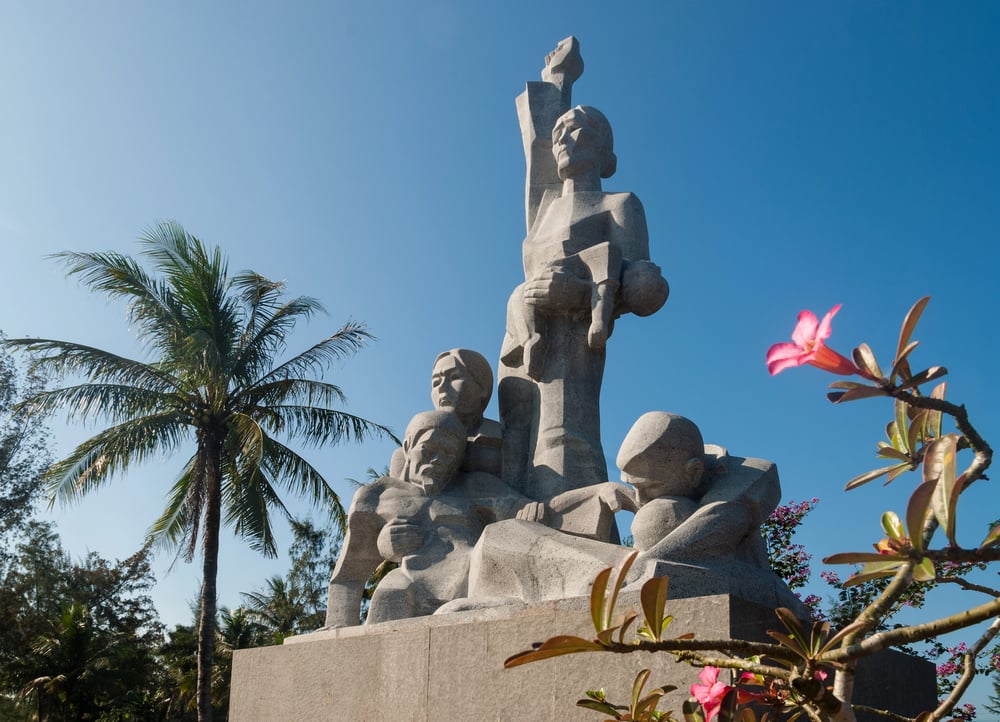
On March 16, 1968, U.S. Army soldiers killed between 347 and 504 unarmed South Vietnamese civilians — mostly women, children, and elderly — in the village of My Lai. The Army worked to suppress the story for more than a year before investigative journalist Seymour Hersh published it in November 1969.
Military documents declassified in subsequent decades revealed that the cover-up had extended well up the chain of command and that the Army had received reports of the massacre and buried them. Lieutenant William Calley was the only soldier convicted, and he served three and a half years under house arrest before being released.
The UK’s Porton Down Human Experiments
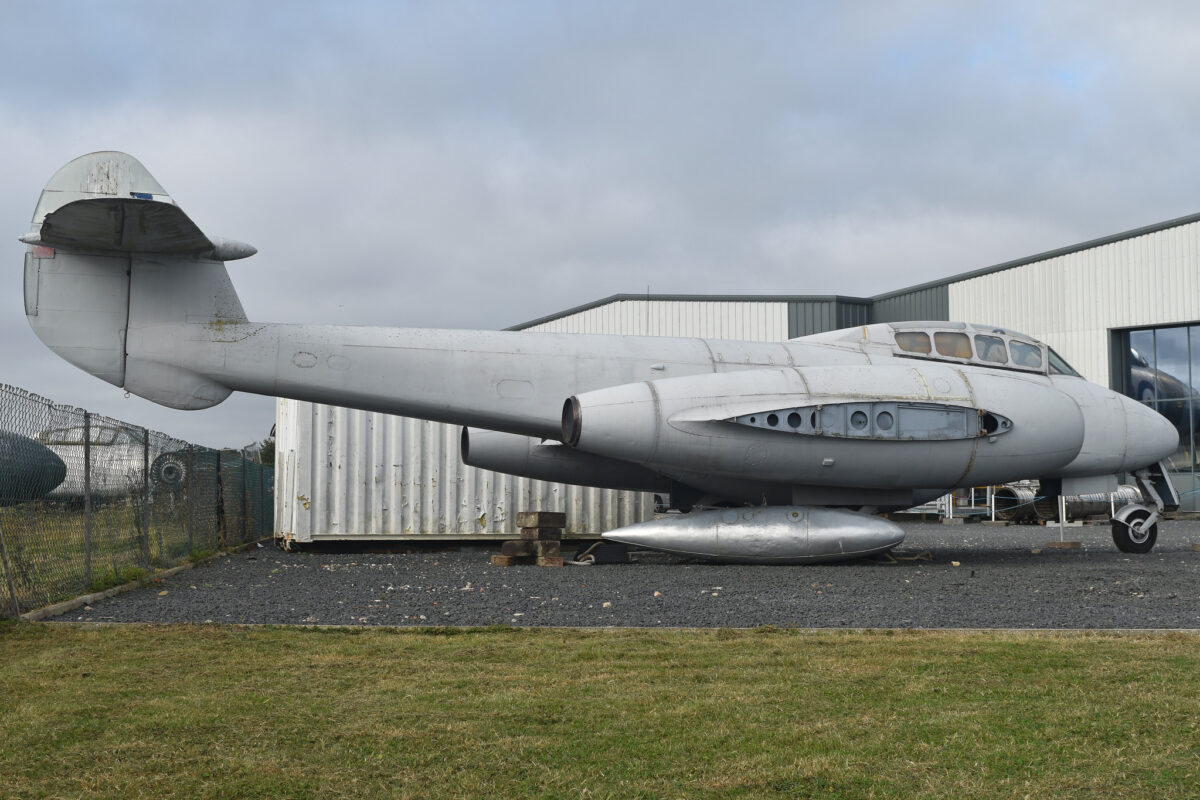
Britain’s Porton Down chemical weapons research facility conducted experiments on military servicemen for decades — without meaningful informed consent — testing nerve agents and other toxic compounds on human subjects as far back as World War I and continuing well into the Cold War era. The full extent of the program was not acknowledged until the early 2000s, when the Ministry of Defence released partial records following inquiries into the 1953 death of serviceman Ronald Maddison, who died after sarin was applied to his skin during a test he was told was for research into the common cold.
A 2004 inquest jury returned a verdict of unlawful killing.
The Lavender Scare
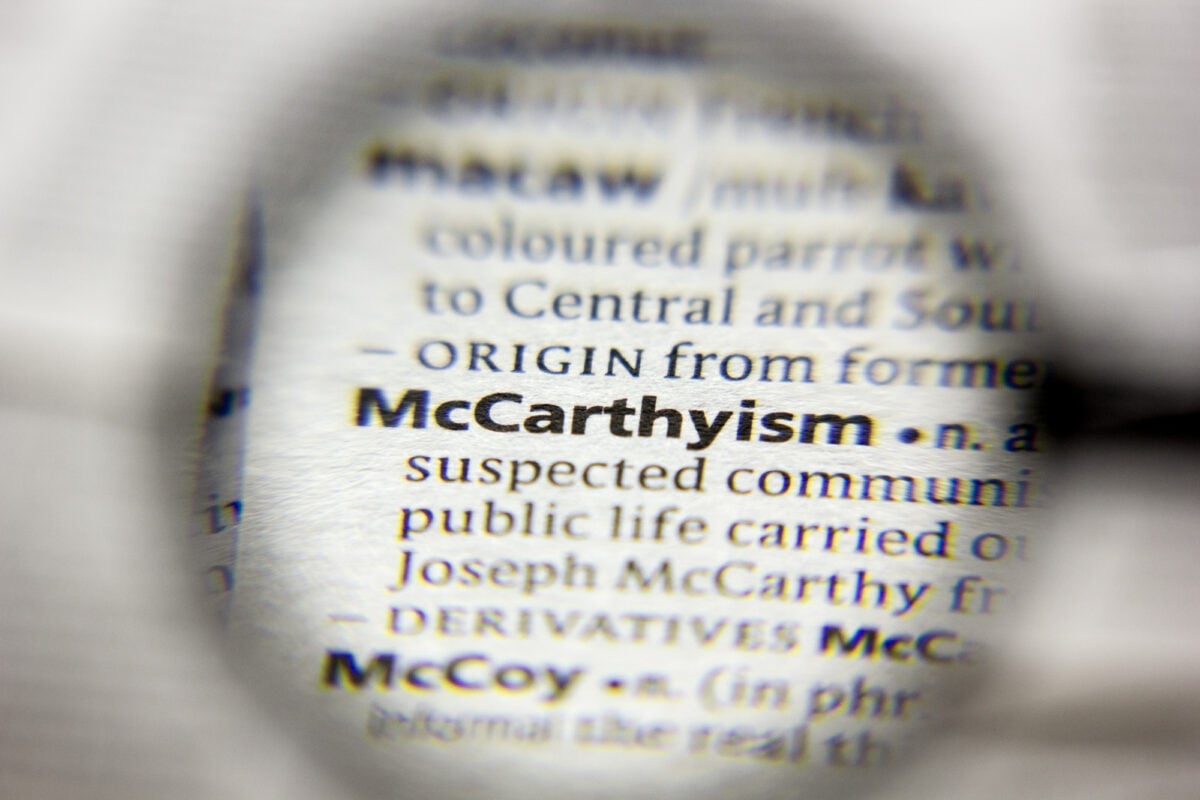
While McCarthyism gets most of the historical attention, the U.S. government simultaneously — and more quietly — conducted a campaign to identify and fire gay and lesbian federal employees on the grounds that they were security risks. Between the late 1940s and the 1970s, thousands of people lost their jobs under this policy.
The internal government documents detailing the program’s scope and official rationale weren’t widely available for decades, and it wasn’t until 2017 that the State Department issued an official apology specifically for its role in the purge.
Operation Sea-Spray
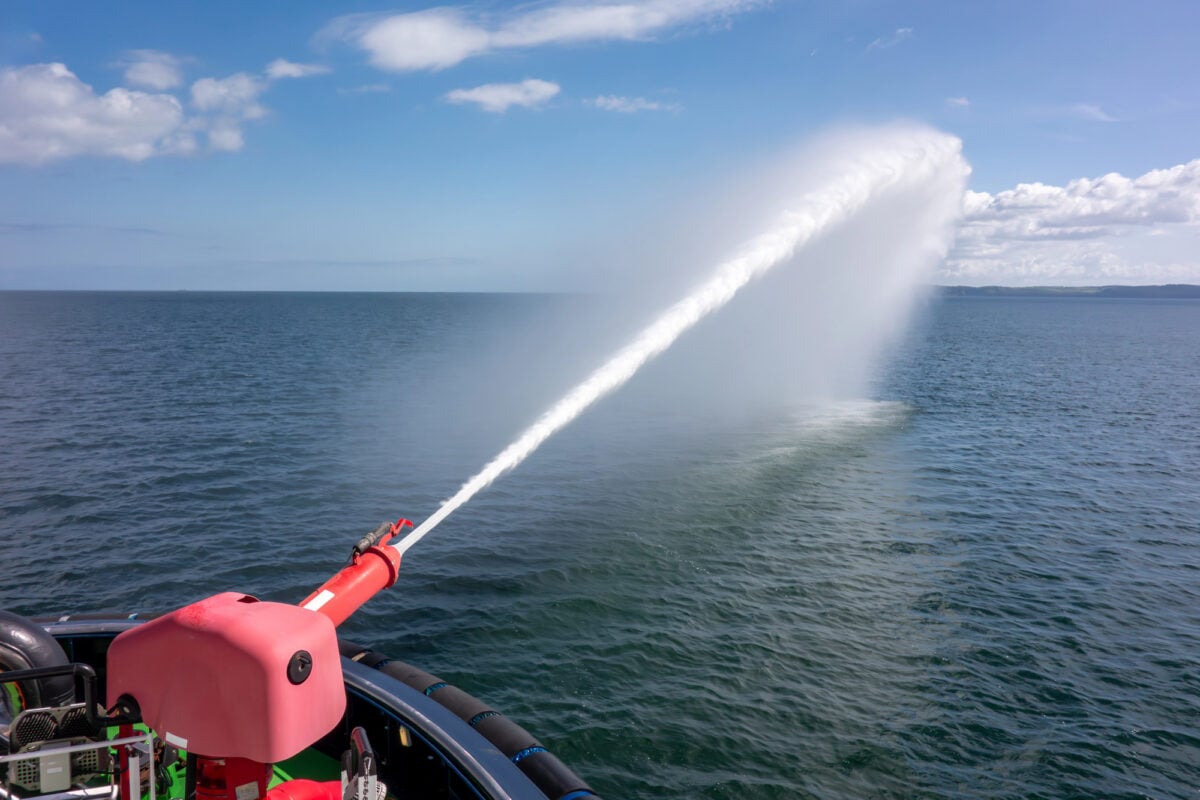
In 1950, the U.S. Navy conducted a secret test by spraying a mixture of bacteria — Serratia marcescens and Bacillus globigii — over the city of San Francisco from a ship offshore, exposing an estimated 800,000 residents without their knowledge or consent to assess how vulnerable the city would be to a biological weapons attack. A significant spike in Serratia-related pneumonia cases followed in San Francisco hospitals.
The operation was one of dozens of similar tests conducted on American cities during the Cold War. The documents confirming what had happened were released during 1977 Senate hearings, nearly three decades after the fact.
The Broken Arrows
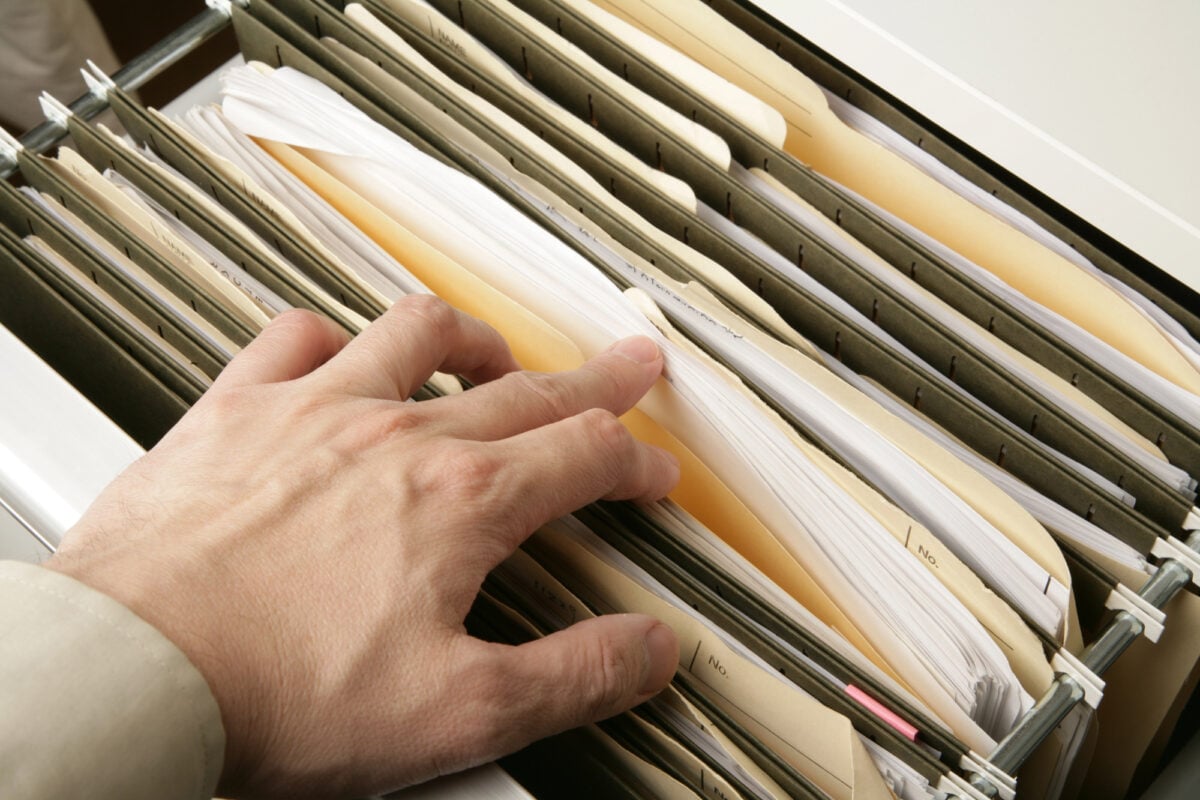
“Broken Arrow” is the U.S. military designation for accidents involving nuclear weapons. The government officially acknowledged 32 such accidents between 1950 and 1980, but documents declassified in 2013 revealed the list was longer — and some of the incidents were significantly more dangerous than the public had been told.
A 1961 incident over Goldsboro, North Carolina, in which a B-52 broke apart and dropped two hydrogen bombs, came within a single safety switch of detonating a weapon 250 times more powerful than the Hiroshima bomb over the American Southeast. The Sandia National Laboratories engineer who analyzed the incident wrote that “one simple, dynamo-technology, low voltage switch stood between the United States and a major catastrophe.” That assessment was kept classified for over 50 years.
COINTELPRO
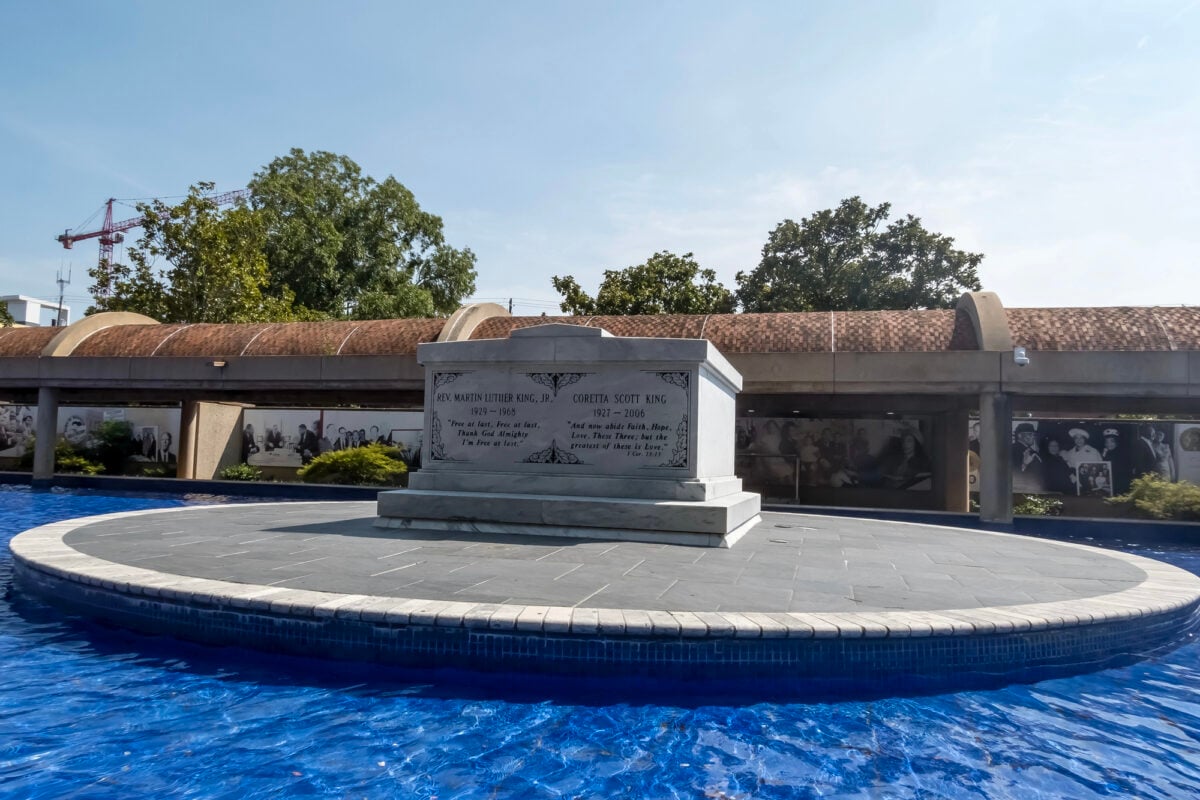
The FBI’s Counter Intelligence Program, which ran from 1956 to 1971, went far beyond monitoring suspected subversives. Declassified documents revealed a systematic campaign to infiltrate, discredit, and destroy domestic political organizations — including the NAACP, the Southern Christian Leadership Conference, the American Indian Movement, and various anti-war groups.
Tactics included forged letters designed to break up marriages, anonymous tips sent to employers, manufactured evidence planted with law enforcement, and — in the case of Black Panther Party members Fred Hampton and Mark Clark — coordination with local police that resulted in a pre-dawn raid in which both men were killed. The program was classified until NBC journalist Carl Stern obtained documents through a Freedom of Information lawsuit in 1973.
The Able Archer 83 Scare
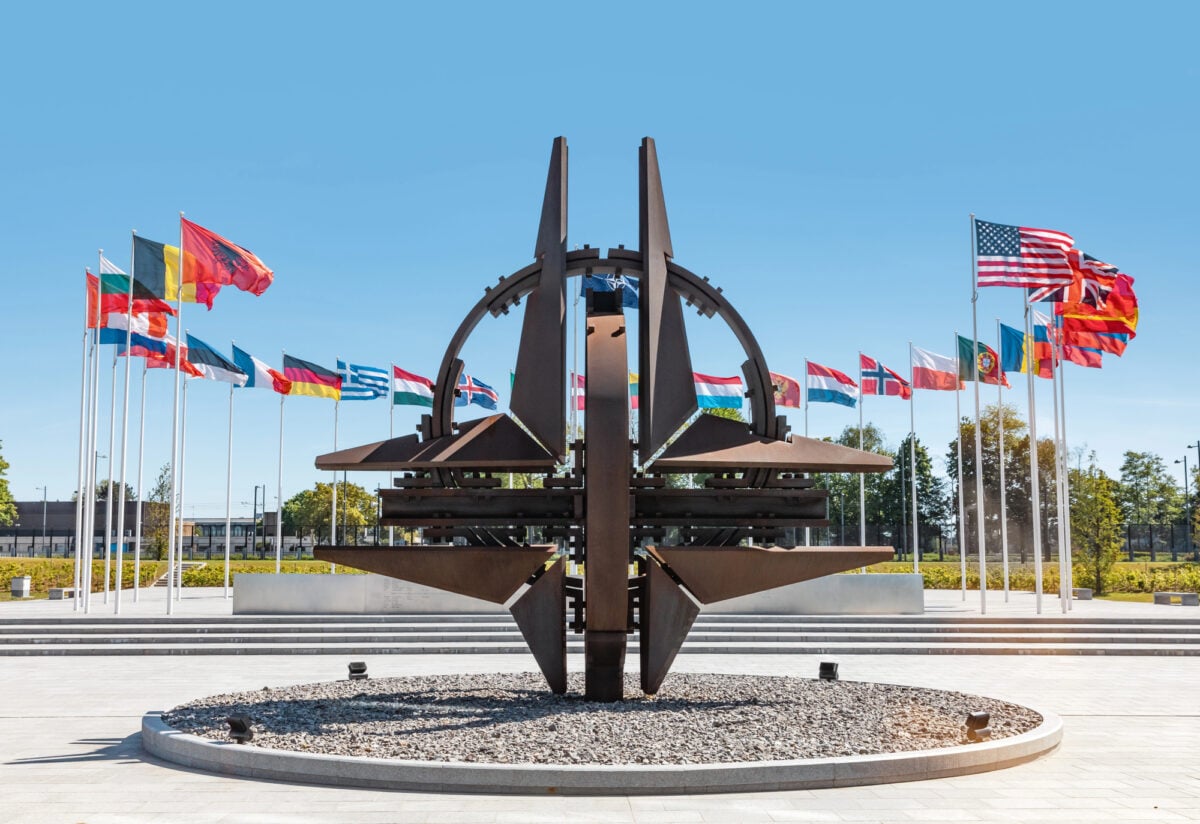
In November 1983, NATO conducted a military exercise called Able Archer 83 that simulated a nuclear attack on the Soviet Union — and the Soviet Union, based on everything its intelligence services were picking up, concluded it might be real. Declassified documents from both the CIA and, later, Soviet archives revealed that Soviet forces in multiple countries were placed on high alert and that nuclear-capable aircraft were prepared for launch.
President Reagan was reportedly shaken when he was briefed on how close the situation had come. The full extent of the Soviet response wasn’t known in the West for years; the British government’s classified assessment of the crisis wasn’t released until 2013.
The CIA’s Assassination Plots
The Church Committee, convened in 1975, declassified evidence of CIA plots to assassinate foreign leaders including Fidel Castro, Congolese Prime Minister Patrice Lumumba, Dominican dictator Rafael Trujillo, South Vietnamese President Ngo Dinh Diem, and Chilean General René Schneider. Some succeeded; some didn’t; some involved genuinely bizarre methods — the Castro plots alone included an exploding device disguised as a novelty item, a poisoned wetsuit, and a scheme involving a Caribbean shell designed to detonate.
The committee’s report established for the first time on the public record that assassination had been a deliberate instrument of American foreign policy.
Britain’s Black Propaganda Operations
During World War II and well into the Cold War, Britain’s Information Research Department — a covert Foreign Office unit — produced and distributed fabricated news stories, forged documents, and disinformation designed to undermine Soviet influence and prop up British-aligned governments worldwide. The IRD wasn’t dissolved until 1977, and the full records of its operations took decades more to surface.
What the documents revealed, once declassified, was a program operating at industrial scale — feeding stories to journalists, planting content in foreign newspapers, and shaping public opinion across dozens of countries while officially not existing at all.
The Armenian Genocide U.S. Diplomatic Records

For most of the 20th century, the U.S. government carefully avoided acknowledging the Ottoman Empire’s systematic killing of approximately 1.5 million Armenians between 1915 and 1923, primarily to protect diplomatic relations with Turkey. American diplomatic cables from the period — declassified and publicly available in the State Department’s archives — contain graphic, detailed accounts from U.S. consular officials witnessing mass killings and deportations in real time.
The cables were there all along. The political will to use the word “genocide” officially took until April 2021, when President Biden became the first U.S. president to formally recognize it.
The NSA’s Bulk Phone Surveillance
This one didn’t require waiting decades — it came out in 2013 when NSA contractor Edward Snowden leaked a trove of classified documents revealing that the NSA had been collecting the phone records of virtually every American, building a database of who called whom, when, and for how long, with no specific evidence of wrongdoing required. The legal justification relied on a secret interpretation of the Patriot Act that the law’s own authors said didn’t mean what the NSA claimed it meant.
A federal court later ruled the program illegal. The government’s response, for years before the leak, had been to deny the program existed — including, memorably, under oath before Congress.
Operation Gladio
After World War II, NATO — led primarily by the CIA and Italian intelligence — established a network of secret “stay-behind” armies across Western Europe, designed to conduct guerrilla warfare if the Soviet Union invaded. Italy’s version, Operation Gladio, was declassified when Italian Prime Minister Giulio Andreotti disclosed its existence to parliament in 1990.
What followed was a sprawling investigation that implicated the network in domestic terrorism, the murder of Italian Prime Minister Aldo Moro, and numerous bombings that had been attributed to leftist groups but appeared to have been conducted by the far right to discredit them — a strategy that came to be known as the “strategy of tension.” The full picture is still not entirely clear, which is its own kind of answer.
The U.S. Radiation Experiments

During the Cold War, U.S. government agencies — including the Atomic Energy Commission, the Department of Defense, and the CIA — conducted hundreds of experiments on American citizens using radioactive materials, without informed consent. Subjects included hospital patients who were injected with plutonium, prisoners whose reproductive systems were irradiated, and soldiers exposed to nuclear test blasts and then marched toward ground zero.
The full scope of the program was investigated by the Advisory Committee on Human Radiation Experiments, appointed by President Clinton, which issued its report in 1995 — confirming that the experiments had been real, widespread, and conducted with the knowledge that the subjects were not truly consenting.
Australia’s Pine Gap Role
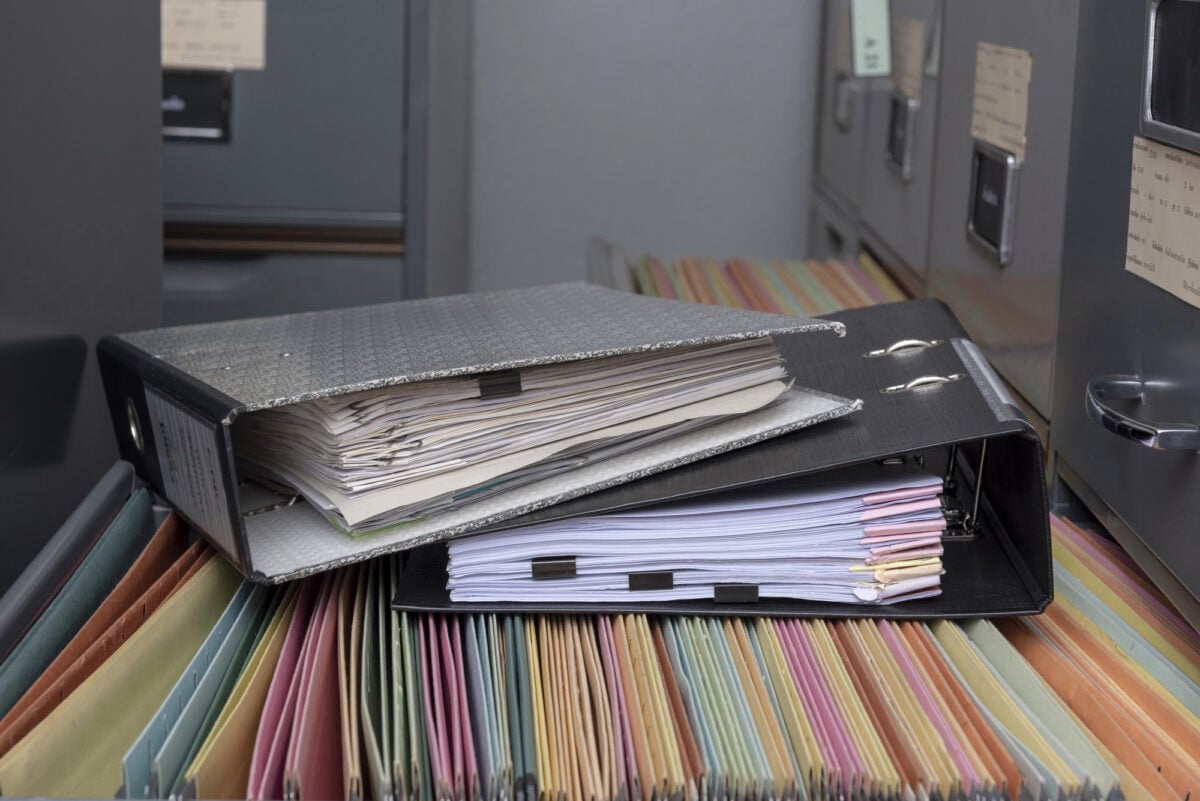
For decades, the Australian government maintained public ambiguity about the precise function of the joint U.S.-Australian intelligence facility at Pine Gap, near Alice Springs. Declassified documents — including CIA records released in the 1990s and subsequent Australian government disclosures — revealed that Pine Gap was a critical node in U.S. global signals intelligence collection, monitoring communications and missile launches across Asia, the Middle East, and beyond, and that the facility played an active role in targeting for U.S. military operations.
Australian governments had assured their public that Pine Gap was a passive facility, and for a long time that claim held because the documents proving otherwise were in someone else’s archive.
The Church Committee’s Full Scope
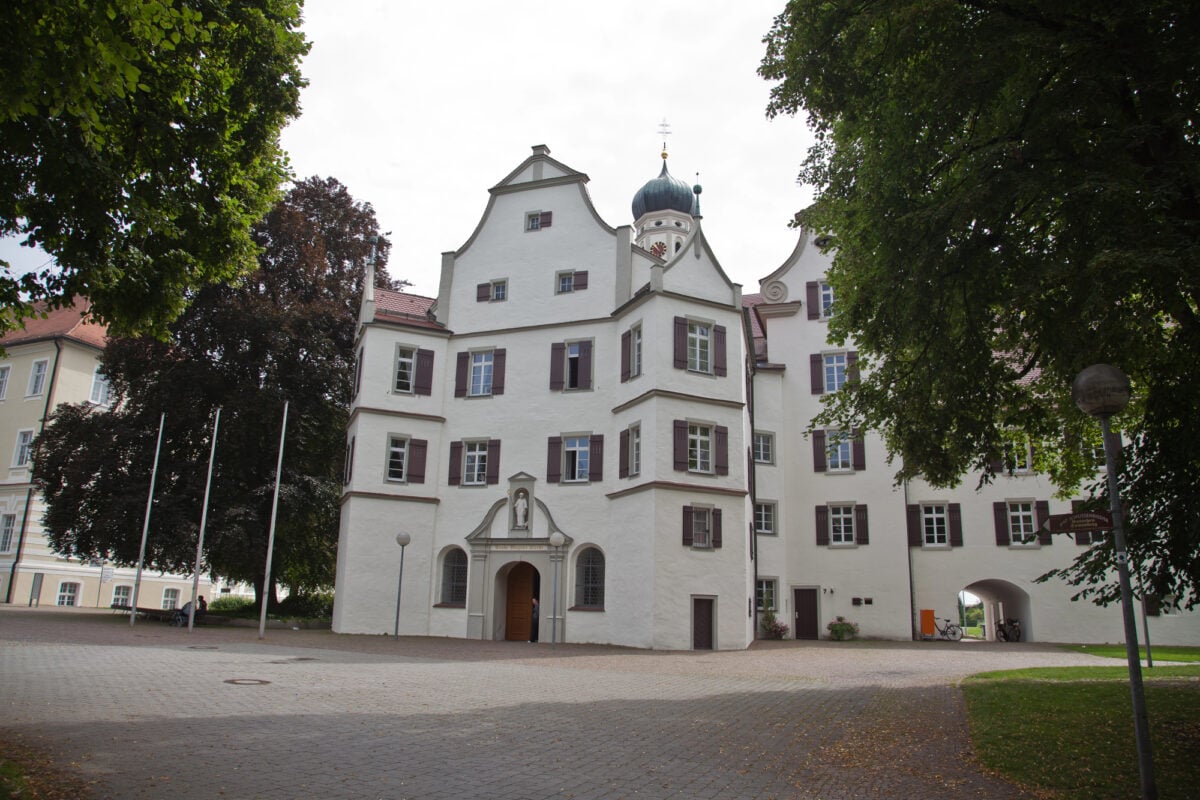
Most people know the Church Committee for its headline findings — assassinations, COINTELPRO, SHAMROCK. What’s less appreciated is that the full committee report, portions of which remained classified for decades, revealed an intelligence apparatus that had operated almost entirely outside meaningful congressional or judicial oversight for thirty years.
The committee’s final report documented not just individual programs but a systemic failure of the checks that were supposed to prevent exactly what had happened. Senator Frank Church himself said at the time that the surveillance infrastructure they had uncovered could, if turned on the American people by a future government, produce a tyranny from which there would be no escape. He said this as a warning, not a prediction. Whether it counts as either depends on which decade you’re reading from.
The East German Stasi Files
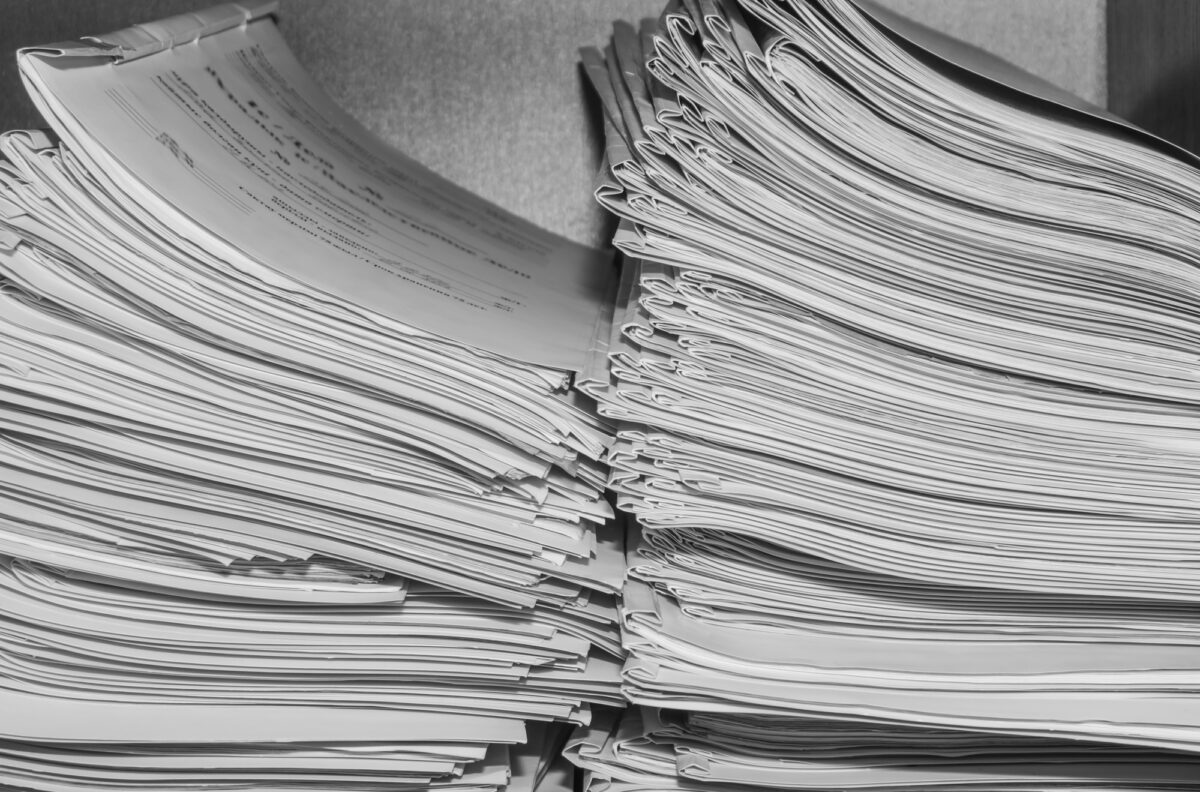
The Stasi — East Germany’s Ministry for State Security — maintained files on an estimated one-third of the East German population, built through a network of roughly 90,000 full-time agents and up to 200,000 informants who reported on their neighbors, colleagues, friends, and family members. When the Berlin Wall fell in 1989, activists occupied Stasi headquarters and prevented the destruction of the files, which filled 111 kilometers of shelving.
Subsequent access to those records produced decades of revelations — people discovering that their closest friends had been informants, marriages destroyed, careers explained. The files are still being processed. New disclosures still emerge. The full accounting of what the Stasi did to the society it monitored is an archive that has not yet been entirely read.
France’s Role in the Rwandan Genocide
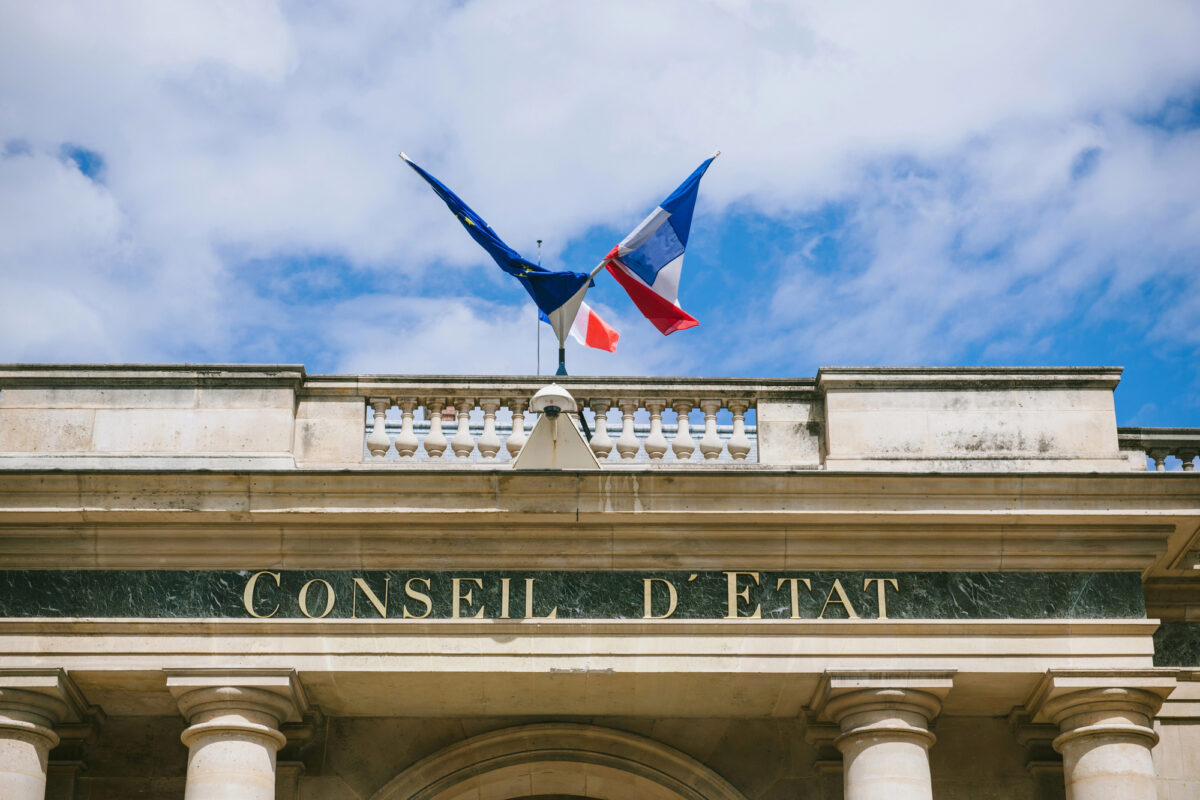
For years, the French government resisted acknowledging the extent of its support for the Hutu-led Rwandan government in the months before and during the 1994 genocide that killed an estimated 500,000 to 800,000 Tutsi and moderate Hutu Rwandans. A commission of historians appointed by President Macron published its findings in March 2021 based on access to previously classified French archives, concluding that France bore “heavy and overwhelming responsibilities” for the genocide — not that it participated directly, but that it supported a government whose genocidal intentions were knowable, continued that support as the killing escalated, and took too long to act.
The report acknowledged what the documents showed. It took 27 years for the documents to be opened.
When the Files Open
The consistent thread across these 28 cases is not malice — though malice is present in several of them — but something more structural: the gap between what governments know and what they choose to tell the people they govern, and how long that gap can persist before someone opens the filing cabinet.
What the declassified record shows, in aggregate, is that the most consequential secrets are rarely the dramatic ones. They’re the ones about who was being watched, who was being lied to, and whose suffering was considered an acceptable cost. Those files open eventually. The accountability that was supposed to accompany them usually doesn’t.
More from Go2Tutors!

- The Romanov Crown Jewels and Their Tragic Fate
- 13 Historical Mysteries That Science Still Can’t Solve
- Famous Hoaxes That Fooled the World for Years
- 15 Child Stars with Tragic Adult Lives
- 16 Famous Jewelry Pieces in History
Like Go2Tutors’s content? Follow us on MSN.



