15 Facts About Henry VIII’s Wives
The story of Henry VIII is inseparable from the six women he married. Their lives were marked by power, betrayal, survival, and tragedy—shaping the course of English history in ways that still echo today.
Here’s a list of striking facts about the women who stood at the center of one of the most dramatic royal courts in history.
Catherine of Aragon

Henry’s first wife was married to his brother Arthur before him. When Arthur died young, Catherine wed Henry, and their marriage lasted more than two decades. That longevity didn’t protect her—Henry cast her aside when she failed to produce a surviving son.
Anne Boleyn
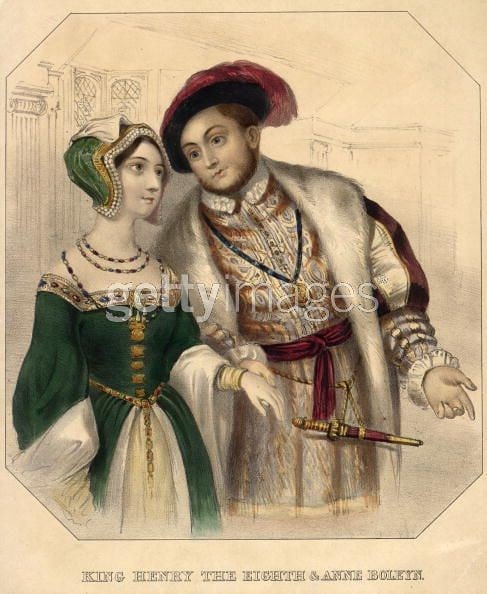
Anne changed everything. Her refusal to be merely a mistress led Henry to break from Rome and form the Church of England. She gave him Elizabeth, who later became one of England’s greatest monarchs. But Anne’s fall was swift—accusations of treason and adultery sealed her fate.
Jane Seymour
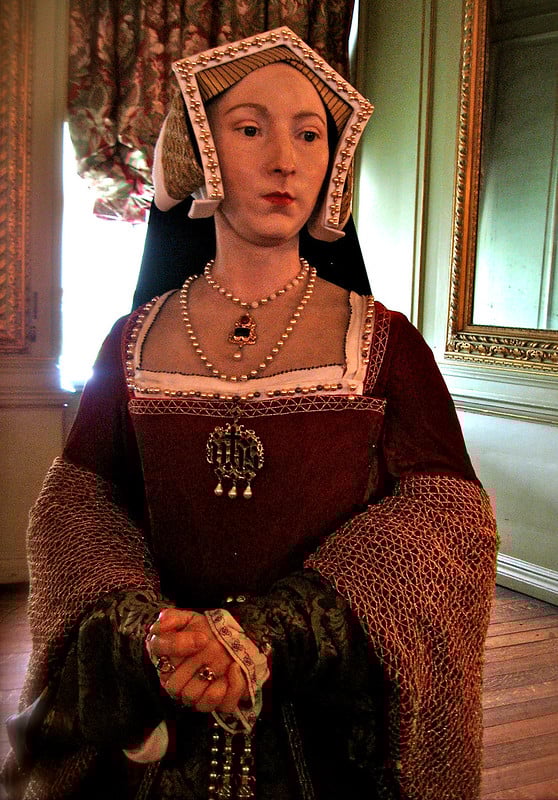
Gentle Jane, Henry’s third wife, gave him the one thing he craved most: a male heir. Prince Edward. But the triumph came at a cost. She died from complications after childbirth, and Henry considered her his “true” wife. A bittersweet ending.
Anne of Cleves
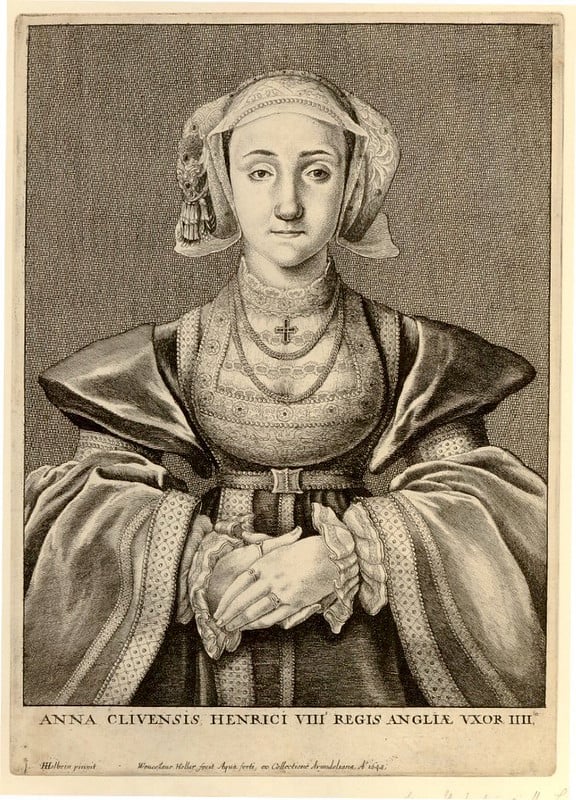
Henry’s fourth marriage was more political than romantic. When she finally arrived from Germany, Henry complained she didn’t match her flattering portrait. The marriage was annulled after just six months, but Anne survived—and thrived—as the king’s “beloved sister.”
Catherine Howard
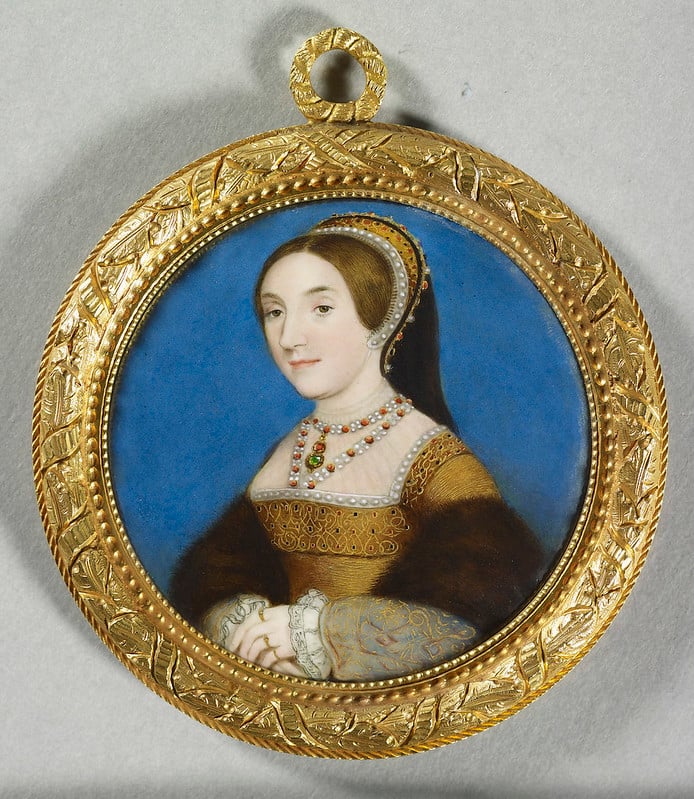
Barely a teenager when she caught Henry’s eye, Catherine Howard was his fifth wife. Her youth and flirtations proved her undoing. She was executed for adultery, leaving a scandal that rocked the court. Too young, too tragic.
Catherine Parr

The final wife outlived Henry. Catherine Parr was more than a consort—she acted as nurse, companion, and even regent when Henry went to war. After his death, she remarried quickly but died soon after giving birth.
Divorced, Beheaded, Died
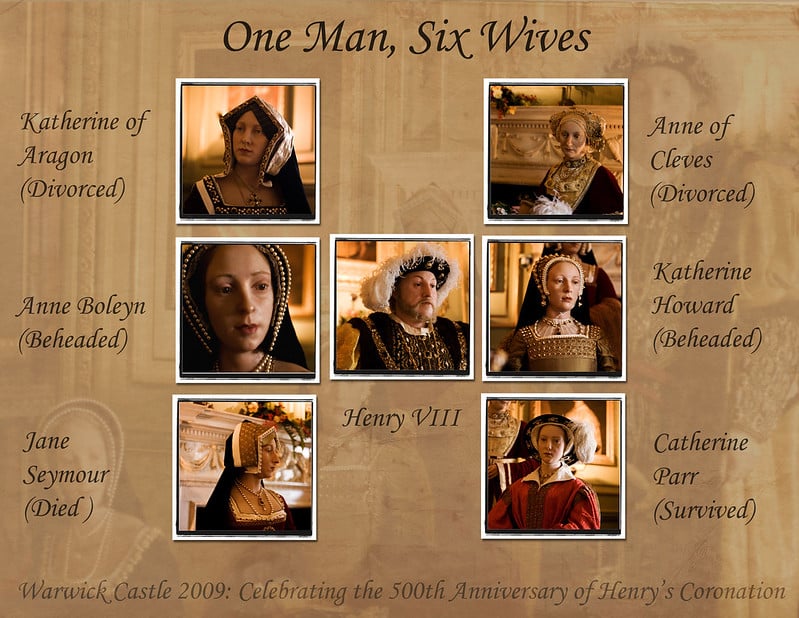
One famous rhyme summed up their fates:
- Divorced
- Beheaded
- Died
- Divorced
- Beheaded
- Survived
Not quite poetry, but hard to forget.
Catherine of Aragon’s Loyalty

Even after Henry rejected her, Catherine of Aragon refused to accept the annulment. She continued to call herself queen until her death. Unyielding pride, even in exile.
Anne Boleyn’s Style
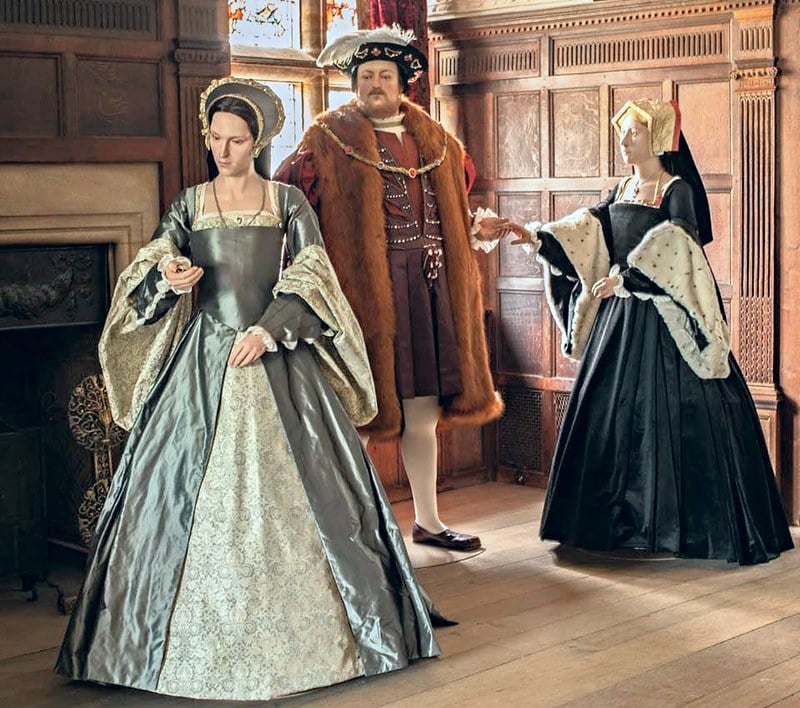
Anne wasn’t just bold in politics; she was known for her charm and striking fashion. Dark eyes, elegant French gowns, and an easy wit that made her impossible to ignore. A reminder that presence can be power.
Jane Seymour’s Family Rise
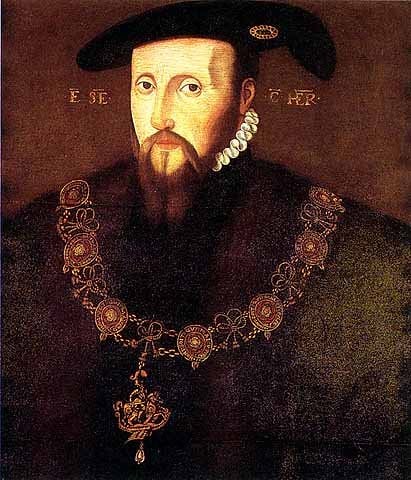
The Seymours weren’t especially powerful before Jane married Henry. After her death, though, her brothers gained influence, one even serving as Lord Protector during Edward VI’s reign. Opportunists, some might say.
Anne of Cleves’ Luck
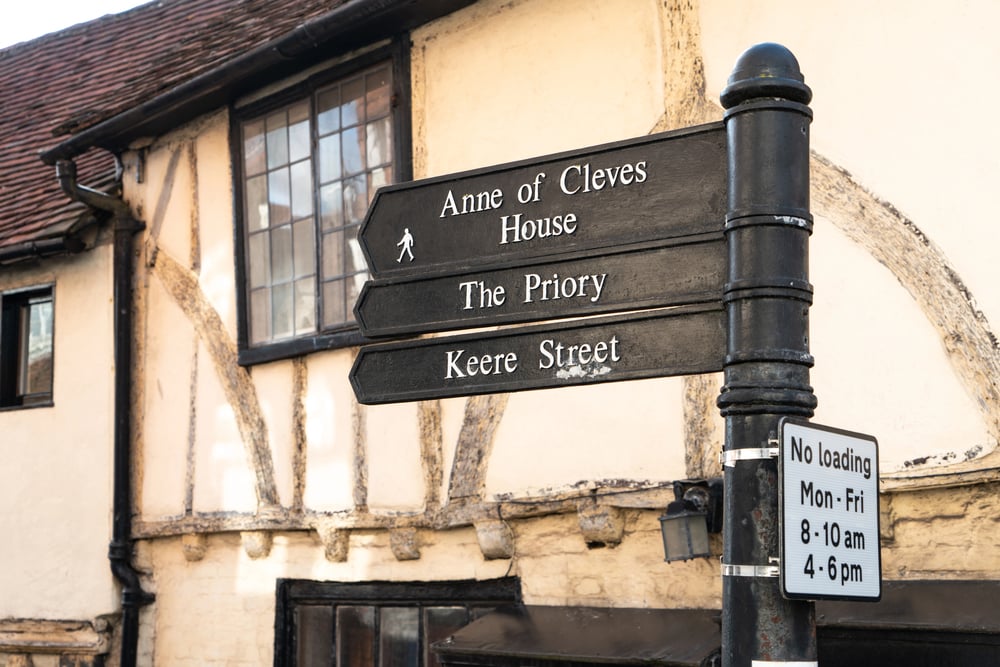
Though their marriage ended quickly, Anne of Cleves arguably had the best outcome. She kept wealth, status, and her head—outliving Henry and many of his closest allies. Not bad for a supposed “unattractive” bride.
Catherine Howard’s Recklessness
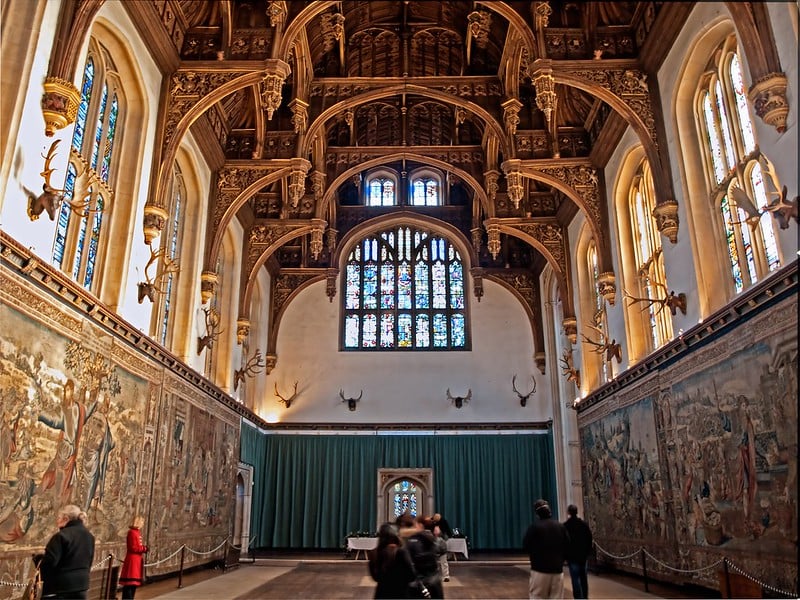
Catherine’s household was filled with secrets. Affairs, whispers, risky behavior. When the truth reached Henry, he ordered her execution. The image of the young queen sprinting down the gallery at Hampton Court—pleading for mercy—is haunting.
Catherine Parr’s Influence
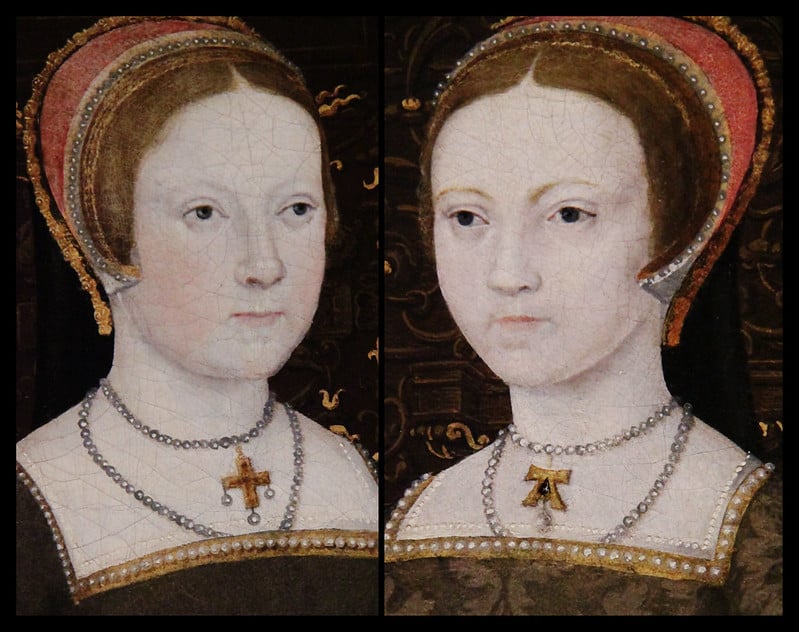
Catherine Parr helped reconcile Henry with his daughters Mary and Elizabeth, placing them back into the line of succession. Without her, Elizabeth’s path to the throne might have been far less certain.
Political Chessboard

Every marriage had a political dimension. Catherine of Aragon linked England to Spain, Anne of Cleves tied the realm to German allies, and Jane Seymour cemented ties within the nobility. These weren’t just love stories. They were treaties in silk.
A Lasting Legacy

Together, Henry’s wives left a complicated inheritance. Mary, Elizabeth, and Edward all ruled, reshaping England in their own way. Their mothers—forgotten or maligned in their time—proved central to the survival of the Tudor dynasty.
Echoes of the Past
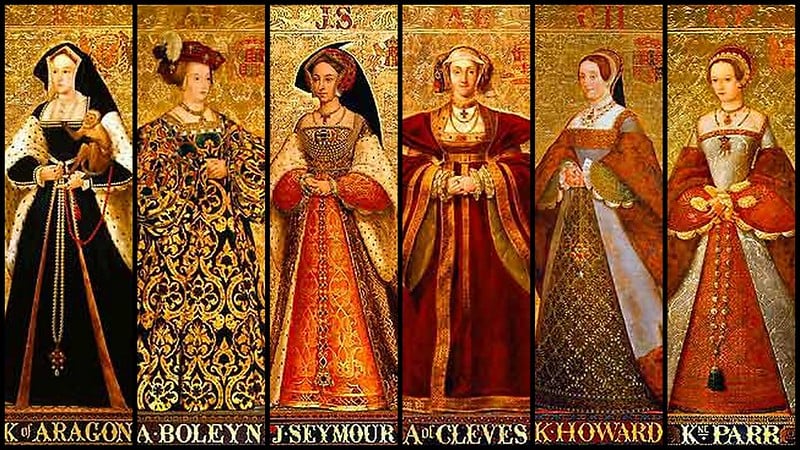
Centuries later, their names still spark fascination. Six women, six different fates, yet all tied to one man whose desire for control changed history forever.
More from Go2Tutors!

- 16 Historical Figures Who Were Nothing Like You Think
- 12 Things Sold in the 80s That Are Now Illegal
- 15 VHS Tapes That Could Be Worth Thousands
- 17 Historical “What Ifs” That Would Have Changed Everything
- 18 TV Shows That Vanished Without a Finale
Like Go2Tutors’s content? Follow us on MSN.