16 Markets That Became Diplomatic Meeting Points
Markets have always been more than places to buy and sell goods. Throughout history, these bustling centers of commerce naturally evolved into neutral ground where different cultures, nations, and political figures could meet on relatively equal terms.
The informal atmosphere of trade created opportunities for conversations that might never happen in formal diplomatic settings. Here is a list of 16 markets that transformed into significant diplomatic meeting points throughout history.
Grand Bazaar, Istanbul
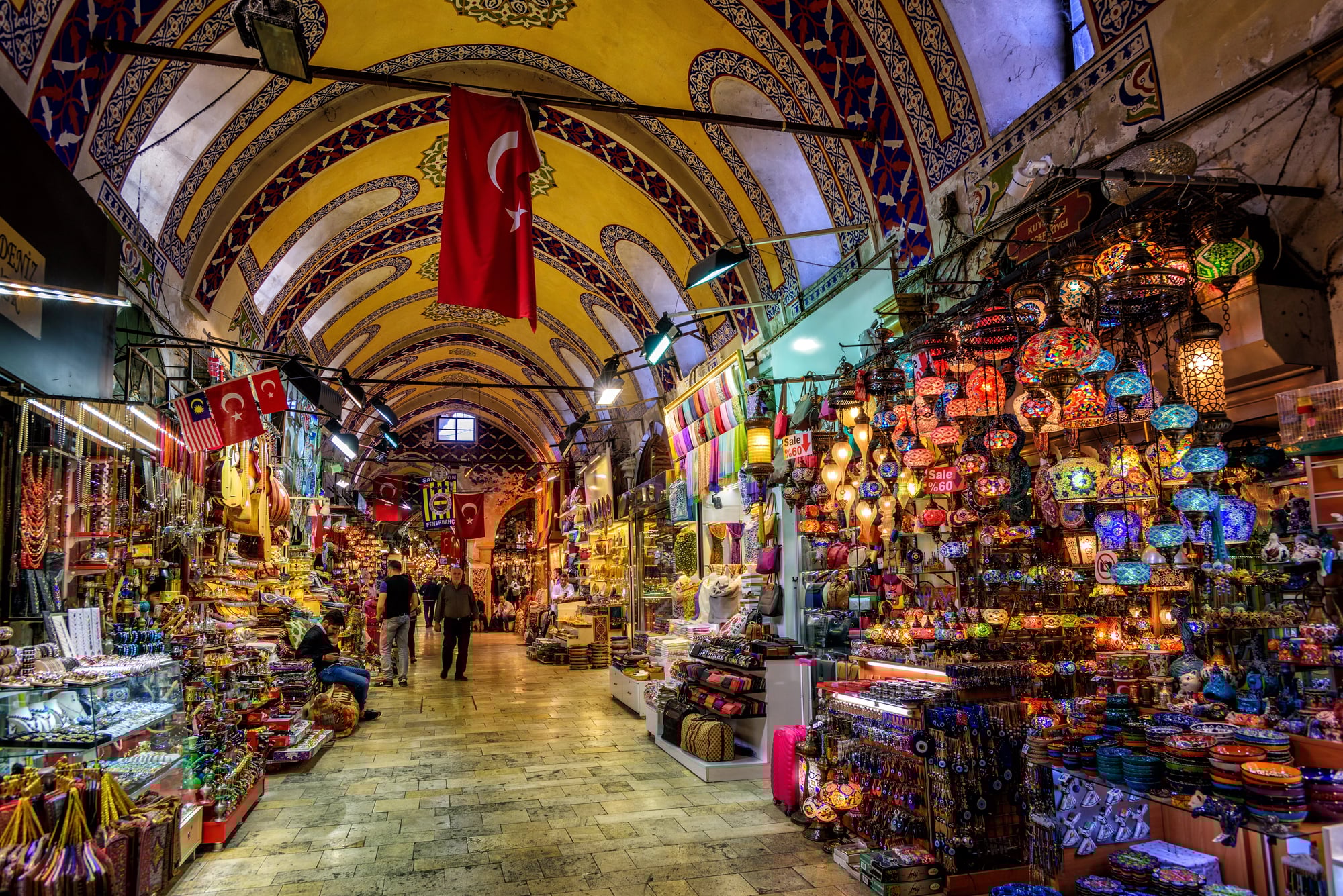
The Grand Bazaar served as a crucial diplomatic hub during the Ottoman Empire’s peak. Foreign ambassadors and merchants would conduct unofficial negotiations while browsing the covered market’s shops.
The neutral commercial environment allowed for sensitive political discussions that couldn’t take place in the formal setting of the Ottoman court. Many trade agreements between European powers and the Ottoman Empire were first discussed over tea in the bazaar’s hidden corners.
Silk Road Markets, Samarkand
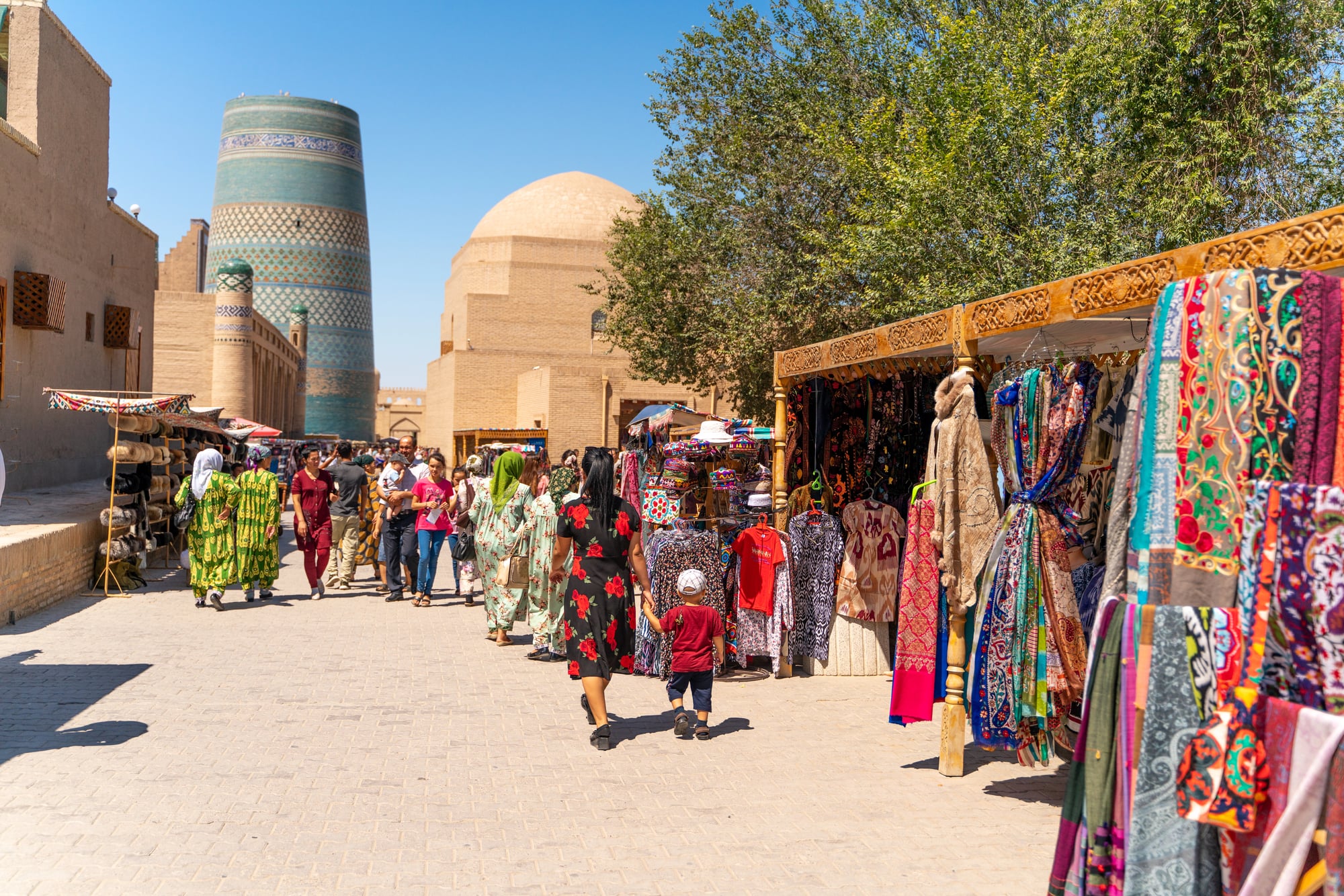
Samarkand’s markets became legendary diplomatic crossroads where East met West. Chinese officials, Persian diplomats, and European envoys would gather in the same bazaars, creating natural opportunities for multilateral discussions.
The city’s position at the heart of the Silk Road made it impossible for major powers to ignore, and the informal market setting often led to breakthrough agreements that formal embassy meetings couldn’t achieve.
Like Go2Tutors’s content? Follow us on MSN.
Medina of Fez, Morocco
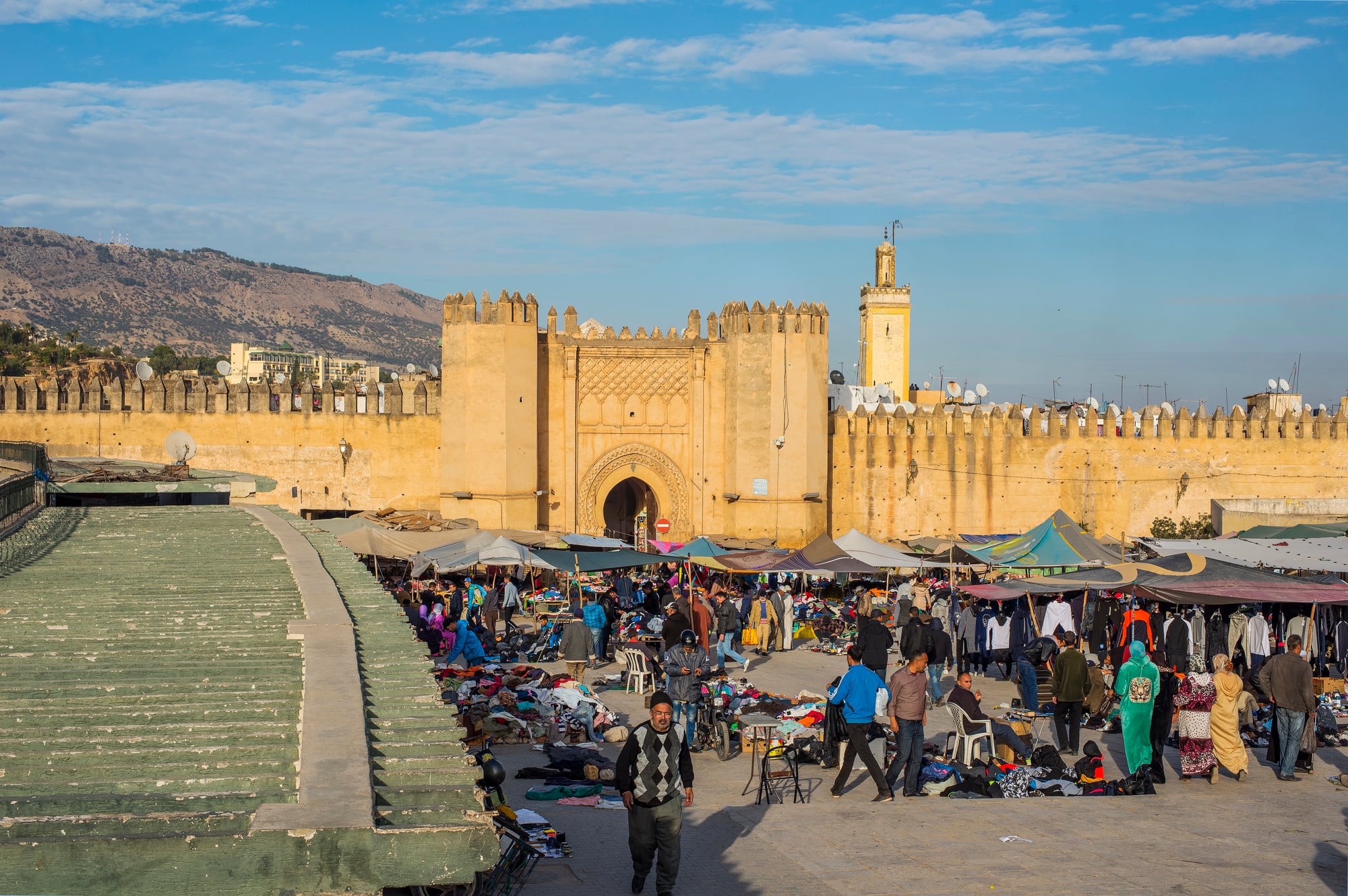
Fez’s ancient market quarter became a diplomatic melting pot during the medieval period. Islamic scholars, Christian merchants, and Jewish traders would meet in the same narrow alleyways, creating an atmosphere of religious tolerance that extended to political discussions.
The market’s maze-like structure provided privacy for sensitive negotiations, and many agreements between North African kingdoms were hammered out between the leather tanners and spice sellers.
Hanseatic League Markets, Lübeck
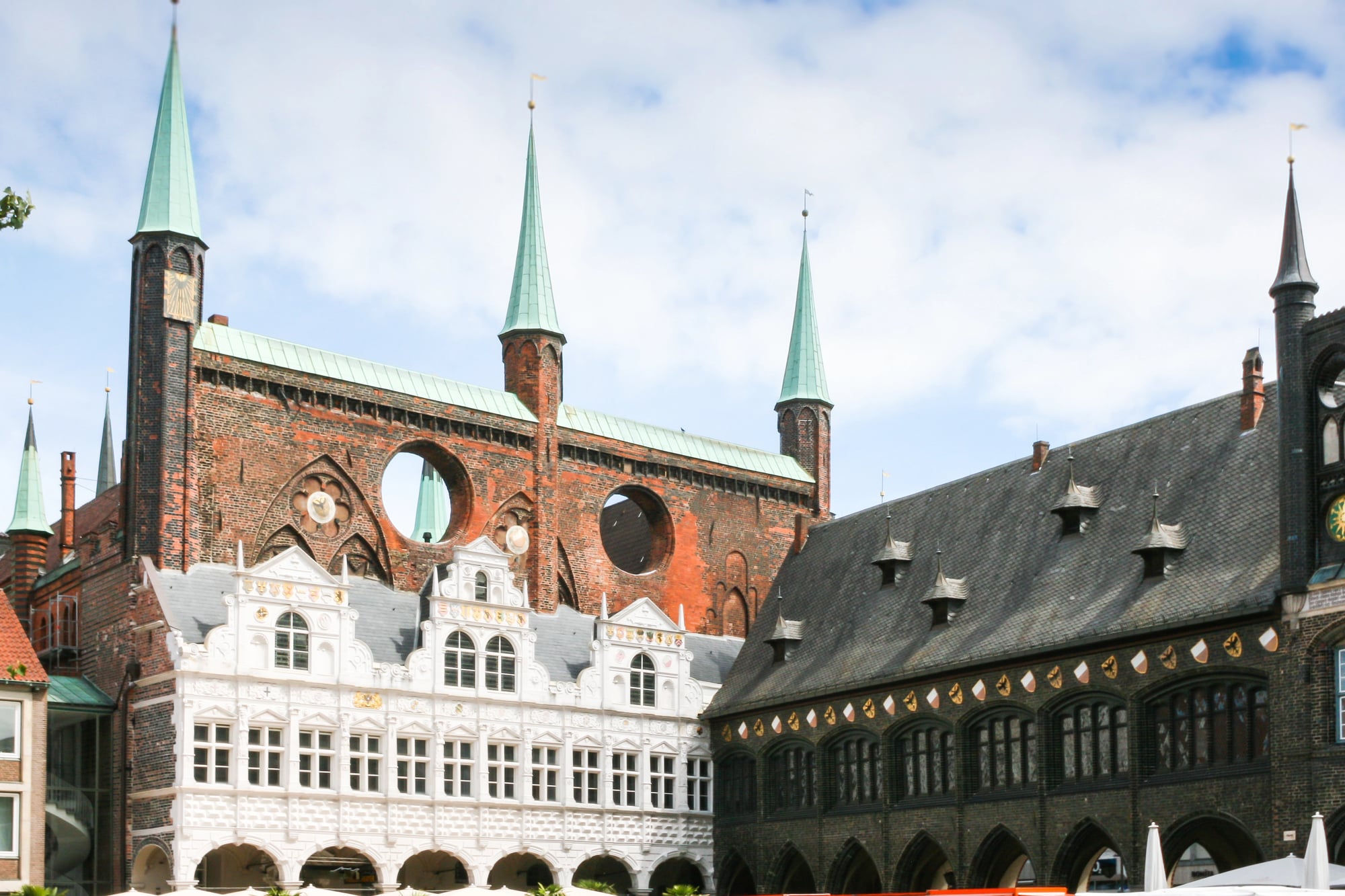
Lübeck’s markets revolutionized northern European diplomacy by creating the first truly international commercial diplomatic space. Representatives from dozens of Baltic and North Sea cities would gather for trade fairs that doubled as political summits.
The Hanseatic League’s democratic approach to commerce naturally extended to their diplomatic style, with decisions made through consensus rather than royal decree.
Venice’s Rialto Market
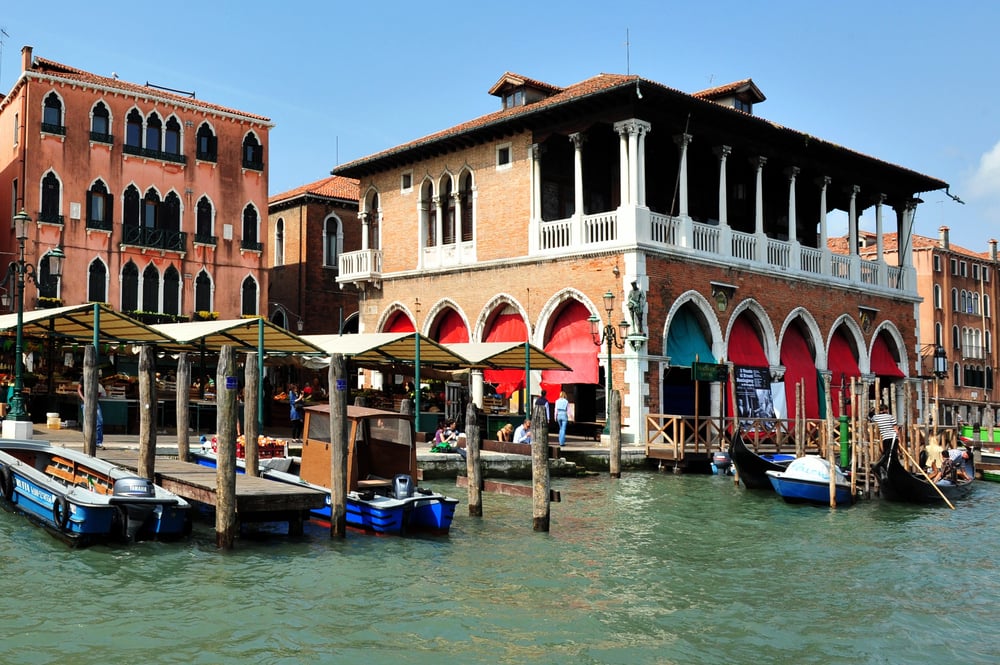
The Rialto became Europe’s premier diplomatic marketplace during Venice’s golden age. Foreign merchants and ambassadors would conduct state business while trading goods from across the Mediterranean.
The market’s international character and Venice’s neutral stance made it an ideal location for peace negotiations between warring European powers. Many crucial Renaissance-era treaties were first discussed over deals for Byzantine silk or Ottoman spices.
Like Go2Tutors’s content? Follow us on MSN.
Canton Trade Markets, China

Canton’s foreign trade quarter became the primary diplomatic channel between Imperial China and Western powers. European and American merchants conducting business under the Canton System often found themselves serving as unofficial ambassadors.
The market’s controlled environment allowed Chinese officials to gauge foreign intentions while maintaining strict protocols about formal diplomatic contact.
Kashgar Bazaar, Central Asia

Kashgar’s Sunday bazaar evolved into a diplomatic crossroads where Russian, Chinese, British, and local Central Asian interests converged. The market’s massive scale and diverse population made it impossible for any single power to dominate, creating natural conditions for multilateral diplomacy.
British and Russian agents would often meet ‘accidentally’ while shopping for carpets or livestock, conducting the Great Game’s espionage through commercial small talk.
Antwerp’s Grote Markt

Antwerp’s central market became a diplomatic nerve center during the city’s 16th-century golden age. Representatives from across Europe would gather for trade fairs that functioned as informal diplomatic conferences.
The market’s Protestant-Catholic divide made it a natural meeting point for negotiating religious conflicts, and many Reformation-era peace efforts began in conversations between Antwerp’s market stalls.
Like Go2Tutors’s content? Follow us on MSN.
Alexandria’s Ancient Markets
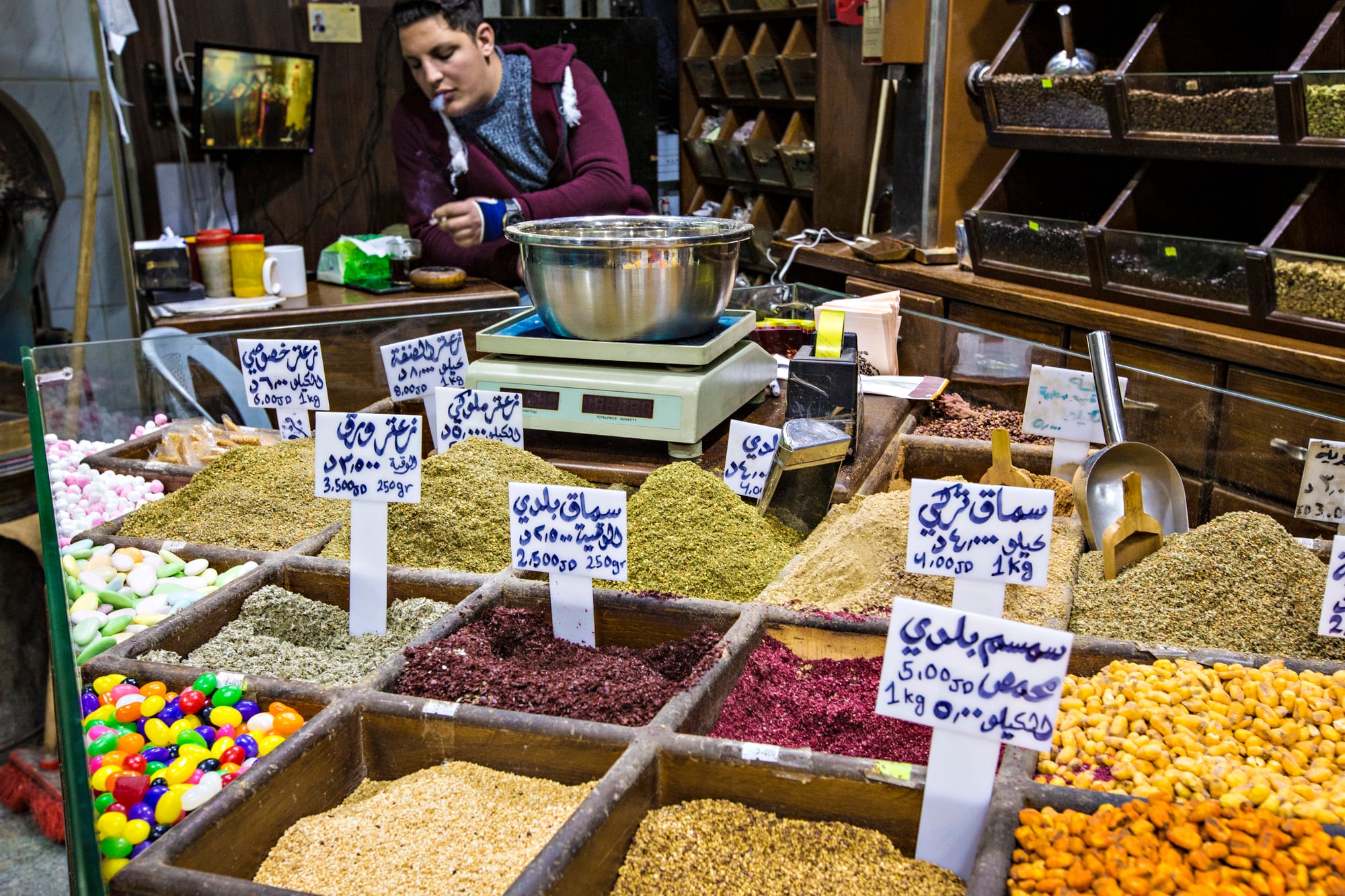
Alexandria’s markets served as diplomatic meeting points throughout the classical and medieval periods. The city’s position connecting Europe, Africa, and Asia made its bazaars natural venues for international negotiations.
Byzantine, Arab, and European diplomats would use trading missions as cover for political discussions, and the market’s cosmopolitan atmosphere facilitated agreements that formal court diplomacy couldn’t achieve.
Timbuktu’s Salt Markets
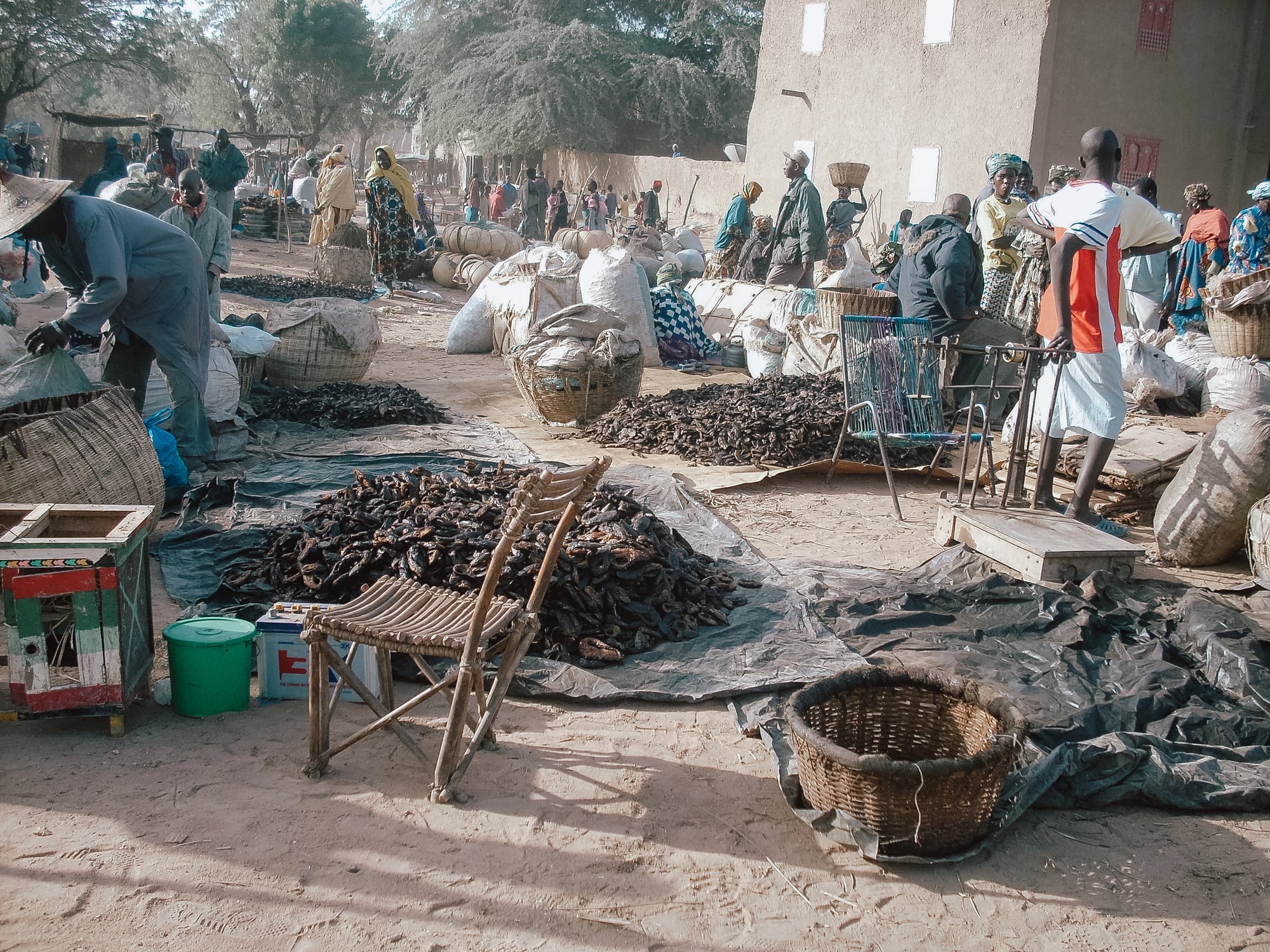
Timbuktu’s famous salt and gold markets became crucial diplomatic centers for West African kingdoms. Rulers from across the Sahel would send representatives to trade negotiations that inevitably became political discussions.
The market’s role in controlling trans-Saharan trade routes made it essential for maintaining peace between competing kingdoms, and many territorial agreements were settled in the shadow of salt caravans.
Champagne Fairs, France
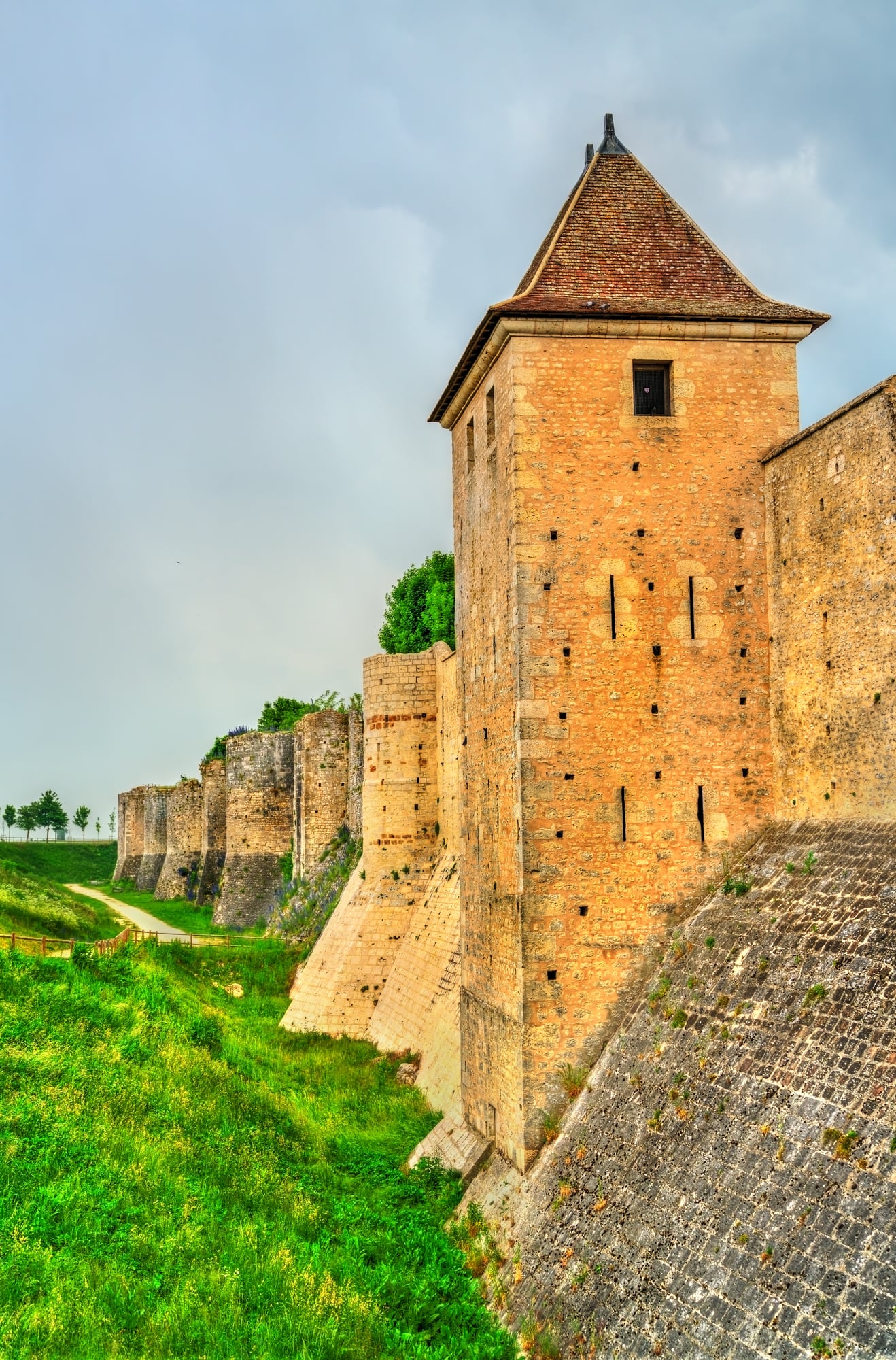
The medieval Champagne fairs created Europe’s first systematic commercial diplomacy. Representatives from Italian city-states, Germanic principalities, and Flemish towns would gather for months-long trading sessions that doubled as international conferences.
The fairs’ legal protections for foreign merchants established precedents for diplomatic immunity that influenced international law for centuries.
Like Go2Tutors’s content? Follow us on MSN.
Novgorod’s Market Square

Novgorod’s market became a key diplomatic venue where Russian, Hanseatic, and Byzantine interests converged. The city’s merchant republic structure made its markets natural locations for democratic-style diplomacy.
Foreign traders would participate in the veche meetings held in the market square, creating unique situations where commercial and political decisions were made by the same people in the same place.
Mogadishu’s Ancient Port Markets
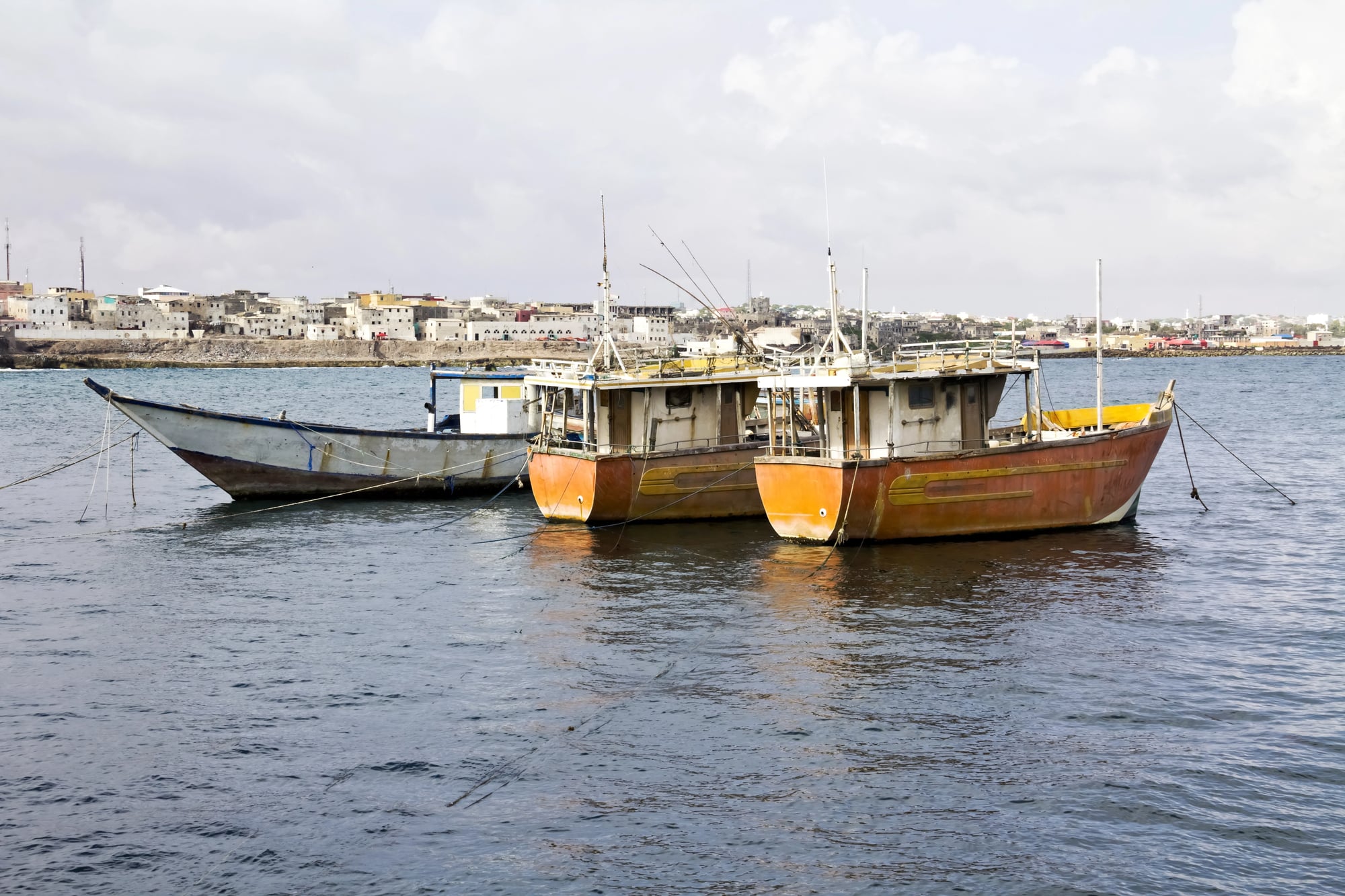
Mogadishu’s markets served as diplomatic centers connecting the Islamic world with Africa and Asia. Arab, Persian, Indian, and Chinese merchants would conduct political negotiations alongside their commercial activities.
The market’s Islamic legal framework provided neutral ground for resolving disputes between different Muslim kingdoms, and many East African trade agreements originated in Mogadishu’s bustling port markets.
Bergen’s Fish Markets
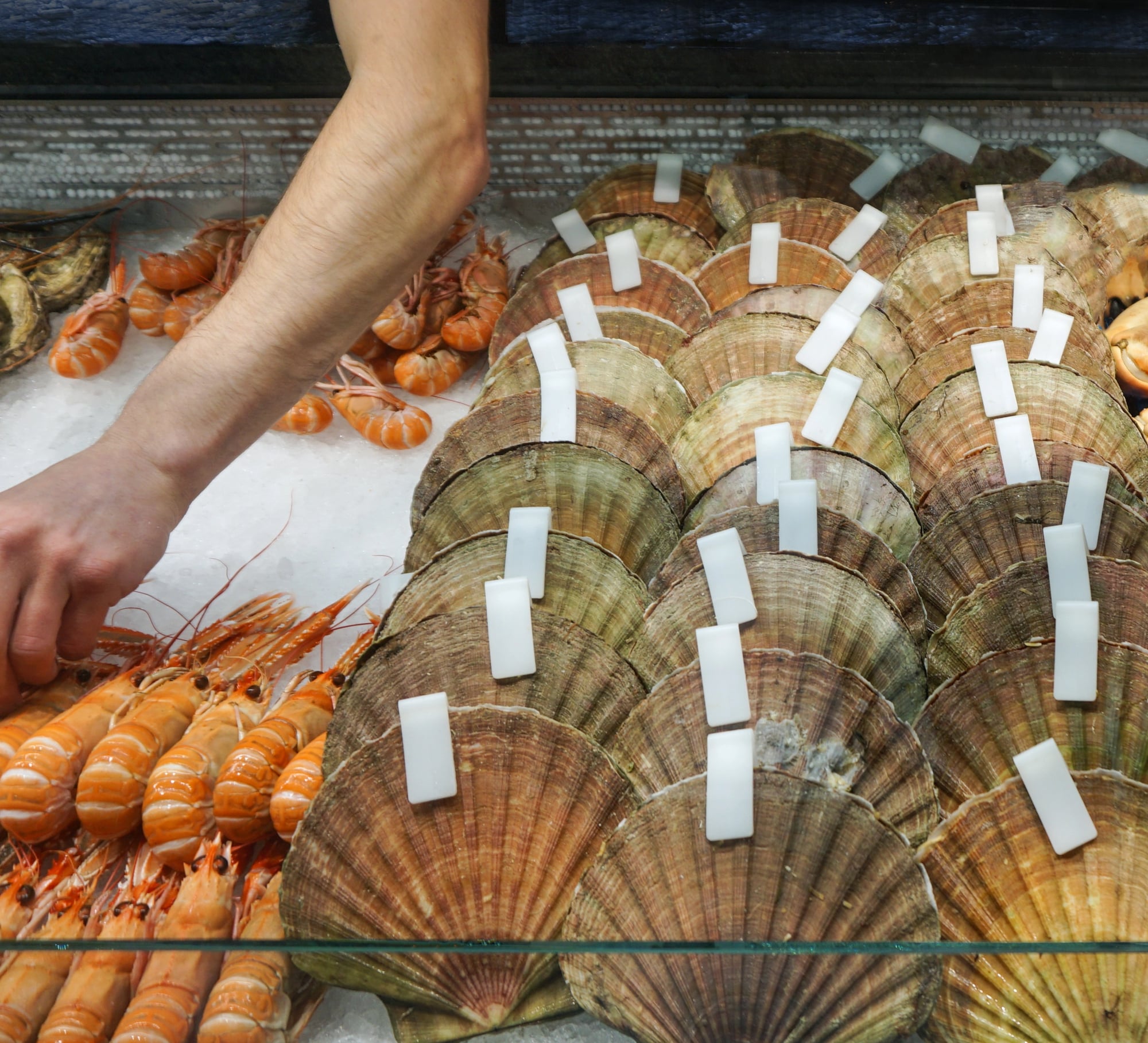
Bergen’s fish markets became Norway’s primary diplomatic venue during the Hanseatic period. German merchants and Norwegian officials would negotiate trade agreements that inevitably became political arrangements affecting Scandinavian relations.
The market’s seasonal nature created regular diplomatic cycles, with major political decisions often timed to coincide with the arrival of fishing fleets and foreign buyers.
Like Go2Tutors’s content? Follow us on MSN.
Damascus Straight Street Markets
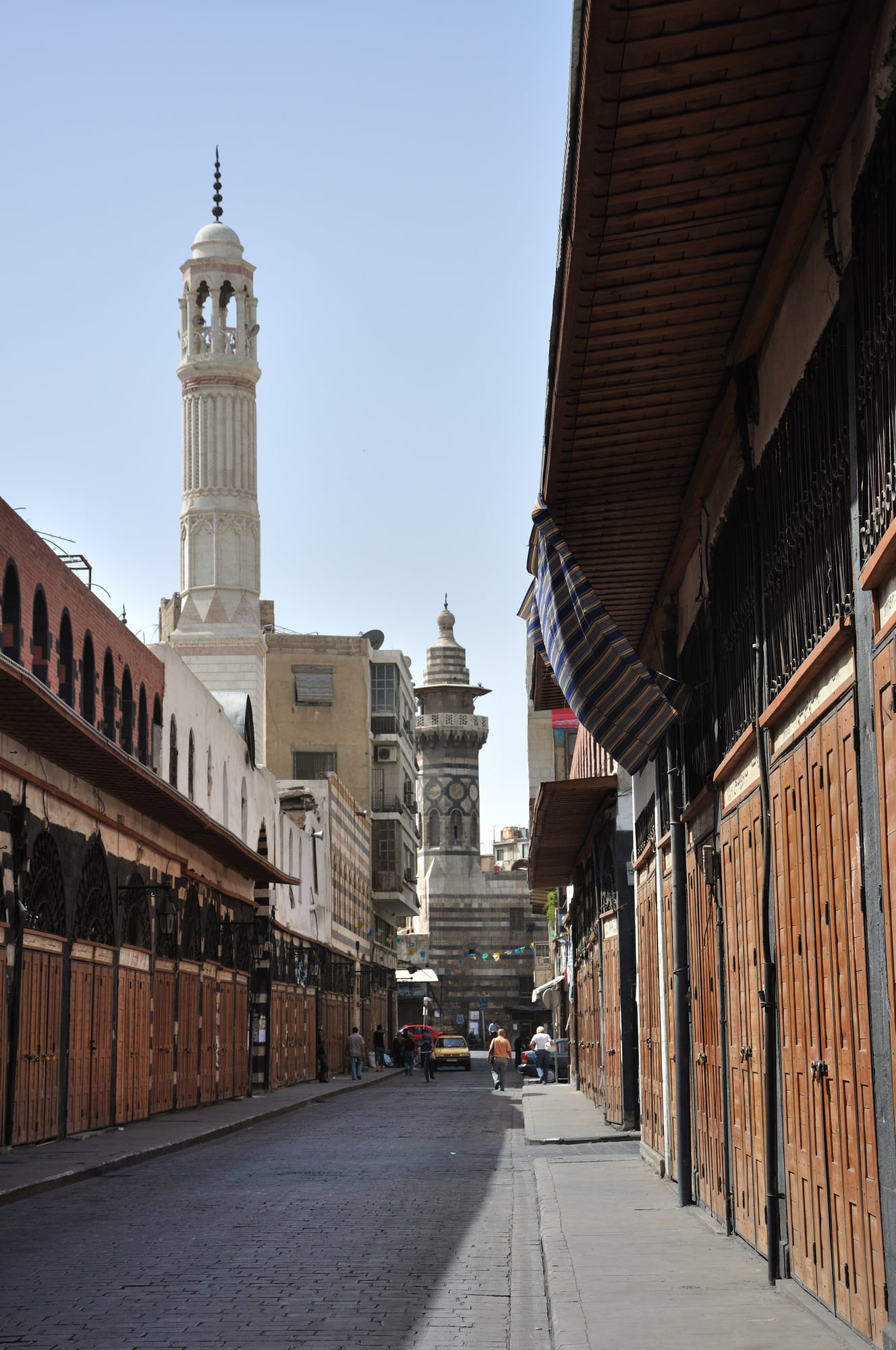
The markets along Damascus’s famous Straight Street served as diplomatic meeting points throughout the Islamic golden age. The street’s biblical significance and commercial importance made it neutral ground for Christian-Muslim negotiations.
Crusader diplomats and Islamic officials would often meet in the markets’ covered sections, using trade discussions as pretexts for political negotiations during periods of official hostility.
Bruges Market Square

Bruges’s central market became a diplomatic hub during the city’s medieval prosperity. The square’s weekly markets attracted representatives from across northern Europe, creating natural opportunities for international negotiations.
The city’s banking connections made financial diplomacy a specialty, and many medieval loan agreements between kingdoms were arranged during market days in Bruges’s Gothic square.
Markets as Modern Diplomatic Models

These historical examples demonstrate how commercial spaces naturally evolved into diplomatic venues when formal channels proved inadequate. The informal atmosphere, neutral territory, and economic incentives for cooperation made markets ideal for breakthrough negotiations.
Today’s economic diplomacy and trade summits follow patterns established centuries ago in bazaars from Istanbul to Timbuktu, proving that commerce remains one of humanity’s most effective diplomatic tools.
Like Go2Tutors’s content? Follow us on MSN.
More from Go2Tutors!

- 16 Restaurant Chains That Went Too Fast
- 12 Things Sold in the 80s That Are Now Illegal
- 15 Strange Things People Have Tried to Ban (And Failed)
- 16 Collectibles People Tossed Out Too Soon
- 17 Myths from Your Childhood That Were Actually Based on Real Things
Like Go2Tutors’s content? Follow us on MSN.