16 Surprising Facts About France’s Flag
Most people recognize France’s iconic blue, white, and red tricolor instantly. It’s been waving proudly over French soil for centuries, representing liberty, equality, and fraternity. But this seemingly simple flag harbors some truly fascinating secrets that even history buffs might not know.
The tricolor has survived revolutions, world wars, and political upheavals while accumulating an impressive collection of quirky stories along the way. Here is a list of 16 surprising facts about France’s flag that reveal just how remarkable this national symbol really is.
The Netherlands Inspired the French Design
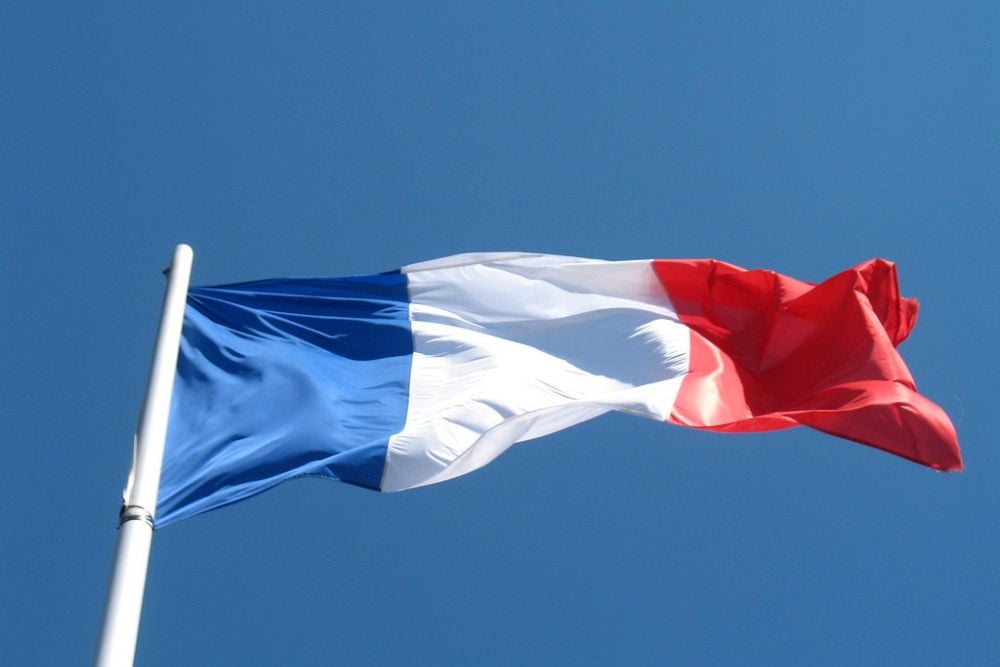
The horizontally striped red-white-blue flag of the Netherlands originally inspired the colour scheme used by the French revolutionaries after the French Revolution in 1789. French revolutionaries looked across the border and borrowed the Dutch color combination, though they flipped it to vertical stripes instead. This makes the French tricolor essentially a sideways tribute to Dutch flag innovation from the mid-17th century.
France’s Flag Started as Hat Decorations

The French tricolour flag is derived from the cockade of France used during the French Revolution. These were circular rosette-like emblems attached to the hat. Revolutionary fighters wore these colorful badges to identify themselves during the chaos of 1789. What began as simple hat ornaments eventually evolved into one of the world’s most recognizable national flags.
Like Go2Tutors’s content? Follow us on MSN.
It Almost Began with Green
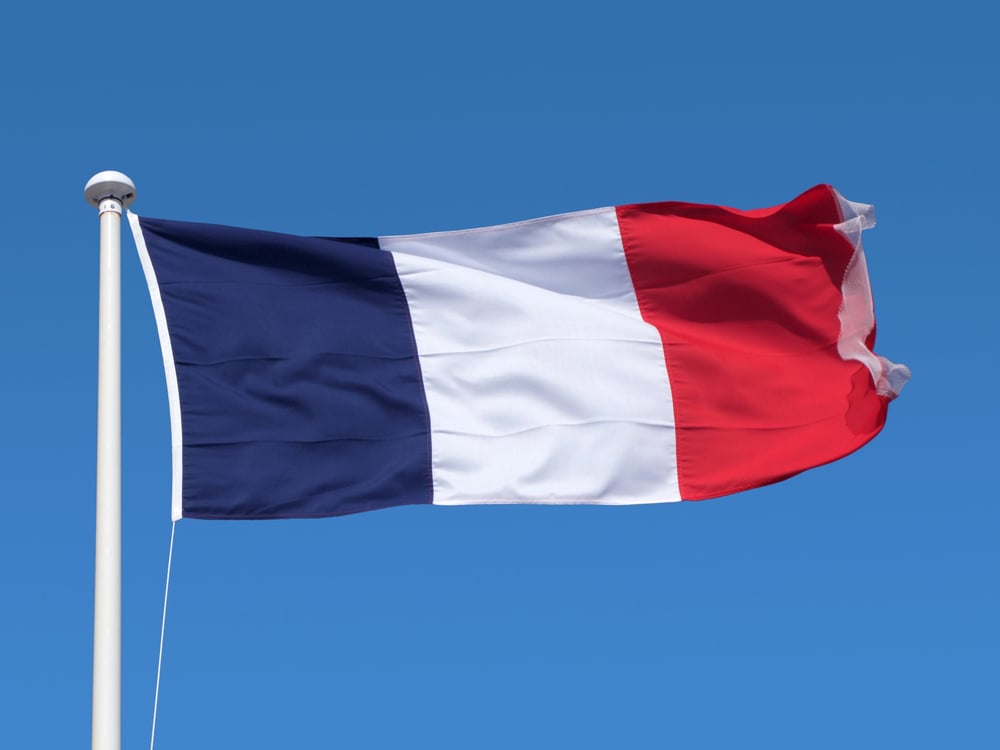
Camille Desmoulins asked his followers to wear green cockades on 12 July 1789. The very first revolutionary symbol wasn’t blue, white, or red at all. Green represented hope during those early revolutionary days, but it quickly gave way to the more practical blue and red colors of Paris when the militia formed just one day later.
The Naval Flag Uses Different Proportions

The French Navy uses the proportions 30% blue : 33% white : 37% red for the stripes, while the standard flag has equal stripes. The flapping of the flag makes portions farther from the halyard seem smaller, so the navy compensated by making the outer stripes wider. This practical adjustment ensures the flag looks balanced when it’s whipping around in ocean winds.
Napoleon Changed the Original Proportions
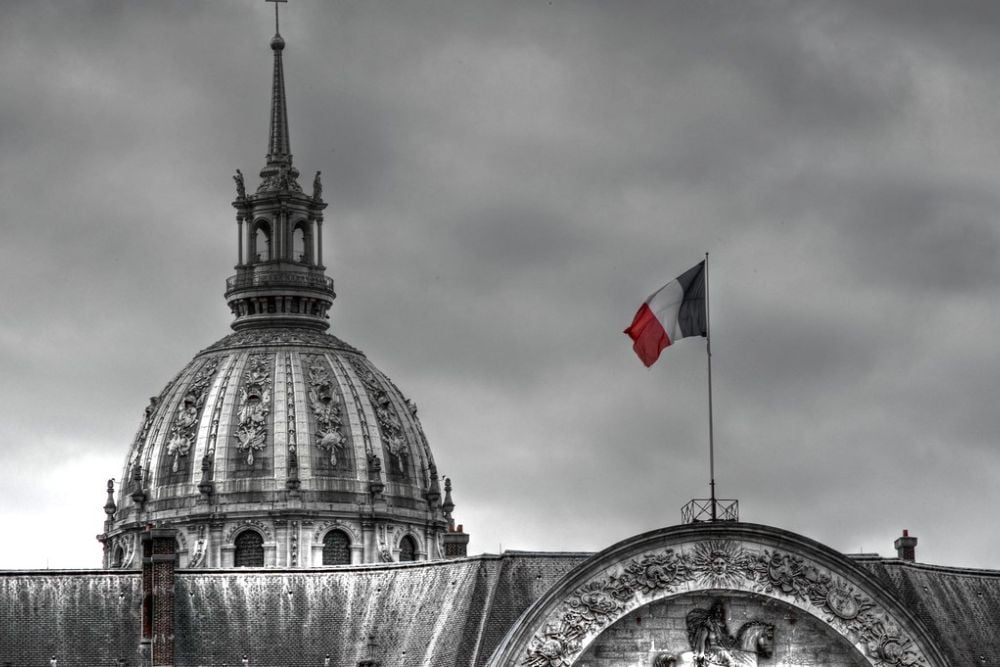
Initially, the three stripes of the flag were not equally wide, being in the proportions 30 (blue), 33 (white) and 37 (red). Under Napoleon I, the proportions were changed to make the stripes’ width equal. The emperor preferred mathematical precision in his symbols, so he standardized the stripes to equal widths. However, the navy later reverted to the original unequal proportions for practical reasons.
A Nine-Day Flag Experiment Failed Spectacularly
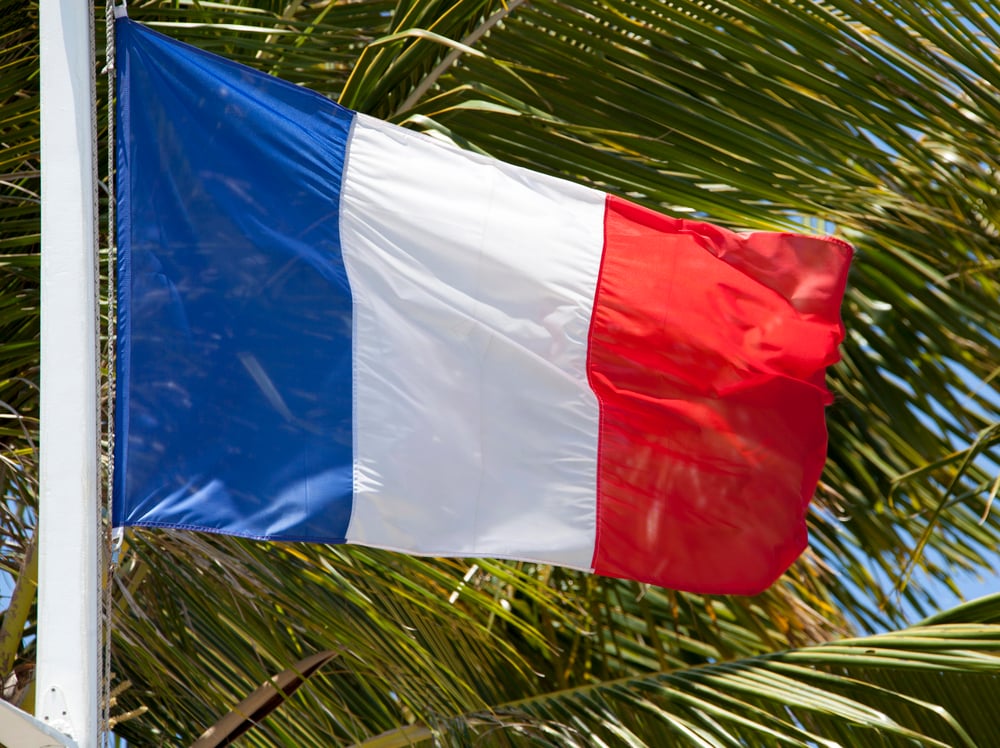
The Second Republic’s blue-red-white did not last long. Introduced on February 24, 1848, the design was binned just 9 days later. Revolutionary enthusiasm led someone to rearrange the colors, putting red in the middle instead of white.
The French people rejected this change so forcefully that officials quickly restored the traditional order, making it one of history’s shortest-lived national flags.
Presidential Photos Use Special Narrow-Stripe Flags
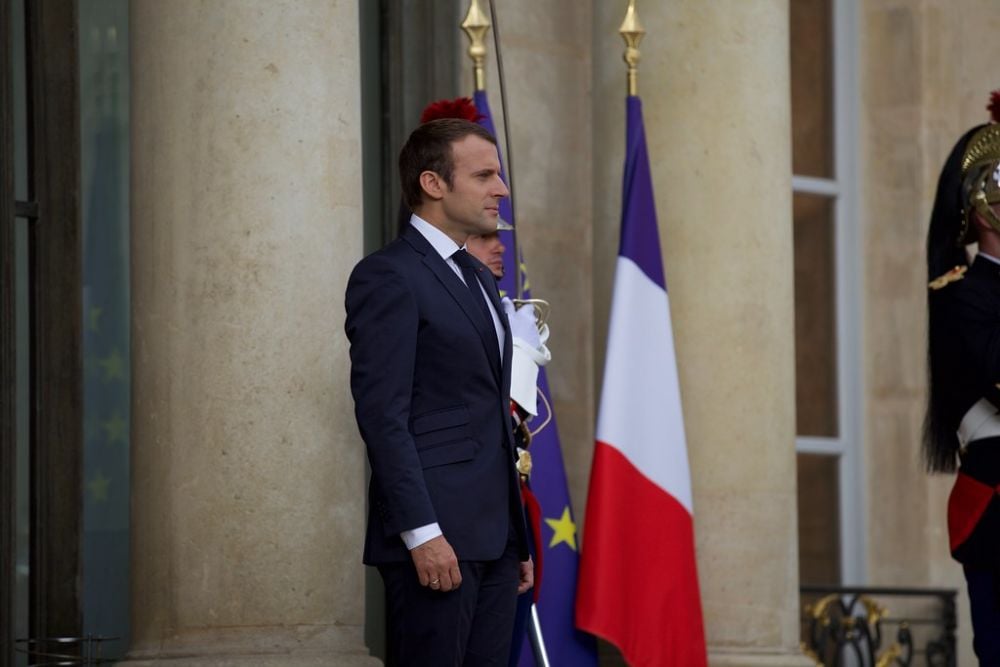
When the French president or prime minister is expected to be photographed at an official or televised event, a flag with a much narrower white stripe is often used as a backdrop to ensure that all three stripes are visible when the cameras are focused on them. Regular flags might show only the white stripe in close-up shots, so presidential photographers use specially modified flags to guarantee all three colors appear on camera.
The Flag Prevented a Royal Comeback
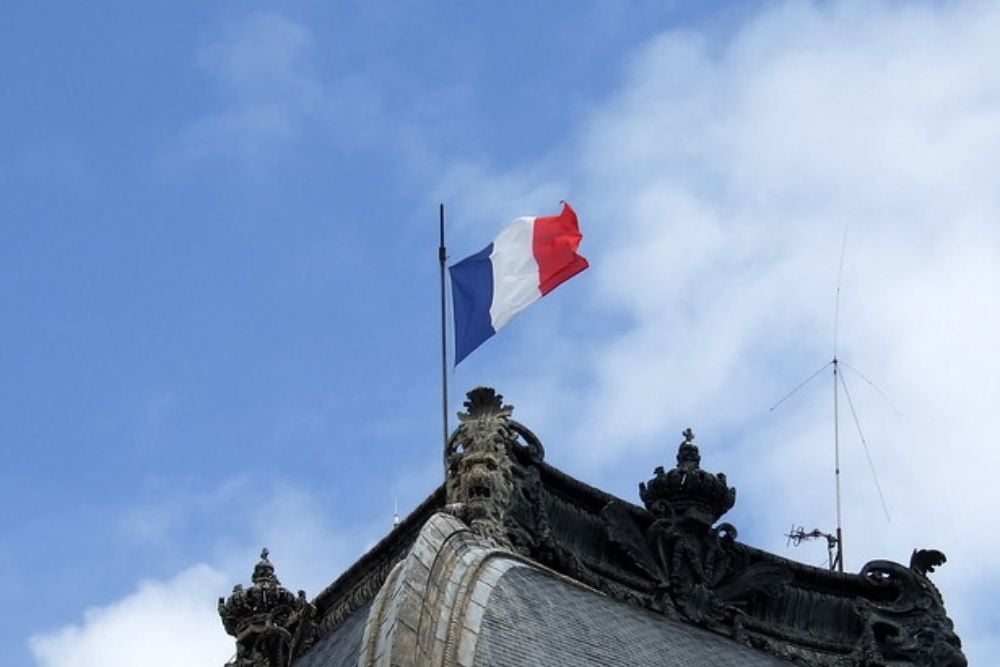
Henri, Comte de Chambord insisted that he would accept the throne only on the condition that the tricolour be replaced by the white flag. As the tricolour had become a cherished national symbol, this demand proved impossible to accommodate. The French people loved their flag so much that they chose to remain a republic rather than restore the monarchy.
One stubborn royal’s flag preference accidentally secured France’s democratic future.
It Inspired Aircraft Roundels Worldwide

From 1912 onwards, the French Air Force originated the use of roundels on military aircraft shortly before World War I. Similar national cockades, with different ordering of colours, were later adopted as aircraft roundels by their allies.
The circular cockade design that inspired the flag later returned to military aviation, spreading the concept of national aircraft markings around the globe.
Vichy France Added a Frankish Axe
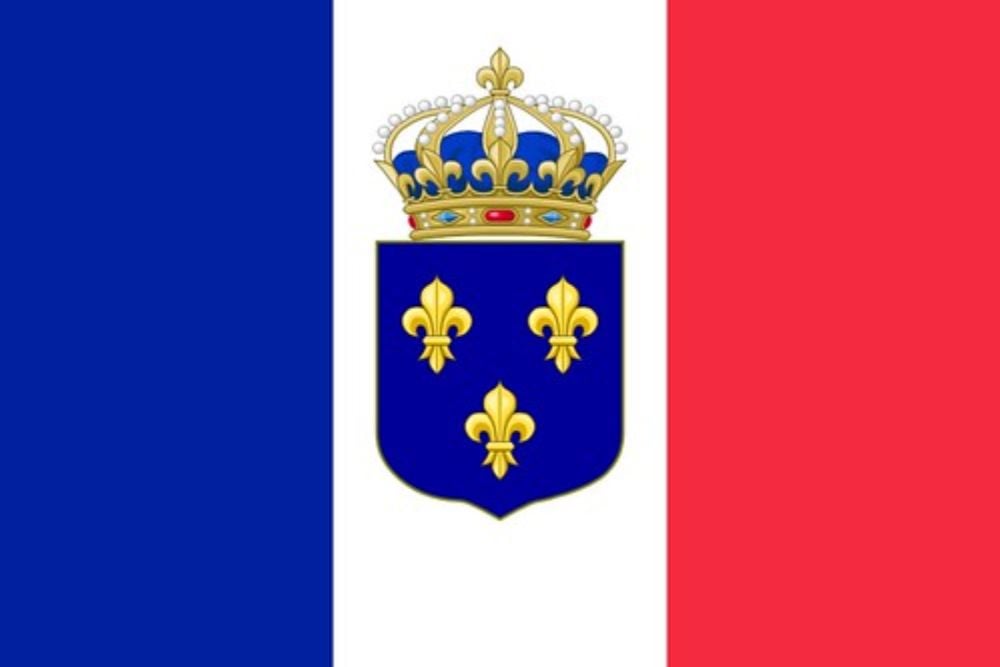
Philippe Pétain used as his personal standard a version of the flag with, in the white stripe, an axe made with a star-studded marshal’s baton. This axe is called the ‘Francisque’ in reference to the ancient Frankish throwing axe.
During World War II, the collaborationist regime modified the tricolor by adding this ancient weapon symbol to the white stripe, connecting their authority to medieval Frankish heritage.
The Free French Used the Cross of Lorraine
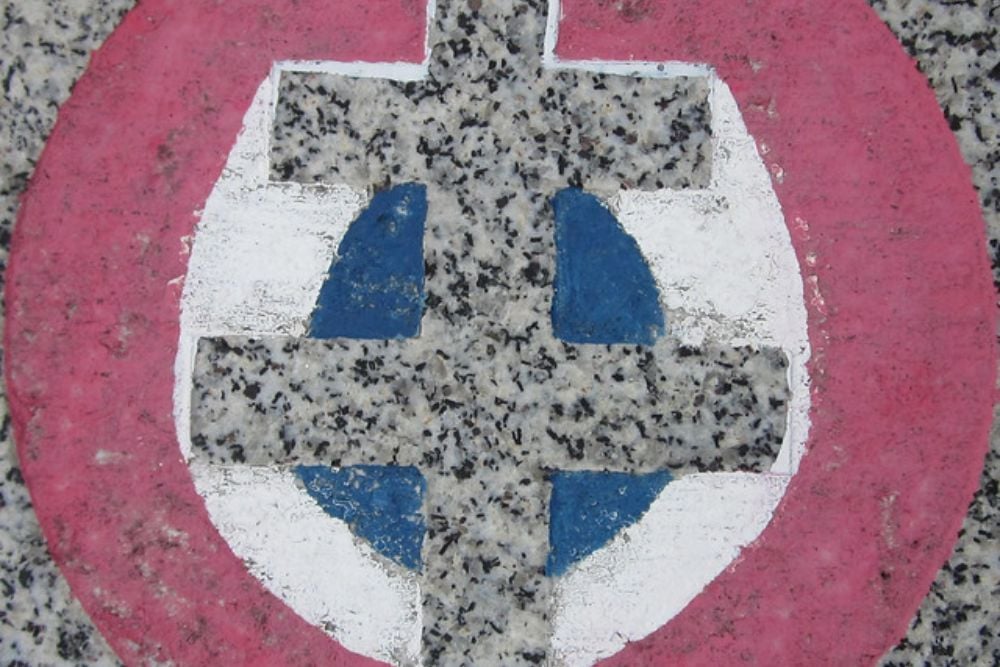
The Free French Forces used a tricolore with, in the white stripe, a red Cross of Lorraine. While Vichy France was adding axes to flags, Charles de Gaulle’s resistance movement chose the Cross of Lorraine as their symbol.
This created two competing versions of the French flag during the war, each representing a different vision for France’s future.
Like Go2Tutors’s content? Follow us on MSN.
Colors Represent Different Flowers

The colours of the national flag are occasionally said to represent different flowers; blue represents cornflowers, white represents marguerites, and red represents poppies. This botanical interpretation adds a gentle, natural symbolism to what many consider a revolutionary banner.
French wildflowers blooming together became a poetic way to describe national unity.
It Survived Multiple Royal Restorations
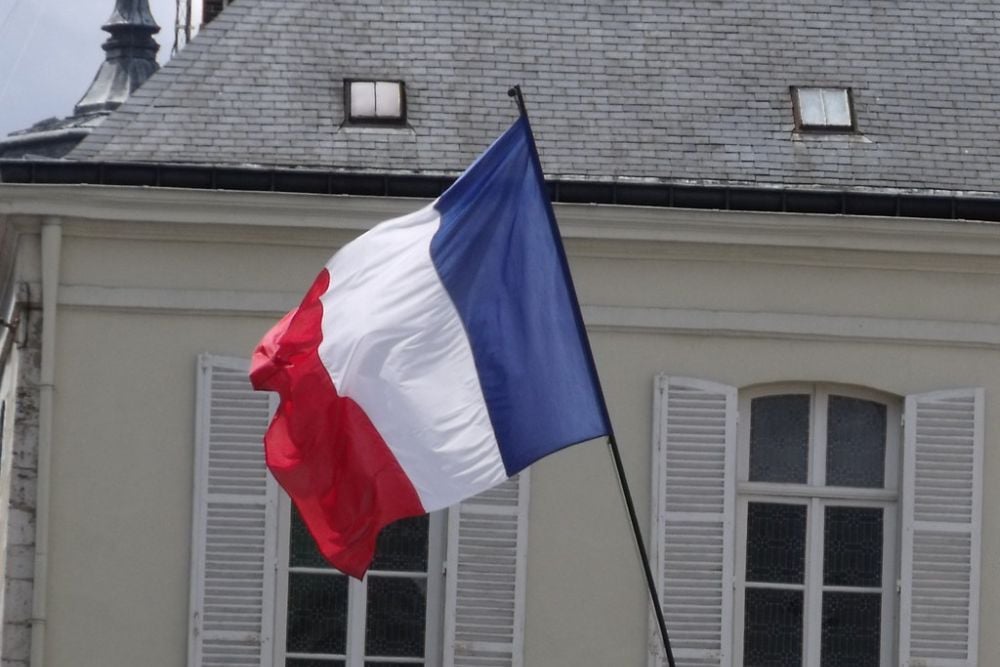
When the Bourbon dynasty was restored following the defeat of Napoleon in 1815, the tricolore was replaced by a white flag, but following the July Revolution of 1830, the tricolore was restored. The flag endured temporary banishment not just once but survived several attempts by returning monarchs to erase revolutionary symbolism.
Each time, popular demand brought the tricolor back stronger than before.
Medieval Social Classes Inspired the Design
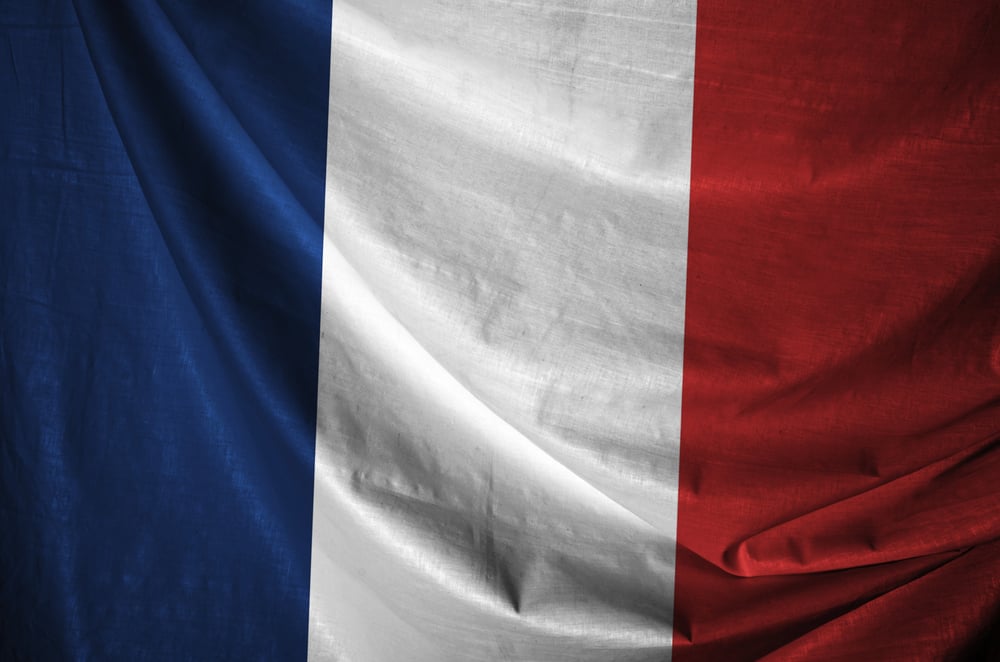
In medieval France, society was divided into three classes, each of which associated with a distinct color. Red was the color of nobility, white represented the clergy, and blue the bourgeoisie.
According to this interpretation, the flag’s arrangement reflects social hierarchy—blue for the majority middle class comes first, white for the powerful clergy sits in the middle, and red for the minority nobility takes the final position.
Presidents Have Changed the Shade of Blue

In 1974, French President Valéry Giscard d’Estaing updated it to a lighter blue that more closely aligns with the Flag of Europe. In 2018, French president Emmanuel Macron quietly modified the shade back to the navy blue version.
Modern presidents have subtly adjusted the flag’s appearance, with Giscard d’Estaing choosing European harmony while Macron returned to traditional French naval blue, possibly signaling different diplomatic priorities.
White Crosses Distinguished French from English Soldiers
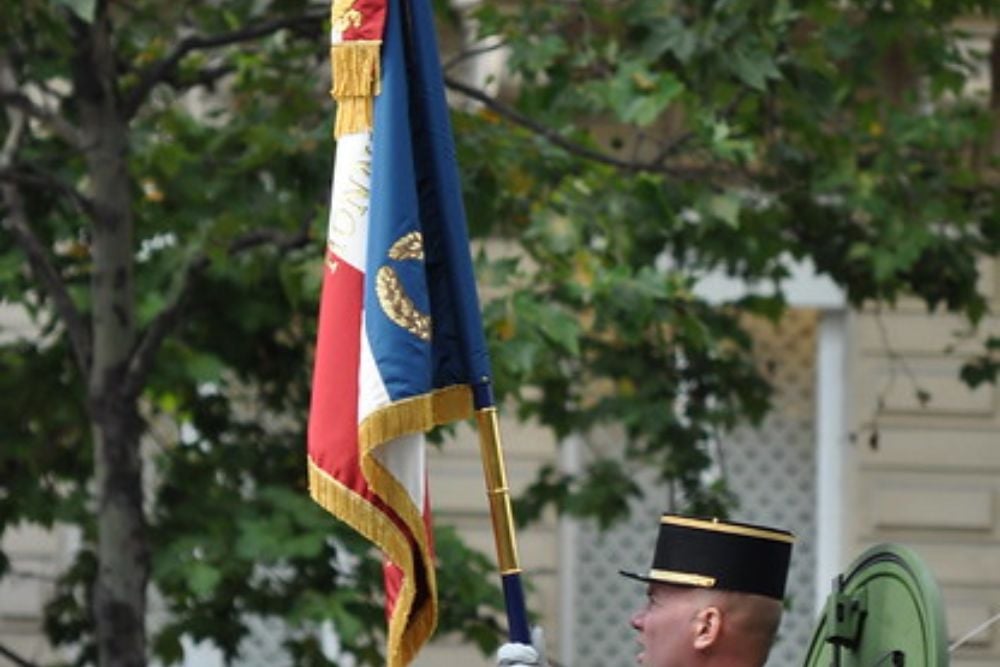
The French soldiers started to use white crosses, during the Hundred Years’ War, to distinguish themselves from the English soldiers wearing red crosses. Centuries before the tricolor existed, French military tradition established white as a national color through battlefield necessity.
English troops wore red crosses, so French soldiers adopted white ones to avoid friendly fire—a practical decision that influenced flag design hundreds of years later.
A Symbol That Transcends Politics
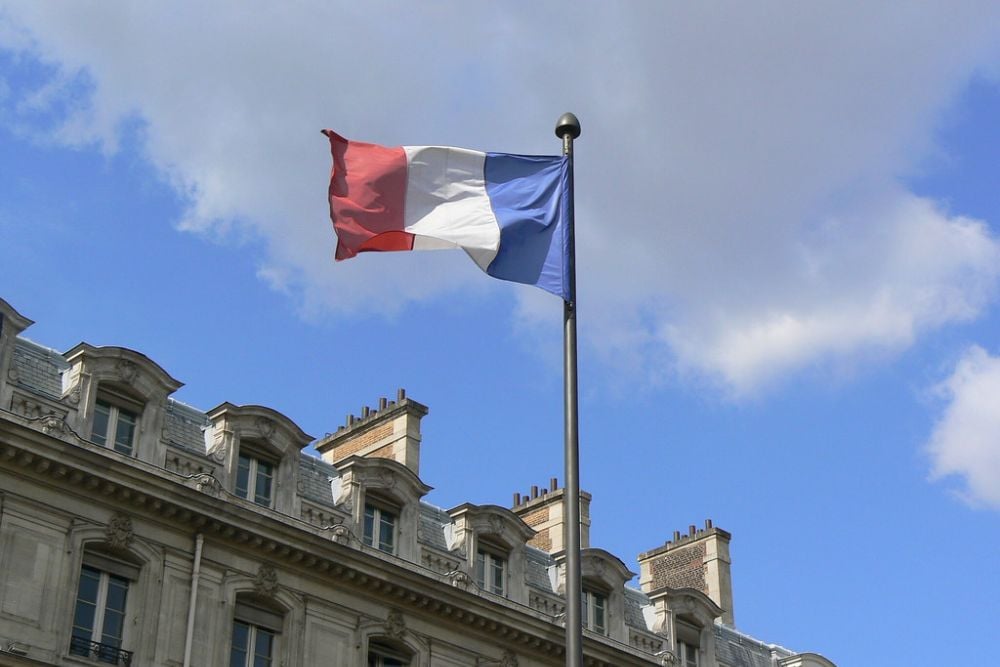
The French tricolor represents something remarkable in the world of national symbols—a flag that survived not through royal decree or political imposition, but through genuine popular affection. The tricolour, which combines royalist white with republican red, came to be seen as a symbol of moderation and of a nationalism that transcended factionalism.
From revolutionary cockades to presidential backdrops, this deceptively simple design has proven that the most enduring symbols are often those that unite rather than divide. Today, it continues to wave as a testament to the power of popular will over political convenience.
More from Go2Tutors!

- The Romanov Crown Jewels and Their Tragic Fate
- 13 Historical Mysteries That Science Still Can’t Solve
- Famous Hoaxes That Fooled the World for Years
- 15 Child Stars with Tragic Adult Lives
- 16 Famous Jewelry Pieces in History
Like Go2Tutors’s content? Follow us on MSN.