15 Cities That Are Deeply Steeped in History
Some places just feel different when you walk through them. The streets tell stories that textbooks can only hint at.
Stones worn smooth by millions of footsteps over thousands of years. Buildings that watched empires rise and fall.
These cities don’t just contain history—they breathe it. You can find historic places anywhere, but certain cities carry the weight of human civilization in ways that make you stop and think.
They’ve been capitals of empires, centers of learning, battlegrounds for ideas and armies alike. People built these places, destroyed them, and rebuilt them again.
And somehow, they’re still here.
Rome: Where Ancient Meets Everyday

Walking through Rome means stepping over history with every stride. The Colosseum stands in the middle of traffic circles.
Aqueducts cross modern highways. People live in apartments built on foundations laid two millennia ago.
The Forum was the beating heart of an empire that shaped Western civilization. Julius Caesar walked these streets.
So did countless emperors, gladiators, merchants, and slaves. The city has layers—literally. Modern Rome sits several meters above ancient Rome because centuries of rebuilding just kept adding height.
But Rome isn’t stuck in the past. Locals grab espresso at cafes next to temples.
Kids play football in piazzas where ancient Romans gathered. The city keeps living while holding onto everything that came before.
Athens: Democracy’s Birthplace

The Acropolis towers over Athens like a constant reminder of where it all started. Democracy, philosophy, drama—so much of what defines modern thought took shape on these hills.
Socrates wandered these streets asking questions that still matter. Plato founded his Academy here.
The Parthenon, even in ruins, still manages to dominate the skyline and your attention. You can stand in the ancient Agora where citizens debated and voted on laws that would influence governments for thousands of years.
Athens has fought through Persian invasions, Roman conquest, Byzantine rule, Ottoman occupation, and modern upheaval. Each era left its mark.
The city collects history the way some people collect stamps.
Jerusalem: Three Faiths, Countless Stories

Few cities carry the spiritual weight that Jerusalem does. Judaism, Christianity, and Islam all consider it sacred ground. The Western Wall, the Church of the Holy Sepulchre, and the Dome of the Rock sit within walking distance of each other.
The Old City’s stone walls have witnessed more conflict, prayer, and devotion than almost anywhere on Earth. People have fought over Jerusalem for millennia.
Empires have claimed it. Pilgrims have traveled impossible distances just to touch its stones.
You can feel the layers of belief here. Every stone seems to hold a prayer.
Every alley has seen processions. The city doesn’t let you forget what people are willing to die for.
Cairo: Guardian of the Pyramids

Cairo sprawls next to monuments that predate it by thousands of years. The pyramids at Giza watched this city grow from nothing into a metropolis of over 20 million people.
They’re older than you can really comprehend—built when mammoths still walked the Earth. The city itself has been a power center since medieval times.
Islamic Cairo preserves mosques and madrasas from centuries past. The Khan el-Khalili bazaar has been operating for over 600 years.
Traders still haggle in the same streets where medieval merchants made their fortunes. Cairo doesn’t just preserve ancient Egypt—it lives alongside it.
Modern traffic jams happen in the shadow of pharaohs.
Istanbul: The City of Two Continents

Istanbul straddles Europe and Asia, and its history reflects that impossible position. It was Constantinople, capital of the Byzantine Empire for over a thousand years.
Before that, it was Byzantium. The city has been Christian and Muslim, Roman and Ottoman, ancient and modern.
The Hagia Sophia captures this perfectly. Built as a church in 537 CE, converted to a mosque in 1453, turned into a museum, and now a mosque again.
The building has survived earthquakes, wars, and empire changes. Its dome still dominates the skyline.
The Bosphorus Strait flows through the city, separating continents. Empires fought to control this waterway.
Civilizations rose and fell on these shores. And people still cross it daily on ferries, barely thinking about the history beneath their feet.
Kyoto: A Thousand Temples

Kyoto served as Japan’s capital for over a thousand years. The city escaped the bombings that destroyed so much of Japan during World War II, so it preserved temples, shrines, and gardens that would have been lost anywhere else.
You can find over 2,000 temples and shrines here. Some date back to the 8th century.
The wooden structures have burned and been rebuilt, but they maintain their original designs. Geishas still train in traditional houses.
Tea ceremonies follow rituals perfected centuries ago. Kyoto keeps traditions alive without turning into a museum.
The city works. People live here, work here, and somehow maintain connections to a past that feels impossibly distant.
Damascus: The Oldest Continuously Inhabited City

Damascus makes claims to being the oldest continuously inhabited city in the world. People have lived here for at least 11,000 years.
That’s older than writing, older than agriculture in most places, older than civilization as most people understand it. The Umayyad Mosque stands on ground that has held religious buildings for over 3,000 years.
A temple to Jupiter stood here. Before that, an Aramean temple. The layers go down and down.
Recent conflict has damaged parts of this ancient city, which makes its survival all the more remarkable. Damascus has weathered everything humanity could throw at it and somehow kept going.
Beijing: Imperial Power

Beijing has served as China’s capital on and off for nearly 800 years. The Forbidden City alone took 14 years to build and housed 24 emperors across two dynasties.
Its walls enclosed secrets, intrigues, and the machinery of imperial power. The Great Wall stretches from near Beijing into the mountains.
Built and rebuilt over centuries, it represents one of humanity’s most ambitious construction projects.
You can walk on stones placed by workers who died doing the same job hundreds of years apart. Tiananmen Square holds modern history—protests, celebrations, proclamations.
The city keeps layering new history onto old foundations.
Varanasi: Where Life Meets Death

Varanasi might be the oldest living city in the world. Hindus consider it the holiest city, the place where dying and being cremated ensures escape from the cycle of rebirth.
The Ganges River flows through it, and the ghats—steps leading down to the water—host ceremonies that have continued for thousands of years. Mark Twain wrote that Varanasi is “older than history, older than tradition, older even than legend.”
Walking through its narrow lanes feels like stepping into a different era entirely. Pilgrims come from across India to die here.
Cremation fires burn day and night. The city doesn’t hide death or make it comfortable.
It puts everything on display—life, death, faith, and the river that connects them all.
Cusco: Heart of the Inca Empire
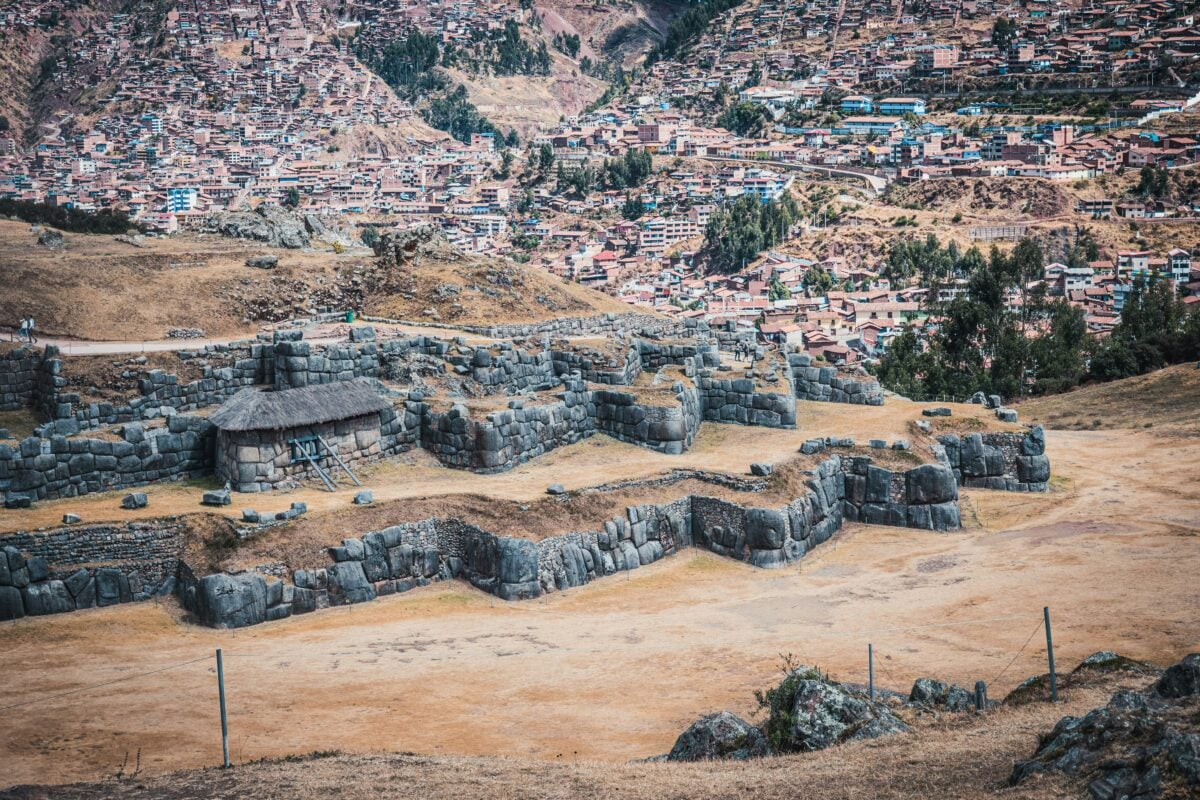
Cusco sits high in the Andes at over 11,000 feet. The Incas built their empire from here, creating a civilization that stretched from Ecuador to Chile without using wheels, iron tools, or written language.
Spanish conquistadors built their colonial city directly on top of Inca foundations. You can see it in the walls—Inca stonework so precise that you can’t fit a knife blade between blocks, topped with Spanish colonial architecture.
The cathedral sits on the foundation of an Inca palace. The city survived earthquakes that destroyed Spanish buildings while leaving Inca walls intact.
That says something about the engineering knowledge that existed here before Europeans arrived.
Fez: Medieval Morocco Preserved

Fez el-Bali, the old medina of Fez, is the world’s largest car-free urban area. No vehicles have ever driven these medieval streets.
They’re too narrow, too winding, too old. Donkeys still carry goods through passages that haven’t changed much in a thousand years.
The University of al-Qarawiyyin, founded in 859 CE, still operates. It’s the oldest existing, continually operating educational institution in the world.
Students studied mathematics, astronomy, and philosophy here when most of Europe was illiterate. Fez feels like time stopped.
Artisans still work in traditional crafts—leather tanning, metalwork, tile-making. The techniques haven’t changed.
Neither have the workshops.
Prague: The City of a Hundred Spires

Prague escaped major damage during both world wars, which means it preserved architecture that disappeared in other European capitals. Gothic churches stand next to Baroque palaces.
Art Nouveau buildings line streets that follow medieval plans. The Charles Bridge has connected Prague’s old town to the castle district since 1402.
Thirty statues line its length, and musicians still play on the same stones where medieval merchants once haggled. The Astronomical Clock in the Old Town Square has been marking time since 1410.
The city watched the Thirty Years’ War start from its windows. The Velvet Revolution of 1989 transformed it peacefully into a democracy.
History keeps happening here, but somehow the buildings survive to witness it all.
York: Roman Walls and Viking Streets

York started as a Roman fortress in 71 CE. The walls they built still encircle the city center—you can walk on top of them and look down at streets that follow Roman plans.
The Vikings captured York and called it Jorvik. Medieval builders constructed a cathedral that took 250 years to complete.
The Shambles, a medieval street of overhanging timber-framed buildings, looks almost exactly as it did 500 years ago. Butchers worked here—the name comes from the shelves they used to display meat.
Now it’s shops and cafes, but the bones of the medieval street remain. Archeologists keep finding Roman, Viking, and medieval remains under the city.
Every construction project becomes an excavation. The layers just keep going deeper.
Florence: Where the Renaissance Happened
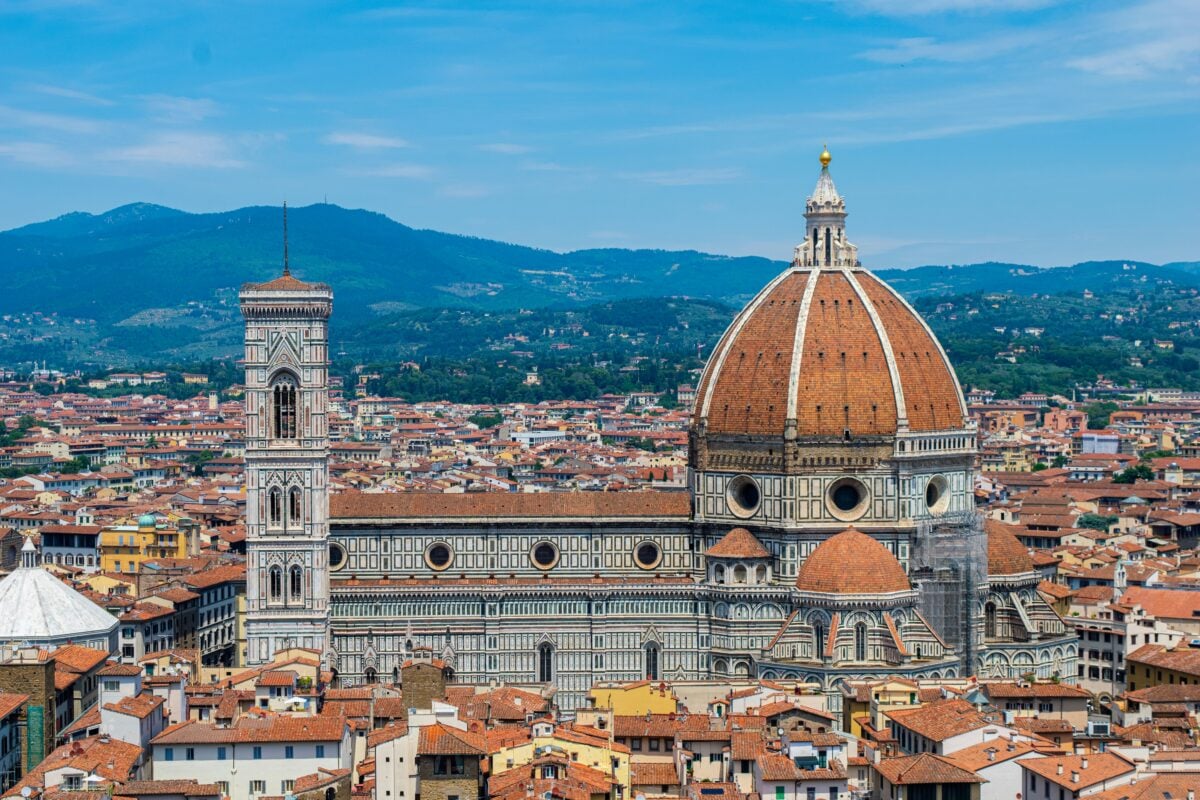
Florence gave birth to the Renaissance. Michelangelo, Leonardo da Vinci, Botticelli, Dante—the list of geniuses who worked here reads like the greatest hits of human achievement.
The Medici family funded art and architecture that defined what beauty could be. The Duomo’s dome, designed by Brunelleschi, still dominates the skyline.
Completed in 1436, it was the largest dome in the world and remained an engineering mystery for centuries. The Uffizi Gallery holds so many masterpieces that you can’t see them all in a day.
Walking through Florence means seeing where so much of Western art and thought took shape. The city preserved it all—not just the buildings but the idea that humans could create beauty that transcends time.
Marrakech: Red City of the Desert
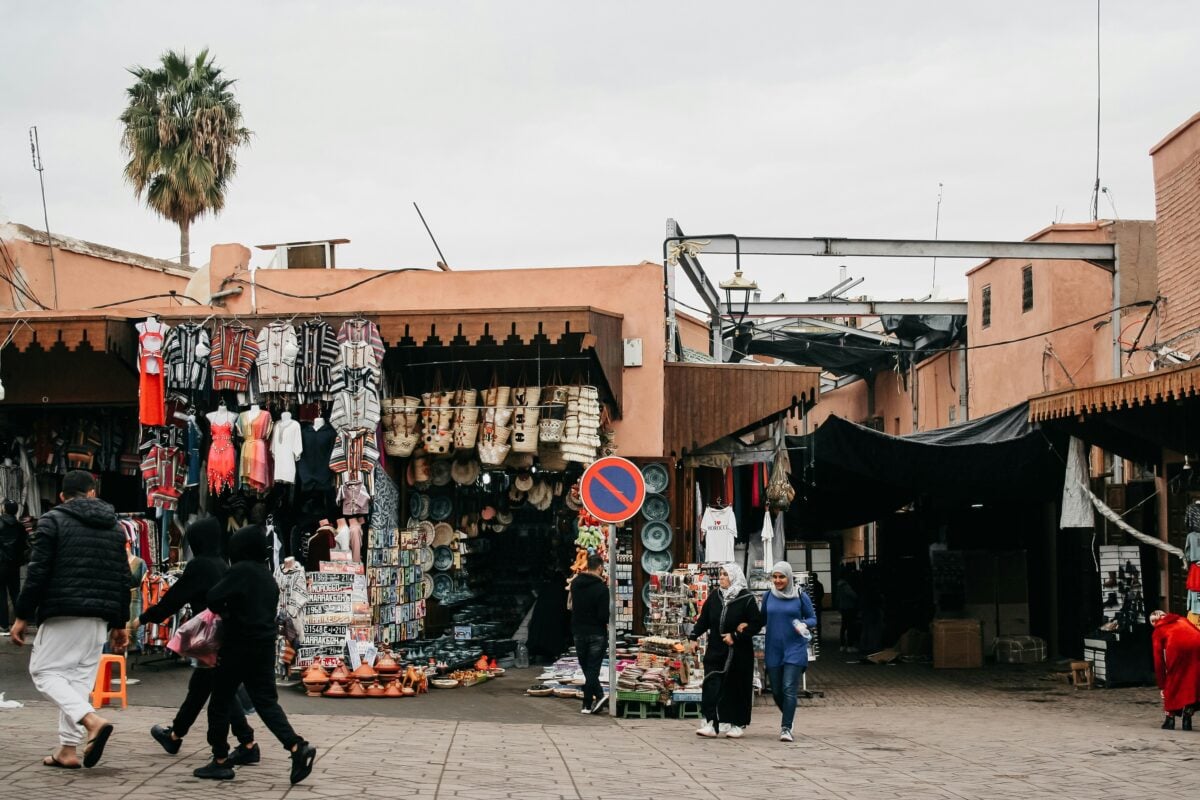
Marrakech has stood at the crossroads of African and Arab trade routes for nearly a thousand years. Founded in 1062, it became a cultural and religious center that drew scholars and merchants from across the Islamic world.
The medina’s red walls, which give the city its nickname, still enclose a maze of souks and alleys. The Jemaa el-Fnaa square has been the city’s heart for centuries—storytellers, musicians, snake charmers, and food vendors create chaos every evening just as they have for generations.
The Koutoubia Mosque’s minaret has called the faithful to prayer since 1158. The gardens, palaces, and riads tell stories of dynasties and sultans who ruled from this desert city.
Where the Past Lives

These cities don’t treat history as something that happened and ended. They carry it forward, sometimes awkwardly, often beautifully, always powerfully.
Modern life happens in buildings that have watched centuries pass. People make homes in structures that outlived empires.
You visit these places and realize that history isn’t just dates and events—it’s the accumulated weight of every person who lived, worked, fought, and loved in these streets. The stones remember even when we forget.
And somehow, impossibly, these cities keep adding new layers to stories that already stretch back thousands of years.
More from Go2Tutors!

- The Romanov Crown Jewels and Their Tragic Fate
- 13 Historical Mysteries That Science Still Can’t Solve
- Famous Hoaxes That Fooled the World for Years
- 15 Child Stars with Tragic Adult Lives
- 16 Famous Jewelry Pieces in History
Like Go2Tutors’s content? Follow us on MSN.