16 Moments in History That Only Happened Because Someone Got Lost
Throughout human history, wrong turns have often led to unexpectedly significant outcomes. From accidental discoveries of new lands to chance encounters that changed the course of civilization, getting lost has sometimes been the catalyst for remarkable historical developments.
Here is a list of 16 historical moments that only happened because someone took a wrong turn, misread their maps, or simply wandered off course.
Columbus Discovers the Americas
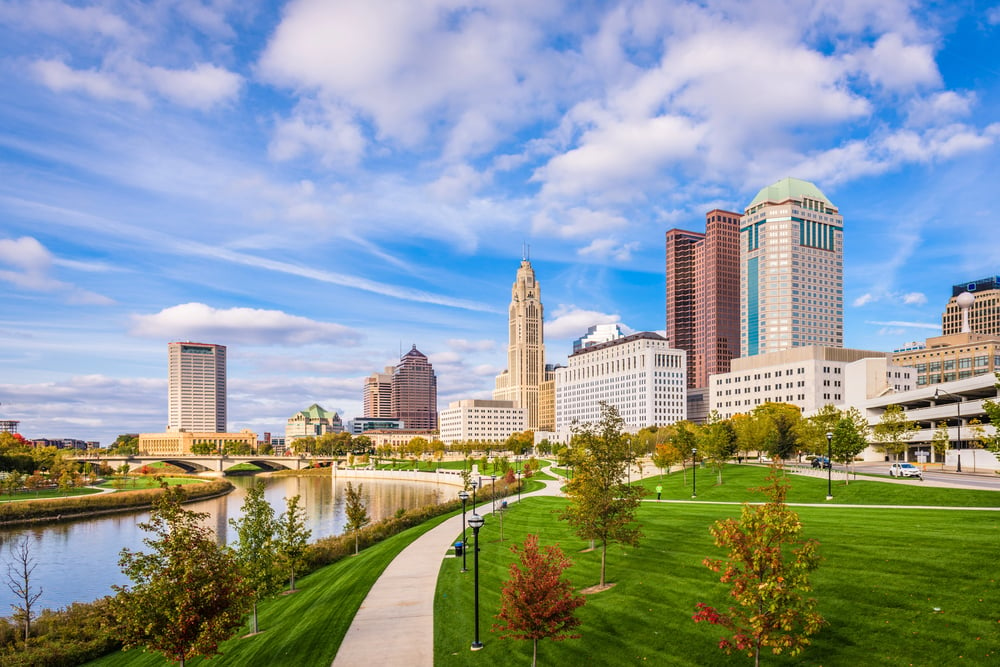
When Christopher Columbus set sail in 1492, he was looking for a western route to Asia. His geographic calculations were wildly inaccurate, underestimating Earth’s circumference by about 25%.
This massive navigational error led him to the Caribbean instead of his intended destination in the East Indies. His misdirection changed the course of world history, initiating European colonization of the Americas and reshaping global power structures for centuries to come.
The Accidental Discovery of Brazil
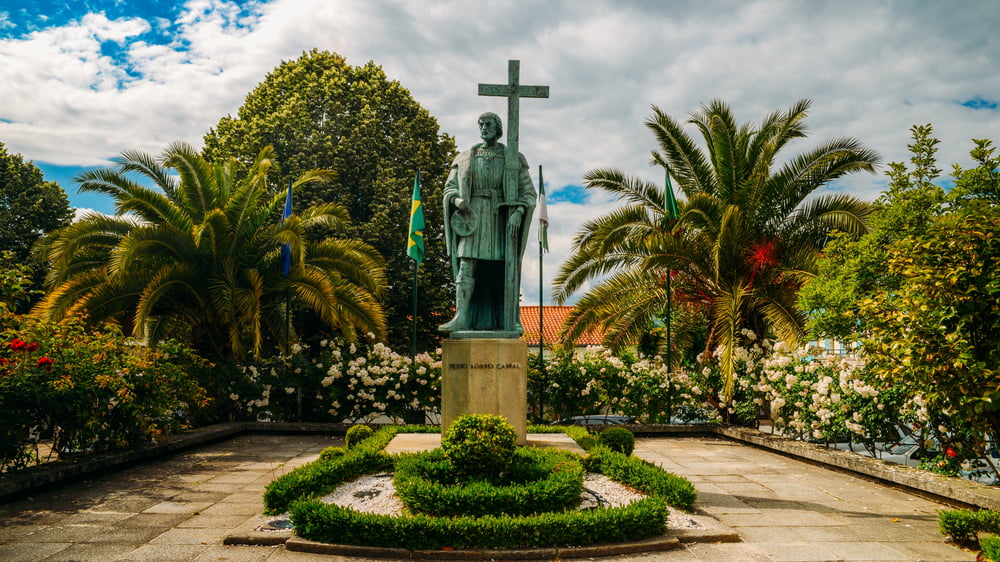
Portuguese explorer Pedro Álvares Cabral was attempting to follow Vasco da Gama’s route to India in 1500 when strong Atlantic currents pushed his fleet far westward. This unintentional detour led him to the coast of what is now Brazil, claiming it for Portugal. Had he stayed on course, Brazil might have developed under Spanish influence instead, dramatically altering South American history and cultural development.
Lewis and Clark’s Detour to Yellowstone
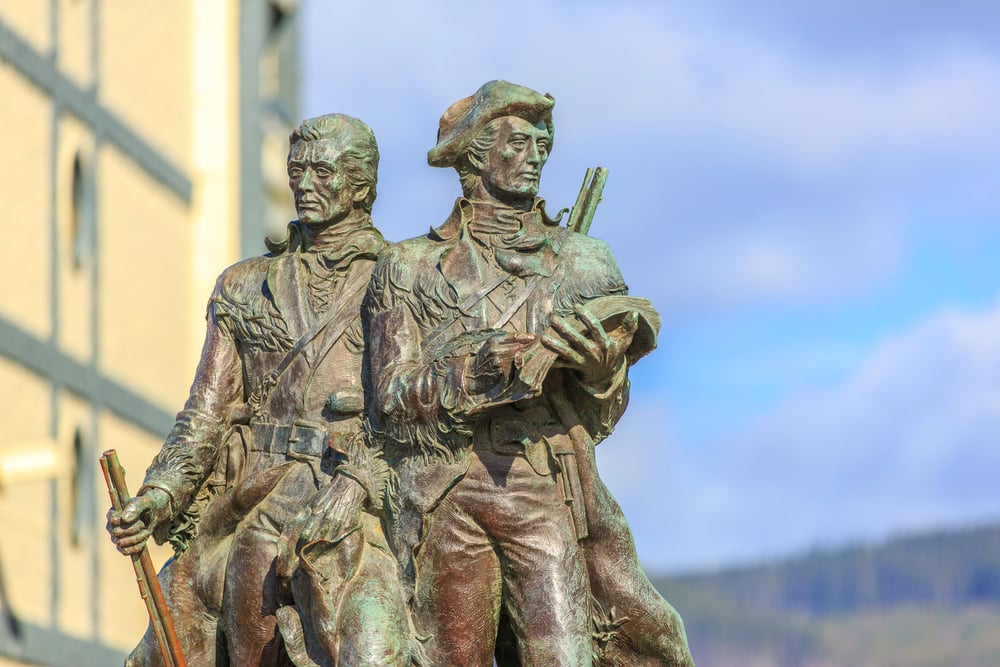
During their famous expedition, Meriwether Lewis and William Clark took several wrong turns, including a fateful detour that led them through Montana’s Yellowstone region. This unplanned route provided the first documented accounts of Yellowstone’s geothermal features by non-indigenous people.
Their descriptions eventually led to the area being designated as the world’s first national park in 1872, pioneering the concept of protected wilderness areas worldwide.
The Settlement of Iceland
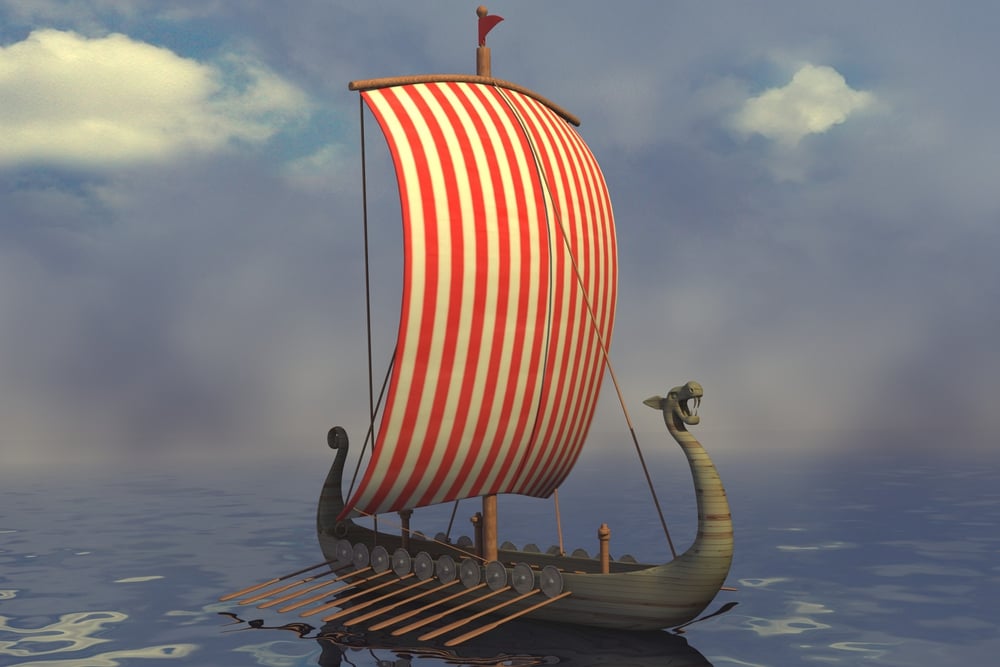
Norse sailors attempting to reach the Faroe Islands in the 9th century were blown off course by storms, accidentally discovering Iceland. Ingólfr Arnarson, considered Iceland’s first permanent settler, wasn’t even looking for new land—he was simply following wood pillars that had drifted from his ship.
This accidental settlement created a unique Norse outpost that preserved medieval Scandinavian culture and literature through the centuries.
Burke and Wills’ Australian Exploration

The ill-fated Burke and Wills expedition of 1860-61 got hopelessly lost in the Australian outback while attempting to cross the continent. Their tragic journey—resulting in the deaths of the leaders—nonetheless provided crucial information about Australia’s interior.
The search parties sent to find them mapped previously unknown territories and established new settlements across central Australia.
Magellan’s Discovery of the Pacific
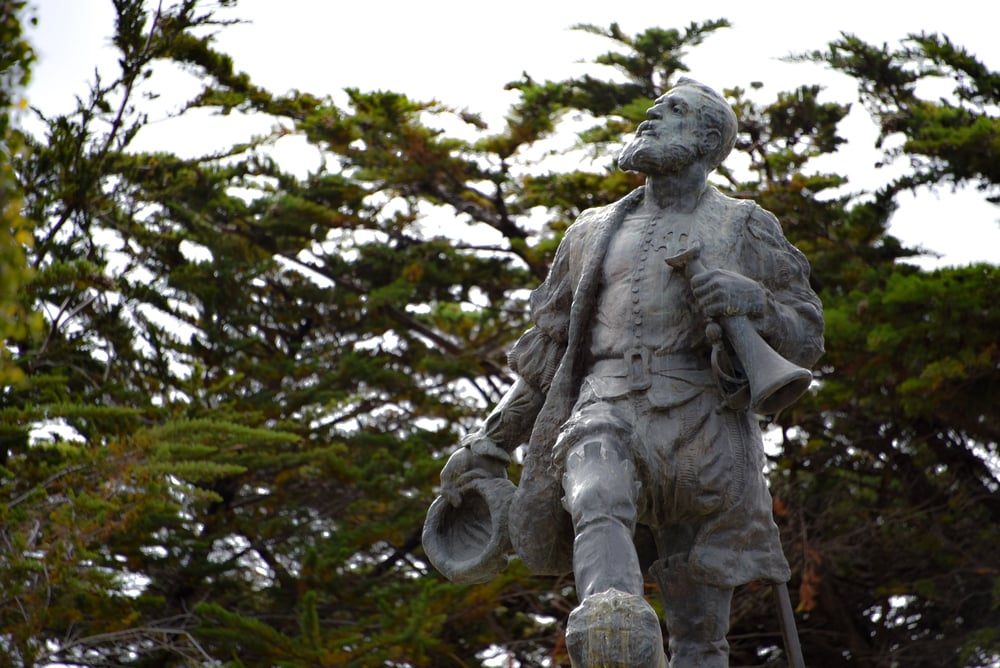
Ferdinand Magellan wasn’t seeking to circumnavigate the globe when he set out in 1519—he was simply looking for a western passage to the Spice Islands. After getting lost in the labyrinthine channels of South America, he stumbled upon the strait that now bears his name.
This navigation error led to European discovery of the Pacific Ocean and eventually the first circumnavigation of the earth (completed by Juan Sebastián Elcano after Magellan’s death).
The British Colonization of Australia
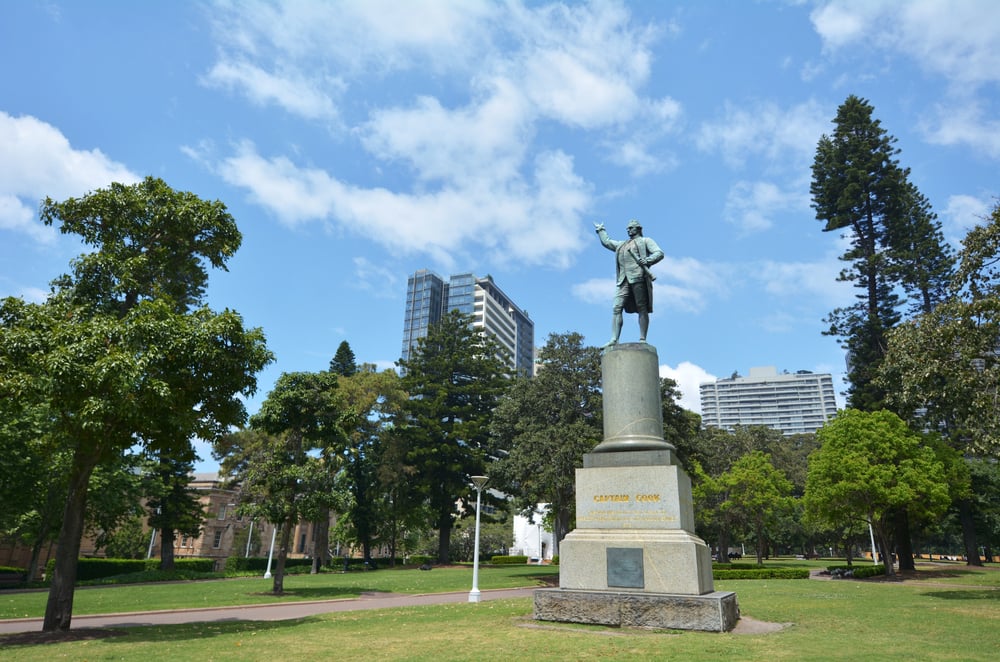
Captain James Cook’s 1770 expedition to the South Pacific went off course, leading him to the eastern coast of Australia. While Dutch sailors had previously encountered the western shores, Cook’s landing at Botany Bay directly led to British colonization of the continent.
This navigation error fundamentally altered Australia’s development path and indigenous history, establishing British rather than Dutch or French dominance in the region.
The Founding of Las Vegas

Separated from his group in 1829, Rafael Rivera, a Mexican trading party scout, came to find the artesian springs in Las Vegas Valley. His unintentional discovery raised knowledge of this water supply in the desert, which resulted in the founding of a community that would finally grow to be Las Vegas.
Without Rivera’s turn of events, decades of delay in the growth of this important American city might have resulted.
Cartier’s Navigation of the St. Lawrence
Lost amid the St. Lawrence River’s islands, French adventurer Jacques Cartier was seeking a northwest path to Asia in 1535. His meandering path established French claims in North America and deep into what would become Canada.
This navigational uncertainty prepared the ground for New France and the distinctive French cultural presence still felt in Quebec today.
The Discovery of Machu Picchu
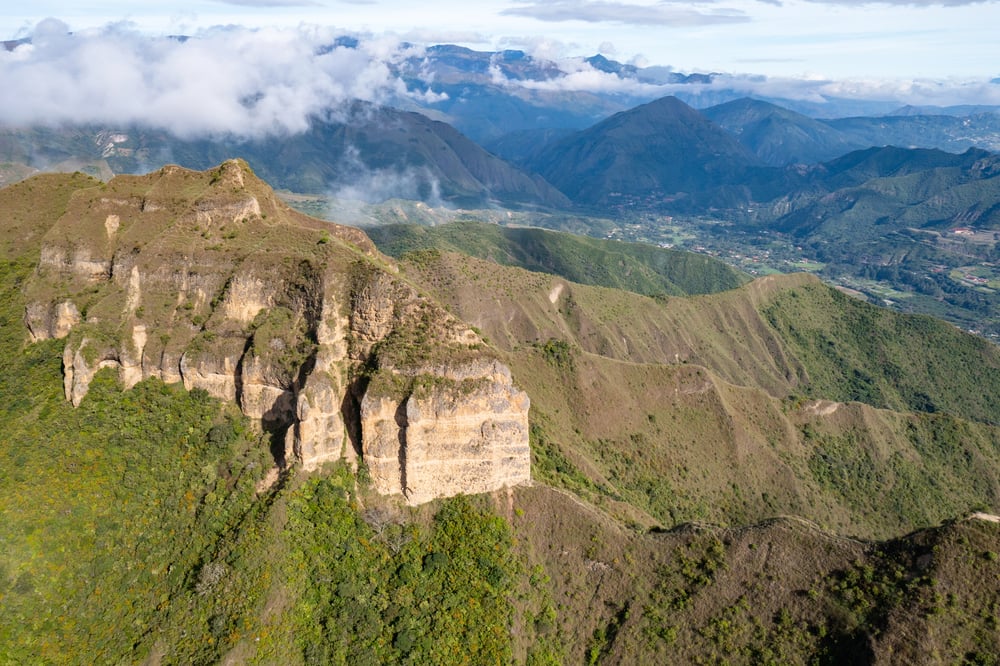
American explorer Hiram Bingham was actually looking for Vilcabamba, the lost city of the Incas, when local farmers directed him to an overgrown mountain site in 1911. His wrong turn led him to discover Machu Picchu instead, bringing this architectural marvel to global attention.
This fortunate misdirection preserved one of humanity’s most impressive ancient achievements and created one of the world’s premier archaeological destinations.
The Oregon Trail Miscalculation
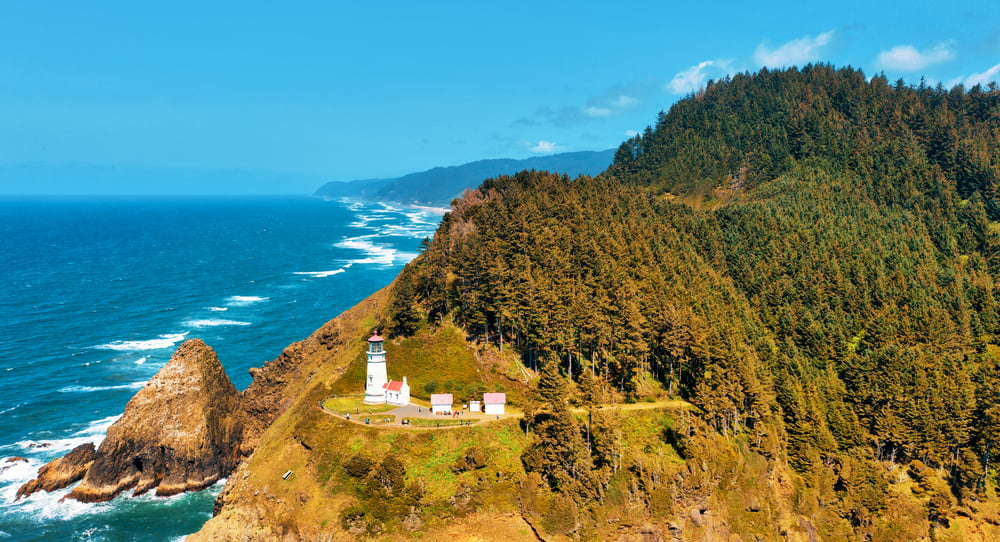
In 1846, Stephen Meek convinced nearly 1,000 settlers to take his “shortcut” on the Oregon Trail. The group became hopelessly lost in the harsh eastern Oregon desert, with many perishing before they found their way to safety.
This tragedy, known as the “Meek Cutoff,” nonetheless opened new migration routes and led to settlements that wouldn’t otherwise have been established in central Oregon.
Marco Polo’s Extended Journey
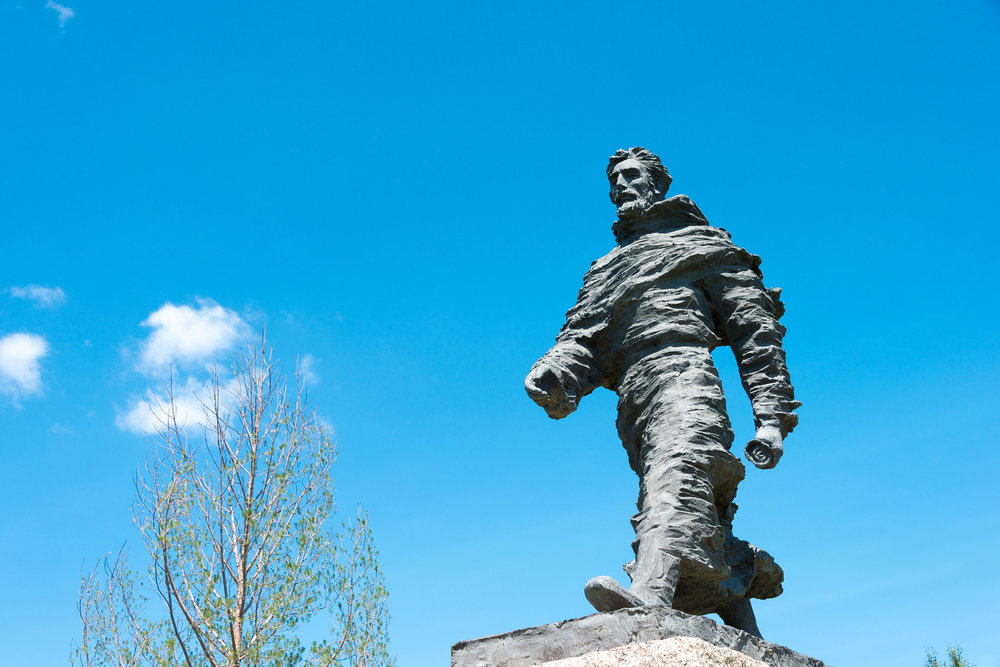
Marco Polo’s famous travels through Asia weren’t entirely planned—he frequently got lost and took unintended detours. One such deviation led him through parts of China that few Europeans would see for centuries.
His subsequent travelogue, written while imprisoned after getting lost at sea and captured, introduced Europe to Eastern cultures and inspired future explorers including Christopher Columbus.
Coronado’s Search for the Seven Cities of Gold
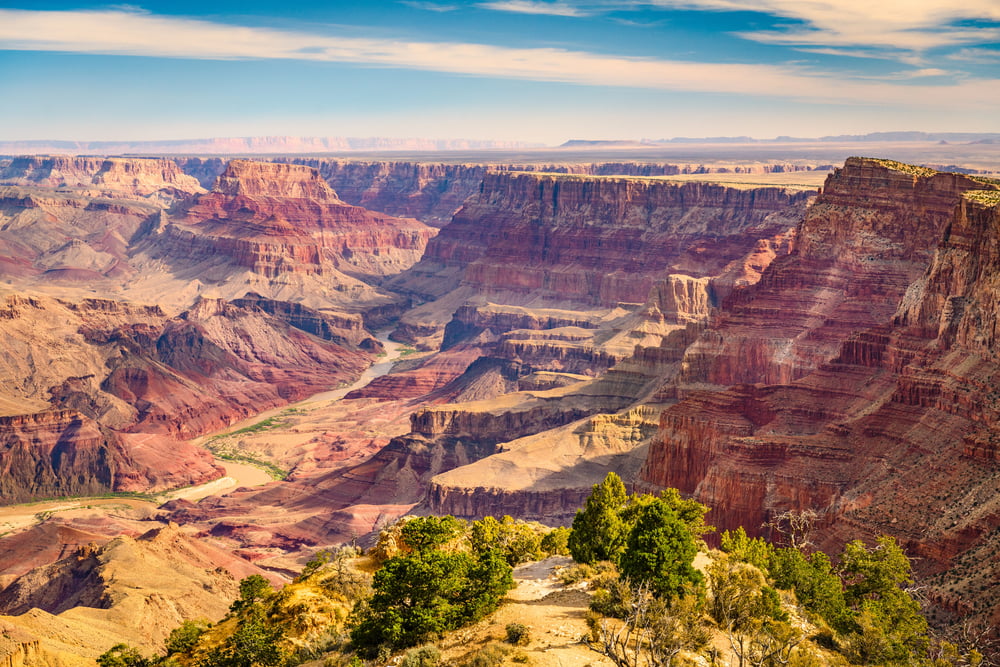
Francisco Vázquez de Coronado set out in 1540 seeking the mythical Seven Cities of Gold. Getting thoroughly lost in the American Southwest, his expedition wandered through present-day Arizona, New Mexico, Texas, and Kansas.
Though he never found treasure, his misadventures led to the first European documentation of the Grand Canyon and the massive bison herds of the Great Plains, fundamentally changing European understanding of North America.
The Mormon Settlement of Utah

Brigham Young led Mormon pioneers west in 1847, intending to find somewhere beyond U.S. territory. Getting lost in the Rocky Mountains, they emerged into the Salt Lake Valley, which Young famously declared was “the right place.”
This navigational confusion established Salt Lake City and the Mormon cultural region, creating a distinctive religious and social presence in the American West that continues to influence regional politics and culture.
Balboa’s Pacific Discovery
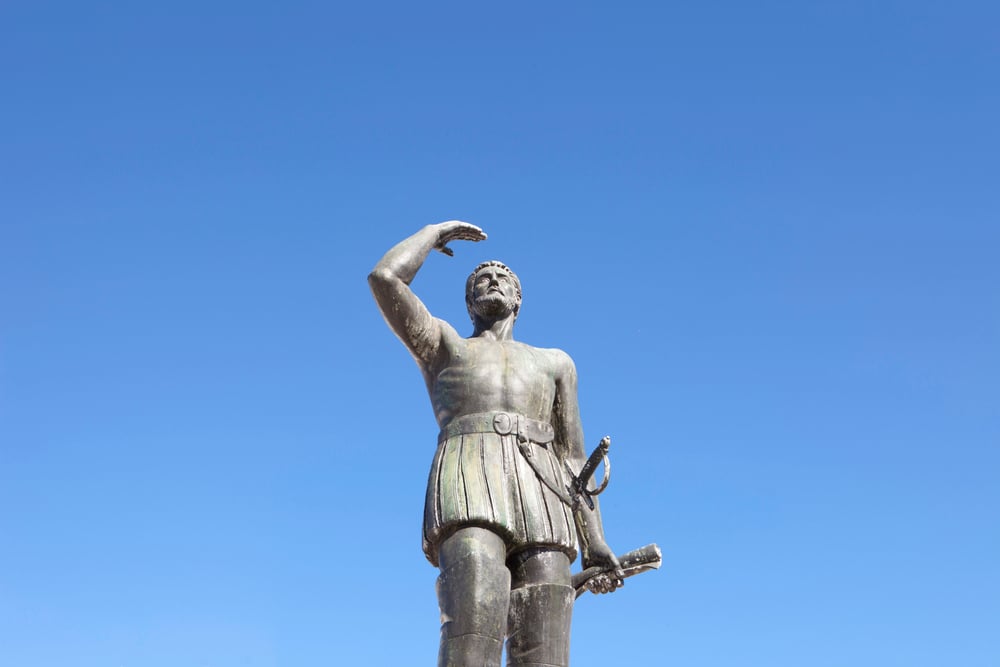
Vasco Núñez de Balboa wasn’t searching for a new ocean when he led an expedition across the Isthmus of Panama in 1513. Lost and searching for rumored gold, he instead became the first European to see the Pacific Ocean from the New World.
This accidental discovery revolutionized European understanding of the Americas as a separate continent and sparked further exploration of the Pacific coast.
The Settlement of Pitcairn Island
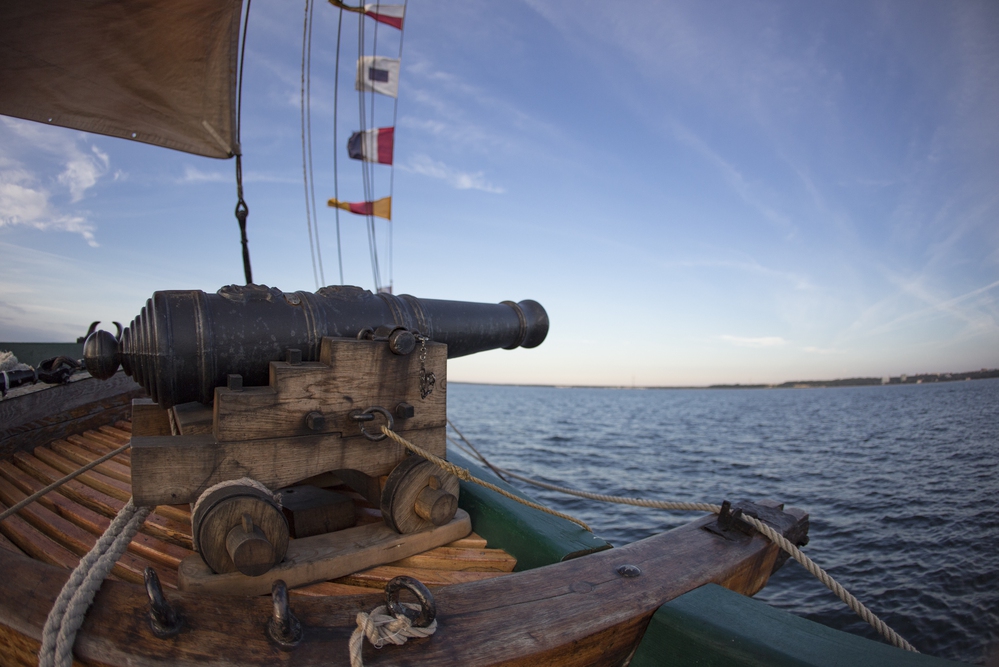
The mutineers from HMS Bounty, led by Fletcher Christian, were desperately seeking a safe haven when they stumbled upon Pitcairn Island in 1790. The remote island wasn’t accurately charted, and the sailors initially thought they had found a different island altogether.
This navigation error created one of history’s most isolated communities, which survived undiscovered for 18 years and continues as a unique society with fewer than 50 inhabitants today.
Navigating Through the Past
These historical wrong turns remind us that occasionally some of the most significant events in human history happened by mistake rather than as intended. From the founding of communities to the discovery of continents, sometimes losing has been the unexpected driving force for progress.
Remember—you might simply be following a great historical legacy of inadvertent discovery the next time you turn around in an incorrect direction.
More from Go2Tutors!

- The Romanov Crown Jewels and Their Tragic Fate
- 13 Historical Mysteries That Science Still Can’t Solve
- Famous Hoaxes That Fooled the World for Years
- 15 Child Stars with Tragic Adult Lives
- 16 Famous Jewelry Pieces in History
Like Go2Tutors’s content? Follow us on MSN.



