15 Natural Materials Scientists Are Trying to Recreate in Labs
Nature has spent millions of years perfecting materials that put human engineering to shame. From spider webs stronger than steel to gecko feet that can support an entire body weight on glass, the natural world produces substances with properties that seem almost magical. These biological materials often combine multiple functions in ways that synthetic alternatives simply can’t match — they’re self-repairing, environmentally friendly, and incredibly efficient to produce.
Scientists around the globe are racing to unlock these natural secrets, hoping to revolutionize everything from construction to medicine. Here is a list of 15 natural materials scientists are trying to recreate in labs.
Spider Silk

Spider silk makes kevlar look like cheap yarn. This protein-based fiber is five times stronger than steel by weight, yet remains incredibly flexible and lightweight. Scientists have tried everything from genetically modified bacteria to mechanical spinning devices, though they haven’t quite cracked the spider’s secret formula.
Gecko Adhesion
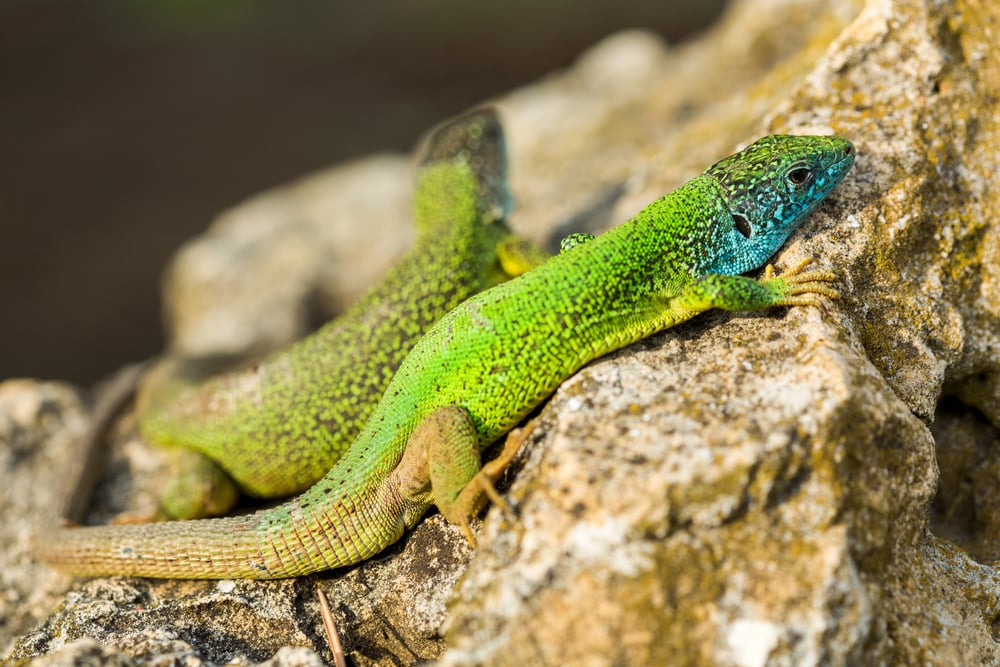
Gecko feet perform a magic trick that defies common sense. These lizards can walk up glass walls and hang upside down from ceilings using nothing but dry adhesion — no sticky substances involved. Researchers have created synthetic versions, but none match the gecko’s combination of strength, reusability, and easy release.
Shark Skin
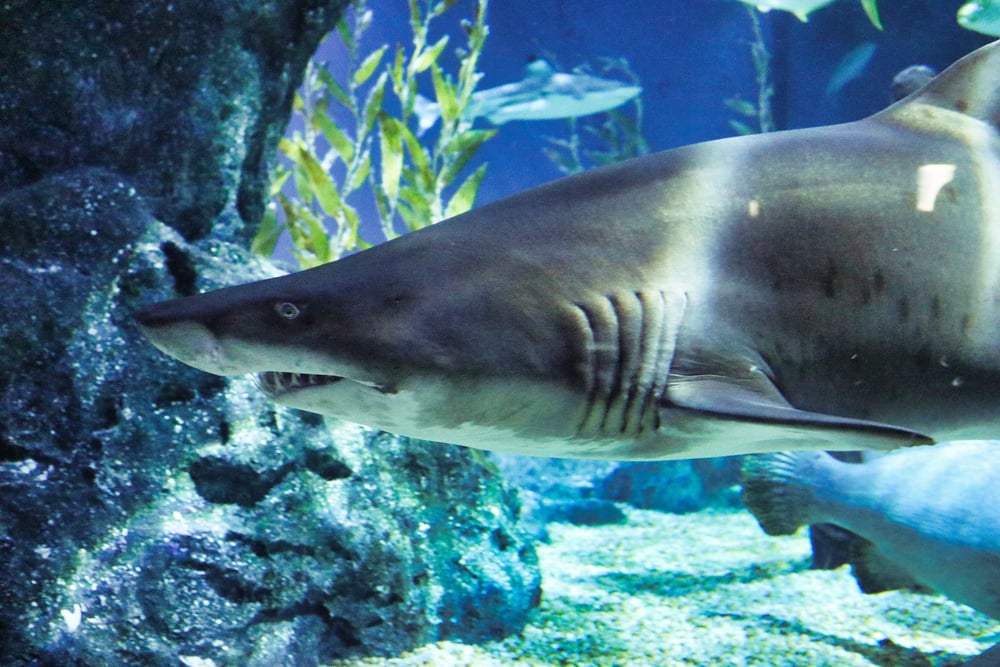
Shark skin isn’t just tough — it’s hydrodynamically perfect. The tiny tooth-like scales called denticles reduce drag while swimming, creating microscopic vortices that actually help sharks move faster through water. Scientists continue working on synthetic versions for everything from ship hulls to airplane surfaces, though replicating the exact scale structure remains challenging.
Mussel Adhesive

Mussels have solved a problem that stumps human engineers: how to create waterproof glue that works underwater. These shellfish produce protein-based adhesives that cure in wet, salty conditions — forming bonds stronger than most synthetic glues. Medical researchers are particularly interested because this adhesive could revolutionize surgical procedures, yet producing it artificially requires complex biochemical processes.
Cactus Spines

Desert cacti have engineered the perfect water collection system. Their spines gather moisture from fog and dew, then channel it directly to the plant’s roots through microscopic grooves. Engineers are developing biomimetic fog nets and building materials inspired by cactus spine geometry, though matching nature’s efficiency proves difficult.
Butterfly Wing Scales

Butterfly wings create brilliant colors without using any pigments. Instead, microscopic scales manipulate light through structural interference patterns that produce iridescent blues, greens, and purples more vivid than any paint. Researchers want to recreate these photonic crystals for displays and solar panels, but manufacturing such precise nanostructures remains extremely challenging.
Bone Structure

Human bone outperforms most engineering materials in terms of strength-to-weight ratio and self-repair capabilities. This composite material combines calcium phosphate minerals with collagen proteins in a hierarchical structure that’s both rigid and flexible. Orthopedic researchers are working to create synthetic bone substitutes, though replicating bone’s complex multi-scale architecture proves incredibly difficult.
Nacre Formation

Oyster shells contain one of nature’s toughest materials despite being made from relatively soft calcium carbonate — the same stuff as chalk. Nacre, or mother-of-pearl, achieves its incredible strength through a brick-and-mortar structure where microscopic tablets are held together by organic polymers. This arrangement makes nacre 3,000 times tougher than its constituent materials, though controlling the precise assembly process remains elusive.
Lotus Leaf Surface

Lotus leaves stay perfectly clean without soap or scrubbing. Their surface contains microscopic bumps covered in waxy crystals that cause water to bead up and roll off — taking dirt and contaminants with it. Most synthetic versions lose their effectiveness over time, while the lotus maintains its properties throughout its entire lifespan.
Wood Cellular Structure

Trees have perfected lightweight construction over millions of years of evolution. Wood achieves remarkable strength-to-weight ratios through its cellular architecture — hollow tubes and chambers that provide structural support while minimizing material usage. Different tree species optimize their cellular patterns for specific environmental conditions, creating properties that synthetic foams and composites rarely match simultaneously.
Squid Beak Composition
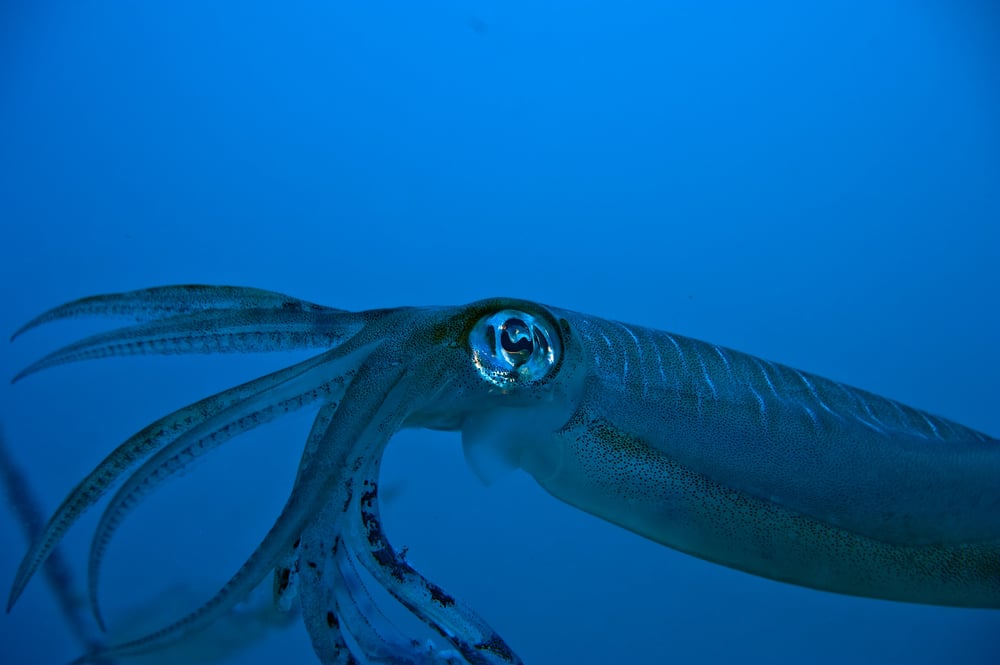
Squid beaks present a fascinating engineering paradox. These structures transition from soft, flexible tissue at the base to incredibly hard, sharp points at the tip — all made from the same basic protein materials. Researchers studying this design hope to create better prosthetics and surgical tools, though achieving such smooth property transitions in synthetic materials requires entirely new manufacturing approaches.
Honeycomb Architecture

Bees have discovered the most efficient way to store maximum volume using minimum material. Hexagonal honeycomb cells pack together perfectly without wasting space, while the thin wax walls provide remarkable structural strength. Scientists use honeycomb principles in aerospace materials and architectural designs, yet bees still outperform human manufacturing in terms of precision and efficiency.
Fish Scale Flexibility

Fish scales demonstrate how to create flexible armor that doesn’t restrict movement. These overlapping structures provide protection from predators while allowing the fish to bend and twist naturally during swimming. Material scientists are developing scale-inspired armor for everything from bulletproof vests to robotic joints, though matching fish’s combination of protection and mobility remains challenging.
Polar Bear Fur Insulation

Polar bear fur creates one of nature’s most effective insulation systems through a clever optical trick. The hollow, transparent guard hairs trap air while conducting ultraviolet light down to the bear’s black skin — essentially turning the entire coat into a fiber optic warming system. Textile researchers are working on synthetic versions for extreme weather gear, but replicating the complex light-trapping properties proves remarkably difficult.
Silk Moth Cocoon

Silk moth cocoons represent the ultimate in protective packaging. These structures shield developing pupae from predators and environmental hazards while allowing gas exchange and maintaining optimal humidity levels. Packaging engineers study cocoon construction for inspiration, yet synthetic alternatives rarely achieve the same combination of protection, breathability, and biodegradability.
The Future of Materials

Nature’s materials continue to humble human engineering efforts despite centuries of technological advancement. These biological structures achieve multiple functions simultaneously while using minimal energy and environmentally friendly processes. Every breakthrough in biomimetic materials opens new possibilities for sustainable technology, yet also reveals how much we still don’t understand about natural systems. The race to recreate these materials isn’t just about copying nature — it’s about learning to think like evolution itself, optimizing for multiple properties over millions of iterations until perfection emerges.
More from Go2Tutors!

- 16 Historical Figures Who Were Nothing Like You Think
- 12 Things Sold in the 80s That Are Now Illegal
- 15 VHS Tapes That Could Be Worth Thousands
- 17 Historical “What Ifs” That Would Have Changed Everything
- 18 TV Shows That Vanished Without a Finale
Like Go2Tutors’s content? Follow us on MSN.



