16 Most Hated Fashion Fads Of All Time
Out of nowhere, fashion often makes odd things seem perfectly normal. Take trousers so loose they needed constant adjustment.
Or footwear resembling tools more than anything wearable. Somehow, these caught on widely.
A quiet consensus later erased them completely. Silence followed.
No explanations given. Hold on tight – this lineup might hit close to home for many.
Low-Rise Jeans
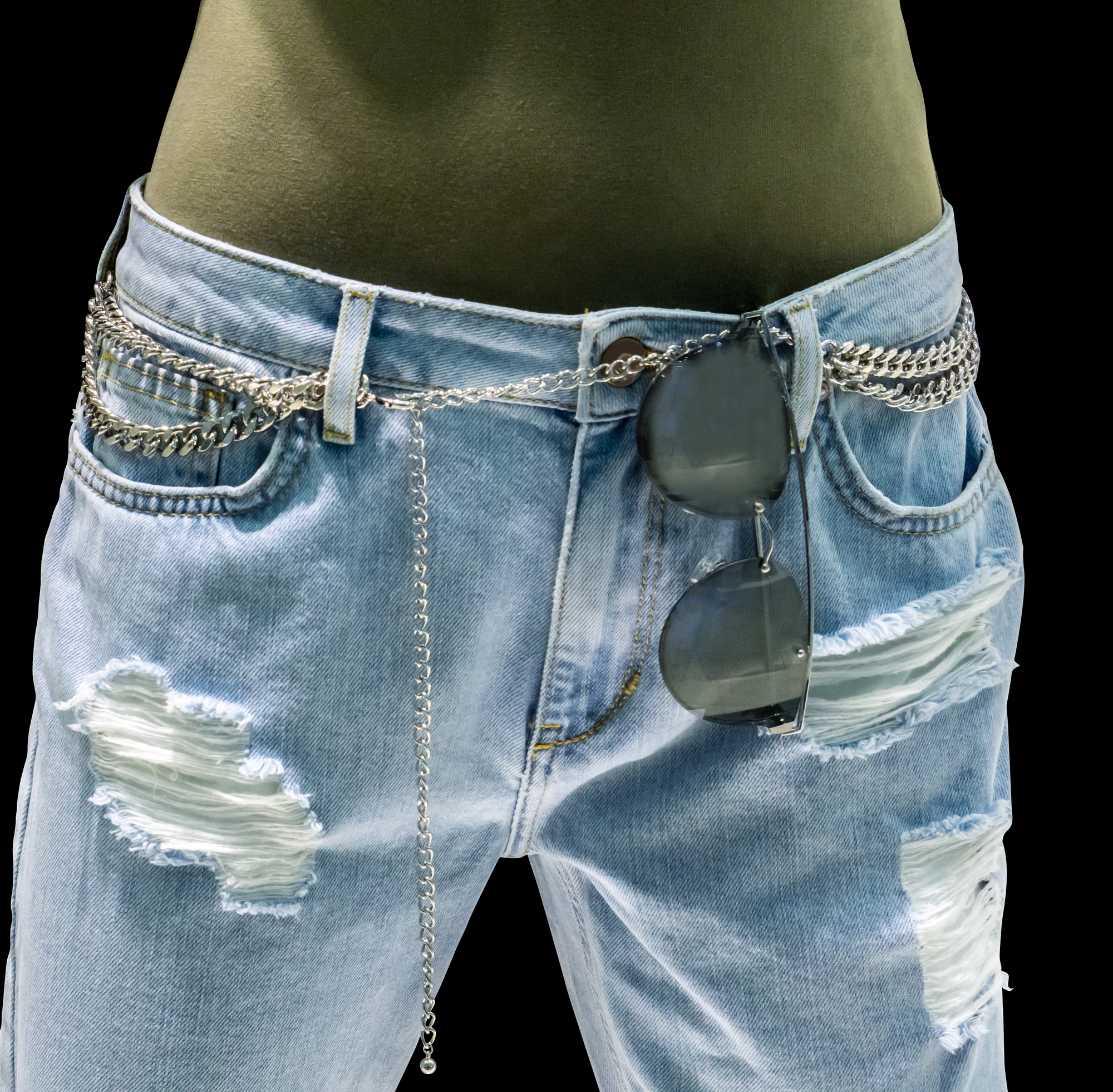
Down around the hips they hung, low-rise jeans tugging at common sense more than fabric. A bend forward turned quiet moments into shared events, everyone noticing whether they wanted to or not.
Early two-thousands fashion clung tight to these cuts, fueled by famous faces flashing them everywhere. Wearing them seemed unavoidable, like resisting gravity.
Their return crept in later, met with sighs loud enough to hear across streets.
Crocs

Crocs showed up in 2002, met with laughter, expected to vanish fast. Yet vanishing wasn’t part of their path.
Offices began seeing them under desks, kids wore them to class, celebrities slipped them on at premieres. Even luxury designers started showing similar shapes on models.
Proof? Style doesn’t follow rules – sometimes it stumbles forward in foam. Some folks wear them proudly, treat them like treasures.
Others look away, insulted by the sight alone. Middle ground?
Almost nonexistent. Few shrug; most react strongly one way or another.
Mullets

A hairstyle once split lives in two – one face for meetings, another for nights out. So it went: neat at the front, wild behind.
Popular during the eighties, it dragged through the nineties as a joke. Later, teens adopted it without knowing its past.
Trends forget what they did before.
Shoulder Pads
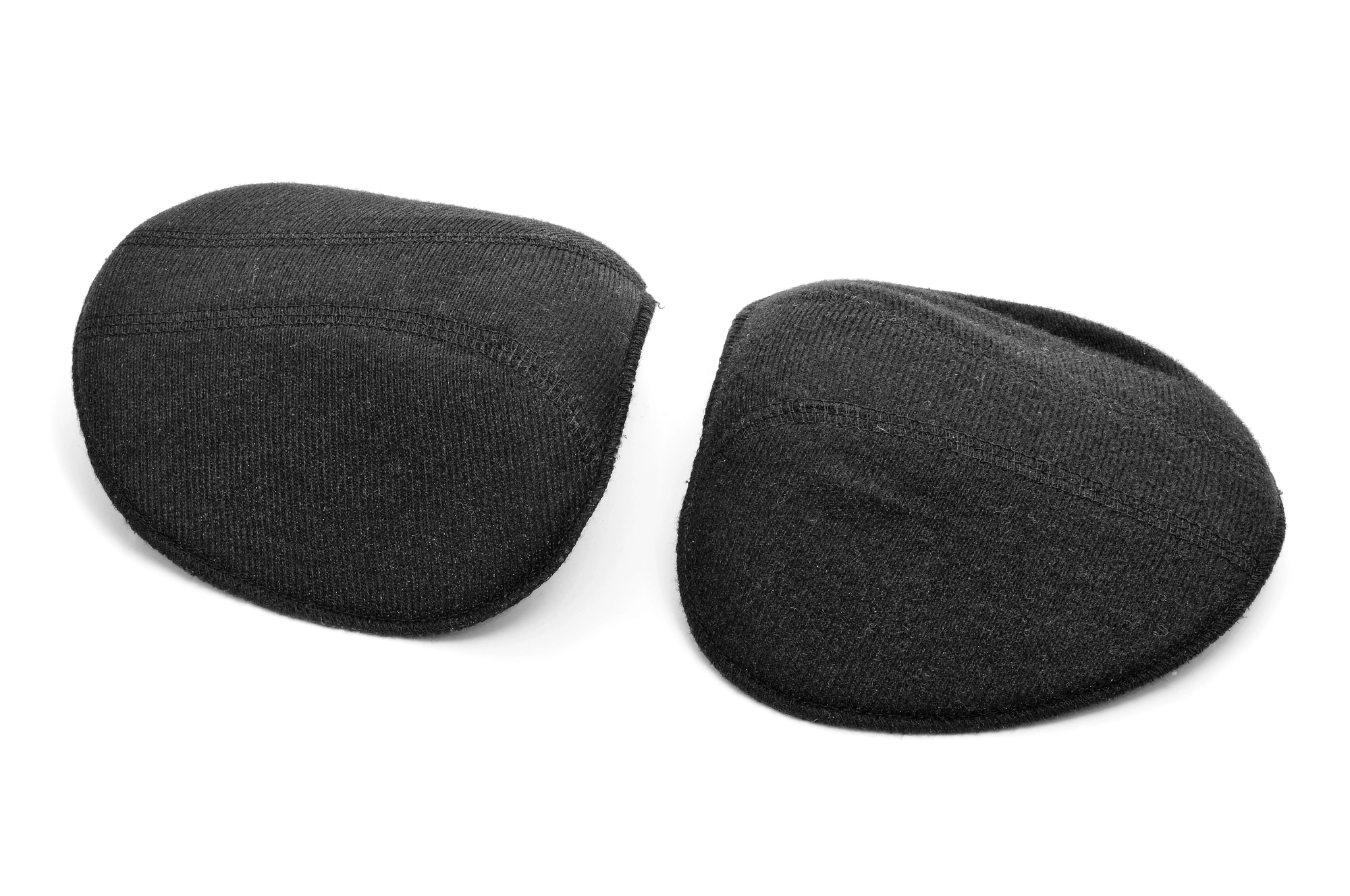
Those stiff inserts made basic jackets and skirts seem built for tackling opponents. Power came through bold shapes, especially useful when women stepped into boardrooms during the eighties – sometimes it even helped.
Trouble started as shoulder width climbed higher, forcing folks to twist sideways just to pass through hallways. Once the look dropped out of favor, closets everywhere suddenly had extra room where fabric used to puff outward.
Frosted Tips

Hair dyed only at the tips gave a sharp but messy vibe, as if someone tried coloring it and walked away mid-job. During the late Nineties into the early Two Thousands, this style popped up on nearly every teenager’s head.
Boy bands wore it straight-faced, so others copied without question. A whole wave of guys grew up with strands resembling something dunked fast in white wash.
Even now those pictures show up across the internet, shared like old jokes that never quite fade.
Visible Thong Straps
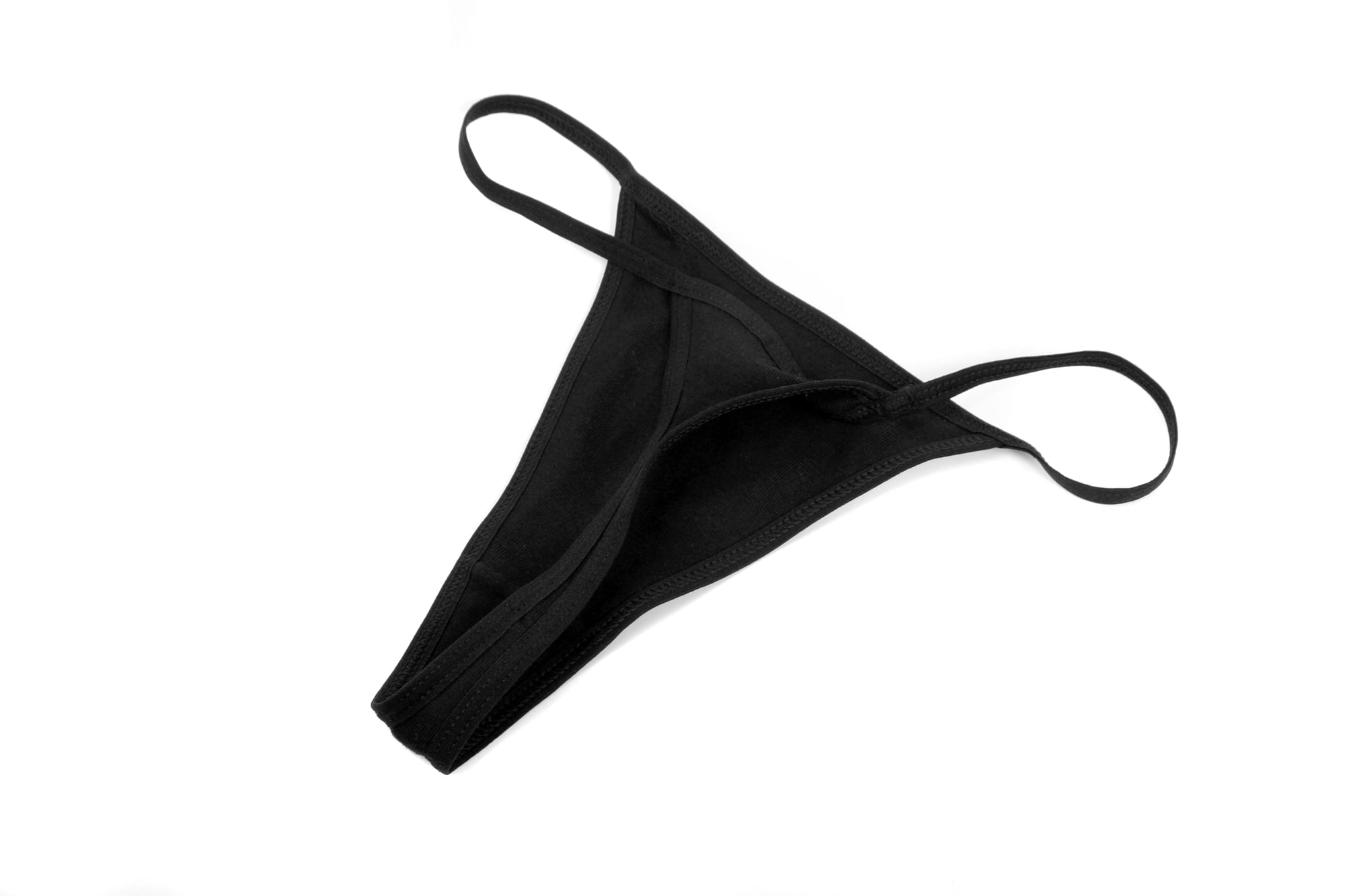
Somewhere around the early two thousands, showing bra straps above pants wasn’t seen as a mistake anymore – instead, it started being framed as deliberate. This shift made people question what counted as messy versus stylish during those years.
Because so many embraced it, certain denim makers even added built-in gaps near the hips just for that look. Eventually, it slipped away without much notice.
Not a single person officially objected when it left.
Excessively Baggy Pants
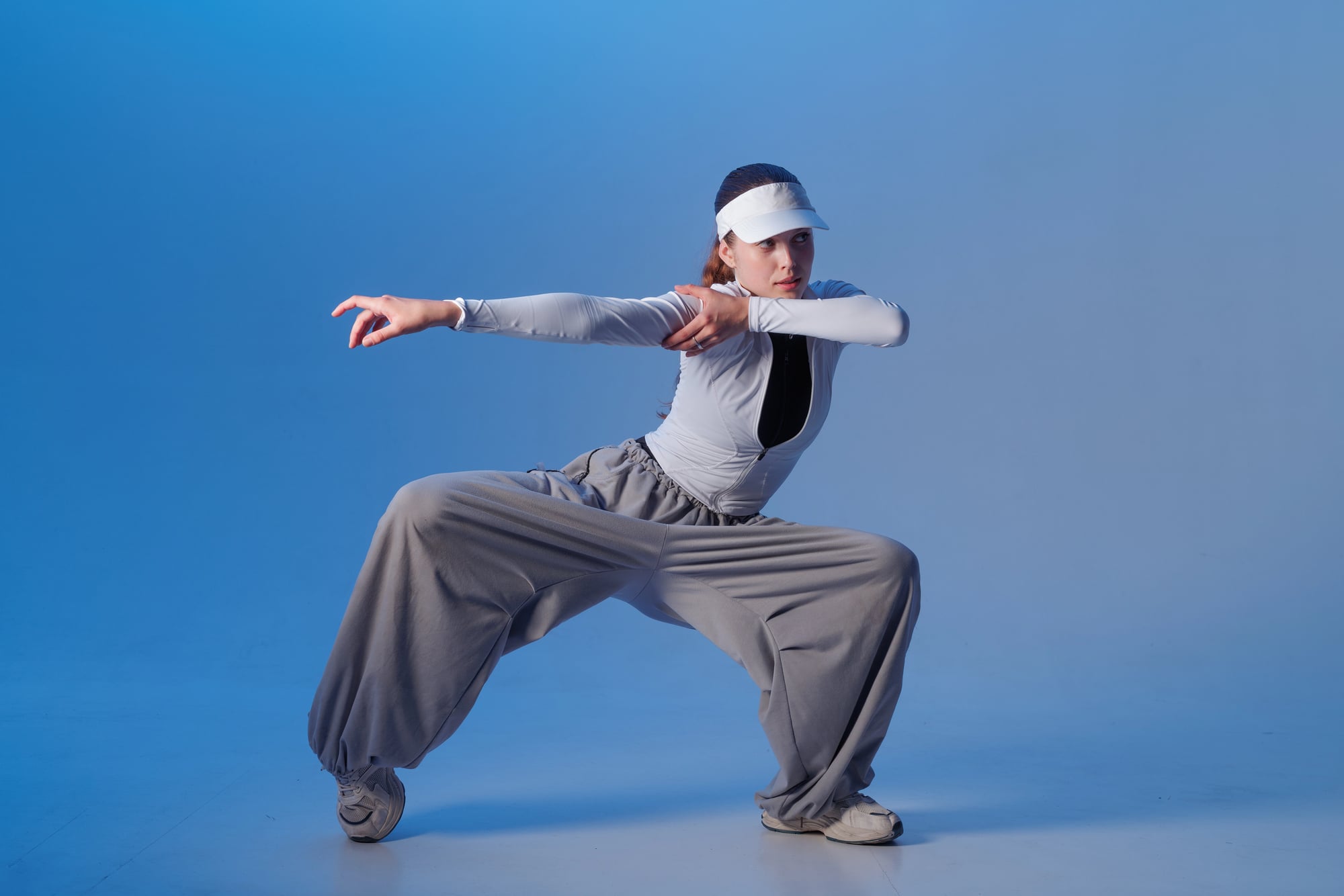
Down south on the hips they hung, those loose jeans of the nineties and early two-thousands, forcing anyone wearing them to waddle forward like a penguin guarding its eggs. Born out of hip-hop scenes, sure, yet soon spotted near mall escalators and inside high school corridors everywhere.
A few towns tried outlawing the droop – passed rules hoping to stop it – but rebellion found new fuel in denim seams. Belts?
Forgotten. Left behind in drawers, abandoned without ceremony.
Platform Shoes

On the bottom, thick layers of rubber or cork brought extra height – some rose as much as six inches. Footwear changed shape, almost like small machines strapped to feet.
Made famous by the Spice Girls during the late nineties, they spread fast through schools and streets alike. Walking turned cautious; every step carried risk.
Balance suffered, ankles wobbled more often than not. Elevation came easily, yet unsteadiness followed just as quickly.
Popcorn Shirts

Popcorn shirts, also called textured stretch shirts, were made from a crinkled fabric that expanded dramatically to fit almost any body. They looked impossibly small on the hanger, which was part of their appeal.
The texture resembled a loosely knit sponge, and they were sold in every gift shop and beach store throughout the late 1990s. Comfortable they may have been, but stylish was never a word anyone used confidently in the same sentence.
Ed Hardy Everything

Ed Hardy clothing turned designer tattoo art into a full lifestyle brand in the mid-2000s, and for a period it was inescapable. Bedazzled eagles, tigers, and roses covered everything from T-shirts to trucker hats to track pants.
The brand became so associated with a specific type of loud, attention-seeking fashion that wearing it eventually carried its own social risk. It remains a reliable shorthand in any ‘what were we thinking’ conversation about that decade.
Trucker Hats

Trucker hats, those foam-fronted caps with mesh backs, spent decades as workwear before celebrities like Ashton Kutcher turned them into a high-profile fashion statement in the early 2000s. Suddenly everyone was wearing them slightly askew, printed with ironic slogans or brand logos.
The trend burned fast and hot, and by 2006 it had crossed from cool to deeply uncool with almost no warning. The hats themselves survived.
The fashion credibility did not.
Tiny Sunglasses

Tiny sunglasses offered approximately zero protection from actual sunlight, which made them less of an eyewear product and more of a decorative accessory balanced on the nose. They resurfaced as a major trend in the late 2010s, worn by influencers and celebrities who seemed unbothered by the fact that they were functionally useless.
The lenses were often smaller than the average eye, which raises serious questions about the decision-making process involved. They are still around, still small, and still covering almost nothing.
Bootcut Jeans Over Heels

For a solid stretch of the mid-2000s, the look of choice was bootcut or wide-leg jeans dragged over a pair of heels so that only the very tip of the shoe peeked out at the bottom. The jeans typically dragged on the floor at the back, collecting rain, dirt, and general pavement debris.
It was sold as elegant and elongating, and millions of women wore out the hems of otherwise functional clothing in the pursuit of that specific silhouette. The dry-cleaning bills alone should have ended this trend sooner.
Ugg Boots With Mini Skirts

The combination of heavy sheepskin boots with a tiny mini skirt created a look that dressed two halves of the body for completely different climates. It was a defining aesthetic of the mid-2000s, worn heavily by celebrities photographed outside coffee shops in Los Angeles, which then spread to every college campus in the country.
The logic was that the boots were comfortable and the skirt was fashionable, and nobody questioned whether those two things needed to meet. Fashion often works that way.
Slap Bracelets
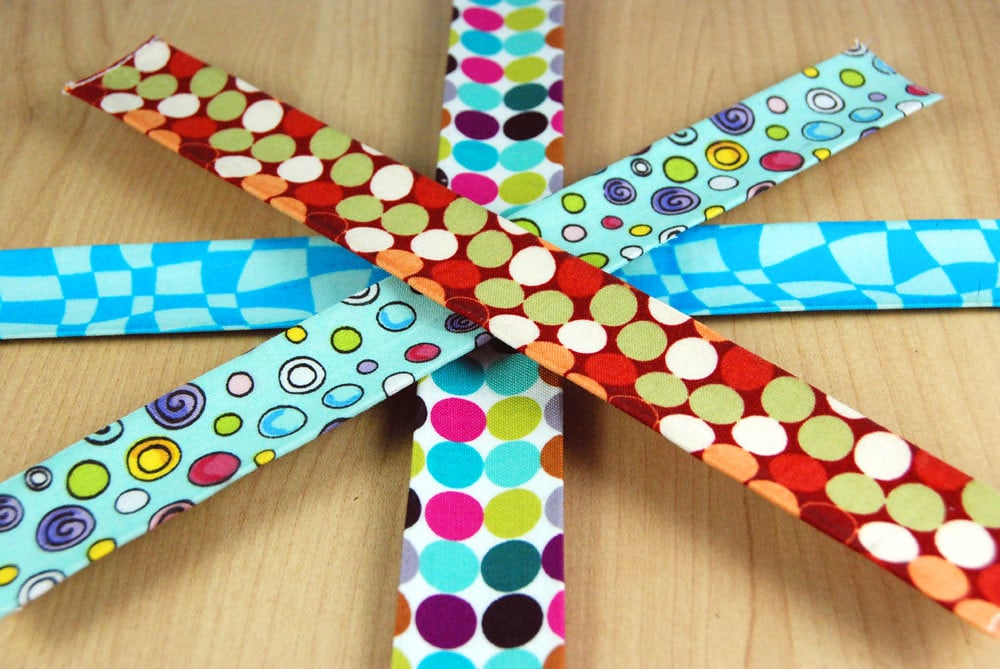
Slap bracelets were strips of springy metal covered in fabric that, when slapped against the wrist, would curl into a bracelet. They were wildly popular with children and teenagers in the late 1980s and early 1990s.
The problem was that the metal inside could cut through the fabric covering with regular use, turning a fun accessory into a mild hazard. Several schools banned them, which, again, only made them more desirable to the exact audience wearing them.
Cargo Shorts With Everything
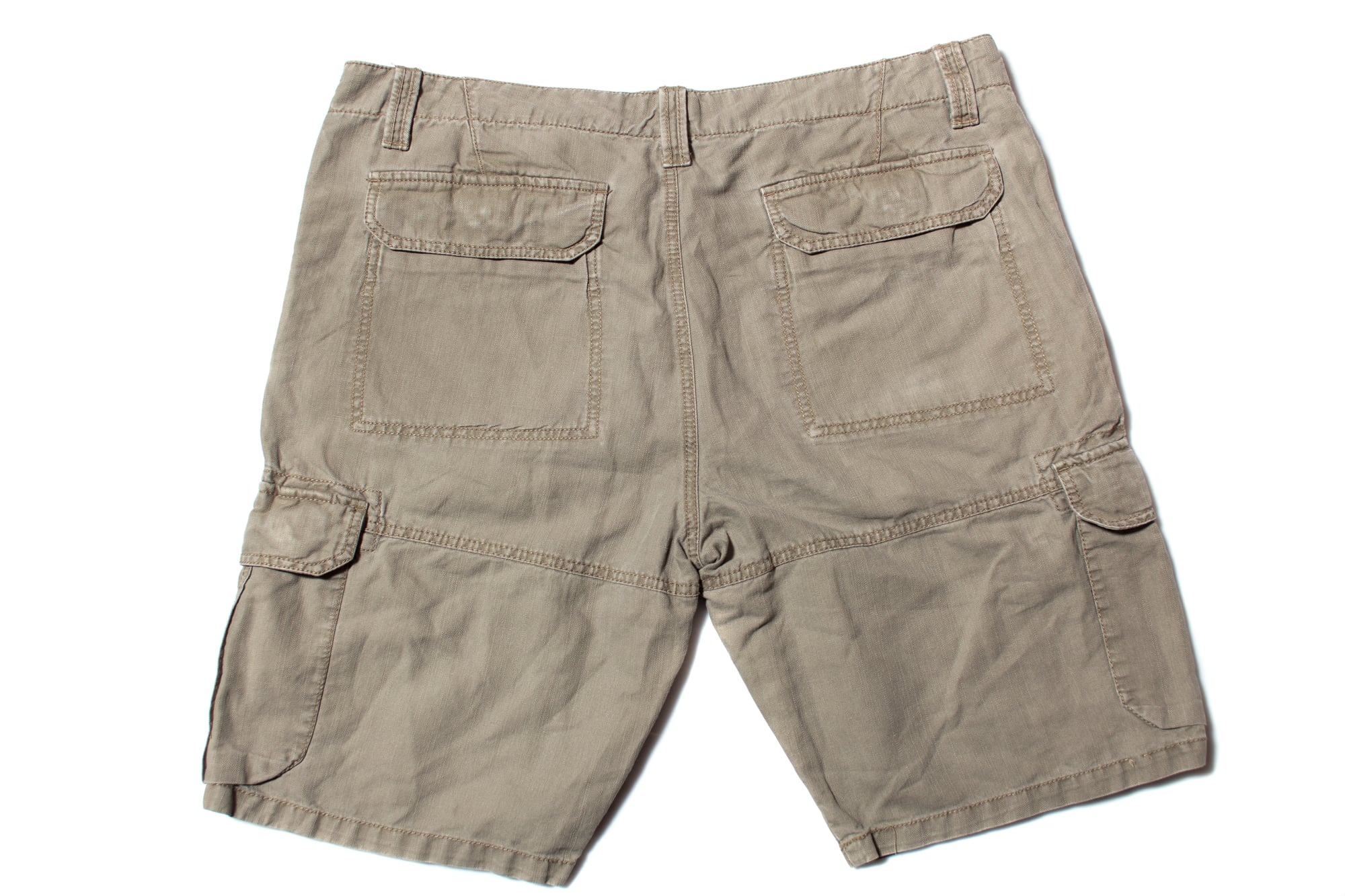
Cargo shorts became the unofficial uniform of a specific type of man in the late 1990s and 2000s, featuring anywhere from four to eight pockets stuffed with items that could have stayed home. They were paired with dress shirts, worn to restaurants, and treated as a year-round solution to the question of what to wear.
The amount of pocket real estate on a single pair of cargo shorts could comfortably carry a small household. Fashion critics spent years trying to retire them, and the cargo short, unbothered, simply keeps coming back.
What The Clothes Say Now

Looking back at these trends, the interesting part is not how bad they were but how certain everyone felt about them at the time. Each of these fads had a peak moment where wearing them felt completely right, even necessary.
Fashion has always moved in cycles, borrowing from the past and repackaging it just enough to feel new again. The real lesson is that today’s ‘obviously great’ look is tomorrow’s exhibit in someone’s list of things they wish they could unsee.
More from Go2Tutors!

- The Romanov Crown Jewels and Their Tragic Fate
- 13 Historical Mysteries That Science Still Can’t Solve
- Famous Hoaxes That Fooled the World for Years
- 15 Child Stars with Tragic Adult Lives
- 16 Famous Jewelry Pieces in History
Like Go2Tutors’s content? Follow us on MSN.