Statues Hiding Time Capsules Inside
People walk past statues every day without giving them much thought. Bronze figures stand in parks, marble monuments rise in town squares, and stone sculptures mark historical moments across cities worldwide.
Most folks assume these structures exist purely as tributes to people or events worth remembering. But some statues hold secrets that go far beyond their visible surfaces.
Hidden inside certain statues, builders tucked away time capsules filled with objects, documents, and messages intended for future generations. These capsules turn ordinary monuments into treasure chests waiting to be opened decades or even centuries later.
Here are some of the most interesting statues around the world that contain time capsules, along with the stories behind what they’re hiding and why.
Paul Revere In Boston

The famous statue of Paul Revere on his horse sits in Boston’s North End, right near the Old North Church where lanterns once signaled the British were coming. What most visitors don’t know is that during restoration work in 2014, workers discovered a time capsule hidden in the statue’s base.
Governor William Clough and Paul Revere himself actually placed it there back in 1795. Inside, historians found old newspapers, Massachusetts state records, and coins from that era, giving researchers a direct window into what people valued enough to preserve from the earliest days of American independence.
The Statue Of Liberty

Lady Liberty herself guards one of the most famous time capsules in America, though you’d never guess it from looking at her copper exterior. When workers installed the statue in 1886, they placed a time capsule in the pedestal containing items like a copy of the Declaration of Independence, the U.S. Constitution, and various newspapers from that period.
The capsule wasn’t meant to be opened for a specific number of years but rather to serve as a permanent record of American ideals for anyone who might discover it during future restoration or renovation work. That box still sits there today, untouched and waiting.
Robert E. Lee Monument In Richmond
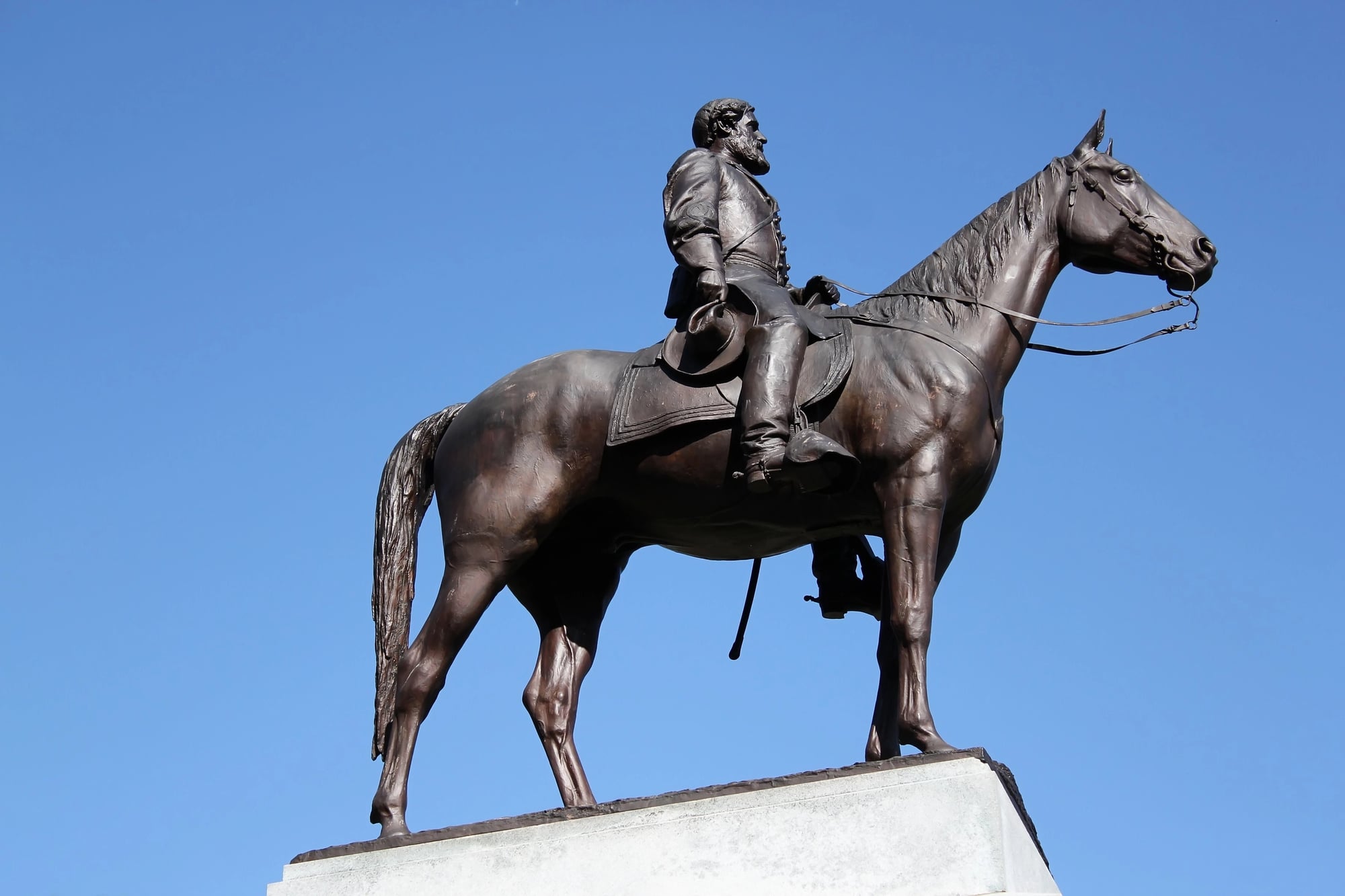
Before crews removed this controversial statue in 2021, workers found a time capsule inside the monument’s base that historians had been searching for since records from 1887 mentioned its existence. The copper box contained Confederate memorabilia, old photographs, and documents related to the Civil War era.
A second, unexpected capsule also turned up during the removal process, this one from 1887 as well, filled with similar items plus a rare photo of Abraham Lincoln in his casket. The discovery sparked debates about what should be done with artifacts from such a divisive period in American history.
Golden Statue Of Turkmenistan’s President

In Turkmenistan’s capital city of Ashgabat, a giant golden statue of former president Saparmurat Niyazov used to rotate to always face the sun. When builders constructed this unusual monument in 1998, they embedded a time capsule in its base filled with the president’s writings, photographs of the country’s development, and predictions about Turkmenistan’s future.
The statue itself was removed in 2010, but the capsule remained in place as a record of that particular era in the nation’s history. It’s scheduled to be opened in 2045, giving future generations a chance to compare those predictions with reality.
Christopher Columbus In Barcelona

The Columbus Monument towers over Barcelona’s waterfront, with the explorer pointing toward the sea. During construction in 1888, workers placed a time capsule inside the column supporting the statue, though its exact contents remained a mystery for over a century.
City officials finally opened it in 1988 during renovation work and found newspapers from 1888, coins, and documents describing Barcelona’s plans for urban development. The items revealed how much the city had changed in just one hundred years and how many of those ambitious plans actually came to fruition.
Lenin Statues Across Eastern Europe

After the Soviet Union collapsed, workers began removing Lenin statues from town squares across Eastern Europe. During the removal process in several cities, including Prague and Budapest, crews discovered time capsules hidden in the statue bases.
These capsules typically contained Communist Party documents, propaganda materials, and predictions about the triumph of socialism. The irony wasn’t lost on anyone that these predictions were being read just as the statues themselves were being hauled away to storage facilities or scrapyards.
Some of these capsules now sit in museums as artifacts of a failed political experiment.
George Washington At Mount Vernon

Mount Vernon features several statues of Washington on the grounds of his former estate, and one particular bronze statue installed in 1932 contains a time capsule in its base. The Mount Vernon Ladies Association, which manages the property, placed the capsule there with items including photographs of the restoration work being done on Washington’s home, letters from association members, and newspaper clippings about the bicentennial of Washington’s birth.
The organization planned to open it in 2032, exactly one hundred years after installation, to see how preservation techniques and historical understanding have evolved.
Buddha Statues In Asia

Several large Buddha statues across Asia contain time capsules, though these often hold religious significance rather than purely historical purposes. The Giant Buddha of Leshan in China, carved from a cliff face during the Tang Dynasty, contains chambers filled with Buddhist scriptures, religious artifacts, and offerings from pilgrims over the centuries.
Similar hidden chambers exist in other massive Buddha statues throughout Thailand, Myanmar, and Japan. These weren’t always intentional time capsules in the Western sense but rather sacred repositories meant to preserve important religious texts and objects for future believers.
Queen Victoria In Multiple Locations

During Queen Victoria’s long reign, British territories erected hundreds of statues in her honor across the empire. Several of these statues, particularly those installed around the time of her Diamond Jubilee in 1897, contain time capsules in their bases.
The statue in Adelaide, Australia, holds a capsule with items including Australian newspapers, photographs of the city’s development, and letters from local officials to their successors. Similar capsules exist in Victoria statues in Canada, India, and other former British territories, creating an unintentional network of time capsules documenting the British Empire at its peak.
Confederate Soldiers Monument In North Carolina

When workers removed a Confederate monument from the University of North Carolina campus in 2018, they found a time capsule inside that had been placed there in 1913. The capsule contained a Bible, Confederate flags, buttons from Confederate uniforms, and photographs of Confederate veterans.
The discovery reignited discussions about how to handle artifacts from contested historical periods and whether such items should be preserved in museums or disposed of entirely. University officials eventually decided to place the capsule in an archive where researchers could access it.
Albert Einstein In Washington D.C.

The bronze statue of Albert Einstein sitting on a bench at the National Academy of Sciences contains a time capsule that was placed during the statue’s dedication in 1979. The capsule holds scientific papers, photographs of Einstein, and predictions about future developments in physics and astronomy.
It’s set to be opened in 2079, one hundred years after installation, when scientists will be able to compare those predictions with actual scientific progress. The statue itself has become a popular spot for visitors to sit beside Einstein and take photos.
Sitting Bull Monument In South Dakota

The monument to Sitting Bull near Mobridge, South Dakota, contains multiple time capsules placed there by different groups over the years. The original capsule from 1953 included items belonging to Sitting Bull’s descendants, photographs of Lakota tribal members, and documents about Native American history.
Additional capsules were added during renovation work in later decades, each one providing a snapshot of how Native American communities saw themselves and their place in American society at different points in time. Tribal leaders have decided to leave all the capsules sealed until 2053.
Balto The Sled Dog In New York
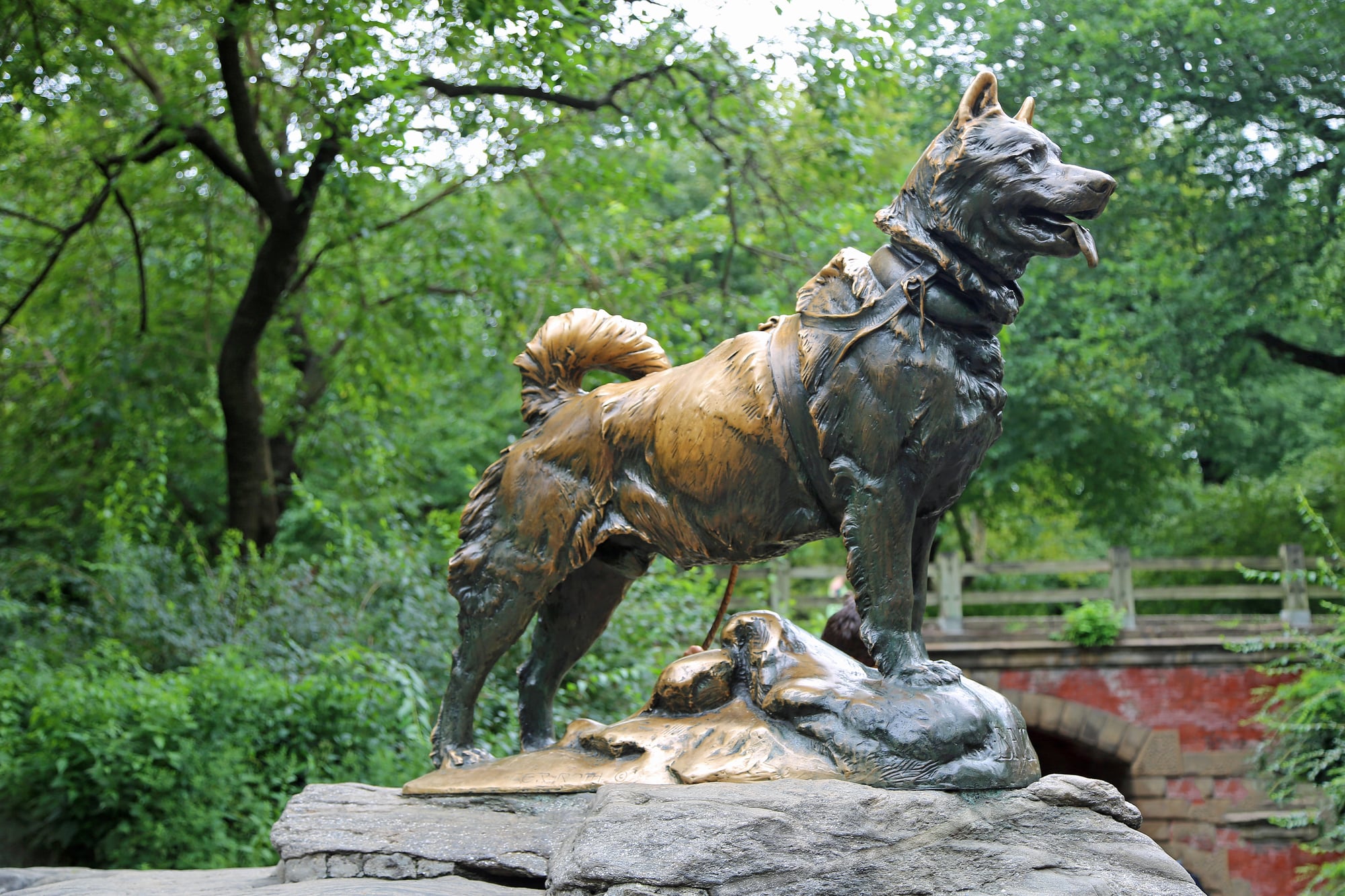
Central Park’s beloved statue of Balto, the sled dog who helped deliver medicine to Nome, Alaska, during a 1925 diphtheria outbreak, sits on a rock formation that contains a small time capsule. Park officials placed it there during restoration work in the 1990s, filling it with photographs of the restoration process, letters from children who loved the statue, and newspaper articles about efforts to preserve historical monuments in New York City.
The capsule was never meant to be a major historical record but rather a small gesture to mark the work being done to maintain one of the park’s most popular attractions.
Martin Luther King Jr. In Atlanta

The memorial to Martin Luther King Jr. in Atlanta includes several structures and statues, with time capsules placed in multiple locations during construction in the 1980s. These capsules contain civil rights documents, recordings of King’s speeches, photographs from the civil rights movement, and letters from movement leaders to future generations.
One capsule is scheduled to be opened in 2038, fifty years after the memorial’s dedication, while others are meant to remain sealed longer. The King Center maintains detailed records of what each capsule contains and where they’re located.
Napoleon Bonaparte In Paris

Some say a few Napoleon statues stand across Paris, yet only two are confirmed hiding time capsules from separate eras. Hidden since 1840 – when his body came back from Saint Helena – one stores relics of battles he fought and power moves made.
A later one slipped inside during 1967 repairs carrying papers on how France rebuilt after war plus guesses about its place in Europe down the road. Still shut today, neither box has any schedule set for being cracked open.
William Penn In Philadelphia

Up there on top of Philadelphia’s City Hall, the figure of William Penn stands out – few realize it hides a secret tucked away since 1894. Inside rests a small container filled with old papers showing how leaders once imagined the city expanding.
Photos capturing early changes across neighborhoods were slipped in alongside daily news sheets from that era. Guesses about just how big Philadelphia might grow by the 1900s also made their way into the bundle.
Talk has surfaced among city workers about cracking it open when repairs happen, yet nobody has set a date. Hidden in full view, high above sidewalks, this quiet piece of history stays mostly unnoticed.
Few passersby know what lies within, even though it’s been watching over them for ages.
The Reality Of Hidden Messages

Hidden within these figures are small containers meant to bridge distant times. Not just markers of memory, they link lives years apart through quiet messages from long ago.
One might carry bold guesses about what lies ahead, another holds common things once overlooked yet now full of meaning. Builders keep placing them there even now, slipping pieces of our era beneath stone and metal.
Future eyes will find them, uncovering moments we thought too routine to matter.
More from Go2Tutors!

- The Romanov Crown Jewels and Their Tragic Fate
- 13 Historical Mysteries That Science Still Can’t Solve
- Famous Hoaxes That Fooled the World for Years
- 15 Child Stars with Tragic Adult Lives
- 16 Famous Jewelry Pieces in History
Like Go2Tutors’s content? Follow us on MSN.



