15 Facts About Earthworm Jim
Most video game heroes are designed to be cool. They get sleek designs, edgy attitudes, and marketing teams that carefully craft their image.
Then there’s Earthworm Jim, a character who exists because someone drew a worm with arms as a joke. The game became a cult classic despite—or because of—its complete disregard for what made other platformers successful. Here’s what made this weird game work.
The Team Wanted To Avoid Cute Mascots

Shiny Entertainment looked at the platformer market in the early 1990s and saw nothing but adorable animals. Sonic, Mario, Crash Bandicoot. Every company wanted a cute, marketable character that could sell merchandise.
The team deliberately went the opposite direction. They wanted something gross and weird.
An earthworm fit perfectly. Not cute, not cool, just strange.
The decision to make the protagonist unappealing was a direct response to oversaturated mascot culture.
Jim’s Design Changed Constantly During Development
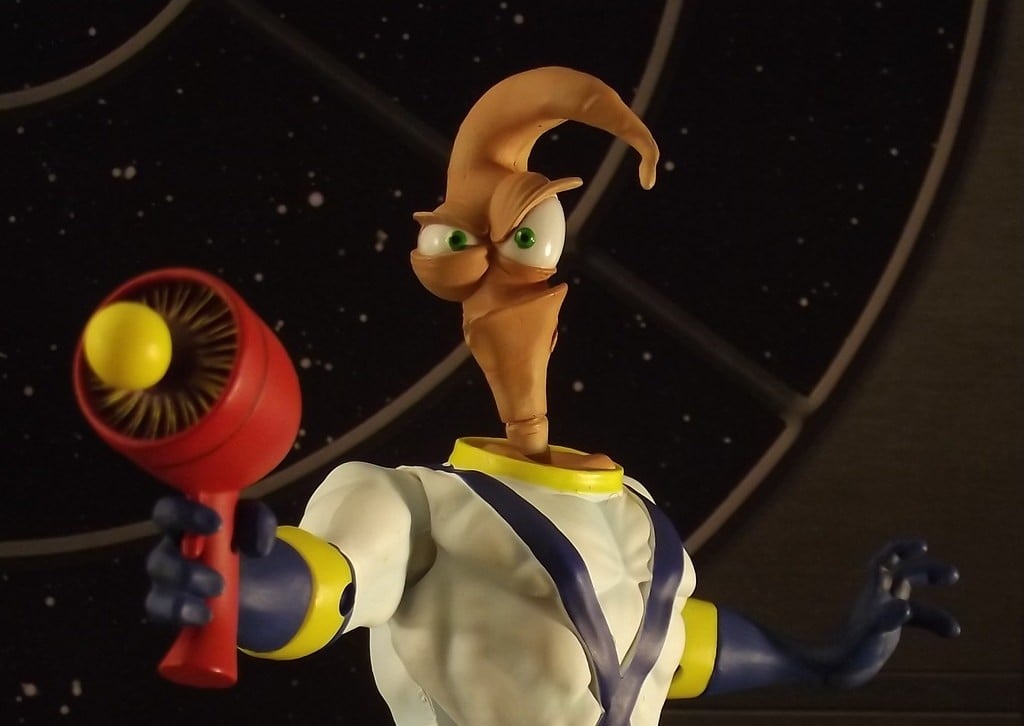
Early concept art shows Jim looking very different from the final version. Some versions had him more muscular, others more cartoonish.
The suit design went through dozens of iterations before they settled on the final look. The team kept refining the character until he felt right.
They wanted him to be expressive despite being a worm. His animations ended up being incredibly detailed, with Jim reacting to everything happening around him.
Those small touches made the character memorable.
The Game Almost Didn’t Happen

Shiny Entertainment was a new studio without major hits. Publishers weren’t sure about a game starring a worm.
The concept seemed too weird, too risky. Multiple publishers passed on the project before Playmates Interactive finally agreed to fund it.
That hesitation almost killed Earthworm Jim before it launched. The team had to convince people that absurdist humor could sell.
Fortunately, someone took the chance. Otherwise, Jim would have remained a sketch in a notebook.
Every Level Had A Unique Gameplay Mechanic
Rather than repeating the same platforming formula, each level introduced something different. One level had you racing on a pocket rocket.
Another turned into an underwater escort mission. The variety kept players guessing.
This approach made development harder but created a more interesting game. You never got comfortable with the mechanics because they kept changing.
Some players loved the variety, others found it inconsistent. The team prioritized surprise over mastery.
The Animation Used Rotoscoping Techniques

The character animations in Earthworm Jim were unusually smooth for the era. The team used rotoscoping, tracing over video footage of real movements, to make Jim’s actions feel natural.
This technique was uncommon in video games at the time. That extra effort showed.
Jim moved in ways other sprites didn’t. His walk cycle, his attacks, even the way he fell all had personality.
The animation quality set the game apart visually from competitors using simpler sprite work.
Critics Didn’t Know What To Make Of It Initially

Early reviews were mixed. Some critics loved the humor and originality.
Others found it too strange and criticized the difficulty. The game didn’t fit neatly into existing categories, which confused reviewers accustomed to more traditional platformers.
Players ended up embracing what critics questioned. The weirdness was the appeal.
Word of mouth turned Earthworm Jim into a hit despite lukewarm initial critical reception. Sometimes audiences see value that reviewers miss.
The Cow Launching Had A Purpose

Launching cows across levels seems random, but it actually served as the game’s long-range attack. When you found a cow, you could launch it at distant enemies.
The absurdity was gameplay, not just decoration. Players loved the cow mechanic because it was unexpected.
Other games had boring projectile weapons. Earthworm Jim lets you weaponize livestock. That kind of creative problem-solving defined the game’s approach to everything.
Development Took Less Than A Year

The entire first game was developed in about nine months. That’s incredibly fast for a game of that scope and polish.
The team worked long hours and pushed hard to meet deadlines. Modern game development takes years for similar projects.
The compressed timeline was standard for 1990s development but still impressive given the quality of the final product. Crunch culture enabled fast development but took a toll on the team.
The European Version Had Content Changes

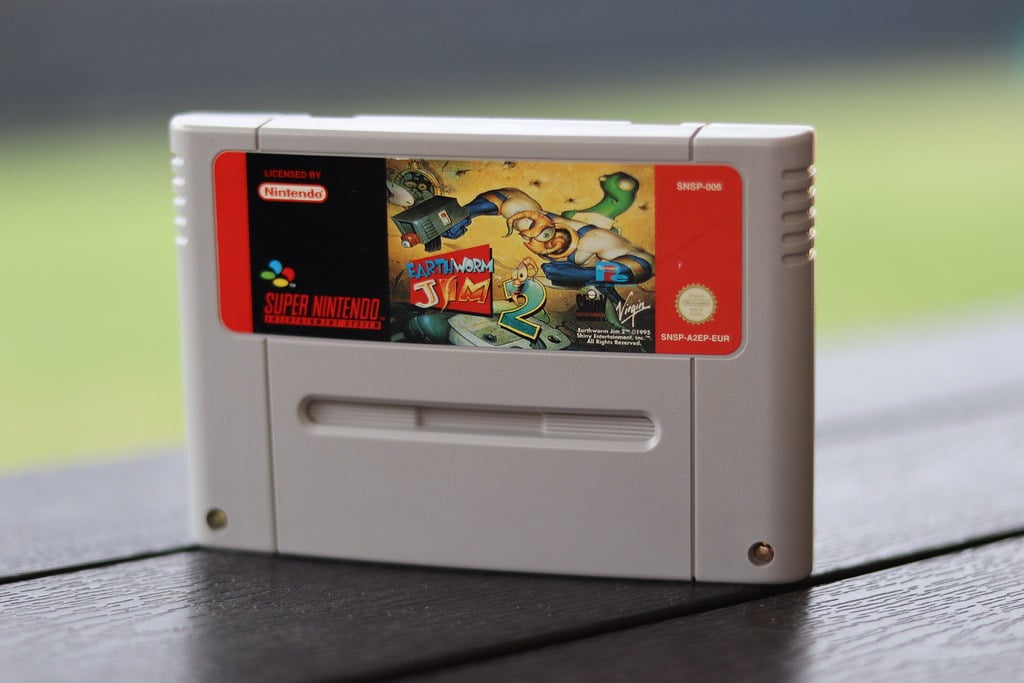
Different regions got slightly different versions of the game. Some enemy designs changed, certain animations were altered, and difficulty was adjusted.
Regional differences were common in the 1990s before global releases became standard. These changes were usually minor but sometimes affected gameplay.
Speedrunners today have to specify which version they’re playing because the differences matter for competitive times. Version history gets complicated when you’re playing a game from multiple decades ago.
Jim Had His Own Breakfast Cereal Briefly

At the height of Earthworm Jim’s popularity, someone decided the character needed a breakfast cereal. It existed for a short time in limited markets before disappearing.
The cereal was apparently worm-shaped, which seems unappetizing. This was peak 1990s marketing when every popular character got licensed products.
Most were terrible. The cereal joined the pile of forgotten mascot tie-in foods that nobody remembers fondly.
The Boss Fights Were Intentionally Absurd
Most platformers build up bosses as serious threats. Earthworm Jim treated them as jokes.
You fight a goldfish in a robotic cat suit. A boss is literally just a pile of mucus.
Another is an evil lawyer who attacks with briefcases. The comedy undercut any tension the fights might have had.
You weren’t supposed to take them seriously. The game wanted you laughing at how ridiculous everything was while still providing challenging fights.
Speedrunners Discovered Game-breaking Glitches

Years later, players hunting fast times discovered tricks to bypass big chunks of gameplay. Some bugs allowed walking through solid walls; meanwhile, others opened paths way too early.
The code just didn’t account for these kinds of detours. The Earthworm Jim speedrun crew isn’t big, yet they stick with it hard.
Instead, they’ve turned the game into pure precision – finishing in less than thirty minutes by pulling off tricks devs didn’t see coming. Meanwhile, classic titles tend to hide loopholes that pop up years later.
The Franchise Expanded Beyond Games Quickly

Within twelve months of the debut title hitting shelves, Earthworm Jim sprang up as action figures, then a comic run popped up, while an animation project kicked off at the same time.
Pretty quick, the figure turned into a multi-platform sensation. That fast growth happened a lot back then with popular ’90s games, yet usually watered down the core idea.
TV shows, comics, and books showed Jim in clashing ways – each version muddied his meaning. Some spin-offs flopped hard, others just felt off.
Modern Attempts To Revive The Series Have Struggled

Several attempts to bring back Earthworm Jim have been announced over the years. Most never materialized.
The projects that were released failed to capture what made the original special. Nostalgia doesn’t automatically translate to successful revivals.
The cultural context that made Earthworm Jim work in 1994 doesn’t exist anymore. What felt fresh and rebellious then feels dated now.
Reviving old franchises is harder than creating them in the first place.
The Rights Situation Is Complicated
Different firms hold bits of the Earthworm Jim series. Game rights, characters – these shifted between owners often.
Because things are so mixed up, fresh ideas face hurdles. Legal messes have shut down comeback tries early.
People just don’t see eye to eye on rights or cash splits. He’s stuck in a fuzzy zone where no one can act.
Often, making money off games brings tougher problems than actually designing them.
So What Set It Apart Back Then?
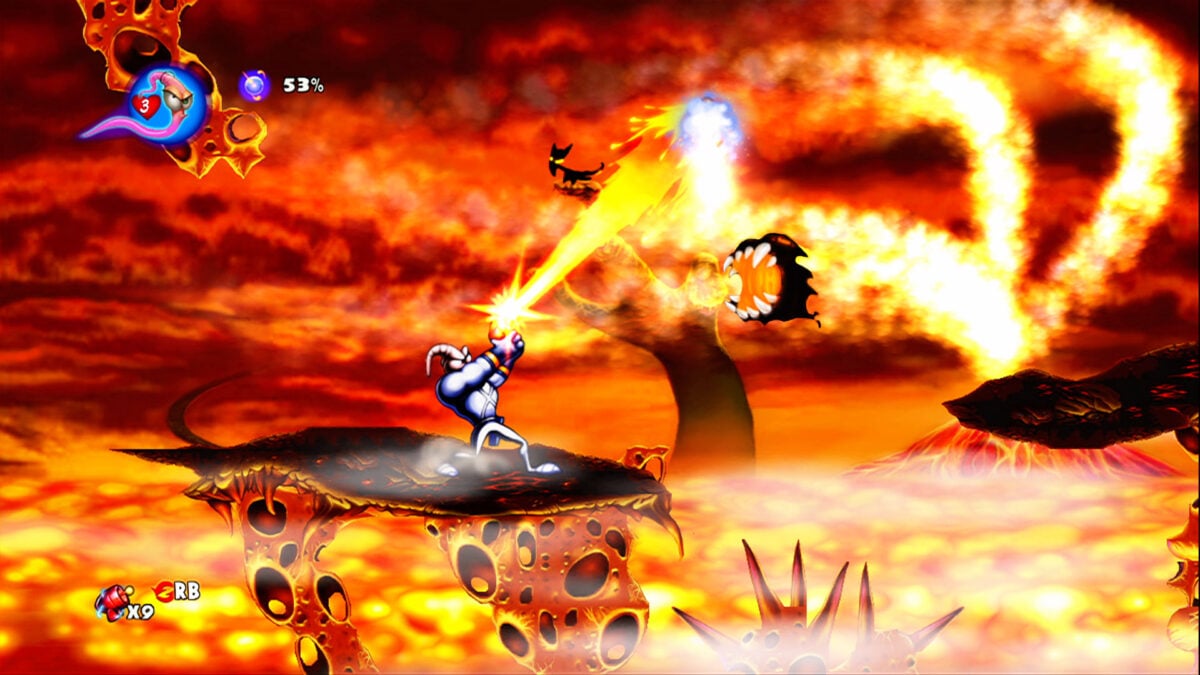
Earthworm Jim worked because it didn’t follow rules. Instead of listening to focus groups, the team just made what they wanted.
Because nobody held them back, the game felt new when most others felt recycled. It wasn’t sales numbers or critic quotes that mattered in the end.
It shows that weird ideas can click if you dive in headfirst. Jim began as a joke, yet grew iconic after the crew took him seriously.
More from Go2Tutors!

- The Romanov Crown Jewels and Their Tragic Fate
- 13 Historical Mysteries That Science Still Can’t Solve
- Famous Hoaxes That Fooled the World for Years
- 15 Child Stars with Tragic Adult Lives
- 16 Famous Jewelry Pieces in History
Like Go2Tutors’s content? Follow us on MSN.