16 Mysterious Legends Behind Medieval Knights
Medieval knights weren’t just warriors in shining armor—they were the stuff of legends that still captivate us today. These tales blend historical fact with mystical fiction, creating stories that have survived centuries and continue to inspire modern literature, movies, and our collective imagination.
From secret societies guarding ancient treasures to ghostly apparitions haunting battlefields, the world of medieval knighthood is filled with enigmatic stories that blur the line between reality and myth. Here is a list of 16 mysterious legends behind medieval knights.
The Templar treasure curse
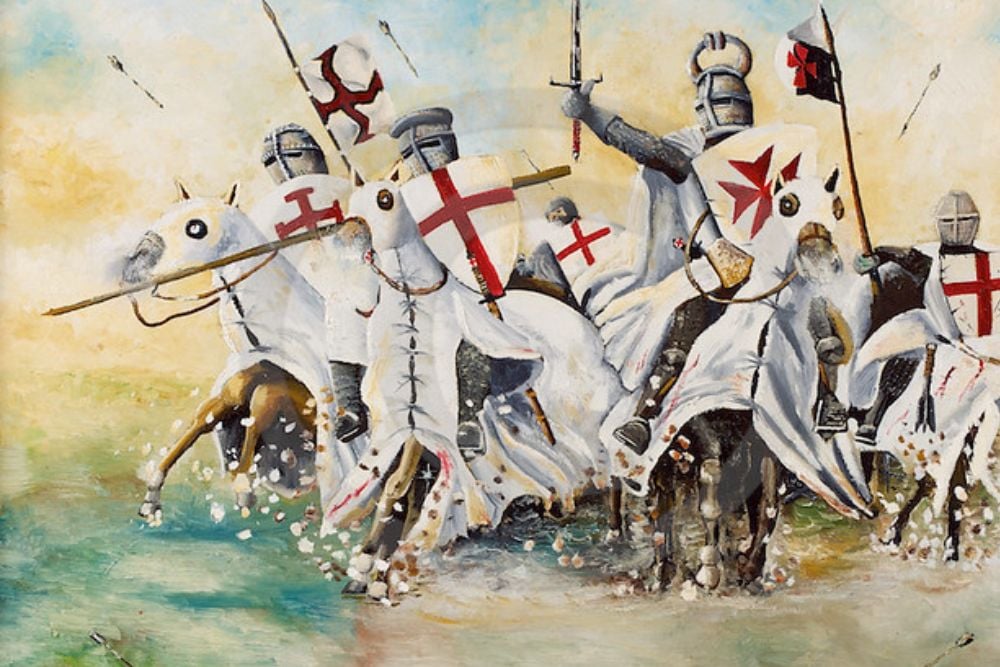
The Knights Templar supposedly accumulated vast wealth during their existence, but when the order was disbanded in 1307, their legendary treasure mysteriously vanished. According to legend, anyone who seeks this treasure will face a terrible curse that brings misfortune and death to those who dare pursue it.
The curse allegedly stems from the Templars’ final grand master, Jacques de Molay, who cursed the French king and pope as he burned at the stake.
The ghostly knight of Predjama Castle
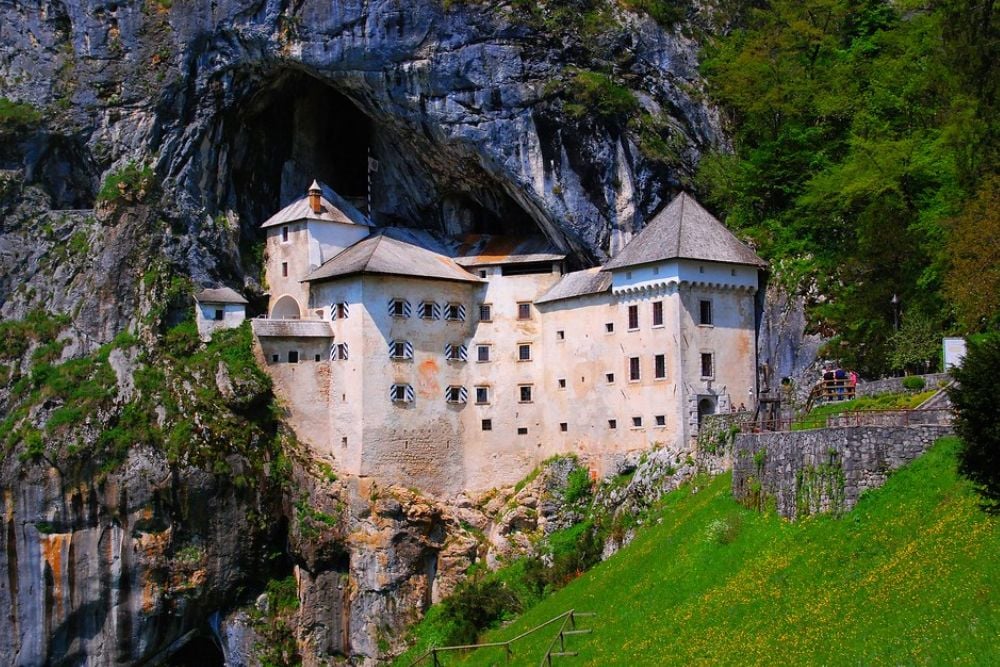
Slovenia’s Predjama Castle is said to be haunted by the spirit of Erazem Lueger, a rebellious knight who defied the Habsburg emperor. Legend claims that Erazem still roams the castle corridors, appearing as a ghostly figure in full armor to warn visitors of impending danger.
His phantom has reportedly been seen standing at the castle’s secret entrance, the same spot where he met his violent end in 1484.
Like Go2Tutors’s content? Follow us on MSN.
Saint George and the dragon’s lair

Saint George became one of the most legendary figures of medieval knighthood, but the mystery deepens when examining the various locations claimed to be the site of his famous dragon battle. Multiple countries across Europe and the Middle East claim to house the exact cave where George slayed the beast, each with its own version of supernatural phenomena that still occur today.
Locals report strange sounds, unexplained lights, and an eerie presence that lingers around these supposed dragon lairs.
The Round Table’s hidden chamber

King Arthur’s Round Table wasn’t just furniture—it was allegedly a mystical artifact with a secret compartment containing the names of knights destined for greatness. The legend suggests that the table could predict which knights would achieve glory and which would fall to darkness.
The allure of medieval legends like that of King Arthur and his knights transcends time, and some believe the table still exists, hidden away with its prophetic powers intact.
The Hospitaller healing mystery

The Knights Hospitaller gained fame for their medical skills, but their success reportedly came from a mysterious source beyond conventional medicine. Legend tells of a sacred relic they possessed that could cure any ailment, but only when used by a knight pure of heart.
The exact nature of this healing artifact remains unknown, and some claim it was hidden before the order’s decline, waiting for a worthy knight to rediscover it.
Like Go2Tutors’s content? Follow us on MSN.
The phantom army of Culloden

Long before the famous 1746 battle, Culloden Moor in Scotland was supposedly the site of a ghostly encounter involving medieval knights. Local folklore describes a spectral army of armored warriors that appears on misty nights, reenacting an ancient battle that history forgot.
Witnesses claim these phantom knights fight silently, their weapons making no sound as they clash in an eternal struggle.
The curse of the Teutonic cross
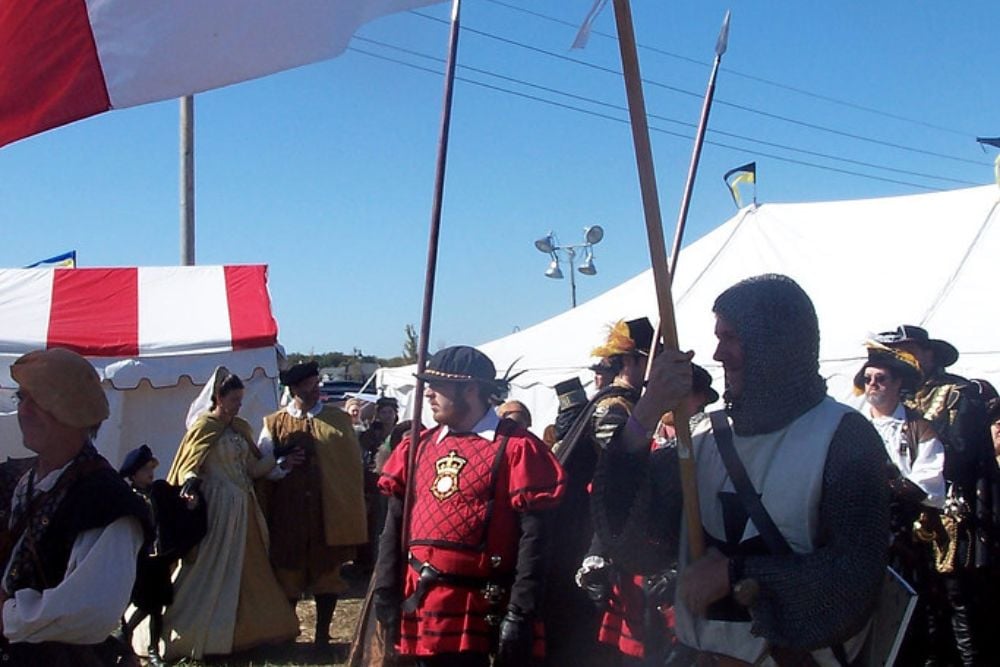
The Teutonic Knights’ distinctive black cross on a white background allegedly carried a supernatural curse for any non-member who wore it falsely. The Teutonic Knights lived daring and courageous lives during tumultuous times, but legend claims that imposters who donned their symbol would suffer madness, disease, or death within a year.
This curse supposedly protected the order’s reputation and prevented infiltration by enemies.
The weeping knight of Caerlaverock

Caerlaverock Castle in Scotland is home to the legend of a mysterious knight who appears during times of great sorrow. This spectral figure, dressed in mail armor, is said to weep tears of blood for all the innocents who died during medieval sieges.
Visitors have reported seeing this mournful knight standing on the castle walls, his sorrowful presence serving as a reminder of war’s true cost.
Like Go2Tutors’s content? Follow us on MSN.
El Cid’s prophetic horse

El Cid is known for his military achievements but also his legendary tragic love story with Jimena Díaz, yet another mystery surrounds his famous horse, Babieca. According to Spanish legend, the horse possessed supernatural intelligence and could predict enemy movements days in advance.
Some tales claim Babieca could even communicate with El Cid through dreams, providing strategic advantages that seemed impossible for mere mortals to achieve.
The Grail knight’s eternal quest

Beyond the well-known Arthurian Grail legends lies the story of Sir Percival’s mysterious double, a knight whose identity remains unknown but whose quest never ended. This phantom knight supposedly continues searching for the Holy Grail in remote locations across Europe, appearing to travelers in need but vanishing when they try to thank him.
His eternal quest represents the spiritual journey that all knights were meant to undertake.
The Black Knight of Pontefract
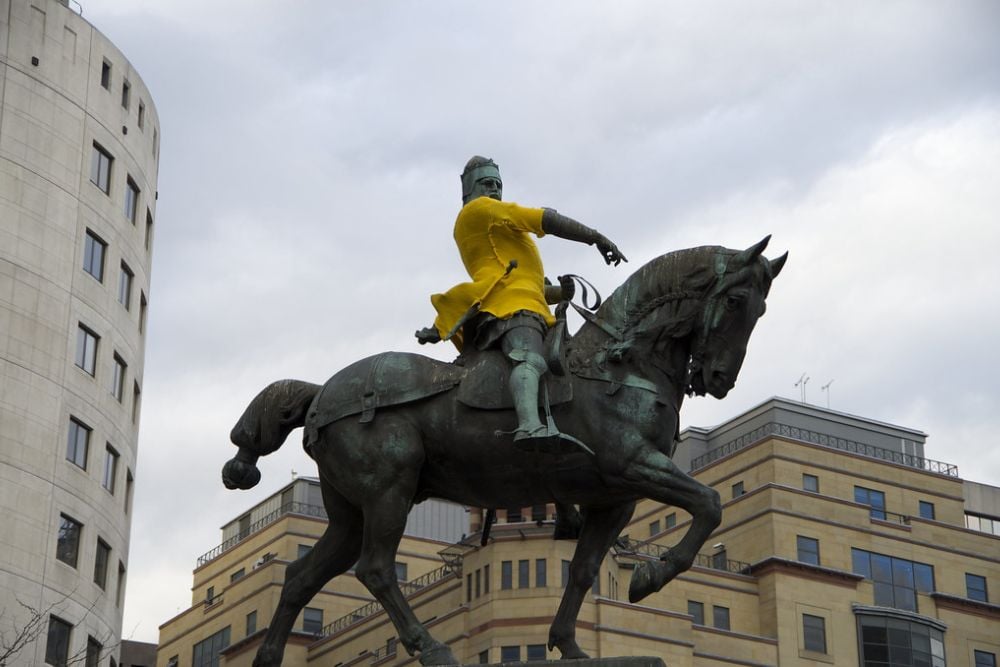
Pontefract Castle in Yorkshire harbors the legend of the Black Knight, a mysterious figure whose identity was never revealed even in medieval times. This dark warrior appeared during the castle’s most desperate moments, fighting alongside defenders with supernatural skill before disappearing without a trace.
Local legends suggest he was either a guardian spirit or a knight cursed to protect the castle for eternity.
Like Go2Tutors’s content? Follow us on MSN.
The Lazarus knight’s resurrection
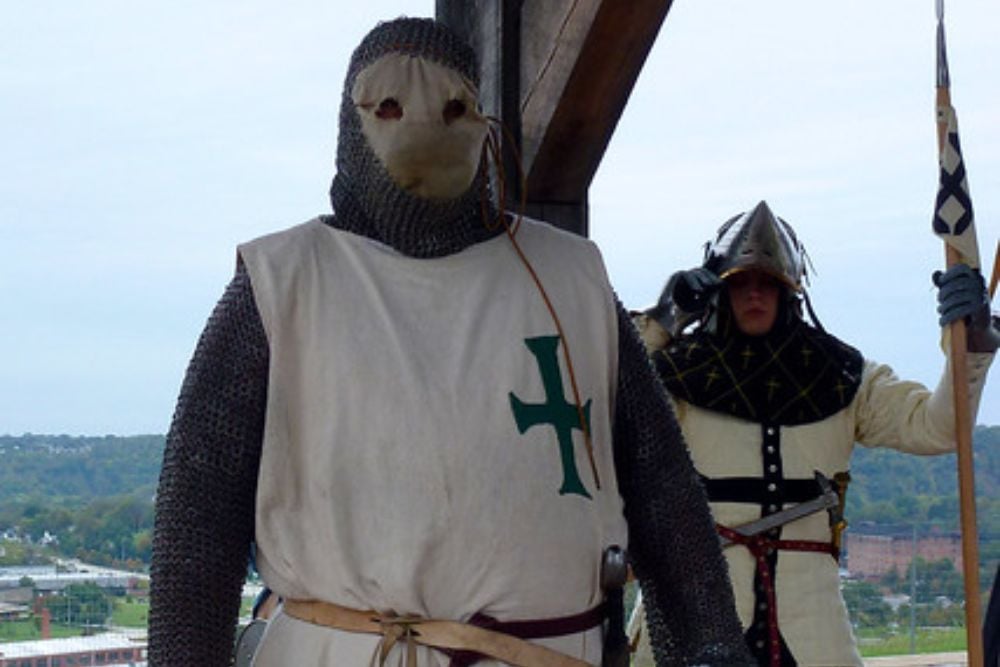
The Order of St. Lazarus cared for lepers at a time when they were feared and despised, but one knight reportedly experienced something beyond medical recovery. According to the legend, a Lazarus knight died from leprosy but returned from the grave three days later, completely healed and bearing supernatural abilities.
This mysterious resurrection was said to inspire the order’s continued dedication to caring for the afflicted.
The vanishing knight of Glastonbury
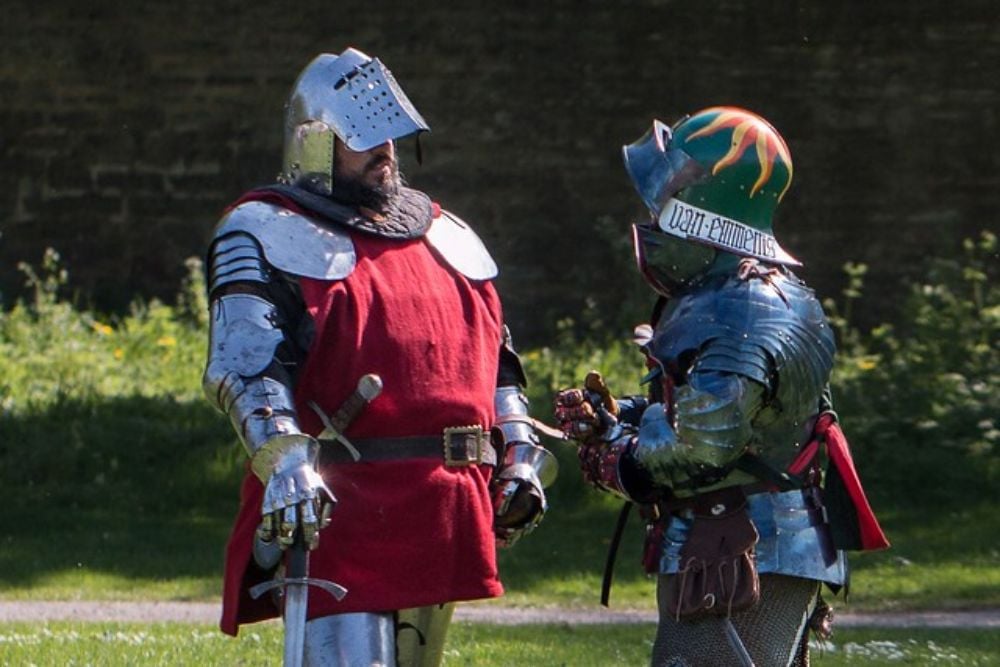
Glastonbury Abbey, long associated with Arthurian legend, tells of a knight who appears only to those facing spiritual crisis. This mysterious figure, dressed in white armor, offers guidance and comfort before vanishing like morning mist.
Monks throughout the centuries have reported encounters with this benevolent spirit, who some believe to be Sir Galahad continuing his heavenly mission on earth.
The wolf knight of Germany

German folklore speaks of a knight who could transform into a wolf, using this ability to scout enemy positions and protect travelers from bandits. Unlike typical werewolf stories, this knight retained his noble nature and chivalrous code even in wolf form.
The legend suggests he founded a secret society of similar knights who protected the innocent using their supernatural abilities, but their existence remains unconfirmed.
Like Go2Tutors’s content? Follow us on MSN.
The singing swords of Toledo

Toledo steel was renowned for its quality, but certain knights’ swords from this Spanish city supposedly possessed mystical properties that made them ‘sing’ in battle. These legendary blades would emit musical tones that could demoralize enemies, inspire allies, or even predict the outcome of combat.
Master swordsmiths allegedly knew ancient techniques for imbuing weapons with these supernatural qualities, but the secrets died with them.
The time-walking Templar

The most enigmatic Templar legend involves a knight who reportedly gained the ability to move through time after discovering ancient artifacts in Jerusalem. This mysterious figure allegedly appeared at crucial moments throughout history, always recognizable by his distinctive Templar regalia but never aging.
Some claim he was tasked with protecting sacred knowledge across the centuries, making him immortal until his mission is complete.
Echoes across the centuries
The allure of medieval legends like that of King Arthur and his knights transcends time, and these mysterious tales continue to influence our modern understanding of honor, courage, and the supernatural. Whether rooted in historical fact or born from collective imagination, these legends remind us that the medieval period was a time when the boundaries between the physical and spiritual worlds seemed far more permeable.
The stories persist because they speak to something deep within human nature—our desire to believe that ordinary people can achieve extraordinary things, and that mystery still exists in our increasingly mapped and measured world. These knight legends serve as bridges between our rational present and a past filled with wonder, where anything seemed possible for those brave enough to quest for it.
Like Go2Tutors’s content? Follow us on MSN.
More from Go2Tutors!

- 16 Historical Figures Who Were Nothing Like You Think
- 12 Things Sold in the 80s That Are Now Illegal
- 15 VHS Tapes That Could Be Worth Thousands
- 17 Historical “What Ifs” That Would Have Changed Everything
- 18 TV Shows That Vanished Without a Finale
Like Go2Tutors’s content? Follow us on MSN.