Movies Filmed in Active War Zones
Hollywood has always chased authenticity, but some filmmakers have taken that pursuit to jaw-dropping extremes. While most directors settle for controlled sets and clever special effects, a handful have ventured into the heart of real conflicts to capture their stories.
These productions didn’t just film near dangerous areas or in post-war locations. They set up cameras while bullets flew, bombs dropped, and entire nations teetered on the edge of collapse.
Let’s look at the films that pushed past every safety boundary and filmed where most people were trying to escape.
The Battle of Algiers
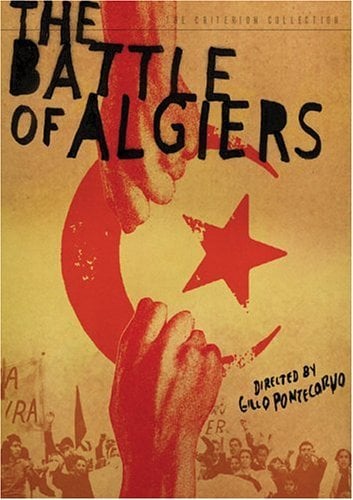
Gillo Pontecorvo shot this 1966 masterpiece just four years after Algeria’s brutal independence war ended. The streets of Algiers still bore bullet pits and blast marks from the conflict that had killed hundreds of thousands.
Former resistance fighters and French paratroopers played versions of themselves, recreating events they’d lived through. The tension wasn’t manufactured for the camera.
It hung in the air like smoke that hadn’t fully cleared, and you can see it in every frame. Pontecorvo captured a city that was still processing its trauma, still counting its dead, still figuring out what independence actually meant.
Apocalypse Now
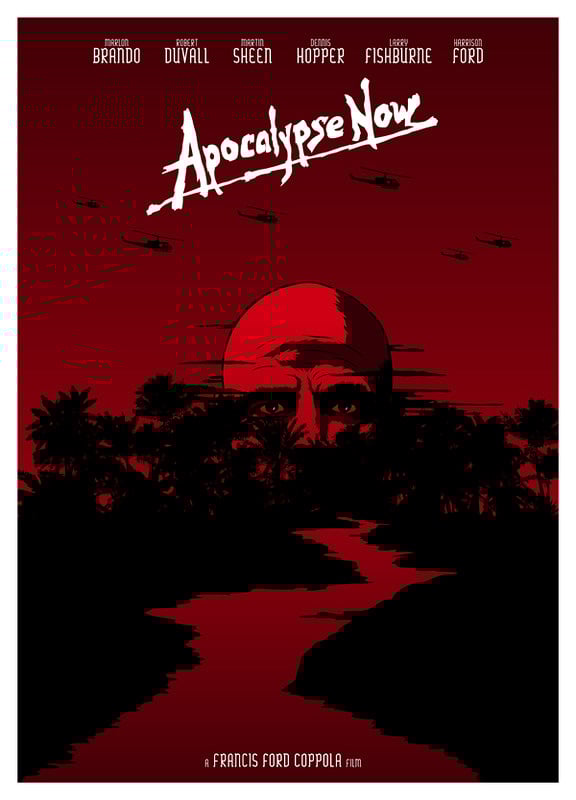
Francis Ford Coppola descended into the Philippines in 1976 during Ferdinand Marcos’s martial law period. The country was fighting communist insurgents in a conflict that would eventually claim thousands of lives.
Coppola borrowed actual military helicopters and equipment from Marcos’s forces, which would sometimes vanish mid-shoot to fight real battles. Typhoons destroyed sets, Martin Sheen had a heart attack, and the production spiraled into a nightmare that mirrored the film’s own descent into madness.
The Philippine military wasn’t just providing props. They were actively engaged in combat operations while moonlighting as movie extras.
The Killing Fields
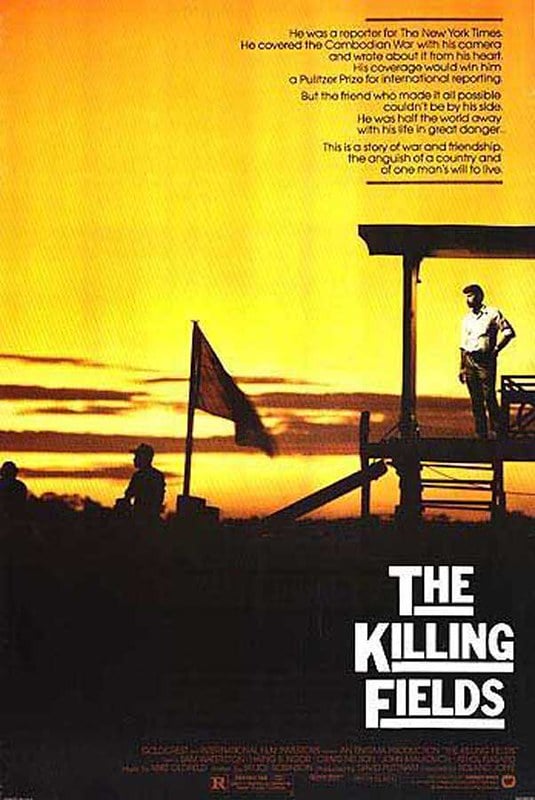
Roland Joffé brought his crew to Thailand in 1983 while Cambodia’s civil war still raged just across the border. Refugee camps overflowed with people who had survived the Khmer Rouge genocide, and many of them ended up in the film.
The production hired survivors to recreate the horrors they’d barely escaped, which added layers of authenticity that no acting school could provide. Artillery fire echoed in the distance during some shoots.
Dr. Haing S. Ngor, who played Dith Pran, had actually lived through the genocide and lost his wife to the Khmer Rouge. His performance wasn’t acting. It was remembering.
Salvador

Oliver Stone charged into El Salvador in 1985 during the height of its civil war. Government death squads roamed the streets, guerrillas controlled large swaths of the countryside, and journalists were getting killed with alarming regularity.
Stone shot in actual war-torn neighborhoods where bodies had been dumped weeks earlier. The production faced constant threats, and crew members carried the same fear that real journalists experienced.
Gunfire interrupted filming multiple times, and the line between movie violence and real violence blurred until it practically disappeared. Stone captured a country tearing itself apart in real time.
Welcome to Sarajevo

Michael Winterbottom filmed in Bosnia in 1996 while the Dayton Accords were still fresh and land mines littered the countryside. Sarajevo showed scars from the longest siege in modern warfare.
Buildings stood gutted by shellfire, and residents were still processing the loss of neighbors and family members. The production used real locations where massacres had occurred, where people had starved, where snipers had hunted civilians crossing streets.
Bosnian actors who had survived the siege played characters experiencing the same trauma they’d endured. The grief wasn’t performed. It was pulled from a well that hadn’t run dry.
City of God

Fernando Meirelles ventured into Rio de Janeiro’s favelas in 2002 during a period of intense gang warfare. The Cidade de Deus neighborhood was a battleground between drug cartels, and police operations regularly turned streets into shooting galleries.
Most of the cast came from the favelas themselves, including kids who had witnessed or participated in gang violence. Filming occurred while actual conflicts simmered in surrounding areas.
The production had to negotiate with gang leaders for permission to shoot, and real criminals occasionally wandered through scenes. Meirelles captured a war zone that didn’t require armies or uniforms, just poverty and drugs and desperate young men with guns.
The Hurt Locker
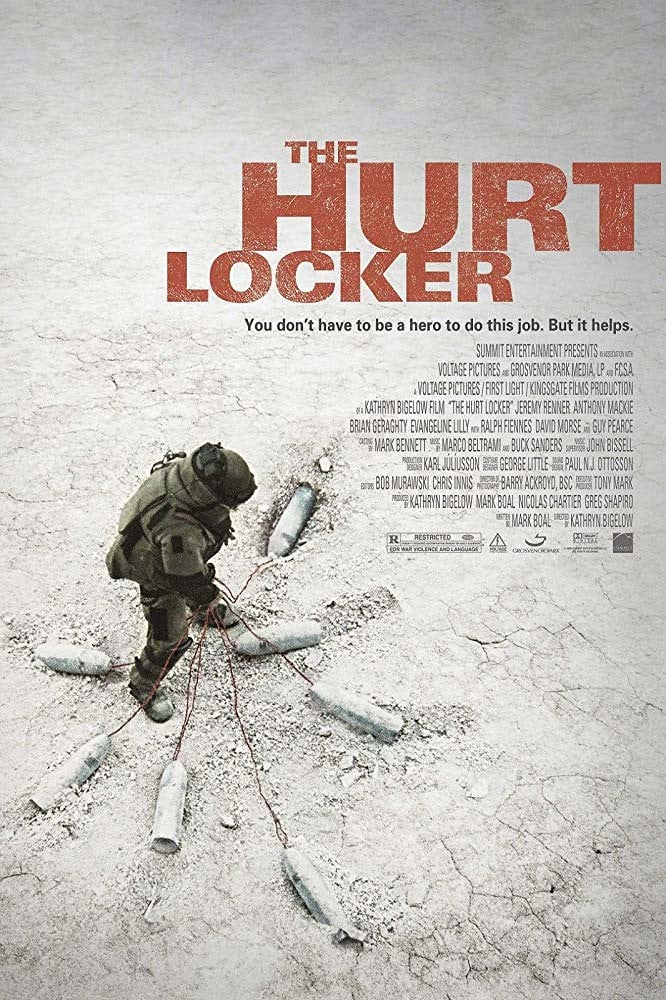
Kathryn Bigelow took her crew to Jordan in 2007, using locations near the Iraqi border while the Iraq War consumed the region. Insurgent attacks were common in the area, and the production operated under constant security concerns.
The film’s explosive technicians were the real deal, people who had actually defused bombs in combat zones. Jordan itself was managing massive refugee flows from Iraq, and the instability of the region colored every aspect of production.
Bigelow captured the claustrophobic paranoia of modern warfare, partly because her crew lived with similar anxieties. Every market scene and street sequence carried an edge that came from genuine uncertainty about security.
The Breadwinner
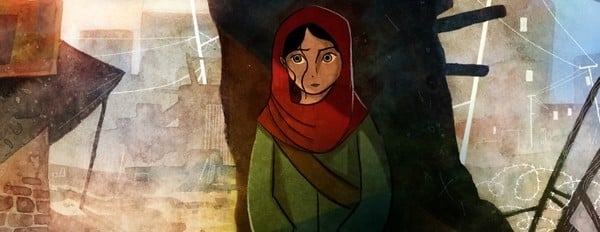
This animated film about Afghanistan required extensive research trips into active conflict zones in 2014 and 2015. While the animation was completed in studios, director Nora Twomey and her team conducted interviews and gathered footage in Kabul while Taliban attacks remained frequent.
The stories they collected came from women and girls living under constant threat. Afghan animators contributed to the project while their country struggled with ongoing violence.
The film’s authenticity stems from proximity to real danger, from conversations held in a city where bombs could detonate at any moment. Animation provided safety for the production, but the research demanded courage.
Timbuktu

Abderrahmane Sissako wanted to film in the actual Malian city but couldn’t because jihadist groups controlled it in 2013. Instead, he shot in Oualata, Mauritania, just across the border while the Malian conflict continued.
The Islamic State in the Greater Sahara and other militant groups operated in the region, and security remained precarious throughout production. Many cast members were refugees from Mali who had fled jihadist rule.
They recreated their own displacement, their own losses, their own narrow escapes. The film captures the suffocating absurdity of extremist occupation because the people making it had felt that suffocation themselves.
Distance didn’t create safety. It just provided enough space to film.
Beasts of No Nation
Cary Joji Fukunaga shot in Ghana in 2014, but his cast included child soldiers from actual African conflicts. The production brought in kids from Sierra Leone, Liberia, and other war-torn nations who had carried real weapons and committed real atrocities.
While Ghana itself wasn’t at war, the film’s locations in rural areas bordered regions with active insurgencies. The psychological warfare these children had experienced came through in their performances.
Fukunaga wasn’t directing them to imagine trauma. He was helping them channel trauma they were already carrying. The filming process itself became a form of therapy, a way to process horrors that society wanted to forget.
Waltz with Bashir
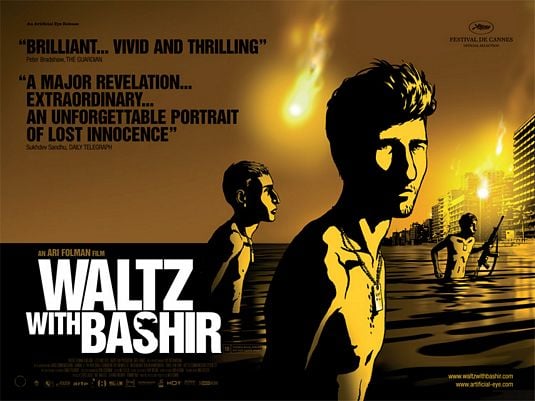
Ari Folman’s animated documentary about the 1982 Lebanon War required him to return to Beirut in 2006 during the Israel-Hezbollah conflict. While interviewing fellow veterans, Israeli aircraft bombed the city.
Folman conducted research while explosions shook buildings and civilians fled. The animation technique provided distance from the violence, but Folman’s journey into memory happened amid fresh carnage.
His exploration of how soldiers suppress traumatic memories occurred while new traumas were being created. The film exists in a strange space where past and present wars blur together, where old ghosts meet new ones.
Cartel Land

Matthew Heineman embedded with vigilante groups fighting Mexican drug cartels in 2013 and 2014. This wasn’t a narrative film but a documentary that required Heineman to film actual gunfights and raids.
Cartel violence in Michoacán was at its peak, with bodies appearing regularly and entire towns living under siege. Heineman’s camera captured real ambushes, real confrontations, real deaths.
The filmmaker put himself in the same danger as his subjects, never knowing if a particular scene would end in violence. Documentary or not, this was filmmaking in an active war zone where distinctions between combatants and civilians had collapsed completely.
For Sama

Waad Al-Kateab filmed her documentary in Aleppo, Syria, from 2011 to 2016 while the city endured one of the war’s most devastating sieges. She captured bombings, hospital massacres, and the daily struggle to survive under constant attack.
Al-Kateab wasn’t a visiting filmmaker. She was a resident, a participant, someone deciding whether to flee or stay while Russian airstrikes leveled neighborhoods.
The film exists because she kept her camera rolling through five years of hell. Every frame carries the weight of genuine mortal danger.
This wasn’t a production. It was documentation of survival.
They Shall Not Grow Old

Peter Jackson’s World War I documentary didn’t film in an active war zone in the traditional sense, but his restoration work occurred while researching battlefields that remained deadly a century later. Unexploded ordnance from WWI still kills people in France and Belgium.
Jackson’s team worked in areas where farmers regularly uncover live shells and where entire sections remain off-limits due to lingering chemical weapons. The archival footage shows men in the middle of humanity’s first industrial-scale slaughter.
Jackson brought viewers into trenches where death came from invisible gas, from shells launched miles away, from machine guns that turned no man’s land into an actual graveyard.
Our Body

Claire Simon’s 2023 documentary filmed inside a French gynecology ward, but the war zone was internal and biological. Women facing cancer, infertility, and life-threatening complications allowed Simon to document their battles.
The film shows actual surgeries, actual diagnoses, actual moments when patients learn whether they’ll live or die. These operating rooms become battlefields where doctors fight against cells gone rogue, against organs that betray their hosts.
Simon captured intimate warfare that happens inside millions of bodies, conflicts where the enemy comes from within. The stakes were as high as any military engagement, and the casualties just as real.
20 Days in Mariupol

Mstyslav Chernov filmed in Mariupol, Ukraine, in 2022 as Russian forces encircled and destroyed the city. His documentary captured the siege that killed thousands and left survivors trapped without food, water, or medical care.
Chernov filmed in a maternity hospital moments after a Russian airstrike, documented mass graves being dug in public parks, and showed doctors performing amputations without anesthesia. He was one of the last journalists to escape before the city fell completely.
Every second of footage came with the risk of a shell ending everything. This was filmmaking at its most dangerous and most essential, bearing witness when the world was looking away.
Escape from Kabul

A shaky camera captures a plane vanishing into smoke – this film from HBO sticks close to the last moments in Afghanistan. Right there, inside Kabul’s airport, the crew recorded bodies piling near runways, fingers gripping metal wings.
As Taliban patrols circled nearby, gunfire waited just beyond view. Everyone on site, including reporters, held their breath when engines roared.
Escape felt possible one second, impossible the next. History showed its face that day in ways we rarely see.
A war lasting two decades closed not with speeches, yet through fear, loss, and bodies dropping from helicopters. What remains was filmed by hands that held on even when running felt right.
Cameras stayed on because someone chose to watch instead of look away.
No Other Land
Right there in the West Bank, under occupation, a film unfolds through 2024. Basel Adra alongside others points the lens at lives pushed aside by force.
Soldiers tear down houses, move in heavily, keep people off balance – day after day caught on camera. While troops clear areas, filming continues, risky, raw, often challenged by those in uniform trying to grab gear or stop recording.
History it is not; this breathes in the present tense, captured as events crash forward. Making images becomes defiance, proof stacked against silence, shining light where avoidance feels easier.
Threats aren’t looming – they arrive without warning, built into each moment behind the viewfinder.
When the cameras finally stop

Truth shows up where risk does. Not every journey into conflict was careless – many were purposeful, driven by a need to see clearly through chaos.
Where scripted sets fall short, unfiltered moments rise, shaped by pulse and survival. Reality leaves marks no studio light ever could.
Films like these sit in a strange spot, caught between storytelling and reporting the truth. Witnessing events turns into filming them, blurring every line.
It shows how certain movies only happened because directors gave up safety, comfort, certainty.
More from Go2Tutors!

- The Romanov Crown Jewels and Their Tragic Fate
- 13 Historical Mysteries That Science Still Can’t Solve
- Famous Hoaxes That Fooled the World for Years
- 15 Child Stars with Tragic Adult Lives
- 16 Famous Jewelry Pieces in History
Like Go2Tutors’s content? Follow us on MSN.



