16 Natural Disasters That Created Tourist Attractions
Nature can be destructive, unpredictable, and—strangely enough—transformative. Some of the world’s most visited landmarks came out of moments of total chaos. Earthquakes, eruptions, floods, and storms left their mark, and people eventually started showing up, not to run—but to take it all in.
Here is a list of 16 natural disasters that turned into places people now travel the world to see.
Mount Vesuvius

In 79 AD, Mount Vesuvius erupted and buried the Roman cities of Pompeii and Herculaneum under ash and stone. Thousands were killed, and the cities were lost for centuries.
Today, Pompeii is one of Italy’s most visited historical sites, with tourists wandering streets that were frozen in time. The volcano itself is also a popular climb, offering views over the Bay of Naples—though it’s still very much active.
Krakatoa
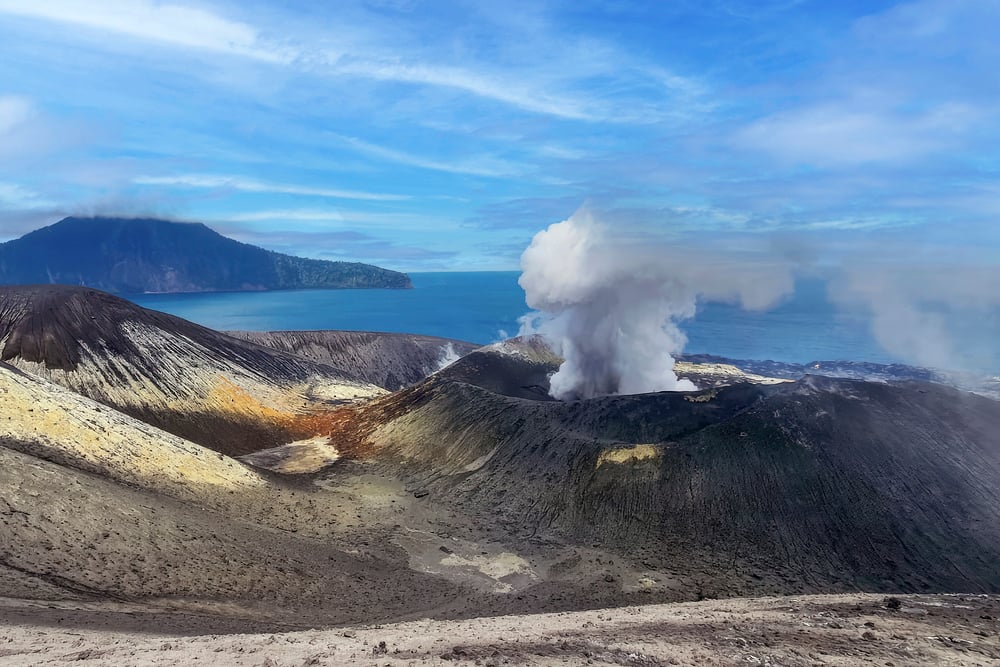
The eruption of Krakatoa in 1883 was one of the loudest sounds ever recorded and caused massive tsunamis across the region. The island was mostly destroyed, but over time, a new volcanic island—Anak Krakatoa (Child of Krakatoa)—emerged from the sea.
Now, adventurous travelers take boats out to view this constantly changing landmass. The risk is part of the thrill, as it’s still active and unpredictable.
Yellowstone Caldera
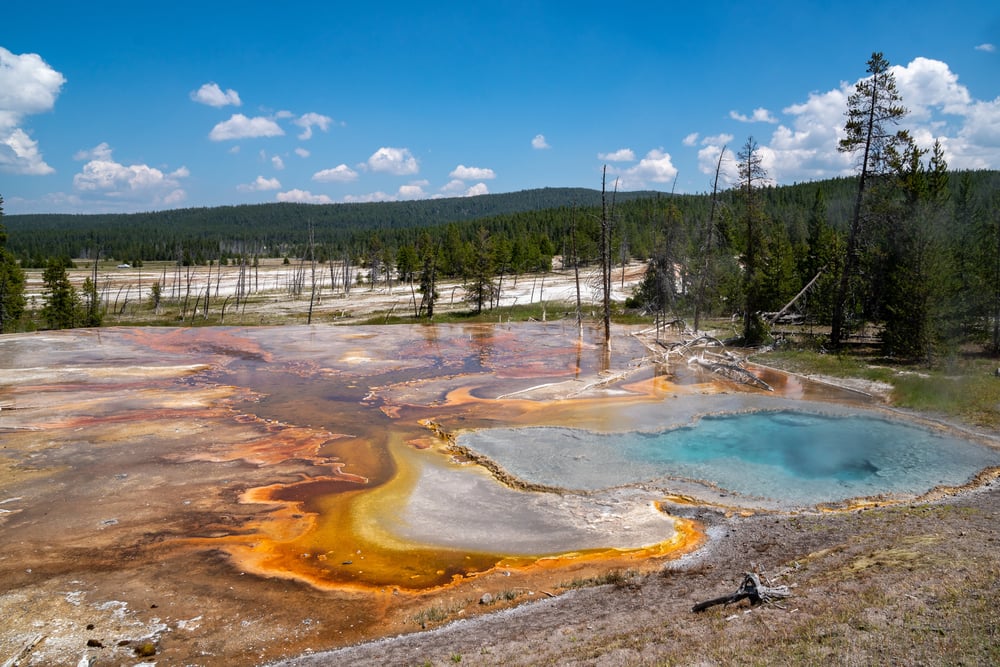
Yellowstone’s beauty draws millions each year, but beneath all the geysers and hot springs lies a supervolcano. The caldera was formed by an enormous eruption over 600,000 years ago, reshaping the land.
That ancient disaster is what gave us features like Old Faithful and the Grand Prismatic Spring. While it’s peaceful now, the entire park is essentially sitting on a ticking geologic clock.
Mount St. Helens
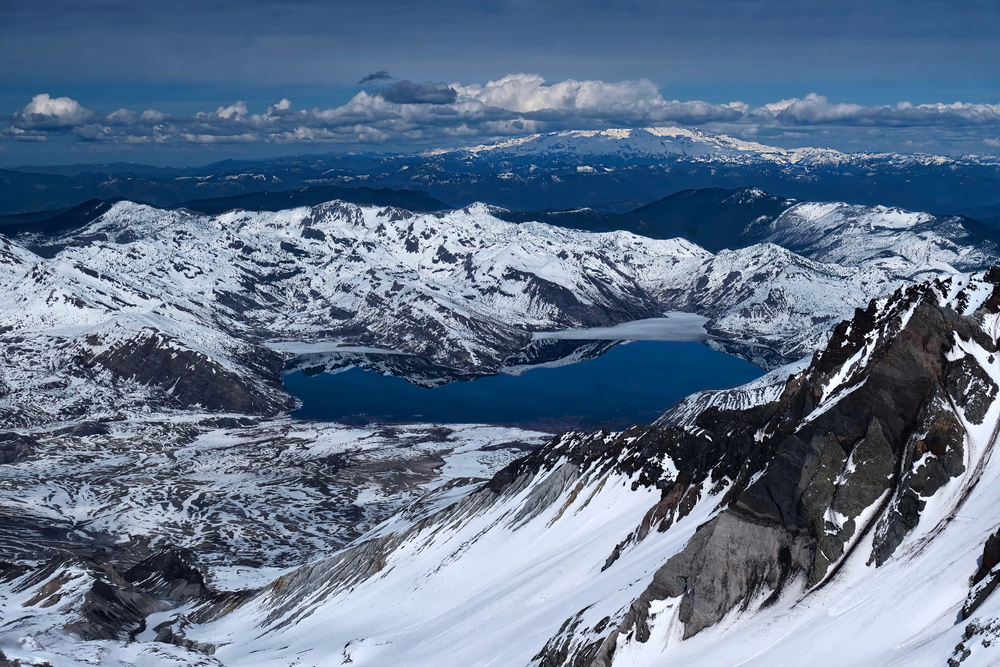
In 1980, Mount St. Helens erupted in Washington, flattening forests and reshaping the surrounding area for miles. The explosion killed dozens and left a giant crater where the peak once stood.
Now, visitors hike the trails, visit observatories, and learn about the eruption at nearby museums. The landscape still bears scars, but that’s exactly what people come to see.
Hurricane Katrina
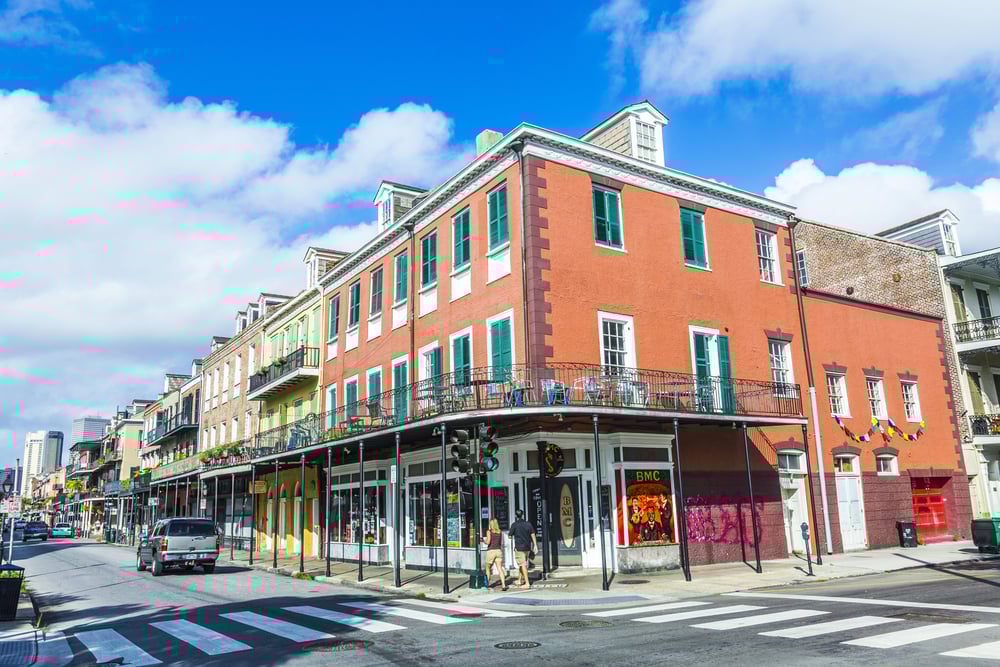
New Orleans was devastated by Hurricane Katrina in 2005. Entire neighborhoods were underwater, and thousands of lives were upended.
But the city’s recovery drew global attention, and people began visiting to understand the event’s impact. Areas like the Lower Ninth Ward now feature guided tours—not for entertainment, but to reflect on resilience and renewal.
Iceland’s Eyjafjallajökull
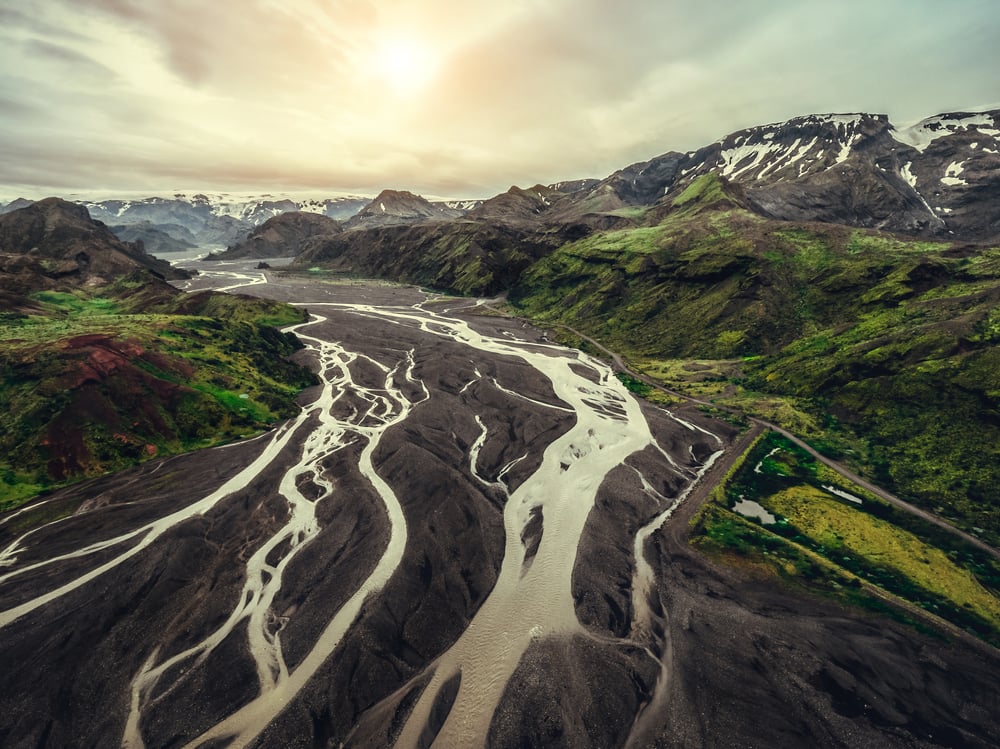
When Eyjafjallajökull erupted in 2010, it grounded flights across Europe and became famous mostly because no one could pronounce its name. The eruption melted glaciers and caused widespread ash fallout.
Since then, Iceland’s tourism has soared, with this volcano becoming one of the country’s most recognizable features. It sits in a region full of hiking trails and glacial views that draw visitors year-round.
San Francisco Earthquake

The 1906 San Francisco earthquake and fire nearly destroyed the city. Thousands of buildings collapsed, and the city was forced to rebuild almost from scratch.
Today, tourists flock to San Francisco not just for its views and food, but to see how it bounced back. Earthquake-related exhibits and walking tours show how the disaster shaped one of the most iconic cities in the U.S.
Mount Etna
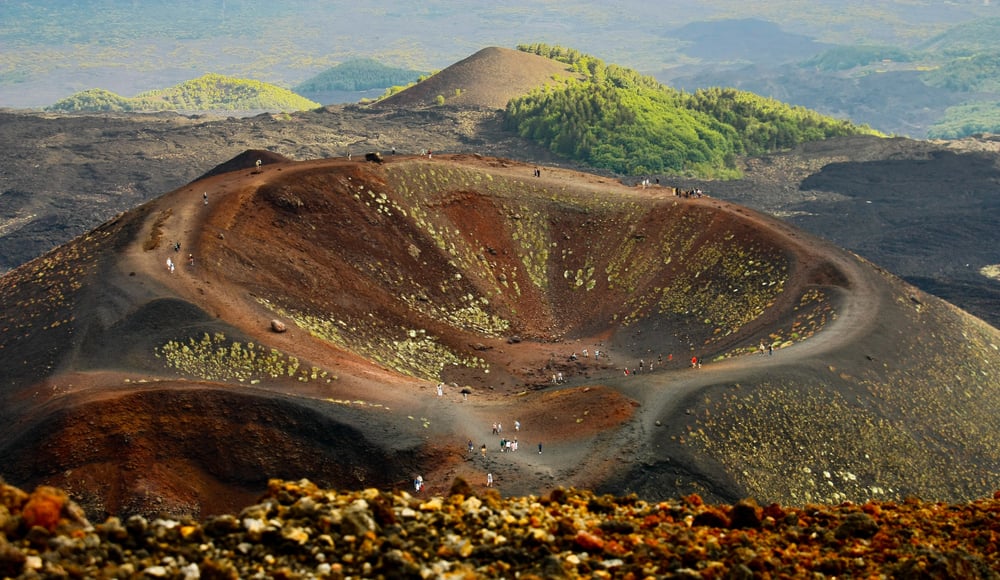
Mount Etna in Sicily is Europe’s most active volcano and has been erupting for thousands of years. It destroyed towns, rerouted rivers, and covered entire hillsides in lava.
Yet it’s also a top destination. Visitors ride cable cars up the slopes and walk across cooled lava fields, often while smoke puffs out of the summit in the distance.
Galveston Hurricane

In 1900, a hurricane wiped out much of Galveston, Texas, killing an estimated 6,000 to 8,000 people. It remains the deadliest natural disaster in U.S. history.
In the years that followed, the city rebuilt and raised its elevation. Today, tourists visit the seawall built after the storm and explore historic districts that tell the story of survival and recovery.
Japan’s 2011 Tsunami
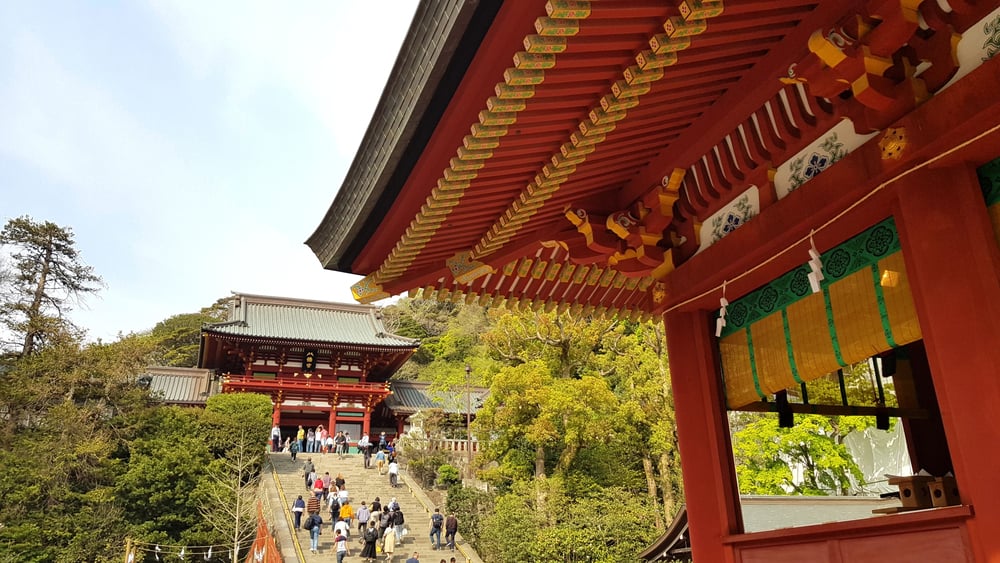
Triggered by a massive undersea earthquake, the tsunami in 2011 devastated Japan’s northeast coast. Entire communities were swept away, and the Fukushima nuclear disaster added to the crisis.
In recent years, memorials, museums, and guided learning tours have opened in the affected areas. They’re not typical tourist attractions—but they serve as powerful educational experiences.
New Madrid Earthquakes
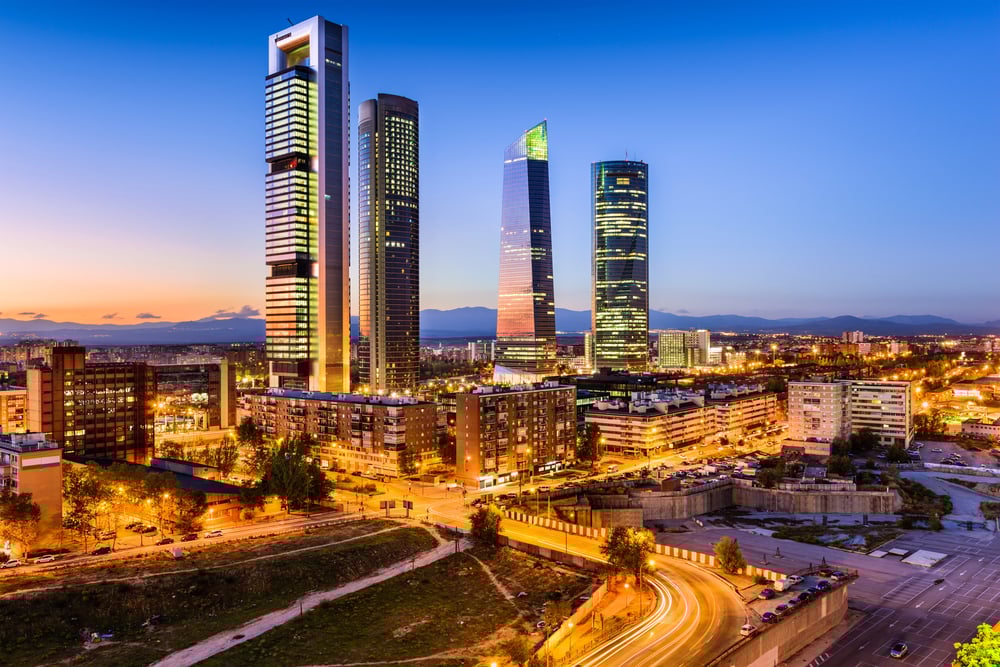
In the early 1800s, a series of powerful earthquakes hit the central U.S., causing the Mississippi River to briefly run backward. It reshaped parts of Missouri, Arkansas, and Tennessee.
The town of New Madrid is now known for this bizarre seismic history. Tourists visit to learn about the rare quakes and how they changed the region’s geography forever.
Mount Pinatubo
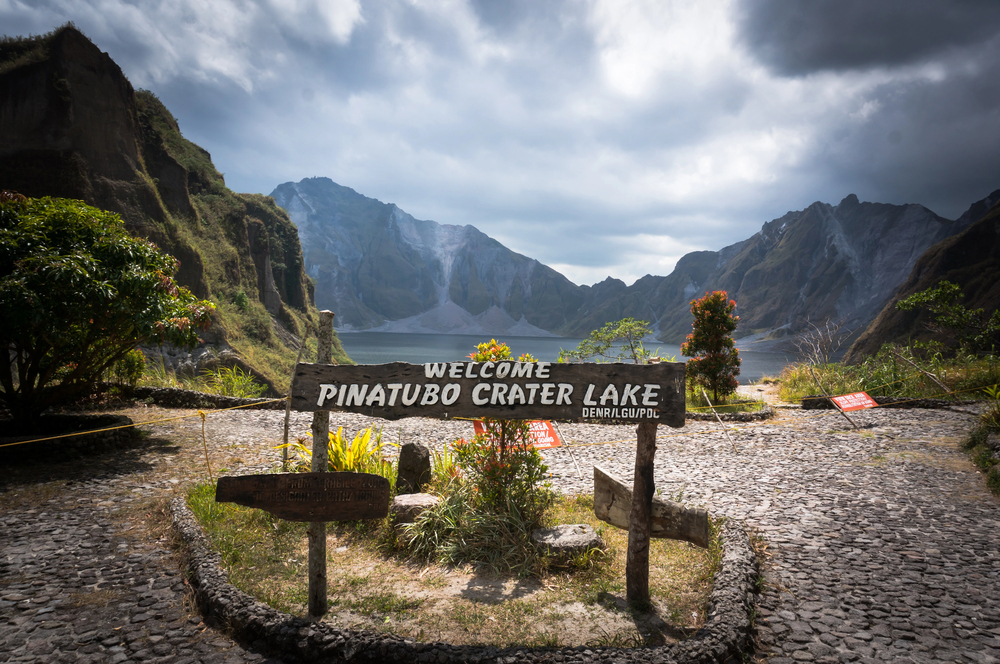
The eruption of Mount Pinatubo in the Philippines in 1991 cooled global temperatures by nearly a degree due to all the ash it released. Entire villages were buried, and thousands were displaced.
Since then, the crater lake left behind has become a popular hiking destination. Its turquoise water and surreal landscape make it hard to believe it came from such destruction.
Lake Nyos
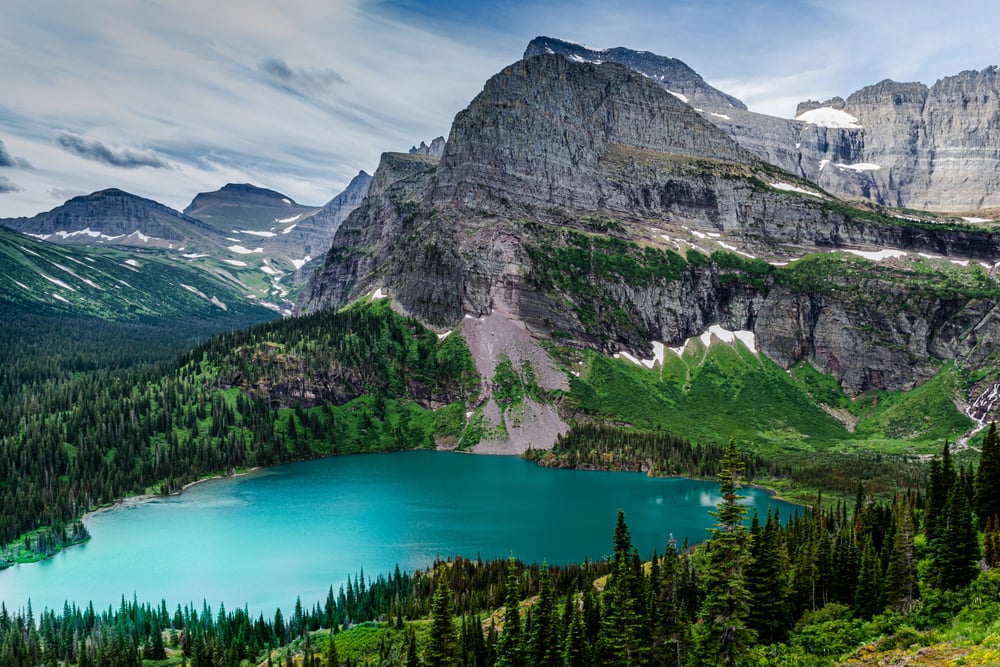
In 1986, a sudden burst of carbon dioxide from Cameroon’s Lake Nyos suffocated over 1,700 people and countless animals. The event was so rare, scientists didn’t know it could happen.
Today, visitors come to see the peaceful-looking lake that caused so much confusion and fear. The area now has degassing equipment installed, and guided tours explain the science behind what happened.
Hurricane Andrew

Hurricane Andrew tore through Florida in 1992, flattening entire neighborhoods. Homestead and the surrounding areas were hit especially hard.
In the years since, the region rebuilt with hurricane-resistant designs, and storm tourism became a thing. Travelers visit the area not just for the beaches, but to learn how Florida adapted to powerful storms.
Chaitén Volcano

Chile’s Chaitén Volcano erupted in 2008 after being quiet for over 9,000 years. The town of Chaitén was buried in ash and mud, and residents had to be permanently relocated.
But the surrounding landscape became strikingly beautiful after the eruption. It’s now a stop for hikers and eco-tourists looking to experience nature’s raw power.
Lituya Bay
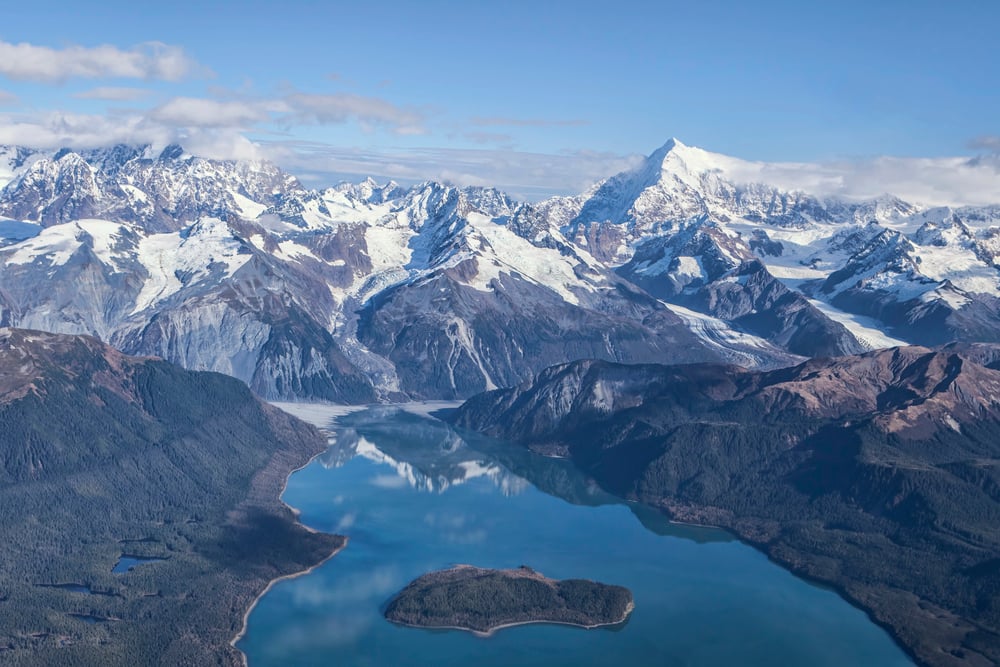
In 1958, Lituya Bay in Alaska experienced the tallest tsunami ever recorded—over 1,700 feet high—caused by a landslide triggered by an earthquake. It ripped trees off slopes and shook the entire bay.
Now, it’s a haunting but beautiful stop for cruise ships and kayaking tours. Guides explain how the earth can move in unimaginable ways, and visitors leave with a new respect for what lies beneath.
From Destruction to Destination
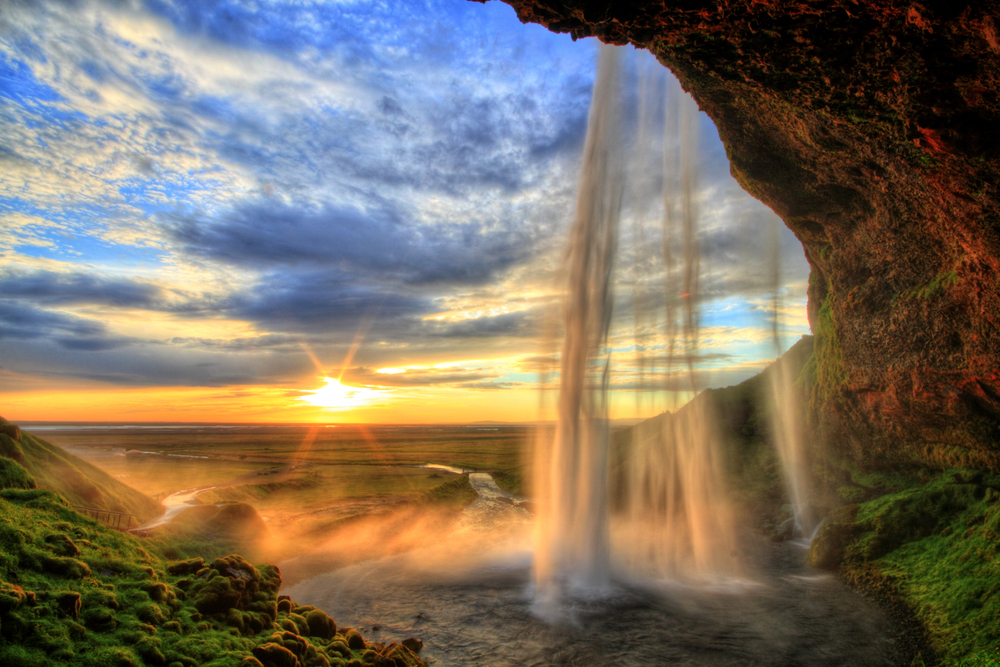
These places didn’t become popular by being pretty alone—they carry stories of loss, survival, and change. What once caused fear and devastation now sparks awe and curiosity.
People go not just to see the sights, but to understand the events that shaped them. It’s a reminder that nature doesn’t just destroy—it reshapes the world, and sometimes, we find meaning in what’s left behind.
More from Go2Tutors!

- The Romanov Crown Jewels and Their Tragic Fate
- 13 Historical Mysteries That Science Still Can’t Solve
- Famous Hoaxes That Fooled the World for Years
- 15 Child Stars with Tragic Adult Lives
- 16 Famous Jewelry Pieces in History
Like Go2Tutors’s content? Follow us on MSN.