Global Traditions Observed During Ramadan
Fasting from dawn until dusk defines Ramadan for many, yet the month stretches beyond hunger. Reflection takes root here, alongside acts of giving that flow like tides.
Daily routines shift, shaped by prayer and shared meals under dim evening light. Across cities and villages, a quiet pulse emerges – different in tempo, but steady everywhere.
Though faith holds the center, expression dances in local colors, village by village, street by street. Here’s a closer look at 15 traditions observed around the world during Ramadan, each shaped by history, culture, and community.
Suhoor Before Sunrise

Before daylight breaks, people eat suhoor in households across the Muslim world. Silence wraps around these early moments when meals appear on low tables.
Flatbreads warm beside boiled eggs, ripe bananas sit near bowls of thick yogurt. Tea steeps quietly, filling corners of the kitchen with rising steam.
In parts of Pakistan, golden parathas sizzle in pans alongside simmering lentils. Elsewhere, cooks stir pots of spiced rice or creamy oats before the light spreads.
Each home moves at its own pace, shaped by habit, warmth, memory. Mornings here carry a hush, deliberate and slow.
Roads lie still, windows show warm light within homes, yet bells start chiming long before daylight feels right. Still, waking at such hours links families nearby – as if whole blocks breathe together while the rest sleeps on.
Iftar at Sunset
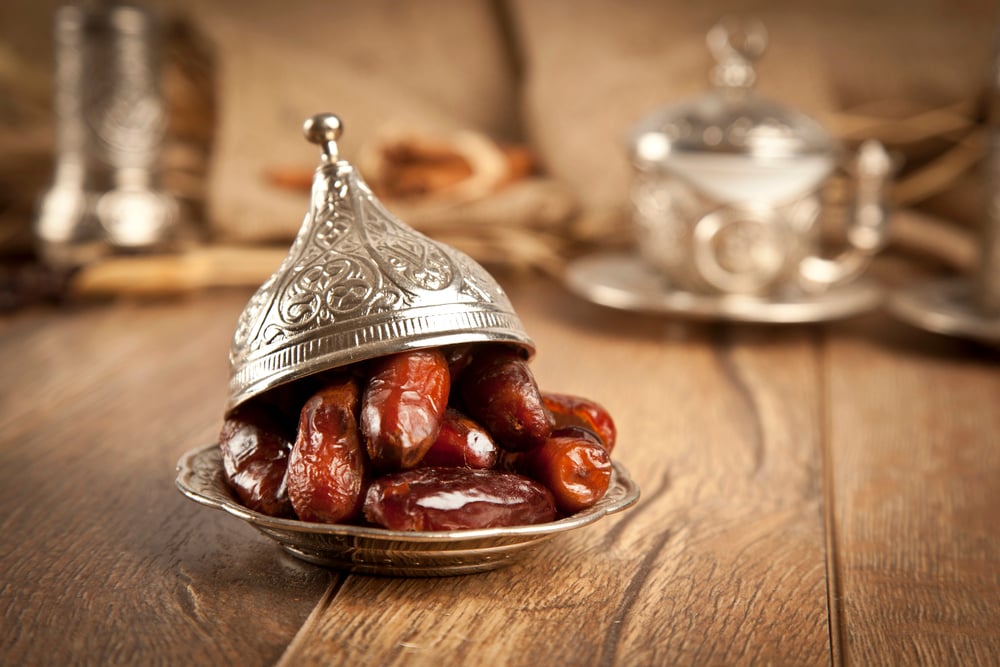
When the sun drops, breaking fast begins – dates and water come first, just like it has been done for ages. After that moment, dishes spread out, filling plates with tastes tied to place.
Down in Morocco, bowls of harira thicken the air with warmth. Meanwhile, across Indonesia, sugary sips and crispy bites hit the table early.
Falling light slows everything down. Voices stop, palms rise together in silence, while thirst breaks only after stillness settles.
Each day folds into that instant, much like closing a book exactly when the clock repeats itself.
Taraweeh Night Prayers
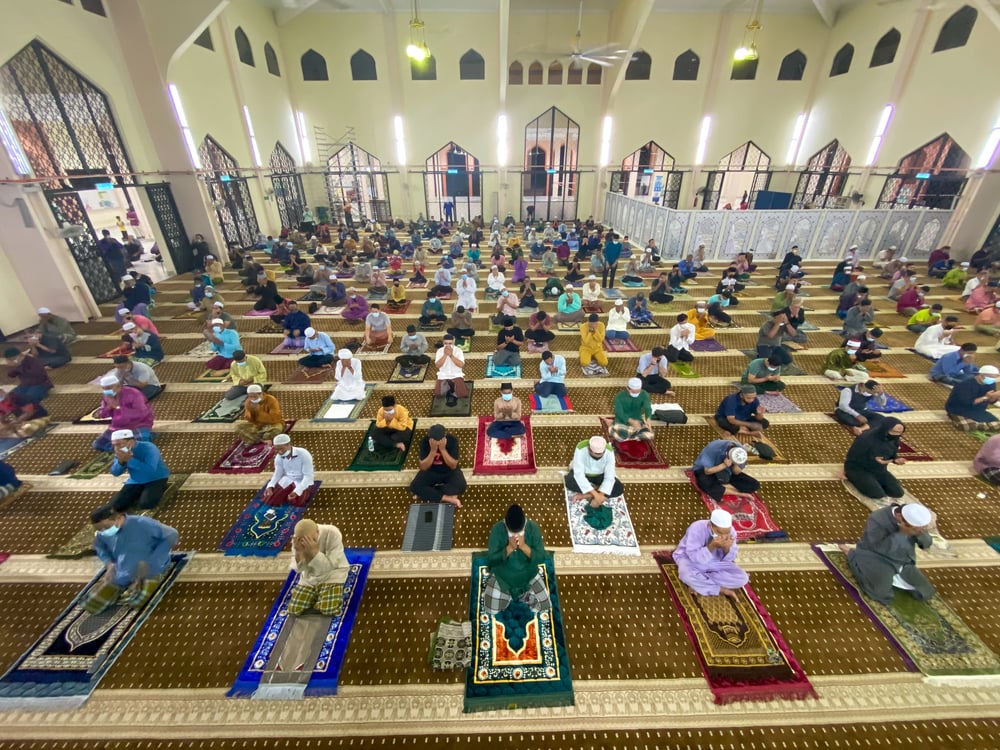
After the evening meal, many attend special nightly prayers known as Taraweeh. Mosques fill well into the late hours, and portions of the Quran are recited over the course of the month.
In cities from Saudi Arabia to Egypt, the sound of recitation spills into surrounding streets. The gatherings are both spiritual and communal.
People stand shoulder to shoulder, moving in unison. Still, the atmosphere remains gentle rather than formal.
It feels less like a scheduled obligation and more like a collective pause in a busy world.
The Ramadan Cannon

In parts of the Middle East and North Africa, the firing of a cannon at sunset signals the end of the fast. This practice dates back centuries and continues in cities such as Cairo and other historic centers.
While modern clocks make the signal unnecessary, the tradition endures. The cannon is less about practicality now and more about continuity.
It echoes through neighborhoods as a reminder of heritage, connecting present-day families to generations that once relied on that same booming cue.
Lanterns and Decorative Lights
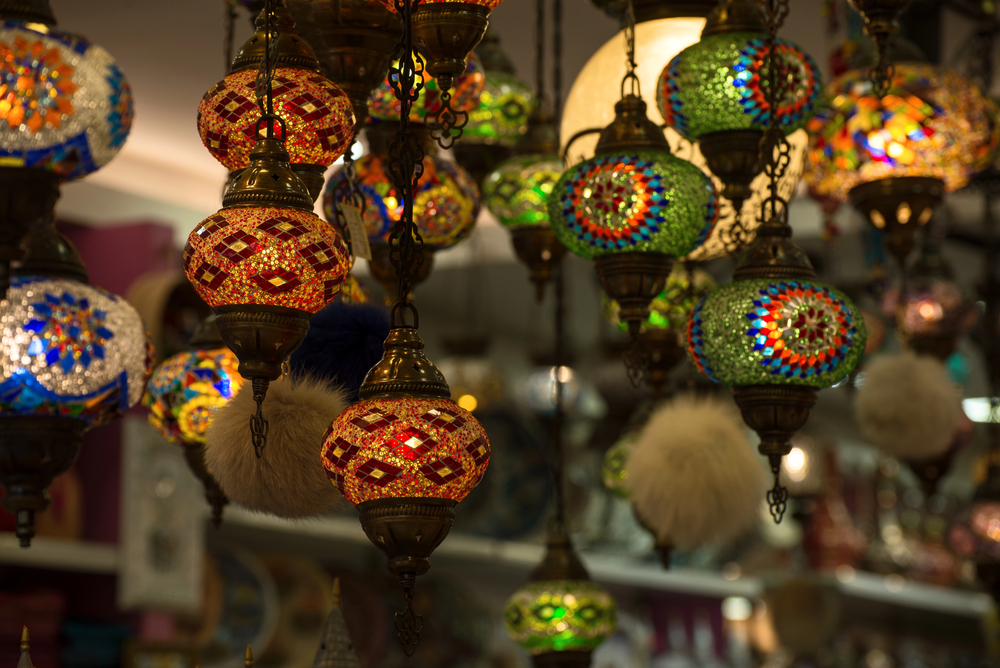
In Egypt, colorful lanterns known as fanoos hang in homes and markets during Ramadan. Streets glow with string lights, and shop windows shimmer with crescent shapes and stars.
The effect is festive without being overwhelming. Decorations transform public spaces much like seasonal lights do elsewhere.
They soften cityscapes and create a sense of occasion. Even everyday errands feel slightly more special under warm, glowing bulbs.
The Mesaharati Drummer
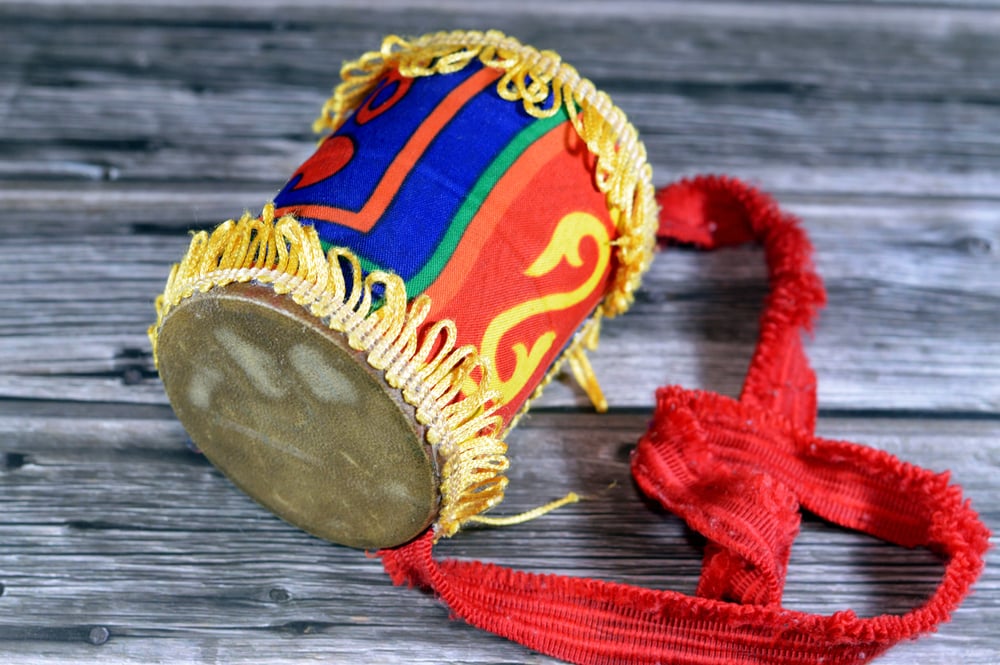
In some communities, especially in parts of the Middle East, a mesaharati walks through neighborhoods before dawn beating a drum to wake residents for suhoor. This tradition predates alarm clocks and digital reminders.
The drummer’s steady rhythm moving down a quiet street feels almost cinematic. That said, it serves a practical role while reinforcing a sense of shared routine.
One person’s footsteps become the signal for hundreds of households to rise together.
Communal Iftar Tents
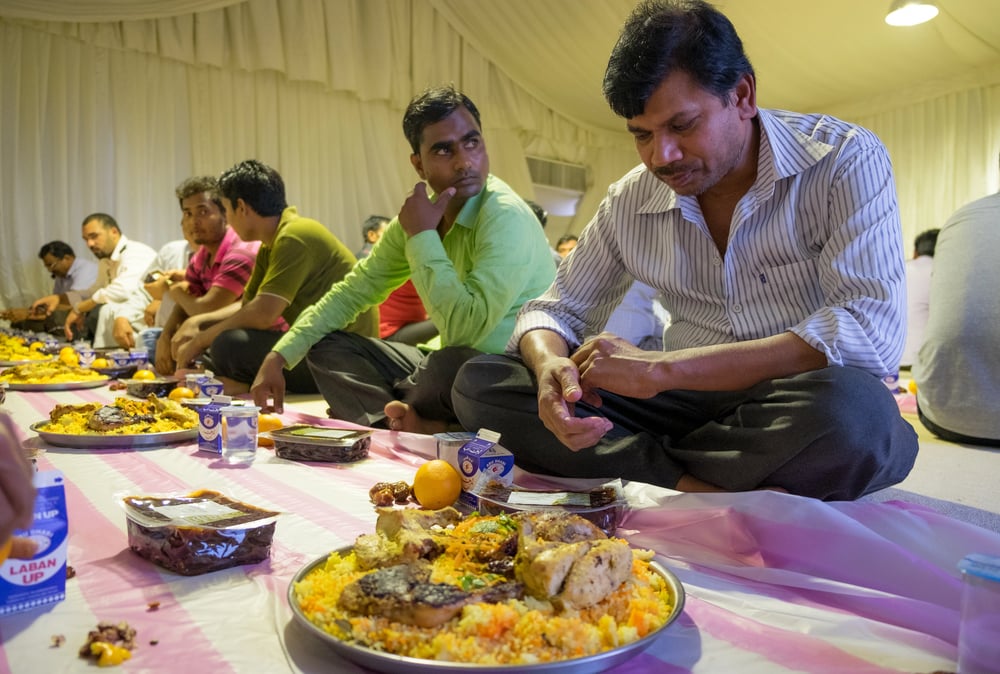
Public iftar tents are common in countries like the United Arab Emirates and elsewhere. These large setups provide free meals to anyone who wishes to attend, regardless of background.
Volunteers and charitable groups coordinate food distribution daily. The scale can be impressive, with long tables stretching for yards.
Yet the mood remains grounded and welcoming. Strangers sit side by side, passing plates and sharing conversation, turning a meal into an open invitation.
Charity and Zakat
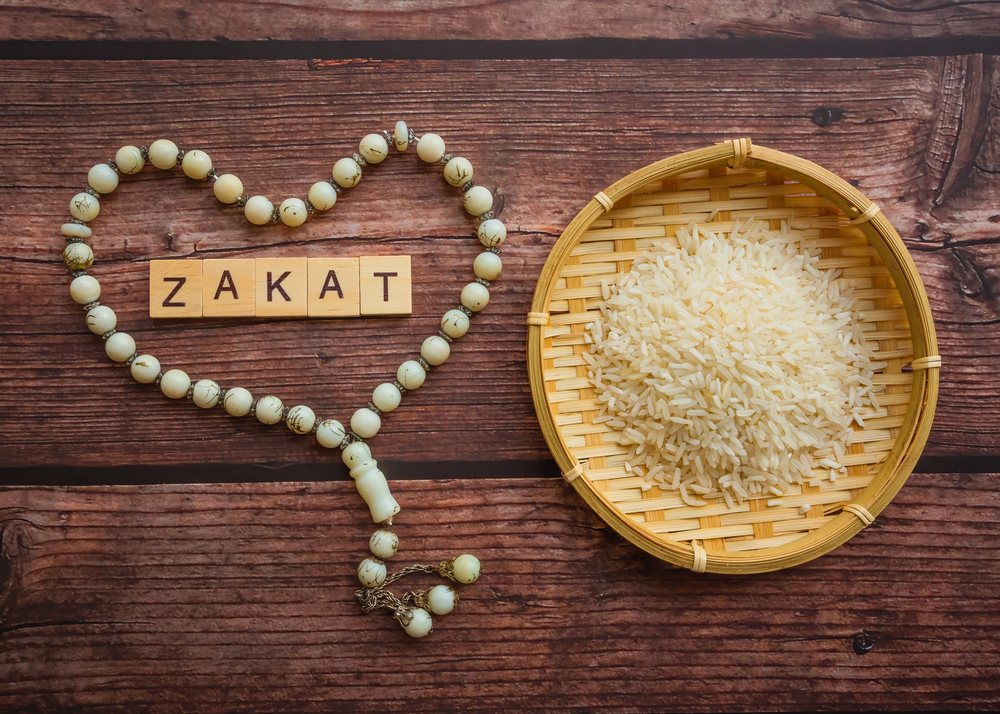
Charitable giving increases significantly during Ramadan. Many Muslims pay zakat, an obligatory form of almsgiving, or offer additional voluntary donations.
In places from Turkey to the United States, food banks and community centers see a noticeable surge in support. The emphasis on generosity is woven into the month’s identity.
It shifts attention outward, encouraging people to look beyond their own routines. The result is often a visible ripple of support across neighborhoods.
Ramadan Markets
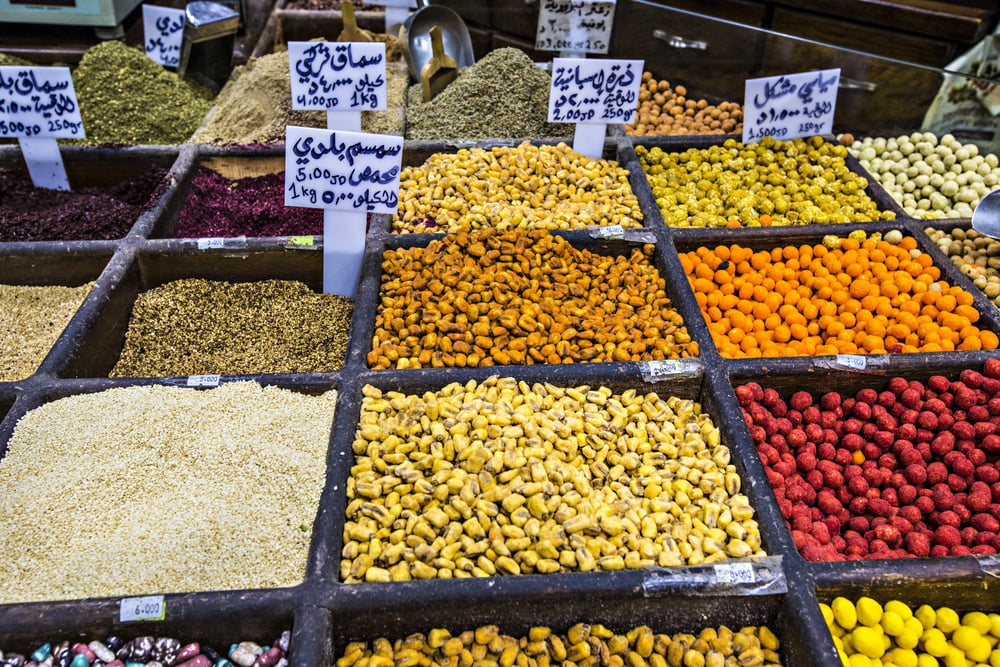
Evenings during Ramadan bring markets to life in cities around the world. Stalls sell sweets soaked in syrup, savory pastries, fresh juices, and decorative items.
In North African cities, bustling night bazaars stay open well past midnight. The energy feels almost reversed compared to typical schedules.
Instead of winding down, streets become lively after dark. The rhythm flips, and the night becomes the social heartbeat of the month.
Quran Recitation Circles
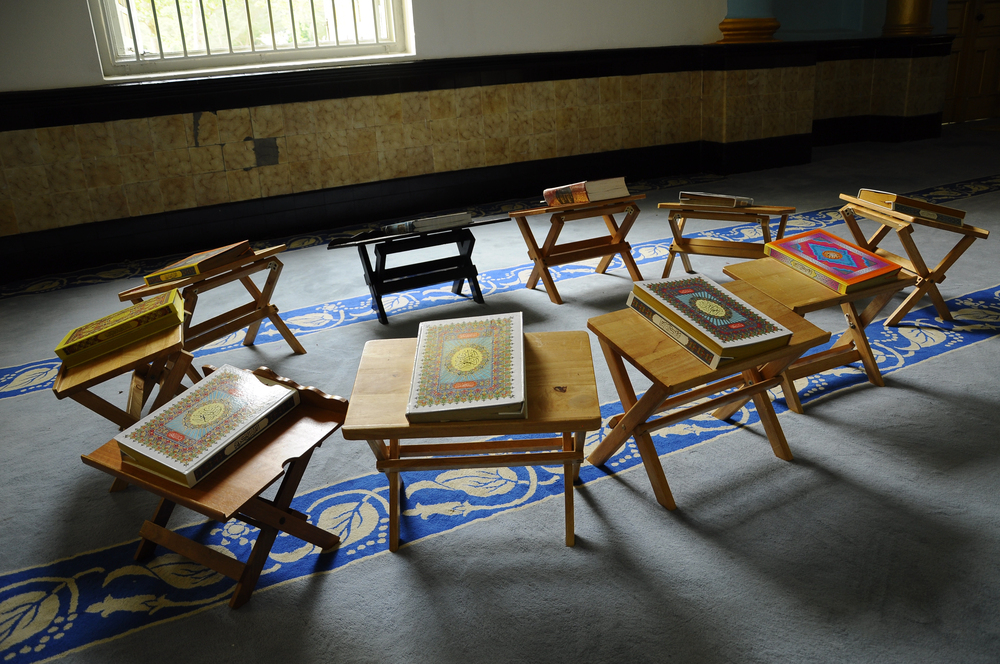
Beyond mosque prayers, smaller groups gather in homes or community centers to read and reflect together. In South Asia and parts of Africa, these circles are common, with participants taking turns reciting passages.
The gatherings often blend learning with conversation. There is structure, but it remains approachable.
It feels less like a lecture and more like a shared study session, anchored in mutual respect.
Family Reunions

In many countries, Ramadan serves as an anchor for extended family gatherings. In Jordan and elsewhere, relatives make a point of breaking fast together as often as possible.
Dinner tables grow longer as cousins, grandparents, and neighbors join in. The emphasis on togetherness becomes a daily event rather than a rare holiday moment.
That steady cadence of shared meals builds continuity, strengthening bonds through repetition.
Ramadan in Minority Communities
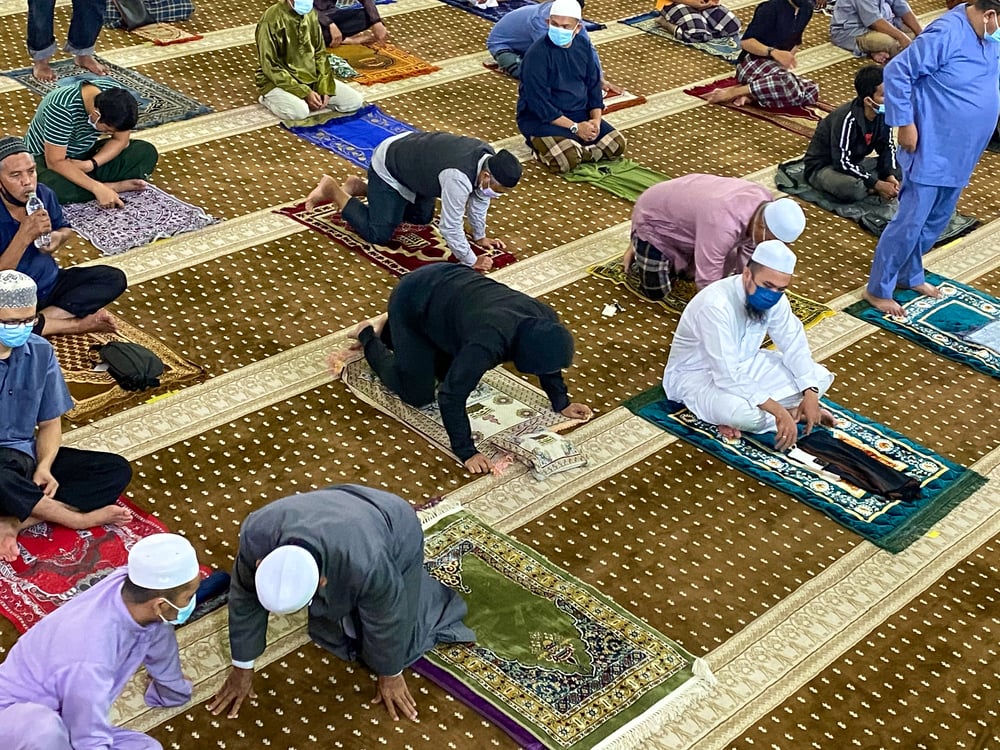
In countries where Muslims are a minority, such as the United Kingdom or the United States, Ramadan often unfolds within workplaces and schools that continue normal schedules. Individuals fast while navigating meetings, commutes, and daily obligations.
This dynamic creates a quieter expression of the month. Community centers and mosques become gathering hubs after hours.
The contrast between daytime routine and nighttime reflection adds a distinct layer to the experience.
Special Desserts
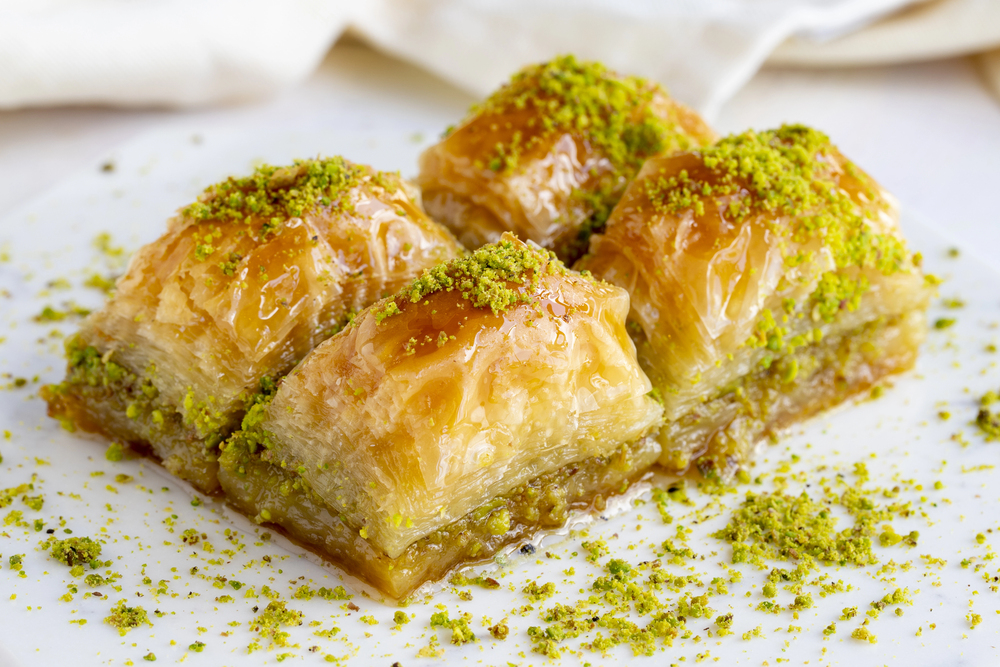
Every region has its signature sweets during Ramadan. In Turkey, güllaç appears on dessert tables.
In South Asia, syrup-soaked pastries and rice puddings are common. These treats are rarely everyday fare outside the month.
Food becomes a seasonal marker, much like certain dishes reserved for specific holidays elsewhere. The first bite of a familiar dessert can feel like an annual tradition unfolding right on schedule.
Laylat Al-Qadr Observance
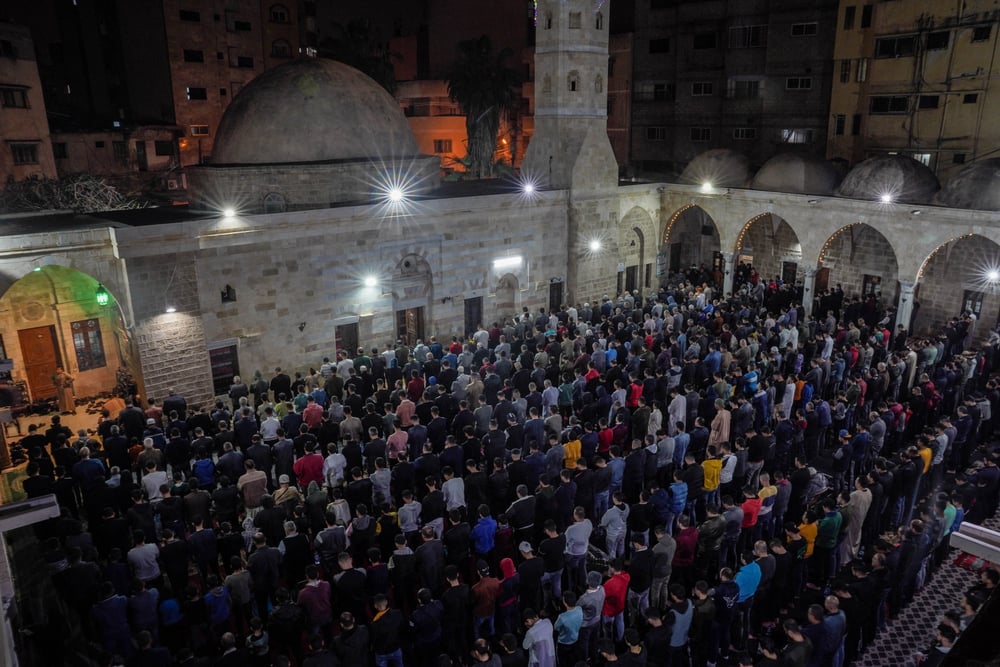
Late into the tenth stretch of Ramadan, worship deepens around Laylat al-Qadr – called by some the Night of Power. With mosques lit past usual closing, people linger longer than normal, caught in prayer or quiet thought.
Midnight feels different now. Focus tightens, almost without warning.
Still, this isn’t about showing anything – it runs inward. Quiet steps echo louder when nobody’s watching.
Eid Preparations
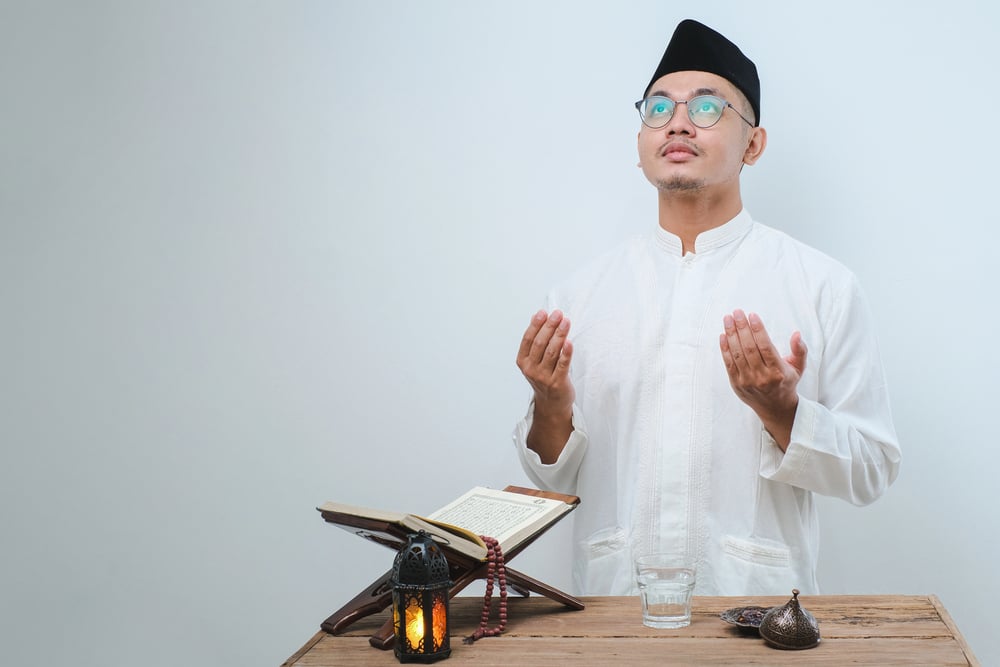
When Ramadan nears its end, people start getting ready for Eid al-Fitr. Fresh clothing gets bought, houses receive thorough cleaning, while favorite dishes move onto menus.
Across shops in Asia, Africa, the Middle East, foot traffic picks up sharply. Ending a fast feels like finishing something meaningful.
A new phase starts right where the old one left off, quiet joy mixed with what might come next.
Why These Traditions Still Matter
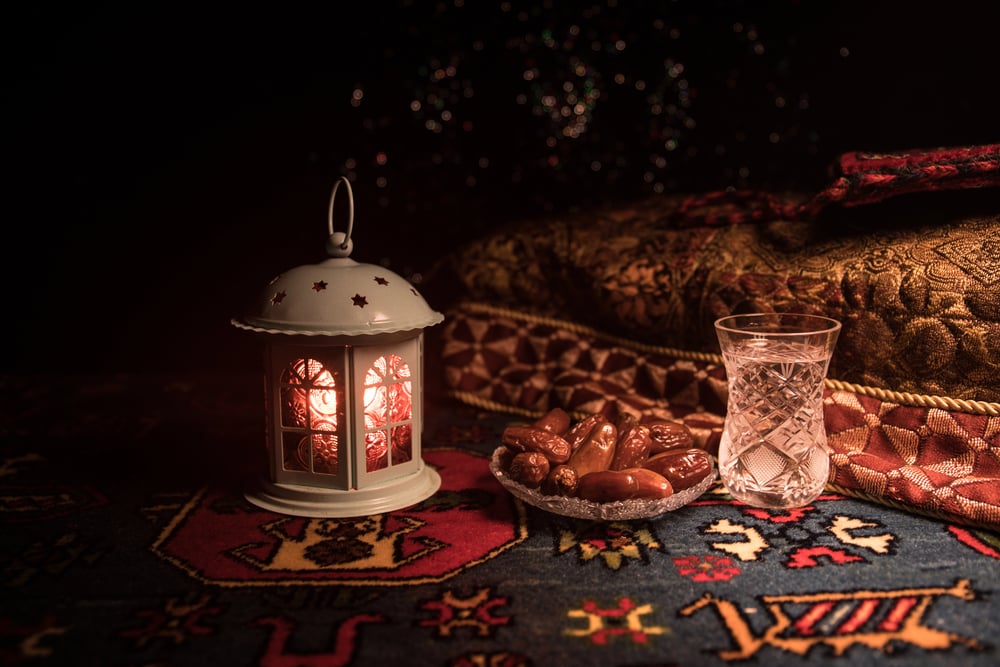
Fires once lit to mark Ramadan now share space with phone alerts that hum at dawn. Still, what matters stays unchanged through time.
Not every change arrives loud; some slip in quietly beside old ways. Through small acts or large gatherings, people find their way back – to belief, to loved ones, to neighbors nearby.
Faster than most notice, time slows when people move together through the days. Not only do routines shift, but something deeper takes root – quiet habits where giving meets structure.
Once lights fade and calendars refill, the balance somehow stays. Even weeks later, it shows up in small ways: how neighbors glance up, how voices soften.
More from Go2Tutors!

- The Romanov Crown Jewels and Their Tragic Fate
- 13 Historical Mysteries That Science Still Can’t Solve
- Famous Hoaxes That Fooled the World for Years
- 15 Child Stars with Tragic Adult Lives
- 16 Famous Jewelry Pieces in History
Like Go2Tutors’s content? Follow us on MSN.