17 Royal Traditions That Still Seem Strange
Royal families hold onto some traditions that have been around for hundreds of years. Many of these customs might feel odd or hard to understand today. Yet, they continue to be part of royal life.
These traditions mix history, ceremony, and a bit of mystery. Some make sense, but others leave people wondering why they still exist. It’s surprising how these old habits stick around in modern times.
Let’s explore 17 royal traditions that still seem strange now.
The monarch must not enter a room before anyone else
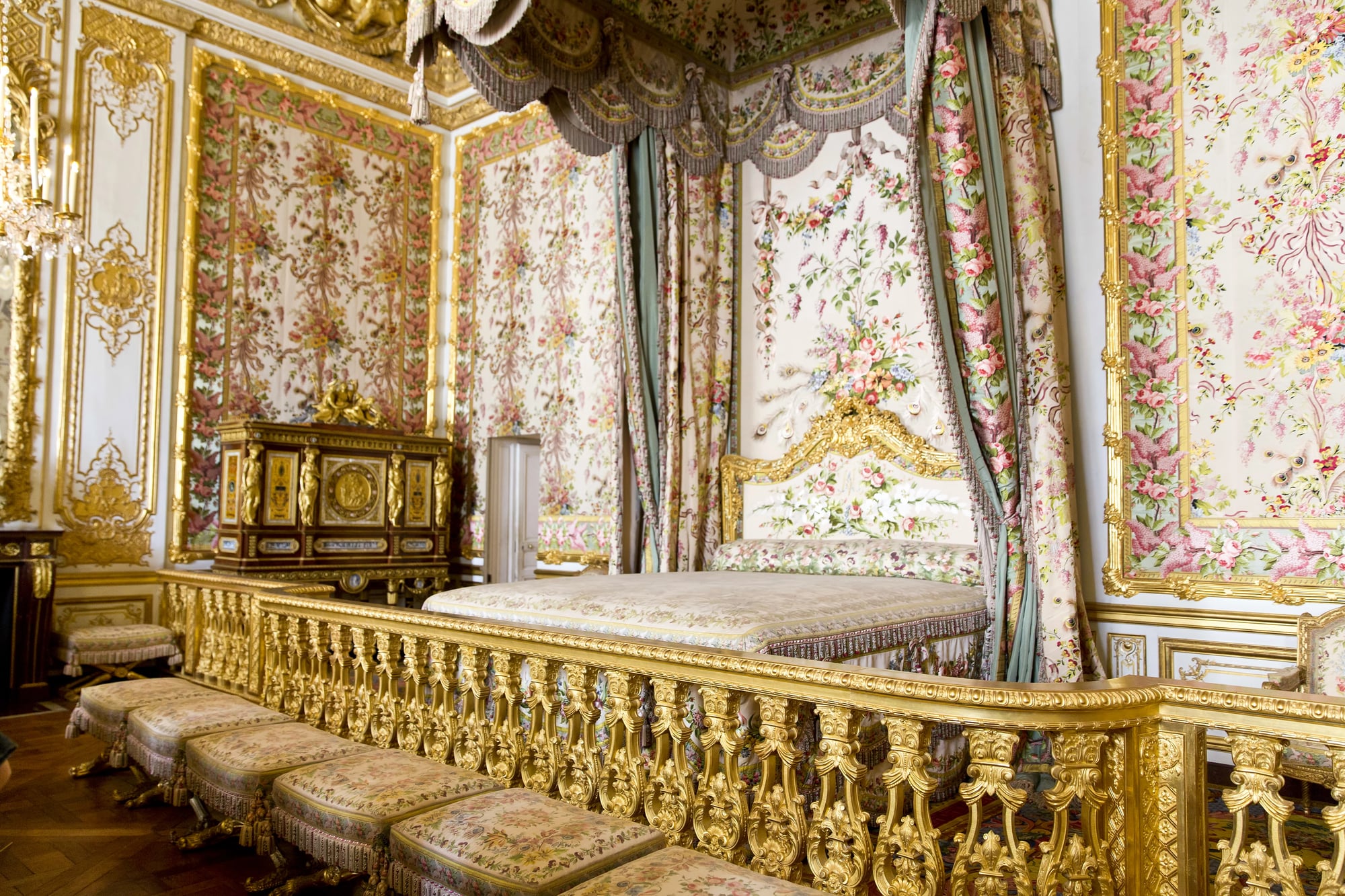
In many royal families, the king or queen should never be the first to enter a room. This rule is thought to avoid bad luck or breaking etiquette.
Someone else always steps in before the monarch, even if they arrive at the same time. This custom shows the monarch as respectful and patient, not rushing ahead.
It also reminds everyone of the monarch’s role within the group, not above it. Although it seems strange now, this rule has stayed strong in royal circles.
Royal family members don’t tip

Royal family members usually do not leave tips when they eat out or get services. Tipping might suggest that the service was optional or extra, but for royals, good service is expected.
They avoid tipping to keep the focus on their official role instead of personal generosity. This tradition also separates their lifestyle from everyday behavior.
While it may seem odd to most people, it fits with the formality and rules of royal life. It also prevents awkward situations around money.
A formal curtsy or bow when greeting the monarch
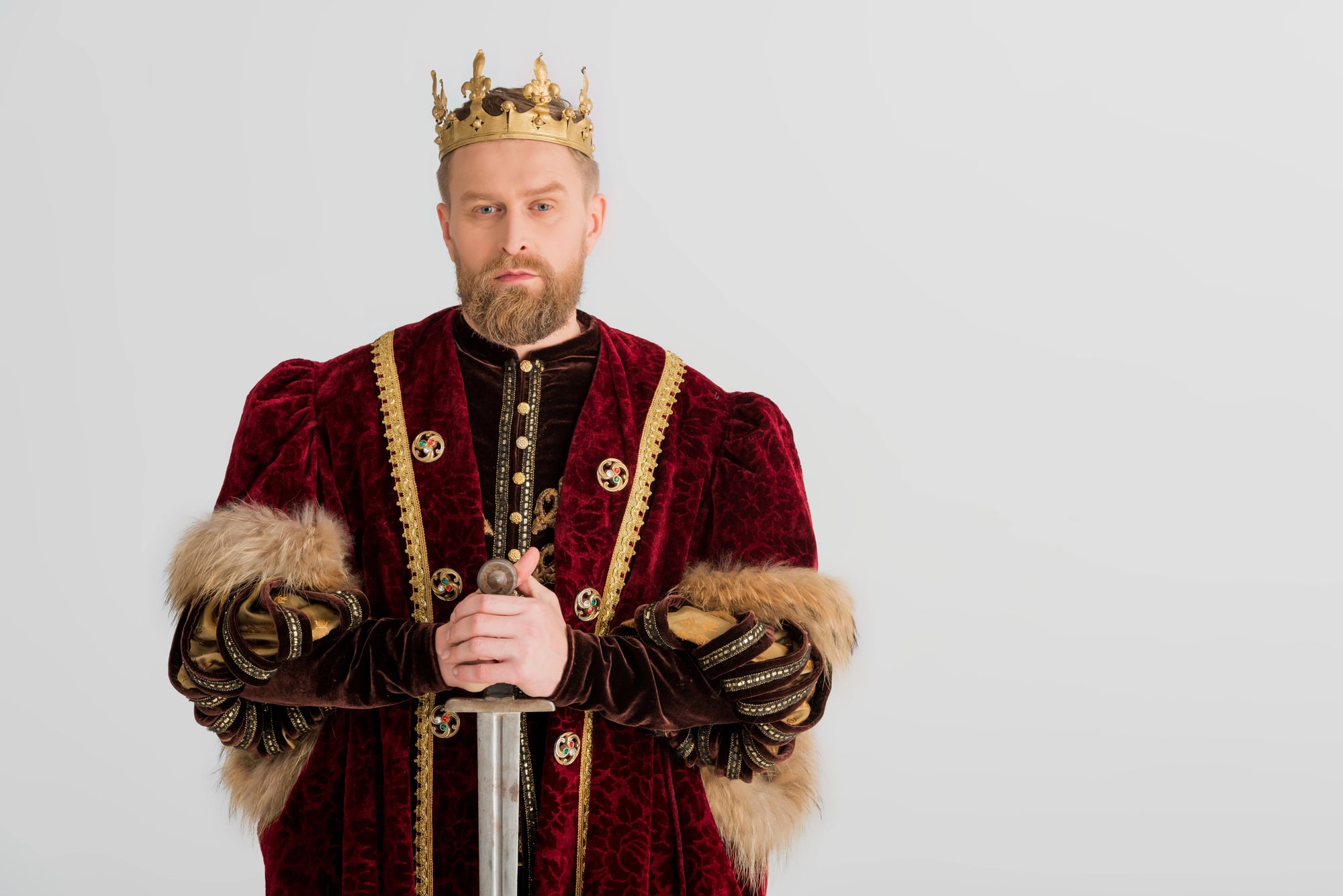
People are expected to bow or curtsy deeply when they meet a king or queen. This gesture shows respect and honors the monarch’s status.
The rules about how deep or when to bow or curtsy are strict and can be confusing. Many feel unsure about doing it properly today, but it remains an important sign of loyalty.
Failing to follow this tradition can offend or upset members of the royal family. It is a clear way to show recognition of their position.
The monarch cannot be photographed alone

In some royal traditions, official photos must include others with the monarch. This custom shows that the monarch is part of a larger community or institution, not a solitary figure.
It avoids any impression of the monarch being too powerful or isolated. This is unusual today since solo portraits are common for leaders around the world.
Still, the rule remains because royal images carry meaning beyond just appearance. This tradition reflects the importance of symbolism in royal life.
Royal weddings follow very specific food rules
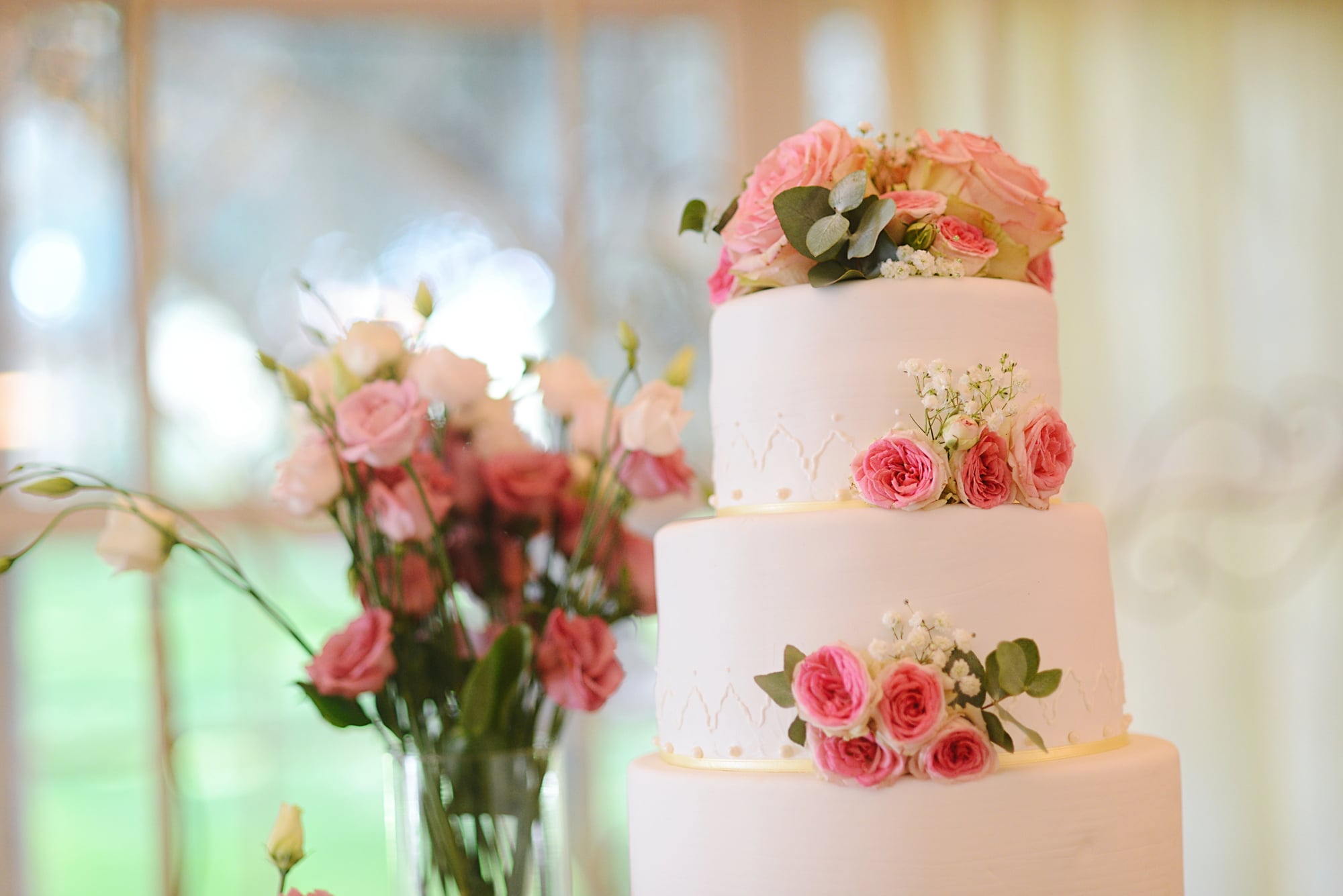
Food at royal weddings often follows strict rules and traditions. Some dishes are avoided because of old superstitions or history.
For example, certain fruits or vegetables might be left out because they are thought to bring bad luck. The menu is carefully planned to honor tradition and please important guests.
Food is more than just taste; it plays a big role in royal ceremonies. While it may seem picky, these choices help connect the wedding to royal heritage.
No one may speak the monarch’s name in public
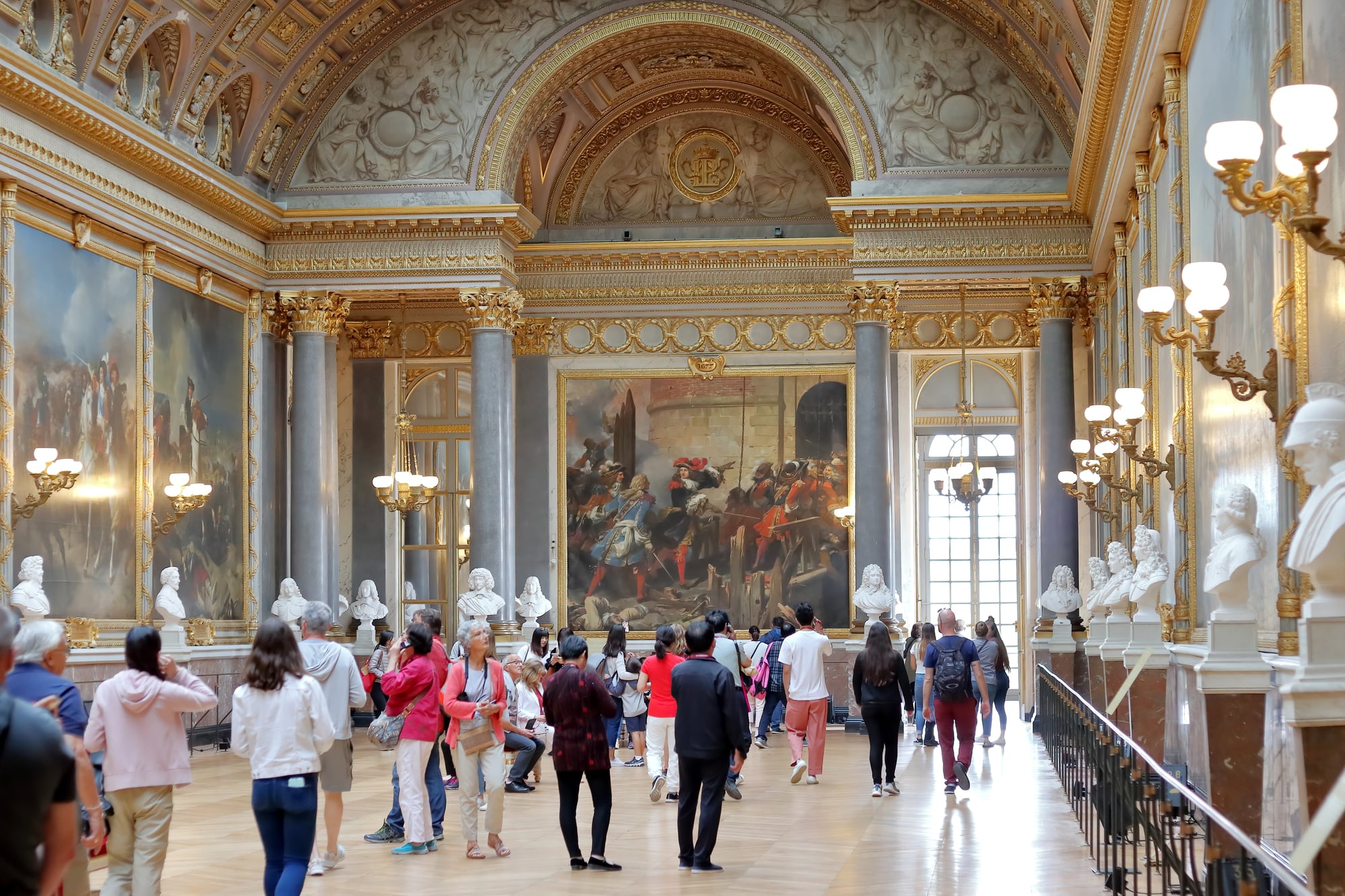
Speaking a monarch’s name aloud in public was once seen as disrespectful or even dangerous. While the rule is less strict now, it still exists in some formal situations.
Avoiding the monarch’s name adds a layer of respect and distance. This tradition comes from a time when the ruler’s power was protected carefully.
Though it might seem odd today, it shows how language can create respect and boundaries.
Royal guards never smile or react
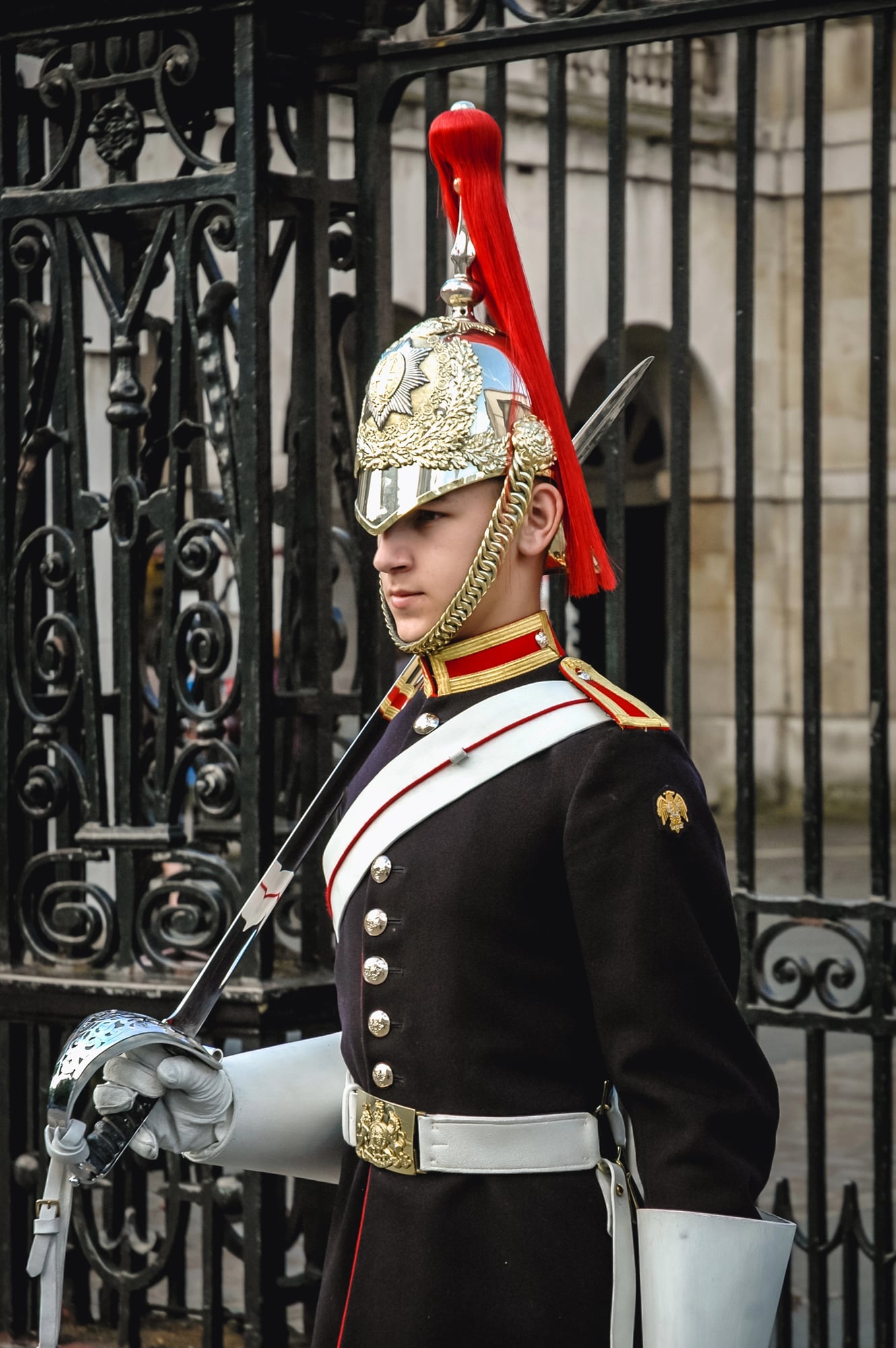
Royal guards are famous for their serious faces. They do not smile, laugh, or react, even when people try to make them.
This tradition highlights their discipline and focus on duty. Their stillness becomes a symbol of strength and protection.
Tourists often find it amusing that nothing can make the guards change expression. The guards’ behavior has become a unique part of the royal experience.
It shows how strict traditions can also create lasting impressions.
The monarch wears a special ring during official duties
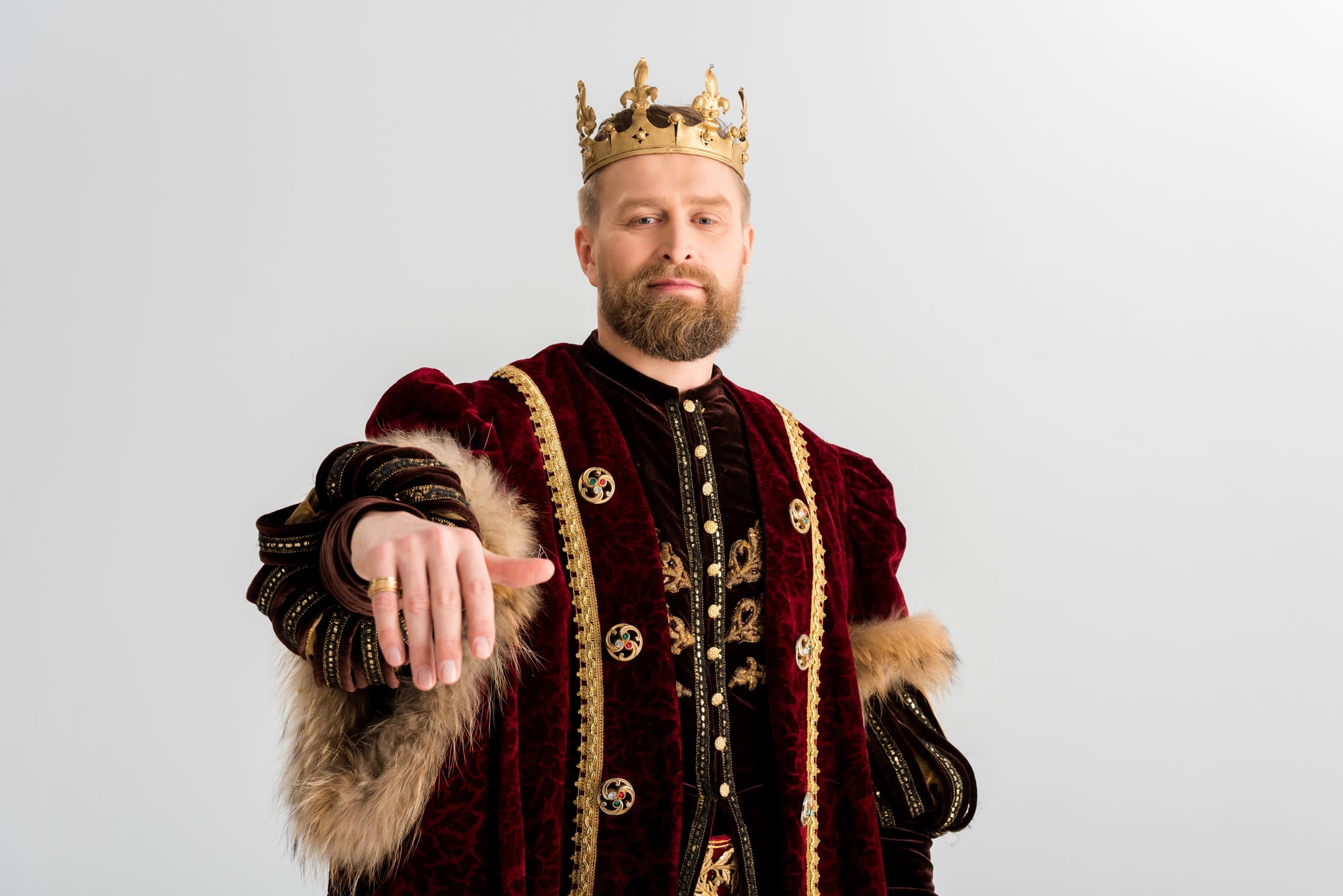
The monarch wears a “signet ring” on their right hand during important events. This ring is used to seal official documents and represents authority.
It has been passed down for many years and holds great meaning. Even though modern technology has changed how documents are sealed, the tradition continues.
Wearing the ring reminds everyone of the monarch’s official role. It keeps the connection to history alive during official ceremonies.
Coronations must take place at a specific location
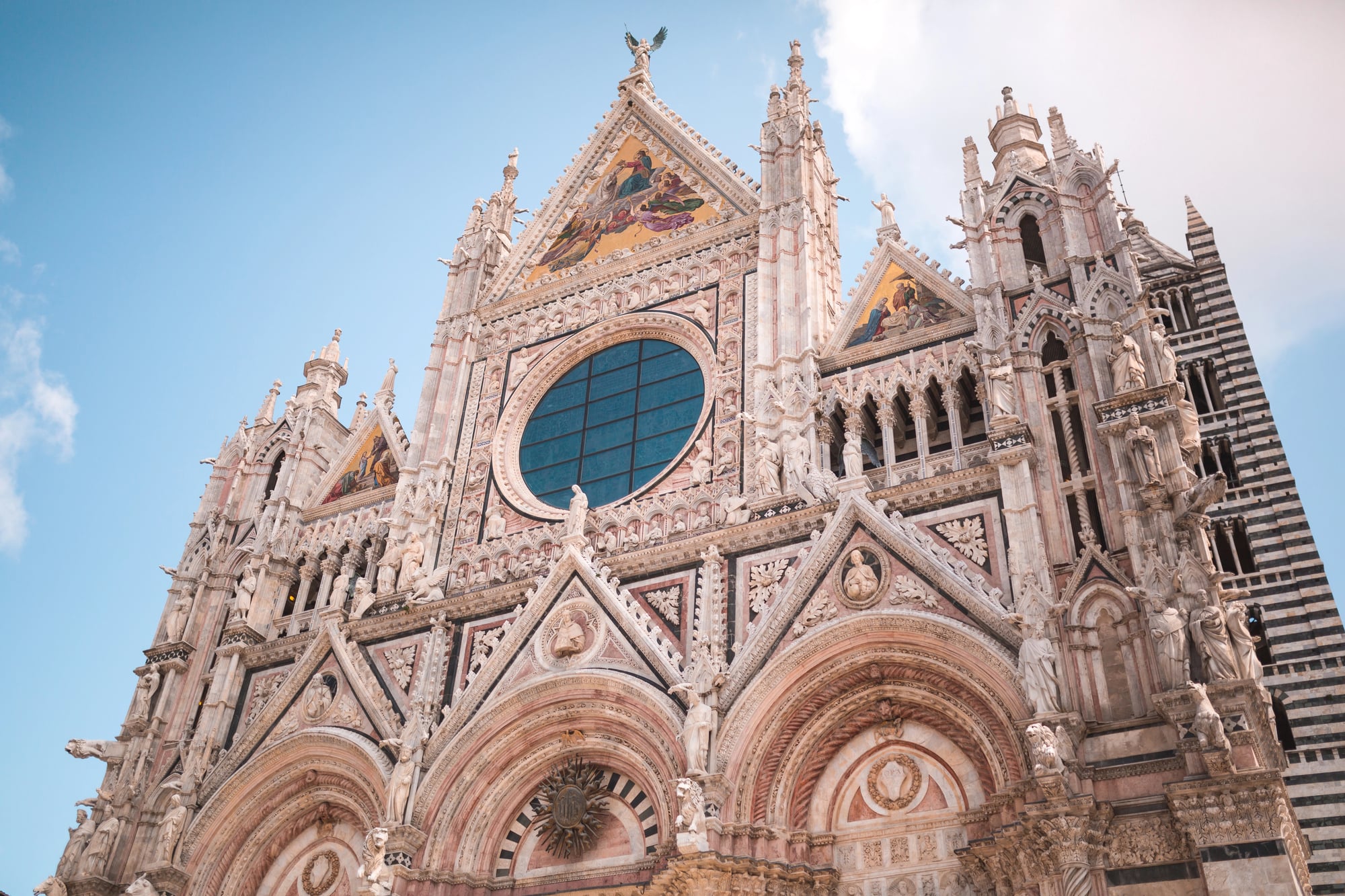
Most British monarchs are crowned at Westminster Abbey in London. This tradition goes back more than 900 years.
The place adds history and importance to the ceremony. Changing the location would be almost unthinkable, even if another place might be easier to use.
The site itself becomes part of the meaning and beauty of the event. This tradition shows how place and history can shape important moments.
The monarch must wear a heavy crown during ceremonies
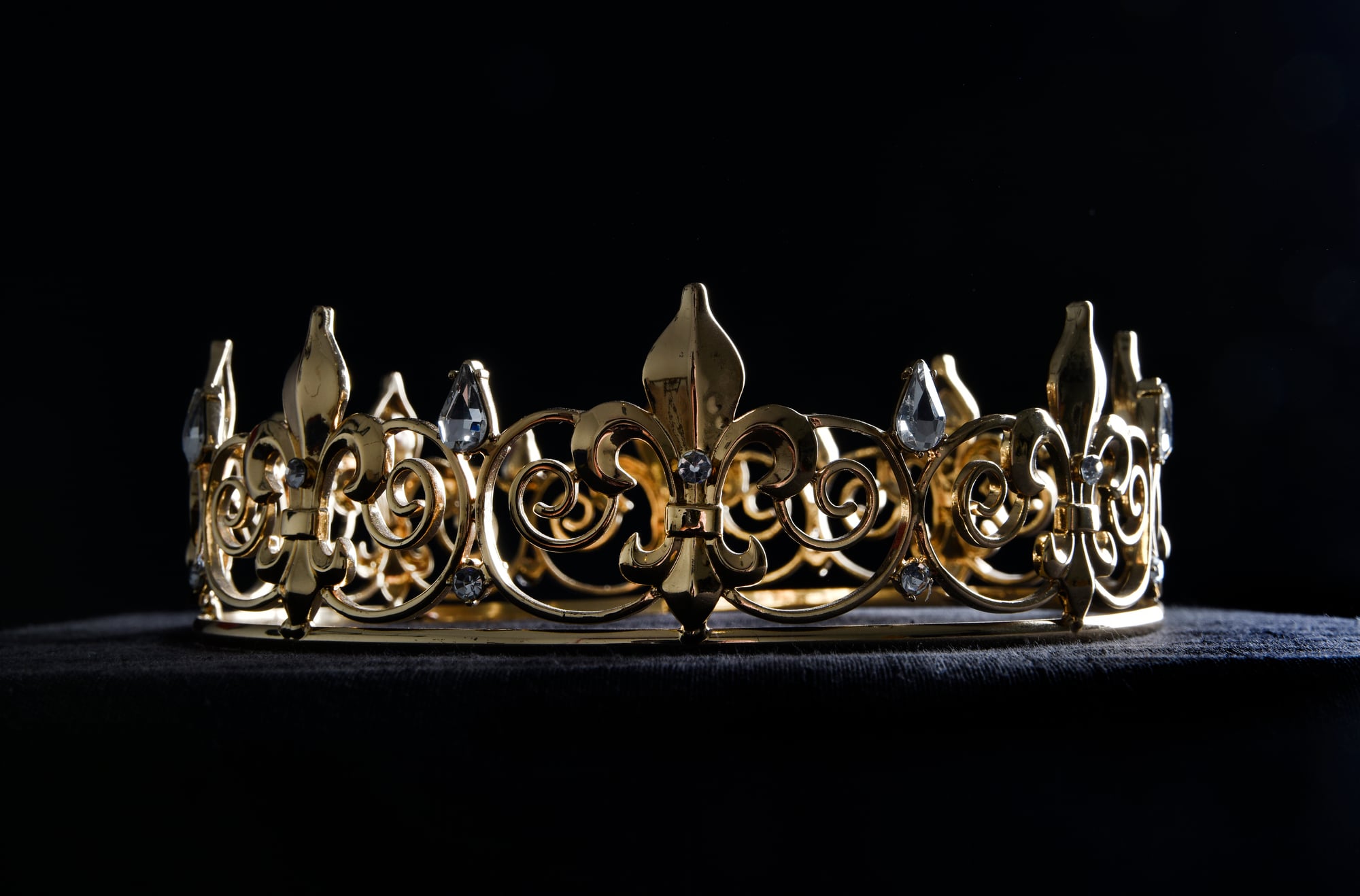
During coronations and some ceremonies, the monarch wears a crown that can weigh several pounds. This tradition shows the weight of responsibility that comes with ruling.
Wearing a heavy crown can be uncomfortable, but it is seen as part of the duty. The physical burden reminds everyone that being a leader is serious work.
The crown itself is covered in jewels and symbols that represent the nation. It stands for power and the seriousness of leadership.
Certain colors are reserved for royal clothing
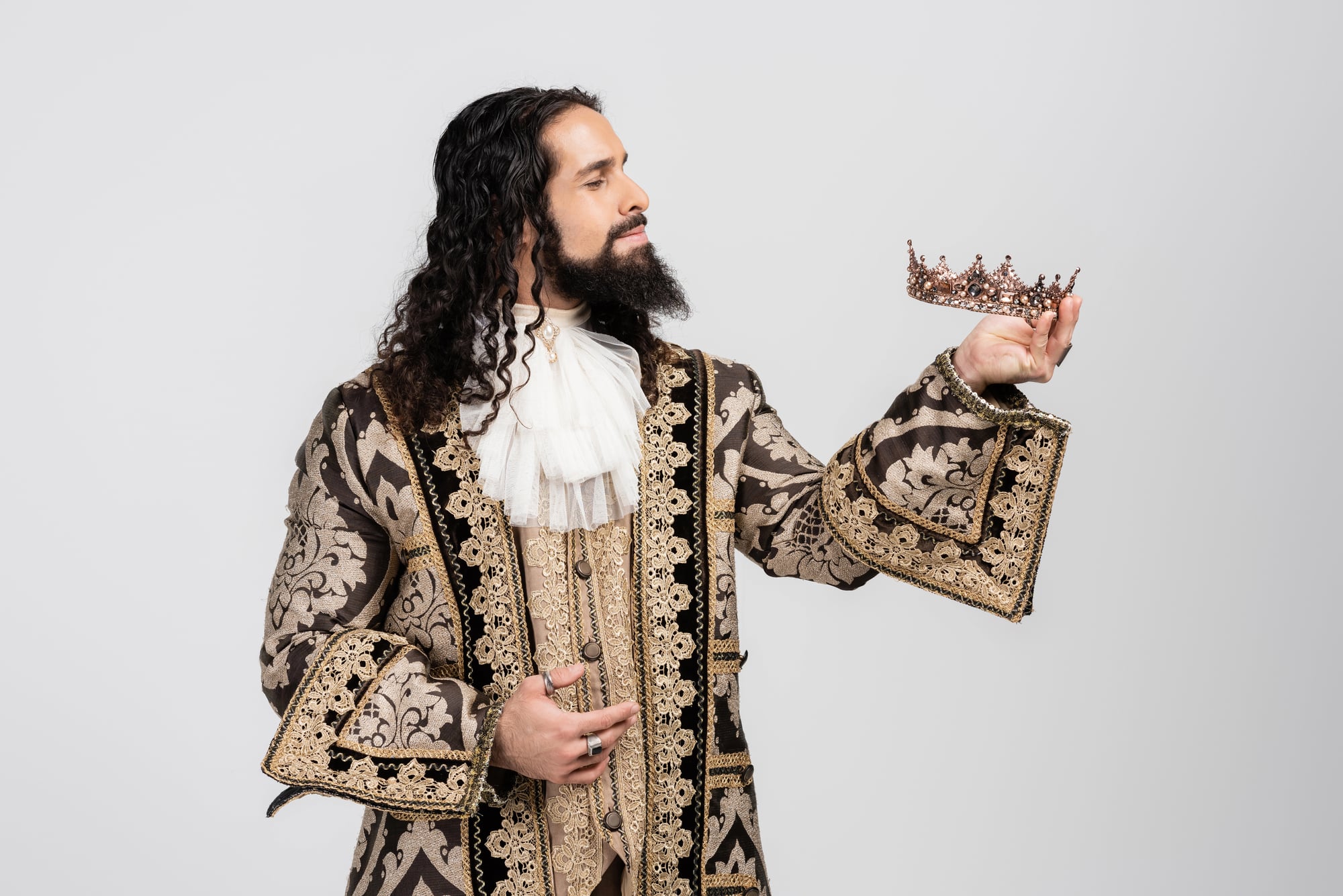
In history, some colors like purple and gold were only for royalty. These colors were expensive and showed wealth and power.
Royals still wear these colors during formal events to honor old customs. Wearing these colors today connects the monarch to their ancestors.
The tradition also sets royals apart from ordinary people by their appearance. It shows how clothes can send strong messages about status.
Royal children have no official last names
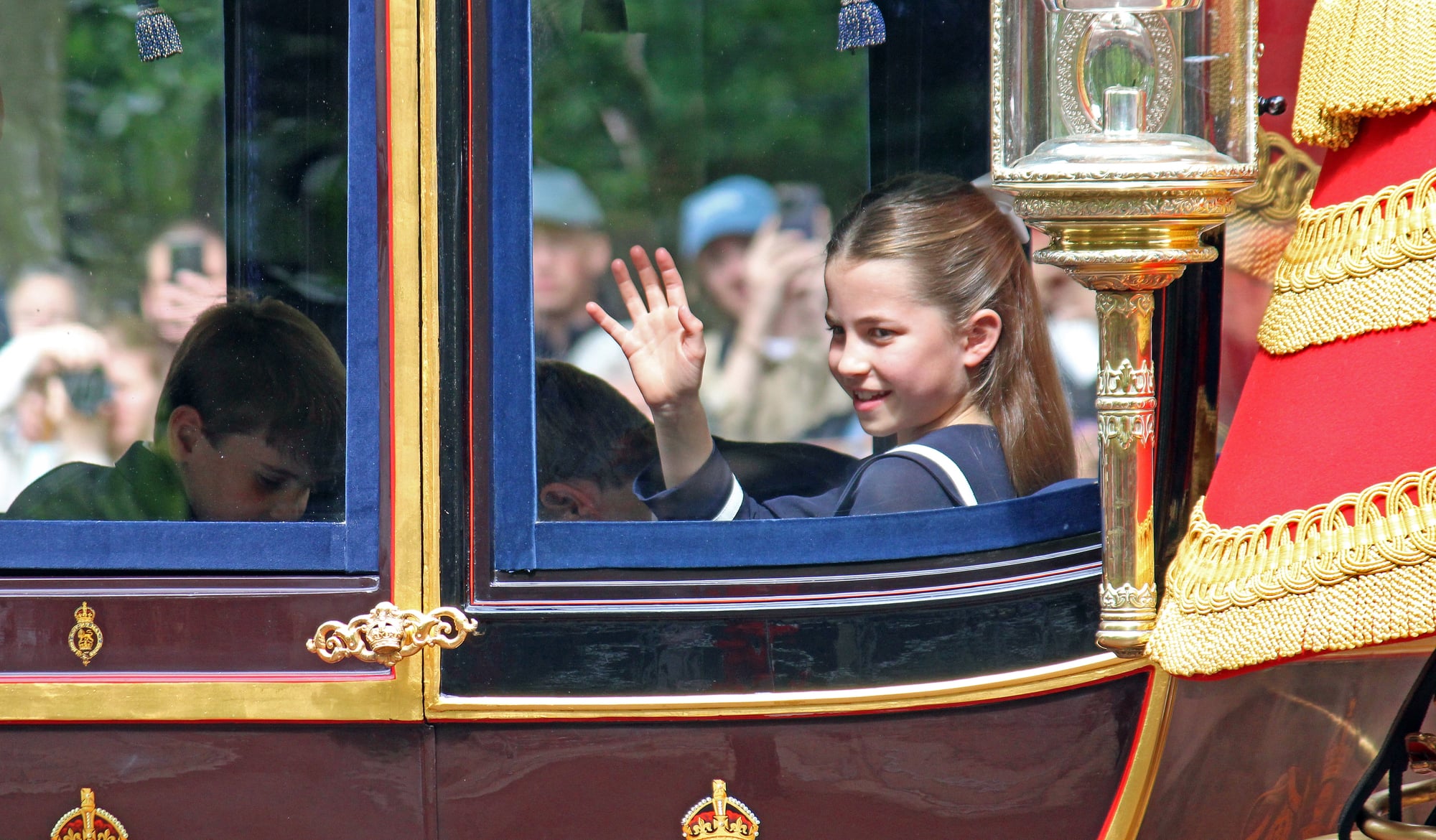
Unlike most people, royal children often do not use last names. They are known by their titles or family names like Windsor.
Using just first names and titles highlights their special place in the family. Last names are used only when needed for official documents.
This tradition shows how royal identity is different from regular life. It keeps the focus on their role and position.
The monarch must never travel without a bodyguard
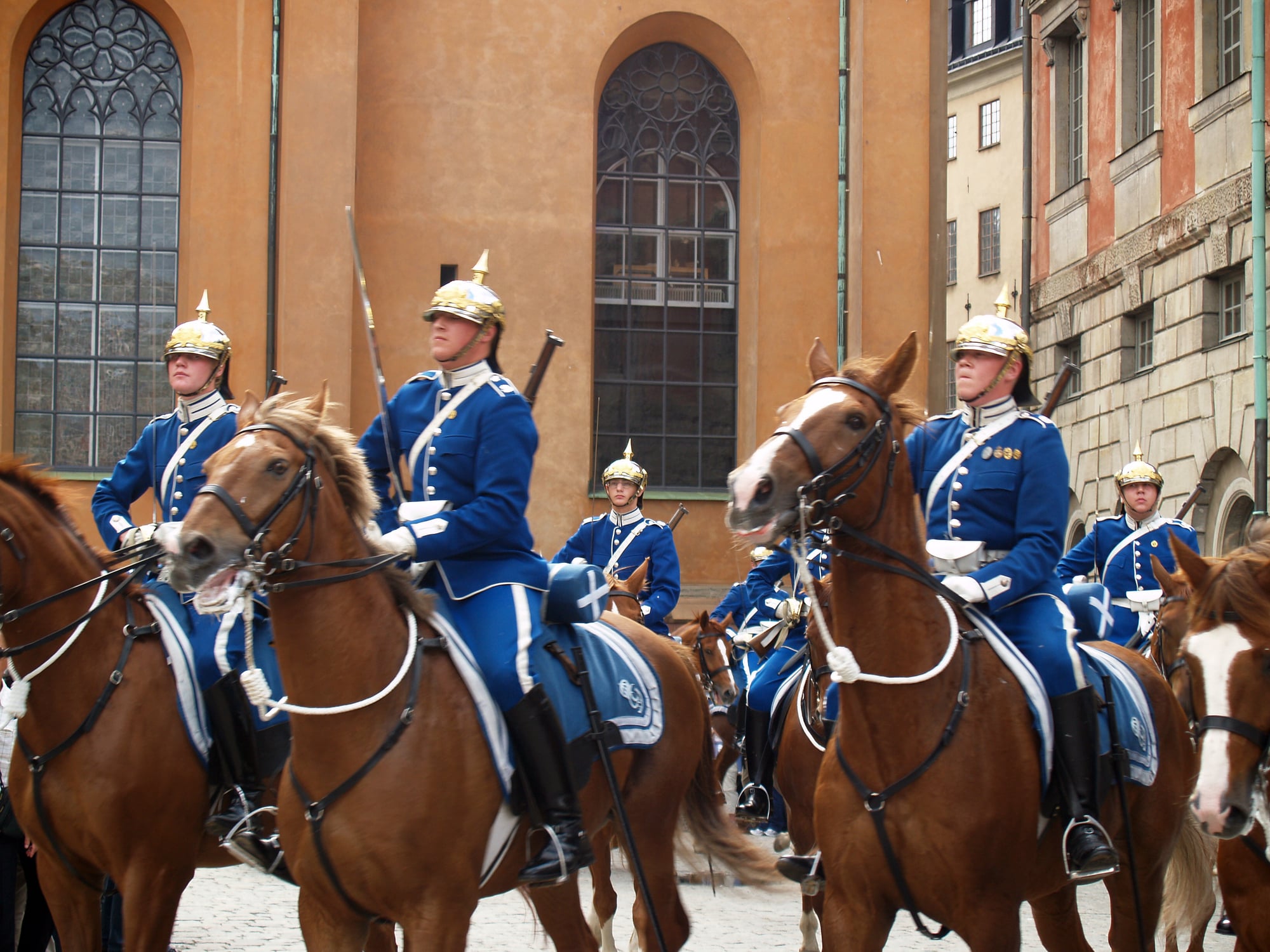
Safety is very important for the monarch. They are never without security, no matter where they go.
Bodyguards are specially trained and stay close at all times. This tradition is practical and shows the risks tied to being a public figure.
The presence of guards can create a distance between the monarch and the public. Still, it is necessary to keep them safe in a world with threats.
Royal pets have their own titles and staff
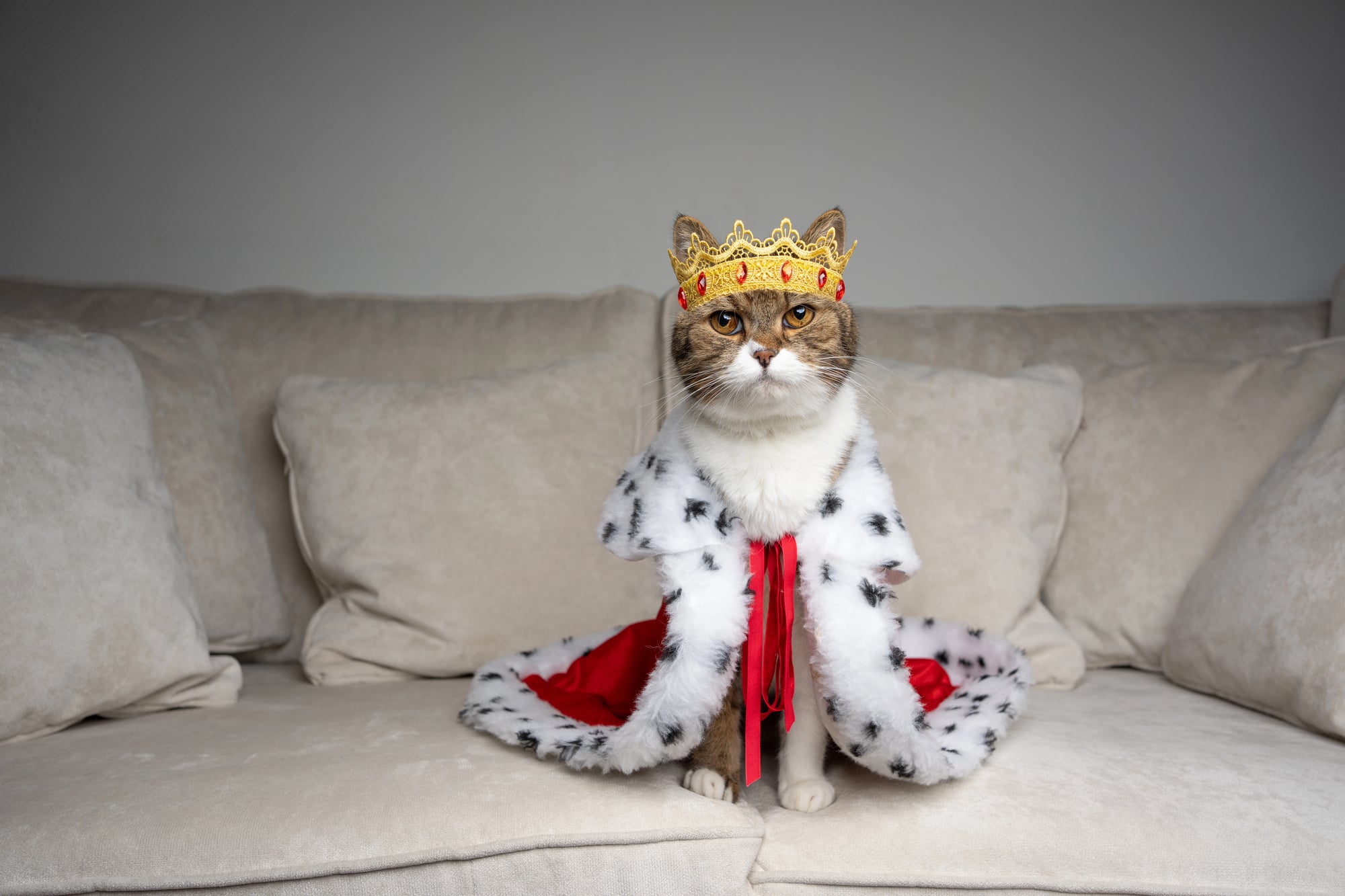
Many royal pets are treated like family members. Some even have official titles and personal staff to care for them.
This tradition shows the love royals have for their animals. Pets often live inside royal palaces and receive special attention.
While this may seem unusual, it reveals a softer side of royal life. Pets become part of the household and royal history.
The monarch participates in a ceremony where they touch people
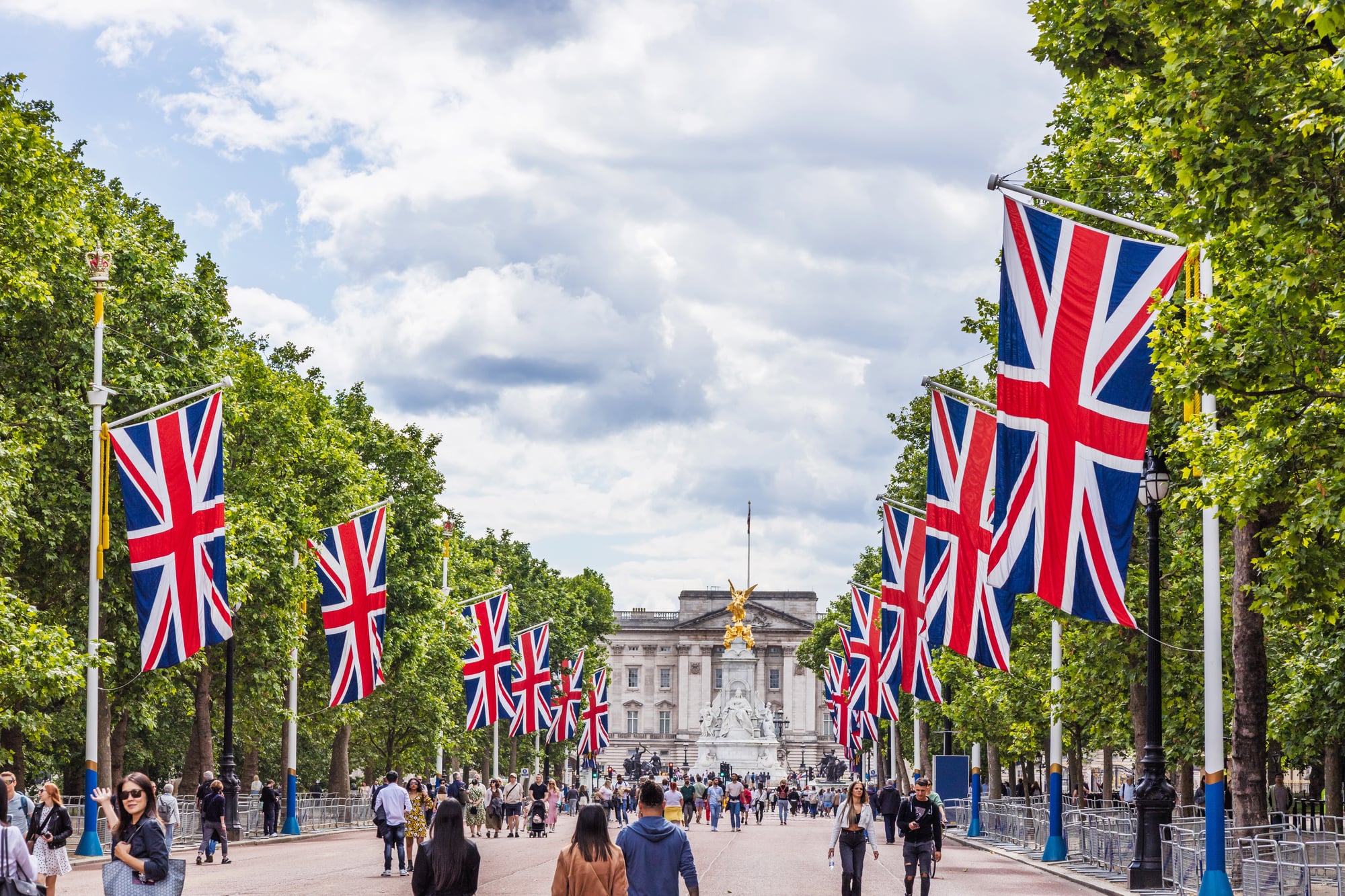
In some royal traditions, monarchs take part in ceremonies where they touch or bless people. This practice dates back to beliefs that the monarch had healing powers.
Even today, the act is symbolic and part of some official events. It shows the close connection between the ruler and the people.
The tradition reminds everyone of the monarch’s role beyond just politics.
Guests at royal events must follow strict dress codes
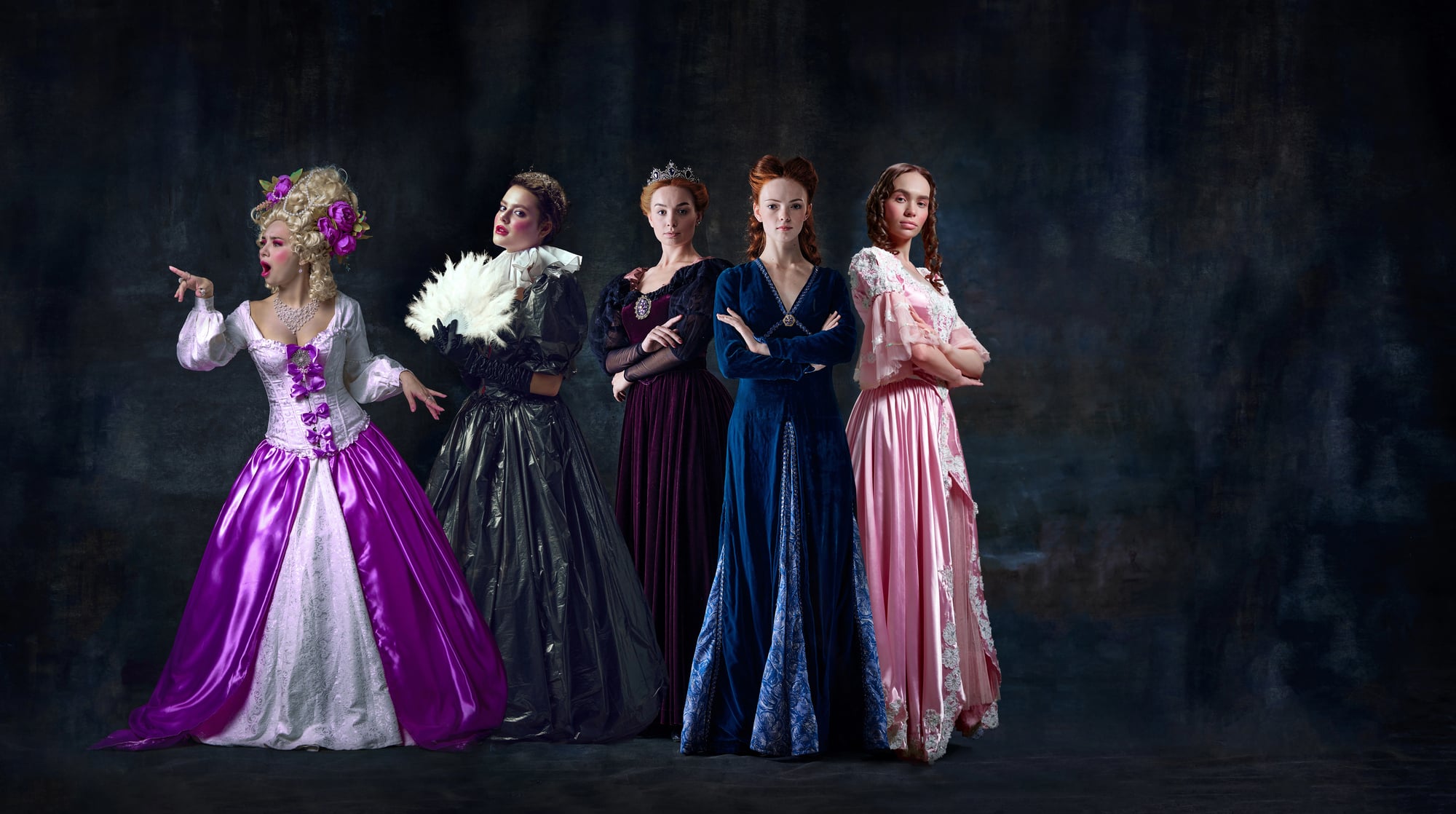
Attending royal events means following detailed clothing rules. Hats, gloves, and specific shoes are often required.
Men usually wear suits or uniforms while women wear dresses and hats. Not following these codes can cause embarrassment or offense.
These rules keep the event formal and respectful. Dress codes help maintain tradition and order.
The monarch always sits on a specific throne
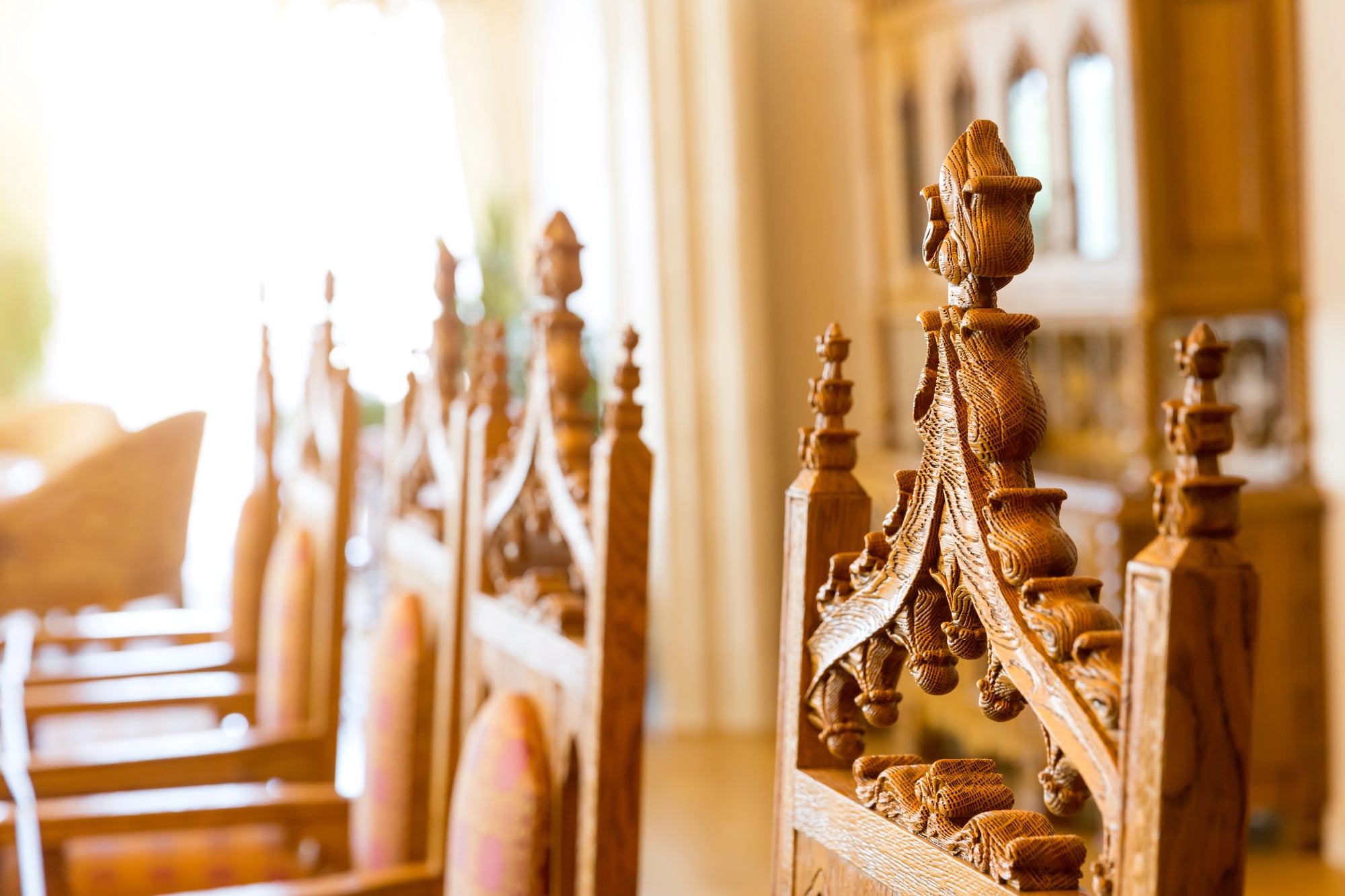
The throne is more than a chair; it symbolizes power and tradition. The monarch must sit on it during official ceremonies.
This rule helps keep the event organized and meaningful. The throne itself is often very old and decorated with national symbols.
It reminds everyone who holds authority. Sitting on the throne links the present monarch to a long line of rulers.
Old traditions live on in today’s royal life
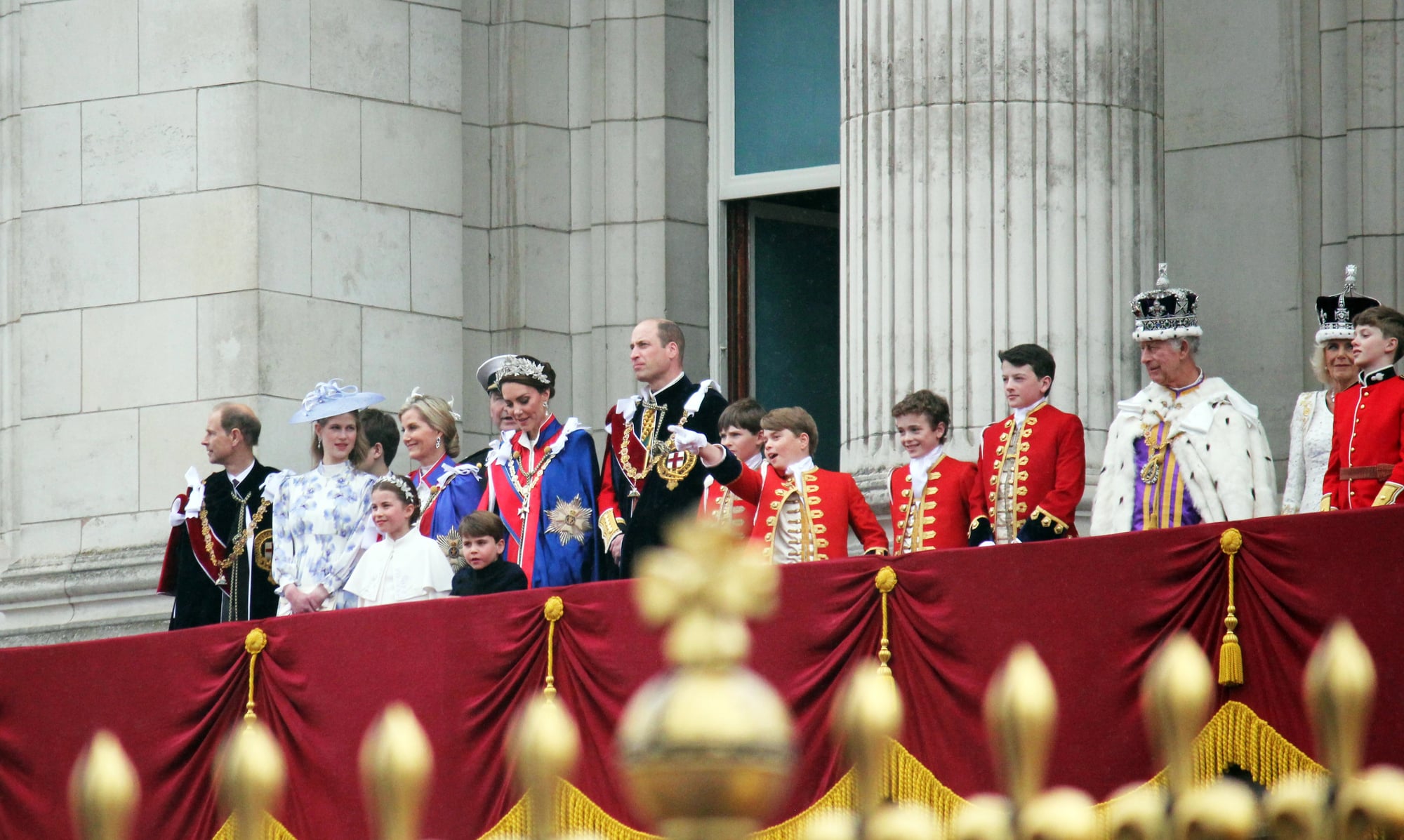
These royal customs might feel strange today, but they connect past and present. Many have stayed because they show respect, history, or identity.
Some make sense, others feel odd, but all tell stories from another time. They remind people how tradition shapes even modern lives.
These rituals help keep royal history alive in today’s world.
More from Go2Tutors!

- The Romanov Crown Jewels and Their Tragic Fate
- 13 Historical Mysteries That Science Still Can’t Solve
- Famous Hoaxes That Fooled the World for Years
- 15 Child Stars with Tragic Adult Lives
- 16 Famous Jewelry Pieces in History
Like Go2Tutors’s content? Follow us on MSN.