16 Nostalgic Video Games That Are Dominating Twitch Streams
The gaming landscape moves fast, but something interesting has been happening on Twitch lately. While everyone expects the newest releases to dominate the streaming charts, viewers have been gravitating toward games that defined their childhood instead.
These aren’t just brief nostalgia trips either — classic games are pulling serious viewership numbers and keeping audiences engaged for hours.
The reasons go deeper than simple childhood memories. These games offer something modern titles sometimes miss: genuine moments of discovery, communities built around shared struggle, and the kind of gaming experiences that feel authentically social rather than engineered for engagement.
When streamers boot up a game from decades past, chat lights up with recognition, stories, and the collective memory of what made gaming magical in the first place.
The Legend of Zelda: Ocarina Of Time
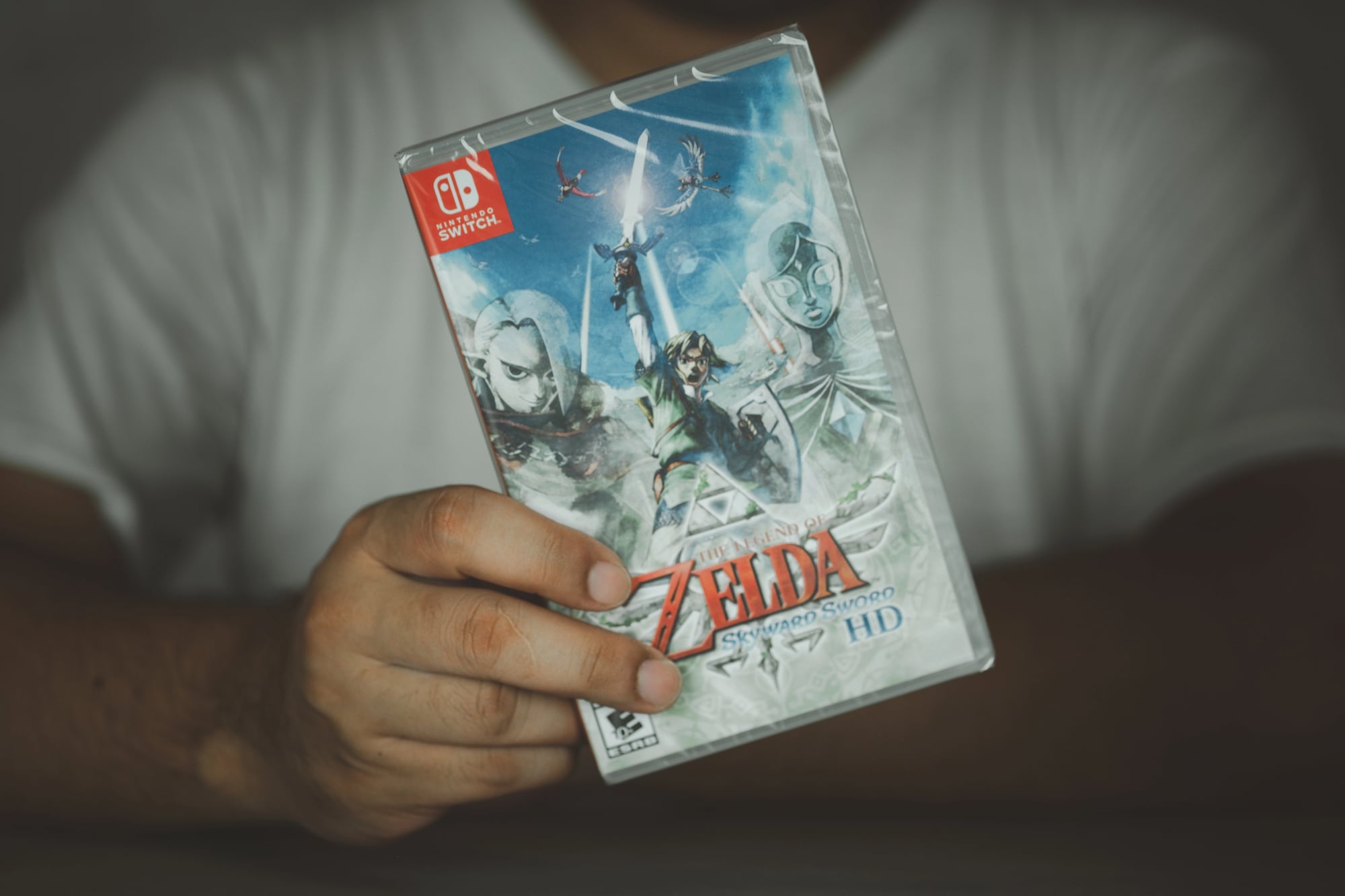
This game refuses to retire gracefully. Twenty-five years later, streamers still draw massive audiences by wandering through Hyrule, and viewers still lose their minds when someone discovers a new trick or routing strategy.
The speedrunning community deserves credit for keeping Ocarina alive, but the appeal runs deeper than optimal movement tech. Watching someone experience the Water Temple for the first time (or the hundredth time with newfound appreciation) creates a shared moment that modern games struggle to replicate.
Super Mario World
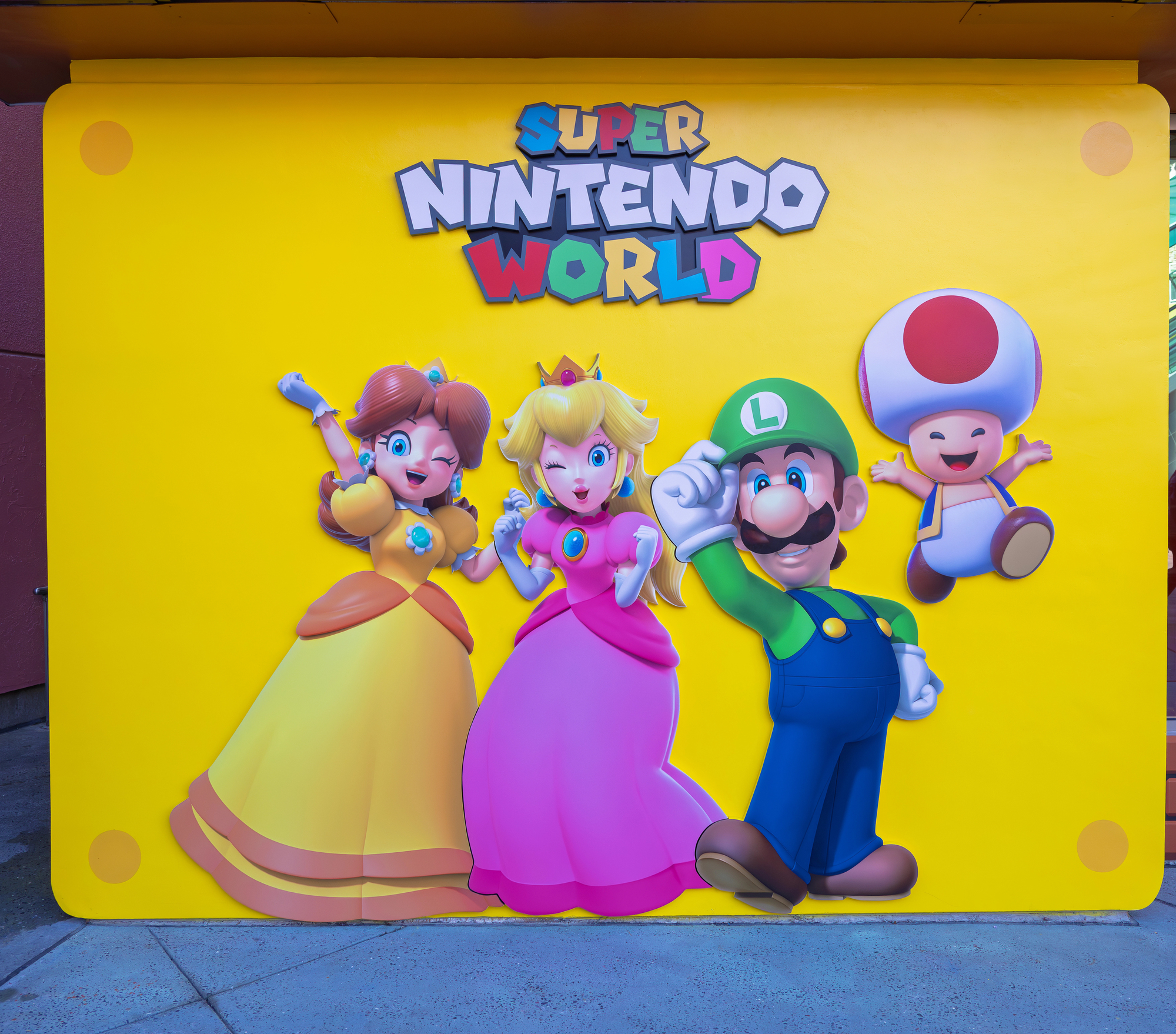
So here’s the thing about Mario games on Twitch: they never really left, and Super Mario World sits at the center of that persistence, drawing viewers who remember the satisfaction of finding every secret exit and streamers who’ve turned level completion into an art form.
The game’s design (which was surgical in its precision back in 1990) creates natural streaming moments where chat collectively holds its breath during difficult jumps, celebrates perfect runs, and groans at missed opportunities.
And yet the real magic happens in the quieter moments — when a streamer notices some small detail in the sprite work or level design that they’d never caught before, despite having played through the game dozens of times.
Which is exactly the kind of discovery that keeps people coming back to games they supposedly know by heart.
Pokemon Red And Blue
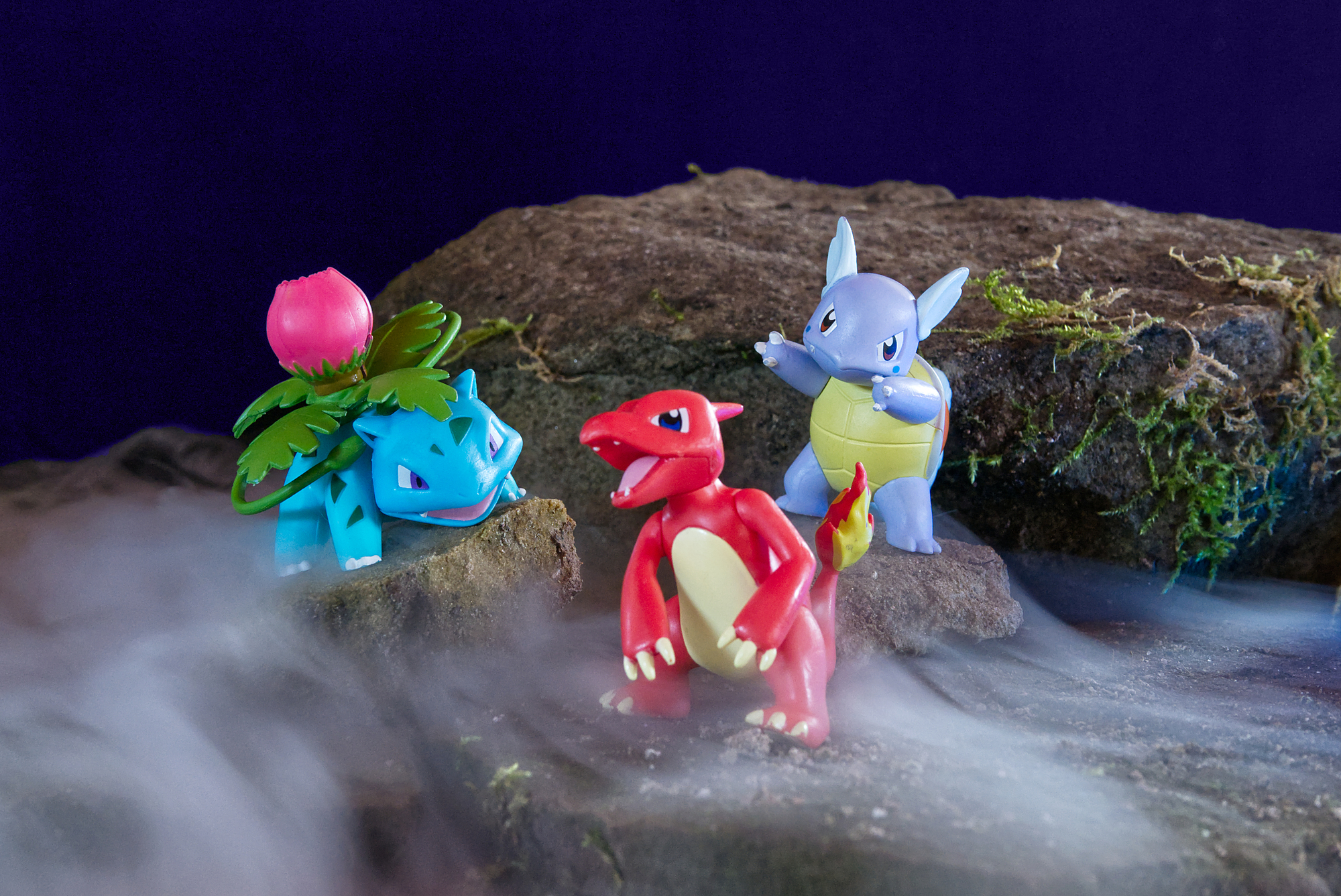
The original Pokemon games operate like a gaming comfort food. Streamers know exactly what they’re getting: reliable viewership, engaged chat participation, and the universal appeal of watching someone else make the same mistakes everyone made in 1998.
Nuzlocke runs transformed these games from nostalgic curiosities into genuine entertainment. The self-imposed rules create real stakes in a game most viewers could play blindfolded.
When a beloved team member faints permanently, chat feels it too.
Super Metroid
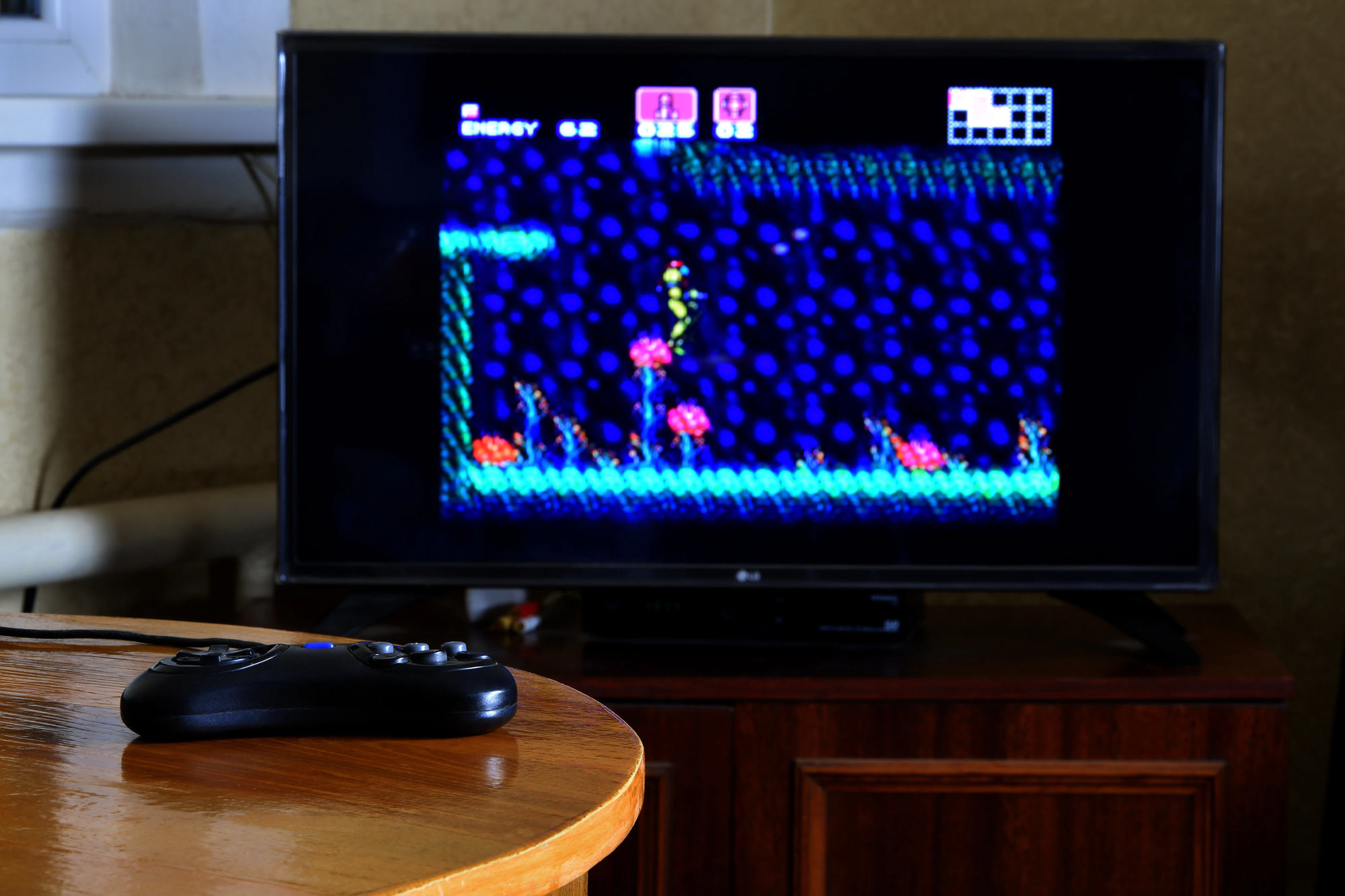
There’s something almost meditative about watching someone navigate Planet Zebes — the way the map slowly fills in, the gradual accumulation of abilities, the moment when the world clicks and becomes readable rather than mysterious.
Super Metroid on Twitch functions less like a game being played and more like a master class being conducted, with viewers learning to see the intricate design decisions that make each room feel both alien and logical.
The game corrects assumptions about what makes good streaming content. It’s mostly solitary exploration punctuated by boss fights.
Yet it consistently draws audiences who seem content to watch someone think through environmental puzzles in real time.
The satisfaction isn’t immediate; it builds slowly as the streamer’s understanding deepens.
Street Fighter II
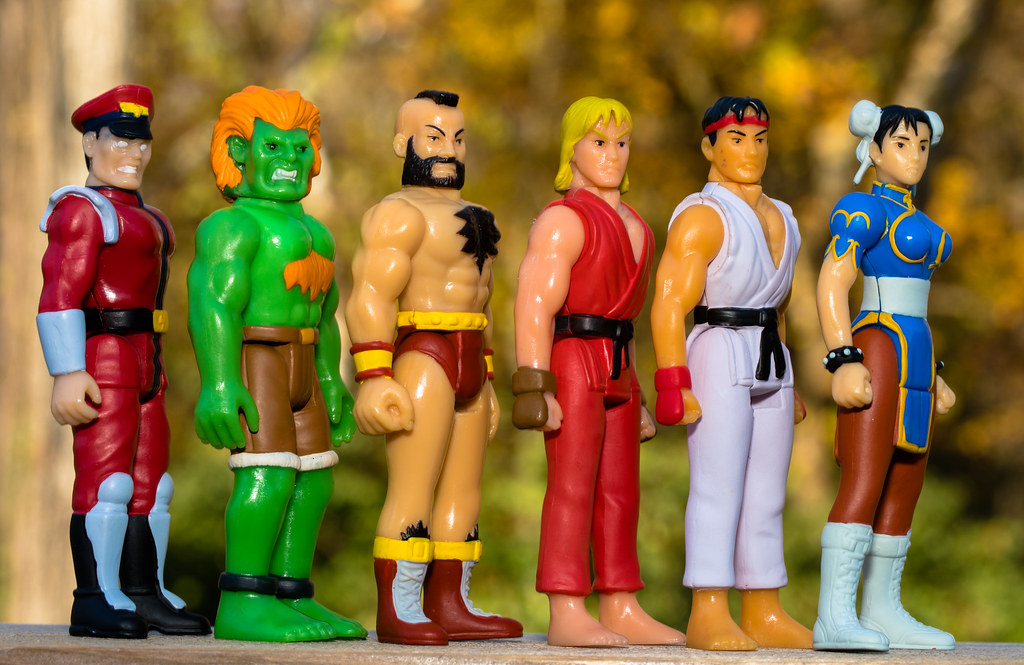
Fighting games built the Twitch community before Twitch existed. Street Fighter II deserves recognition as the template for competitive gaming entertainment, and it still works exactly as intended.
The game’s staying power comes from its transparent skill ceiling. Viewers can instantly recognize the difference between button mashing and genuine technique.
When someone lands a perfect combo or reads their opponent flawlessly, the achievement translates immediately to anyone watching.
Super Mario Bros. 3
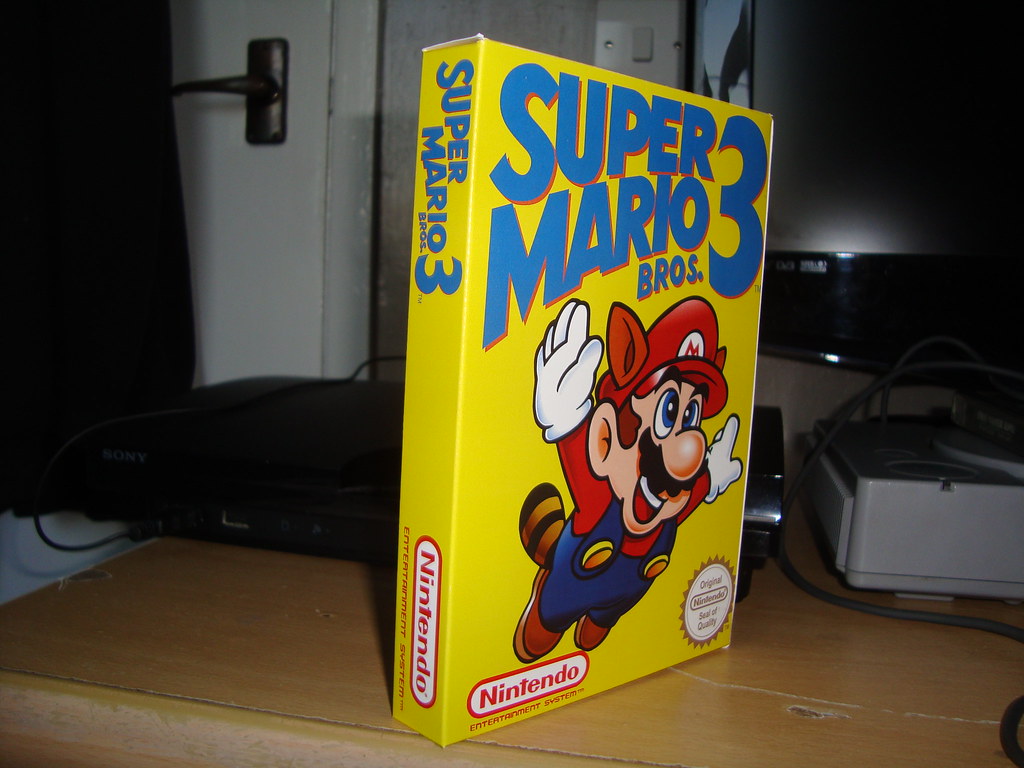
But here’s where things get interesting with Mario 3 on streaming platforms: the game has become a showcase for routing knowledge and optimization strategies that most players never considered during their original playthroughs.
Turning what seemed like a straightforward platformer into something closer to a puzzle-solving exhibition (especially when streamers start explaining why they’re taking specific routes through levels or manipulating the game’s systems in ways that weren’t obvious to casual players).
The warp whistles alone create decision points that chat loves to debate.
So you end up with this fascinating dynamic where a game designed for children becomes a demonstration of gaming mastery that keeps adults glued to their screens.
Final Fantasy VII
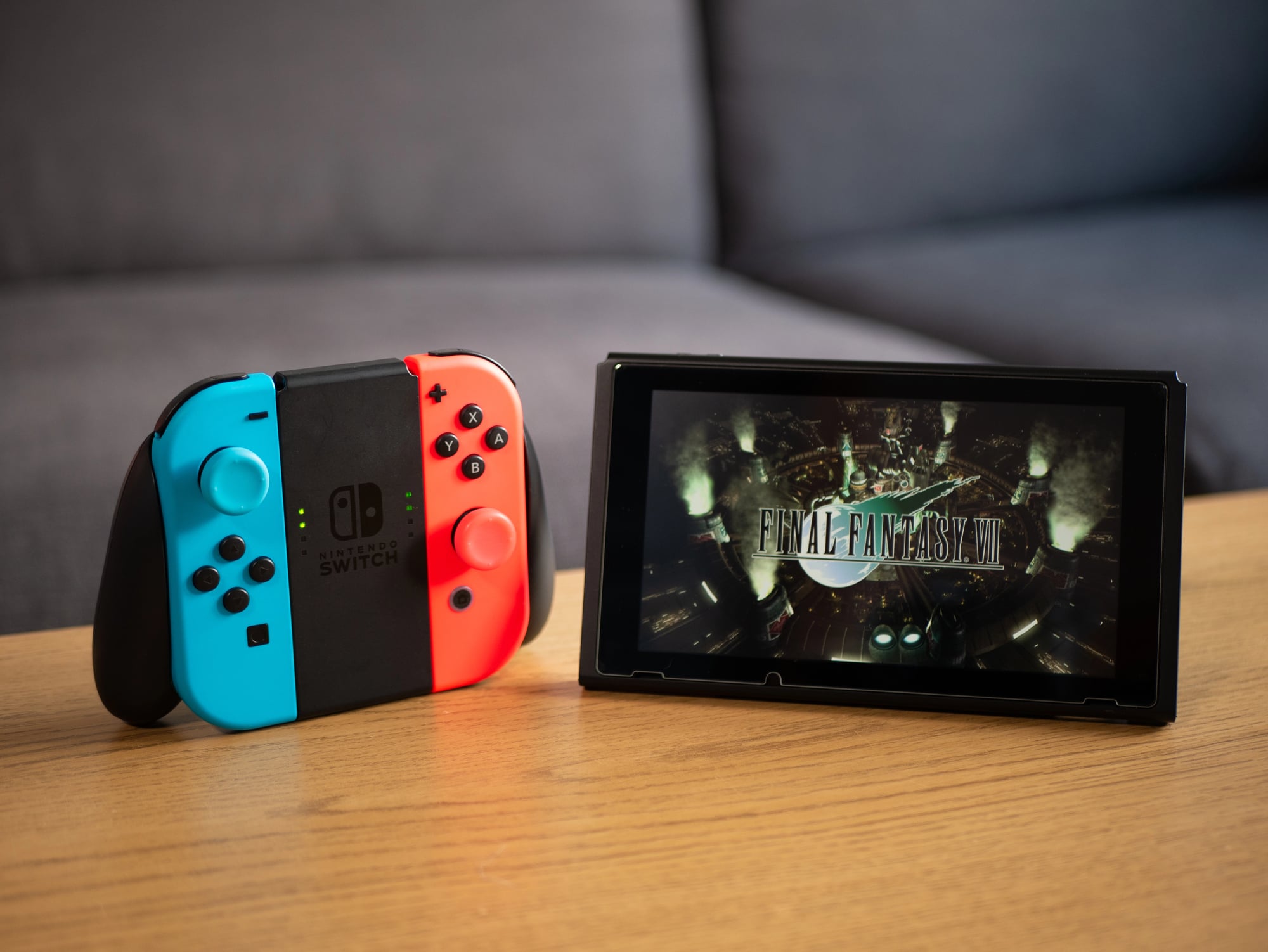
The conversation around Final Fantasy VII streaming has less to do with nostalgia and more to do with witnessing genuine storytelling craft. Modern viewers, especially those who missed the original PlayStation era, tune in to see what the fuss was about.
They leave understanding why this game redefined expectations.
Streamers who know the game’s story beats create space for viewers experiencing it fresh.
The result feels like a guided tour through gaming history, with real emotional weight behind the memorable moments.
Sonic The Hedgehog 2
Speed-based games were designed for streaming before streaming existed. Sonic 2 delivers instant gratification through momentum and precise platforming.
Creating natural highlight moments that translate perfectly to highlight reels and clip compilations.
The game rewards both casual play and technical mastery.
Viewers enjoy watching someone blast through levels quickly, but they also appreciate the subtle techniques that separate good runs from perfect ones.
Contra
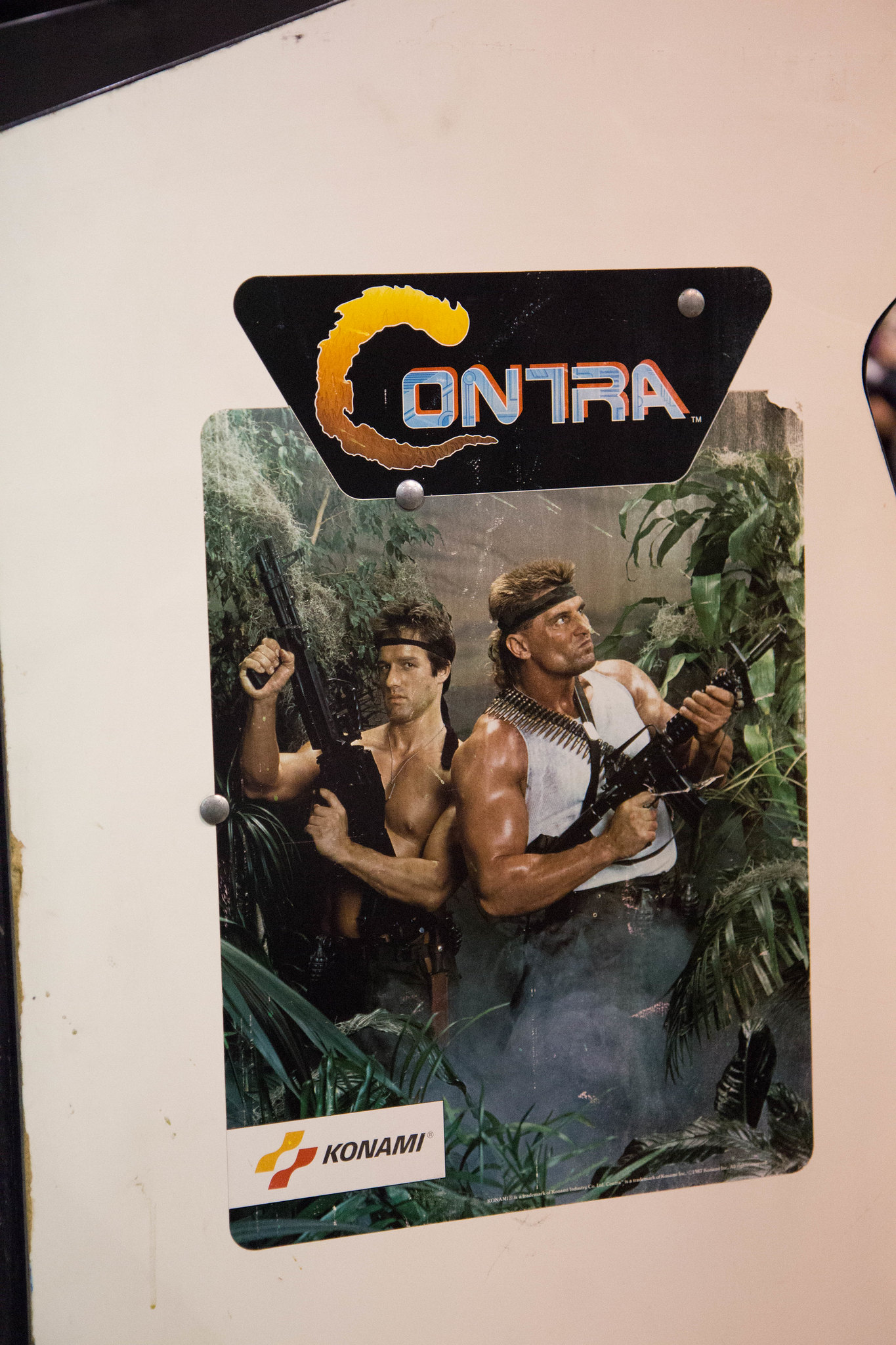
There’s a particular type of gaming mastery that only emerges under pressure — when every mistake means starting over, when muscle memory has to be flawless, and when the margin for error approaches zero.
Contra embodies this philosophy completely, turning what appears to be a simple run-and-gun game into a demonstration of sustained focus that viewers find oddly mesmerizing.
The game’s difficulty creates natural drama.
Chat knows that even experienced players can lose everything to a single misjudged jump or poorly timed shot, which makes successful completion feel genuinely earned rather than inevitable.
Donkey Kong Country
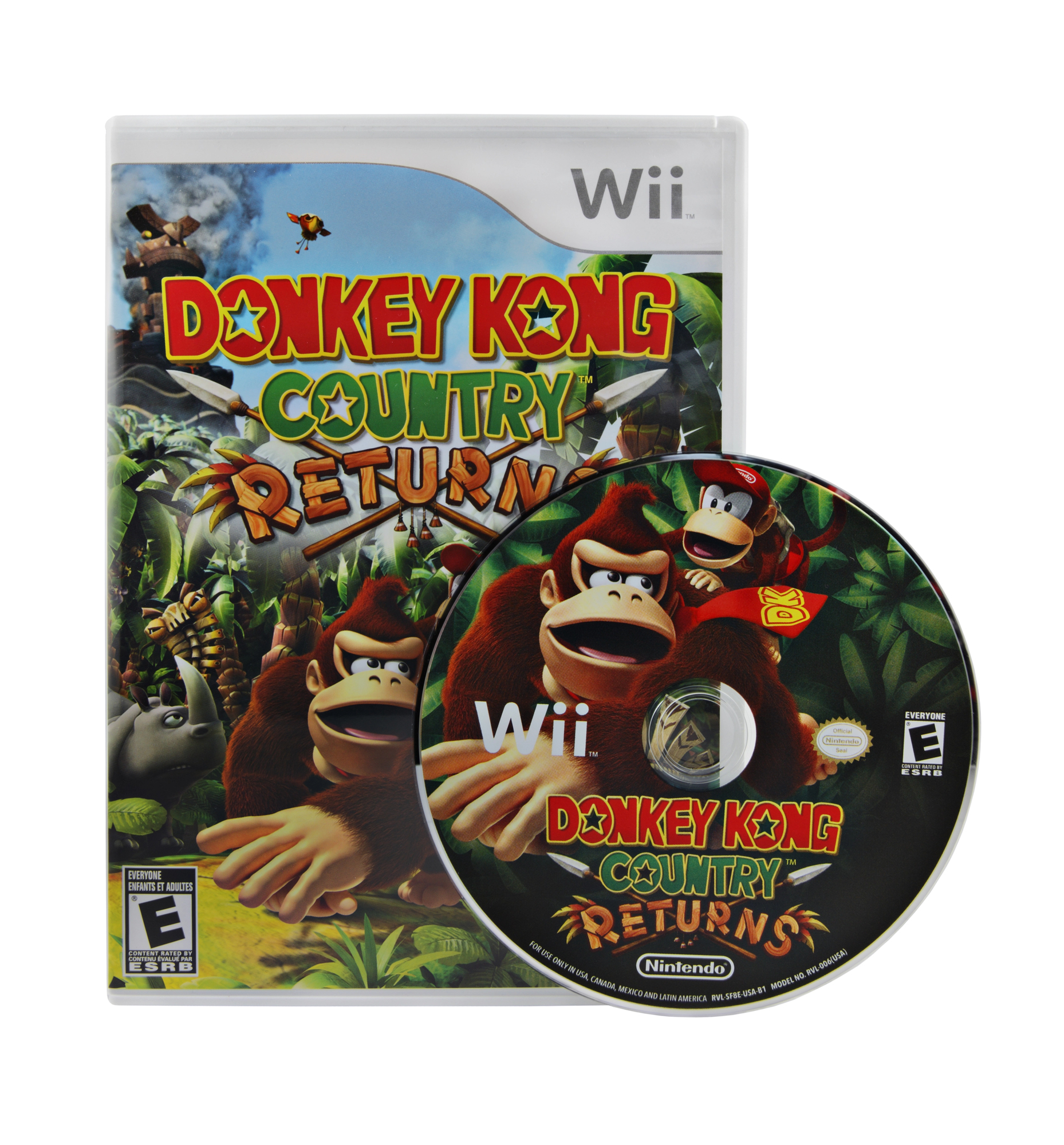
The visual appeal of Donkey Kong Country hasn’t diminished over time. Those pre-rendered sprites still look distinctive.
The game’s momentum-based platforming creates a rhythm that’s satisfying to watch even when you’re not holding the controller.
Streamers have discovered that the game’s cooperative mode works particularly well for streaming.
The ability to hand off control creates natural breaks in the action and opportunities for chat interaction without disrupting the flow.
Mega Man X
But the thing about Mega Man X on Twitch is that it perfectly demonstrates the difference between games designed around memorization and games designed around skill expression.
Because while you do need to learn the boss patterns and stage layouts, the real entertainment comes from watching streamers execute wall jumps and movement techniques with the kind of precision that makes difficult sections look effortless (until they attempt to explain what they’re doing and suddenly mess up the timing, which happens more often than anyone expects).
The game’s structure creates natural stopping points where streamers can interact with chat between boss fights.
And yet the individual stages flow quickly enough that viewers don’t get restless during the action sequences.
Castlevania: Symphony Of The Night
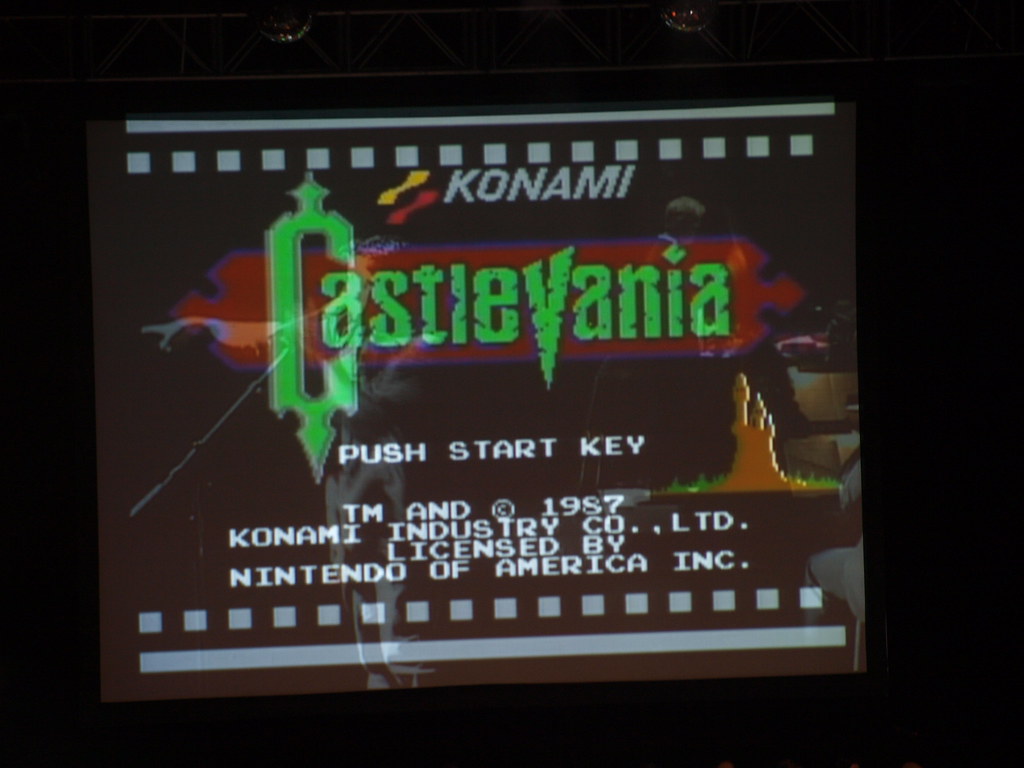
Symphony of the Night streams operate on multiple levels simultaneously. Surface-level viewers enjoy the gothic atmosphere and satisfying progression system.
More invested audiences appreciate the routing decisions and sequence-breaking techniques that turn exploration into optimization.
The game’s structure supports both approaches.
Streamers can play casually and still provide engaging content, or they can demonstrate advanced techniques for viewers interested in deeper mechanical understanding.
Chrono Trigger
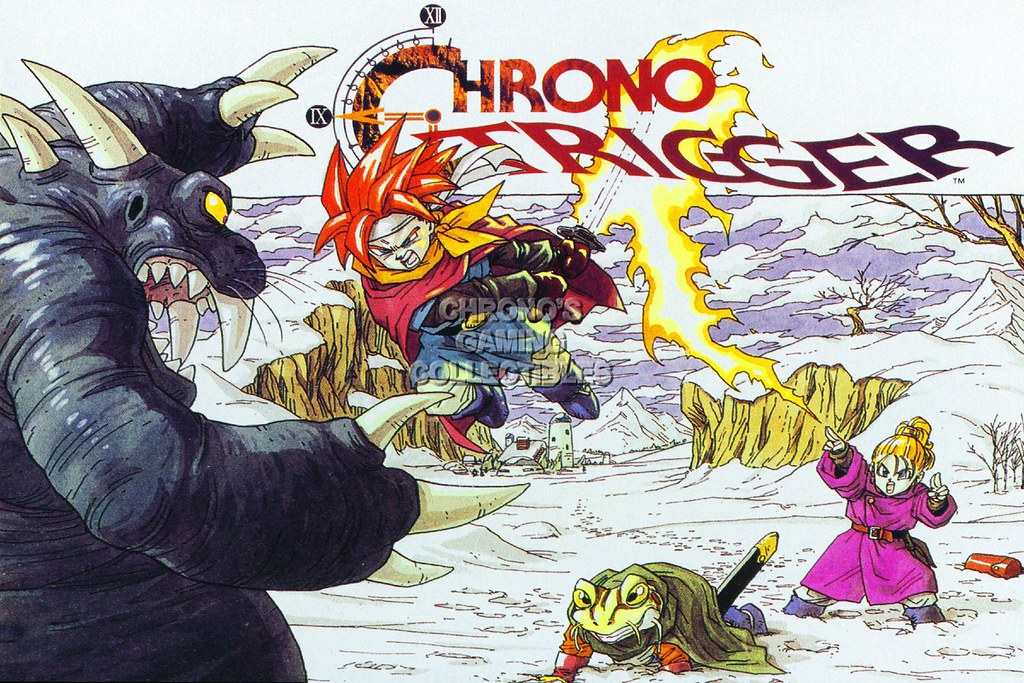
The pacing of Chrono Trigger makes it ideal streaming material. The game moves efficiently between story beats, combat encounters, and exploration without lingering too long in any single mode.
Modern audiences, trained on shorter attention spans, find the rhythm comfortable.
Multiple endings and New Game Plus features give streamers reasons to return.
Chat enjoys seeing different story outcomes and comparing route choices across multiple playthroughs.
Street Fighter Alpha 3
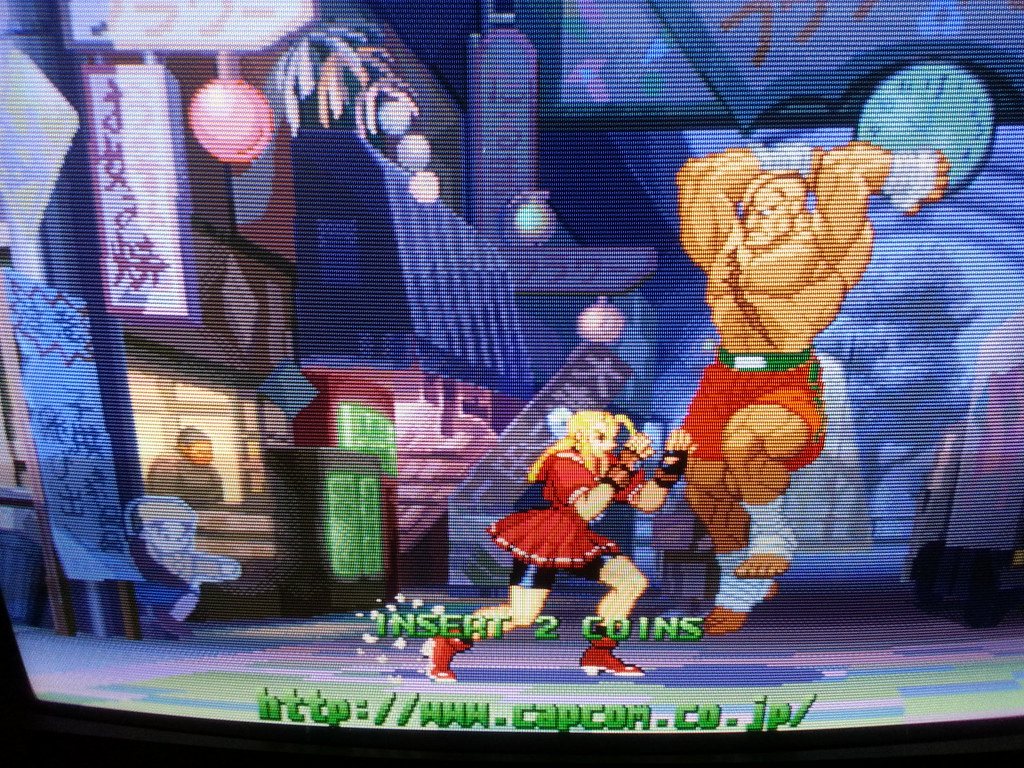
Alpha 3 represents fighting games at their most expressive — where individual player personality shows through character selection, fighting style, and moment-to-moment decision making.
In ways that create genuine entertainment even for viewers who don’t understand the technical details.
The game’s roster depth means that streamers can experiment with different characters and play styles, keeping the content fresh across multiple streams.
The learning curve creates natural progression that viewers can follow.
Watching someone improve at a fighting game in real time provides a different kind of satisfaction than seeing already-perfected play.
Tony Hawk’s Pro Skater 2

Trick-based games translate beautifully to streaming because every successful combo feels like a small performance. Pro Skater 2 delivers constant feedback — both visual and audio.
That makes successful runs satisfying to watch even when you’re not controlling the action.
The game’s scoring system creates clear goals that chat can follow and celebrate.
When someone lands a particularly impressive combo or beats a challenging score target, the achievement feels shared rather than individual.
GoldenEye 007
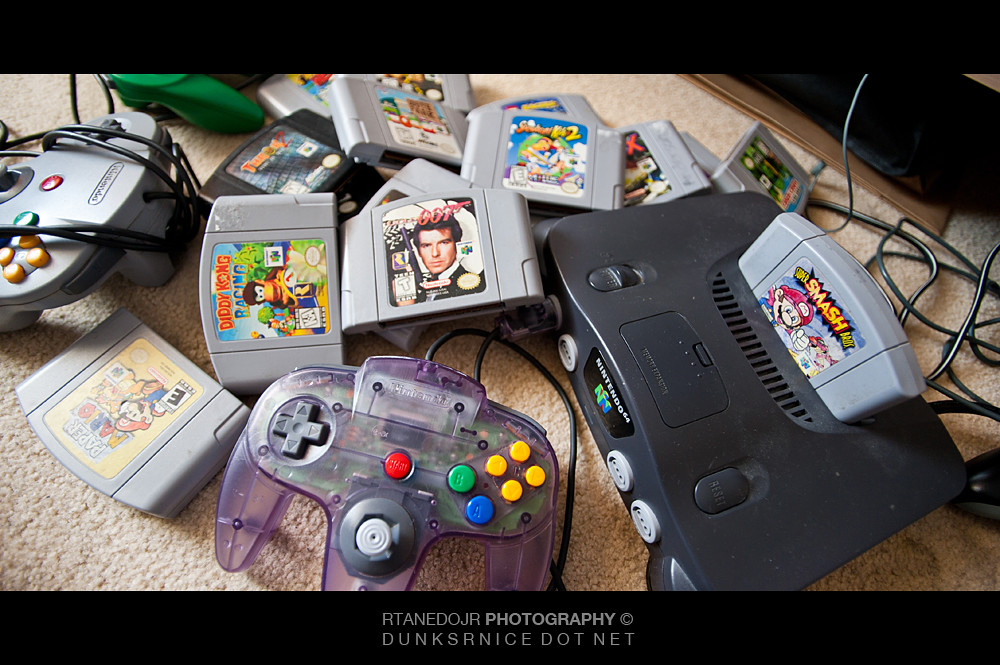
The split-screen multiplayer component of GoldenEye has found new life through streaming, where the shared screen experience translates directly to shared viewing.
Streamers can play with friends while chat enjoys the competitive dynamics and inevitable arguments over screen-watching.
Single-player speedruns demonstrate the game’s surprising depth.
What seemed like straightforward shooting missions reveal layers of optimization and route planning that most players never considered during casual play.
When Pixels Feel Like Home
These games endure on Twitch because they solved problems that modern gaming is still figuring out. They created genuine difficulty that felt fair, progression systems that felt rewarding, and multiplayer experiences that brought people together rather than driving them apart.
When streamers return to these classics, they’re not just mining nostalgia — they’re demonstrating what made gaming special in the first place.
And viewers are responding with the kind of sustained attention that new releases struggle to maintain.
More from Go2Tutors!

- The Romanov Crown Jewels and Their Tragic Fate
- 13 Historical Mysteries That Science Still Can’t Solve
- Famous Hoaxes That Fooled the World for Years
- 15 Child Stars with Tragic Adult Lives
- 16 Famous Jewelry Pieces in History
Like Go2Tutors’s content? Follow us on MSN.